Abstract Background Bronchoalveolar lavage (BAL) is a key tool in respiratory medicine for sampling the distal airways. BAL bile acids are putative biomarkers of pulmonary microaspiration, which is associated with poor outcomes after lung transplantation. Compared to BAL, large airway bronchial wash (LABW) samples the tracheobronchial space where bile acids may be measurable at more clinically relevant levels. We assessed whether LABW bile acids, compared to BAL bile acids, are more strongly associated with poor clinical outcomes in lung transplant recipients. Methods Concurrently obtained BAL and LABW at 3 months post-transplant from a retrospective cohort of 61 lung transplant recipients were analyzed for taurocholic acid (TCA), glycocholic acid (GCA), and cholic acid by mass spectrometry and 10 inflammatory proteins by multiplex immunoassay. Associations between bile acids with inflammatory proteins and acute lung allograft dysfunction were assessed using Spearman correlation and logistic regression, respectively. Time to chronic lung allograft dysfunction and death were evaluated using multivariable Cox proportional hazards and Kaplan–Meier methods. Results Most bile acids and inflammatory proteins were higher in LABW than in BAL. LABW bile acids correlated with inflammatory proteins within and between sample type. LABW TCA and GCA were associated with acute lung allograft dysfunction (OR = 1.368; 95%CI = 1.036–1.806; P = 0.027, OR = 1.064; 95%CI = 1.009–1.122; P = 0.022, respectively). No bile acids were associated with chronic lung allograft dysfunction. Adjusted for risk factors, LABW TCA and GCA predicted death (HR = 1.513; 95%CI = 1.014–2.256; P = 0.042, HR = 1.597; 95%CI = 1.078–2.366; P = 0.020, respectively). Patients with LABW TCA in the highest tertile had worse survival compared to all others. Conclusions LABW bile acids are more strongly associated than BAL bile acids with inflammation, acute lung allograft dysfunction, and death in lung transplant recipients. Collection of LABW may be useful in the evaluation of microaspiration in lung transplantation and other respiratory diseases.
BACKGROUND: Gastroesophageal reflux disease (GERD) is a risk factor for chronic lung allograft dysfunction. Bile acids-putative markers of gastric microaspiration-and inflammatory proteins in the bronchoalveolar lavage (BAL) have been associated with chronic lung allograft dysfunction, but their relationship with GERD remains unclear. Although GERD is thought to drive chronic microaspiration, the selection of patients for anti-reflux surgery lacks precision. This multicenter study aimed to test the association of BAL bile acids with GERD, lung inflammation, allograft function, and anti-reflux surgery. METHODS: We analyzed BAL obtained during the first post-transplant year from a retrospective cohort of patients with and without GERD, as well as BAL obtained before and after Nissen fundoplication anti-reflux surgery from a separate cohort. Levels of taurocholic acid (TCA), glycocholic acid, and cholic acid were measured using mass spectrometry. Protein markers of inflammation and injury were measured using multiplex assay and enzyme-linked immunosorbent assay. RESULTS: At 3 months after transplantation, TCA, IL-1 beta, IL-12p70, and CCL5 were higher in the BAL of patients with GERD than in that of no-GERD controls. Elevated TCA and glycocholic acid were associated with concurrent acute lung allograft dysfunction and inflammatory proteins. The BAL obtained after anti-reflux surgery contained reduced TCA and inflammatory proteins compared with that obtained before anti-reflux surgery. CONCLUSIONS: Targeted monitoring of TCA and selected inflammatory proteins may be useful in lung transplant recipients with suspected reflux and microaspiration to support diagnosis and guide therapy. Patients with elevated biomarker levels may benefit most from anti-reflux surgery to reduce microaspiration and allograft inflammation. (C) 2020 International Society for Heart and Lung Transplantation. All rights reserved.
Purpose Acceptance rates of donor lungs differ substantially among transplant centers. This is mainly due to a lack of standardized functional parameters of the donor lungs, which can predict organ function after lung transplantation (LTx). Methods A prospective evaluation of lung donors were performed in three transplant centers between January 2017 and September 2018. Standardized ventilation settings were used to collect respiratory and hemodynamic parameters at the time of retrieval. Duration of mechanical ventilation after lung transplantation was defined as the primary end-point. Results A total of 151 lung donors were included in the study. Median donor age was 46 (12-80), median intubation time was 3 days (1-34), 44 (29.1%) donors had smoking history and 19 (12.6%) had chest trauma. At time of retrieval median P/F ratio was 413 mmHg (79-650), median dynamic compliance 45 ml/mbar (14-121) and median pCO2 40 (19-77). In 10 (6.6%) cases, purulent secretions were found during bronchoscopy. In 6 (3.9%) cases evaluation with EVLP followed organ retrieval. Median recipient age was 55 (18-69). The indications for LTx were: COPD (n=61, 40.4%), CF (n=38, 25.2%) and ILD (n=30, 19.9%). Median length of mechanical ventilation was 32 hours (range: 4 - 964). At 72 hours only 1 (0.7%) PGD grade 3 was recorded. P/F ratio at time of offer, donor intubation time, smoking history, donor age, P/F ratio and peak pressure at time of retrieval did not correlate with recipient length of mechanical ventilation and hospitalization time. On the contrary, dynamic compliance at the time of retrieval correlated inversely with recipient weaning time (rs= - 0.199, p Conclusion In this multicenter analysis of lung donor parameters and their relevance for early post-transplant outcome, we found that dynamic compliance of donor lungs was the only factor associated with recipient weaning and hospitalization time. This parameter may have the potential to improve organ selection and subsequently increase the donor pool.
Purpose Gastroesophageal reflux disease (GERD) is prevalent after lung transplantation (LTx) and has been associated with allograft injury and chronic lung allograft dysfunction (CLAD) presumably through chronic microaspiration of bile acids and other gastric contents with subsequent innate immune activation. Anti-reflux surgery is widely used at some centers to treat GERD in LTx; however, its role in inflammation or aspiration is unknown. Our objective was to examine the effects of early anti-GERD surgery in LTx recipients on markers of microaspiration and inflammation in the bronchoalveolar lavage (BAL). Methods We identified 18 LTx recipients who underwent Nissen fundoplication within 6 months post LTx and who had BAL samples obtained within 3 months pre- and post-Nissen. BAL levels of IL-6, IL-8, S100A8, S100A12, CCL2, IL-1α, IL-1β, CCL5, sRAGE, and IL-12p70 were measured by multiplex assay. BAL levels of 3 most prevalent bile acids−cholic acid (CA), taurocholic acid (TCA), and glycocholic acid (GCA)−were measured by mass spectrometry. Values pre- and post-Nissen were compared using the paired Wilcoxon signed-rank test. Generalized Estimating Equation models were used to adjust for concurrent rejection, infection, and their treatment. Results IL-8, S100A8, IL-1α, IL-1β, CCL5, IL-12p70, and TCA were significantly reduced post-Nissen compared to pre-Nissen after adjustment (Figure 1). Other cytokines and bile acids were not significantly different between pre- and post-Nissen. However, most bile acid levels were very low; some patients had elevated bile acid levels pre-Nissen, which did not remain elevated post-Nissen. Conclusion Early anti-GERD surgery in LTx recipients is associated with a significant decrease in lung inflammation and may also decrease markers of microaspiration. Further studies are warranted to determine whether anti-reflux surgery can prevent allograft injury and CLAD in patients at risk. Gastroesophageal reflux disease (GERD) is prevalent after lung transplantation (LTx) and has been associated with allograft injury and chronic lung allograft dysfunction (CLAD) presumably through chronic microaspiration of bile acids and other gastric contents with subsequent innate immune activation. Anti-reflux surgery is widely used at some centers to treat GERD in LTx; however, its role in inflammation or aspiration is unknown. Our objective was to examine the effects of early anti-GERD surgery in LTx recipients on markers of microaspiration and inflammation in the bronchoalveolar lavage (BAL). We identified 18 LTx recipients who underwent Nissen fundoplication within 6 months post LTx and who had BAL samples obtained within 3 months pre- and post-Nissen. BAL levels of IL-6, IL-8, S100A8, S100A12, CCL2, IL-1α, IL-1β, CCL5, sRAGE, and IL-12p70 were measured by multiplex assay. BAL levels of 3 most prevalent bile acids−cholic acid (CA), taurocholic acid (TCA), and glycocholic acid (GCA)−were measured by mass spectrometry. Values pre- and post-Nissen were compared using the paired Wilcoxon signed-rank test. Generalized Estimating Equation models were used to adjust for concurrent rejection, infection, and their treatment. IL-8, S100A8, IL-1α, IL-1β, CCL5, IL-12p70, and TCA were significantly reduced post-Nissen compared to pre-Nissen after adjustment (Figure 1). Other cytokines and bile acids were not significantly different between pre- and post-Nissen. However, most bile acid levels were very low; some patients had elevated bile acid levels pre-Nissen, which did not remain elevated post-Nissen. Early anti-GERD surgery in LTx recipients is associated with a significant decrease in lung inflammation and may also decrease markers of microaspiration. Further studies are warranted to determine whether anti-reflux surgery can prevent allograft injury and CLAD in patients at risk.
Purpose Gastroesophageal reflux disease (GERD) is thought to expose the lungs to refluxed gastric contents leading to injury and chronic lung allograft dysfunction (CLAD) in lung transplant recipients (LTRs). Prior small studies showed correlations between lung bile acids and CLAD/survival. The goal of this study was to determine whether bile acid levels in the bronchoalveolar lavage (BAL) correlate with GERD, concurrent lung allograft inflammation, or development of CLAD. Methods The cohort consisted of 25 GERD-positive and 50 GERD-negative adult sequential LTRs who underwent 24h pH/impedance reflux testing and BAL collection within 6 months post-transplant. Bile acids - taurocholic acid (TCA), glycocholic acid (GCA), and cholic acid (CA) - were measured using LC-MS/MS mass spectrometry; 10 cytokines were quantified using a multiplex assay. Levels were compared between groups using generalized linear models. Spearman correlations between biomarkers were assessed. The relationship between biomarkers and time to CLAD was examined using Cox proportional hazards models. Results TCA was significantly higher in BALs of GERD-positive patients compared to GERD-negative (0.4 vs. 0.1, p=0.04), with no significant differences in GCA, CA, or cytokines. Importantly, there were correlations (adjusted for 10 multiple comparisons) between TCA and GCA and inflammatory markers IL-6, CXCL8, CCL2, IL-1β, CCL5, IL-1α, and IL-12p70 (Fig 1A). Additionally, TCA (HR 1.37, p=0.04), IL-6 (HR 1.59, p=0.012), S100A8 (HR 1.39, p=0.033), and CCL2 (HR 1.41, p=0.03) at the time of the BAL were significantly associated with time to CLAD, independent of GERD status (Fig 1B shows additional Kaplan-Meier analysis). Conclusion BAL TCA correlates with GERD, concurrent innate immune inflammation, as well as risk of CLAD. We propose that BAL TCA levels, in conjunction with inflammatory marker measurements, may be useful in identifying LTRs with chronic aspiration of enteric contents that have a higher risk of subsequent adverse outcomes. Gastroesophageal reflux disease (GERD) is thought to expose the lungs to refluxed gastric contents leading to injury and chronic lung allograft dysfunction (CLAD) in lung transplant recipients (LTRs). Prior small studies showed correlations between lung bile acids and CLAD/survival. The goal of this study was to determine whether bile acid levels in the bronchoalveolar lavage (BAL) correlate with GERD, concurrent lung allograft inflammation, or development of CLAD. The cohort consisted of 25 GERD-positive and 50 GERD-negative adult sequential LTRs who underwent 24h pH/impedance reflux testing and BAL collection within 6 months post-transplant. Bile acids - taurocholic acid (TCA), glycocholic acid (GCA), and cholic acid (CA) - were measured using LC-MS/MS mass spectrometry; 10 cytokines were quantified using a multiplex assay. Levels were compared between groups using generalized linear models. Spearman correlations between biomarkers were assessed. The relationship between biomarkers and time to CLAD was examined using Cox proportional hazards models. TCA was significantly higher in BALs of GERD-positive patients compared to GERD-negative (0.4 vs. 0.1, p=0.04), with no significant differences in GCA, CA, or cytokines. Importantly, there were correlations (adjusted for 10 multiple comparisons) between TCA and GCA and inflammatory markers IL-6, CXCL8, CCL2, IL-1β, CCL5, IL-1α, and IL-12p70 (Fig 1A). Additionally, TCA (HR 1.37, p=0.04), IL-6 (HR 1.59, p=0.012), S100A8 (HR 1.39, p=0.033), and CCL2 (HR 1.41, p=0.03) at the time of the BAL were significantly associated with time to CLAD, independent of GERD status (Fig 1B shows additional Kaplan-Meier analysis). BAL TCA correlates with GERD, concurrent innate immune inflammation, as well as risk of CLAD. We propose that BAL TCA levels, in conjunction with inflammatory marker measurements, may be useful in identifying LTRs with chronic aspiration of enteric contents that have a higher risk of subsequent adverse outcomes.
Human leukocyte antigen (HLA)-G is a non-classical HLA that inhibits immune responses. Its expression is modified by single nucleotide polymorphisms (SNPs), which are associated with transplant outcomes. Our aim was to investigate the association of donor and recipient HLA-G SNPs with chronic lung allograft dysfunction (CLAD) and mortality after lung transplantation. In this single-centre study, we examined 11 HLA-G SNPs in 345 consecutive recipients and 297 donors of a first bilateral lung transplant. A multivariable Cox proportional hazards model assessed associations of SNPs with death and CLAD. Transbronchial biopsies (TBBx) and bronchoalveolar lavage (BAL) samples were examined using quantitative PCR, ELISA and immunofluorescence. Over a median of 4.75 years, 142 patients (41%) developed CLAD; 170 (49%) died. Multivariable analysis revealed donor SNP +3142 (GG+CG versus CC) was associated with increased mortality (hazard ratio 1.78, 95% CI 1.12–2.84; p=0.015). In contrast, five donor SNPs, -201(CC), -716(TT), -56(CC), G*01:03(AA) and 14 bp INDEL, conferred reduced mortality risk. Specific donor–recipient SNP pairings reduced CLAD risk. Predominantly epithelial HLA-G expression was observed on TBBx without rejection. Soluble HLA-G was present in higher concentrations in the BAL samples of patients who later developed CLAD. Specific donor SNPs were associated with mortality risk after lung transplantation, while certain donor–recipient SNP pairings modulated CLAD risk. TBBx demonstrated predominantly epithelial, and therefore presumably donor-derived, HLA-G expression in keeping with these observations. This study is the first to demonstrate an effect of donor HLA-G SNPs on lung transplantation outcome.
Waiting list mortality for lung transplantation is 15-25%, while only 20% of lungs from multiorgan donors are deemed suitable for transplantation. Ex vivo lung perfusion (EVLP) is a technique to increase the donor pool by reassessing and reconditioning extended criteria donor lungs (ED) that would otherwise be rejected. Previous studies have shown non-inferior short- and mid-term outcomes in EVLP lung transplantation using these lungs. Here, we report the long-term follow-up of our EVLP recipients.
Long-term outcomes after lung transplantation remain inferior to those of other solid organ groups. The significance of eosinophils detected on transbronchial biopsies (TBBx) after lung transplantation and their relationship to long-term outcomes remain unknown. A retrospective single-center cohort study was performed of patients transplanted between January 01, 2001, and July 31, 2018, who had at least 1 TBBx with evaluable parenchymal tissue. Multivariable Cox proportional hazard models were used to assess the associations between eosinophil detection and: all-cause mortality and Chronic Lung Allograft Dysfunction (CLAD). 8887 TBBx reports from 1440 patients were reviewed for the mention of eosinophils in the pathology report. 112 (7.8%) patients were identified with eosinophils on at least one TBBx. The median (95% CI) survival time for all patients was 8.28 (7.32-9.31) years. Multivariable analysis, adjusted for clinical variables known to affect post-transplant outcomes, showed that the detection of eosinophils was independently associated with an increased risk of death (HR 1.51, 95% CI 1.24-1.85, p < 0.01) and CLAD (HR 1.35, 95% CI 1.07-1.70, P = 0.01). Eosinophils detected in TBBx are associated with an increased risk of CLAD and death. There may be benefit in specifically reporting the presence of eosinophils in TBBx reports and incorporating their presence in clinical decision-making.
Human Leukocyte Antigen (HLA)-G is a class I - like molecule expressed by parenchymal cells and leukocytes. Higher HLA-G expression is associated with better transplant outcomes, and is modified by single nucleotide polymorphisms (SNPs). We hypothesized that donor and recipient HLA-G SNPs would predict chronic lung allograft dysfunction (CLAD) and mortality after lung transplantation (LTx).
Chronic lung allograft dysfunction (CLAD) is a major cause of mortality in lung transplant recipients. CLAD can be sub-divided into at least 2 subtypes with distinct mortality risk characteristics: restrictive allograft syndrome (RAS), which demonstrates increased overall computed tomography (CT) lung density in contrast with bronchiolitis obliterans syndrome (BOS), which demonstrates reduced overall CT lung density. This study aimed to evaluate a reader-independent quantitative density metric (QDM) derived from CT histograms to associate with CLAD survival. A retrospective study evaluated CT scans corresponding to CLAD onset using pulmonary function tests in 74 patients (23 RAS, 51 BOS). Two different QDM values (QDM1 and QDM2) were calculated using CT lung density histograms. Calculation of QDM1 includes the extreme edges of the histogram. Calculation of QDM2 includes the central region of the histogram. Kaplan-Meier analysis and Cox regression analysis were used for CLAD prognosis. Higher QDM values were significantly associated with decreased survival. The hazard ratio for death was 3.2 times higher at the 75th percentile compared to the 25th percentile using QDM1 in a univariate model. QDM may associate with CLAD patient prognosis.
The primary aim of our study was to create a clinically relevant, reproducible model of severe ARDS requiring extracorporeal membrane oxygenation (ECMO). Secondly, we sought to use this model as a platform to evaluate a bronchoscopic intervention that involved saline lavage and surfactant replacement therapy (SRT).
BACKGROUND: Ex vivo lung perfusion (EVLP) provides opportunities to treat injured donor lungs before transplantation. We investigated whether lung lavage, to eliminate inflammatory inhibitory components, followed by exogenous surfactant replacement, could aid lung recovery and improve post transplant lung function after gastric aspiration injury.METHODS: Gastric acid aspiration was induced in donor pigs, which were ventilated for 6 hours to develop lung injury. After retrieval and 10 hours of cold preservation, EVLP was performed for 6 hours. The lungs were randomly divided into 4 groups (n = 5, each): (1) no treatment (control), (2) lung lavage, (3) surfactant administration, and (4) lung lavage, followed by surfactant administration. After another 2-hour period of cold preservation, the left lung was transplanted and reperfused for 4 hours.RESULTS: Physiologic lung function significantly improved after surfactant administration during EVLP. The EVLP perfusate from the lavage + surfactant group showed significantly lower levels of interleukin (IL)-1 beta, IL-6, IL-8, and secretory phospholipase A(2). Total phosphatidylcholine was increased, and minimum surface tension was recovered to normal levels (<= 5 mN/m) in the bronchioalveolar fluid after surfactant administration. Lysophosphatidylcholine in bronchioalveolar fluid was significantly lower in the lavage surfactant group than in the surfactant group. Post-transplant lung function was significantly better in the lavage + surfactant group compared with all other groups.CONCLUSIONS: Lung lavage, followed by surfactant replacement during EVLP, reduced inflammatory mediators and prevented hydrolysis of phosphatidylcholine, which contributed to the superior post transplant function in donor lungs with aspiration injury. (C) 2017 International Society for Heart and Lung Transplantation. All rights reserved.
There is a paucity of literature surrounding the use and outcomes of extracorporeal life support (ECLS) in pediatric lung transplant (LTx) patients. Therefore, we sought to describe ECLS use and outcomes in pediatric LTx patients at our institution.
Chronic Lung Allograft Dysfunction (CLAD) is a major limiting factor for survival after lung transplantation. This study presents an easy to implement algorithm that can automate identification of patients suspected of CLAD based on serial pulmonary function tests (PFT). We apply this algorithm to our single-center cohort of 1657 lung transplant cases.
Ex vivo lung perfusion (EVLP) enables assessment of marginal donor lungs for transplantation. We aimed to discover biomarkers in EVLP perfusate that could predict development of primary graft dysfunction (PGD). From September 2008 to August 2013, 100 clinical EVLPs were performed. Eleven patients developed PGD grade 3 within 72 h after transplant. The non-PGD group consisted of 34 patients without PGD grade 3. Nonbilateral lung transplants or transplant after extracorporeal life support were excluded from analyses. Soluble intercellular adhesion molecule 1 (sICAM-1), soluble VCAM-1 (sVCAM-1), and soluble E selectin (sE-selectin) levels, as markers of endothelial activation, were measured in the perfusate of EVLP by enzyme-linked immunosorbent assay and were correlated with clinical outcome. Levels of sICAM-1 at 1 h and sVCAM-1 at 1 and 4 h were significantly higher in the PGD group compared with the non-PGD group. The sE selectin levels were not statistically different between the study groups. Higher levels of sVCAM-1 at 1 and 4 h were statistically significantly associated with PGD either alone or after adjustment for other PGD risk factors. These adhesion molecules may help identify donor lungs at higher risk of PGD during EVLP.
The severity of right ventricular failure in patients with high pulmonary arterial pressures is frequently reflected by the development of liver dysfunction, resulting from hepatic congestion. However, little is known about the relationship between preoperative (preop) serum markers of liver dysfunction and prognosis in patients undergoing lung transplantation (LTx) for pulmonary hypertension (PH). Our study aimed to evaluate the role of these markers in the prediction of postoperative (postop) mortality in PH patients undergoing LTx.
Objectives: Extracorporeal life support (ECLS) is increasingly used to bridge deteriorating patients awaiting lung transplantation (LTx), however, few systematic descriptions of this practice exist. We therefore aimed to review our institutional experience over the past 10 years. Methods: In this case series, we included all adults who received ECLS with the intent to bridge to LTx. Data were retrieved from patient charts and our institutional ECLS and transplant databases. Results: Between January 2006 and September 2016, 1111 LTx were performed in our institution. ECLS was used in 71 adults with the intention to bridge to LTx; of these, 11 (16%) were bridged to retransplantation. The median duration of ECLS before LTx was 10 days (range, 0-95). We used a single dual-lumen venous cannula in 23 patients (32%). Nine of 13 patients (69%) with pulmonary hypertension were bridged by central pulmonary artery to left atrium Novalung. Twenty-five patients (35%) were extubated while on ECLS and 26 patients (37%) were mobilized. Sixty-three patients (89%) survived to LTx. Survival by intention to treat was 66%(1 year), 58%(3 years) and 48%(5 years). Survival was significantly shorter in patients undergoing ECLS bridge to retransplantation compared with first LTx (median survival, 15 months (95% CI, 0-31) versus 60 months (95% CI, 37-83); P = .041). Conclusions: In our center experience, ECLS bridge to first lung transplant leads to good short-term and long-term outcomes in carefully selected patients. In contrast, our data suggest that ECLS as a bridge to retransplantation should be used with caution.
Rationale: Despite increasing evidence about the role of donor specific human leukocyte antigen (HLA) antibodies in transplant outcomes, the incidence and impact of de novo donor-specific antibodies (dnDSA) after lung transplantation remains unclear.Objectives: To describe the incidence, characteristics, and impact of dnDSA after lung transplantation.Methods: We investigated a single-center cohort of 340 lung transplant recipients undergoing transplant during 2008 to 2011. All patients underwent HLA-antibody testing quarterly pretransplant and at regular intervals over the first 24 months after transplant. The patients received modified immunosuppression depending on their pretransplant sensitization status. Risk factors for dnDSA development, as well as the associations of dnDSA with patient survival and chronic lung allograft dysfunction (CLAD), were determined using multivariable analysis.Measurements and Main Results: The cumulative incidence of dnDSA was 47% at a median of 86 days (range, 44-185 d) after lung transplantation. Seventy-six percent of recipients with dnDSA had DQ-DSA. Male sex and the use of ex vivo lung perfusion were associated with an increased risk of dnDSA, whereas increased HLA-DQB1 matching was protective. DQ-dnDSA preceded or coincided with the diagnosis of CLAD in all cases. Developing dnDSA (vs. no dnDSA) was associated with a twofold increased risk of CLAD (hazard ratio, 2.04; 95% confidence interval, 1.13-3.69). This association appeared to be driven by the development of DQ-dnDSA.Conclusions: dnDSA are common after lung transplantation, with the majority being DQ DSA. DQ-dnDSA are associated with an increased risk of CLAD. Strategies to prevent or treat DQ-dnDSA may improve outcomes for lung transplant recipients.
 Shaf Keshavjee合作论文数Department of Surgery, Temerty Faculty of Medicine, University of Toronto;Institute of Biomedical Engineering, Faculty of Applied Science & Engineering, University of Toronto;Toronto General Hospital Research Institute;Cancer Clinical Research Unit, Princess Margaret Cancer Centre;Latner Thoracic Research Laboratories;SickKids Research Institute67
 Lianne Singer合作论文数Department of Medicine, Temerty Faculty of Medicine, University of Toronto;Institute of Health Policy, Management and Evaluation, University of Toronto;Toronto General Hospital Research Institute41
 Marcelo Cypel合作论文数Department of Surgery, Temerty Faculty of Medicine, University of Toronto;Toronto General Hospital Research Institute, University Health Network;Department of Surgery, Toronto General Hospital;Department of Surgery, Mount Sinai Hospital;Department of Surgery, Hospital for Sick Children39
 Thomas Waddell合作论文数Division of Thoracic Surgery, Temerty Faculty of Medicine, University of Toronto;Division of Thoracic Surgery, University Health Network36
 Mingyao Liu合作论文数Department of Physiology, Temerty Faculty of Medicine, University of Toronto;Department of Surgery, Medicine and Physiology, University of Toronto;Institute of Medical Science, University of Toronto;Toronto General Hospital Research Institute;Latner Thoracic Surgery Research Laboratories, University Health Network19
 Kazuhiro Yasufuku合作论文数Institute of Medical Science, Temerty Faculty of Medicine, University of Toronto18
 Marc De Perrot合作论文数University Health Network;University of Toronto;Institute of Medical Sciences;Toronto General Hospital Research Institute16
 Chung-Wai Chow合作论文数Centre for Global Health, Dalla Lana School of Public Health, University of Toronto;Occupational & Environmental Health Division, Dalla Lana School of Public Health, University of Toronto;Institute of Medical Science, Temerty Faculty of Medicine, University of Toronto;Toronto General Hospital Research Institute15
 Tiago Machuca合作论文数Rede D'Or São Luiz15
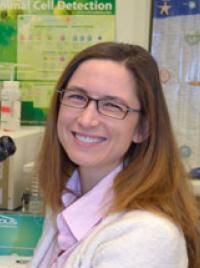 Tereza Martinu合作论文数Department of Immunology, Temerty Faculty of Medicine, University of Toronto14Zamel Ricardo合作论文数14M. Binnie合作论文数13Saito Tomohito合作论文数13A. Pierre合作论文数10
 Cecilia Chaparro合作论文数Division of Respirology, University of Toronto;Division of Respirology, Department of Medicine, Toronto General Hospital;Division of Respirology, Adult Cystic Fibrosis Centre, St. Michael's Hospital10
 Jonathan Yeung合作论文数Division of Thoracic Surgery, Department of Surgery, Temerty Faculty of Medicine, University of Toronto;Toronto General Hospital Research Institute9Jussi Tikkanen合作论文数Helsinki University Central Hospital9
 Shahid Husain合作论文数Toronto General Hospital Research Institute;University of Toronto9
 Coleman Rotstein合作论文数Division of Infectious Diseases, Department of Medicine, Temerty Faculty of Medicine, University of Toronto8
 Scott Michael Palmer合作论文数Division of Pulmonary, Allergy, and Critical Care Medicine, Department of Medicine, School of Medicine, Duke University;Duke Clinical Research Institute, Duke University8
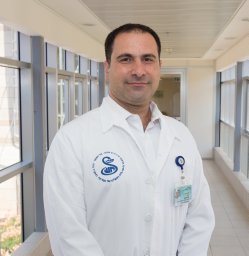 L. Levy合作论文数Ajmera Transplant Ctr, Univ Hlth Network7
 Andrew Pierre合作论文数Department of Surgery, Temerty Faculty of Medicine, University of Toronto7
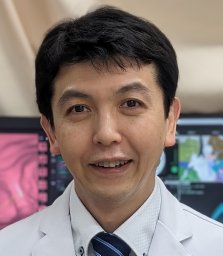 Masaaki Sato合作论文数東京大学臓器移植医療センタ�碜冀淌7
 Wilfred T. Tysoe合作论文数Department of Chemistry & Biochemistry, University of Wisconsin-Milwaukee7Stephen Juvet合作论文数Department of Immunology, Temerty Faculty of Medicine, University of Toronto6
 Manyin Chen合作论文数6M DEPERROT合作论文数5d nakajima合作论文数5Kristen Boonstra合作论文数5
 Kathryn Tinckam合作论文数Department of Laboratory Medicine and Pathobiology, Temerty Faculty of Medicine, University of Toronto5Luong Me-Linh合作论文数5
 John Granton合作论文数University of Toronto;Women’s College Hospital;Mount Sinai Hospital;University Health Network5
 David Hwang合作论文数Department of Laboratory Medicine and Pathobiology, Temerty Faculty of Medicine, University of Toronto5
 Michael Hutcheon合作论文数Department of Medicine, Temerty Faculty of Medicine, University of Toronto5
 Hyunhee Kim合作论文数catholic university of korea5
 Marie Budev合作论文数Department of Pulmonary Medicine, Cleveland Clinic5
 Seyed Hosseini-Moghaddam合作论文数Department of Medicine, University of Toronto4
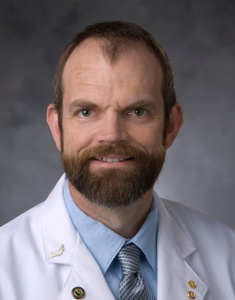 William Parker合作论文数Department of Surgery, School of Medicine, Duke University School of Medicine4
 Jamie Lynn Todd合作论文数Department of Medicine, School of Medicine, Duke University School of Medicine4
 Laurie D. Snyder合作论文数Department of Medicine, School of Medicine, Duke University School of Medicine4
 William Klement合作论文数Ottawa Hospital Research Institute, University of Ottawa;Faculty of Computer Science, Dalhousie University4John A. Belperio合作论文数4Matthew Binnie合作论文数Department of Medicine, Temerty Faculty of Medicine, University of Toronto4L. Sacks合作论文数4M. Hsin合作论文数3
 Stephen S Weigt合作论文数Division of Pulmonary and Critical Care Medicine, University of California at Los Angeles3
 Kohei Hashimoto合作论文数3
 Anne Stephenson合作论文数School of Graduate Studies, University of Toronto;Institute of Health Policy, Management and Evaluation, Dalla Lana School of Public Health, University of Toronto;Li Ka Shing Knowledge Institute, St. Michael's Hospital, Unity Health Toronto3




