The present Part 2 of the updated German S3 guideline on the treatment of psoriasis vulgaris provides recommendations for therapy selection in special clinical situations and in the presence of comorbidities. A major focus of this update is the chapter on screening for tuberculosis as well as therapy selection and management in latent tuberculosis. The recommendations regarding the use of interferon-gamma release assays and the indication for chest radiography have been extensively revised. In addition, the guidance on the suitability of systemic psoriasis therapies in patients with latent tuberculosis and on the need for preventive antituberculous treatment has been thoroughly updated. In the chapter on inflammatory bowel diseases, risankizumab and guselkumab have been added as recommended treatment options, as both agents have recently been approved for the indications Crohn's disease and ulcerative colitis. Further substantial revisions are included in the chapters on patients with a history of malignancy and viral hepatitis.
The S1 guideline "Therapy of generalized pustular psoriasis (GPP)" is a German guideline developed in accordance with the criteria of the AWMF. The full version addresses clinical presentation, pathogenesis, diagnosis and differential diagnosis, comorbidities, and therapy. In addition, therapy recommendations for adults with GPP are provided. Both approved and off-label therapies are considered. The present article is a shortened version of the guideline, whose therapy recommendations are presented in full and without omission.
Der vorliegende Teil 1 der Aktualisierung der S3‐Leitlinie zur Therapie der Psoriasis vulgaris umfasst die Abschnitte „Therapieempfehlungen“, „Therapieziele“ sowie die „Monitoringempfehlungen“ zu den Therapien. Die Grundlage bildet die aktuelle Cochrane‐Netzwerkmetaanalyse, deren Ergebnisse ebenfalls dargestellt werden. Es wird empfohlen, Wirksamkeit, Sicherheit, Komorbidität und individuelle Patientenfaktoren bei der Auswahl einer systemischen Therapie bei Psoriasis vulgaris zu berücksichtigen. Der Entscheidungskorridor wird in der Übersicht der Therapieoptionen dargestellt und rückt in der aktuellen Fassung die Möglichkeit einer Erstlinientherapie mit Biologika beziehungsweise neuen zielgerichteten kleinen Molekülen weiter nach vorne. Die Leitlinie betont die Bedeutung standardisierter Instrumente zur Bestimmung des Schweregrades sowie patientenzentrierter Therapieziele. Als Mindestziel gilt ein Psoriasis‐Area‐and‐Severity‐Index (PASI) 75‐Ansprechen, während PASI 90 oder ein absoluter PASI <2 als anzustrebende Therapieziele gelten. Aufgenommen wurden die seit der letzten Fassung neu zugelassenen Wirkstoffe Bimekizumab und Deucravacitinib, für die spezifische Anwendungshinweise ergänzt wurden. Unter den bestehenden Kapiteln wurden insbesondere die Anwendungshinweise zu Methotrexat (MTX) umfangreich überarbeitet.
This first part of the updated German S3 guideline on the treatment of psoriasis vulgaris covers the sections on treatment recommendations, treatment goals, and monitoring of therapies. The recommendations are based on the current Cochrane network meta-analysis, the results of which are also summarized. When selecting systemic therapies for psoriasis vulgaris, the guideline emphasizes consideration of efficacy, safety, comorbidities, and individual patient factors. The decision framework is presented in the treatment options overview, and in this updated version, the possibility of first-line therapy with biologics or novel targeted small molecules is more prominently highlighted. Standardized instruments for assessing disease severity, as well as patient-centered treatment goals, are underscored. A Psoriasis Area and Severity Index (PASI) 75 response is defined as the minimum therapeutic target, while PASI 90 or an absolute PASI <2 are considered desirable goals. Since the last version, two newly approved agents, bimekizumab and deucravacitinib, have been incorporated, accompanied by specific usage recommendations. Among the established therapies, guidance on methotrexate has been extensively revised, particularly regarding administration, dosing, and monitoring. This guideline aims to provide clinicians with an evidence-based framework for therapy selection and monitoring, while strengthening shared decision-making with patients.
BACKGROUND AND OBJECTIVES:Psoriasis can result in reduced quality of life, work productivity loss, and a significant restriction in non-professional activities. This study investigates the effects of long-term treatment with adalimumab regarding work ability, non-professional activities, and health-related quality of life in a large real-word population in Germany. PATIENTS AND METHODS:Single-arm, multicenter non-interventional study to document routine care data for up to 5 years in adult patients with psoriasis after initiation of adalimumab. RESULTS:Baseline data was collected for 4,793 (62.1 % male) patients with a mean (± SD) age of 47.5 ± 13.11 years. The number of days with restrictions in non-professional activities was much higher than in professional activities. Under adalimumab, the psoriasis-related number of days unfit for work and number of days with restrictions in non-professional activities significantly decreased. Correlation analyses showed that psoriatic arthritis, disease severity (PASI > 10), and impairment of quality of life (DLQI > 10) are associated with restrictions in non-professional activities. Health-related quality of life improved over the observed time but remained reduced in patients with restrictions in non-professional activities. CONCLUSIONS:Long-term treatment with adalimumab had a favorable impact on clinical outcomes, employment-related aspects, practice of non-professional activities, and health-related quality of life in psoriasis patients.
Background: No currently approved treatment for paediatric plaque psoriasis selectively targets interleukin (IL)-23. In adults, guselkumab (a selective IL-23 inhibitor that targets the p19 subunit) demonstrated substantial efficacy with a favourable safety profile in treating moderate-to-severe plaque psoriasis. Objectives: To evaluate the efficacy and safety of guselkumab in paediatric patients with moderate-to-severe plaque psoriasis (PROTOSTAR; NCT03451851). Methods: This phase III randomized placebo-controlled study enrolled patients aged ≥ 6 to < 18 years with moderate-to-severe plaque psoriasis. In part 1 [week (W)0-W16], patients were randomized to receive guselkumab, placebo or open-label etanercept (active reference arm). At W16, part 1 patients entered a guselkumab withdrawal/retreatment period or continued/crossed over to receive guselkumab (W16-W52). Co-primary endpoints were Investigator Global Assessment (IGA) 0/1 and ≥ 75% improvement in Psoriasis Area and Severity Index (PASI 75) [or U.S. Food and Drug Administration-required ≥ 90% improvement in PASI (PASI 90) co-primary endpoint] responses at W16 of part 1. Part 2 evaluated continuous open-label guselkumab treatment (W0-W52). Results: Of 92 and 28 patients enrolled in parts 1 and 2, respectively, 86% and 96% continued treatment through W52. In part 1, at W16, significantly higher proportions of guselkumab-treated compared with placebo-treated patients achieved IGA 0/1 (66% vs. 16%; P < 0.001), PASI 75 (76% vs. 20%; P < 0.001) and PASI 90 (56% vs. 16%; P < 0.01). More than one-third of guselkumab-treated patients achieved clear skin [IGA 0: 39% vs. 4% placebo; 100% improvement in PASI (PASI 100): 34% vs. 0% placebo; both P < 0.01]. In part 2, at W52, 86%, 93% and 82% of guselkumab-treated patients achieved IGA 0/1, PASI 75 and PASI 90, respectively. Through W16 of part 1, 42%, 68% and 58% of guselkumab-, placebo- and etanercept-treated patients, respectively, experienced adverse events (AEs). Rates of AEs with guselkumab were similar through W52 in parts 1 and 2; common AEs included nasopharyngitis, upper respiratory tract infection and COVID-19. No serious or opportunistic infections occurred.
Background: Guselkumab is an interleukin (IL)-23 inhibitor with demonstrated efficacy in patients with psoriasis. Objectives: Evaluate the impact of early disease intervention on clinical responses following 28 weeks of guselkumab treatment in patients with moderate-to-severe plaque psoriasis. Correlate clinical response and disease duration data with serum biomarker data. Methods: GUIDE is a phase IIIb randomized, double-blind, parallel-group, multicentre study of adults with moderate-to-severe plaque psoriasis. In study part 1, patients with a short disease duration (SDD [≤2 years]) or a long disease duration (LDD [>2 years]) received guselkumab 100 mg at Week (W) 0, 4, 12, and 20. Those achieving complete skin clearance at W20 and W28 were defined as a super responder (SRe). A multivariable logistic regression analysed the association between baseline factors and the likelihood of becoming an SRe. The relationship between clinical response, disease duration and serum biomarker data was assessed at W0 and 4. Results: In total, 880 patients were enrolled (SDD/LDD = 40.6%/59.4% of patients). More SDD than LDD patients achieved absolute Psoriasis Area and Severity Index (PASI) = 0 at W28 (51.8% vs. 39.4%) and were SRes (43.7% vs. 28.1% [overall 34.4%]). SDD patients also achieved PASI = 0 quicker than LDD patients (median 141 vs. 200 days). Disease duration and prior biologic use had the greatest impact on becoming an SRe, with no strong association among these independent variables. At baseline, there were no significant differences in the serum biomarker levels of IL-17A, IL-17F, IL-22 and β-defensin 2 between SDD and LDD patients, or between SRe and non-SRe patients. Guselkumab rapidly decreased these markers of systemic inflammation across all patient groups analysed at W4. Guselkumab was well tolerated. Conclusions: Guselkumab efficacy was consistent across subpopulations, on the skin and systemically. The proportion of SRes was higher in SDD than LDD patients, indicating early treatment intervention may improve clinical outcomes. © 2023 Janssen Cilag GmbH and The Authors.
Die Studie untersucht, wie sich eine nicht chirurgische Behandlung von Parodontitis im Vergleich zu herkömmlichen dermatologischen Methoden auf die Schwere und das Ausmaß der Psoriasis bei Patienten auswirkt, die unter beiden Krankheiten leiden. Insgesamt wurden dafür 74 Patienten mit Psoriasis und Parodontitis (Stadium I–IV) zufällig in zwei Gruppen eingeteilt: eine Gruppe erhielt eine nicht chirurgische Parodontaltherapie, während die andere Gruppe keine Behandlung erhielt (Kontrollgruppe). Beide Gruppen waren hinsichtlich der Verwendung von Psoriasis-Medikamenten gleich verteilt, wobei die Mehrheit Biologika als Monotherapie verwendete. Die Schwere der Psoriasis wurde hauptsächlich durch den Psoriasis- Area-Schweregrad-Index (PASI) bewertet, während die betroffene Körperoberfläche (BSA) und der dermatologische Lebensqualitätsindex (DLQI) zusätzliche Messgrößen darstellten. Auch parodontale Parameter wie die Tiefe der Zahnfleischtaschen und der gesamte Plaque- und Blutungsindex wurden gemessen. Nach 10 Wochen zeigte die Testgruppe signifikant niedrigere PASI-Werte im Vergleich zur Kontrollgruppe. Die Testgruppe wies auch Verbesserungen in der betroffenen Körperoberfläche und den parodontalen Parametern auf. Der dermatologische Lebensqualitätsindex verbesserte sich ebenfalls, jedoch nicht signifikant. Die nicht chirurgische Parodontaltherapie führte zu einer zusätzlichen Verbesserung der Psoriasis-Symptome im Vergleich zu herkömmlichen dermatologischen Behandlungen, indem sie die Schwere und das Ausmaß der Erkrankung reduzierte.
Background: Tapinarof cream is a topical aryl hydrocarbon receptor-modulating agent under investigation for the treatment of psoriasis. Tapinarof modulates the expression of interleukin-17 and the skin-barrier proteins filaggrin and loricrin. Methods: We conducted two identical phase 3 randomized trials of tapinarof in patients with mild-to-severe plaque psoriasis. Adults with a baseline Physician’s Global Assessment (PGA) score of 2 (mild) to 4 (severe) (on a scale from 0 to 4, with higher scores indicating more severe psoriasis) and a percent of total body-surface area affected of 3 to 20% were randomly assigned in a 2:1 ratio to use tapinarof 1% cream or vehicle cream once daily for 12 weeks. The primary end point, PGA response, was a PGA score of 0 (clear) or 1 (almost clear) and a decrease from baseline of at least 2 points at week 12. Secondary efficacy end points at week 12 were a reduction of at least 75% in the Psoriasis Area and Severity Index (PASI) score, a PGA score of 0 or 1, the mean change from baseline in the percent of body-surface area affected, and a reduction of at least 90% in the PASI score. Patient-reported outcomes were the mean changes from baseline to week 12 in the proportion of patients who had a decrease of at least 4 points in the Peak Pruritus Numeric Rating Scale (PP-NRS) score (range, 0 [no itch] to 10 [worst imaginable itch]), the PP-NRS total score, the Dermatology Life Quality Index total score, and the Psoriasis Symptom Diary score. Results: In trials 1 and 2, a total of 692 and 674 patients, respectively, were screened, with 510 and 515 patients being enrolled. A PGA response occurred in 35.4% of the patients in the tapinarof group and in 6.0% of those in the vehicle group in trial 1 and in 40.2% and 6.3%, respectively, in trial 2 (p < 0.001 for both comparisons). Results for secondary end points and patient-reported outcomes were generally in the same direction as those for the primary end point. Adverse events with tapinarof cream included folliculitis, nasopharyngitis, contact dermatitis, headache, upper respiratory tract infection, and pruritus. Conclusions: Tapinarof 1% cream once daily was superior to vehicle control in reducing the severity of plaque psoriasis over a period of 12 weeks but was associated with local adverse events and headache. Larger and longer trials are needed to evaluate the efficacy and safety of tapinarof cream as compared with existing treatments for psoriasis. (Funded by Dermavant Sciences; PSOARING 1 and 2 ClinicalTrials.gov numbers, NCT03956355 and NCT03983980, respectively.).
Risankizumab, a humanized immunoglobin G1 monoclonal antibody that specifically inhibits interleukin 23 by binding to its p19 subunit, is approved in Japan to treat numerous indications, including generalized pustular psoriasis (GPP) and erythrodermic psoriasis (EP). Both GPP and EP are severe forms of psoriasis that have limited treatment options. In IMMspire (A Study to Assess Efficacy and Safety of Two Different Dose Regimens of Risankizumab Administered Subcutaneously in Japanese Subjects With Generalized Pustular Psoriasis or Erythrodermic Psoriasis) (NCT03022045), a phase 3, randomized, multicenter study in Japan, we evaluated the efficacy and safety of risankizumab for Japanese adults with GPP or EP. Patients were randomized (1:1) to receive open-label risankizumab 75 mg or 150 mg at weeks 0 and 4 and every 12 weeks thereafter through week 160. The primary efficacy end point was GPP or EP clinical response at week 16. Other efficacy end points included GPP or EP clinical response, ≥90% improvement from baseline in the Psoriasis Area and Severity Index (PASI 90) and Dermatology Life Quality Index of 0 or 1 (DLQI 0/1) through 180 weeks (last follow-up visit). Safety was assessed throughout. A total of 17 patients (eight with GPP and nine with EP) were enrolled. All patients achieved the primary end point of GPP or EP clinical response at week 16. Among patients continuing risankizumab treatment, achievement of GPP or EP clinical response, PASI 90 and DLQI 0/1 were generally sustained throughout the treatment. The safety profile remained consistent with the safety profiles noted in previous risankizumab studies. Risankizumab demonstrated clinically meaningful efficacy at week 16, with durable efficacy and a favorable long-term safety profile in Japanese patients with GPP or EP.
Background Sleep, which is crucial for restoring of physiological functions and health, is reportedly impaired in psoriasis. The role of different potential sleep confounding factors, including detailed pruritus characteristics, and the complex interplay between psychological variables (anxiety and depression), pruritus and sleep disturbance in psoriasis remain insufficiently investigated. Objectives To investigate sleep characteristics and to identify clinical, demographic and psychological factors associated with sleep disturbance in psoriasis. Methods This cross-sectional study included 334 psoriasis patients (response rate 86%) and 126 control subjects (response rate 82%). Measures included sleep quality [Pittsburgh Sleep Quality Index (PSQI)], psoriasis severity, pruritus characteristics, including average pruritus intensity [visual analogue scale (VAS)], severity of comorbidities, anxiety and depression (Hospital Anxiety and Depression Scale - HADS) and quality of life (Dermatology Life Quality Index - DLQI, and Short Form 12 - SF12). Results Fifty-nine per cent of patients and 34% of control subjects (P < 0.001) suffered from sleep disturbance (PSQI > 5). Patients slept 1 h less than control subjects (median 6 vs. 7 h, P < 0.001). Patients without pruritus had less impaired sleep (global PSQI) than patients with strong (P < 0.001) and very strong pruritus (P < 0.001). Anxiety (HADS-A) and depression (HADS-D) levels were the strongest predictors of sleep impairment, followed by pruritus exacerbation at night, age, female sex, pruritus exacerbation in the morning, average pruritus intensity (VAS), diagnosed depression and gastroesophageal reflux disease, altogether explaining 32%-37% of the variance in global sleep quality. Both anxiety (HADS-A) and depression (HADS-D) were significant mediators explaining the association between pruritus intensity (VAS) and sleep impairment in 42% and 37% respectively. Conclusions Sleep disturbance in patients with psoriasis is highly prevalent. Patients with psoriasis should be assessed for sleep impairment, pruritus, anxiety and depression. Reduction in pruritus should be considered as an important therapeutic goal, along with therapies aimed at reducing anxiety and depression.
Pruritus is prevalent in psoriasis but still many features of pruritus, its response to therapy and its burden in psoriasis remain to be better characterized.
 Robert Sabat合作论文数53Kokolakis Georgios合作论文数34
 Kerstin Wolk合作论文数32
 Wolfram Sterry合作论文数Department of Dermatology, Venerology and Allergology, Charité Universitätsmedizin Berlin28Katrin Witte合作论文数Charité Interdisciplinary group of Molecular Immunopathology, University Hospital21
 Alexander Nast合作论文数Outpatient Department, Charité Universitätsmedizin Berlin;Department of Dermatology, Charité Universitätsmedizin Berlin20E. Witte合作论文数18
 H.-D. Volk合作论文数Berlin-Brandenburg Center for Regenerative Therapies18
 Kristian Reich合作论文数Center for Psychosocial Medicine, Universitätsklinikum Hamburg-Eppendorf;Institute of Health Care Research in Dermatology and Nursing, Universitätsklinikum Hamburg-Eppendorf;JeruCON18
 Ulrich Mrowietz合作论文数Klinik Für Dermatologie, Venerologie und Allergologie, Universitätsklinikum Schleswig-Holstein;Christian-Albrechts-Universität zu Kiel18
 Matthias Augustin合作论文数Center for Psychosocial Medicine, Universitatsklinikum Hamburg-Eppendorf;Institute of Health Care Research in Dermatology and Nursing, Universitatsklinikum Hamburg-Eppendorf18Dagmar Wilsmann-Theis合作论文数18Sascha Gerdes合作论文数17
 Kim Alexander Papp合作论文数Probity Medical Research Inc.15Thomas Rosenbach合作论文数15Martin Schlaeger合作论文数15Mössner Rotraut合作论文数Department of Dermatology, Georg-August-University14
 Andrew Blauvelt合作论文数Blauvelt Consulting, LLC14Joachim Klaus合作论文数14Michael Sebastian合作论文数14H. M. Ockenfels合作论文数14
 Wolf-Henning BOEHNCKE合作论文数Département de Médecine, Faculté de Médecine, Université de Genève13
 Tobias Weberschock合作论文数13
 Michael Sticherling合作论文数12Richard G. Langley合作论文数Department of Medicine, Dalhousie University;Department of Medicine, Dalhousie University12Katarzyna Warszawska合作论文数12Ralph von Kiedrowski合作论文数11
 Gerhard Schmid-Ott合作论文数11
 Melinda Gooderham合作论文数SKiN Centre for Dermatology;Queens University;Peterborough Regional Health Centre11
 Frank Bachmann合作论文数11
 Hans-Dieter Volk合作论文数Institute of Medical Immunology, Charité – Universitätsmedizin Berlin;TC Balance Biopharmaceutics11
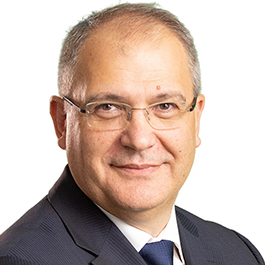 Diamant Thaci合作论文数Comprehensive Center for Inflammation Medicine, University of Lübeck11Stefanie Kunz合作论文数11Frank Stephan合作论文数10Joachim Koza合作论文数10Peter Härle合作论文数9Matthias Gross合作论文数8Papavassilis Charis合作论文数8Berthold Rzany合作论文数8Corinna Dressler合作论文数Department of Dermatology Venereology and Allergy, Charité-Universitätsmedizin7M. Krasilnikov合作论文数7
 Stephen K. Tyring合作论文数Department of Dermatology, McGovern Medical School, The University of Texas Health Science Center at Houston;Department of Clinical Sciences, Tilman J Fertitta Family College of Medicine, University of Houston;The Graduate School of Biomedical Sciences, The University of Texas Health Science Center at Houston7Anne Oppelt合作论文数7Jean-Philippe LACOUR合作论文数Centre Hospitalier Universitaire de Nice7
 Steffen Uebe合作论文数7Ellen Witte合作论文数7g koss合作论文数6Ansgar Weyergraf合作论文数6




