Resilience assessments, which rely on ecological indicators to predict future ecosystem resilience across a management jurisdiction, are used to prioritize limited conservation resources toward "resilient" locations with the best chance of surviving climate change. While resilience assessments have been widely applied to inform management, particularly for coral reefs, their precision and accuracy have rarely been validated. We used a timeseries of coral reef 3D models to (1) conduct multiple resilience assessments of fixed sites over time, and (2) track the resistance and recovery of those same sites over a decade. This allowed us to compare resilience predictions across assessments (precision) and test whether resilience predictions aligned with observed patterns of resistance and recovery (accuracy). We found that resilience assessments are capable of generating consistent resilience predictions over time, but in our case those predictions were not correlated with observed resistance or recovery dynamics. We recommend modelling resistance and recovery as distinct processes, and emphasize the importance of validating predictions with long-term monitoring. We caution against using resilience assessments in isolation to drive conservation decision making. Instead, spatial prioritization should be driven by local community input, with management of priority sites informed by functional indicators of resistance and recovery.
Ocean warming is increasing the frequency, extent, and severity of tropical-coral bleaching and mortality. During 2014-2017, marine heatwaves caused the Third Global Coral Bleaching Event. We analyze data from 15,066 reef surveys globally during 2014-2017. Across all surveyed reefs, 80% and 35% experienced moderate or greater (affecting >10% of corals) bleaching and mortality, respectively. We assess the global extent of coral bleaching and mortality by applying bleaching response curves calibrated from surveyed reefs to predict bleaching globally, based on comprehensive remote-sensing of heat stress. These models predict that 51% and 15% of the world's coral reefs suffered moderate or greater bleaching and mortality, respectively, during one or multiple years, surpassing damage from any prior global coral bleaching event. Our findings demonstrate that the impacts of ocean warming on coral reefs are accelerating, with the near certainty that ongoing warming will cause large-scale, possibly irreversible, degradation of these essential ecosystems. With heat stress levels during this event surpassing those observed previously, the National Oceanic and Atmospheric Administration developed more extreme Bleaching Alert levels that are now being used during the ongoing Fourth Global Coral Bleaching Event.
The red alga Asparagopsis taxiformis has potential for methane mitigation in ruminant animals due to its high concentration of halogenated methane analogs. However, large scale production of A. taxiformis is constrained by intensive cultivation requirements. Additionally, the broad geographic distribution and several genetically distinct lineages of this seaweed require that cultivation strategies be tailored to a particular region. To address these limitations, we conducted two sequential experiments to investigate the thermal optima of a Lineage 2 strain of A. taxiformis. In the first experiment, cultures from Santa Catalina Island (Channel Islands, CA, USA) and La Jolla (San Diego, CA, USA) were exposed to temperatures from 13-30 °C to compare physiological responses (growth rates, maximum quantum yield of photosystem II (PSII), and bromoform production) across geographic locations. No significant differences between locations were observed, leading us to conduct a second experiment to test whether pre-acclimation to environmental variability improved thermal tolerance, comparing indoors versus outdoor cultivated cultures across an expanded temperature range of 8-33 °C. The outdoor strain of A. taxiformis was able to survive across a wide thermal range, with the highest growth rates, PSII photosynthetic yields, and bromoform concentrations observed at 23 °C. Previous exposure to environmental variability showed potential for acclimatation to elevated temperatures, with biomass increasing by 11
Littoral marine ecosystems are predicted to play a critical role in the ocean's response to global climate change due to their generally high levels of primary production. However, the net trophic status of these systems has not been characterized adequately due to limited long-term time-series data of both autotrophic and heterotrophic activity. Although optical dissolved oxygen sensors are widely used and provide insight into many biological processes, dissolved oxygen measurements alone do not distinguish oxygen cycled via biological processes from oxygen cycled via physical processes. We leveraged gradient-boosted regression trees, long-term environmental data, and limited observations of dissolved oxygen and argon, measured via membrane inlet mass spectrometry, to decouple physical and biological oxygen cycling in a 6-year time series of optical dissolved oxygen in the littoral ecosystem of the Southern California Bight. Our results show that this littoral ecosystem is net heterotrophic, albeit with strong autotrophic and heterotrophic states observed. This study demonstrates that machine learning-based modeling can improve estimates of biologically cycled oxygen and net trophic status with some seasonal variability in model performance, providing a framework for estimating net trophic status in dynamic, productive ecosystems.
The canopy-forming feather boa kelp Egregia menziesii exhibits remarkable morphological variability across its geographic range. Regional morphotypes of Egregia were once considered separate species, but they were not determined to be genetically distinct; instead, their morphology was thought to reflect local physical or environmental conditions. Although morphological variation in Egregia has long been observed and was previously characterized through field surveys in the early 2000s, we revisited this topic using digital morphometrics (i.e., image analysis) of 1624 macroalgal herbarium specimens from California dating back to the 19th century. We observed that the morphology of Egregia (rachis texture, lateral blade shape, and blade or pneumatocyst density) varied along a latitudinal gradient and could be predicted by seawater temperature and wave height. We also identified some region-specific morphological changes in recent decades. Further, the monthly presence or absence of sporophylls in southern-region specimens provided preliminary evidence into the reproductive phenology of Egregia . Herbarium collections are invaluable for studying patterns in morphology because they showcase inter- and intraspecific variability and establish a baseline for comparison through time. Integrating natural historical and contemporary data will be critical for understanding and predicting future trends in the context of ocean warming.
Recent in-situ observations within a tropical coral reef have revealed novel polygonal patterns of the calcifying green alga Halimeda. The observed patterns showed no evidence of a matching exogenous template in structural reef morphology, distribution of biological competitors for space, or other environmental factors, suggesting the pattern is the result of endogenous, nonlinear pattern forming dynamics. A simplified, spatially explicit numerical model is proposed that simulates a feedback whereby Halimeda preferentially grows in regions less conducive to the growth of corals (when corals are the dominant spatial competitor), and coral growth is inhibited in regions of dense Halimeda. Model results reveal self-organized emergent polygons of Halimeda cover that qualitatively match observations. ### Competing Interest Statement The authors have declared no competing interest. Gordon and Betty Moore Foundation, https://ror.org/006wxqw41, 3420
High spatial or temporal variability in community composition makes it challenging for natural resource managers to predict ecosystem trajectories at scales relevant to management. This is commonly the case in nearshore marine environments, where the frequency and intensity of disturbance events vary at the sub-kilometer to meter scale, creating a patchwork of successional stages within a single ecosystem. The successional stage of a community impacts its stability, recovery potential, and trajectory over time in predictable ways. Here we demonstrate the value of successional theory for interpreting fine-scale community heterogeneity using Hawaiian coral reefs as a case study. We tracked benthic community dynamics on 36 forereefs over a 6-year period (2017-2023) that captures impacts from high surf events, a marine heatwave, and unprecedented shifts in human behavior due to the COVID-19 pandemic. We document high spatial variation in benthic community composition that was only partially explained by island and environmental regime. Through hierarchical clustering, we identify three distinct community types that appear to represent different successional stages of reef development. Reefs belonging to the same community type exhibited similar rates of change in coral cover and structural complexity over time, more so than reefs located on the same island. Importantly, communities that were indicative of early succession (low coral cover reefs dominated by stress-tolerant corals) were most likely to experience an increase in coral cover over time, while later-stage successional communities were more likely to experience coral decline. Our findings highlight the influence of life history and successional stage on community trajectories. Accounting for these factors, not simply overall coral cover, is essential for designing effective management interventions. Site-specific management that accounts for a community's unique composition and history of disturbance is needed to effectively conserve these important ecosystems.
1. Essential to life on Earth, assessment of marine photosynthesis is of paramount importance. Photosynthesis occurs in spatially discrete microscopic entities at various levels of biological organization, from subcellular chloroplasts to symbiotic microalgae and macroalgae, and is influenced by the surrounding conditions. 2. As such, in situ photosynthetic efficiency mapping on appropriate scales holds great promise for learning about these processes. 3. To achieve this goal, we designed, fabricated, and tested an underwater microscope that incorporates standard colour, epifluorescence, and variable chlorophyll a fluorescence imaging with nearly micron spatial resolution that resolves the structure and photosynthetic efficiency of benthic organisms. 4. Our results highlight coral observations with high-resolution photosynthetic spatial variability and detailed morphology. Our imaging system therefore enables research never before possible on the health and physiology of benthic aquatic organisms in situ, placing it in the context of their physical and biological environment.
Coral reefs are declining globally due in part to bacterial overgrowth, a process known as microbialization. However, the role of bacteriophages that may inhibit microbialization by infecting and killing these bacteria remains poorly understood, especially their metabolic impacts on bacterial proliferation. To address this, we analyzed central carbon metabolism gene frequencies in viral communities from healthy (lytic-dominated) and degraded (temperate-dominated) Central Pacific coral reefs. We found that viral metabolism shifted broadly from being dominated by metabolism that builds up pools of central intermediates on degraded reefs dominated by temperate viral infection ('anaplerotic' reactions) to metabolism that consumes these pools to prioritize production of metabolic precursors for virion construction on healthy reefs dominated by lytic infection ('cataplerotic' reactions). This switch was shown by the over-representation of Entner-Doudoroff (ED) glycolysis genes on degraded, temperate-dominated reefs and of pentose phosphate pathway (PPP) and reductive tricarboxylic acid cycle (TCA) genes on healthy, lytic-dominated reefs. As a result of this metabolic dichotomy, our qualitative compartment modeling revealed two distinct ecosystem states: (i) healthy reefs, where lytic viral metabolism enhances viral production and suppresses bacterial overgrowth, and (ii) degraded reefs, where temperate viral metabolism accelerates bacterial proliferation. Because viral switching between lytic and temperate lifestyles is a known function of host physiological state, these findings position viral metabolism as both a driver of reef decline and a conservation lever, with metabolically mediated 're-viralization' offering a novel strategy to restore reef resilience.
The cryptogenic marine red alga Chondria tumulosa was first observed in 2016 in subtidal habitats at Manawai (Pearl and Hermes Atoll) in the Papahānaumokuākea Marine National Monument (PMNM), Hawai'i. Without molecular or morphological matches to any known species, it was described in 2020 and declared cryptogenic. This alga has substantially increased in benthic cover and has been discovered on two additional atolls in PMNM: Kuaihelani (Midway) and Hōlanikū (Kure). It exhibits several characteristics indicative of non-native origins including putative prior absence in the region, persistence in high densities over nearly a decade, apparent lack of native herbivore pressure, and strong tetrasporophytic bias. Importantly, it is negatively impacting the culturally and ecologically valuable reefs of PMNM. The geographical origin of this putative invasion is unknown, and there are no published reports of the species occurring anywhere other than PMNM. The central Pacific location of Hawai'i allows a broad range of potential sources for the origin of C. tumulosa. Taxonomic ambiguities within the genus Chondria and challenges associated with sampling necessitate the development of a narrowed set of search locations and efficient search strategies to detect the species outside of PMNM. Attachment to floating debris is a potential introduction vector for C. tumulosa into PMNM, and an oceanographic model was used to identify the most likely source locations for this pathway between 2000 and 2015, including Japan in the western Pacific, Johnston Atoll, the Line Islands including Palmyra Atoll in the central Pacific, and Clipperton Atoll and the Galápagos Islands in the eastern Pacific. We used a recently developed and validated eDNA assay for detecting C. tumulosa from three of the regions of interest to screen for C. tumulosa with no samples yielding positive detections. We provide a framework for investigating positive eDNA field detections using in-water surveys, microscopy, and DNA barcoding. A parallel sampling effort targeting preserved specimens stored in global herbaria is also presented, which did not yield any detections. Several Chondria species remain targets for sequencing from global herbaria. Identification of the native range of C. tumulosa is a critical step that will allow for an evaluation of its evolutionary ecology and any shifts that may have occurred that facilitated its putative invasion and subsequent spread, offering insights crucial for the development of mitigation strategies to safeguard PMNM against further risk.
Cryptic habitats on coral reefs consist of crevices, tunnels, and holes that are estimated to comprise 30%-75% of the total reef surface area. These large habitats are vastly understudied because they are often difficult to access. Crustose coralline algae (CCA) are thought to perform important ecological functions, including calcium accretion, both inside cryptic habitats and on the exposed (top) reef. Using GoPro cameras, we surveyed 250 coral crevices from 13 reefs on West Maui, Hawai'i. We compared relative CCA cover between crevice microhabitats and the well-studied top-reef and identified abiotic and biotic factors that correlated with CCA abundance. We found that crevices had approximately 3.1 times more CCA cover than the top-reef and that CCA cover was highest on crevice ceilings and entrances, which had low sediment and macroalgal cover, compared to the back walls of crevices, which had higher sediment abundance. These results suggest that crevice openings and ceilings are key microhabitats for CCA and therefore may also be important for reef building and stabilization. Thus, these findings help establish functional links between coral reef structural complexity, cryptic habitats, and reef resilience, and highlight the importance of studying cryptic habitats to inform approaches to coral reef conservation.
Halogenated molecules produced by marine algae are thought to be defensive secondary metabolites. The extraordinarily high concentration of bromoform in the seaweed Asparagopsis—up to 8% dry tissue weight—challenges the exclusivity of this paradigm. In this report, we provide evidence that the mbb1 gene which encodes the bromoform producing halogenase is among the most highly transcribed genes in Asparagopsis tissue, with the resulting Mbb1 protein abundance rivaling that of enzymes involved in photosynthesis and carbon fixation. When the seaweed was stressed with light, transcripts for both mbb1 and for proteins involved in photosynthesis were significantly downregulated. Conversely, heat stress modestly upregulated some photosynthesis genes but had no impact on mbb1. Taken together, these findings allow us to posit that bromoform production is not solely a stress-response or self-defense mechanism for A. taxiformis. Instead, we propose that the halogenase Mbb1 likely fulfils a primary metabolic function in this red alga thusly reconceptualizing halogenation biochemistry and pulling it out of the domain of natural product biosynthesis alone.
ABSTRACTRhodolith beds are biogenic marine habitats formed by aggregations of free‐living crustose coralline algae. New descriptions of rhodolith beds fill the gaps in our understanding of the global distribution and ecological significance of these understudied habitats. We provide the first characterisation of a network of rhodolith beds associated with coral reefs in the tropical central Pacific. We surveyed the shallow eastern reef flat of Palmyra Atoll to evaluate the spatial extent and biodiversity of rhodolith habitat relative to adjacent coral reefs. We mapped 15 discrete rhodolith beds that collectively covered 1.5 ha. When combined with mixed rhodolith and coral habitat that connected the beds, the total areal coverage of rhodolith habitat was ~15 ha. The benthos of rhodolith beds was markedly different from adjacent reefs. Although coral cover was low in the rhodolith beds, five genera were commonly found as free‐living coralliths. Fish abundance did not vary notably between reef and bed habitats, but rhodoliths, particularly Neogoniolithon sp., supported a higher abundance of cryptic invertebrates relative to reef rubble. The dominant rhodolith genera were Neogoniolithon and Porolithon, and a third, less frequent species was Harveylithon munitum. Neogoniolithon sp. was the most abundant and displayed a more structurally complex branching morphology than the encrusting, lobe‐forming Porolithon sp. and the encrusting H. munitum. Our description of a previously unknown rhodolith complex in a remote and protected coral reef ecosystem provides novel insights to our understanding of the persistence and function of undisturbed tropical rhodolith bed habitat.
Coral reef algae serve many important ecological functions, from primary production to nutrient uptake and reef stabilization, but our knowledge of longer-term effects of thermal stress on algae in situ is limited. While ocean warming can facilitate proliferation of algae and potential phase shifts from coral to macroalgal-dominated states, algal responses may vary by species, genus, functional group, or type (e.g., calcareous vs. fleshy). We used 11 years of annual monitoring data (2009-2019) that spans two El Niño-associated heatwaves to examine benthic algal community dynamics on Palmyra Atoll in the central Pacific Ocean. We quantified the percent cover of algal taxa via image analysis of permanent benthic photoquadrats from two habitats on Palmyra: the deeper, wave-exposed fore reef (10 m depth) and the shallower, wave-sheltered reef terrace (5 m depth). Each habitat was characterized by distinct algal communities: predominantly calcareous taxa on the fore reef and predominantly fleshy taxa on the reef terrace. Patterns in abundance fluctuated over time and/or in response to thermal anomalies in 2009 and 2015. Fleshy algae generally increased in cover post-warming, which coincided with large declines of the calcified macroalgae, Halimeda spp. Long-term monitoring of coral reef algal communities is critical for understanding their differential responses to thermal stress and can improve projections of ecosystem functioning in the context of global change.
The red alga Asparagopsis taxiformis has recently been recognized for its unique ability to significantly reduce methane emissions from ruminant animals when fed in small quantities. The main obstacle in using this seaweed as a methane-mitigating feed supplement is the lack of commercially available biomass. Little is known about how best to grow this red alga on a commercial scale, as there are few published studies that have investigated the factors that influence growth, physiology, and overall performance. This study examined the effects of temperature and CO2 enrichment on the growth, photophysiology, and concentration of bromoform, the secondary metabolite largely responsible for methane reduction in A. taxiformis. A series of single and multifactor closed culture experiments were conducted on A. taxiformis collected, isolated, and cultured from populations in Southern California. We identified the optimal temperature range to be between 22 and 26°C, with significant short-term stress observed below 15°C and above 26°C. Carbon dioxide addition resulted in increased performance, when accounting for growth per CO2 use. In general, we observed the highest bromoform concentrations in algae with the highest growth rates, but these results varied among experiments. These findings indicate that through environmental control and by addressing limiting resources, significant increases in biomass production and quality can be achieved.
The inclusion Asparagopsis spp . into the diet of ruminant animals has produced compelling data regarding the mitigation of agricultural methane emissions. This reduction is achieved via the action of brominated halogenated compounds, predominantly bromoform, which act to inhibit methanogenic enzymes in ruminant digestion. As such, there is great interest in the mass cultivation of Asparagopsis for use as a dietary supplement for livestock. However, data are still lacking on the basic biology of Asparagopsis relating to factors that influence the synthesis of bromoform, the key bioactive compound of interest. One of the two precursors for bromoform biosynthesis is hydrogen peroxide, while the other is bromide, a naturally occurring ion in seawater. Hydrogen peroxide is generated internally within the alga and can be stimulated by abiotic stress. Currently, the influence of temperature and external hydrogen peroxide addition on bromoform dynamics have been explored. The aim of this study is to explore how the stimulation of hydrogen peroxide by the application of light stress influences the dynamics of bromoform precursor uptake and production, as well as how this may drive changes in bromoform concentration and the persistence of gland cells, the cellular structures where bromoform is stored. While provision of light stress significantly stimulated an increase in hydrogen peroxide production, bromide dynamics were also significantly influenced, resulting in net bromide release, rather than uptake. Further, bromoform concentrations in algal tissue immediately declined after exposure to high light, from 4.5% to 2% (dry weight), while gland cell abundance declined from 95% to around 60%. Here we present data for dramatic alterations in bromoform dynamics after exposure to moderate increases in light intensity. These findings are strongly applicable to commercial Asparagopsis cultivation and will contribute to optimising algal quality during cultivation and harvest.
Climate change is transforming coral reefs by increasing the frequency and intensity of marine heatwaves, often leading to coral bleaching and mortality. Coral communities have demonstrated modest increases in thermal tolerance following repeated exposure to moderate heat stress, but it is unclear whether these shifts represent acclimatization of individual colonies or mortality of thermally susceptible individuals. For corals that survive repeated bleaching events, it is important to understand how past bleaching responses impact future growth potential. Here, we track the bleaching responses of 1,832 corals in leeward Maui through multiple marine heatwaves and document patterns of coral growth and survivorship over a seven-year period. While we find limited evidence of acclimatization at population scales, we document reduced bleaching over time in specific individuals that is indicative of acclimatization, primarily in the stress-tolerant taxa Porites lobata. For corals that survived both bleaching events, we find no relationship between bleaching response and coral growth in three of four taxa studied. This decoupling suggests that coral survivorship is a better indicator of future growth than is a coral's bleaching history. Based on these results, we recommend restoration practitioners in Hawai'i focus on colonies of Porites and Montipora with a proven track-record of growth and survivorship, rather than devote resources toward identifying and cultivating bleaching-resistant phenotypes in the lab. Survivorship followed a latitudinal thermal stress gradient, but because this gradient was small, it is likely that local environmental factors also drove differences in coral performance between sites. Efforts to reduce human impacts at low performing sites would likely improve coral survivorship in the future.
Decreased resistance and/or resilience following a disturbance event may alter ecological succession and prevent recovery to a previous state. We hypothesized that removal of biomass from seagrass beds through simulated manatee grazing may render remaining live plant biomass more vulnerable to uprooting by bioturbating organisms, which may delay or prevent ecological recovery. Moreover, we broadened our perspective on community recovery by testing whether bioturbation alters invertebrate communities associated with previously grazed plots. To test this hypothesis, we created experimental plots in Thalassia testudinum seagrass beds in Bocas del Toro, Panamá that were subjected to varying levels of simulated sirenian grazing and then made accessible or inaccessible to bioturbating stingrays. We then assessed the impact of these treatments on seagrass cover and communities of macroinfauna and meioinfauna for approximately one year. Accessibility of plots to stingrays had no effect on seagrass recovery, despite abundant and actively foraging stingrays. T. testudinum was the only macroorganism to colonize gaps created by stimulated grazing, indicating that T. testudinum recovery did not require facilitation by other seagrasses or algae that are often considered pioneer species, which contrasts with previous studies in more oligotrophic waters. Intensity of simulated sirenian grazing had no effect on macroinfaunal or meiofaunal communities, and stingray access affected only meioinfaunal communities, which stingrays do not feed on directly. Simulated sirenian grazing may be less attractive to bioturbating stingrays than other previously studied forms of disturbance to seagrass beds. This suggests that the importance of positive interactions in communities with similar species compositions is highly context dependent.
In April and May of 2020, a large phytoplankton bloom composed primarily of the dinoflagellate Lingulodinium polyedra reached historic levels in geographic expanse, duration, and density along the coast of southern California, United States, and Baja California Norte, Mexico. Here, we report the water quality parameters of dissolved oxygen and pH over the course of the red tide, as measured by multiple sensors deployed in various locations along San Diego County, and document the extent of mass organism mortality using field surveys and community science observations. We found that dissolved oxygen and pH corresponded with bloom dynamics, with extreme hypoxic and hyperoxic conditions occurring at multiple locations along the coast, most notably within select estuaries where dissolved oxygen reached 0 mg L−1 and hypoxia occurred for up to 254 consecutive hours, as well as along the inner shelf of the open coast where dissolved oxygen dropped as low as 0.05 mg L−1. Similarly, pH ranged widely (6.90–8.79) across the bloom over both space and time, largely corresponding with dissolved oxygen level. Extreme changes in dissolved oxygen and pH, in addition to changes to other water parameters that affect organismal health, ultimately led to documented mortalities of thousands of demersal and benthic fishes and invertebrates (primarily within estuarine and inner-shelf environments), and long-term surveys within one lagoon showed protracted changes to benthic infaunal density and species composition. In addition to field observations, we also quantified water quality parameters and organism mortalities from four local aquarium facilities, with varying levels of filtration and artificial oxygenation, and documented the morphological changes in the gills of captive-held Pacific sardine in response to the red tide. We show that multiple factors contributed to organismal stress, with hypoxia likely being the most widespread, but not the only, cause of mortality.
Long-term monitoring of individual coral colonies is important for understanding variability between and within species over time in the context of thermal stress. Here, we analyze an 11-year time series of permanent benthic photoquadrats taken on Palmyra Atoll, central Pacific, from 2009 to 2019 to track the growth (i.e., increase in live planar area), pigmentation or lack thereof (“discoloration”), partial or whole-colony mortality, survival, and regrowth of 314 individual coral colonies of nine focal species from two reef habitat types. During this period, thermal anomalies occurred on Palmyra in conjunction with El Niño-Southern Oscillation events in both 2009 and 2015, of which the latter heatwave was longer-lasting and more thermally-severe. We found that coral responses varied by habitat, within and among species, and/or according to the degree of accumulated thermal stress. Nearly all species, particularly Stylophora pistillata and Pocillopora damicornis, responded more negatively to the 2015 heatwave in terms of colony-specific discoloration and reduction in live planar area. While discoloration was more prominent at the shallower reef terrace compared to the fore reef for this subset of colonies, the reef terrace exhibited greater stability of community-wide coral cover. Colony fate was associated with severity of discoloration at the time of warming: one year following the 2009 heatwave, more severely discolored colonies were more likely to grow, yet following the second heatwave in 2015, colonies were more likely to experience shrinkage or mortality. However, colonies that were more severely discolored in 2009 were not necessarily more discolored in 2015, suggesting that colony-specific factors may be more influential in governing responses to thermal stress.
 Stuart Sandin合作论文数Scripps Institution of Oceanography, University of California, San Diego36
 Forest Rohwer合作论文数Department of Biology, San Diego State University;Coastal and Marine Institue, San Diego State University27
 Andreas F Haas合作论文数NIOZ Royal Netherlands Inst Sea Res, Dept Marine Microbiol & Biogeochem, Texel, Netherlands20
 Johnson Maggie D合作论文数Department of Biology, California State University18
 M. J. A. Vermeij合作论文数University of Hawai’i Department of Botany18
 Nichole N Price合作论文数Bigelow Lab Ocean Sci, East Boothbay, ME 04544 USA17
 Emily L A Kelly合作论文数Center for Marine Biodiversity and Conservation, Scripps Institution of Oceanography, University of California San Diego, 9500 Gilman Drive, La Jolla, CA, 92093, USA. elkelly@ucsd.edu.14
 Brian J. Zgliczynski合作论文数Scripps Institution of Oceanography, University of California14
 Michael G. Fox合作论文数Trent University14
 Gareth J Williams合作论文数13
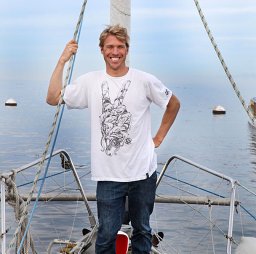 Clinton B. Edwards合作论文数UC San Diego13
 Enric Sala合作论文数National Geographic Society11
 C. M. Smith合作论文数University of Hawai‘i at Mānoa11
 Craig E. Nelson合作论文数Center for Microbial Oceanography: Research and Education, University of Hawai‘i;Center for Microbial Oceanography: Research and Education, University of Hawai‘i10
 Elizabeth A. Dinsdale合作论文数10
 Katie Barott合作论文数Department of Biology, School of Arts & Sciences, University of Pennsylvania9
 Yan Wei Lim合作论文数San Diego State Univ, Dept Biol, San Diego, CA 92182 USA8
 Rob Edwards合作论文数Flinders University;Department of Biology, San Diego State University;Department of Computer Science, San Diego State University8
 Yoan Eynaud合作论文数Laboratoire de Microbiologie, Centre d’Océanologie de Marseille8
 Linda Kelly合作论文数Scripps Institution of Oceanography, University of California, San Diego7
 Todd Martz合作论文数Scripps Institution of Oceanography, University of California, San Diego7
 David Obura合作论文数Tel.: +254415486473; fax: +254415480117.7
 Hillebrand Helmut合作论文数Carl von Ossietzky Universitat Oldenburg7
 Eric Seabloom合作论文数Department of Ecology, Evolution, and Behavior, College of Biological Sciences, University of Minnesota7
 Matthew E. S. Bracken合作论文数Marine Laboratory;University of California at Davis;Marine Laboratory, University of California at Davis7
 Daniel Gruner合作论文数Department of Entomology;University of Maryland;Department of Entomology, University of Maryland7
 Alan Friedlander合作论文数Hawaii Institute of Marine Biology, Department of Biology, School of Life Sciences, University of Hawai‘i at Manoa7
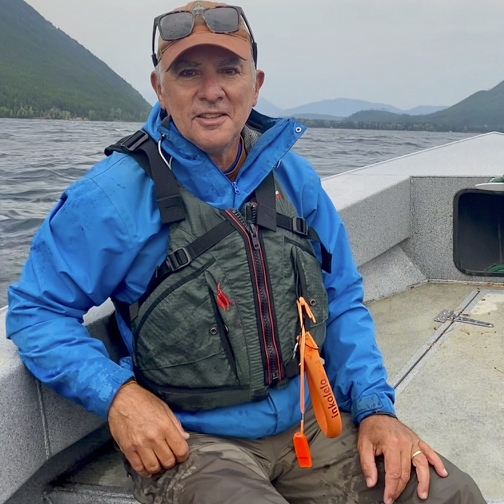 James Elser合作论文数Division of Biological and Biomedical Sciences, University of Montana;School of Life Sciences, Arizona State University7
 Mark Hatay合作论文数7
 W. Stanley Harpole合作论文数Department of Ecology and Evolutionary Biology, University of California Irvine7Jacqueline T. Ngai合作论文数7
 Elsa Cleland合作论文数Department of Ecology, Behavior & Evolution, University of California7
 Samantha M Clements合作论文数Scripps Institution of Oceanography, University of California San Diego6
 Takeshita Yuichiro合作论文数6
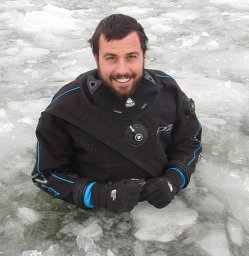 Steven D. Quistad合作论文数Department of Biology, San Diego State University;steven.quistad@gmail.com.;Department of Biology, San Diego State University6
 Stuart A. Sandin合作论文数Center for Marine Biodiversity and Conservation6
 Cynthia L Hunter合作论文数Waikiki Aquarium6
 Elizabeth Borer合作论文数Department of Ecology, Evolution, and Behavior, College of Biological Sciences, University of Minnesota6
 Levi Steele Lewis合作论文数Interdisciplinary Center for Plasma Mass Spectrometry, University of California, Davis6
 Cynthia B. Silveira合作论文数Instituto de Bioquímica Médica, Universidade Federal do Rio de Janeiro6
 Douglas Fenner合作论文数5Adi Khen合作论文数5Nicole E. Pedersen合作论文数Scripps Inst Oceanog, UCSD5
 Amanda L. Carter合作论文数Scripps Institution of Oceanography, University of California San Diego5
 Vinayak Agarwal合作论文数School of Chemistry & Biochemistry, College of Sciences, Georgia Institute of Technology5
 Marhaver Kristen L合作论文数CARMABI Foundation, Piscaderabaai z/n5Sanchez Savannah E合作论文数5
 Knowles Ben合作论文数Department of Biology, San Diego State University5Kathryn Furby合作论文数Department of Marine Chemistry and Geochemistry, Woods Hole Oceanographic Institution5




