Underwater video recordings and a necropsy of a recently dead adult female confirm that the green turtle, Chelonia mydas , readily grazes the aggressive red alga Chondria tumulosa . Present in Papahānaumokuākea Marine National Monument since 2016, C. tumulosa has demonstrated the capacity to aggressively overgrow live coral and successfully attach to calcareous reef substrate. A group of three turtles was observed grazing with one turtle exhibiting a burst of up to 18 bites of C. tumulosa , in a 95 sec interval. Further, upon examination of a freshly dead female turtle of the same species, fragments of C. tumulosa were identified in the esophagus, crop and likely also in the feces; in the freshly consumed food matter C. tumulosa constituted approximately 25% of plant material and was the same color as the upper canopy tissues we observed being grazed in the reef videos. This evidence, collected within one month’s time, demonstrates that this native megaherbivore has the potential to remove substantial C. tumulosa biomass and highlights a potential role for C. mydas in the control and distribution of C. tumulosa .
The cryptogenic marine red alga Chondria tumulosa was first observed in 2016 in subtidal habitats at Manawai (Pearl and Hermes Atoll) in the Papahānaumokuākea Marine National Monument (PMNM), Hawai'i. Without molecular or morphological matches to any known species, it was described in 2020 and declared cryptogenic. This alga has substantially increased in benthic cover and has been discovered on two additional atolls in PMNM: Kuaihelani (Midway) and Hōlanikū (Kure). It exhibits several characteristics indicative of non-native origins including putative prior absence in the region, persistence in high densities over nearly a decade, apparent lack of native herbivore pressure, and strong tetrasporophytic bias. Importantly, it is negatively impacting the culturally and ecologically valuable reefs of PMNM. The geographical origin of this putative invasion is unknown, and there are no published reports of the species occurring anywhere other than PMNM. The central Pacific location of Hawai'i allows a broad range of potential sources for the origin of C. tumulosa. Taxonomic ambiguities within the genus Chondria and challenges associated with sampling necessitate the development of a narrowed set of search locations and efficient search strategies to detect the species outside of PMNM. Attachment to floating debris is a potential introduction vector for C. tumulosa into PMNM, and an oceanographic model was used to identify the most likely source locations for this pathway between 2000 and 2015, including Japan in the western Pacific, Johnston Atoll, the Line Islands including Palmyra Atoll in the central Pacific, and Clipperton Atoll and the Galápagos Islands in the eastern Pacific. We used a recently developed and validated eDNA assay for detecting C. tumulosa from three of the regions of interest to screen for C. tumulosa with no samples yielding positive detections. We provide a framework for investigating positive eDNA field detections using in-water surveys, microscopy, and DNA barcoding. A parallel sampling effort targeting preserved specimens stored in global herbaria is also presented, which did not yield any detections. Several Chondria species remain targets for sequencing from global herbaria. Identification of the native range of C. tumulosa is a critical step that will allow for an evaluation of its evolutionary ecology and any shifts that may have occurred that facilitated its putative invasion and subsequent spread, offering insights crucial for the development of mitigation strategies to safeguard PMNM against further risk.
While the ecological effects of wildfires have been documented in terrestrial and aquatic environments, impacts on coastal and ocean ecosystems are largely unexplored. Here, we describe the physical and chemical properties of ash from the CZU Lightning Complex fire (California, USA) and assess its experimental impacts on unicellular marine phytoplankton, using model monocultures. Air‐fall ash samples were primarily composed of particles 250–500 μ m and contained ~ 1‰ of Fe, Mn, and Ba. Diagnostic indices indicated the air‐fall ash originated from combusted wood, and the total concentration of the EPA 16 high‐priority polycyclic aromatic hydrocarbons approached 3 ppm. Pulse Amplitude Modulation fluorometry documented 0%–18% reductions in photosynthetic efficiency of Isochrysis and Dunaliella cultures dosed with ash, and culture extracts showed 20%–84% declines in bulk cellular growth. While our study demonstrated the impacts of wildfire ash on marine producers, the precise physiological mechanisms are unclear, and we make several recommendations for future studies.
Climate change includes increasing surface temperatures as well as extreme events-heatwaves, storms, floods, and droughts. In 2020, these factors produced a record 10,000 wildfires that burned 18,000 km2 in California USA. Air pollution, including airborne ash, from these fires was a widespread human health hazard. While the ecological effects of wildfires have been extensively documented in terrestrial and freshwater systems, impacts on ocean and coastal ecosystems are largely unexplored. Here, we describe the physical and chemical properties of ash from the CZU Lightning Complex fire and experimentally test its effects on the photosynthesis and growth of four unicellular marine phytoplankton. Sieved air-fall ash was primarily composed of particles 250-500 μm and contained ~1 ‰ of Fe, Mn, and Ba. Diagnostic indices of polycyclic aromatic hydrocarbons indicated the air-fall ash originated from combusted wood, and the total concentration of the EPA 16 high-priority PAHs exceeded 2.7 ppm. Pulse Amplitude Modulation fluorometry documented various declines in the photosynthetic efficiency of Isochrysis and Dunaliella cultures dosed with ash, and the bulk cellular growth of these cultures was inhibited. While our study demonstrated the impacts of wildfire ash on marine producers, the precise mechanisms are unclear. We provide recommendations for how future studies may further resolve the impacts of ash on phytoplankton productivity, community diversity, and trophic transfer of toxins and describe the long-term impacts of wildfires on coastal marine ecosystems. ### Competing Interest Statement The authors have declared no competing interest.
The order Halymeniales represents a significant number of species in the mesophotic red algal flora of Hawai'i, with numerous undescribed taxa. The cultivation and restoration of species in the Halymeniales in Hawai'i, particularly members of Grateloupia C.Agardh and Halymenia C.Agardh, have focused substantial attention on these taxa, highlighting uncertainty in the genetic diversity within this group. In this study, we adopt a taxogenomic approach integrating taxonomic, phylogenetic and phylogenomic analyses. We present the first report of the genus Amalthea D'Archino & W.A.Nelson in Hawai'i, focusing on the species description of Amalthea mahilanii F.P.Cabrera & A.R.Sherwood, sp. nov. Our initial rbcL analysis suggested the presence of two lineages within Hawaiian Amalthea, but robust support from plastome-wide phylogenies contradicted that analysis, emphasizing the value of taxogenomics in clarifying cryptic diversity. Morphologically distinct from congeners Amalthea freemaniae D'Archino & W.A.Nelson and A. rubida H.W.Lee & M.S.Kim, A. mahilanii F.P. Cabrera & A.R.Sherwood, sp. nov. features rough, leathery blades with a unique cortical and medullary cell arrangement, including 9-10 layers of ovoid cortical cells and a dense arrangement of medullary filaments. Its blades maintain uniform thickness. The presence of larger ostiolate cystocarps (300-500 mu m diameter) further distinguishes A. mahilanii F.P.Cabrera & A.R.Sherwood, sp. nov. from its Pacific conspecifics. Syntenic comparisons of published plastomes within the Halymeniales revealed remarkable similarities in gene content, with no detected rearrangements, indicating conserved plastidial evolution within the order. Overall, this study significantly advances our understanding of Halymeniales diversity in mesophotic ecosystems, shedding light on the remarkable biodiversity of macroalgae in Hawaiian mesophotic reefs. We emphasize the need for further study of Halymeniales and propose ongoing efforts in taxogenomics to enhance taxonomic resolution, particularly in mesophotic habitats.
Over the last 2 decades, routine collections in the Hawaiian Archipelago have expanded to mesophotic reefs, leading to the discovery of a new red algal genus and species, here described as Anunuuluaehu liula gen. et sp. nov. This study provides a detailed genus and species description and characterizes chloroplast and mitochondrial organellar genomes. The new genus, Anunuuluaehu, shares many characteristics with the family Phyllophoraceae and shows close similarities to Archestennogramma and Stenogramma, including habit morphology, nemathecia forming proliferations at the outer cortex with terminal chains of tetrasporangia, and carposporophytes with multi-layered pericarps. The single species in this genus exhibits distinctive features within the Phyllophoraceae: the presence of single-layer construction of large medullary cells and the development of long, tubular gonimoblastic filaments. Multi-gene phylogenetic analyses confirmed it as a unique, monophyletic lineage within the family. Cis-splicing genes, interrupted by intron-encoded proteins within group II introns, are present in both the chloroplast and mitochondrial genomes of A. liula. Notably, a specific region of the coxI group II intron exhibits similarity to fungal introns. Anunuuluaehu liula is presumed to be endemic to the Hawaiian Archipelago and thus far is known to live solely at mesophotic depths from Holaniku to Kaho'olawe ranging from 54 to 201 m, which is the deepest collection record of any representative in the family. Overall, this study enhances our understanding of the genomic and taxonomic complexities of red algae in mesophotic habitats, emphasizing the significance of continued research in this area to uncover further insights into evolutionary processes and biogeographic patterns.
Chlorophyll has long been used as a natural indicator of plant health and photosynthetic efficiency. Laser-induced fluorescence (LIF) is an emerging technique for understanding broad spectrum organic processes and has more recently been used to monitor chlorophyll response in plants. Previous work has focused on developing a LIF technique for imaging moss mats to identify metal contamination with the current focus shifting toward application to moss fronds and aiding sample collection for chemical analysis. Two laser systems (CoCoBi a Nd:YGa pulsed laser system and Chl-SL with two blue continuous semiconductor diodes) were used to collect images of moss fronds exposed to increasing levels of Cu (1, 10, and 100 nmol/cm2) using a CMOS camera. The best methods for the preprocessing of images were conducted before the analysis of fluorescence signatures were compared to a control. The Chl-SL system performed better than the CoCoBi, with dynamic time warping (DTW) proving the most effective for image analysis. Manual thresholding to remove lower decimal code values improved the data distributions and proved whether using one or two fronds in an image was more advantageous. A higher DTW difference from the control correlated to lower chlorophyll a/b ratios and a higher metal content, indicating that LIF, with the aid of image processing, can be an effective technique for identifying Cu contamination shortly after an event.
Coral reefs are among the most sensitive ecosystems affected by ocean warming and acidification, and are predicted to collapse over the next few decades. Reefs are predicted to shift from net accreting calcifier-dominated systems with exceptionally high biodiversity to net eroding algal-dominated systems with dramatically reduced biodiversity. Here, we present a two-year experimental study examining the responses of entire mesocosm coral reef communities to warming (+2 °C), acidification (-0.2 pH units), and combined future ocean (+2 °C, -0.2 pH) treatments. Contrary to modeled projections, we show that under future ocean conditions, these communities shift structure and composition yet persist as novel calcifying ecosystems with high biodiversity. Our results suggest that if climate change is limited to Paris Climate Agreement targets, coral reefs could persist in an altered state rather than collapse.
Algal physiological ecology on submarine groundwater discharge (SGD) influenced reefs is likely shaped by intermittent, tidally-driven estuarine conditions that occur with SGD fluxes of fresh-to-brackish groundwater from the subterranean estuary to reef ecosystems. SGD is a common inconspicuous feature worldwide on reefs of basaltic high islands and continental margins. Yet, SGD-driven dynamics of algal physiology are not well understood. To understand how invasive species have physiologically outcompeted native species on many SGD-influenced reefs, physiology in tissue water potential (TWP) regulation, photosynthesis, nitrogen storage, and cellular anatomy were measured across a gradient of SGD-influence, for four Rhodophyte species. Compared with non-SGD conditions, SGD was associated with higher TWP, larger medulla cells with thinner walls, and thinner cortical cell walls for two invasives, Gracilaria salicornia and Acanthophora spicifera, higher photosynthetic rates in G. salicornia, greater nitrogen concentration for A. spicifera and G. salicornia, and increased delta\documentclass[12pt]{minimal} \usepackage{amsmath} \usepackage{wasysym} \usepackage{amsfonts} \usepackage{amssymb} \usepackage{amsbsy} \usepackage{mathrsfs} \usepackage{upgreek} \setlength{\oddsidemargin}{-69pt} \begin{document}$$\delta$$\end{document}15N ratios for A. spicifera, G. salicornia, and native Laurencia dendroidea. Distinct physiological strategies were measured for the two invasive species across the gradient of SGD-influence, and for L. dendroidea and Gracilaria perplexa offshore. This study illuminates species-specific physiological response, and how introduced opportunistic species may outcompete native species under conditions of SGD.
In mesophotic coral ecosystems, reef-building corals and their photosynthetic symbionts can survive with less than 1% of surface irradiance. How depth-specialist corals rely upon autotrophically and heterotrophically derived energy sources across the mesophotic zone remains unclear. We analysed the stable carbon ( δ 13 C) and nitrogen ( δ 15 N) isotope values of a Leptoseris community from the ‘Au‘au Channel, Maui, Hawai‘i (65–125 m) including four coral host species living symbiotically with three algal haplotypes. We characterized the isotope values of hosts and symbionts across species and depth to compare trophic strategies. Symbiont δ 13 C was consistently 0.5‰ higher than host δ 13 C at all depths. Mean colony host and symbiont δ 15 N differed by up to 3.7‰ at shallow depths and converged at deeper depths. These results suggest that both heterotrophy and autotrophy remained integral to colony survival across depth. The increasing similarity between host and symbiont δ 15 N at deeper depths suggests that nitrogen is more efficiently shared between mesophotic coral hosts and their algal symbionts to sustain autotrophy. Isotopic trends across depth did not generally vary by host species or algal haplotype, suggesting that photosynthesis remains essential to Leptoseris survival and growth despite low light availability in the mesophotic zone.
Coastal groundwater-dependent ecosystems benefit from lowered salinity, nutrient-rich submarine groundwater discharge (SGD). Across Pacific islands marine macroalgae appear to have been challenged by and adapted to the stress of lowered salinity with a trade-off of nutrient subsidies delivered by SGD. Human alterations of groundwater resources and climate change-driven shifts brought modifications to the magnitude and composition of SGD. This paper discusses how native macroalgae have adapted to SGD nutrient and salinity gradients, but that invasive algae are outcompeting the natives near SGD with nutrient pollution. It is important to re-evaluate land and water use practices by modifying groundwater sustainable yields and improving wastewater infrastructure to keep SGD reductions minimal and nitrogen inputs in optimal ranges. This task may be particularly challenging amidst global sea level rise and reductions in groundwater recharge, which threaten coastal groundwater systems and ecosystems dependent on them.
Regulation of tissue water potential is a key mechanism in macroalgal osmotic responses to changing external osmotic conditions, which are common in tidally influenced estuarine and intertidal systems. Nevertheless, significant knowledge gaps exist in our understanding of osmotic responses in macroalgae because few methods measure osmotic potential within macroalgal tissues. Leaf psychrometers have furthered understanding of osmotic potentials in terrestrial plant water relations, yet these have not been developed to measure the range of highly negative potential values found in marine macroalgae. To address these gaps, we present an effective, updated version of the Chardakov method to measure tissue water potential in macroalgae. Here, we present a case study examining macroalgal response in tissue water potential by two morphologically and evolutionarily distinct species, Ulva lactuca (Chlorophyta) and Hypnea musciformis (Rhodophyta) to four paired salinity and nutrient treatments at two temperatures. These treatments simulate a gradient from full coastal ocean conditions to brackish submarine groundwater discharge, an ecosystem type found on basaltic shorelines. Both algae demonstrated plasticity in osmotic response to submarine groundwater discharge with significant positive correlations between tissue water potential and proportion of submarine groundwater discharge in the treatment. These results are the first to describe macroalgal response in tissue water potential, a first step to understanding algal physiological ecology in such complex coastal environments. This revised Chardakov method is a valuable tool to better understand species-specific osmotic responses to ecologically relevant conditions, and can augment the study of other tidal systems and ontogenetic stages.
The enemy release hypothesis (ERH) predicts that introduced species leave most enemies behind during the invasion process, resulting in less enemy damage and increased performance in their introduced range. In Hawai‘i, introduced red mangroves ( Rhizophora mangle ) convert open shorelines into dense mangrove forests. While previous studies show introduced mangroves harbor a lower occurrence of damage on various plant structures, it remains unknown if the magnitude of damage to mangrove leaves and metrics of performance differ between introduced and native populations. In this study, we tested some of the predictions of the ERH through leaf damage surveys and a year-long damage experiment replicated in 8–10 sites in the native (Caribbean and Florida) and introduced (Hawai‘i) range of red mangroves. In each site, we (1) compared the percentage of leaf area damaged, (2) measured metrics of performance (leaf loss, leaf, twig, and propagule production), and (3) experimentally tested how rapidly necrosis spreads on artificially-damaged leaves of R. mangle . Our results were largely consistent with the ERH. Native mangroves exhibited orders of magnitude higher leaf damage than introduced mangroves, suffered nearly twice the leaf loss, and produced fewer twigs and propagules than introduced mangroves over one year. Leaf production and the expansion of necrotic area on leaves were similar. Broadly, our study demonstrates that introduced mangroves experience substantially less leaf damage and thus, may be exhibiting evidence of increased growth and fecundity. Our results may help explain why introduced mangroves continue to be so productive and are considered invasive in Hawaiian habitats.
The ability to detect, measure, and locate the source of contaminants, especially heavy metals and radionuclides, is of ongoing interest. A common tool for contaminant identification and bioremediation is vegetation that can accumulate and indicate recent and historic pollution. However, large-scale sampling can be costly and labor-intensive. Hence, non-invasive in-situ techniques such as laser-induced fluorescence (LIF) are becoming useful and effective ways to observe the health of plants through the excitation of organic molecules, e.g., chlorophyll. The technique presented utilizes images collected of LIF in moss to identify different metals and environmental stressors. Analysis through image processing of LIF response was key to identifying Cu, Zn, Pb, and a mixture of the metals at nmol/cm2 levels. Specifically, the RGB values from each image were used to create density histograms of each color channel’s relative pixel abundance at each decimal code value. These histograms were then used to compare color shifts linked to the successful identification of contaminated moss samples. Photoperiod and extraneous environmental stressors had minimal impact on the histogram color shift compared to metals and presented with a response that differentiated them from metal contamination.
Groundwater dependent ecosystems (GDE) are increasingly recognized as critical components of sustainable groundwater management, but are threatened by multiple drivers of environmental change. Despite this importance, data that link drivers of hydrologic change to GDEs are scarce. This study adapts a land‐sea modeling framework by calibrating marine models with macroalgal experiments to quantitatively assess impacts of climate and land use change on submarine groundwater discharge (SGD) and subsequent habitat suitability for a native ( Ulva lactuca ) and an invasive ( Hypnea musciformis ) macroalgae in nearshore GDEs in Kona, Hawai'i. Lab analyses demonstrate that while U. lactuca grows optimally in low‐salinity, high‐nutrient waters, H. musciformis appears constrained to a salinity threshold and exhibits low growth in low salinity despite high nutrient concentrations. Land‐sea model results predict that while a dry future climate (Representative Concentration Pathway 8.5 mid‐century) coupled with increased urban development will likely reduce SGD, protecting native forests may prevent further loss of SGD quantity. This prevention thus partially mitigates the decline in habitat suitability of U. lactuca due to the combined effects of climate and land use change. Findings also suggest that, in contrast to the native U. lactuca , reductions in SGD may favor H. musciformis growth if introduced to Kona. Collectively, this study demonstrates the importance of considering multiple drivers of environmental change on GDEs. This study bridges experiments with models to spatially map changes in species abundance beyond their current habitat conditions, and thus informs management actions that can explicitly incorporate future human and climate‐related impacts.
Marine macroalgae are important indicators of healthy nearshore groundwater dependent ecosystems (GDEs), which are emergent global conservation priorities. Submarine groundwater discharge (SGD) supports abundant native algal communities in GDEs via elevated but naturally derived nutrients. GDEs are threatened by anthropogenic nutrient inputs that pollute SGD above ambient levels, favoring invasive algae. Accordingly, this case study draws on the GDE conditions of Kona, Hawai‘i where we evaluated daily photosynthetic production and growth for two macroalgae; a culturally valued native (Ulva lactuca) and an invasive (Hypnea musciformis). Manipulative experiments—devised to address future land-use, climate change, and water-use scenarios for Kona—tested algal responses under a natural range of SGD nutrient and salinity levels. Our analyses demonstrate that photosynthesis and growth in U. lactuca are optimal in low-salinity, high-nutrient waters, whereas productivity for H. musciformis appears limited to higher salinities despite elevated nutrient subsidies. These findings suggest that reductions in SGD via climate change decreases in rainfall or increased water-use from the aquifer may relax physiological constraints on H. musciformis. Collectively, this study reveals divergent physiologies of a native and an invasive macroalga to SGD and highlights the importance of maintaining SGD quantity and quality to protect nearshore GDEs.
Abstract Premise A novel control technique was developed to mitigate an invasive siphonous green alga, Avrainvillea lacerata (Dichotomosiphonaceae), within a shallow degraded reef flat in Oʻahu, Hawaiʻi. Methods and Results Replicated treatments of 3% and 10% hydrogen peroxide (H2O2) were administered into individual basal attachments of the bed‐forming invasive seaweed on the Paikō reef, Oʻahu. Relative electron transport rate maxima (rETRm) were measured using a Walz Diving Pulse Amplitude Modulated Fluorometer in two replicate 100‐m2 plots in 2020. Over the period of this short‐term study, rETRm decreased following injections of either concentration of H2O2 in contrast with negative and positive controls. Conclusions Compared with existing techniques that have used oxidizing agents in the marine environment in localized areas, the protocol described here has the potential to successfully decrease macroalgal carbon gain, potentially leading to loss of biomass at larger scales.
The Hawaiian Archipelago stretches 2500 km from the Main to the Northwestern Hawaiian Islands, represents a complex gradient of oceanographic and anthropogenic drivers, and has a high abundance and diversity of native and invasive macroalgae. These photosynthetic organisms occur in intertidal to mesophotic (30-150+ m) depths and absorb nitrogen with limited fractionation associated with their physiology and source. Our goal was to examine nitrogen dynamics from shallow to mesophotic reefs using compositional patterns of two well-characterized macroalgal tissue parameters: stable isotope ratio of nitrogen and tissue nitrogen content. We collected 813 macroalgal samples from 13 islands/atolls between 0 and 117 m depths. Within the Main Hawaiian Islands, macroalgal tissue stable N isotope ratios were higher in mesophotic depths; N content was higher in shallow depths. However, within the Northwestern Hawaiian Islands, no differences in stable N isotope ratios and N content were found between shallow and mesophotic depths. Regionally, stable N isotope ratios varied along a gradient of anthropogenic and oceanographic processes (in Main and Northwestern Hawaiian Islands, respectively), while N content reflected elevated nitrogen in the Main compared with the Northwestern Hawaiian Islands. Additionally, the invasive macroalga Avrainvillea lacerata had significantly higher N content than co-occurring native bryopsidalean macroalgae at similar depths, and may be reshaping nutrient dynamics from shallow to mesophotic depths in the Main Hawaiian Islands. Nitrogen dynamics at mesophotic depths may be influenced by nearshore anthropogenically derived nitrogen via submarine groundwater discharge and/or inputs from deeper water within the Main Hawaiian Islands.
The enemy release hypothesis (ERH) posits that introduced species often leave their enemies behind when introduced to a new range. This release from enemies may allow introduced species to achieve higher growth and reproduction and may explain why some invaders flourish in new locations. Red mangroves (Rhizophora mangle) were introduced to Hawai'i from Florida over a century ago. Because Hawai'i has no native mangroves, the arrival of R. mangle fundamentally changed the structure and function of estuarine shorelines. While numerous enemies affect red mangroves in their native range (tropical America), in Hawai'i, mangroves apparently experience little herbivory, which may explain why introduced mangroves are so productive, fecund, and continue to spread. In this study, we compared the effects of enemies in native and introduced populations of brackish red mangroves (R. mangle) in 8-10 sites in the native range (Florida, Belize, and Panama) and introduced range of mangroves (Hawai'i). At each site, we measured the (1) occurrence of enemies using timed visual surveys, (2) occurrence of damage to different mangrove structures (leaves, apical buds, dead twigs, roots, propagules, and seedlings), and (3) rate of propagule herbivory using tethering experiments. Consistent with the ERH, we found an order of magnitude less damage and fewer enemies in introduced than native mangrove sites. While introduced mangroves harbored few enemies and minimal damage, native mangroves were affected by numerous enemies, including leaf-eating crabs, specialist bud moths, wood-boring insects and isopods, and propagule predators. These patterns were consistent across all plant structures (roots to leaves), among marine and terrestrial enemies, and across functional groups (browsers, borers, pathogens, etc.), which demonstrates enemy escape occurs consistently among different functional groups and via trophic (e.g., herbivores) and non-trophic (e.g., root borers) interactions. Our study is among the first biogeographical enemy release studies to take a comprehensive approach to quantifying the occurrence of damage from a broad suite of marine and terrestrial taxa across an array of wetland plant structures. Understanding how natural enemies alter this key foundation species will become increasingly relevant globally as mangroves continue to invade new regions through intentional plantings or range expansion driven by climate change.
Recent investigations into the species diversity of red blades in Hawai'i have yielded several specimens of Kallymeniaceae from Hawaiian Mesophotic Coral Ecosystems. Our combined morphological and mitochondrial COI-5P and plastid rbcL phylogenetic analyses indicated widespread cryptic diversity among those specimens commonly identified as Kallymenia sensu lato based on morphology. These analyses resolved four unique genetic lineages of Hawaiian taxa in the genus Croisettea, which are all restricted to the lower mesophotic depths (c. 60-150 m). Croisettea currently includes three described species distributed in the North Atlantic, Indian and South Pacific Oceans, and the Mediterranean Sea. Croisettea is a new genus record for the Hawaiian Islands, expanding its biogeographic range to the North Pacific. The genus has now been enlarged to include seven species comprising previously described taxa as well as four new Hawaiian taxa (C. kalaukapuae sp. nov., C. haukoaweo sp. nov., C. ohelouliuli sp. nov. and C. pakualapa sp. nov.). The known distributions of the Hawaiian Croisettea species are restricted to areas around their type localities. Although this pattern hints at a remarkable degree of endemicity, both across depth gradients in a reef area and among islands, it is also linked to a limited sampling of the group, suggesting that additional species, and more accurate distributional ranges, remain to be detected not only in Hawai'i but also worldwide.
 Heather L Spalding合作论文数Botany Department, University of Hawai'i at Mānoa20
 Alison R. Sherwood合作论文数13
 Randall K. Kosaki合作论文数11
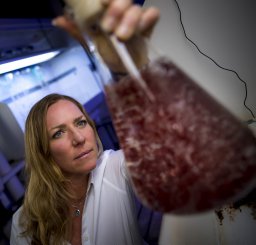 Jennifer E. Smith合作论文数Deparment of Botany;University of Hawai;Deparment of Botany, University of Hawai11
 Kevin Beach合作论文数Department of Biology;University of Tampa;National Marine Fisheries Service;Kewalo Research Facility;Department of Biology, University of Tampa10Henrietta Dulai合作论文数9
 Peter S Vroom合作论文数9Meghan L. Dailer合作论文数8
 Linda J. Walters合作论文数Department of Biology, University of Central Florida8
 Leah Bremer合作论文数Institute for Sustainability and Resilience, University of Hawai'i at Manoa;Water Resources Research Center, University of Hawai'i at Manoa;The Economic Research Organization at The University of Hawai'i7
 Veronica Leigh Gibson合作论文数Department of Botany, University of Hawai'i at Mānoa6
 Feresa P. Cabrera合作论文数Sch Life Sci, Univ Hawaii6
 Michael Hadfield合作论文数Department of Biology, University of Hawaiʻi at Manoa6Daniel Amato合作论文数6
 Cynthia L Hunter合作论文数Waikiki Aquarium6
 Robert John Toonen (Robert J. Toonen)合作论文数Hawaii Institute of Marine Biology, University of Hawaii at Manoa;Department of Biology, School of Life Sciences, University of Hawaii at Manoa6
 Monica O. Paiano合作论文数Sch Life Sci, Univ Hawaii5
 Ruth Gates合作论文数Hawaii Institute of Marine Biology5
 Franklin Erik C合作论文数School of Ocean and Earth Science and Technology, University of Hawaii at Manoa5Eric R. Holm合作论文数5
 Jacqueline L. Padilla-Gamiño合作论文数5
 M. J. A. Vermeij合作论文数University of Hawai’i Department of Botany5
 Christopher Kavanagh合作论文数5Hyun Woung Shin合作论文数5
 Craig E. Nelson合作论文数Center for Microbial Oceanography: Research and Education, University of Hawai‘i;Center for Microbial Oceanography: Research and Education, University of Hawai‘i4Deborah Wiebe合作论文数4T. Erin Cox合作论文数Department of Botany, University of Hawai`i at Mānoa4Kathryn Truby合作论文数4Christina Darkangelo Wood合作论文数4
 Judy Stein合作论文数GE Global Research4
 Kyle Van Houtan合作论文数Marine Turtle Assessment Program, NOAA Fisheries4J Montemarano合作论文数4James A. Coyer合作论文数Department of Marine Biology;University of Groningen4
 Erika Alvarado合作论文数3Brian B. Hauk合作论文数3
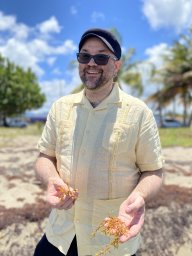 Ken Hamel合作论文数3
 Rachael Wade合作论文数Dept Bot, Univ British Columbia3
 Angela Richards Dona合作论文数3
 Rosanna A Alegado合作论文数Dept Mol & Cell Biol, Univ Calif Berkeley3
 Kim Falinski合作论文数Department of Tropical Plant and Soil Sciences, University of Hawaii at Manoa3
 Greg M. Swain合作论文数Department of Chemistry, College of Natural Science, Michigan State University3
 Brian W. Bowen (Brian Bowen)合作论文数Hawaiʻi Institute of Marine Biology, University of Hawai‘i at Manoa;Department of Biology, School of Life Sciences, University of Hawai‘i at Manoa3
 Anne S. Meyer合作论文数Department of Biotechnology and Biomedicine, Technical University of Denmark3
 Timothy M. Davidson合作论文数Oregon Institute of Marine Biology, University of Oregon3
 Aly El-Kadi合作论文数3
 Melissa S Roth合作论文数3
 John M. Huisman合作论文数School of Veterinary and Life Sciences, Murdoch University3
 Christopher E. Bird合作论文数University of Hawai;Department of Zoology and Botany;Department of Zoology and Botany, University of Hawai3Dean E. Wendt合作论文数3




