Reverse osmosis (RO) membranes are widely applied in reuse facilities, but the management of RO concentrate remains a major sustainability challenge. Conventional brine disposal methods, such as deep well injection or evaporation ponds, are costly, energy intensive, and often ineffective at addressing the accumulation of contaminants of emerging concern (CEC) and per- and polyfluoroalkyl substances (PFAS). Bioelectrochemical systems, such as microbial fuel cells (MFCs), offer a promising pathway for sustainable brine organic load management by simultaneously reducing organic load and recovering energy. In this study, a pilot-scale MFC system (Aquacycl BETT (R), Escondido, CA, USA, unit, 12 modular reactors) was evaluated for treatment of RO concentrate produced by a combined ultrafiltration and closed-circuit reverse osmosis pilot train at the San Jacinto Valley Regional Water Reclamation Facility (San Jacinto, CA, USA). Operating with a 4-h hydraulic retention time, the MFC achieved an average chemical oxygen demand (COD) removal of 40% and biochemical oxygen demand (BOD5) removal of 52%. Coulombic efficiency ranged from 2.8% to 15.5%, with an average energy recovery value of about 8.1 Wh per kg of COD removed. PFOS concentrations decreased by 36% across the MFC, and PFAS were not detected in the harvested anode biomass. The mechanism of PFOS attenuation (e.g., adsorption vs. transformation) was not directly evaluated. These findings highlight the potential of MFCs as a bioelectrochemical solution for sustainable water reuse RO brine management.
Dedicated to Plamen: In this Guest Editorial, we intend to celebrate the 60th birthday of Prof. Plamen Atanassov. We have here described his personal and scientific journey highlighting the contributions to the field of electrochemistry and in particular to electrocatalysis and bioelectrochemistry. Personal stories of four colleagues or former students/Post Docs of him are reported highlighting the impact of Plamen not just in science but also in the personal life of people. This Special Collection is dedicated to Plamen Atanassov to celebrate his 60th birthday. For all those of you that know Plamen, you are well aware of his passion and devotion to science, technology, and history. Plamen is an excellent example of a scientist who combines enthusiasm with the highest level of energy and contribution. During his scientific career, he has distinguished himself not only for his prolific publication record, but also for the most interdisciplinary and highly collaborative character of all his research related to electrochemistry. Plamen has proven to be a critical leader in electrocatalysis and bioelectrochemistry with many well-recognized breakthroughs that guide the research directions we travel today. All these accomplishments have been possible thanks to a most fortunate combination of diverse technical preparedness, analytical talent, technical inventiveness, and inter-person organizational skill. In this short celebration, we first briefly describe Plamen's scientific history, which starts in a beautiful, culturally rich and fascinating country in the East of Europe (Bulgaria) leading to his current employment at the University of California Irvine. Secondly, the four scientists leading this celebrating initiative will briefly describe personal experiences and anecdotes related to the impact that Plamen, as an “older brother”, mentor, colleague, and friend has brought into our nowadays lives. Plamen's scientific journey, up to the current days, is a quite unique and fascinating adventure. Plamen graduated at the University of Sofia in 1987 specializing in Chemical Physics & Theoretical Chemistry. In 1988, he obtained a specialization in Bioelectrochemistry at the Frumkin Institute of Physical Chemistry and Electrochemistry, Moscow. He then received his PhD in Physical Chemistry/Electrochemistry from the Bulgarian Academy of Sciences where he was a scientist at the Central Laboratory of Electrochemical Power Sources (now Budevski Institute of Electrochemistry & Power Systems). In 1992, Plamen moved to the United States and joined the University of New Mexico (UNM) as Senior Research Associate (1992–1993), and later as Research Assistant Professor (1993–1999) with the Chemical & Nuclear Engineering department. He then left academia to join a startup company named Superior MicroPowders LLC (acquired in 2004 by Cabot Corp.) as Research Scientist. In 2000, he was hired as Assistant Professor with the Chemical & Nuclear Engineering department where in 2006 he became Associate Professor and Full Professor in 2009. He founded the UNM Center for Emerging Energy Technologies (CEET) in 2007, serving as the founding director till 2011. In the period 2012–2013 he was Associate Dean for Research of UNM School of Engineering. In 2014, he became Distinguished Professor of Chemical & Biological Engineering (new department name) at UNM. In 2015, he was appointed Director of the UNM Center for Micro-Engineered Materials (CMEM), a joint laboratory between UNM and Sandia National Laboratories. Plamen spent two sabbatical years, the first one in 2007 as a Visiting Researcher at the Hawaii Natural Energy Institute, University of Hawaii, Manoa, Honolulu, and the second one in 2014 as Visiting Professor at the University of Padua (Padua, Italy); University of Sofia, (Sofia, Bulgaria); University of Grenoble-Alps (Grenoble), and as Total Chair with the University of Montpellier (Montpellier, France). Starting in October 2018, Plamen joined the University of California Irvine (UCI) where he is a Chancellor's Professor with the Department of Chemical & Biomolecular Engineering, holding secondary appointments with Materials Science & Engineering and Chemistry. His educational efforts are directed toward creating a PhD program in Electrochemistry & Electrochemical Engineering. Currently, Plamen is engaged in several major initiatives of the United States Department of Energy, participating in the team to build the California Clean Hydrogen Hub – Alliance for Renewable Clean Hydrogen Energy Systems (ARCHES) and interfacing with hydrogen technology demonstration and research efforts in the Pacific/Mountain/Southwest regions and Nation-wide. Plamen is a bioelectrochemist “by training”, but he has been able to successfully translate this knowledge into other fields such as electrocatalysis for electrochemical devices, focusing mainly on metal air batteries and fuel cells. His bioelectrochemistry achievements span from enzymatic bioelectrochemistry to sensing and glucose biosensing, including long-term implantable glucose monitoring and intravenous monitoring of glucose and lactate, electrochemical immunosensors for viral and bacterial detection and DNA-based sensors. Important breakthroughs are reported for enzymatic oxygen reduction and glucose oxidation, as well as lowest level of bacterial cell detection by hand-held and portable devices. Integration of these reactions into electrodes through proper immobilization has led to paper-based enzymatic fuel cells. Design of efficient gas diffusion electrodes has led to a significant boost in the power output. Similarly, an innovative silica immobilization technique led to bacteria-based cells with well-defined biofilms. He has been one of the pioneers in the recent development and advancement of platinum group metal-free (PGM-free) electrocatalysts. Silica templated synthesis of such transition metal-nitrogen-carbon (M−N−C) materials gave rise to the first commercially available PGM-free catalysts, used currently as a benchmark by many. Plamen pioneered the use of M−N−C catalysts for circum-neutral pH in biological/microbial electrochemical systems. These catalysts have revolutionized the cathode performance in microbial electrochemical technologies and systems for biological and bio-inspired energy harvesting and water treatment. Plamen's materials for energy programs has been focused on development of novel electrocatalysts for which he is one of the main worldwide recognized contributors, with particular attention to non-platinum electrocatalyst for fuel cells, nano-structured platinum catalysts, and advanced supports. Novel materials synthesis and development, along with integration into electrodes, has redrawn the roadmap for future advances, and led to significant technological transfer. Most recently, Plamen's research direction has expanded towards catalysts for CO2 electroreduction and product valorization, electrosynthesis of ammonia and new materials, and enabling technologies for energy conversion and storage. He holds 56 issued US patents, a substantial number of which have been licensed and form the core of commercial catalyst products. He has published more than 450 peer-reviewed papers (bringing 35 K+ citations and forming an h-index of 95). Importantly, he supervised 40 completed PhD dissertations at UNM and UCI and had advised more than 25 postdoctoral fellows. For each PhD graduated, he collects a bottle of different sparkling wine or juice, each with the defense date and signature of the student. His PhD students and post-doctoral associates work around the USA and entire world, and each has a story to tell of growth and achievement. Countless students have benefited from personal and scientific interactions with Plamen, learning from his deep knowledge. These critical scientific achievements have led to national and international recognition. In 2007, he received the ACS Division of Fuel Chemistry Outstanding Service Award. In 2012, he became Honorary Professor of the Budevski Institute of Electrochemistry & Power Systems, Bulgarian Academy of Science. In 2014, he received the STC.UNM Innovation Fellow Award, UNM's highest award for intellectual property and technology transfer. In 2019, he received the Energy Technology Division Research Award from the Electrochemical Society. In 2018 he was inducted in the National Academy of Inventors, and he is now a Fellow of both The Electrochemical Society (2018) and the International Society of Electrochemistry (2020). Plamen served as a Vice-President of the International Society of Electrochemistry (2015–17) and in 2022, he was elected President of the International Society of Electrochemistry (for the 2023–28 term). As an outstanding teacher who regularly receives high praise from students, Plamen is very proud of the “Top Gobbler” ChNE Student Appreciation Award, received from UNM students in 2000 and 2005. We thank all the authors that have submitted and published a contribution to this Special Collection to celebrate the 60th birthday of one of the main contributors of electrocatalysis and bioelectrocatalysis of our time. Happy 60th birthday, Plamen! Our second interaction was at the ECS in Honolulu in 2012 (12/2012) where he organized a Symposium on bioelectrochemistry. Obviously, I avoided presenting my work at this Symposium, organized by Plamen, just to avoid a second “grilling”. However, I had the chance to meet him and propose a possible way of collaborating. He then invited me to spend 10 days at the University of New Mexico (UNM) where I learned how to integrate enzymes at the cathode of a microbial fuel cell. This interaction allowed me to learn many concepts and expand my knowledge, and led to a Becket ECS Summer Fellowship that I spent in his lab. I remember that day in July 2013, waiting outside his office door, and Plamen popping up from behind the corner, dressed in Hawaiian clothes telling me: “Hi Carlo! Welcome home!” Later, I was hired as a Post Doc in his lab and then promoted to Research Professor. I spent four fantastic years with Plamen at UNM, enjoying life and growing very much as person and scientist. Leaving him and the group in 2017 has been a quite challenging and difficult adjustment. Plamen has been very inspiring as person and scientist, and I have noticed that this feeling is shared with many people and not just in the academic context. I remember many group meetings talking about science where I have felt embarrassingly ignorant, but this has given me the possibility to spend night in the library, learn and in turn, grow. I feel that scientifically speaking (and not only), he has been a pillar, and as I have arrived where I am right now and am able to do work I actually love, I need to thank Plamen. He gave me a tremendous opportunity, for which I feel very privileged. I always like to tell my personal story with Plamen as I consider it a story of my personal growth, success, and inspiration. To me, Plamen has been an older brother, a friend, a colleague and a scientific father. I wish him a happy 60th birthday!” I first talked to Plamen on Skype soon after and this conversation changed my life forever. It brought me to United States and opened a completely new career path for me. I started as a post-doc in Plamen's group at University of New Mexico, very different scenery from what my whole life had been to this point. Plamen became my mentor and my friend. He supported me and guided me from the start and continues to do it till this day. I remember a conversation we had right after I became a Research Assistant Professor. He was excited to share with me the good news that I have been promoted and a second later he asked me what I am planning to do next, what is my next career goal. That is Plamen, always thinking ahead, always pushing you to move forward, think big. He convinced me to take on my next adventure and join the team of Orianna Bretschger, which turned to be another big decision in my life. I am where I am and who I am professionally because of Plamen. He gave me the opportunity to touch on so many different scientific topics, learn a lot, grow a lot. Working with him gave me the knowledge and confidence I needed to continue in my career path. I don't know a single topic he is not knowledgeable about, and he is always open and eager to share this knowledge and help. He is always baking new ideas in his head. He is very creative and open minded in both, his professional and personal life. His students love him. At UNM, the students created a board in the lab with our pictures under a sign saying “Plamen slaves” and all of us were so proud and happy to be part of this special group. Plamen, thank you for believing in me and being my professional and personal mentor and a friend. I'm looking forward to many more years of collaboration and friendship. Happy Birthday!” Plamen and I have many research interests in common, spanning bioelectrocatalysis, fuel cells, and electrochemical kinetics. I lean more toward modeling, and Plamen's research has been more rich in physical characterization, and so we have frequently found ways to collaborate, spiced with some healthy competition. All of these interactions have been treasured opportunities to grow our friendship, and get to know Plamen beyond science, as an artist, a storyteller, a teacher, and a father. There are too many fond memories to count, but I′ll bring up this one: I′ve only been to the Great Wall of China once, and it was with Plamen in 2014. I′m a runner and perhaps an athlete, and for the life of me I could not keep up with Plamen as he climbed and descended the staircases of the Great Wall with abandon. To me, that exemplifies the way Plamen approaches life, with an energy and joy that is invigorating and contagious to the rest of us.”
This study presents BioElectrochemical Treatment Technology (BETT) as a new wastewater management solution toward the Net-Zero future. The results reported herein were collected from a BETT pilot system installed at a large brewery in Los Angeles, CA, United States processing 0.6 m3. day-1 of raw brewery wastewater with a high content of fruit pulp. Removal of Chemical Oxygen Demand (COD), Total Suspended Solids (TSS) and protein in mg.L-1 per day or percentage were evaluated over 2 months of continuous operation of the Demo Unit. The GHG emissions associated with the power consumed, biomass produced, and carbon dioxide emitted were estimated and compared to aerobic and anaerobic solutions. It was demonstrated that BETT can process wastewater with higher organic load than most conventional anaerobic systems. The inflow COD loading varied between 48,550 mg/L to 116,200 mg/L, and BETT achieved up to 33% COD removal in 4-h HRT. The TSS removal reached values as high as 79% with incoming TSS concentrations up to 34,000 mg/L TSS. BETT did not directly generate methane and demonstrated 89 and 49% lower landfill methane emissions than aerobic and anaerobic technologies, respectively. The overall reduction in CO2 emissions, both direct and indirect, was estimated to be 85–90% compared to existing practices.
The Front Cover shows a sketch of a microbial fuel cell and a target indicating the need of developing common standards for the field of microbial electrochemical technologies. More information can be found in the Full Paper by C. Santoro, S. Babanova, P. Cristiani, et al.
Invited for this month's cover is the collaborative work among Univ. of Milano-Bicocca, Ricerca sul Sistema Energetico S.p.A., Univ. degli Studi di Milano, Univ. of California Irvine, Univ. of New Mexico, CNRS Toulouse. Technische Univ. Braunschweig, Aquacycl LLC, J. Craig Venter Institute, Helmholtz-Centre for Environmental Research. The image shows a sketch of a microbial fuel cell and a target indicating the need of developing common standards for the field of microbial electrochemical technologies. The Full Paper itself is available at 10.1002/cssc.202100294.
In this work, PGM-free catalysts were incorporated into large scale cathodes (2 x 367 cm(2)) and tested in BETT (R) reactors treating swine wastewater in real conditions. COD removal, cathode performance and overall reactors output was monitored along the experiments. The addition of Fe-AAPyr derived catalyst improved importantly the cathode activity and in turn the overall MFC power output. The cathode electrocatalytic activity remained comparable within the two months operation demonstrating the catalyst stability, durability and reliability in real environmental conditions. The overall power generated by the MFC system was variable and measured between 67 mW m(-2) (day 63) and 120 mW m(-2) (day 35). The variation in the power output along the experiment is a result of the fluctuating environmental conditions existing in natural environments.
A cross-laboratory study on microbial fuel cells (MFC) which involved different institutions around the world is presented. The study aims to assess the development of autochthone microbial pools enriched from domestic wastewater, cultivated in identical single-chamber MFCs, operated in the same way, thereby approaching the idea of developing common standards for MFCs. The MFCs are inoculated with domestic wastewater in different geographic locations. The acclimation stage and, consequently, the startup time are longer or shorter depending on the inoculum, but all MFCs reach similar maximum power outputs (55 +/- 22 mu W cm(-2)) and COD removal efficiencies (87 +/- 9 %), despite the diversity of the bacterial communities. It is inferred that the MFC performance starts when the syntrophic interaction of fermentative and electrogenic bacteria stabilizes under anaerobic conditions at the anode. The generated power is mostly limited by electrolytic conductivity, electrode overpotentials, and an unbalanced external resistance. The enriched microbial consortia, although composed of different bacterial groups, share similar functions both on the anode and the cathode of the different MFCs, resulting in similar electrochemical output.
Sugar processing is a critical part of the food supply chain, and the environmental impact of processing and refining has been historically high in terms of water intensity and wastewater pollution. The industry has successfully reduced water usage through efficiency and reuse strategies. However, the resulting wastewater is highly concentrated in organics and increasingly costly to manage as the high-strength streams cannot be directly treated in existing on-site facilities or discharged to sewer without significant surcharges or permit restrictions. Municipal surcharges and trucking costs for wastewater management erode margins. Recent advances in microbial fuel cell technology can bring significant reductions in wastewater management costs by acting as a pretreatment step making all downstream treatment more efficient, reducing maintenance, energy consumption and required chemicals. With reference to case studies, Aquacycl's patented BioElectrochemical Treatment Technology (BETT (R)) has been shown to be cost-effective in reducing wastewater management costs by 20-60% relative to current practices.
Microbial fuel cells (MFCs) have long held the promise of being a cost-effective technology for the energy-neutral treatment of wastewater. However, successful pilot-scale demonstrations for this technology are still limited to very few. Here, we present a large-scale MFC system, composed of 12 MFCs with a total volume of 110 L, successfully treating swine wastewater at a small educational farm. The system was operated for over 200 days in continuous mode with hydraulic residence time of 4 hr. Very stable electrochemical and waste treatment performance was observed with up to 65% of chemical oxygen demand (COD) removed and a maximum treatment rate of 5.0 kg COD/m(3).day. Robust microbial enrichment was performed and adapted to metabolize and transform a diversity of compounds present. The Net Energy Recovery (NER = 0.11 kWhr/kg COD) is not only competitive with conventional cogeneration processes, but is in fact sufficient to sustain the operational energy requirements of the system. (C) 2019 Water Environment Federation
Extracellular electron transfer (EET) is intrinsically associated with the core phenomena of energy harvesting/energy conversion in natural ecosystems and biotechnology applications. However, the mechanisms associated with EET are complex and involve molecular interactions that take place at the "bionano interface" where biotic/abiotic interactions are usually explored. This work provides molecular perspective on the electron transfer mechanism(s) employed by Shewanella oneidensis MR-1. Molecular docking simulations were used to explain the interfacial relationships between two outer-membrane cytochromes (OMC) OmcA and MtrC and riboflavin (RF) and flavin mononucleotide (FMN), respectively. OMC-flavin interactions were analyzed by studying the electrostatic potential, the hydrophilic/hydrophobic surface properties, and the van der Waals surface of the OMC proteins. As a result, it was proposed that the interactions between flavins and OMCs are based on geometrical recognition event. The possible docking positions of RF and FMN to OmcA and MtrC were also shown.
Submit Manuscript | http://medcraveonline.com treatment approach [1,2]. Biofuel cells can be divided into two main categories: enzymatic fuel cells (EFC) and microbial fuel cells (MFC). In both, oxidation of a given “fuel” occurs at the anode combined with a reduction of final electron acceptor at the cathode [3] . The potential difference between the two electrodes is the driving force of the processes, which leads to the transformation of chemical energy, stored in the “fuel” bonds, to electrical current [4]. Based on their operational principle these systems are classified as galvanic or fuel cells but what makes them “untraditional” is the nature of the catalysts used. In EFCs, the oxidation and reduction processes are catalyzed by the utilization of specific redox enzymes and in MFCs, the catalysts applied are microorganisms. The exploration of naturally occurring processes and phenomenon for the generation of electricity is the most beneficial feature of biofuel cells [5]. They are biocompatible, cheap, selective, and effective at mild temperatures and neutral pH. Therefore, biofuel cells can be a key technology toward the generation of clean and sustainable energy.
Catalytic activity toward the oxygen reduction reaction (ORR) of platinum group metal-free (PGM-free) electrocatalysts integrated with an enzyme (bilirubin oxidase, BOx) in neutral media was studied. The effects of chemical and morphological characteristics of PGM-free materials on the enzyme enhancement of the overall ORR kinetics was investigated. The surface chemistry of the PGM-free catalyst was studied using X-ray Photoelectron Spectroscopy. Catalyst surface morphology was characterized using two independent methods: length-scale specific image analysis and nitrogen adsorption. Good agreement of macroscopic and microscopic morphological properties was found. Enhancement of ORR activity by the enzyme is influenced by chemistry and surface morphology of the catalyst itself. Catalysts with a higher nitrogen content, specifically pyridinic moieties, showed the greatest enhancement. Furthermore, catalysts with a higher fraction of surface roughness in the range of 3-5nm exhibited greater performance enhancement than catalysts lacking features of this size.
Microbial fuel cells (MFCs) have been shown as a promising technology for wastewater treatment. Integration of MFCs into current wastewater treatment plant have potential to reduce the operational cost and improve the treatment performance, and scaling up MFCs will be essential. However, only a few studies have reported successful scale up attempts. Fabrication cost, treatment performance and operational lifetime are critical factors to optimize before commercialization of MFCs. To test these factors, we constructed a 20 L MFC system containing two 10 L MFC reactors and operated the system with brewery wastewater for nearly one year. Several operational conditions were tested, including different flowrates, applied external resistors, and poised anodic potentials. The condition resulting in the highest chemical oxygen demand (COD) removal efficiency (94.6 +/- 1.0%) was a flow rate of 1 mL min(-1) (HRT = 313 h) and an applied resistor of 10 0 across each MFC circuit. Results from each of the eight stages of operation (325 days total) indicate that MFCs can sustain treatment rates over a long-term period and are robust enough to sustain performance even after system perturbations. possible ways to improve MFC performance were discussed for future studies. (C) 2017 Elsevier B.V. All rights reserved.
This study evaluated the influence of the membrane type on the performance of bioelectromethanogenesis reactors. The functional activities and taxonomic composition of bioelectrochemical systems (BES) with Nafion 117 or Ultrex CMI-7000 membranes were assessed. Functional activity was measured as methane production and current consumption rates throughout operation. Microbial biomass and phylogenetic diversity were characterized at strategic intervals related to the membrane type used. The Nafion-BES reactor showed the best performance in terms of current consumption and methane production in the early operational period and a strong selection for fermentative bacteria. However, the Nafion-BES was not able to sustain this activity over the course of 7 subpassages since methanogenic species were ultimately selected against and did not appear in the community composition for the last two subpassages. In contrast, the Ultrex-BES had a lower pH concentration gradient and lower overall current consumption activity; however, the methane production activity from the Ultrex-BES was equivalent or better than the Nafion-BES reactor and was sustained throughout the seven subpassages. The membrane type appeared to be responsible not only for differences in the electrochemical operation of the BESs but it also influenced microbial taxonomic composition and dynamics. (C) The Author(s) 2016. Published by ECS. All rights reserved.
Computational approaches and tools play a fundamental role in modern science and have had an enormous impact on both fundamental and applied research across different scientific fields. This paper will describe some of the computational tools that can be used in concert with experimental approaches to explore various aspects in practical bioelectrocatalysis. This includes application of molecular docking simulations to explore new substrates for biocatalysts, which can enable development of novel synthetic catalytic cascades. Furthermore, we will show how docking simulations and first principles calculations can be combined with experimental approaches for a rational design of electrode surface modifications in biofuel cells and biosensors with enhanced performances. Molecular docking simulations based on semi-empirical free energy force fields have the ability to efficiently and rapidly predict the binding-conformation of different ligands to a biomolecule with a known structure. Here, the fundamentals of docking simulations based on AutoDock, a suite of automated docking tools, will be presented together with several examples of their application in bioelectrocatalysis. We will first show how computational docking simulations can be used to predict the unexpected activity of the enzymes. Molecular docking simulations were used to predict the promiscuity of formate dehydrogenase from Candida boidinii (cbFDH) with mesoxalate, which was also tested with spectroscopic assays and characterization by HPLC and GC/TCD. Based on this assessment cbFDH was used in a combination with a molecular catalyst to create a hybrid cascade for complete electro-oxidation of glycerol to carbon dioxide (1). Density Functional Theory and docking simulations were further used to gain a fundamental understanding of the role that different small molecules, which are used to increase the efficiency of biocatalysts’ immobilization, have in the design and operation of enzymatic electrodes. These approaches were first used to explain the role of 1,2-benzoquinone, 1,4-benzoquinone, and ubiquinone on the operation and mechanism of electron transfer in PQQ-dependent soluble glucose dehydrogenase anode (2). The same approach was also combined with electrochemical measurements to explore the interaction of bilirubin oxidase and bilirubin modified graphene support for a design of oxygen reducing bio-cathodes based on bilirubin oxidase (3). (1) S. Abdellaoui, M. Seow Chavez, I. Matanovic, A.Stephens, P. Atanassov, and S. Minteer. Chem. Commun.,Accepted, DOI:10.1039/C7CC01027C (2017). (2) S. Babanova, I. Matanovic, M. Seow Chavez, and P. Atanassov, J. Am. Chem. Soc., 137, 7754-7762 (2015). (3) I. Matanovic, S. Babanova, M. Seow Chavez, and P. Atanassov, J. Phys. Chem. B, 120, 3634−3641 (2016). Figure 1
Researchers have described the mechanisms of extracellular electron uptake in model electrogens like Shewanella oneidensis MR-11 and Geobacter sulfurreducens2 as well as providing evidence for direct electron uptake for some methanogenic strains in BESs3. However, practical applications of BESs will require the use of mixed microbial populations to ensure performance stability by taking advantage of microbial adaptation and symbioses that can reduce the impact of environmental or operational perturbations. However, little is known about the taxonomic composition of mixed microbial biofilms that successfully drive electromethanogenesis. Even less is known about the functional association of specific genes and pathways expressed by microbial community members that enable cooperation/competition in an electromethanogenic system. Here we utilized a novel stimulus-induced metatranscriptomic approach in combination with metagenomics to identify the microbial taxa in an electromethanogenic biofilm and quantify the dynamic responses of key genes associated with electron uptake, hydrogen production/utilization and carbon dioxide fixation. Two dual-compartment bioelectrochemical systems (BES1 and BES2) were inoculated with rice paddy soil, a minimal media without additional soluble carbon sources or chemical mediators, and a 20% CO2 headspace (balance N2). The systems were operated as described in Bretschger et al.4 using a subpassage technique to accelerate the enrichment of highly active electromethanogenic communities. The stimulus-induced metatranscriptomic experiments and metagenomic analyses were executed according to methods described in Ishii et al.5 , 6. Both systems were exposed to an open circuit condition for 45 minutes and biofilms were sampled before and after the operational change (Fig. 1a, main). At the time of sampling both systems were consuming electricity and producing methane (Fig. 1a, inset). However, BES2 was consuming more electrons per unit biomass than BES2, even though both systems had roughly equivalent methane production activity. The results from the metagenomic analyses show that the same strains of methanogens, sulfate reducers and fermenters were present in BES1 and BES2; however, they were present in different relative abundances, which may explain the performance differences (Fig. 1b and c). Further, the stimuli applied to both reactors induced different functional responses from the respective communities, which also indicates that the relative abundance of species impacts how they functionally respond in BESs. Future work will address the specific interactions that correlate with these performance differences. These data yield new perspectives on the functional and taxonomic dynamics of electromethanogenic microbial communities and how they may be controlled in BESs. 1 Ross, D. E., Flynn, J. M., Baron, D. B., Gralnick, J. A. & Bond, D. R. Towards electrosynthesis in Shewanella: energetics of reversing the Mtr pathway for reductive metabolism. PloS one 6, e16649 (2011). 2 Gregory, K. B., Bond, D. R. & Lovley, D. R. Graphite electrodes as electron donors for anaerobic respiration. Environmental Microbiology 6, 596-604 (2004). 3 Lohner, S. T., Deutzmann, J. S., Logan, B. E., Leigh, J. & Spormann, A. M. Hydrogenase-independent uptake and metabolism of electrons by the archaeon Methanococcus maripaludis. The ISME journal 8, 1673-1681 (2014). 4 Bretschger, O. et al. Functional and taxonomic dynamics of an electricity-consuming methane-producing microbial community. Bioresource technology 195, 254-264 (2015). 5 Ishii, S. i. et al. A novel metatranscriptomic approach to identify gene expression dynamics during extracellular electron transfer. Nature Communications, doi:doi:10.1038/ncomms2615 (2013). 6 Ishii, S. i. et al. Microbial metabolic networks in a complex electrogenic biofilm recovered from a stimulus-induced metatranscriptomics approach. Scientific reports 5 (2015). Figure 1
For the first time, oxygen reduction reaction has been demonstrated on a system which integrates enzymatic and non-platinum based catalysts simultaneously. This achievement is of a great importance as it offers the possibility of exploring concomitantly two very different types of catalysts, combining the advantages of both in enhancing oxygen reduction reaction rate. The engineered catalytic hybrid material not only possesses lower overpotentials compared to the purely non-PGM catalyst, but also is capable of achieving higher current densities in comparison to purely enzymatic catalyst. The hybrid catalyst undergoes oxygen reduction with the desired 4 electron transfer process, leading to the formation of water as a final product. The achieved current density of 1.2 mA cm(-2) is believed to be the highest reported for bilirubin oxidase-based gas-diffusion cathode reported so far. (C) 2016 Elsevier Ltd. All rights reserved.
ABSTRACTThe engineering of robust protein/nanomaterial interfaces is critical in the development of bioelectrocatalytic systems. We have used computational protein design to identify two amino acid mutations in the small laccase protein (SLAC) from Streptomyces coelicolor to introduce new inter‐protein disulfide bonds. The new dimeric interface introduced by these disulfide bonds in combination with the natural trimeric structure drive the self‐assembly of SLAC into functional aggregates. The mutations had a minimal effect on kinetic parameters, and the enzymatic assemblies exhibited an increased resistance to irreversible thermal denaturation. The SLAC assemblies were combined with single‐walled carbon nanotubes (SWNTs), and explored for use in oxygen reduction electrodes. The incorporation of SWNTs into the SLAC aggregates enabled operation at an elevated temperature and reduced the reaction overpotential. A current density of 1.1 mA/cm2 at 0 V versus Ag/AgCl was achieved in an air‐breathing cathode system. Biotechnol. Bioeng. 2016;113: 2321–2327. © 2016 Wiley Periodicals, Inc.
 Plamen Atanassov合作论文数The University of New Mexico;Atanassov Lab, Samueli School of Engineering, University of California, Irvine77
 Kateryna Artyushkova合作论文数Department of Chemical and Biological Engineering, The University of New Mexico/Physical Electronics34
 Carlo Santoro合作论文数University of Connecticut(University of Connecticut),Storrs,United States32Orianna Bretschger合作论文数26
 Matanovic Ivana合作论文数Center for Micro-Engineered Materials (CMEM),, University of New Mexico14
 Andrew J Schuler合作论文数Dept Civil Engn, Univ New Mexico13
 Alexey Serov合作论文数Energy Storage and Conversion Manufacturing, Oak Ridge National Laboratory13
 Cornejo Jose A合作论文数Center for Emerging Energy Technology, The University of New Mexico11
 Pierangela Cristiani合作论文数RSE – Ricerca sul Sistema Energetico S.p.A.11Ulyanova Yevgenia合作论文数10Sameer Singhal合作论文数Nitronex Corporation10Kayla Carpenter合作论文数9
 Linnea K Ista合作论文数Ctr Biomed Engn, Univ New Mexico9
 Narváez Villarrubia Claudia W合作论文数Department of Chemical and Nuclear Engineering, University of New Mexico9
 Phadke Sujal合作论文数8Tony Phan合作论文数7Shing Chen合作论文数7Shirley Chan合作论文数7
 Baikun Li合作论文数Department of Civil and Environmental Engineering, College of Engineering, University of Connecticut7Kristen E. Garcia合作论文数7Trasatti Stefano Pierpaolo Marcello合作论文数Department of Environmental Science and Policy, Università degli Studi di Milano6
 Matteo Grattieri合作论文数Department of Chemistry, Materials and Chemical Engineering, Politecnico di Milano;Environment and Sustainable Development Department, RSE - Ricerca sul Sistema Energetico S.p.A.;Department of Chemistry, Materials and Chemical Engineering, RSE - Ricerca sul Sistema Energetico S.p.A.6Michael Salvacion合作论文数5Jason Jones合作论文数5
 Scott Banta合作论文数Department of Chemical Engineering, The Fu Foundation School of Engineering and Applied Science, Columbia University in the City of New York;Department of Systems Biology, Columbia University in the City of New York;Columbia Electrochemical Energy Center, The Fu Foundation School of Engineering and Applied Science, Columbia University in the City of New York5
 Ioannis A. Ieropoulos合作论文数University of Southampton5
 Yolina Hubenova合作论文数Department of Biochemistry and Microbiology, Plovdiv University5
 Sergio Garcia合作论文数4ryan j lopez合作论文数4Rachel Cortese合作论文数4Madelaine Seow Chavez合作论文数4
 Mengqian lu合作论文数4Jared Roy合作论文数4
 Mario Mitov合作论文数Department of Chemistry, South-West University4Shun’Ichi Ishii合作论文数J. Craig Venter Institute4Shino Ishii合作论文数3Albert Thomas Perry合作论文数3Auvid Mirhosseini合作论文数3
 Santiago Rojas-Carbonell合作论文数Department of Chemical and Biomolecular Engineering, University of Delaware3
 Mounika Kodali合作论文数Natl Fuel Cell Res Ctr, Univ Calif Irvine3
 Luis Rosa合作论文数3
 Stariha Sarah合作论文数3
 David Baker合作论文数Institute for Protein Design, University of Washington;Department of Biochemistry, University of Washington3Hogan John A合作论文数3Pinchon Erica合作论文数3
 Alessandra Colombo合作论文数3
 Shelley D. Minteer合作论文数Department of Chemistry, Missouri University of Science and Technology;Kummer Institute Center for Resource Sustainability, Missouri University of Science and Technology;Minteer Research Lab, Missouri University of Science and Technology3
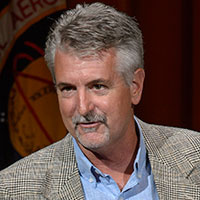 Michael Flynn合作论文数NASA Ames Research Center3
 Benjamin Erable合作论文数Laboratoire de Génie Chimique, CNRS – Université de Toulouse3




