BackgroundMitral (MR) and tricuspid regurgitation (TR) are common valvular disorders that may progress over time. Atrial fibrillation (AF) affects atrial structure and may contribute to the progression of MR or TR. However, longitudinal data quantifying progression rates are limited. We aimed to assess MR and TR progression in patients with and without AF.MethodsA total of 412 patients with and without AF from the Swiss-AF and BEAT-AF cohorts between 2010 and 2023 were studied. MR and TR severity were graded using the first and last available transthoracic echocardiogram (TTE). The primary endpoint was any progression. Clinically relevant progression additionally required at least moderate severity on the second TTE. Multivariable logistic regression analyses were performed to examine the association between AF and progression of MR or TR.ResultsMedian age at first TTE was 74 years (IQR: 69–81, 26% female). Incidence rates of any MR progression were 7.3 vs. 15.0 and of clinically relevant progression 3.3 vs. 3.9 per 100 person-years in AF vs. non-AF patients. For TR, incidence rates were 9.9 vs. 8.9 and 5.2 vs. 2.1 per 100 person-years, respectively. In multivariable analyses, AF was independently associated with both a higher likelihood of any TR progression and clinically relevant TR progression, but not with MR progression.ConclusionAF was associated with higher rates of progression of TR severity, including clinically relevant progression. However, AF was not associated with higher rates of progression of MR.Clinical Trial Registration:clinicaltrial.gov, identifier NCT02105844.
Cardiogenic shock complicates takotsubo syndrome (TTS) in approximately 10
STUDY AIM: Atrial fibrillation (AF) is associated with a high burden of vascular brain lesions, most of which are covert. We aimed to assess the association between vascular brain lesions (brain infarcts, microbleeds, white matter lesions) and cognitive decline over time in atrial fibrillation patients. METHODS: We included 1536 atrial fibrillation patients with brain magnetic resonance imaging (MRI) from a prospective multicentre cohort study. Patients were enrolled between 2014 and 2017 across 14 centres in Switzerland. Their cognitive functioning was assessed at baseline and yearly intervals using Montreal Cognitive Assessment (MoCA) and Cognitive Construct (CoCo) scores. Cognitive decline was defined as a score decline of >1 standard deviation of the age- and education-standardised baseline population compared with individual baseline levels of the corresponding test. RESULTS: Of 1536 patients, 1030 (mean age: 72 years; 73% male) had ≥1 vascular brain lesion on baseline MRI. During a median follow-up of 5.13 years, cognitive decline developed in 159 (10%) patients based on MoCA scores and in 144 (9%) based on CoCo scores. The incidence rate (per 100 person-years) for cognitive decline was 3.64 in patients with brain lesions vs 1.82 in patients without brain lesions on baseline MRI using MoCA scores, and 3.18 vs 2.0 using CoCo scores. In multivariable adjusted Cox proportional hazard models, the hazard ratio (HR) (95% confidence interval [CI]) of any brain lesion for cognitive decline was 1.29 (0.85–1.96) using the MoCA and 1.45 (0.95–2.20) using the CoCo score. CONCLUSIONS: In our atrial fibrillation cohort, the presence of brain lesions was not associated with a higher risk of cognitive decline using the MoCA or the CoCo score. However, there was an association with more-specific cognitive domains. Trial registration: https://clinicaltrials.gov NCT02105844.
The interrelationships between atrial fibrillation (AF), brain lesions and cognitive function are poorly understood. We aimed to investigate the relationship of AF with brain lesions and cognition. We enrolled 1,480 patients with and 959 without AF in a multicenter prospective study (Swiss-AF; NCT02105844). We assessed brain structure, and cognition using the Montreal Cognitive Assessment (MoCA). Brain magnetic resonance imaging (MRI) was performed to assess large non-cortical and cortical infarcts (LNCCI), small non-cortical infarcts (SNCI), white matter hyperintensities (WMH), and microbleeds. Using causal mediation analyses, we investigated the direct (lesion-independent) and indirect (lesion-mediated) effects of AF on cognition. Mean age in AF patients is 75.0 vs. 74.2 years in no-AF patients, 28.6
INTRODUCTION:Patients with atrial fibrillation (AF) exhibit a notable prevalence of both (covert) brain infarcts and white matter hyperintensities (WMHs). They face an elevated risk of cognitive decline and dementia, yet the pathogenesis remains largely unknown. Here, we aimed to investigate a potential relationship between lesion location of embolic brain infarcts or WMHs and (i) remote cortical volume using a tract-based analysis, as well as (ii) global cognitive function using voxel-based lesion-symptom mapping. METHODS:This is a cross-sectional analysis from a prospective, multicenter cohort study of unselected patients with AF (Swiss-AF) enrolling 1,716 patients with eligible MRI data (mean age 73 ± 8 years, 27% women, 90% anticoagulated). We assessed the association of brain lesions including embolic brain infarcts and WMHs in specific white matter tracts with remote cortical volume by using LASSO regression. In addition, voxel-based lesion-symptom mapping was deployed to assess the effect of WMH location in relationship to embolic brain infarcts on cognitive function. RESULTS:We observed WMH in 1,699 of 1,716 (99%) and embolic brain infarcts in 395 of 1,716 (23%) patients. The presence of embolic infarcts within most fiber tracts (mean, IQR: 55, 8-66 cm3) accounted for more variability in remote cortical volumes than WMH regional volume (mean, IQR: 366, 63-657 cm3) despite their lower volume. In addition, while the presence of WMH was initially associated with cognitive function across most brain regions (61.8% of voxels with significant association), when adjusting models for the presence of embolic infarcts, only a minor fraction of WMH remained significantly associated with cognitive function (23.6% of voxels). CONCLUSIONS:Among patients with AF, (covert) embolic brain infarcts and WMHs are associated with remote cortical atrophy and with lower cognitive performance. The disruption of brain networks through embolic infarcts seems to contribute to cognitive impairment in patients with AF.
Importance:Serum neurofilament light chain (sNfL) is a blood-based biomarker initially investigated for neuronal injury and is elevated in patients with atrial fibrillation (AF). Whether sNfL is associated with other adverse outcomes in this population is less well studied. Objective:To determine the association between sNfL and cardiovascular outcomes in patients with AF. Design, Setting, and Participants:The Swiss Atrial Fibrillation Cohort (SWISS-AF) is a prospective, multicenter, observational cohort study. The present analysis included patients enrolled from April 2014 through August 2017, with follow-up until April 23, 2025. Data analysis was conducted in June 2025. SWISS-AF enrolled inpatients and outpatients across 14 secondary or tertiary care centers in Switzerland. This analysis included 2311 of 2415 (95.7%) patients with documented AF in SWISS-AF after the exclusion of 76 patients without sNfL measurements and 28 patients with missing follow-up data. Exposures:Concentrations of sNfL were measured from baseline serum samples using an ultrasensitive single-molecule array assay. Main Outcomes and Measures:The primary outcome was major vascular events (MVEs), defined as a composite of cardiovascular death, nonfatal stroke, and nonfatal myocardial infarction. Other outcomes included the individual components of MVEs, heart failure-related hospitalization, and all-cause mortality. Results:Of 2311 included patients, mean (SD) age was 73.2 (8.5) years, and 1683 (73%) were male. Over a median (IQR) follow-up of 8.0 (5.2-9.0) years, there were 665 first MVE events, corresponding to an incidence per 100 patient-years of 4.4 (95% CI, 4.1-4.8). Every doubling of sNfL concentration was associated with an adjusted hazard ratio (aHR) for MVEs of 1.35 (95% CI, 1.22-1.50; P < .001). Increasing sNfL levels were associated with nonfatal stroke (aHR, 1.31; 95% CI, 1.09-1.57; P = .004), cardiovascular death (aHR, 1.36; 95% CI, 1.20-1.54; P < .001), heart failure-related hospitalization (aHR, 1.25; 95% CI, 1.11-1.41; P < .001), and all-cause mortality (aHR, 1.41; 95% CI, 1.27-1.56; P < .001) but not myocardial infarction (aHR, 1.04; 95% CI, 0.81 to 1.34; P = .76). Conclusions and Relevance:After multivariable adjustment, sNfL levels were associated with a broad range of adverse cardiovascular events and mortality in patients with AF. Serum NfL may serve as a biomarker of cardiovascular risk in patients with AF.
Background:Recent studies indicate that atrial fibrillation (AF) burden has prognostic implications. Objective:We aimed to assess the ability of clinical and cardiac imaging variables to stratify between high and low AF burden. Method:Data from the prospective, multicenter Swiss-AF Burden study were analyzed. Patients underwent a 7-day Holter electrocardiogram and native cardiac magnetic resonance imaging. AF burden, defined as the percentage of time in AF during the 7-day Holter electrocardiogram, was dichotomized into low (<10%) or high (≥10%). Logistic regression models were built, and discriminative performance was evaluated by comparing the area under the curve (AUC). Results:A total of 170 patients were enrolled (median age 72 years; 18% female); 26% (n = 44) had high AF burden. Variables selected for the clinical model were age (odds ratio 1.09; 95% confidence interval 0.40-2.74), male sex (1.05; 1.00-1.11), and body mass index (1.14; 1.06-1.24). The imaging model included left atrial maximal volume index (1.04; 1.01-1.06), left ventricular end-diastolic volume index (0.93; 0.90-0.96), right atrial fractional area change (0.94; 0.89-0.98), and left ventricular ejection fraction (0.87; 0.81-0.94). The AUCs for the clinical and imaging models were 0.67 (0.58-0.77) and 0.91 (0.84-0.98), respectively. Combining both models yielded an AUC of 0.92 (0.86-0.99), with no substantial improvement over the imaging model alone. Conclusion:Cardiac imaging variables clearly outperformed clinical variables in their ability to stratify between high and low AF burden, suggesting their potential as a tool for estimating AF burden.
Aims:Cardiac autonomic dysfunction is associated with an adverse prognosis in patients with atrial fibrillation (AF). However, the association of AF itself with cardiac autonomic function (CAF) remains unclear. We aimed to investigate whether CAF, assessed by heart rate variability (HRV), differs across patients with and without AF. Methods and results:We enrolled patients from a prospective multicentre study (Swiss-AF) with a 5-min resting ECG recording in SR or AF without pacing. Cardiac autonomic function was quantified by periodic repolarization dynamics (PRD), a marker of sympathetic activity, and by conventional HRV parameters. We included 2289 patients, 807 (35%) SR patients, 932 (41%) AF patients with SR ECGs (AF-SR), and 550 (24%) AF patients with AF ECGs (AF-AF). Mean age was 74 vs. 70 vs. 75 years; 37%, 31%, and 24% were female. Median PRD was 4.8 deg (IQR 2.6-6.7) in the SR group, 5.1 deg (IQR 2.9-6.9) in the AF-SR group, and 7.0 deg (IQR 5.8-8.4) in the AF-AF group (P < 0.001). After full adjustment (SR group = reference group), the AF-AF group showed a stronger association with elevated PRD (β-coefficient 2.10, 95% CI 1.79-2.41, P < 0.001) than the AF-SR group (β-coefficient 0.36, 95% CI 0.08-0.64, P = 0.011). Most other HRV parameters indicated greater autonomic impairment in the AF-SR group compared to the SR group. Conclusion:Atrial fibrillation was associated with increased sympathetic activity, with the greatest impairment observed in patients during AF, independent of cardiovascular risk factors. Periodic repolarization dynamics may represent a useful marker for the assessment of CAF in AF patients.
BACKGROUND:Clonal hematopoiesis of indeterminate potential (CHIP) has been associated with cardiovascular disease, but its relationship with silent brain lesions and cognitive decline in patients with atrial fibrillation (AF) is unclear. METHODS:In this prospective, multicenter cohort study, we included 1572 patients with AF enrolled between 2014 and 2017. All participants underwent deep-targeted sequencing for CHIP-associated sequence variations, brain magnetic resonance imaging, and standardized cognitive assessments. CHIP carrier status (overall, DNMT3A carrier, and non-DNMT3A carrier) was evaluated in relation to prevalent and incident silent brain lesions. Silent brain lesions were defined as large noncortical or cortical infarcts, small noncortical infarcts, microbleeds, and white matter lesions (WMLs), and were assessed at baseline and after 2 years with magnetic resonance imaging. Cross-sectional analyses were externally validated in a cohort of 199 patients with AF. Cognitive function was evaluated through 7 years using the Montreal Cognitive Assessment. Associations were analyzed using multivariable-adjusted logistic and linear regression models. RESULTS:Among 1572 patients with AF (mean±SD age, 72.5±8.3 years; 26% women), 342 (22%) carried CHIP sequence variations, most commonly in DNMT3A (49.4%) and TET2 (28.3%). CHIP carriers had significantly higher odds of cerebral microbleeds (odds ratio [OR], 1.45 [95% CI, 1.09 to 1.93]) and WMLs (OR, 1.56 [95% CI, 1.20 to 2.04]) at baseline, particularly with non-DNMT3A sequence variations (microbleeds: OR, 1.79 [95% CI, 1.25 to 2.55]; WMLs: OR, 1.80 [95% CI, 1.25 to 2.62]). A similar trend was observed in an independent AF patient cohort from Korea limited to TET2 sequence variations. Presence of multiple CHIP sequence variations further increased the odds of microbleeds (OR, 1.36 [95% CI, 1.10 to 1.69]) and WMLs (OR, 1.41 [95% CI, 1.15 to 1.75]), and large CHIP clones (variant allele frequency >10%) were associated with higher WML volumes. At 2-year follow-up, CHIP was associated with new cerebral microbleed counts and greater WML volume. Over 7 years, CHIP carriers exhibited greater cognitive decline, with a lower Montreal Cognitive Assessment score compared with noncarriers (β -0.53 [95% CI, -1.02 to -0.03]). The decline was more pronounced in DNMT3A and ASXL1 sequence variation carriers. CONCLUSIONS:In patients with AF, CHIP was independently associated with a greater burden and progression of silent brain lesions and with accelerated cognitive decline. GRAPHIC ABSTRACT:A graphic abstract is available for this article.
Background Atrial fibrillation is an independent risk factor for the development of cognitive impairments. Regular coffee consumption has shown cognitive benefits in healthy individuals. Whether regular consumption reduces cognitive decline in vulnerable patients is controversial. We investigated the association in elderly people with atrial fibrillation. Methods and Results Daily coffee consumption was assessed using a structured nutrition questionnaire, and cognitive function was evaluated by a detailed neurocognitive‐test‐battery, including the Montreal Cognitive Assessment, Trail‐Making Test, semantic fluency, and Digit‐Symbol‐Substitution Test. The cognitive construct score combines all neurocognitive tests mentioned and provides an overall cognitive performance indicator. Hs‐CRP (high‐sensitivity C‐reactive protein) and IL‐6 (interleukin‐6) were measured to explore an association with inflammation. Results were estimated using linear mixed‐effects‐models with detailed adjustments for confounders. The <1 cup/day consumers (reference group) reached a cognitive construct score of −0.24 (95% CI, –0.27 to –0.16), and the group with the highest consumption (>5 cups/day) was at −0.10 (95% CI, –0.10 to 0.04; p =0.048). Montreal Cognitive Assessment score in the reference group was 24.58 (95% CI, 24.58–25.32); the group with the highest intake achieved 25.25 (95% CI, 24.98–26.85; p =0.163). Inflammatory markers decreased with higher coffee consumption (hs‐CRP with 5 compared with <1 cup/day by factor 0.78 [95% CI, 0.54–1.13], p = 0.188, IL‐6 significantly by factor 0.73 [95% CI, 0.57–0.95], p =0.017). Conclusions Coffee consumption in patients with atrial fibrillation may be associated with improved cognitive performance and reduced inflammatory markers. Further research is needed to confirm these findings and to consider implementation in dietary counseling for atrial fibrillation management. Registration URL: https://www.clinicaltrials.gov ; Identifier: NCT02105844.
BACKGROUND:Biomarkers may increase the understanding of the pathophysiology of brain lesions in newly evaluated atrial fibrillation. BTG (β-thromboglobulin) is released from platelet alpha granules upon activation, reflecting platelet activation or destruction, or both. We assessed the association of plasma BTG with cerebral microbleeds (CMBs) and ischemic brain lesions using brain magnetic resonance imaging (bMRI) in patients with atrial fibrillation. METHODS:BTG was analyzed using the Luminex assay. CMBs and ischemic brain lesions were detected by standardized bMRI of 1724 patients from the Swiss-Atrial Fibrillation cohort, a prospective, national, multicenter cohort study that enrolled patients between 2014 and 2017. For this cross-sectional analysis, associations of BTG with bMRI lesions were evaluated by logistic and linear regression analyses using 2 models. The first model was adjusted for age and sex, and the second model was additionally multivariable-adjusted for a large number of clinical characteristics, including coronary artery disease, hypertension, diabetes, chronic kidney disease, history of heart failure, major bleeding, as well as concomitant platelet inhibitor, and anticoagulation therapy. RESULTS:Mean age at baseline was 72.5 years (SD, 8.4), and 27.3% were female. On bMRI, CMBs were found in 369 patients (21.4%) and cerebral infarcts in 635 (36.8%). After multivariable adjustment, a 1-unit increase of log-transformed plasma BTG was associated with 25% lower odds of having CMBs (odds ratio, 0.75 [95% CI, 0.59-0.96]). However, BTG was not associated with the presence of large noncortical or cortical infarcts (odds ratio, 0.85 [95% CI, 0.66-1.09]) or small noncortical infarcts (odds ratio, 1.06 [95% CI, 0.83-1.35]). CONCLUSIONS:In patients with atrial fibrillation, the platelet-specific biomarker BTG was inversely and independently associated with CMBs on bMRI. Low-grade platelet activation may improve vascular integrity. REGISTRATION:URL: https://www.clinicaltrials.gov; Unique identifier: NCT02105844.
AIMS:Patients with atrial fibrillation (AF) are at a high risk of adverse cardiovascular outcomes. Little is known about the specific population of AF patients with implanted pacemaker (PM) and their prognosis. Therefore, we aimed to compare the risks of adverse outcomes in AF patients with and without PM. METHODS AND RESULTS:Data from two Swiss prospective, multicentre cohort studies (Swiss-AF, Beat-AF) (n = 3675) with yearly follow-ups (FUs) up to 8 years were analysed. The first main outcome was major adverse cardiovascular events (MACE), a composite of stroke or transient ischaemic attack, myocardial infarction, cardiovascular death, and systemic embolism. The second main outcome was hospitalization for heart failure (HF). Secondary outcomes were the individual components of MACE. We performed time-updated Cox regression analyses to investigate the association of PM and outcomes. Median age was 71.4 years, 28.8% female, 445 (12.1%) patients had a PM at baseline, and 238 additional patients (7.4%, 1.05%/year) received a PM over a median FU of 7 years. Patients with a PM had higher incidence rates for MACE and HF (5.97 and 5.08 per 100 patient-years, respectively), compared to patients without a PM (3.37 and 2.61 per 100 patient-years, respectively). After multivariable adjustment, we found no independent association of PM and MACE (aHR [95% CI] 1.12 [0.95-1.33; P = 0.183]) or HF (aHR [95% CI] 1.14 [0.94-1.37; P = 0.180]). We found consistent results for the individual components of MACE. CONCLUSION:Patients with AF and a PM experienced an increased rate of adverse cardiovascular outcomes. However, the PM itself was not independently associated with these outcomes.
Atrial fibrillation (AF) increases the risk of adverse cardiovascular events, yet the underlying biological mechanisms remain unclear. We evaluate a panel of 12 circulating biomarkers representing diverse pathophysiological pathways in 3817 AF patients to assess their association with adverse cardiovascular outcomes. We identify 5 biomarkers including D-dimer, growth differentiation factor 15 (GDF-15), interleukin-6 (IL-6), N-terminal pro-B-type natriuretic peptide (NT-proBNP), and high-sensitivity troponin T (hsTropT) that independently predict cardiovascular death, stroke, myocardial infarction, and systemic embolism, significantly enhancing predictive accuracy. Additionally, GDF-15, insulin-like growth factor-binding protein-7 (IGFBP-7), NT-proBNP, and hsTropT predict heart failure hospitalization, while GDF-15 and IL-6 are associated with major bleeding events. A biomarker model improves predictive accuracy for stroke and major bleeding compared to established clinical risk scores. Machine learning models incorporating these biomarkers demonstrate consistent improvements in risk stratification across most outcomes. In this work, we show that integrating biomarkers related to myocardial injury, inflammation, oxidative stress, and coagulation into both conventional and machine learning-based models refine prognosis and guide clinical decision-making in AF patients.
STUDY AIMS: Left atrial appendage occlusion (LAAO) is an accepted alternative stroke prevention strategy for patients with atrial fibrillation (AF) and contraindications to oral anticoagulation despite the lack of randomised data in this population. This study aims to compare the outcomes of LAAO and direct oral anticoagulation (DOAC) therapy in patients with high bleeding risk. METHODS: This cardinality-matched analysis comprised data from the Beat-AF and Swiss-AF cohorts (n = 3960; enrolment from 2010 to 2014 and from 2014 to 2017, respectively), along with the Zurich LAAO Registry (n = 535; patients included between 2010 and 2023). The primary endpoint was a composite of stroke, cardiovascular death or major bleeding. The individual components constituted the secondary endpoints. Time-dependent cumulative incidence curves were constructed and a competing risk analysis was included. RESULTS: After matching, 478 patients with a DOAC score ≥8 and 159 patients with previous major bleeding were compared in a 1:1 and 1:2 ratio, respectively, regarding their stroke prevention strategy (DOAC versus LAAO). After a median follow-up time of 4.9 years (interquartile range [IQR]: 2.2–6.1) in all patients with a DOAC score ≥8 and 4.4 years (IQR: 2.0–6.0) in all patients with previous major bleeding, there were no significant differences in the primary endpoint (hazard ratio [HR]: 0.88, 95% confidence interval [CI]: 0.67–1.14, p = 0.33 and HR: 0.79, 95% CI: 0.50–1.27, p = 0.33) and in the rates of stroke (HR: 0.74, 95% CI: 0.39–1.42, p = 0.36 and HR: 1.09, 95% CI: 0.33–3.62, p = 0.89) and cardiovascular death (HR: 0.97, 95% CI: 0.68–1.38, p = 0.85 and HR: 0.91, 95% CI: 0.50–1.64, p = 0.74). The rate of major bleedings was significantly lower in the LAAO group of both cohorts (HR: 0.55, 95% CI: 0.32–0.94, p = 0.029 and HR: 0.32, 95% CI: 0.13–0.79, p = 0.013). CONCLUSION: In this high bleeding risk population, LAAO was associated with similar effectiveness in preventing atrial fibrillation-related stroke and cardiovascular death and significantly lower rates of major bleeding compared to DOAC therapy. This strengthens the value of LAAO as an alternative stroke prevention strategy for patients at high risk of bleeding.
BACKGROUND:Validated risk prediction scores for incident heart failure (HF) in patients with atrial fibrillation are lacking. We aimed to externally validate the the HF prediction risk score derived from three large control randomized trials RE-LY, AVERROES, and ACTIVE-A (REACT-HF) score and assess potential improvements by incorporating biomarkers. METHODS:We included 2599 patients with atrial fibrillation without prior HF from the Swiss-AF (Swiss Atrial Fibrillation) and BEAT-AF (Basel Atrial Fibrillation) cohorts. We estimated the C statistics of the REACT-HF score with Cox proportional hazards models and improved prediction by adding hs-CRP (high-sensitivity C-reactive protein), NT-proBNP (N-terminal pro-B-type natriuretic peptide), and high-sensitivity troponin T. The primary outcome was incident HF hospitalization within 2 years. Secondary outcomes included cardiovascular death, a composite of incident HF hospitalization and cardiovascular death, and all-cause death. RESULTS:The mean age was 70.2±10.3 years, 29.1% were women, and 54.8% had paroxysmal atrial fibrillation. Across risk score quintiles, the incidence rates per 100 patient-years increased for the primary outcome (0.27, 0.54, 1.00, 2.24, 5.49), cardiovascular death (0.00, 0.11, 0.10, 0.91, 2.01), the composite of cardiovascular death and first HF hospitalization (0.27, 0.65, 1.10, 3.09, 6.86), and all-cause death (0.00, 0.65, 0.40, 1.56, 4.10). The estimated C statistic (95% CI) for the primary outcome was 0.76 (0.72-0.81). C statistics for the secondary outcomes were consistent. The biomarker-enhanced model, including hs-CRP and NT-proBNP, improved the C statistic to 0.84 (0.80-0.87). CONCLUSIONS:In this external validation, the REACT-HF risk score demonstrated good discrimination for predicting the first HF hospitalization within 2 years of follow-up. The addition of NT-proBNP and hs-CRP further improved the score. The REACT-HF score may help identify patients with atrial fibrillation at risk for HF, aiding in preventive therapy.
We investigated associations of a broad biomarker panel with cognitive decline in atrial fibrillation (AF) patients to characterize possible mechanisms. We enrolled 1440 AF patients with available baseline biomarkers and cognitive testing by the Montreal Cognitive assessment (MoCA) score at inclusion and at ≥ 2 yearly follow-ups. We investigated the associations of biomarkers with cognitive decline in univariate logistic regression models, LASSO regression analysis and built a combined model. Mean age was 72 years, 75% male, 47% paroxysmal AF. Over 4 years, 93 patients (6.5%) had cognitive decline. These patients had more often permanent AF (32.3 vs 21.5%, p = 0.007) and more often a history stroke (23.7 vs 11.2%, p < 0.001), but similar baseline MoCA scores (24.9 vs 25.3 points, p = 0.22) and anticoagulation rates (93.5 vs 89.5%, p = 0.29). The three biomarkers with the highest univariate AUC for cognitive decline were GDF-15 (0.67 [0.62-0.72]), Cystatin C (0.67 [0.61-0.72]) and high-sensitivity Troponin T (hs-TnT) (0.65 [0.60-0.70]). In LASSO regression analysis, the best cross validation included GDF-15, GFAP, ESM-1, NfL and ALAT. The combined prediction model with the highest AUC of 0.73 (0.68-0.78) included IGFBP-7, GDF-15, Cystatin C, hsCRP, ALAT, GFAP, ESM-1 and FGF23. Over 4 years, 6.5% of AF patients had cognitive decline despite a high rate of anticoagulation. Inflammation, neuronal damage, and increased amyloid-beta might be important non-ischemic mechanisms of cognitive decline in AF patients.
Background Electrical cardioversion (ECV) is frequently performed in symptomatic atrial fibrillation. Objective This study aimed to assess the association of ECV with infarcts on brain magnetic resonance imaging (bMRI) and clinical outcomes. Methods The Swiss Atrial Fibrillation Cohort Study included 2386 patients; 1731 patients were evaluated by bMRI. ECVs were recorded by questionnaire. Patients were assigned to categories by number of ECVs performed before enrollment (0, 1, >= 2). A bMRI study was conducted at baseline and after 2 years (n = 1227) and analyzed for large noncortical or cortical infarcts and small noncortical infarcts. Clinical outcomes were recorded during follow-up. Associations of ECV and outcome measures were assessed by multivariate analyses. Results There was no independent association between the number of ECVs and infarct prevalence (large noncortical or cortical infarcts and small noncortical infarcts) on baseline bMRI (ECV 1 vs 0: odds ratio [OR], 0.95 [95% CI, 0.68-1.24]; ECV >= 2 vs 0: OR, 1.04 [0.72-1.44]) or between ECVs performed during follow-up and new infarcts on bMRI at 2 years (OR, 1.46 [0.54-3.31]). ECVs were not associated with overt stroke or transient ischemic attack (ECV 1 vs 0: hazard ratio [HR], 1.36 [0.88-2.10]; ECV >= 2 vs 0: HR, 1.53 [0.94-2.48]), hospitalization for heart failure (ECV 1 vs 0: HR, 1.06 [0.82-1.37]; ECV >= 2 vs 0: HR, 1.03 [0.77-1.38]), or death (ECV 1 vs 0: HR, 0.90 [0.70-1.15]; ECV >= 2 vs 0: HR, 0.91 [0.69-1.20]). Conclusion There was no association between ECV performed before enrollment and cerebral infarcts on baseline bMRI or between ECV performed during follow-up and new infarcts at 2 years. Moreover, ECV was not associated with clinical events.
AIMS: We aimed to explore atrial fibrillation (AF)-induced productivity losses in working-age atrial fibrillation patients and to estimate atrial fibrillation-related indirect costs. METHODS: Between 2014 and 2017, the Swiss Atrial Fibrillation prospective cohort study (Swiss-AF) enrolled 217 working-age patients with documented atrial fibrillation. Self-reported changes in professional activity and the reasons thereof were descriptively analysed over 8 years of follow-up or until patients reached the retirement age. Results were put into perspective, and indirect costs were planned to be estimated, through comparison with a general population-based, age-, sex- and year-matched comparison sample from the Swiss labour force survey (SLFS). RESULTS: Of 217 analysed Swiss-AF patients, 14.7% reported a professional activity change (9.2% stop, 5.5% reduction) due to atrial fibrillation before the end of observation. Of those working at enrolment (n = 157), 3.8% had a subsequent professional activity change due to atrial fibrillation, 11.6% due to other reasons. Patients were more likely to report an impact of atrial fibrillation on professional activity if they had had atrial fibrillation longer and were closer to the retirement age. Slightly fewer Swiss-AF patients were employed (75%) than in the comparison sample (77%). For those working however, the degree of employment was higher (88% vs 83%). Lack of differences between the Swiss-AF patients and the comparison sample indicated no relevant indirect costs of atrial fibrillation due to lost productivity. CONCLUSION: Only a minority of atrial fibrillation patients reported a negative impact of atrial fibrillation on their professional activity. Professional activity changes due to other reasons were reported more frequently. Compared with the general population, atrial fibrillation did not cause distinct differences.
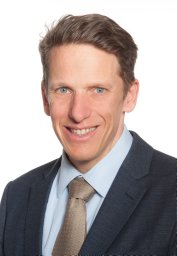 Christian Sticherling合作论文数Biochemie-Zentrum Heidelberg, Ruprecht-Karls-Universität288
 Michael Kuhne合作论文数University Heart Center, University Hospital Basel;Cardiovascular Research Institute Basel, University Hospital Basel269
 Tobias Reichlin合作论文数Department of Cardiology, Bern University Hospital;Herz Gefäss Zentrum, Universitätsklinik für Kardiologie, Universitätsspital Bern, Inselspital256
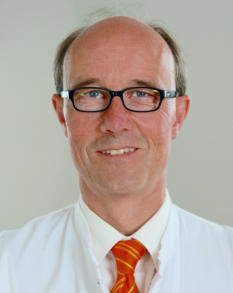 Christian Mueller合作论文数Cardiovascular Research Institute Basel;Department of Cardiology, University Hospital Basel;Faculty of Medicine, University of Basel175
 Beat Andreas Schaer合作论文数University Hospital of Basel168
 David Conen合作论文数Department of Internal Medicine, University Hospital Basel155Aeschbacher Stefanie合作论文数129
 Sven Knecht合作论文数125Patrick Badertscher合作论文数100
 Giorgio Moschovitis合作论文数98
 Christian Puelacher合作论文数Department of Cardiology &amp;Cardiovascular Research Institute Basel, University Hospital;Department of Cardiology &amp; Cardiovascular Research Institute Basel, University Hospital93Rodondi Nicolas合作论文数91
 Philipp Krisai合作论文数88
 Karin Wildi合作论文数Department of Cardiology, University Hospital Basel86
 Raphael Twerenbold合作论文数82
 Maria Rubini Gimenez合作论文数82P. Buser合作论文数79
 Twerenbold Raphael合作论文数Univ Basel Hosp74
 Philip Haaf合作论文数Department of Internal Medicine, University Hospital70M. Pfisterer合作论文数69
 Michael Coslovsky合作论文数Institute of Ecology and Evolution, University of Bern68
 Christoph Kaiser合作论文数University Hospital Basel67
 Leo H Bonati合作论文数Hospital de Egas Moniz, Centro Hospitalar Lisboa Ocidental;Stroke Centre (, Lausanne University Hospital;School of Health Sciences, University of Thessaly;Boston Medical Center, Boston University School of Medicine;Comprehensive Stroke Centre, Charles University Faculty of Medicine and University Hospital;2nd Department of Neurology (A.C., M.A.K., M.N.),, Institute of Psychiatry and Neurology;Neurology Department (J.D., R.L.),, Leuven University Hospital;Hospitals and Affiliated Stroke Network (O.Y.M.),, Alexandria University;Department of Neurology, University Hospital of Zurich;Stroke Center (C.W.C., G.B.),, Neurocenter of Southern Switzerland;Bern University Hospital, University of Bern;Stroke Centre (E.C.),, Geneva University Hospital;Department of Neuroradiology, Geneva University Hospital;University Hospital Basel, University of Basel;Stroke Centre (M.B.),, Kantonsspital Lucerne;Stroke Centre (N.P., S.W.),, Hirslanden Hospital;Hospital de Egas Moniz, Centro Hospitalar Lisboa Ocidental;Department of Neurology, Centro Hospitalar Universitário de Coimbra;Department of Neuroradiology (E.M.),, Centro Hospitalar Universitário de Coimbra;Hospital de São José, Centro Hospitalar Universitário Lisboa Central;Hospital de Santa Maria, Centro Hospitalar Universitário Lisboa Norte;Hospital de Santa Maria, Centro Hospitalar Universitário Lisboa Norte;Department of Neurology (P.C., E.A.),, Centro Hospitalar Universitário São João;Department of Neuroradiology (L.A.),, Centro Hospitalar Universitário São João;Departments of Neurology (J.N.A., J.F.-P.), and Neuroradiology (T.M.),, Hospital de Braga;Department of Neurology (L.P., M.R.),, Hospital Garcia de Orta;Department of Neuroradiology (A.P.A., M.R.),, Centro Hospitalar de Vila Nova de Gaia/Espinho;Department of Neurology (M.R.),, Centro Hospitalar de Vila Nova de Gaia/Espinho;Department of Neurology (A.P.-F, L.R.),, Unidade Local de Saúde de Matosinhos;Department of Neurology (R.V., S.M.),, Centro Hospitalar Universitário do Porto;Stroke Unit (M.C., C.Z.),, Azienda Ospedaliera Universitaria Integrata;Department of Neurology and Stroke Centre, Maggiore Hospital;Department of Neurology (M.S., S.L.G.),, ASST Papa Giovanni XXIII;Department of Clinical and Experimental Sciences (A.P.),, University of Brescia;Department of Neurology and Stroke Unit (D.S.),, Azienda Socio Sanitaria Territoriale;Stroke Unit, Azienda Unità Sanitaria-IRCCS di Reggio Emilia;Neuroradiology Unit (R.P.),, Azienda Unità Sanitaria-IRCCS di Reggio Emilia;San Gerardo Hospital, University of Milano Bicocca;Stroke Unit (G.S.),, Fondazione IRCCS Ca' Granda Ospedale Maggiore Policlinico;Department of Neurology (G.F.),, Policlinico Universitario Agostino Gemelli;Emergency Neurology and Stroke Unit (S.M.),, IRCCS Humanitas Clinical and Research Center;Department of Neurology (C.S., S.E.),, Hôpital Fondation Ade Rothschild;Department of Interventional Neuroradiology (M.P., B.M.),, Hôpital Fondation Ade Rothschild;Department of Interventional Neuroradiology (G.C., F.V.),, Centre Hospitalier Régional Universitaire;Stroke Unit, Centre Hospitalier Universitaire;Department of Interventional and Diagnostic Neuroradiology (J.-S.L., I.S.),, Bordeaux University Hospital;Department of Diagnostic and Interventional Neuroradiology (F.F, G.B., N.-O.G.),, University Medical Center-Hamburg-Eppendorf;University Hospital Frankfurt, Goethe University;Berlin Institute of Health, Charité-Universitätsmedizin Berlin;Department of Neuroradiology (E.S.),, Charité-Universitätsmedizin Berlin;Department of Neurology (, St. John's Hospital;Departments of Neurology, Medical University of Innsbruck;Department of Neurology (J.S., Amsterdam University Medical Centers;Medical Centre, Leiden University;Universitair Ziekenhuis Brussel, Vrije Universiteit Brussel;Department of Neurology (M.P.R, A.G.),, Europe Hospitals;Department of Neurology, Centre Hospitalier Universitaire de Charleroi;Instituto de Investigación Hospital 12 de Octubre (i+12), Hospital Universitario de Octubre;Ramon y Cajal Institute for Health Research (IRYCIS),, Hospital Universitario Ramón y Cajal;La Paz University Hospital, Universidad Autónoma de Madrid;Department of Neurology (S.P.-S., J.M.),, Hospital Universitario Virgen Macarena;Stroke Centre (F.D-.O.),, Hospital General Universitario Gregorio Marañón;Stroke Unit (B.F.-P., J.M.-N.),, Germans Trias Hospital;Comprehensive Stroke Centre, Hospital Clinic from Barcelona;Department of Neurology, Complejo Hospitalario Universitario de Albacete;Department of Neurology, and Interventional Neuroradiology Unit, Hospital Universitario Miguel Servet;Department of Neurology, Hospital Universitario Miguel Servet;Stroke and Geriatric Medicine (T.H.),, Aintree University Hospital;University College London, University College London;Queen Square Institute of Neurology, University College London (D.W.),;Akershus University Hospital, University of Oslo;Sahlgrenska Academy at University of Gothenburg, Sahlgrenska University Hospital;at the University of Gothenburg, Sahlgrenska University Hospital;Faculty of Medicine and University Hospital, Charles University;St. Anne´s University Hospital, Masaryk University;Faculty of Medicine, University of Ostrava;Department of Neurology (R.H, S.V.),, České Budějovice Hospital;Department of Neurology (O.S., M.P.),, Jihlava Hospital;Neurocenter (L.J., Z.E., M.J.),, Regional Hospital Liberec;Cerebrovascular Centre (M.K., M.P., P.M.),, Na Homolce Hospital;Department of Neurology (H.P.),, Karviná Miners Hospital Inc.;Cerebrovascular Centre (A.T, P.J, A.O.),, University Hospital in Motol;Cerebrovascular Centre (M.S., R.H, P.M., L.T.),, Central Military Hospital;Cerebrovascular Centre (J.F., M.S.),, General University Hospital;1th Department of Neurology (H.S.-J, A.B.), Institute of Psychiatry and Neurology, Warsaw, Poland;University Hospital, Jagiellonian University;Medical College, Rzeszow University;Department of Neurology and Stroke (M.B, St. John Paul II Western Hospital;Department of Neurology (, Central Clinical Hospital of the Ministry of the Interior and Administration;Departments of Neurology (M.N.-K., K.O., P.U.), and Radiology (M.G.),, Wroclaw Medical University;Department of Neurosurgery and Neurology (M.S.),, Nicolaus Copernicus University in Torun Ludwik Rydygier Collegium Medicum;Stroke Intervention Centre (I.R., Jan Biziel University Hospital;Institute of Medical Sciences, University of Opole;Clinic of Neurology (, Military Institute of Medicine;Department of Neurology (J.Z.),, University of Warmia and Mazury;Department of Radiology (C.W.),, Provincial Specialist Hospital;University Emergency Hospital Bucharest, University of Medicine and Pharmacy "Carol Davila",;Department of Radiology, University Emergency Hospital Bucharest;Elias University Emergency Hospital, University of Medicine and Pharmacy "Carol Davila",;Department of Neurology (A.O.),, Eskisehir Osmangazi University;Affiliated Saudi German Hospital, Ain Shams University;Neuropsychiatry Department (H.A.),, Tanta University;Department of Neurology (J.A.-H.),, Ibn Sina Hospital;Department of Neurology (I.I.I.),, Jaber Al-Ahmad Hospital;School of Medicine, Zanjan University of Medical Sciences;Neurology Department, Hillel Yaffe Medical Center;Department of Neurosurgery (P.J., Thomas Jefferson University Hospital;Departments of Radiology (G.A.M., P.G.N.),, Grady Memorial Hospital;Department of Neurology (A.C.),, Henry Ford Hospital;Comprehensive Stroke Centre and Department of Neurosciences (, Michigan State University;Department of Neurology (K.N., S.O.),, University of Arkansas for Medical Sciences;Department of Neurology (M.K.),, Upstate University Hospital;Medical Centre, University of Kansas;Endovascular Neurological Surgery and Neurology (P.K., I.B, M.O., M.B.),, The State University of New Jersey;Detroit Medical Center, Wayne State University;Stroke Clinic (V.C.-N, A.A.),, Instituto Nacional de Neurologia y Neurocirugia Manuel Velasco Suarez;Department of Neurology (P.A.),, Fundación Valle del Lili;Centro de Investigaciones Clínicas (N.L., A.A.),, Fundación Valle del Lili;Department of Neurology (M.A.V.),, Hospital Nacional Edgardo Rebagliati Martins;Hospital General San Juan de Dios (J.D.B.G.),;Department of Neurology (R.C., R.T.M.),, Hospital Nossa Senhora da Conceição Hospital;Stroke Unit, Ramos Mejía Hospital (S.D.S.),;St. Luke's Medical Center (P.M.Y.), Global City, Philippines;Department of Neurology (S.N., A.G.),, Grant Medical College and Sir JJ Hospital;Department of Neurology (K.-D.S.),, National Health Insurance Service Ilsan Hospital;School of Biomedical Engineering and Imaging Sciences (G.G.),, King's College London;Department of Clinical Therapeutics (G.G.),, National and Kapodistrian University of Athens;University of Thessaly, Lausanne University Hospital63W. Brett合作论文数61H.-R. Zerkowski合作论文数60H.-H. Osterhues合作论文数58Peter Ammann合作论文数57
 Jasper Boeddinghaus合作论文数University Hospital Basel, University of Basel;GREAT network, Basel, Basel, Switzerland;University Hospital Basel, University of Basel;BHF/University Centre for Cardiovascular Science, University of Edinburgh;University of Basel, University of Edinburgh54
 Thomas Nestelberger合作论文数University Hospital Basel, University of Basel;GREAT network, Basel, Basel, Switzerland;Vancouver General Hospital, University of British Columbia;University Hospital Basel, University of British Columbia52
 Richard Kobza合作论文数51Matthias Pfisterer合作论文数48Beer Jürg H合作论文数Department of Medicine, Kantonsspital Baden46M. Kuehne合作论文数44Ivo Strebel合作论文数40Meyre Pascal合作论文数39Michael J. Zellweger合作论文数39
 Steffen Blum合作论文数38Katharina Rentsch合作论文数37
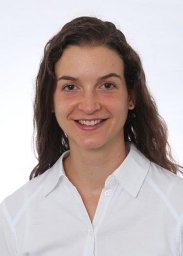 Jeanne du Fay de Lavallaz合作论文数Department of Cardiology, University Hospital Basel;University Hospital Basel, University of Basel;University Hospital Basel, University of Basel37Sabti Zaid合作论文数33
 Nikola Kozhuharov合作论文数32
 Elisa Hennings合作论文数29Laurent Roten合作论文数29Matthias Schwenkglenks合作论文数Abteilung Medizinische Ökonomie, Universitätsspital Zürich28Di Valentino Marcello合作论文数27Florian Spies合作论文数26Sinnecker Tim合作论文数26
 Dipen S Shah合作论文数Hospital Center of Aix en Provence Cardiology26
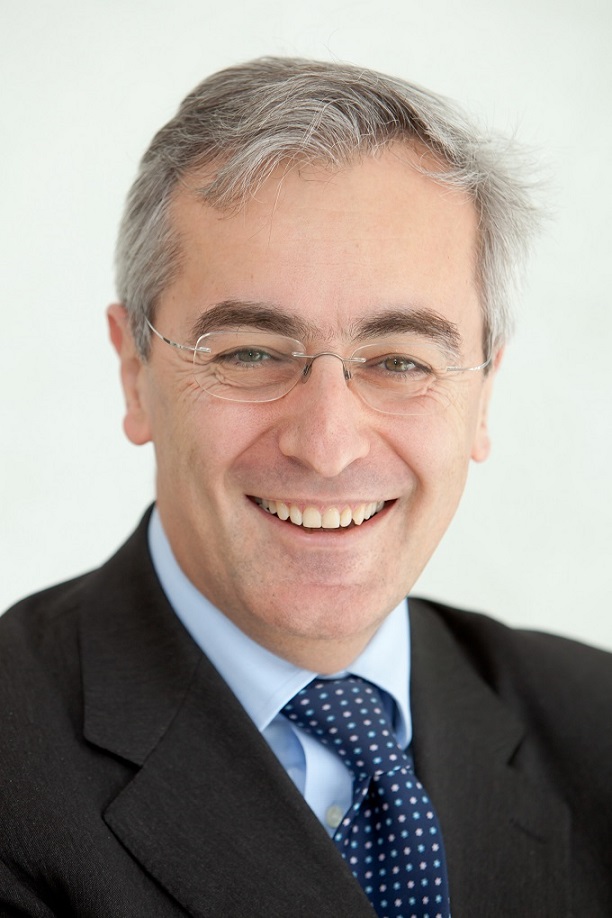 Angelo Auricchio合作论文数Faculty of Biomedical Sciences, Università della Svizzera;University Hospital in Magdeburg;Center for Computational Medicine in Cardiology, Università Della Svizzera Italiana in Lugano;Division of Cardiology, Istituto Cardiocentro Ticino26




