Tourism has been widely practiced at heritage sites as a modern function of heritage resources to reveal and spread heritage values. Taking Fahai Temple Mural in Beijing as a case, this study adopts a qualitative approach to examine how tourism development shapes the spatial and functional configuration of fragile mural heritage. Data were collected between December 2022 and December 2023 from six rounds of fieldwork and multiple secondary sources. Key findings reveal that: (1) tourism, driven by top-down policies and technological innovation, plays a catalytic yet contested role in balancing mural conservation with growing visitor demand; (2) the murals have moved from on-site conservation to collotype reproduction and now to digital regenerations, with each medium reframing their meanings and accessibility; and (3) the three-tiered configuration of genuine, replica and digital forms enhances knowledge dissemination and visitor engagement but also risks diluting authenticity, commodifying cultural values and generating tensions between community stakeholders and tourists. The study underscores the interplay between tourism, heritage conservation, and technology, offering a framework for understanding the integration of cultural heritage into tourism.
[Objective]The aim of this study was to reveal the differences in the driving mechanisms of land expansion between resource-based cities and non-resource-based cities,which could pro vid references for the formulation of land use policies for the two types of cities.[Methods]Based on a research framework for the differences in driving mechanisms of land expansion in these two types of cities,273 prefecture-level and above cities were selected as research samples,with data from 2003 to 2020.Comparative analysis,urban expansion intensity index,and panel regression model were used to explore the differences in the spatial expansion driving mechanisms of these cities.[Results]The results show that:(1)From 2003 to 2020,the built-up area of both types of cities showed a trend of expansion,and the average expansion speed of resource-based cities was lower than that of non-resource-based cities.From the perspective of development stage,the expansion speed of resource-based cities showed a trend of growth>mature>regenerative>exhausted type;From the perspective of resource endowment types,the expansion speed of non-metallic,non-ferrous,and oil and gas cities was faster than the average level of resource-based cities.(2)There are differences in the driving mechanisms of spatial expansion between the two types of cities.The population size,transportation development level,investment in science and technology,and environmental quality have a stronger driving effect on the spatial expansion of resource-based cities;The level of economic development,industrial structure,and resource endowment have a stronger driving effect on the spatial expansion of non-resource-based cities.(3)There are differences in the driving mechanisms of spatial expansion in resource-based cities at different stages of development.The level of transportation development and investment in technology have a stronger driving effect on growth-oriented cities;The level of economic development has a stronger driving effect on mature cities;The driving force of environmental quality on declining and regenerative cities is stronger.[Conclusion]The average expansion speed of resource-based cities in China is slower than that of non-resource-based cities;The population size,transportation development level,investment in science and technology,and environmental quality,the level of economic development,industrial structure,and resource endowment are primary factors driving the spatial expansion of cities.Different driving mechanisms are identified for the expansion of the two types of cities and among different types of resource-based cities.
Rural tourism plays an important role in advancing the rural economy but faces unexpected risks and challenges such as the deterioration of operational performance. Information and communications technologies (ICT) - such as digital payment platforms, online booking systems, social media marketing, and virtual reality tours - become pervasive in the tourism industry during the current digital era. However, little empirical evidence has been presented about how such technologies impact rural tourism and if rural tourism resilience gets enhanced with the support of ICT in China. This study addresses this research gap by analyzing a sample of 20,716 rural tourism operators from the Third National Agricultural Census of 2016 in Beijing, which is a major urban center in China with a substantial market for rural tourism products and services. With the aid of a treatment effect model (TEM), the research results show that ICT can be an effective way to promote the rural tourism industry through mitigating business difficulties and risks and therefore to enhance the resilience of rural tourism. Our study shows that ICT plays an important and positive role in promoting tourism sales externally and enhancing management internally. The heterogeneity of the operator's organization type and human capital also makes a difference. The sample data robustly show that ICT can effectively alleviate "scale discrimination" and support "low education level bias", which is conducive to small-scaled business households and has also increased the resilience of those operators who are at a disadvantaged position in the industry.
Farmers'self-organized participation in collective actions is critical to optimize governance efficiency and ensure positive outcomes of rural tourism.To identify the underlying mechanisms,the Institutional Analysis and Development(IAD)intellectual decision extension model is selected.A mixed method approach is adopted with a questionnaire survey of 239 households and 20 semi-structured interviews in the suburban of Changsha City,Hu-nan Province of China.Household livelihood capital,characteristics of household head,tourism market environ-ment,institutional rules as entry and exit rules,cognitive reform and level of land consolidation are found with sig-nificant effects.Theoretical and practical implications are discussed and future research directions are put forward.
The integration of culture and tourism is an important part of Chinese modernization,and new quality productive forces are the core power to stimulate the vitality of factors of production and promote the integration and innovation of culture and tourism industry.Under the background of rural revitalization strategy,the empowerment of integration of culture and tourism through new quality productive forces has become a significant practical demand and scientific issue to acceler-ate the construction of a strong tourism country and promote the modernization of agriculture and rural areas.Based on the multiple perspectives of regional economy,rural geography,tourism geog-raphy and digital economy,this paper discussed the theoretical logic,scientific problems,practical challenges,practical paths and future trends of the integration of culture and tourism enabled by new quality productive forces from the perspective of rural revitalization.The following are the summary of the key findings:(1)New quality productive forces are the strategic support to promote the deep integration of culture and tourism and the comprehensive rural revitalization.Meanwhile,this process faces theoretical dilemmas and practical challenges.(2)New quality productive forces are the driving force for reshaping the concept of cultural and tourism resources and empowering heritage protection and inheritance.(3)Digital village construction serves as an important support for new quality productive forces to empower the deep integration and development of culture and tourism.(4)Professional talent cultivation is the fundamental guarantee for new quality productive forces to empower the deep integration and development of culture and tourism.In the future,spe-cial attention should be paid to cultural and tourism professionals,digital technology experts,and residents.(5)Technological innovation and policy support are the key supports for new quality pro-ductive forces to empower the deep integration and development of cultural and tourism industries.This study not only deepens the theoretical interpretation of issues related to the deep integration of culture and tourism empowered by new quality productive forces,but also provides decision-mak-ing references for relevant policy makers to formulate industrial policies and development strategies.
The efficient and economical conversion of agricultural waste into glycosides and rare sugars is challenging. Herein, an in vitro synthetic bienzyme system consisting of sucrose phosphorylase and D-allulose 3-epimerase was constructed to produce 2-O-alpha-glucosyl glycerol and D-allulose from cane molasses. Lactic acid in the cane molasses significantly induced sucrose phosphorylase to hydrolyze sucrose instead of glycosylation. Notably, lactic acid significantly inhibited the catalytic performance of D-allulose 3-epimerase only in the presence of Na+ and K+, with an inhibition rate of 75%. After removing lactic acid and metal ions, 116 g/L 2-O-alpha-glucosyl glycerol and 51 g/L D-allulose were synthesized from 500 mM sucrose in the treated cane molasses with a sucrose consumption rate of 97%. Our findings offer an economically efficient and environmentally friendly pathway for the industrial production of glycosides and rare sugars from food industry waste.
Silver nanoparticles (AgNPs) have attracted widespread attention in multidrug-resistant bacterial infections. However, the application of AgNPs synthesized by conventional methods is restricted by its high costs, toxicity, and poor stability. Herein, a water-soluble polysaccharide (Scutellaria baicalensis polysaccharide, SBP) rich in reducing sugars was used as both the reductant and stabilizer to greenly synthesize spherical AgNPs@SBP with smaller particle sizes (11.18 ± 2.50 nm) and higher negative zeta potential (-23.05 ± 2.76 mV), which was favorable to enhance its antimicrobial activity and improve pH and thermal stability. Besides, SBP facilitated the adhesion and penetration of AgNPs@SBP to methicillin-resistant Staphylococcus aureus (MRSA) and carbapenem-resistant Escherichia coli (CREC), thus significantly enhancing its antibacterial activity (increased by 32-fold and 64-fold, respectively). Likewise, AgNPs@SBP at a low concentration (7.8 μg/mL) could effectively penetrate and inhibit nearly 90% of MRSA and CREC biofilm formation. Antimicrobial mechanism studies showed that AgNPs@SBP could lead to more severe cell membrane damage and genetic material leakage by upregulating reactive oxygen species and depolarizing mitochondrial membrane potential, ultimately resulting in the apoptosis of bacteria. Overall, the wrapping of SBP significantly enhanced the antibacterial and antibiofilm activity of AgNPs, which possessed great potential in the prevention and treatment of multidrug-resistant bacterial infections.
With wide applications in the treatment of hepatitis and other diseases, glycyrrhetinic acid (GA) has a huge clinical and market demand. However, the current production methods of GA usually induce serious environ-mental pollution, urgently calling for an environmentally friendly production strategy. Aiming to fill this research gap, we designed a novel method to efficiently prepare GA at low environmental costs by the simul-taneous extraction and enzymatic hydrolysis of glycyrrhizin based on ionic liquid-based two-phase systems. The best extractant achieved was 20% (v/v) of 1-butyl-3-methylimidazolium hexafluorophosphate/acetate buffer. Extraction conditions were optimized by the single-factor optimization and response surface methodology (RSM): solid-to-liquid ratio = 1/37, 41.2 degrees C, 171 rpm, and 64 min. The highest extraction ratio of glycyrrhizin was 74.36% in 64 min, with the average yield of GA reaching 120.53 mg per 10 g of licorice. The result was 52.7% of the theoretical yield, much higher than traditional methods. Consequently, the one-pot simultaneous extraction and enzymatic hydrolysis method demonstrated a high capacity to facilitate convenient preparations of natural active compounds with the potential for wider industrial applications.
构建乡村治理共同体是实现乡村共同富裕的重要方式,也是促进乡村可持续发展的重要手段,与推动乡村治理能力现代化的目标相耦合.尽管村集体企业是带动乡村治理共同体生成的关键主体,但其生成路径有待进一步探究.论文以行动者网络为理论视角,以浙江省衢州市余东旅游公司为案例,综合实地调研、政策分析、半结构访谈、网络文本分析等多种研究方法,分析村集体企业促进行动网络搭建的动态过程及主体间互动关系,进而探究村集体企业带动乡村治理共同体生成的本土路径.研究发现,余东旅游公司通过建立共同目标、利益征召与动员、转型与优化等步骤初步搭建起乡村治理共同体的行动网络.在此基础上,该公司通过文化空间强化、社会空间更新2个补充路径的构建,进一步推进乡村治理共同体的生成.研究结果归纳了乡村治理共同体生成的本土路径,解析村集体企业的功能和作用机制,拓展了行动者网络理论在乡村治理领域的应用,为共同富裕目标下乡村可持续发展提供了理论拓展和经验借鉴.
Based on place attachment theory,taking two scenic areas in the National Cultural Park-Grand Canal Beijing,Shichahai and Forest Park,as examples,this study investigated the interactions between recreational involvements,place attachment and tourist protective behaviors by using structural equation modelling.The maximum likelihood method was applied to conduct validated factor analysis of the measurement model and path analysis of the structural model.The results show that:1)Recreation involvement significantly positively impacts both place dependence and place identity in place attachment.Place dependence as a mediating variable positively affects the relationship between recreation involvement and place identity.2)Recreation involvement significantly positively impacts environmental responsibility and heritage conservation behavior in tourist conservation behavior.Place identity as a mediating variable positively affects the relationship between recreation involvement and tourist conservation behavior.3)Place attachment positively influences tourist conservation behavior,while place dependence does not have a significant effect on tourist conservation behavior.4)The level of functional place attachment and emotional place attachment of tourists in the Grand Canal Forest Park are higher than those in Shichahai.
Water is at the forefront of climate change and is seen as a major channel through which the effects of climate change are felt. The function of water heritage is closely related to the water bodies on which it depends. Under climate change, the conservation and tourism uses of water heritage resources are facing impacts and challenges. Taking the Beijing Section of the Grand Canal of China as a case, this research applied the adaptation theory to explore the impacts of climate change on heritage tourism of the section of the Grand Canal in Beijing. It was identified that changes in the temperature and the precipitation formed climate-related stimuli to tourism along the Canal from 2012 to 2021 in Beijing. Second, from the supply side of tourism, policies were formulated at a national or municipal level to respond to the changing climate and its impacts on the Canal and its tourism uses. Natural-based solutions (NbS) have been applied to rehabilitate the ecosystem of the Canal, contributing to the enhanced tourism landscape, and providing opportunities for ecological education. Third, from the demand side, high tourism participation along the Canal was examined during the high-temperature years. Meanwhile, the increasing tourist needs for water spaces and activities were observed with evident seasonal patterns. Accordingly, suggestions for climate adaptation of the Grand Canal from a tourism perspective were proposed. For heritage conservation, actions of ecological restoration and monitoring should be further implemented. To assist in the climate adaptation and sustainable development of Grand Canal tourism, suggestions are proposed to enhance the overall tourism planning, increase water accessibility, and heritage interpretation for tourists.
开展"无废城市"、"无废社区"建设试点是我国当前环境社会治理的重要任务,坚持多方共治是实现社区参与环境社会治理的重要路径.以"无废社区"的建设实践为例,深入研究社区参与环境社会治理的内容、主体与运行机制,并对开展"无废"实践的三个典型社区进行详细的案例剖析.对比分析表明:"无废城市"建设试点促进"无废社区"的发展演进,利益相关者协同优化环境社会治理,多种垃圾分类回收举措共促环境社会治理,环保金制度激励居民参与环境社会治理;并据此为"无废社区"的发展和社区参与环境社会治理提出优化路径.
[Objective] Agricultural heritage systems represent the harmonious human-nature relationship developed through long history of agricultural practices. With residents as the key stakeholder in agricultural heritage sites, improvement of residents’ well-being is among the fundamental goals of sustainable development. With the potential to showcase the high ecological and cultural values of agricultural heritage systems, tourism is considered an important path for the sustainable development of agricultural heritage sites. Therefore, exploring tourism impacts on residents’ well-being is of great theoretical and practical significance in promoting high-quality development of agricultural heritage sites. [Methods] This study took Dayutang and Qingkou Villages of Hani Rice Terraces in Yuanyang County, Yunnan Province as case study sites. An evaluation index with a total of 18 indicators was constructed to measure residents’ well-being in agricultural heritage sites, including six dimensions of economic conditions, living environment, social relations, educational resources, health and safety, and conservation and development. A quantitative resident questionnaire survey and qualitative semi-structured interviews were engaged to measure and compare the level of residents’ well-being and tourism impacts on residents’ well-being. [Results] The results are as follows: First, the level of residents’ well-being in the agricultural heritage sites varied greatly, with the highest level of well-being at 0.8516 and the lowest at 0.2321, and the mean value was 0.5641. Second, factors such as participation in tourism development, annual household income, age of residents, and education level demonstrated significant effects on the level of residents’ well-being. Third, this study examined heterogeneity in the perceived impacts of tourism development among residents of different backgrounds. Perceived changes in economic conditions, living environment, and conservation and development demonstrated significant positive effects on the level of residents’ well-being. However, perceived changes in social relationships, educational resources, and health and safety had insignificant effects on the level of residents’ well-being. [Conclusion] Therefore, in the process of tourism development, local governments should encourage the intergration of new livelihoods to local residents’ traditional livelihoods and enhance their participation in agricultural heritage tourism, thus striving to achieve a balance for tourism development, agricultural heritage conservation and residents’ well-being.
提高公众参与程度是推进"无废城市"建设的必然要求.以山东省威海市634份居民调查数据为例,探讨了"无废城市"建设背景下社区参与程度及影响因素.结果表明,居民对社区组织"无废"设施和活动的认可度及对"无废文化"建设的满意度偏低,社区组织参与程度有待全面提升;居民总体参与程度低于70%,其中,实际行为维度参与程度最低,且群体差异最大,存在"高认知度、低践行度"问题;居民年龄、受教育程度、工作类型、本地居住时长、家庭人口数显著正向影响参与程度,而性别和收入水平呈显著负向影响;社区情境因素及推动措施对居民参与程度具有显著提升作用,情境因素的影响主要作用于实际行为维度,推动措施的影响主要体现在认知与态度维度.基于上述结果,提出构建社区固废治理制度体系、拓宽参与渠道、培育社区"无废文化"及加强宣传与教育等建议.
Abstract A scientific understanding of the regional differences and convergence characteristics of urban ecological efficiency (UEE) is critical in realizing sustainable green regional development. This study investigated regional differences, evolution trends, and the convergence characteristics of UEE based on panel data on urban administrative units in the Yangtze River economic belt (YREB) from 2004 to 2018, using the super efficiency slacks-based measure(SBM)model, spatial econometric models, and spatial convergence models. Our results include three main findings. First, over the past 14 years, the average value of UEE in the YREB has shown a fluctuating downward trend, with a cumulative decrease of 12.9%. From a zoning perspective, UEE changes from high to low from downstream, to midstream, and upstream regions. Second, UEE in the YREB does not exist in the σ convergence, while the annual difference in UEE increased, with there being significant absolute β convergence as a whole. Third, driven by population scale, economic development level, land urbanization rate, transportation development level, industrial structure, and the level of economic opening, there was significant conditional β convergence for UEE in the YREB; however, the convergence rate of each section was significantly different. In future, the government should hasten the construction of an efficient and fast transportation network, selectively introduce foreign funds, and make use of the spillover effect to improve UEE in order to realize sustainable green development in the YREB.
垃圾分类是城市生态文明建设的重要环节,科学技术及互联网的发展使得"生活垃圾智能化回收"新模式逐渐成为完善垃圾分类机制和改善城市环境的最佳途径之一.本文以此为研究背景,分析了以高校园区为试点开展生活垃圾智能化回收的合理性和可行性,并且借鉴现有的生活垃圾智能化回收管理的成功经验,结合北京市垃圾分类工作开展的实际情况,从模式创新探索、标准体系搭建和市场机制注入三个方面提出完善政府主导、社会资本介入和全民参与的多层次生活垃圾回收管理模式的建议.
The interpretation of an agricultural heritage system significantly affects the communication and connection between tourists and heritage sites. Taking the rice-fish system at Qingtian as an example, this study applies field investigations, a tourist questionnaire survey, and face-to-face in-depth interviews to explore agricultural heritage interpretation through the gaze of tourists. A two-dimensional framework integrating interpretation contents and forms for agricultural heritage systems is developed and adopted to guide the analysis. Research results show that tourists' overall recognition of agricultural heritage features of the Qingtian rice-fish system is not high. Regarding interpretation contents, the rice-fish agricultural landscape, traditional cuisine, and biodiversity exhibit higher awareness. Compared to the static and interactive interpretations, participatory interpretations demonstrated high effectiveness in enhancing visitors' understanding of agricultural heritage systems, thus raising tourist awareness for heritage conservation. Considering the high potential and the current low level of heritage interpretation, theoretical and managerial implications are then discussed to enhance agricultural heritage interpretations in both content and form to support the conservation and sustainable development of such dynamic agricultural heritage systems.
农业文化遗产是农业社区依托当地的资源、气候和地形等条件创造并世代传承的传统农业生产系统①.作为一种具有高度社区粘性的活态复合遗产,农业文化遗产不仅维系了当地自然生态的平衡,也支撑了当地特有的社会结构和文化系统②.遗产地社区作为农业文化遗产的创造者、实践者和精神载体,既是遗产当代实践和代际传承的实施主体,也是保护对象,是农业文化遗产不可分割的重要组成部分③.
If the 2008 Beijing Olympics witnessed how sustainability norms were crystallized, institutionalized and fixed in material and social structures in and beyond Beijing, the 2022 Beijing Winter Olympics may prove the permanence of these norms over the years. On its way to becoming a more sustainable world city, Beijing has strived to improve its performance in all domains of sustainability as expressed within the Chinese concept of “ecological civilization”. As most development programs need to demonstrate how they contribute to the goals of “ecological civilization” and follow the guiding principles for implementation, so it is for Beijing 2022. As this globally important mega-city prepares for this mega-event, the process has become more open, dynamic and participatory and thus subject to influences by actors/factors from both in and far beyond Beijing. As such, the 2022 Winter Olympics in Beijing present major opportunities for Beijing's urban transformation and its course of “ecological civilization” development. This chapter reviews the evolution of mega-event governance from the 2008 Beijing Olympics through the 2022 Beijing Winter Olympics and how these changes are linked to the changing institutional contexts at national and international levels, with a particular emphasis on how sustainability norms— with focuses on environmental protection and the development of citizenship and civil society— have been taken into account in urban planning, city regeneration and societal transitions.
Enzyme is an efficient green catalyst, but its vulnerability and difficulties of separation from products limited the application in industry. Furthermore, a large number of oxidase enzymes rely on dihydronicotinamide adenine dinucleotide (NADH) or dihydronicotinamide adenine dinucleotide phosphate (NADPH) cofactors. These cofactors are too expensive to be used in industrial processes. Thus, cofactor regeneration is an important method to avoid the consumption of large quantities of oxidized cofactor NAD(P)+ in enzyme-catalyzed reactions. In this paper, Cu based metal nucleotides coordination polymers (MNCPs) with NAD(P)H oxidase activity were constructed by self-assembly of copper ions and nucleotides. Cu2+/AMP and Cu2+/GMP showed high catalytic activity and high reusability. Then, Cu2+/AMP with NADH oxidase activity was combined with NAD+ dependent alcohol dehydrogenase (ADH) to construct a bienzyme cascade system with circulating cofactor, which applied to the conversion of benzyl alcohol to benzaldehyde. In this system, ADH exhibited high activity due to the increase of substrate concentration and the inhibition of the diffusion of intermediate products. Besides, the bienzyme cascade system also showed high stability and reusability. After 8 cycles, the immobilized ADH remained more than 57% of the initial activity. The prepared bienzyme cascade system can extensively extended its application in industrial production.
 Min Jin (靳敏)合作论文数School of Ecology & Environment, Renmin University of China8
 Yehong Sun合作论文数7MengHan Wang (王梦晗)合作论文数7jie zhang (张捷)合作论文数5
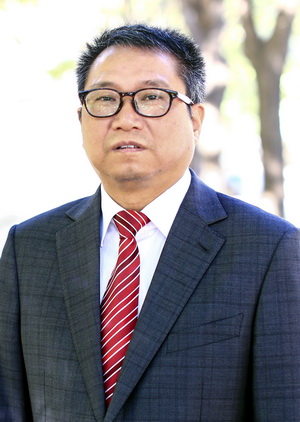 Tongqian Zou (邹统钎)合作论文数Beijing International Studies University5
 Chaozhi Zhang (张朝枝)合作论文数The Department of Tourism, Fudan University5Bin Wei合作论文数4
 Geoffrey Wall合作论文数Department of Geography and Environmental Management, University of Waterloo4Dong Hangyu (董航宇)合作论文数3
 Wenbin Luo (罗文斌)合作论文数College of Tourism, Hunan Normal University3
 Hao Liang (梁浩)合作论文数北京化工大学生命科学与技术学院3Yucui Jiang合作论文数2
 Zhaoliang Wu (武照亮)合作论文数School of Political Science and Public Management, Shanxi University2GUO Jiajia (郭甲嘉)合作论文数2Pei Tang (唐沛)合作论文数2Mengzhao Jiao合作论文数1Yihan Wu合作论文数1Haichang Xu合作论文数1Jingjuan Yu合作论文数1Gao Yunhong (高云红)合作论文数1CAO Hu (曹虎)合作论文数1
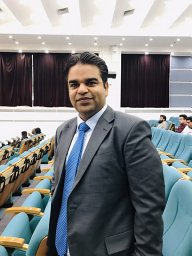 Amjad Hussain Memon合作论文数1
 Jian Zhang合作论文数1
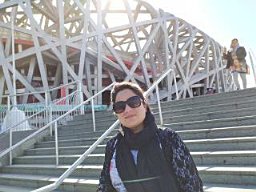 Saira Shams合作论文数State Key Laboratory of Chemical Resource Engineering, Beijing University of Chemical Technology1CHU Xuelian (楚雪莲)合作论文数1Jinwei Wang合作论文数1ge song (宋歌)合作论文数1Fang Liu合作论文数Clinical and Experimental Therapeutics, University of Georgia1Dong Xu合作论文数1Siyuan He (何思源)合作论文数1Bei MENG (孟贝)合作论文数1
 Qingwen Min (闵庆文)合作论文数Institute of Geographic Sciences and Natural Resources Research, Chinese Academy of Sciences1
 Guofeng Li合作论文数1
 Zhenfang Huang (黄震方)合作论文数School of Geography, Nanjing Normal University1Ying Zhang (张颖)合作论文数School of Chemical and Material Engineering, Jiangnan University1
 Zhen Zhong (钟真)合作论文数School of Agricultural Economics and Rural Development, Renmin University of China1
 Yanling Zhou (周艳玲)合作论文数College of Humanities and Law, Beijing University of Chemical Technology1
 Lei Zhang (张磊)合作论文数School of Public Administration and Policy, Renmin University of China1
 Zhaofeng Wang (王兆峰)合作论文数College of Tourism, Hunan Normal University1
 Zhicai Wu (吴志才)合作论文数Guangdong Tourism Strategy and Policy Research Center, Department of Tourism Management, South China University of Technology1
 Ying Wang (王英)合作论文数College of Computer Science and Technology, Jilin University;School of Artificial Intelligence, Jilin University1
 Yanqin Li (李燕琴)合作论文数School of Management Minzu University of China1
 Lun Yang合作论文数1Bin Li (李彬)合作论文数1
 Wenjun Jiao (焦雯珺)合作论文数Institute of Geographic Sciences and Natural Resources Research, Chinese Academy of Sciences1




