The push for sustainable smart agriculture amid climate change and resource constraints demands innovative energy solutions that minimize environmental impact. This review explores next‐generation harvesters—particularly functional triboelectric nanogenerators (TENGs)—and their potential to transform agriculture by converting ambient mechanical energy into electricity for self‐powered sensors, enabling real‐time monitoring, precision farming, and automation with reduced reliance on conventional power. However, deploying TENGs in agricultural settings presents challenges, including temperature fluctuations, variable air compositions, and irregular mechanical inputs. To address these, this review proposes materials‐based and structural strategies to improve performance, and durability, emphasizing contamination as key determinant of electron transfer, with particle size and composition reshaping potential wells. The triboelectric charge transfer efficiency is highly sensitive to the separation distance between contact surfaces—especially in the presence of farm contaminants such as dust and organic residues—and design solutions are offered to mitigate this effect. To demonstrate the breadth of TENGs as functional and responsive materials, on‐farm applications—including seed germination stimulation, precision pesticide delivery, food sterilization, and quality monitoring—are outlined, highlighting their versatile utility. Finally, recyclability, life‐cycle assessments, and regulatory support are emphasized to accelerate adoption, positioning triboelectric harvesters as a cornerstone of self‐powered, sustainable agriculture.
Textiles for health and sporting activity monitoring are on the rise with the advent of smart portable wearables.The intention of this work is to design wireless monitoring wearables,based on widely avail-able textiles and low environmental impact production technologies.Herein we have developed a poly-meric ink which is able to functionalize different types of textile fibers(including silver conducting fibers,cotton,and commercial textile)with polypyrrole.These fibers were weaved together with a thinner silver conducting fiber and carbon fiber to form a touch-sensitive energy harvesting system that would gener-ate an electric output when mechanical pressure is applied to it.Different prototypes were manufactured with loom weaving accessories to simulate real textile cloths.By simple touch,the prototypes produced a maximum voltage of 244 V and a maximum power density of 2.29 W m-2.The current generated is then transformed into a digital signal,which is further utilized for human motion or gesture monitorization.The system comprises a wireless block for the Internet of Things(IoT)applicability that will be eventually extended to future remote health and sports monitoring systems.
Although glutamine addiction in cancer cells is extensively reported, there is controversy on the impact of glutamine metabolism on the immune cells within the tumor microenvironment (TME). To address the role of extracellular glutamine, we enzymatically depleted circulating glutamine using PEGylated Helicobacter pylori gamma-glutamyl transferase (PEG-GGT) in syngeneic mouse models of breast and colon cancers. PEG-GGT treatment inhibits growth of cancer cells in vitro, but in vivo it increases myeloid-derived suppressor cells (MDSCs) and has no significant impact on tumor growth. By deriving a glutamine depletion signature, we analyze diverse human cancers within the TCGA and illustrate that glutamine depletion is not associated with favorable clinical outcomes and correlates with accumulation of MDSC. Broadly, our results help clarify the integrated impact of glutamine depletion within the TME and advance PEG-GGT as an enzymatic tool for the systemic and selective depletion (no asparaginase activity) of circulating glutamine in live animals.
This study focuses on developing multifunctional electronic paper (e-paper) using a low-cost recycling method to minimize the usage of critical raw materials. The e-paper is designed for various smart applications, such as mechano-responsive energy harvesters and pressure sensors. The emphasis is on adopting an eco-friendly approach by utilizing cellulose extracted from used newspapers, which would otherwise have been discarded. The formulated e-paper contains 100 % recycled cellulose fibers, unlike the more commonly used recycled paper, which contains around 70 % of recycled cellulose and 30 % of new pulp. The recycled paper (RP) was functionalized using polyaniline (PANi), resulting in a conductive e-paper, capable of generating electric current through a charge transfer mechanism at the PANi-Cellulose/electrode interface layer. The resulting devices demonstrate satisfactory energy production, with output voltage ranging from 16.8 to 20.25 V, output current ranging from 0.9 mu A to 1.75 mu A, and power density ranging from 0.18 to 0.35 Wm-2. The mechanical impulses generated by the device can successfully light up several LEDs in series. Additionally, the e-paper was investigated as a flexible, paper-based pressure sensor. The fabricated device exhibited excellent sensitivity, fast response time, and a wide detection range from 25 Pa to 12.25 kPa. The sensitivity of the pressure sensors achieved 4.21 kPa-1 within a low range of 0-1 kPa and approximately 0.008 kPa1for a broader pressure range (2 - 12.25 kPa). Additionally, the durability of the pressure sensing devices has undergone rigorous testing, surpassing 2000 cyclic tests.
This review explores the integration of titanium carbide (Ti3C2Tx) MXene materials with three-dimensional (3D) printing techniques for advanced functional applications. Ti3C2Tx MXenes exhibit remarkable intrinsic properties like high surface area, metallic conductivity, and flexible surface functionalities. These materials can be associated to 3D printing techniques that offer solutions to conventional techniques’ limitations, enabling the creation of high-performance, free-standing, and multiscale devices with precise control over architecture. Additionally, 3D printing techniques are cost-effective, energy-saving, and sustainable, reducing material waste and carbon footprint. This review begins by presenting an overview of two-dimensional (2D) materials and their distinct characteristics when comparted to the MXenes family, followed by discussions on synthesis routes for 3D printable MXene inks and fabrication methods for complex MXene-based structures. Various applications of 3D-printed MXene architectures are explored, particularly in energy storage devices like supercapacitors and batteries, leveraging MXenes exceptional electrical conductivity and high surface area to enhance energy storage capabilities. Moreover, the potential of 3D-printed MXene architectures in smart devices, incorporating technologies such as artificial intelligence and connectivity features, is highlighted, particularly in smart sensors, biosensors, electromagnetic shielding, and environmental remediation.
Measurement of antibody and antibody fusion protein concentration is vital for process development and manufacturing. Continuous, in-line monitoring of antibody concentration could be useful in a variety of applications, such as controlling the loading of protein A columns to prevent breakthrough, monitoring bioreactor titer, and detecting leaks past ultrafiltration/diafiltration membranes. Molecule-specific monitoring techniques are advantageous for antibody detection in cell culture fluid in the presence of complex process impurities. Here we report a continuous in-line, real-time IgG monitoring platform using a fiber-optic biosensor with a replaceable sensor tip covalently functionalized with a fluor-labeled protein consisting of a pentamer of the Z domain (a more stable form of the B domain) of protein A. The sensor demonstrates concentration-dependent fluorescence enhancement in the presence of human IgG (0.01-0.75 g/L), with consistent signals during five runs each with 1 and 0.1 g/L IgG, and maintains its specificity in the presence of Chinese hamster ovary (CHO) cell culture fluid. A 5% breakthrough of a typical 10 g/L load would be detected in less than 20 s in a flowing stream emerging from a protein A column without prior sample preparation. This sensor platform may be suitable for monitoring IgG and fragment, crystallizable (Fc) fusion proteins in diverse upstream and downstream bioprocess applications.
Naturally abundant materials play a crucial role in the development of sustainable electrochemical energy storage (EES) devices including batteries and supercapacitors (SCs). This is due to limited available resources with regards to energy storage materials, and the environmental pollution produced by the toxic materials utilized in conventional EESs. In the current review, development in the field of natural bast fibres (jute, flax, hemp and kenaf) based EES devices performances is highlighted. This review emphasizes methods such as the direct use of modified fibres and activated carbon from biomass for the design of EES devices. Activated fibres were developed using both physical and chemical activation methods. Key challenges including active electrode materials preparation, capacitive retention, and the implementation of the fibre based EES devices are critically discussed. Furthermore, the recent surge in the use of wearables and portable technologies that demand further development of flexible/non-flexible EES devices are also explored. Future trends and perspectives on materials development, power management interface, recycling, biodegradability and circular economy are also addressed. It is concluded that the development of new renewable energy systems using bast fibres has many remarkable advances in device performance. For this, an innovative approach is required to develop high energy density bast fibre based sustainable EES devices which will be potentially implemented for clean energy solutions.
Detection and quantification of antibodies, especially immunoglobulin G (IgG), is a cornerstone of ELISAs, many diagnostics, and the development of antibody-based drugs. Current state-of-the-art immunoassay techniques for antibody detection require species-specific secondary antibodies and carefully-controlled bioconjugations. Poor conjugation efficiency degrades assay performance and increases the risk of clinical false positives due to non-specific binding. We developed a generic, highly-sensitive platform for IgG quantification by fusing the IgG-Fc binding Z domain of Staphylococcal Protein A with the ultrabright bioluminescence reporter Nanoluc-luciferase (Nluc). We demonstrated the application of this fusion protein in a sandwich IgG detection immu-noassay using surface-bound antigens to capture target IgG and protein A-Nanoluc fusion as the detector. We optimized the platform's sensitivity by incorporating multiple repeats of the Z domain into the fusion protein constructs. Using rabbit and mouse anti-SARS-CoV-2 Nucleoprotein IgGs as model analytes, we performed ELISAs in two different formats, either with SARS-CoV-2 Nucleoprotein as the capture antigen or with polyclonal chicken IgY as the capture antibody. Using standard laboratory equipment, the platform enabled the quantitation of antibody analytes at concentrations as low as 10 pg/mL (67 fM).
Early diagnosis of infectious diseases improves outcomes by enabling earlier delivery of effective treatment, and helps prevent further transmission by undiagnosed persons. We demonstrated a proof-of-concept assay combining isothermal amplification and lateral flow assay (LFA) for early diagnosis of cutaneous leishmaniasis, a vector-borne infectious disease that affects ca. 700,000 to 1.2 million people annually. Conventional molecular diagnostic techniques based on polymerase chain reaction (PCR) require complex apparatus for temperature cycling. Recombinase polymerase amplification (RPA) is an isothermal DNA amplification method that has shown promise for use in low-resource settings. Combined with lateral flow assay as the readout, RPA-LFA can be used as a point-of-care diagnostic tool with high sensitivity and specificity, but reagent costs can be problematic. In this work, we developed a highly-sensitive smartphone-based RPA-LFA for the detection of Leishmania panamensis DNA using blue-emitting [(Sr0.625Ba0.375)1.96Eu0.01Dy0.03]MgSi2O7 (SBMSO) persistent luminescent nanophosphors as LFA reporters. The greater detectability of nanophosphors allows the use of a reduced volume of RPA reagents, potentially reducing the cost of RPA-LFA. The limit of detection (LOD) of RPA with gold nanoparticle-based LFA readout is estimated at 1 parasite per reaction, but LOD can be 100-fold better, 0.01 parasites per reaction, for LFA based on SBMSO. This approach may be useful for sensitive and cost-effective point-of-care diagnosis and contribute to improved clinical and economic outcomes, especially in resource-limited settings.
Polymer material provides significant advantages over the conventional inorganic material-based electronics due to its attractive features including miniaturized dimension and feasible improvisations in physical properties through molecular design and chemical synthesis. In particular, conjugate polymers are of great interest because of their ability to control the energy gap and electronegativity through molecular design that has made possible the synthesis of conducting polymers with a range of ionization potentials and electron affinities. Polyaniline (PANI) is one of the most popular conjugated polymers that has been widely explored so far for its multi -functionality in diverse potential applications. This review is focusing on the recent advances of PANI for smart energy applications including supercapacitors, batteries, solar cells and nanogenerators and the development in its synthesis, design, and fabrication processes. A details investigation on the different types of chemical process has been discussed to fabricate PANI in nanostructures, film, and composites form. The paper includes several studies which are advantageous for understanding: the unique chemical and physical properties of this polymer; and the easily tunable electrical properties along with its redox behavior; and different processes to develop nanostructures, film, or bulk form of PANI that are useful to derive its applicability in smart objects or devices.
Staphylococcus aureus protein A (SpA) is an IgG Fc-binding virulence factor that is widely used in antibody purification and as a scaffold to develop affinity molecules. A cyclized SpA Z domain could offer exopeptidase resistance, reduced chromatographic ligand leaching after single-site endopeptidase cleavage, and enhanced IgG binding properties by preorganization, potentially reducing conformational entropy loss upon binding. In this work, a Z domain trimer (Z3) was cyclized using protein intein splicing. Interactions of cyclic and linear Z3 with human IgG1 were characterized by differential scanning fluorimetry (DSF), surface plasmon resonance (SPR), and isothermal titration calorimetry (ITC). DSF showed a 5 ℃ increase in IgG1 melting temperature when bound by each Z3 variant. SPR showed the dissociation constants of linear and cyclized Z3 with IgG1 to be 2.9 nM and 3.3 nM, respectively. ITC gave association enthalpies for linear and cyclic Z3 with IgG1 of −33.0 kcal/mol and −32.7 kcal/mol, and −T∆S of association 21.2 kcal/mol and 21.6 kcal/mol, respectively. The compact cyclic Z3 protein contains 2 functional binding sites and exhibits carboxypeptidase Y-resistance. The results suggest cyclization as a potential approach toward more stable SpA-based affinity ligands, and this analysis may advance our understanding of protein engineering for ligand and drug development.
Carbon being one of the most abundant elements on earth exists in different allotropes of different chemical and physical properties. It is found as graphite and diamond in nature. With the discovery of fullerene as nanomaterial in 1985, carbon materials have gained tremendous research interest. Thereafter, different forms of carbon-based nanostructures, e.g., graphene, carbon nanotubes, etc., have been developed and their remarkable obsessions in various modern applications have triggered this class of materials into a new horizon. In most of the device fabrication processes, thin films of these carbonaceous materials are generally required. Though various physical deposition processes exist to synthesize thin films of these carbonaceous materials, their industrial implications are limited due to cost, complexity of the process, etc. Instead, chemical processes are adopted to prepare them. Langmuir–Blodgett (LB) technique being one of the easy, cost-effective to synthesize carbonaceous thin film has been widely accepted by the researchers. In addition, this particular process includes several parameters to vary properties, e.g., porosity, pore size, texture, orientation of the thin film. In this chapter, basic principle of thin film fabrication using LB technique, along with parameters influencing quality of the thin films, has been briefly discussed.
Adulteration and mislabeling of honey to mask its true origin have become a global concern. Pollen microscopy, the current gold standard for identifying honey's geographical and plant origins, is laborious, requires extensive training, and fails to identify filtered honey and honey spiked with pollen from a more favorable plant to disguise its origins. We successfully isolated pollen-free DNA from filtered honey using three types of adsorbents: (i) anti-dsDNA antibodies coupled to magnetic microspheres; (ii) anion-exchange adsorbent; and (iii) ceramic hydroxyapatite. The internal transcribed spacer 2 region of the captured pollen-free DNA was polymerase chain reaction-amplified and subjected to next-generation sequencing. Using an in-house bioinformatics pipeline, initial experiments showed that anion exchange had the greatest capacity to capture trace pollen-free DNA, and it was successfully applied to isolate DNA from five honey samples. Enrichment of trace pollen-free DNA from filtered honey samples opens a new approach for identifying the true origins of honey.
Self-powered devices are the need of the hour for future technologies and next-generation electronics that require both smartness and sustainability. Here, we have presented an ultra-thin (-0.18 mm) self-powered paper-based prototype as a touch-interactive electronic tag for next-generation Internet of Things (IoT) enabling smart security applications. A touch-interactive power paper (TiPP) was developed using in-situ polymerization followed by painting an electrode layer of graphite/silver onto it. Thus, a simple piece of paper was used for energy harvesting without having any physical separation from the electrode of the system. It instantaneously generated an electrical signal of 0.91 W m(-2) due to a mechano-responsive charge transfer mechanism. Apart from using conventional electrode materials, graphite pencils were also utilized towards a more simple, environmentally friendly and cost-effective approach. Further, different arrays of TiPP have been designed to create a unique coding system (high/low signal) that can simultaneously enable self-powered sensing and an identification system. This is exhibited by a rapid but simple signal processing method used in several applications like R-G-B color codes, personal ID cards and product identification tags. A straightforward signal processing circuit that includes an effective simulation, is demonstrated to validate the working principle of such self-powered security identification tags.
Covid is giving us many lessons among which one must be to realize that this is the time to act for sustainable future. The smart world around us has made it inevitable to have an alarming situation regarding the uncontrolled growth of waste products such as plastic and electronic wastes. Both are immense threats to the health of human, wildlife and environment, that eventually affect the societal and economic structures as evident from recent Covid-crisis. The proper management of these wastes and innovating ideas for new sustainable technologies are the need of the hour. Circular economy act with green technology (green economy) is the way to tackle this challenge. Current perspective presents the overview of the scenario regarding these burgeoning issues and demonstrates some measures that are taken or being considered to depend on to come out of them.
The world in the 21st century is confronted with multifaceted challenges against rapid climate change and continuous ecological disturbances caused by revolutionary socio‐economic developments, accelerated expansion of disposable electronic gadgets, and growing dependence on unrecyclable raw materials, among others. The ever‐increasing consumer demand for electronic devices is significantly contributing to the world's fastest‐growing waste stream, known as electronic waste (e‐waste), which is becoming an environmental threat at an alarming rate due to its toxic legacy. The ever‐shortening lifespan of smart technologies has created a “tsunami of e‐waste,” as the United Nations has characterized it, with 50 million tons accumulated each year, of which only 20% undergo formal e‐recycling. Therefore, the challenge of optimizing the current resources management models with an aim of improving the manufacturing processes and lifecycles of electronic devices, as well as building a circular economy, has become significantly prominent. Paper/cellulose, which covers a wide range of essential needs in everyday scenarios (from packaging to writing utilities), constitutes promising candidates for the effective achievement of a circular economy. Particularly, cellulose is revealed as an advantageous material for electronic applications because of its abundant availability, which contributes to its cost‐effectiveness, straightforward fabrication process, and high recyclability and reproducibility.
Sustainable and safe energy sources combined with cost effectiveness are major goals for society when considering the current scenario of mass production of portable and Internet of Things (IoT) devices along with the huge amount of inevitable e‐waste. The conceptual design of a self‐powered “eco‐energy” smart card based on paper promotes green and clean energy, which will bring the zero e‐waste challenge one step closer to fruition. A commercial raw filter paper is modified through a fast in situ functionalization method, resulting in a conductive cellulose fiber/polyaniline composite, which is then applied as an energy harvester based on a mechano‐responsive charge transfer mechanism through a metal/conducting polymer interface. Different electrodes are studied to optimize charge transfer based on contact energy level differences. The highest power density and current density obtained from such a paper‐based “eco‐energy” smart card device are 1.75 W m−2 and 33.5 mA m−2 respectively. This self‐powered smart energy card is also able to light up several commercial light‐emitting diodes, power on electronic devices, and charge capacitors.
Cuprous oxide (Cu2O) is known to show significant variation in its electrical properties. This article presents a correlation between local conductivity and preferential orientation of grains in polycrystalline Cu2O thin films. Out-of-plane current in the grain region and in-plane macroscopic conductivity are analysed and both show the same orientation dependence: The {111}-oriented interfaces are more conductive than in the {100} orientation. In conjunction with the columnar growth of the films, this shows that electrical properties of polycrystalline Cu2O thin films are dependent on the grain facet orientation.
Our experimental outturn opens up a new vision by proposing mechano-responsive charge transfer mechanism (MRCTM) to pi-conjugated polymers in the field of human-motion interactive energy harvester. Doped polyaniline (d-PANi) has been used to functionalize conducting textile fibers (f-CTFs) and integrated with our proposed design for wearable power plant. Each f-CTF generates current by patting, bending, or even soft touching. Localized force deformation at the metal/polymeric interface layer with direct visualization of charge distribution pattern has been extensively studied by atomic force microscopy. The integrated arrays of f-CTFs produce a peak power-density of similar to 0.6 W m(-2) with output current-density of similar to 22 mA M-2 and can power at least 10 white LEDs of 2.5 W. The procured energy from f-CTFs is capable of charging a commercial 10 mu F capacitor to 3 V in 80 s and powering portable electronic devices. The prototype energy harvester stably shows the same performance after more than 100 thousand times of patting, bending or twisting.
Biowaste, derived from cooking-oven-produced carbon nanoparticles (WCP), are incorporated into polyaniline (PANI) via in-situ chemical oxidative polymerization to achieve excellent electrochemical properties for application in supercapacitors. The WCP-PANI composite electrodes have shown high-performance charge storage, due to combinatorial effect of electrical double layer capacitance from WCP and pseudocapacitance from PANI. With increase in the WCP percolation, work function of PANI is increased, which improves the charge-trapping capabilities of composites. For such distinct charge-trapping mechanism, areal capacitance of the composite microelectrode remains near-constant with increase in scan rate or current density. This indicates the suppression of diffusion limitations at higher scan rates to considerably enhance the rate capability. Also, with increasing polymerization time, strong interaction in this conjugated system greatly improves the charge-transfer reaction between PANI and WCP. The areal capacitance of the composite electrode is found to increase more than 600 times over pure PANI electrode. Moreover, energy-power performance of the microelectrode reveals almost 550% increment in the power density with a mere 1% decrement in energy density. Such rationally synthesized WCP-PANI composite electrodes using biowaste carbon nanomaterials, provide opportunities for the development of next-generation green-supercapacitors with improved energy storage performance.
 Rodrigo Ferrão de Paiva Martins合作论文数Department of Materials Science, Faculty of Science and Technology, New University of Lisbon20
 Elvira Fortunato合作论文数Departamento de Ciencia dos Materiais, Faculdade de Ciencias e Tecnologia, Universidade Nova de Lisboa20
 Sumita Goswami合作论文数Almascience Colab, Madan Parque, 2829-516, Caparica, Almada, Portugal16
 Kalyan Kumar Chattopadhyay合作论文数Department of Physics;Jadavpur University;Department of Physics, Jadavpur University13
 Luis Pereira合作论文数8
 Nunes Daniela合作论文数CENIMAT i3N, Univ Nova Lisboa8
 Tomas R. Calmeiro合作论文数6
 Richard Willson合作论文数Department of Biology and Biochemistry, College of Natural Sciences and Mathematics, University of Houston;William A. Brookshire Department of Chemical and Biomolecular Engineering, Cullen College of Engineering, University of Houston6
 Pedro Barquinha合作论文数5u n maiti合作论文数5
 Joana Pinto合作论文数5
 Arghya Narayan Banerjee合作论文数Department of Mechanical Engineering, School of Mechanical and IT Engineering, Yeungnam University5
 Binh V Vu合作论文数5
 Katerina Kourentzi合作论文数Department of Chemical and Biomolecular Engineering, University of Houston5Ana Pimentel合作论文数4
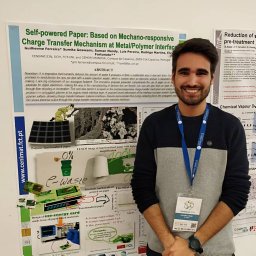 Guilherme Ferreira合作论文数NOVA School of Science and Technology, NOVA University Lisbon (FCT-NOVA) and CEMOP/UNINOVA4
 Jonas Deuermeier合作论文数Faculty of Sciences and Technology, Universidade NOVA de Lisboa4
 Chandan Ghosh合作论文数School of Material Science and Nanotechnology, Jadavpur University4
 Shubham Das合作论文数3
 Atul Goyal合作论文数Department of Chemical and Biomolecular Engineering, University of Houston3Mary Crum合作论文数William A. Brookshire Department of Chemical and Biomolecular Engineering, University of Houston3
 Maranholakar Vijay M合作论文数DBT-ICT-Centre for Energy Biosciences, Institute of Chemical Technology, Nathalal Parekh Marg, Matunga (East), Mumbai 400019, Maharashtra, India.3
 P.K. Ghosh合作论文数Thin Film and Nanoscience Laboratory, Jadavpur University3
 Rui Igreja合作论文数Faculty of Science and Technology, New University of Lisbon3
 Tapobrata Som合作论文数Institute of Physics3M.K. Mitra合作论文数Nanoscience and Technology Center, Jadavpur University3
 P. A. Carvalho合作论文数Departamento de Engenharia de Materiais, Instituto Superior Técnico3
 Ana C. Marques合作论文数2
 R.N. Pereira合作论文数2William Mo合作论文数2Diana Gaspar合作论文数2Katherine Wasden合作论文数Department of Radiation Oncology, Cancer Biology Division, Washington University School of Medicine, St. Louis, USA2
 Costa Pedro M F J合作论文数Department of Ceramics and Glass Engineering, University of Aveiro2
 Mohit Kumar合作论文数2
 Shikhar Anand合作论文数Regional Research Laboratory (Council of Scientific and Industrial Research), Bhubaneswar-751013, Orissa, India2
 Sang-Woo Joo合作论文数Department of Chemistry, Soongsil University;Materials Chemistry & Nanosensor Laboratory, Soongsil University;Korean Academy of Science and Technology2
 Brajesh Pandey合作论文数Department of Physics, Indian Institute of Technology2
 Gowra Raghupathy Dillip合作论文数Department of Physics, Sri Venkateswara University2
 Trilochan Sahoo合作论文数Dept Mol & Human Genet, Baylor Coll Med2
 Shashikant Patole合作论文数SKKU Advanced Institute of Nanotechnology, Sungkyunkwan University2
 Subrata Jana合作论文数Department of Chemistry, Bengal Engineering and Science University2
 Harish Chandra Verma合作论文数Department of Physics, Indian Institute of Technology2S. Karan合作论文数1T. Basu合作论文数1G M Reddy合作论文数1C. P. Saini合作论文数1Monish Kumar合作论文数1Nibedita Haldar合作论文数1




