An efficient flame retardant coating was developed for rigid polyurethane foam (RPUF) through the integration of layer-by-layer (LBL) self-assembly and UV curing. The RPUF surface was first activated by UV ozone to enable covalent grafting of branched polyethyleneimine (BPEI) as the initial layer. Subsequently, L-serine intercalated Kaolinite (K*aol), diethylene triamine penta (methylene phosphonic acid) (DTPMPA), and BPEI were alternately assembled to form two bilayers, followed by the application of a UV curing phosphorus/nitrogen-containing topcoat to construct a dense protective network. The optimized sample (R-K*5D30-P8N3) exhibited a limiting oxygen index (LOI) of 36.9% and achieved a V-0 rating in UL-94, accompanied by a 31.8% reduction in peak heat release rate (pHRR) and a 30% decrease in total smoke production compared to neat RPUF. Even after 12 h of water leaching, it maintained a LOI of 34.0% and displayed a 300% increase in time to ignition and 18.6% reduction in pHRR compared with neat RPUF during cone calorimetry. The rapid formation of continuous physical barriers accounted for the enhanced flame retardancy, while UV curing immobilized the coating layers, imparting long-term water resistance. This facile “LBL plus UV curing” strategy provides an effective pathway toward robust, low-smoke, and flame retardant coatings for polymeric foams.
To fully recycle the wasted wind turbine blades (rWTB) powder, its major components (glass fiber reinforced plastic (GFRP) and balsa wood (BW)) was incorporated into high-density polyethylene (HDPE) to prepare wood-plastic composites (WPC) with maleic anhydride grafted polyethylene (MAPE) as the compatibilizer. By varying the mass ratio of GFRP to BW, the mechanical properties, interfacial morphology and water absorption of rWTB/ HDPE composites were systematically investigated. With the combination of 30 % GFPR and 10 %BW, the obtained H/30G10B composites exhibited the highest the tensile strength (27.73 MPa) and increased impact strength (21.85 KJ/m2) with the presence of 3 % MAPE. Scanning electron microscopy (SEM) images showed that MAPE improved the interfacial bonding between the filler and the HDPE matrix. To improve the fire resistance of HDPE composites, ammonium polyphosphate (APP) was further incorporated into H/30G10B sample. With the addition of 22 % APP, the best sample could reach a limiting oxygen index (LOI) of 36.8 %, V-0 rating in UL-94 and a decreased heat release in cone calorimetry. In summary, this paper provides a new method for resource utilization of rWTB, which can improve the performance of composites and avoid environmental pollution.
Layer by layer (LBL) self-assembly coatings upon expandable polystyrene (EPS) surface play an important role in improving its flame retardancy. However, a large number of layers is needed to achieve a satisfied fire performance, and the coatings are difficult to adhere on the inert EPS surface, resulting in the poor durability. In this work, the surface of EPS was activated by ultraviolet ozone (UVO) with the appearance of oxygen contained groups, then a LBL coating with only two bilayers (branched polyethyleneimine (BPEI)-kaolinite (kaol)-BPEI-diethylene triamine penta (methylene phosphonic acid)) was covalently connected on the EPS surface. Compared with neat EPS, the obtained E-K5D30 sample increased the value of limiting oxygen index (LOI) from 18.8 % to 37.7 %, improved the ignition time from 59 s to 95 s, reduced the peak heat release rate (pHRR) value from 282.0 kW/m(2) to 220.9 kW/m(2), and enhanced the char residues from 6.3 % to 32.3 % after the combustion. Moreover, an ultraviolet (UV) curing layer with P/N elements was prepared upon E-K5D30 sample to maximize the flame retardant durability. A novel amino-intercalated kaol was used to play a smoke suppression role. The results showed that E-K*D-5(30)-P8N3 sample further increased the LOI to 39.2 %. Even after 12 h washing, the E-K*D-5(30)-P8N3 sample exhibited a slight LOI reduction to 37.8 %, and fire performance index (FPI) value of 0.405 m(2)s/kW, showing the successful construction of coatings with good fire safety and flame retardant durability.
In this work, a novel single molecule flame retardant (DT-S) was synthesized through the self-assembly of diethyltriamine penta-(methylphosphonic) acid and sulfanilamide. Additionally, the three-dimensional sea urchin-like layered double hydroxide hollow dodecahedral structure (MOFs-LDH) was etched from a MOF to increase specific surface area and reaction sites. The chemical structures of DT-S and MOFs-LDH were comprehensively characterized. Subsequently, the obtained flame retardants were molten-compounding into PLA matrix. The fire performance of PLA composites was evaluated by limiting oxygen index (LOI), vertical combustion (UL-94), and cone calorimeter tests. Compared with neat PLA sample, the inclusion of 3 % DT-S and 2 % MOFs-LDH led to an increase in the LOI value from 19.9 to 35.0 %, an upgrade in the UL-94 rating from none to V-0, and a reduction in the peak heat release rate from 524.4 to 401.2 kW m(-2). Analysis of the decomposition products of the PLA composites and the observation of char morphology suggested that DT-S and MOFs-LDH took effects in both condensed phase and gas phase. Furthermore, the evaluation of the UV protection performance using a UV-visible near-infrared spectrophotometer indicated an enhancement in the UV protection performance of PLA, achieving an "excellent" level in evaluating UV protection performance (UPF 50+).
In this work, a metal organic framework (Fe-MOF) with the effect of absorbing toxic gases and good compatibility was synthesized by chelating a novel organic ligand contained carbonization groups (reacted by tris(hydroxymethyl) aminomethane and 1,4-piperazine dialdehyde) with iron salt. Then, it was used as the synergist to improve the efficiency of intumescent flame retardant (IFR) within polystyrene (PS) substrate. With the addition of 20% IFR and 2% Fe-MOF, the obtained PS composites exhibited a limiting oxygen index (LOI) value of 28.3% and a UL rating of V-0. Moreover, the peak heat release rate (pHRR), total heat release (THR), and total smoke production (TSP) of PS composites were decreased by 77.6%, 35.2%, and 33.7%, respectively. According to the mechanism analysis, it was found that Fe-MOF mainly acted in the condensed phase, contributing to the existence of dense char residues with the presence of IFR system. In addition, the good compatibility of organic ligand in Fe-MOF with PS substrate could partially alleviate the deterioration of mechanical properties due to the addition of IFR. For PS-20%IFR/2%Fe-MOF, the impact strength was improved from 1.7 kJ/m(2) (PS-22%IFR) to 2.2 kJ/m(2), the tensile strength was also increased from 21.3 MPa (PS-22%IFR) to 22.4 MPa.
UV curable organic-inorganic hybrid (OIH) coatings were used to modify the extruded polystyrene foam (XPSF) surfaces to increase the bonding strengthen (BS) of XPSF/mortar composite (XMC). OIH coatings contained polyurethane acrylate, hexanediol and nanoparticles with different dimensions. With the addition of nano-SiO2 and halloysite nanotubes, the BS-D (BS in dry state) & BS-W-2H/7D (BS in wet state after 2-hour/7-day drying) values for modified XMC were increased from 0.050 & 0.039/0.047 MPa to 0.245 & 0.196/0.356 and 0.312 & 0.233/0.323 MPa. The chemical bonding between SiO2/-COOH from UV coating and hydration products in mortar improved the bonding state.
In epoxy-amine based self-healing cement-based materials, the uncontrollable stoichiometric ratio of both components in the cracks leads to the cured epoxy resin with various crosslink densities. Investigation on the interaction mechanism between cured epoxy resin and C-S-H gel promotes to optimize the final self-healing performances. In this work, the interaction between load-induced broken panels of C-S-H gel and cured epoxy resins with different crosslink densities (e.g., 0.23, 0.77, and 0.97) was studied through molecular dynamic methods. It was found that crosslink density plays an essential role in the geometrical size and atom distributions. Phase separation occurs at the low crosslink density due to the aggregation of amine molecules. The generation of fresh crosslink points limits the free motion of epoxy molecules with higher crosslink density. Meanwhile, the cured epoxy resin with higher crosslink density causes a high porosity in the interfacial region between the epoxy resin and C-S-H gel substrates, degrading the mechanical performance of materials.
现有建设项目管理的课程基本围绕土木工程专业开展,但项目建设是材料制造实现产业化的基本活动,"材料制造"与"工程项目"之间相辅相成.基于这一特点,依托北京工业大学卓越工程师计划,从材料与工程专业(特别是无机非金属材料)的角度出发,以材料人的视野,通过两个思政元素的详细剖析,积极探讨结合制造业为背景的材料专业建设工程项目课程教学方法和围绕制造业的思政元素融入方法,并通过学生的实际反馈,了解了最终的教学效果.
Wind energy is an important clean energy,according to China's carbon peak and carbon neutral strategy,the policy of replacing small with large wind turbine blades and replacing old with new is imperative.The main material of wind turbine blades is glass fiber reinforced polymer,which has problems of difficult recycling technology and high recycling cost.Nowadays,there is no ideal large-scale recycling method.Therefore,the systematic and high-value utilization of waste wind turbine blades is imminent.In this paper,the material type,recycling methods and their respective characteristics of wind turbine blades are summarized.The recent developments of waste wind turbine blades in cement-based materials and thermoplastic polymer materials are thoroughly discussed.Overall,this paper can provide reference for the subsequent development and research on the recycling waste wind turbine blades.
通过紫外光聚合技术在挤塑聚苯板(XPSF)表面固化微米级厚度的聚氨酯丙烯酸酯(PUA)涂层,旨在提高XPSF表面润湿性的同时引入可与砂浆反应的官能团以强化二者之间的界面结合.通过测量样品的黏度、傅里变换叶红外光谱、静态接触角和拉伸黏结强度,探究活性稀释剂二缩三丙二醇二丙烯酸酯(TPGDA)添加量对PUA涂层性能及改性XPSF/砂浆之间黏结性能的影响规律.结果表明,随着TPGDA用量的增加,PUA涂料黏度逐渐下降,涂层形貌随之发生变化;XPSF表面静态接触角从90.78°降至55°左右,有利于砂浆的铺展润湿;随着TPGDA用量的增加,拉伸黏结强度呈先上升后下降的趋势,当添加量为60%(质量分数,下同)时拉伸黏结强度为0.213 MPa,为未改性的4.26倍;该试样浸水后干燥7 d的耐水拉伸黏结强度进一步提高至0.230 MPa.
The hydrophobic surface of extruded polystyrene foams (XPSF) was modified by UV curable adhesives to enhance the interfacial bonding strength (BS) with mortar. The UV adhesive contained epoxy acrylate resin, acrylic acid and butyl acrylate (denoted as EAB). After EAB modification, the BS value in dry state (BS-D) increased from 0.050 MPa of unmodified XPSF with mortar to 0.210 MPa. Then, 3-aminopropyltriethoxysilane (APTES) was further introduced into EAB to form the water-resistant coatings (denoted as EABT) to enhance the BS value in wet state (BS-W). By optimizing the composition, the maximum BS-D and BS-W of 0.216 and 0.158 MPa in 7-day curing were obtained. The bonding mechanism illustrated that the modified XPSF was chemically bonded with mortar.
The mechanical properties of SiO2 aerogel prepared under atmospheric pressure are poor, so it is difficult to prepare large pieces of materials for practical engineering. In this paper, trimethylchlorosilane (TMCS) was used as a surface modifier to transform hydrophilic substances with higher surface activity into hydrophobic groups, to improve the network strength of SiO2 aerogel. Super-hydrophobic SiO2 aerogel was prepared by the sol-gel method under atmospheric pressure. The effects of trimethylchlorosilane on the structure and properties of SiO2 aerogel were characterized by a specific surface area analyzer, Fourier transform infrared spectrometer, thermal conductivity meter, static contact angle meter, and scanning electron microscope. The results show that the SiO2 aerogel prepared when n (Si):n (TMCS) is 1 has the best performance. Its density is as low as 0.0759 g/cm3, the porosity is as high as 96.5%, the specific surface area is as high as 723.08 m2/g, and the contact angle is 163.8°. It has good hydrophobic properties.
The wildly-used charring agent, pentaerythritol (PER), was solely incorporated into polyamide 11 (PA 11) matrix by melt compounding. The addition of 15%PER improved the UL rating of PA 11-PER composites to V-0 and reduced the peak heat release rate by 22.1%. Most importantly, the time to ignition had been incredibly increased from 93 s of neat PA 11 to 193 s of PA 11-15PER sample. The thermal behaviors were investigated by thermogravimetric analysis (TGA) and TGA-Fourier transform infrared (FTIR). The morphology, chemical structure and physical properties (such as crystallinity and viscosity) of char residues that were collected at ignition point or after MLC tests of PA 11 and PA 11-15PER composites were fully demonstrated. It was suggested that the interactions between PA 11 and PER led to the rapid formation of a compact char layer which exhibited sufficient viscosity before ignition in the condensed phase, while the early released H2O and CO2 from PER took effects in the gas phase.
The inert surface of extruded polystyrene foam (XPSF) was activated by the ultraviolet-ozone (UVO) irradiation, followed by the surface coupling reactions with gamma-mercaptopropyl trimethoxysilane (MPTMS) and vinyl trie-thylsilane (VTEO) to improve the interfacial affinity between the organic XPSF and inorganic mortar. The re-action conditions (including reaction time, concentration and pH of the silanes) were thoroughly investigated in order to reach the maximum bonding strength (BS) of XPSF/mortar composites. It was suggested that the presence of MPTMS could increase the BS value from 0.04 MPa to 0.178 MPa (reaction time: 10 min, concen-tration of MPTMS: 2% and pH value of the silane solution: 4). For VTEO, the maximum BS value reached to 0.140 MPa (activation and reaction time: 7 and 3 min, concentration of VTEO: 5% and pH value of the silane solution: 7). According to the mechanism analysis, the thiol groups in MPTMS have the strongest reactivity with activated XPSF surface after UVO exposure, leading to the maximized interfacial strength between the organic insulation materials and inorganic mortar.
The inert surface of extruded polystyrene foams (XPSF) was activated by ultraviolet-ozone (UVO) for the first time to improve the interfacial compatibility with mortar. From the structural analysis (X-ray photoelectron spectroscopic (XPS) and contact angle (CA)), it was suggested that a 10 min UVO exposure was efficient enough to introduce oxygen-contained elements (such as carboxyl groups) upon the obtained UVO-XPSF surface, leading to the increased bonding strength (BS) from 0.058 MPa of neat XPSF/mortar composites to 0.088 MPa. Then, 3aminopropyl triethoxysilane (APTES) was selected as the promoter to further enhance the BS value of XPSF/ mortar composites. The presence of the silane was confirmed by CA, Fourier transform infrared-attenuated total reflection (FTIR-ATR) and XPS. By optimizing the reaction conditions (activation and reaction time: 7 and 3 min, concentration of APTES: 2% and pH value of the silane solution: 10), a maximum BS of 0.168 MPa could be obtained. Through the mechanism analysis, it was demonstrated that APTES acted as a chemical bridge that covalently jointed XPSF by the formation of amide peptide and inorganic mortar by the condensation of silanols.
岩棉和矿渣棉并存、冲天炉熔制和电熔炉熔制并存、冷态渣和热态渣制棉并存、国内外生产线并存、岩矿棉产品种类齐全是我国岩矿棉工业的5个特点.冲天炉制备岩矿棉的单位产品可比综合能耗和可比熔融焦耗已基本实现《岩棉、矿渣棉及其制品单位产品能源消耗限额》(GB30183—2013)先进值目标,正在向单炉5 t级更大规模和更高节能发展.其中,焦炭炉熔制转变为电熔炉熔制是未来发展趋势.利用热熔渣制造岩矿棉制品可实现熔制的节能减碳和原料减碳的双重效应,产业发展方兴未艾.
通过三点弯曲断裂试验,研究玻璃纤维(GF)、聚丙烯纤维(PPF)、聚乙烯醇纤维(PVAF)和钢纤维(SF)对高性能水泥基复合材料(HPCC)断裂性能的影响.以载荷-裂缝口张开位移(P-CMOD)曲线、断裂能(GF)和起裂韧度(KQIC)为评价指标,得到以下结论:在一定掺量范围内,4种纤维均能提升HPCC的断裂性能,玻璃纤维在体积分数为1.2%时断裂性能最优,PP纤维、PVA纤维在体积分数为2.0%时断裂性能到达最大值;SF在体积分数为4.0%时断裂性能到达最大值;不同种类纤维对HPCC断裂性能的提升效果由大到小为:PP纤维>钢纤维>PVA纤维>玻璃纤维.
高校课程思政是教育教学改革的创新方式,也是实现立德树人?三全育人的重要举措?创新性地以材料发展史为载体,分析其融合于专业课程思政的重要意义,并结合具体实例全方位论述材料发展史视角下课程思政教学的思政元素设计?教学步骤?育人功能?思政效果评价的整个过程,体现了知识传授与思政引领的深度融合与创新,可为高校教师设计与构建课程思政提供重要参考?
 Yingliang Tian (田英良)合作论文数College of Materials Science and Engineering, Beijing University of Technology120
 Feng Lv (吕锋)合作论文数25
 Suping Cui (崔素萍)合作论文数Beijing University of Technology25Xiaodong JIN (金晓冬)合作论文数15ChengLong Wan (万成龙)合作论文数13Xiaodong Jin (靳晓东)合作论文数Faculty of Humanities and Social Sciences, Beijing University of Technology12Xianlong Guo (郭现龙)合作论文数10JiYe Fan (樊继业)合作论文数9YinPing Niu (牛寅平)合作论文数9Lei Zhang (张磊)合作论文数9Tang Wu-fei合作论文数8
 Hongtao Wang (王洪涛)合作论文数China Academy of Building Research8
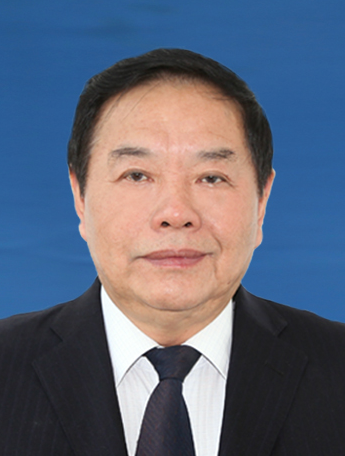 Jinshu Cheng (程金树)合作论文数State Key Laboratory of Silicate Materials for Architectures, Wuhan University of Technology;International Glass Research Center, Wuhan University of Technology7
 Qunyan Li (李群艳)合作论文数College of Materials Science and Engineering, Beijing University of Technology7Hua Chen (陈华)合作论文数7Wanfu Wang (王万甫)合作论文数6
 Dawei Sun合作论文数Fac Mat Manufacture, Beijing Univ Technol6XinHui Liang (梁新辉)合作论文数6LiLi Wang (王丽丽)合作论文数6Yanli Shao合作论文数6
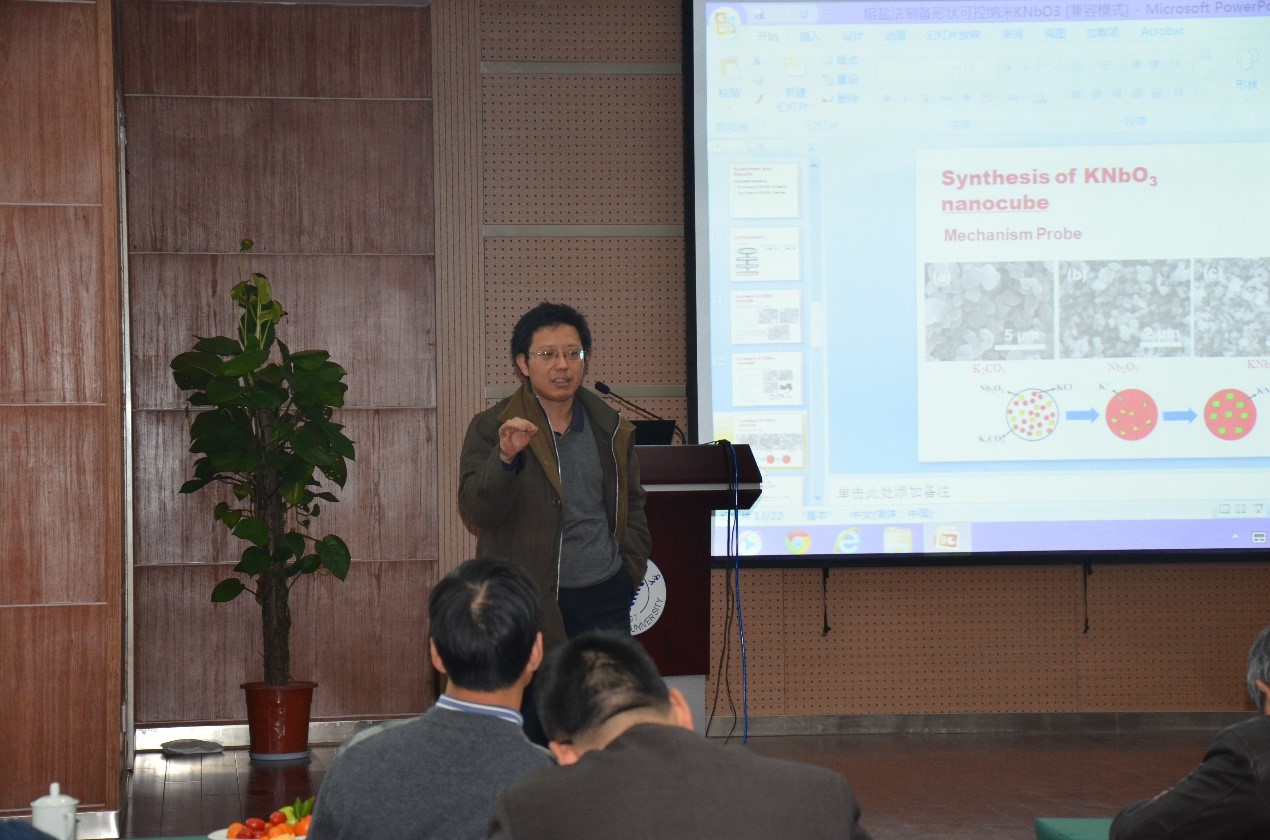 Mankang Zhu (朱满康)合作论文数College of Materials Science and Engineering, Beijing University of Technology6
 Chao Chen (陈超)合作论文数College of Architecture and Civil Engineering, Beijing University of Technology6
 Yaohui Li (李要辉)合作论文数China Building Materials Academy6
 Sheng Zhang (张胜)合作论文数College of Materials Science and Engineering, Beijing University of Chemical Technology6Jinzhen Wang合作论文数5
 Guanglin Nie合作论文数5JinWei Li (李金威)合作论文数5
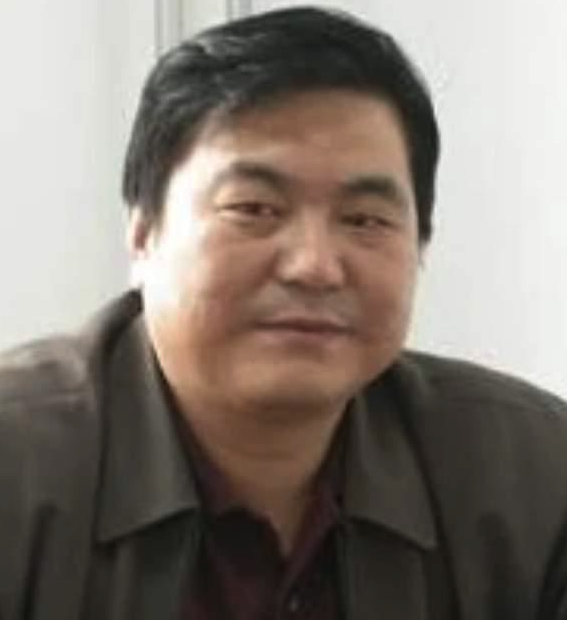 Mingzhang Lan (兰明章)合作论文数College of Materials Science and Engineering, Beijing University of Technology5
 Jun Sun (孙军)合作论文数College of Materials Science and Engineering, Beijing University of Chemical Technology5Yan Zuo (左岩)合作论文数China Building Materials Academy5Chunli Li (李春丽)合作论文数5Wencai Liu合作论文数4Zi-jun MA (马子钧)合作论文数4
 Zhiyong Zhao合作论文数4Xiaodan YAO (姚晓丹)合作论文数4Guodong SI (司国栋)合作论文数4Ke-yu CHEN (陈柯羽)合作论文数4
 Quanxiao Dong (董全霄)合作论文数4
 Wei Wang (王为)合作论文数College of Materials Science and Engineering, Beijing University of Technology4Qianjin Mao (毛倩瑾)合作论文数4
 Yali Wang (王亚丽)合作论文数College of Materials Science and Engineering, Beijing University of Technology4Changwei Xu (徐长伟)合作论文数沈阳建筑大学材料科学与工程学院4
 Serge Bourbigot合作论文数Université de Lille4Weilai WANG (王伟来)合作论文数3Jun Jie Li合作论文数3Yao Zhang合作论文数3Xinyi Wu合作论文数3Zhenya Ding合作论文数3Ma Wenxu合作论文数3




