This is a synthesis of the research area and issues involving sexual choking, followed by calls to action based on the synthesis. We describe the health risks associated with sexual choking, which is often performed as a form of strangulation, along with its growing popularity in at least the Australia, Iceland, Italy, New Zealand, United Kingdom, and United States. Beginning with a clarification of the often-obfuscated terminology, this paper describes various ways that people are exposed to the practice of sexual choking. Our team identified social media, online pornography, and other popular media as potential drivers of the higher numbers of people reporting engaging in sexual choking compared to older studies. However, there are significant problems with consent and legal issues, including cases where consensual adult choking involving injury or death have resulted in criminal or civil charges in the U.S. This group of researchers, educators, and health experts offers calls to action in specific steps: (1) Widespread education about sexual choking and its risks; (2) Empowering critical evaluation through media and pornography literacy; (3) Organizational engagement in increasing risk awareness; (4) Health education curriculum development; (5) Healthcare provider continuing education; (6) Funding research that addresses sexual choking topics. The goal of this paper is to synthesize the research on this concerning trend in a manner accessible to a diverse array of audiences, and to offer calls to action to address this public health issue for researchers, educators, clinicians, students, kink/BDSM community members, and mainstream persons alike.
Health professionals may hold assumptions (e.g. patient's monogamy) and stigmas regarding alt-sex practices, such as kink, fetish, BDSM (bondage/discipline, domination/submission, sadomasochism), or consensual non-monogamy (CNM). A lack of research with larger samples from the professionals' standpoint stymies efforts to address knowledge deficits or misconceptions. In collaboration with the National Coalition for Sexual Freedom, we conducted a cross-sectional survey with 752 health professionals. We measured providers' personal practice, endorsement of alt-sex, inclusion on alt-sex aware lists, percentage of clients engaged in alt-sex, training received, perceived responsibility of furthering alt-sex competence, and attitudes towards consensual non-monogamy and kink. Most participants had received a mix of formal and informal training. Participants who practiced alt-sex were more likely to endorse alt-sex, but personal practice was not associated with the proportion of their clients practicing alt-sex. Professionals within the mental health field were far more likely to endorse alt-sex than medical, other, or mixed professionals. Endorsement of alt-sex was not related to the proportion of clients seen practicing alt-sex. Training was not associated with attitudes toward kink/CNM or responsibility for furthering alt-sex competence. We discuss the implications for advancing culturally responsive care for alt-sex practitioners. Lay Summary Health professionals' personal practice of alt-sex (including BDSM [bondage/discipline, Domination/submission, sadomasochism], kink, fetish, leather, and consensual non-monogamy) affected their attitudes toward alt-sex, and their endorsement as alt-sex aware or friendly. Training did not affect attitudes or responsibility in educating others about alt-sex.
Alt-sex (i.e., BDSM, kink, leather, polyamory and open relationships) practitioners are marginalized. They face violations of their consent, including but not limited to sexual consent. Although consent violations can lead to negative outcomes, resilience describes mobilizing resources and assets to mitigate these effects. Resilience related to consent violations among alt-sex practitioners is under-researched. We conducted an international electronic survey focused on experiences with consent violations from 2019 to 2020. We analyzed open-ended survey responses related to resilience from 1711 alt-sex practitioners. We find evidence of individual and interpersonal strategies supporting resilience, and community aspects that challenge resilience in relation to consent violations. The intrapersonal level included mindfulness, coping and self-care, and calculated risk-taking. At the interpersonal level, participants described communication, social support, and development of trust. The community level included climate and authorities. The development of trust and social support, both at the interpersonal level, are linked to the community level, such as community climate. Alt-sex practitioners may benefit from resilience-strengthening interventions, and alt-sex practitioners’ approaches to consent violations may be applicable to the broader population in building resilience. While legal and health policies exclude or stigmatize alt-sex practitioners, our findings support the importance of alternative recommendations or guidelines (e.g., the Model Penal Code related to sexual assault, clinical practice guidelines related to alt-sex).
This paper aimed to explore BDSM involvement and its effects on mental health. The study had four objectives: (1) quantify frequencies of BDSM self-labels, (2) describe patterns of BDSM involvement subtypes (i.e. fantasy, behaviour, and identity), (3) compare BDSM-related involvement among two samples: members of the National Coalition for Sexual Freedom (NCSF) and a non-NCSF sample of adults interested in or practicing BDSM, and (4) understand whether BDSM identity specialty interest group membership is associated with enhanced health (i.e. coping). Data were drawn from archival survey data on sexuality and health. Participants (N = 1036) completed BDSM identity and behaviour measures. The most common BDSM identities were ‘dominant’ and ‘submissive’. NCSF members adopted BDSM identity labels more frequently compared to general adult BDSM practitioners. Dominant and submissive fantasy and behaviour varied by gender, sexual orientation, and relationship status. For example, cisgender men reported elevated patterns of dominant and lowered submissive BDSM involvement. Compared to non-NCSF members, NCSF members reported higher dominant and submissive fantasies and behaviours, and better mental health and emotion regulation. Finally, submissive fantasy involvement displayed statistically significant, but weak, positive associations with psychological health. Potential implications for public health practice, theory development, and future research are discussed.
Kink practitioners are marginalized and experience adverse health and social outcomes, which are exacerbated by consent violations. This study aims to understand experiences of reporting consent violations within a kink context. Kink practitioners ( N = 2,888) completed a survey focused on consent violations, reporting, and recommendations, with 767 (25.56%) of them reporting consent violations in the kink context. The type of consent violation (sexual assault or kink-related behaviors), disclosure, and reporting significantly differed based on gender, sexual orientation, and injury status, but not age. Additionally, recommended steps included avoidance of police and others in positions of power and increased accountability.
Assessing resilience among alternative sexuality (alt-sex; e.g., kink, polyamory) community members is imperative as alt-sex individuals often face discrimination and possess intersecting marginalized identities. The Brief Resilience Scale (BRS) has extensive psychometric support; however, prior research indicates both a one- and two-factor (i.e., succumbing and resilience) structure. Further, the psychometric properties of the BRS have not been examined among alt-sex community members. As such, the current study examined the BRS factor structure among alt-sex individuals and measurement invariance across demographic groups (i.e., sexual orientation, gender identity, and sexual assault history). Confirmatory factor analyses and multi-groups invariance analyses were conducted. The two-factor BRS model demonstrated better fit to the data. Model fit did not differ by sexual orientation or gender identity. Measurement invariance was observed by lifetime sexual assault history, with higher factor loadings on succumbing items among alt-sex community members with a lifetime history of sexual assault. Our findings support use of the BRS to measure resilience among alt-sex individuals. Succumbing, or weakened resilience, is a salient factor for alt-sex community members who are sexual assault survivors, warranting further attention.
With the rise in popularity of media pieces depicting alternative sexual/relationship preferences, there has been a rise in interest in kink and BDSM (Sprott & Berkey, 2015), which corresponds with research suggesting that approximately 20% of Americans have been in a consensually non-monogamous relationship (Haupert et al., 2016). Despite this growing popularity, these populations are often stigmatized and misunderstood (Bettinger, 2002). The present study examined the self-reported experiences of individuals who have participated in kink, BDSM, non-monogamy, and/or polyamory. Specifically, the study used qualitative methodology to examine narratives of discrimination, harassment, coming out, being outed, consent violations, and/or sexual assault in a BDSM or non-monogamous encounter. Participants consisted of 67 adults who completed an online survey conducted by the National Coalition for Sexual Freedom and were asked to provide narratives of their experience. Data were analyzed using a modified consensual qualitative research methodology (CQR-M; Spangler et al., 2012). Results indicated 11 categories falling into three domains: navigating incidents (consent issues, negotiation of scenes or relationships, identity/beliefs about coming out, and reporting), contributing factors (role of social media/media, exacerbating factors, and beliefs about the community), and response/ prevention (outcome of incident, emotions felt, lessons learned from incident by the participant, and what would be helpful from the community). This study contributes to our understanding of the experiences in this community and elucidates strategies that can be used to intervene and advocate for these populations, including education of the general public and deliberate community support.
Background As behaviors, alternative sexual (alt-sex) (i.e., kink, bondage, discipline, dominance, submission, sadism, and masochism , consensual non-monogamy, swinging, leather, and fetish practices) practitioners often emphasize that consent and boundaries are key elements of alt-sex activities. Despite these emphases, individuals experience consent violations and sexual assault both prior to engaging and during their involvement in alt-sex activities. Purpose This study examines alt-sex practitioners' sexual assault and nonconsensual experiences in order to highlight potential means of intervention and prevention, as well as inform clinical and legal professionals. Methods In collaboration with the National Coalition for Sexual Freedom, this study uses an international survey of adults in alt-sex communities (N = 2996) to examine sexual assault and nonconsensual experiences both within and outside of alt-sex contexts. Results We found a lower rate of consent violations in the alt-sex community (26%) compared to sexual assault as an adult outside of alt-sex contexts (34%) and sexual assault as a minor (40%). We found significant differences by groups in sexual assault as a minor (gender, sexual orientation, age, and live in the US or not), sexual assault outside of alt-sex contexts (gender, sexual orientation, and age), nonconsensual experiences in alt-sex contexts (gender, sexual orientation, age, and race), receiving nonconsensual touch in alt-sex contexts (gender, sexual orientation, and age), giving nonconsensual touch in alt-sex contexts (sexual orientation, age, living in the US or not, and race), and being falsely accused of nonconsensual touching in alt-sex contexts (gender, age, and living in the US or not). Within the most recent consent violation, the most common behaviors were non-kink related, except for lack of aftercare. Nearly 40% of participants reported the reasons for their most recent consent violation in alt-sex contexts were being selfish or caught up in the moment. Implications Focused interventions are needed to address how different populations are experiencing assault and violations in alt-sex contexts.
Opportunities to interrogate praxis through professional learning and reflection is common for school teachers but is not straightforward or as frequently practised by tertiary educators, particularly from across different universities. In this article, the authors who are arts educators from various universities explore a framework that focuses on 'quality' visual art education. The aim was to ascertain if an ontology could be enacted to inform our collective knowledges about quality in arts education across our different contexts. Through collaborative self-study and the application of practice architectures common issues in higher education teaching are discussed. Cases are shared from critical examinations of our practices, that also foreground, interrogate and enrich our collective understandings in the practice field. A proposed model is provided illustrating how the intersection of dialogic discourse with art educational ontology, can promote insightful praxis, which is applicable to not only art education, but a range of disciplines.
Background: Alt-sex practitioners are a diverse group with diverse unconventional sexual behaviors including consensual non-monogamy (CNM), kink, fetishism, and bondage/discipline dominance/submission, sadomasochism (BDSM). Perhaps because of their openness to non-normative sexuality, these communities often comprise a large proportion of lesbian, gay, bisexual, trans, queer, among others (LGBTQ+) individuals. LGBTQ+ individuals experience higher rates of sexual violence and consent violation than their cisgender, heterosexual peers both inside and outside of formalized alt-sex communities. Pleasure, including but not limited to sexual pleasure, is often a motivator for engaging in sexual and alt-sex activities. This study examines how consent violations influence pleasure among LGBTQ+ alt-sex members. Methods: We conducted an electronic one-time survey of LGBTQ+ alt-sex practitioners (N = 1354). In this study, we analyze open-ended responses for ways pleasure was described in response to questions about consent violations. We use thematic analyses in Dedoose online software. Results: Two subthemes emerged related to the violation itself, (a) pleasure as a motivator for violating consent and (b) pleasure in spite of consent violation. As the second theme that emerged, pleasure was a component of the aftereffects of the violation in two ways: (1) pleasure was reduced or inhibited by consent violations; (2) pleasure was a motivator for healing and advocacy. Conclusions: We discuss practical and research implications based on the complex relationships between violations and pleasure reported by participants.
A growing literature on kink practitioners reveals a complex picture of elevated risk of suicidal behaviors co-occurring with reduced reports of negative mental health outcomes. A key to understanding this conflicting pattern may be through identifying specific risk and protective mechanisms among distinct subgroups of kink practitioners. Comparisons in the health of kink practitioners based on gender and sexual orientation are currently lacking in literature. Objective This paper advances understanding of the kink community by examining mental health and coping-self efficacy (CSE) variation by gender and sexual orientation. Design Adult members of the National Coalition for Sexual Freedom (N = 332) completed an online cross-sectional health assessment. Main outcome measures The assessment included the Coping Self-Efficacy (CSE) Scale; Depression and Anxiety Stress Scale-21; and Alcohol Use Disorders Identification Test. Results Transgender and non-binary persons reported consistently low coping beliefs and poor mental health. Queer sexual minority persons reported low CSE thought stopping and high anxiety. Several CSE thought stopping moderation effects on mental health were observed. Conclusions Findings may inform clinical implications, as bolstering coping-related beliefs and skills via cognitive-behavioral therapy may offer mental health benefit to kink practitioners.
Sexual violence victimization is a prevalent public health concern. However, little research has investigated the factors linking sexual violence victimization to suicidal thoughts and behaviors (STBs). The current study tested the applicability of the psychological mediation framework, a coping-mental health model, for the prevention of STBs among victims of sexual youviolence. Furthermore, the current study explored whether sexual orientation moderated the progression from sexual violence victimization to STBs. Data were drawn from an online survey of victimization experiences and health (N = 2175). Bootstrap mediation tested whether the association of sexual violence victimization and STBs was mediated by emotion regulation strategies (cognitive reappraisal and expressive suppression) and psychopathology (anxiety, depression, and posttraumatic stress disorder). Multiple-groups analysis tested whether links within the mediation effects varied by sexual orientation. Bivariate findings showed that: (1) sexual minority persons were more likely to report sexual violence victimization and (2) cognitive reappraisal was more meaningfully associated with mental health among sexual minority persons. Sexual violence victimization was associated with STBs via a serial mediation through emotion regulation and psychopathology. The association between psychopathology and STBs was stronger among sexual minority compared with heterosexual respondents. Physical violence victimization was associated with STBs for heterosexual but not sexual minority persons in a follow-up model. Findings support an emotion regulation-mental health framework for the prevention of suicide among victims of sexual violence. Research and training implications are discussed.
This study is concerned with two risk factors that have been independently associated with poor behavioral health: (a) lifetime suicide-related behavior (SRB) and (b) interpersonal violence victimization experiences. The purpose of this article was to assess whether the combination of SRB (ideation, attempt) and violent victimization exacerbates behavioral health symptom risk. This pattern is examined across three vulnerable population samples: community-based adults, college students, and bondage and sadomasochism (BDSM) community members. Data from a community health and sexuality survey (n = 2,175) were collected as a health needs assessment in partnership with the National Coalition for Sexual Freedom; latent class analysis (LCA) was then employed to identify intersectionality. This paper builds on prior findings yielding two distinct violence-related classes: (a) SRB only and (b) violent victimization + SRB. Controlling for demographic covariates, analyses revealed a consistent pattern in which the violent victimization + SRB subgroup displayed significantly worse behavioral health outcomes, including symptoms of depression, anxiety, general distress, and posttraumatic stress. Membership in any of the three available samples did not moderate the latent class-behavioral health associations, suggesting the additive impact of lifetime victimization + SRB is equitable across samples. Results are consistent with social-ecological framing of shared suicide-interpersonal violence falling under the same category of public health concerns sharing risk factors and health outcomes.
Mobile health (mHealth) apps are increasingly being used to address mental and physical health concerns, and may be particularly beneficial for use among marginalized populations. The present study aimed to determine whether different mHealth technology perceptions and usage motivations differentially cluster within a distinct group of individuals, and whether classification within unique subgroups relates to physical and mental health correlates. Adults (N = 332) aged 18 years and older who were members of the National Coalition for Sexual Freedom completed an online survey assessing their mHealth technology perceptions and motivational characteristics, and health-related measures. Latent profile analysis examined whether distinct subgroups could be identified based on six empirically supported mHealth technology perceptions and usage motivations. Auxiliary analyses examined whether there were differences in the identified subgroups’ health-related concerns. The present analyses identified three unique subgroups of participants that differed based on the distinct patterning of their mHealth technology perceptions and motivational characteristics, such as how participants’ willingness to use mHealth technology for health-related changes clustered with their perceived abilities to successfully use these platforms and their perceived enjoyment of such use. These subgroups also exhibited nuanced patterns of association with different mental (but not physical) health correlates. The present findings provide important insight into the health-related symptom severity of individuals with distinct mHealth technology perceptions and motivational characteristics. These results may prove useful to consider in efforts aiming to improve the design of and increase engagement in mHealth interventions.
Suicide-related behavior (SRB) is a mental health disparity experienced by the alternative sexuality community. We assessed mental health, relationship orientation, marginalized identities (i.e., sexual orientation minority, gender minority, racial minority, ethnic minority, and lower education), and preferences in information processing (PIP) as factors differentiating lifetime SRB groups. An online cross-sectional survey study was conducted in 2018. Members of the National Coalition for Sexual Freedom (NCSF; n = 334) took part. Bivariate analyses identified the following SRB risk factors: female and transgender/gender non-binary identity, sexual orientation minority identity, lower education, suicide attempt/death exposure, Need for Affect (NFA) Avoidance, depression, and anxiety. Monogamous relationship orientation was a protective factor. Multi-nomial regression revealed the following: (1) monogamous relationship orientation was a protective factor for suicidal ideation and attempt; (2) lower education was a risk factor for suicide attempt; (3) anxiety was a risk factor for suicide attempt; and (4) depression was a risk factor for suicidal ideation. A two-way interaction showed that elevated NFA Approach buffered the negative impacts of depression. Relationship orientation, several marginalized identities (i.e., based on gender, sexual orientation, and educational level), and PIP all contributed uniquely to SRB. Further study is necessary to understand the role of relationship orientation with suicide. Health education and suicide prevention efforts with NCSF should be tailored to account for marginalized identity, mental health, and NFA factors.
The alternative sexuality and sexual orientation minority (SM) communities are at risk for numerous health disparities. However, there is a dearth of research exploring the potential receptivity of these communities to the use of mobile technology to promote health. The present study reports findings from a feasibility study comprising two aims: (1) describe health enhancement app usage among alternative sexuality community members, as well as variation by sexual orientation status and (2) assess the Technology Acceptance Model (TAM) in understanding factors influencing health enhancement app usage. An online cross-sectional survey of the National Coalition for Sexual Freedom (NCSF) members (N = 332) was conducted. Key findings include: (1) almost half of participants reported current mobile technology usage for health enhancement; (2) participants held positive beliefs concerning intention to use, perceived usefulness (PU) and ease of use (PEU) of mobile technology; (3) the TAM was appropriate to explain health enhancement app usage and (4) significant TAM-supported direct and indirect pathways predicting behavioural usage of mobile technology. Moderation results indicate TAM application may be more appropriate for SM participants. Findings suggest that there are perceived health benefits in the use of mobile technology by NCSF members. Recommendations for mobile technology development for NCSF and similar communities are provided.
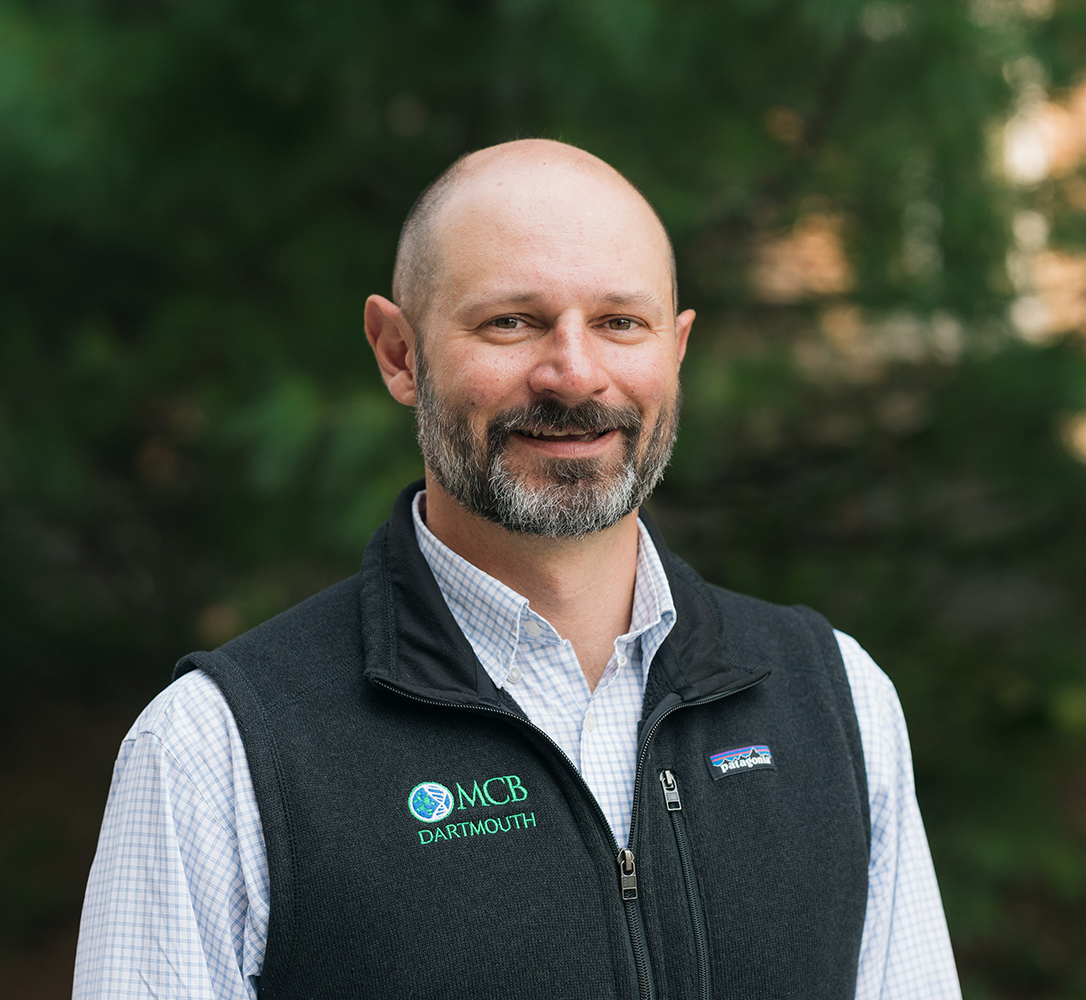 Robert A. Cramer合作论文数Department of Microbiology and Immunology, Geisel School of Medicine, Dartmouth College13
 Jan Deans合作论文数12Gemberling Tess M合作论文数8
 Jessamyn Bowling合作论文数8Russell Stambaugh合作论文数6Corrine N Wilsey合作论文数6
 Elaine Silver Rita合作论文数National Institute of Education, Nanyang Technological University6
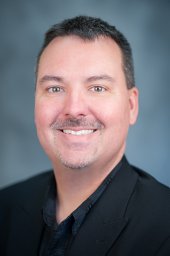 Matt Nobles合作论文数College of Criminal Justice, Sam Houston State University6Kevin Benson合作论文数5
 Andrea R Kaniuka合作论文数Department of Public Health Sciences, University of Charlotte5
 Sarah R Holley合作论文数Department of Psychology, San Francisco State University5Seunghee Pak合作论文数5chienhui yang合作论文数4
 Annelise Mennicke合作论文数4
 Stephanie Burridge合作论文数4
 Madonna Therese Stinson合作论文数National Institute of Education, Nanyang Technological University4Kristin E. Heron合作论文数4
 Sarah L Desmarais合作论文数BC Children’s & Women’s Hospital, University of British Columbia4siti azlinda amasha合作论文数3
 Sirene Lim合作论文数SR Nathan Sch Human Dev, Singapore Univ Social Sci3Liang See Tan合作论文数3
 Kenneth Kin Loong Poon合作论文数National Institute of Education, Nanyang Technological University3
 Jennifer Langhinrichsen Rohling合作论文数Psychology Department, University of South Alabama3
 Erika Montanaro合作论文数3
 Joachim Diederich合作论文数Queensland University of Technology3
 Xiao Lan Curdt-Christiansen合作论文数McGill University3mary dixon合作论文数2Jessica Willard合作论文数2Brianna Moody合作论文数2Roksana Bibi Binte Abdullah合作论文数Asian Languages & Cultures, Natl Inst Educ2
 Marnee Watkins合作论文数Melbourne Grad Sch Educ, Univ Melbourne2
 Alicia A. Dahl合作论文数Univ N Carolina2
 Shelley Hannigan合作论文数Fac Arts & Educ, Deakin Univ2
 Amelia Church合作论文数Melbourne Grad Sch Educ, Univ Melbourne2
 Mark Selkrig合作论文数Melbourne Graduate School of Education, The University of Melbourne2
 Youyan Nie合作论文数National Institute of Education, Nanyang Technological University2
 Yanning Yang (杨延宁)合作论文数School of Foreign Languages, East China Normal University2Johnson Kiersten L合作论文数Department of Psychology, North Carolina State University2
 Sean Esteban McCabe合作论文数Center for the Study of Drugs, Alcohol, Smoking and Health
Department of Health Behavior and Biological Sciences, School of Nursing, University of Michigan;Institute for Research on Women and Gender, UniversityofMichigan2
Sean Esteban McCabe合作论文数Center for the Study of Drugs, Alcohol, Smoking and Health
Department of Health Behavior and Biological Sciences, School of Nursing, University of Michigan;Institute for Research on Women and Gender, UniversityofMichigan2 Andrew R. Brown合作论文数Synopsys Inc.2
 Seetha Lakshmi合作论文数IBM T.J. Watson Research Center2
 Michael Towsey合作论文数2
 Richard Van Dorn合作论文数Medical Center Services Effectiveness Research Program, Duke University2Anna Klerfelt合作论文数2
 Mercy Karuniah Jesuvadian合作论文数2
 Frank D. Golom合作论文数2Jonathan Sykes合作论文数Developing Technology Group, North Western Medical Physics2Nicole C Green合作论文数Department of Biochemistry and Molecular Biology, Howard University College of Medicine2Casey Mesaeh合作论文数1




