The M. longissimus from lambs electrically stimulated at 15 min post-mortem were removed after grading, wrapped in polythene film and held at 4 (n=6), 7 (n=6), 15 (n=6, n=8) and 35°C (n=6), until rigor mortis then aged at 15°C for 0, 4, 24 and 72 h post-rigor. Centrifuged free water increased exponentially, and bound water, dry matter and shear force decreased exponentially over time. Decreases in shear force and increases in free water were closely related (r(2)=0.52) and were unaffected by pre-rigor temperatures.
Crewther, BT, Cook, CJ, Lowe, TE, Weatherby, RP, and Gill, N. The effects of short-cycle sprints on power, strength, and salivary hormones in elite rugby players. J Strength Cond Res 25(1): 32-39, 2011-This study examined the effects of short-cycle sprints on power, strength, and salivary hormones in elite rugby players. Thirty male rugby players performed an upper-body power and lower-body strength (UPLS) and/or a lower-body power and upper-body strength (LPUS) workout using a crossover design (sprint vs. control). A 40-second upper-body or lower-body cycle sprint was performed before the UPLS and LPUS workouts, respectively, with the control sessions performed without the sprints. Bench throw (BT) power and box squat (BS) 1 repetition maximum (1RM) strength were assessed in the UPLS workout, and squat jump (SJ) power and bench press (BP) 1RM strength were assessed in the LPUS workout. Saliva was collected across each workout and assayed for testosterone (Sal-T) and cortisol (Sal-C). The cycle sprints improved BS (2.6 ± 1.2%) and BP (2.8 ± 1.0%) 1RM but did not affect BT and SJ power. The lower-body cycle sprint produced a favorable environment for the BS by elevating Sal-T concentrations. The upper-body cycle sprint had no hormonal effect, but the workout differences (%) in Sal-T (r = −0.59) and Sal-C (r = 0.42) concentrations correlated to the BP, along with the Sal-T/C ratio (r = −0.49 to −0.66). In conclusion, the cycle sprints improved the BP and BS 1RM strength of elite rugby players but not power output in the current format. The improvements noted may be explained, in part, by the changes in absolute or relative hormone concentrations. These findings have practical implications for prescribing warm-up and training exercises.
The aim of this review is to highlight two emerging concepts for the elite athlete using the resistance-training model: (i) the short-term effects of testosterone (T) and cortisol (C) on the neuromuscular system; and (ii) the dose-response training role of these endogenous hormones. Exogenous evidence confirms that T and C can regulate long-term changes in muscle growth and performance, especially with resistance training. This evidence also confirms that changes in T or C concentrations can moderate or support neuromuscular performance through various short-term mechanisms (e.g. second messengers, lipid/protein pathways, neuronal activity, behaviour, cognition, motor-system function, muscle properties and energy metabolism). The possibility of dual T and C effects on the neuromuscular system offers a new paradigm for understanding resistance-training performance and adaptations.
Matrix interferences in salivary testosterone enzyme immunoassays are important in the development of direct ELISA. An alternative format for sensitive enzyme immunoassay of testosterone was developed using immobilization of the antigen as part of a protein conjugate using oligoethylene glycol linker to project the antigen, with color development via enzyme labeled secondary antibody. This technique gave the required sensitivity for detection of testosterone from male saliva with a limit of detection (LOD) of 8.9pg/mL (31pmol/L). Application of the immunoassay directly in human saliva gave suppression of binding signals for the samples, indicating clear matrix interference with antibody binding. A wide variety of treatments were used in an attempt to overcome this effect, including use of both synthetic saliva and stripped human saliva for standard preparation, use of bovine serum albumin (BSA) to reduce non-specific binding of contaminants, pH adjustment of samples and/or standards and use of different antibodies. None of these techniques proved effective, causing either substantial suppression or enhancement of signal, and dilution was not possible because of the very low physiological concentrations. Complete removal of the saliva medium by chemical extraction was the only technique studied that could overcome this problem. These issues have not been explored previously for direct ELISA of salivary testosterone using alternative assay formats and have implications for the design of small molecule plate-based immunoassays in this medium.
Orthostatic tolerance is reduced with increasing age and following prolonged exercise. The aim of this study was to determine the effect of age on cardiovascular and cerebrovascular responses to orthostatic stress following prolonged exercise. Measurements were obtained before, and within 45 min after, 4 h of continuous running at 70–80% of maximal heart rate in nine young (Y; 27 ± 4 years; 59 ± 10 ml kg−1 min−1) and twelve older (O; 65 ± 5 years; 46 ± 8 ml kg−1 min−1) athletes. Middle cerebral artery blood flow velocity (MCAv; transcranial Doppler ultrasound), blood pressure (BP; Finometer) and stroke volume (SV) were measured continuously whilst supine and during 60 deg head‐up tilt for 15 min or to pre‐syncope. Orthostatic tolerance was reduced post‐exercise (tilt completed (min:s, mean ±s.d.): Pre, 14:39 ± 0:55; Post, 5:59 ± 4:53; P < 0.05), but did not differ with age (P > 0.05). Despite a 25% higher supine MCAv in the young, MCAv at syncope was the same in both groups (Y: 34 ± 10 cm s−1; O: 32 ± 13; P > 0.05). Although the hypotensive response to syncope did not differ with age, the components of BP did; SV was lowered more in the young (Y: –57 ± 16%; O: –34 ± 13%; P < 0.05); and total peripheral resistance was lowered in the older athletes but was unchanged in the young (Y: +8 ± 10%; O: –21 ± 12%; (at 10 s pre‐syncope) P < 0.05). Despite a lower MCAv in the older athletes, time to syncope was similar between groups; however, the integrative mechanisms responsible for syncope did differ with age. The similar MCAv at pre‐syncope indicates there is an age‐independent critical cerebral blood flow threshold at which syncope occurs.
This study examined the effect of cycle sprints as a potentiating stimulus for power and strength adaptation in semi-elite athletes. Eighteen rugby players were assigned into training groups that completed either a 40-s cycle sprint (TSPRINT) or rested (TCONTROL) before each workout (n = 6–8) of a 4-week programme. Squat jump (SJ) peak power (PP) and mean power (MP), and box squat (BS) one repetition maximum (1RM) strength were assessed every workout. Saliva was collected across each workout and assayed for testosterone (Sal-T) and cortisol (Sal-C). The TSPRINT and TCONTROL groups both showed significant improvements in SJ PP (8.2 ± 2.9 vs. 11.9 ± 3.6%), SJ MP (11.8 ± 2.6 vs. 18.6 ± 4.8%) and BS 1RM (20.5 ± 2.6 vs. 23.2 ± 1.3%), respectively. However, there were no group differences in training adaptation, workout performance or the workout hormonal responses. As a combined group (all players), significant relationships were demonstrated between resting Sal-T and/or Sal-C concentrations and absolute SJ power (r = 0.20–0.30) and BS strength (r = 0.36–0.44) across all workouts. For individual players, the respective relationships with SJ power (r = 0.22–0.42) and BS strength (r = 0.41–0.49) were, on average, found to be stronger. In conclusion, leg workouts performed with or without prior cycle sprints can produce similar power and strength improvements in semi-elite rugby players. Resting salivary hormone concentrations appear important for workout performance, especially for individuals, thereby potentially moderating training adaptation.
A rationally designed oligoethylene glycol linker conjugate to testosterone was synthesised and covalently immobilized on a surface plasmon resonance (SPR) biosensor surface. The sensing surface was stable for more than 330 binding and regeneration cycles allowing a high degree of re-use. This surface was then used in the development of an ultrasensitive immunobiosensor system for testosterone in buffer utilizing both secondary antibody and gold nanoparticle signal enhancement. The mechanism for the increased sensitivity results from increased binding mass and a gold plasmon coupling effect. The addition of a secondary antibody with an attached gold nanoparticle increased the signal sensitivity of the assay 12.5-fold compared with primary antibody alone. In the enhanced format the assay had limits of detection (LOD) of 3.7 pg ml−1 with standard in running buffer, and 15.4 pg ml−1 in a stripped human saliva matrix. This immunobiosensor system has sufficient sensitivity to measure testosterone across the broad physiologically relevant range in male saliva (29–290 pg ml−1) in under 13 min allowing monitoring of testosterone in near real-time.
Crewther, BT, Lowe, T, Weatherby, RP, Gill, N, and Keogh, J. Neuromuscular performance of elite rugby union players and relationships with salivary hormones. J Strength Cond Res 23(7): 2046-2053, 2009-This study compared the neuromuscular performance (speed, power, strength) of elite rugby union players, by position, and examined the relationship between player performance and salivary hormones, by squad and position. Thirty-four professional male rugby players were assessed for running speed (10-m, 20-m or 30-m sprints), concentric mean (MP) and peak power (PP) during a 70-kg squat jump (SJ) and 50-kg bench press throw (BT), and estimated 1 repetition maximum (1RM) strength for a box squat (BS) and bench press (BP). Tests were performed on separate days with absolute and normalized (power and strength only) values computed. Saliva was collected before each test and assayed for testosterone (Sal-T) and cortisol (Sal-C). In absolute terms, the backs demonstrated greater speed and BT MP, whereas the forwards produced greater SJ PP and MP and BS 1RM (p < 0.01). However, BT, SJ and BS performances were no different when normalized for body mass in kg(0.67) (p > 0.05). A comparison (absolute and normalized) of BT PP showed no positional differences (p > 0.05), whereas BP 1RM was greater for the forwards (p < 0.05). These results may be attributed to genetic and/ or training factors relating to the positional demands of rugby. The Sal-T and/ or Sal-C concentrations of players correlated to speed, power, and strength, especially for the backs (p, 0.05), thereby confirming relationships between neuromuscular performance and hormone secretion patterns. Based on these findings, it was suggested that training to increase whole-body and muscle mass might facilitate general performance improvements. Training prescription might also benefit from acute and chronic hormone monitoring to identify those individuals likely to respond more to hormonal change.
In this study, we compared the effectiveness of ratio and allometric scaling for normalizing power and strength in elite male rugby union players. Rugby union forwards (n-18) and backs (n-20) were assessed for squat jump and bench throw peak power, and box squat and bench press one-repetition maximum strength. The performance data for the forwards and backs were compared using ratio (P/BM) and allometric scaling (P/BMb), where P represents performance, BM is body mass in kilograms, and b is a power exponent. A proposed allometric exponent (0.67) and exponents (+/-95% confidence intervals) derived for the box squat (0.33 +/- 0.31), bench press (0.45 +/- 0.30), bench throw (0.46 +/- 0.36), and squat jump (0.64 +/- 0.31) exercises were used. In general, the absolute expression of power and strength was superior for the heavier forwards, but after ratio scaling these performance measures then favoured the lighter backs. There were no performance differences between the forwards and backs after allometric scaling using either the proposed or the derived exponents. Thus, allometric scaling may provide a more effective method for normalizing power and strength in elite athletes when body size is a confounding variable.
Cortisol detection in saliva is of great interest for the diagnosis of various disease states and the monitoring of stress in humans. Currently, measurements are performed predominantly by radioimmunoassay (RIA) which is expensive, labour intensive, uses hazardous radioisotopes and involves extensive delays in obtaining results. A rationally designed cortisol-linker conjugate allowing high assay sensitivity was employed as a coating antigen in a microfluidic surface plasmon resonance (SPR) biosensor immunoassay for the ultrasensitive and rapid detection of salivary cortisol. Detection of cortisol is by competitive immunoassay using a secondary antibody for signal enhancement. The method requires no chemical extraction or complex sample pre-treatment despite high saliva viscosity. The cortisol assay was optimized for maximum sensitivity in buffer before being adapted for the salivary matrix, where it showed a limit of detection of 49 pg/mL. The results showed good correlation to RIA (r = 0.94). The biosensor assays showed an inter-assay coefficient of variation (CV) of 13.5% and recoveries close to 100%. The covalently immobilized sensor surface provided stable responses for more than 140 binding and regeneration cycles, enabling re-use. Cortisol in saliva was detected across the physiologically relevant range using the SPR immunobiosensor by employing a rationally designed assay format including signal enhancement for maximum sensitivity. The system can handle saliva matrix effects by use of chemical treatment during the assay to reduce non-specific binding to sensor surfaces. This sensor system provides an automated, high sensitivity analytical tool capable of yielding results in approximately 15 min. This biosensor could potentially be used for active stress-monitoring and in the diagnosis of disease.
 Robert P Weatherby合作论文数5
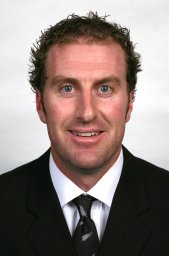
 Blair T Crewther合作论文数Hamlyn Ctr, Univ London Imperial5
 Nicholas D. Gill合作论文数Waikato Institute of Technology;School of Sport and Exercise Science;School of Sport and Exercise Science, Waikato Institute of Technology4John S. Mitchell合作论文数The New Zealand Institute for Plant and Food Research Ltd.3Christian J Cook合作论文数2
 Marco Cardinale合作论文数1Kate N. Thomas合作论文数1
 Keith George合作论文数Liverpool John Moores University1Waller John合作论文数1Carissa Murrell合作论文数1Justin W. L. Keogh合作论文数1Carrick E Devine合作论文数1Luke Wilson合作论文数Department of Physiology, University of Otago1Robert Shave合作论文数1John R. Ingram合作论文数1
 Philip N. Ainslie合作论文数Centre for Heart, Lung & Vascular Health, School of Health and Exercise Sciences, Faculty of Health and Social Development, University of British Columbia Okanagan1Robyn Wells合作论文数1
 Michael Williams合作论文数Department of Medicine, University of Otago1
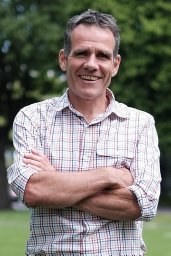 James David Cotter合作论文数School of Physical Education, University of Otago1




