Background Transfemoral (TF) transcatheter mitral valve replacement (TMVR) has emerged as a therapeutic alternative for the treatment of patients with symptomatic mitral valve disease in patients with high surgical risk. Objectives The aim of this study was to present 30-day outcomes among all patients included in both the early feasibility study (EFS) and compassionate use experience using the Cephea TF TMVR system. Methods Thirty-one consecutive high-risk patients with symptomatic mitral valve disease were enrolled under an EFS protocol (n = 24) or treated under compassionate use (n = 7) with TF TMVR from August 2021 to June 2024. The cohort mean age was 75.0 ± 8.1 years, with mean Society of Thoracic Surgeons Predicted Risk of Mortality of 6.4% ± 2.9%. Procedural outcomes and survival through 30 days were reported for all patients; additionally, subjects enrolled in the EFS had comprehensive follow-up visits including independent echocardiographic core laboratory measurements. Results All patients had mitral regurgitation (MR) grade ≥III (93.5%) or isolated mitral stenosis (6.5%); 25.8% had severe mitral annular calcification. The prosthetic valve was implanted in 96.8% of attempted subjects (30 of 31), with a mean device time of 56 ± 32 minutes. One subject was converted to surgical bioprosthetic mitral valve implantation. There were no procedural deaths or strokes. The primary safety endpoint of 30-day survival was achieved in 97% of patients (30 of 31); the primary efficacy endpoint of MR reduction to mild or less was achieved in 100% of patients with evaluable echocardiograms (27 of 27). Conclusions TF TMVR in patients with complex anatomies achieved a high rate of implantation success, low 30-day mortality, and no significant residual MR.
Mitral regurgitation is a highly prevalent valvular heart disease and, when hemodynamically significant, is associated with adverse outcomes. Despite advances in surgical techniques and catheter-based edge-to-edge repair, a large number of patients remain untreated due to high surgical risk or anatomical limitations. Transcatheter mitral valve replacement (TMVR) has emerged as a promising therapeutic option for these patients. Over the past 15 years, the TMVR field has substantially progressed, with multiple devices advancing to human clinical evaluation. This review aims to provide an overview of the key milestones in TMVR development, patient selection pathways, and the transition from transapical to transeptal delivery. We further summarize the available clinical outcomes across different platforms and discuss remaining knowledge gaps, as well as future directions for this evolving field.
BACKGROUND:Aortic regurgitation (AR) is a frequent and clinically relevant complication in patients with left ventricular assist devices (LVAD), impairing circulatory support and worsening outcomes. Surgical aortic valve replacement often carries prohibitive risk in this population, while conventional transcatheter aortic valve replacement (TAVR) is limited by the lack of annular calcification. The JenaValve Trilogy is the first transfemoral TAVR system with regulatory approval for AR. Evidence on its use in LVAD patients remains scarce. METHODS:We conducted a retrospective multicenter registry of LVAD recipients undergoing JenaValve Trilogy implantation for pure AR between 2020 and 2026 at five high-volume centers in Germany and the United States. Patient characteristics, procedural details, and outcomes were analyzed. The primary endpoint was device success according to Valve Academic Research Consortium-3 (VARC-3) criteria at 30 days. Secondary endpoints included peri-procedural complications, mortality, and device-related reinterventions at follow-up. RESULTS:Thirty patients (median age 66 years, 36.7% female, median LVAD support time: four years) were included. One patient did not meet criteria for technical success, and one experienced a fatal hemorrhagic stroke on postoperative day 2, rendering device success 93.3% (28/30). 30-day mortality was 3.3% (1/30). At a median follow-up of 273 days (IQR 30-491), survival was 93.3% (28/30). CONCLUSION:This first multicenter experience demonstrates that JenaValve Trilogy provides a feasible and safe treatment option for clinically significant AR in LVAD patients at prohibitive surgical risk, with high device success and favorable short-term outcomes.
Objective:To evaluate short-term outcomes of redo surgical aortic valve replacement (SAVR) versus valve-in-valve transcatheter aortic valve replacement (ViV-TAVR) with bioprosthetic valve fracture (ViVBVF) in patients with bioprosthetic structural valve deterioration undergoing reintervention. Methods:This retrospective single-center study was conducted between 2015 and 2025. Data were obtained from institutional registries. A total of 128 consecutive patients met the inclusion criteria (75 with redo-SAVR and 53 with ViVBVF). Patients requiring concomitant cardiac procedures, mechanical valves, or unsuitable anatomy for ViV were excluded. The primary endpoints were 30-day mortality, stroke, and readmission; secondary endpoints included echocardiographic changes and postoperative complications. Overlap propensity score weighting to adjust baseline differences was performed. Results:Compared to the redo-SAVR patients, the ViVBVF patients were older and had a higher predicted risk of mortality. The rates of 30-day mortality, stroke, and readmission were similar in the 2 groups. ViVBVF achieved significantly greater reductions in mean gradient (-26.0 mm Hg vs -17.4 mm Hg; P =.003), peak gradient (-39.2 mm Hg vs -23.3 mm Hg; P =.004), and peak velocity. After matching, 30-day mortality was higher after redo-SAVR (8.9% vs 0%; P < .001). The ViVBVF group showed a greater reduction in peak velocity but more frequent pacemaker implantation. Conclusions:In patients with bioprosthetic valves requiring reintervention, ViVBVF offers greater gradient reduction, with a perioperative safety advantage suggested in the adjusted analysis.
BACKGROUND:The anatomical relationship between the tricuspid annulus and the conduction system increases the risk for new-onset conductance disturbance (NOCD) following transcatheter tricuspid valve replacement (TTVR). OBJECTIVES:The aim of this study was to describe the incidence and types of NOCD and potential risk factors. METHODS:This was a single-center, retrospective analysis of TTVR patients. The primary endpoint was 30-day NOCD incidence. Subgroups with (NOCD+) and without (NOCD-) conduction disturbances were compared. Echocardiographic measures of tricuspid valve and right ventricular size, morphology, and function as well as post-TTVR computed tomographic device position within the annulus were assessed. RESULTS:A total of 70 patients were included in this analysis, of whom 31 (44.3%) developed NOCD, which included right bundle branch block, complete atrioventricular block and slow atrial fibrillation. New permanent pacemaker implantation was required in 8 patients (14%) within 30 days. Baseline absolute right ventricle free wall longitudinal strain was significantly higher in NOCD+ patients (29.7% ± 5.4% vs 25.1% ± 6.4%; P = 0.002). Type IIIB leaflet morphology was more prevalent in NOCD+ patients (48.4% vs 25.6%; P = 0.049). No difference was found regarding membranous septum (MS) dimensions or device oversizing. The postprocedural incidence of white blood cell count peak >13 × 109/L was higher in NOCD+ patients (51.6% vs 28.2%; P = 0.046). By logistic regression, the primary outcome was associated with baseline absolute right ventricle free wall longitudinal strain ≥29% and contact of subvalvular device component with the MS on follow-up computed tomography. CONCLUSIONS:NOCD incidence was 44.6% after TTVR in a highly selected patient population. Baseline hyperdynamic right ventricular function and contact of the device with the MS were independently associated with NOCD at 30 days. Further studies are warranted.
BACKGROUND:Transcatheter devices designed for calcific aortic stenosis are not optimised for use in native aortic regurgitation, and data on aortic regurgitation-dedicated platforms are limited. The extended ALIGN-AR pivotal experience with a prospectively enrolled continued-access cohort and longer follow-up aimed to characterise the safety, valve function, and clinical outcomes of transcatheter aortic valve intervention (TAVI) with a dedicated device in aortic regurgitation. METHODS:ALIGN-AR is a prospective, multicentre, single-arm study enrolling patients at high surgical risk to undergo TAVI with a dedicated valve (Trilogy valve) for symptomatic moderate-to-severe or severe aortic regurgitation at 30 centres in the USA. Coprimary endpoints were a safety composite of major adverse events within 30 days post procedure (all-cause death, stroke, life-threatening or major bleeding, acute kidney injury, major vascular complications, need for additional surgical or percutaneous interventions, new pacemaker implantation, and moderate or greater aortic regurgitation), tested for non-inferiority against a margin of 1·35 applied to literature-based incidence of safety endpoint of 30% translating to performance goal of 40·5%, and 1-year all-cause mortality, tested for superiority against a performance goal of 25·0%. Analyses were done in the intention-to-treat population. This study is registered with ClinicalTrials.gov (NCT04415047), and is ongoing. FINDINGS:Between June 8, 2018, and July 29, 2025, we screened 1352 patients and enrolled 700 patients (pivotal cohort n=180; continued access cohort n=520). Median age was 79·0 years (IQR 72·0-84·0), 321 (46%) were female, 379 (54%) were male, and 532 (76%) were White, 68 (10%) were Black or African American, and 36 (5%) were Asian. Technical success was achieved in 664 (95%) patients. The median duration of follow-up was 472 days (IQR 352-891). The 30-day primary safety composite endpoint occurred in 168 patients (24·0% [upper 97·5% CI 27·3%]; pnon-inferiority<0·0001), meeting the performance goal. Among components of the composite safety endpoint, death occurred in 11 (1·6%), stroke in 12 (1·7%), new pacemaker implantation in 127 (21·6%) of 589, moderate aortic regurgitation in three (0·5%) of 569 and severe aortic regurgitation in none. All-cause mortality occurred in 38 at 1 year (7·7% [upper 97·5% CI 10·4%]; psuperiority<0·0001), meeting the performance goal, and in 53 (13·3%) at 2 years. INTERPRETATION:In patients with symptomatic moderate-to-severe or severe aortic regurgitation considered to be of high surgical risk, TAVI with a dedicated platform met prespecified safety and effectiveness performance goals. We observed substantial reductions in aortic regurgitation, favourable valve haemodynamics and myocardial remodelling, with associated improvements in functional status and quality-of-life gains up to 2 years. These data support TAVI with a purpose-built device as a feasible and effective treatment option for selected patients with native aortic regurgitation who are at high risk for death or complications after surgery. FUNDING:JenaValve Technology.
BACKGROUND:A number of transcatheter-based therapies are emerging as therapeutic options for high-surgical risk patients with moderate-to-severe or severe mitral regurgitation (MR). CASE SUMMARY:This is the first published report of treatment with the fully percutaneous, transfemoral, transseptal Saturn mitral valve replacement device in a 66-year-old woman with 3+ symptomatic MR. Ultimately, the patient had elimination of her MR and symptomatic improvement. DISCUSSION:This transcatheter mitral valve replacement device allows for basal annular stabilization and preservation of the neo-left ventricular outflow tract. Despite the difficult anatomy (small left heart size and limited transseptal height), device implantation was successful with the Saturn delivery system. TAKE-HOME MESSAGE:Saturn transcatheter mitral valve replacement offers a feasible alternative for the treatment of secondary MR.
Background:Degeneration of surgically implanted bioprosthetic valves (BPVs) has been linked to risk factors including BPV construct and patient comorbidities. However, the role of the intrinsic structural configuration and potential structural changes of the surgical BPV itself on valve failure is unclear. Methods:Patients who underwent cardiac computed tomography prior to aortic valve-in-valve due to surgical BPV failure were enrolled. Assessment included BPV ring dimensions, strut angles, strut-to-strut distance, and projected geometric orifice area (PGOA), defined as the area of the circle connecting the distal aspects of the struts. These measurements were compared with those of nonimplanted surgical BPVs matched for valve type and size. Echocardiograms were obtained before the valve-in-valve procedure, and valve structure and function were assessed. Mechanism of BPV failure was classified as aortic stenosis, aortic regurgitation, or mixed. Results:A total of 222 patients were included. Aortic stenosis occurred in 111 (50%), aortic regurgitation in 55 (24.8%), and mixed in 56 (25.2%). Moderate/severe ring deformation (eccentricity index >10%) was present in 17% of cases. Strut angles, strut-to-strut distance, and PGOA were all significantly smaller in implanted than in reference valves (all P < .0001). The greatest average strut angle decrease was seen in Mitroflow valves (10°, P < .0001). The Mitroflow valve had the highest reduction in PGOA (27.7%), followed by Hancock (15.1%) and Perimount (11.6%; P < .0001). Smaller ring dimensions, smaller PGOA, and smaller strut-to-strut distance were associated with failure by stenosis (all P < 0.05) in univariable but not multivariable analysis. Conclusions:Potential intrinsic changes (frame deformation) affect stented surgical BPVs implanted in aortic position. Whether these changes are associated with early valve degeneration and failure remains unknown.
Transcatheter tricuspid valve replacement (TTVR) is now an available option to treat patients with severe symptomatic tricuspid regurgitation. Because of the early experience in this field, many challenges remain to be addressed. In this case series, we present 3 different situations that underline the difficulties in the clinical management of these patients. From a decision-making process standpoint, we discuss the relevance of TTVR in a patient presenting with an advanced cardiohepatic syndrome, as well as the case of a relatively young patient referred for tricuspid valve intervention following prior left-sided valves surgery. More from a technical and interventional strategy perspective, we describe a successful TTVR implantation after a failed transcatheter repair. TTVR has demonstrated convincing safety and efficacy results in large population samples. However, patient selection in clinical practice is still challenging, and this case series helps to refine our understanding of the role of TTVR in very specific clinical settings.
BACKGROUND:Few studies have evaluated ventricular remodeling following transcatheter tricuspid valve replacement (TTVR) for tricuspid regurgitation. OBJECTIVES:The authors sought to describe biventricular structural and functional changes after TTVR. METHODS:This single-center, retrospective study included all patients undergoing TTVR. Remodeling was evaluated using transthoracic echocardiographic and cardiac computed tomography (CT). CT measurements included: right ventricular (RV) ejection fraction (RVEF), effective RVEF (forward stroke volume [SV]/right ventricular end-diastolic volume [RVEDV]), RV coupling (SV/right ventricular end-systolic volume [RVESV]), septal curvature analysis and average eccentricity index (aEI) of the mid- and distal left ventricle (LV). RESULTS:Of the 80 TTVR patients included, 87.5% had baseline massive/torrential and 95.9% had ≤mild tricuspid regurgitation post-implantation. Post-TTVR, all transthoracic echocardiographic measures of RV function were reduced (P < 0.001) with an increase in SV and cardiac index (P < 0.001). Paired analysis of 50 patients with pre- and post-CT imaging (performed median of 40 days post-TTVR) showed a 65.3% increase in effective RVEF and 20.3% increase in RV coupling (P < 0.001 for both). RVEDV decreased (138.2 mL/m2 to 59.5 mL/m2; P < 0.001) with increase in LVEDV (49.6 mL/m2 to 57.9 mL/m2; P = 0.001). Septal curvature increased and LV aEI decreased (P < 0.001 for both). Compared with patients with low aEI, patients with baseline greater aEI (≥1.25) showed greater reverse remodeling, lower follow-up NT-proBNP, and greater symptom improvement. CONCLUSIONS:Reduction in RVEDV with increase in LVEDV following TTVR is associated with reduction in LV eccentricity with an increase in forward SV. CT measures of RV function (effective RVEF) and RV coupling (SV/RVESV) both improve following TTVR. Patients with baseline higher LV eccentricity may derive more benefits from TTVR.
BACKGROUND:With the rapid growth and evolution of transcatheter valve therapies, surgeons are foreseeing a crucial change in their practice. Their role is rapidly evolving and the concept of a structured heart valve team is becoming central in every established SHD program. The knowledge and expertise of surgeons is adapting to a novel and revolutionized field of transcatheter valve therapies, where a multidisciplinary approach is crucial for optimal outcomes and patient satisfaction. This manuscript aims to discuss the evolving role of surgeons in structural heart interventions METHODS: We depict the importance of the heart valve team and outline the challenges surgeons are facing to establish themselves as structural heart operators. RESULTS:The switch in clinical practice surgeons are experiencing is extremely important for the future of cardiac surgery. The results of a globally conducted real-world survey shows that despite 97% of surgeons are active members of the heart team, 80% take part to TAVR procedures, and the percentage drops significantly in mitral and tricuspid interventions. CONCLUSIONS:Surgeons need to evolve, adapt and embrace this new patient-centered paradigm and broaden their skills and competences maintaining a primary role in the treatment of valvular heat pathologies.
BACKGROUND The anatomical relationship between the tricuspid annulus and the conduction system increases the risk for new-onset conductance disturbance (NOCD) following transcatheter tricuspid valve replacement (TTVR). OBJECTIVES The aim of this study was to describe the incidence and types of NOCD and potential risk factors. METHODS This was a single-center, retrospective analysis of TTVR patients. The primary endpoint was 30-day NOCD incidence. Subgroups with (NOCD+) and without (NOCD-) conduction disturbances were compared. Echocardiographic measures of tricuspid valve and right ventricular size, morphology, and function as well as post-TTVR computed tomographic device position within the annulus were assessed. RESULTS A total of 70 patients were included in this analysis, of whom 31 (44.3%) developed NOCD, which included right bundle branch block, complete atrioventricular block and slow atrial fibrillation. New permanent pacemaker implantation was required in 8 patients (14%) within 30 days. Baseline absolute right ventricle free wall longitudinal strain was significantly higher in NOCD+ patients (29.7% +/- 5.4% vs 25.1% +/- 6.4%; P = 0.002). Type IIIB leaflet morphology was more prevalent in NOCD+ patients (48.4% vs 25.6%; P = 0.049). No difference was found regarding membranous septum (MS) dimensions or device oversizing. The postprocedural incidence of white blood cell count peak >13 x 10(9) /L was higher in NOCD+ patients (51.6% vs 28.2%; P = 0.046). By logistic regression, the primary outcome was associated with baseline absolute right ventricle free wall longitudinal strain >= 29% and contact of subvalvular device component with the MS on follow-up computed tomography. CONCLUSIONS NOCD incidence was 44.6% after TTVR in a highly selected patient population. Baseline hyperdynamic right ventricular function and contact of the device with the MS were independently associated with NOCD at 30 days. Further studies are warranted. (JACC Cardiovasc Interv. 2025;18:2569-2579) (c) 2025 by the American College of Cardiology Foundation.
 Martin Leon合作论文数Center for Interventional Vascular Therapy, Columbia University Medical Center95
 Tamim Nazif合作论文数87
 Rebecca T. Hahn合作论文数Seymour, Paul and Gloria Milstein Division of Cardiology, Department of Medicine, Columbia University Irving Medical Center80
 Isaac George合作论文数Department of Surgery;Division of Cardiothoracic;Columbia University;College of Physicians80
 Khalique Omar K合作论文数Heart Valve Center, Columbia University Medical Center75Susheel Kodali合作论文数53Nadira Hamid合作论文数48Vivian Ng合作论文数42
 Lauren S Ranard合作论文数Irving Medical Center, Columbia University35
 Amisha rameshbhai Patel合作论文数P G Dept Biosci, Sardar Patel Univ23
 Valentin Fuster合作论文数Centro Nacional de Investigaciones Cardiovasculares;Zena and Michael A. Wiener Cardiovascular Institute, Icahn School of Medicine at Mount Sinai;The Mount Sinai Hospital23
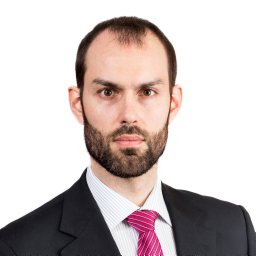 Carlos G. Santos-Gallego合作论文数Instituto Cardiovascular, Mount Sinai School of Medicine23
 Juan J Badimon合作论文数Atherothrombosis Research Unit, Cardiovascular Institute, The Mount Sinai School of Medicine22Javier Sanz合作论文数19
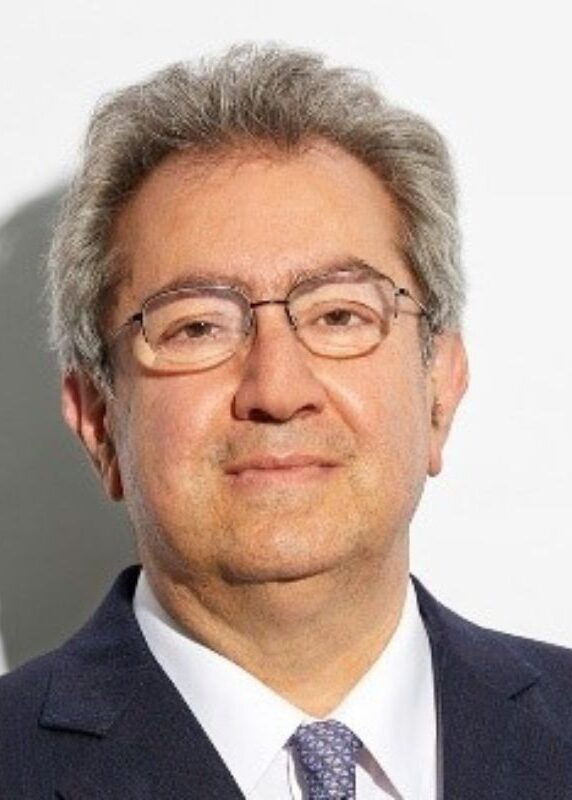 Roger Hajjar合作论文数MGB Gene and Cell Therapy Institute, Mass General Brigham18
 Vinayak Bapat合作论文数Allina Abbott Northwestern Hospital;Allina Health Minneapolis Heart Institute18Yanping Cheng合作论文数16Kiyotake Ishikawa合作论文数16Juan F. Granada合作论文数The Methodist Hospital Research Institute and the Methodist DeBakey Heart Center, The Methodist Hospital14Geng-Hua Yi合作论文数13Mark Lebehn合作论文数12Sommer Robert J合作论文数12
 Vinod H. Thourani合作论文数Piedmont Healthcare12
 Vratika Agarwal合作论文数Irving Medical Center, Faculty of Medicine, Columbia University;Department of Medicine, Columbia University10Picatoste Belén合作论文数Cardiovascular Research Center, Icahn School of Medicine at Mount Sinai10
 Akiko Maehara合作论文数Seymour, Paul and Gloria Milstein Division of Cardiology, Department of Medicine, Columbia University;Intravascular Imaging Core Laboratory, CRF Clinical Trials Center;MRI Core Laboratory, CRF Clinical Trials Center10
 Rajendra Makkar合作论文数Smidt Heart Institute, Cedars-Sinai Medical Center10
 Ajay Kirtane合作论文数Center for Interventional Vascular Therapy, Columbia University10Matthew Lawlor合作论文数9
 Randy J. Seeley合作论文数Medical School, University of Michigan;School of Public Health, University of Michigan9
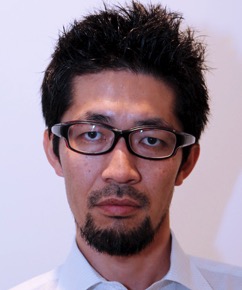 Mitsuaki Matsumura合作论文数MRI Core Laboratories, Cardiovascular Research Foundation9
 Brener Michael合作论文数Northwestern University, University of Pittsburgh9Teresa Arias合作论文数9Juan Terre合作论文数8Hemal Gada合作论文数8Ming Liao合作论文数8
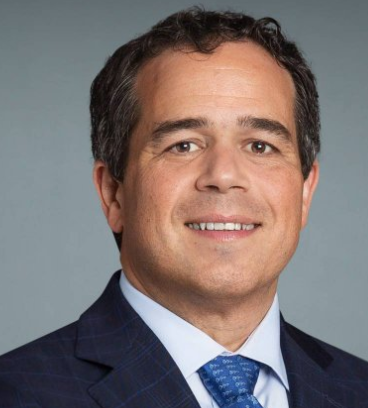 Mathew R. Williams合作论文数Division of Adult Cardiac Surgery, Grossman School of Medicine, New York University8Shmuel Chen合作论文数Hadassah Ein Kerem Medical Center, Hebrew University8Dimitri Karmpaliotis合作论文数8
 Stephen C. Woods合作论文数Obesity Research Center, College of Medicine, University of Cincinnati8
 Todd Pulerwitz合作论文数8Ayyaz Ali合作论文数8Jessica Forman合作论文数7Jay Leb合作论文数7Martin E. Goldman合作论文数7Jonathon White合作论文数Cardiologist, Auckland City Hospital7
 Matthew Finn合作论文数7




