BACKGROUND:Infectious diseases caused by resistant microbes and oncological ailments pose a serious threat to human health. However, an effective and safe drug against them has not yet been found. Therefore, pyrimidine derivatives may be of interest as dual-acting drugs due to their potent antimicrobial and cytotoxic properties. The relevance of our research is confirmed by several recent patents dedicated to the antimicrobial and anticancer activity of pyrimidine-based molecules. OBJECTIVE:The purpose of this study was to evaluate the antimicrobial and cytotoxic activity of some 6-methyluracil derivatives of an amphiphilic nature in vitro. METHODS:Antimicrobial activity was studied by serial dilution. Cytotoxicity was tested using the MTT test. The mechanisms of antimicrobial and cytotoxic activity were analyzed using the methods of colorimetry, flow cytometry, and enzyme-linked immunosorbent assay. RESULTS:The tested compounds have high antibacterial activity against resistant strains of Staphylococcus aureus and some bacteria from the group of ESKAPE pathogens. Outstanding results were obtained for the lead compounds in the human duodenal adenocarcinoma cell line (HuTu-80), for which cytotoxicity was shown at the level of 5-fluorouracil with a high selectivity index (SI = 8.0-10.0). The mechanism of antibacterial action is associated with the permeabilization of the bacterial membrane. The cytotoxic effect is due to the arrest of the cell cycle in the G1 phase and the induction of mitochondrial apoptosis. The introduction of the hexynyl group into the C5 position of the pyrimidine ring leads to increased antibacterial and cytotoxic activity. CONCLUSION:The conducted studies allow us to consider the tested compounds as a promising basis for the creation of new effective antibacterial and сytotoxic agents.
A series of nucleoterpenoids in which uridine is attached to diterpenoid isosteviol (16-oxo-ent-beyeran-19-oic acid) by means of an alkyl or 1,2,3-triazolylalkyl linker has been synthesized. Screening of their in vitro cytotoxicity against 7 cancer cell lines revealed three lead compounds. This is nucleoterpenoid 13c in which the uridine moiety is attached by the octyl linker to the amide group of isosteviol. Compound 13c caused the death of MCF-7 and PANC-1 cancer cells at an IC50 concentration of 11 µM. Nucleoterpenoid 15b, in which the uridine moiety with protected hydroxyl groups is attached by the 1,2,3-triazolylbutyl linker to the C-16(S) position of isosteviol, caused the death of cancer cells M-HeLa, MCF-7, PANC-1, PC-3, A 549, and HuTu 80 at IC50 values in the range 10.4-16.8 µM. Its derivative, nucleoterpenoid 15d with free hydroxyl groups, caused the death of cancer cells MCF-7, PANC-1, PC-3, and A 549 at IC50 values in the range 11.7-19.5 µM.
Triphenylphosphonium (TPP) conjugates of nucleoterpenoids were synthesized for the first time, and these were nucleoterpenoids consisting of the diterpenoid isosteviol (16-oxo-ent-beyran-19-oic acid) and uracil. In these conjugates, the TPP cation was attached by a polymethylene linker to the N3 atom of the uracil moiety. In turn, the N1 atom of the uracil moiety was bound by a 1,2,3-triazole-4-yl-alkyl (methyl or n-butyl) linker to the 16(S)-position of the isosteviol moiety. The screening of in vitro cytotoxicity of the synthesized TPP-conjugates revealed their high activity (IC50 = 0.4–15.5 µM) against cancer cells M-HeLa, MCF-7, PANK-1, PC-3, T 98G, A 549, and HuTu 80. The mechanism of the in vitro cytotoxic effect of the lead compound [(1′-1′′-[19-(ethyloxycarbonyl)-ent-beyeran-16(S)-yl]-1H-1,2,3-triazol-4′′-yl-butyl-1H,3H-pyrimidine-2,4-dione-3′-yl)decyl]triphenylphosphonium bromide, in which the TPP cation is attached to the nucleoterpenoid fragment by a decyl linker, against M-HeLa cancer cells, was studied by flow cytofluorometry. The results obtained indicated that [(1′-1′′-[19-(ethyloxycarbonyl)-ent-beyeran-16(S)-yl]-1H-1,2,3-triazol-4′′-yl-butyl-1H,3H-pyrimidine-2,4-dione-3′-yl)decyl]triphenylphosphonium bromide reduced the mitochondrial membrane potential, induced apoptosis along the mitochondrial pathway and delayed the cell cycle at an early stage G1.
A series of triphenylphosphonium (TPP) conjugates of 1,2,3-triazolyl analogues of pyrimidine nucleosides was synthesized. In these compounds a TPP cation was attached via a decamethylene linker to the atom N-3 of the nucleic base (uracil, thymine) or its analog (6-methyluracil), and the N-acetyl-β-D-glucosamine residue with protected (or unprotected) hydroxyl groups was attached via a 1,2,3-triazolylmethyl or 1,2,3-triazolylbutyl linker to the atom N-1 of the listed pyrimidine derivatives. All synthesized TPP-conjugates caused the death of MCF-7 cancer cells within the range IC50 = 1.9-27 µM and PC-3 cancer cells within the range IC50 = 2.6-19.4 µM. Bacteriostatic and bactericidal activity against Gram-positive bacteria Staphylococcus aureus, Bacillus cereus, and methicillin-resistant strains of S. aureus MRSA-1 and MRSA-2 was detected for several TPP-conjugates within the concentration range (MIC and MBC) from 7.8 to 15.6 µM.
Twenty triphenylphosphonium (TPP) conjugates in which 1-alkynyl-substituted nucleic bases (uracil, thymine) and their analogues (6-methyluracil, quinazoline-2,4-dione) were connected to the TPP cation via an octyl or decyl linker were synthesized. In vitro evaluation of their antibacterial activity against five Gram-positive bacteria, two Gram-negative bacteria and fungus C. albicans revealed six lead compounds which exhibited high bacteriostatic activity (MIC 0.2–0.9 μM) against Gram-positive bacteria S. aureus, B. cereus, E. faecalis, as well as MRSA strains. These lead compounds are TPP-conjugates in which 1-alkynylquinazoline-2,4-dione moiety is bound to the TPP cation via the decyl (4 d, 4 f) or octyl (4e) linker and biscationic TPP-conjugates in which two TPP cations are attached to the N-1 and N-3 atoms of 5-alkynylquinazoline-2,4-dione moiety via the decyl (5 d, 5 f) or octyl (5e) linkers. Biscations 5 d and 5e showed high in vitro bacteriostatic and bactericidal activity (MIC/MBC 0.2–7.8 μM) against Gram-negative bacteria E. coli and P. aeruginosa. In addition, biscations 5 d and 5 f exhibited noticeable in vitro fungistatic and fungicidal activity against fungus C. albicans. Using colorimetric and fluorimetric methods, it was found that all lead compounds at concentrations corresponding to the MIC and MBC values caused cytoplasmic membrane damage and depolarization, without violating the integrity of the S. aureus cell wall. In addition, all lead compounds inhibited the formation of S. aureus biofilm by 80-100
The interaction of Xymedon (1,2-dihydro-1-(2-hydroxyethyl)-2-oxo-4,6-dimethyl-pyrimidine, 1) and l-ascorbic acid (2) in an aqueous solution was studied by the methods of potentiometric titration, spectroscopy in the UV—visible range, and mathematical simulation of equilibria (CPESSP program). The formation of a 1…2 associate was shown to take place at a wide change in the C2: C1 molar ratio, and its acidity constant was determined: pKa,111 = 4.95.
This study introduces innovative redox-sensitive polymeric nanocarriers designed to deliver the photosensitizer meso-tetra(N-methyl-4-pyridyl)porphine and enhance anticancer photodynamic therapy. These nanocarriers release the photosensitizer from a hydrophobic core in response to elevated glutathione levels, enabling the generation of reactive oxygen species upon irradiation. The glutathione-sensitive core is constructed using disulfide-linked molecules, while the hydrophilic shell, consisting of a 6-methyluracil derivative, enhances stability and promotes cellular uptake of the photosensitizer. The paper details the synthesis, physicochemical properties, and encapsulation efficiency of the nanocarriers. It further explores how the core structure influences glutathione-induced degradation, photosensitizer release kinetics, and generation of reactive oxygen species under irradiation. Additionally, the study evaluates the hemocompatibility of the photosensitizer/nanocarrier composites and their cytotoxic effects on human liver cells (Chang Liver), healthy human embryonic lung cells (WI38), and cancer cell lines (M-HeLa and HuTu80). Notably, treatment with these composites, followed by irradiation, significantly reduces the viability of the M-HeLa cancer cell line, demonstrating their potential for targeted cancer therapy.
In this work, we designed and synthesized 12 triphenylphosphonium (TPP) conjugates of acetylenated nucleic bases (uracil, thymine) and their analogues (6-methyluracil, quinazoline-2,4-dione) and evaluated their in vitro cytotoxicity against 9 human cancer cell lines M-HeLa, HuTu 80, MCF-7, T 98 G, A 549, DU-145, SK-OV-3, PC-3, A-375 and two lines of normal human cells RPMI 1788 and WI-38. All synthesized TPP-conjugates showed high cytotoxicity (IC50 values in the range of 0.1–7.3 µM) against all used human cancer cell lines. The mechanisms of cytotoxic action were studied for the lead compounds 2c,d, 4c,d which exhibited very high cytotoxicity (IC50 = 0.2–0.3 μM) against PC-3 cancer cells. The flow cytometry method using Annexin V and propidium iodide (PI) has shown that the lead compounds cause apoptosis of PC-3 cells. With the help of flow cytometry using cationic carbocyanine dye JC-1, it was found that the lead compounds cause a significant dose-dependent decrease in the mitochondrial membrane potential of PC-3 cancer cells, that induces apoptosis along the mitochondrial pathway. Significant ROS production in PC-3 cells after their treatment with the lead compounds 2c,d was detected by flow cytometry using CellROX® Deep Red fluorogenic probe. Enzyme-linked immunosorbent assay (ELISA) found that the lead compounds activated apoptosis-initiating caspase-9 and blocked anti-apoptotic Bcl-2 protein in PC-3 cancer cells. This experimental fact was explained by molecular docking.
A series of conjugates of diterpenoid isosteviol (16-oxo-ent-beyran-19-oic acid) and uracil (nucleoterpenoids) was synthesized and examined for their in vitro cytotoxicity against 9 human cancer cell lines. Nucleoterpenoids 13c,f,15 exhibited the best in vitro cytotoxic activity against cancer cell lines M-HeLa, MCF-7, and PC3 (IC50 = 12.7-21.3 µM) among the synthesized compounds. The mechanisms of the in vitro cytotoxic effect of nucleoterpenoids 13f and 15 against M-HeLa cancer cell line (cervical carcinoma) were studied using flow cytofluorometry and enzyme-linked immunosorbent assay (ELISA). The results obtained indicated that 13f and 15 by acting on M-HeLa cancer cells reduced the mitochondrial membrane potential, caused oxidative stress, blocked anti-apoptotic protein Bcl-2, activated apoptosis-initiating caspase-9, thus inducing apoptosis occurring along the mitochondrial pathway. It should be emphasized that although isosteviol and uracil do not have cytotoxicity against human cancer cells, nucleoterpenoids 13c,f, and 15 containing isosteviol and uracil as fragments exhibited good cytotoxicity against M-HeLa, MCF-7, and PC3 cancer cells. Thus, it can be considered that conjugation of diterpenoid isosteviol and nucleic bases is a promising way to search for new cytotoxic agents of unusual structure.
A series of bisuracils, in which uracil and 3,6-dimethyluracil moieties were bridged with a polymethylene spacer, and the uracil moiety contained a pentamethylene radical with ionic and non-ionic aminobenzyl groups, were synthesised. These bisuracils have been identified as cholinesterase inhibitors with exceptional selectivity for acetylcholinesterase (AChE) over butyrylcholinesterase (BuChE). These bisuracils, which have been identified as highly effective AChE inhibitors, demonstrated activity at nano- and sub-nanomolar concentrations, with exceptional selectivity for AChE over BuChE. In kinetic studies of lead bisuracils 2b and 3c, both compounds exhibited mixed-type inhibition against AChE and BuChE. Additionally, molecular dynamic simulations demonstrated robust and stable interactions of 2b and 3c with the binding sites of their target. Bisuracil 2b showed significant potential for protection of AChE from irreversible inhibition by paraoxon; the most effective dose of 0.01 mg/kg was shown to reduce mortality in paraoxon-poisoned mice. Bisuracil 3c effectively inhibited brain AChE activity, reversing scopolamine-induced amnesia in mice at a dose of 5 mg/kg, which indicates its potential for cognitive enhancement. These findings position ionic bisuracils as promising prophylactics against organophosphate poisoning and non-ionic bisuracils as viable candidates for Alzheimer’s disease therapeutics.
We studied the hepatoprotective properties of new modifications of the Russian drug, the regeneration stimulator Xymedon (1,2-dihydro-4,6-dimethyl-1-(2-hydroxyethyl)-pyrimidin-2-one) (1): 1,2-dihydro-4,6-dimethyl-(1-(2-((hydroxyethyl)amino)ethyl)-pyrimidin-2-one (2) and 1,2-dihydro-4,6-dimethyl-1-propyl-pyrimidin-2-one (3). First, cytotoxicity and cytoprotective effects of the compounds were assessed on Chang Liver, HepG2, and WI-38 human cell lines, and then, hepatoprotective activity in vivo was evaluated on the model of toxic CCl4-induced liver damage in Wistar rats. Compounds (2) and (3) exhibited cytoprotective properties: they increased cell viability against the background of d-galactosamine treatment and reduced the morphological signs of liver damage caused by CCl4. Compound (3) had significantly higher cytotoxicity. Of the two modifications, compound (2) is more promising for further work.
Abstract Fibrosis of the liver is a chronic inflammatory process with activation of hepatic stellate cells and abnormal accumulation of proteins in the extracellular matrix. However, it is known that pyrimidine derivatives have a beneficial effect on the condition of various organs with the ongoing process of fibrosis. Therefore, the aim of this work was to investigate the effect of the drug Xymedon (1,2-dihydro-4,6-dimethyl-1-N-(2-hydroxyethyl)pyrimidine-2-one, (compound 1) and its conjugate with L-ascorbic acid (compound 2) on collagen remodeling in rat liver tissue. For this purpose, female Wistar rats were used to model fibrosis by oral administration of carbon tetrachloride (CCl4) and ethanol for 8 weeks. Then the rats were treated with the studied compounds for 2 or 4 weeks. Histological analysis by hematoxylin-eosin and Van Gizon’s staining of liver slices, biochemical analysis of blood serum and Western blot analysis of COX-2 level in rat liver homogenates were performed. It has been shown that in the control group without treatment, after 2 weeks of withdrawal of CCl4 + ethanol, collagen remodeling occurs to the certain chronic level. At the same time, compound 2 reduces the level of collagen fibers by 41% compared to the control group, while native compound 1 has no such effect. Also, in all groups studied, there was the decrease in the inflammatory marker COX-2 both after 2 weeks of CCl4 + ethanol withdrawal and after treatment with studied compounds 1 and 2. Thus, compound 2 (conjugate of Xymedon with L-ascorbic acid) has the greater antifibrotic effect on the rat liver fibrosis model compared to the native molecule of compound 1 (Xymedon). At the same time, this effect is not associated with the level of COX-2.
5-Alkyl-substituted derivatives of 1-(2-hydroxyethyl)-4,6-dimethyl-1 H -pyrimidin-2-one ( 1 ) are synthesized for the first time. Pyrimidine 1 is an active pharmaceutical ingredient of the burn drug Xymedon, which has pronounced hepatoprotective properties. The cytotoxicity and cytoprotective properties of the synthesized pyrimidines against the Chang Liver cell line of hepatocytes are evaluated. It is shown that the introduction of an alkyl substituent into the pyrimidine ring of Xymedon have a significant negative impact on the hepatoprotective properties.
Two novel click derived sensory systems for different derivatives connected via a triazole linkage have been developed as a component of a chemosensor with sensitive towards Fe3+ ions. The 1-octyl-4-carboxyl-1,2,3-triazole (TR1) system demonstrated sensitivity to calcium ion. The 1,3-bis(4-hydroxycarbamoyl-1,2,3-triazol-1-yl)xylylene (TR2) system was shown to possess a preferential detection capability as a colorimetric probe for Fe3+ ions by exhibiting an obvious pH-dependent color change from colorless to pink. Complexation of the ligands with Fe3+ ions was studied. The 1:1 stoichiometry and bonding sites of TR1-Fe3+, and TR2-Fe3+ complexes were elucidated by analyzing the Job plot. The association constants of 5.35 × 10⁵ M1 for TR1- Fe3+ and 3.58 × 10⁴ M1 for TR2-Fe3+ and detection limits 1.68 × 10⁻⁸ and 2.52 × 10⁻⁷ were determined from standard deviation and linear fittings.
A series of new dimers of pyrimidine nucleoside analogues have been synthesized. The dimers are composed of two uracil or thymine fragments linked at N3 through a polymethylene bridge and bearing a β-D-ribofuranose residue linked to N1 of the nucleobase through a 1,2,3-triazolylalkyl spacer. Biological screening revealed that some of the synthesized dimers are active against influenza A (H1N1) virus and coxsackievirus B3 with IC50 values of 13 and 4.5 μM, respectively.
Based on the fact that a search for influenza antivirals among nucleoside analogues has drawn very little attention of chemists, the present study reports the synthesis of a series of 1,2,3-triazolyl nucleoside analogues in which a pyrimidine fragment is attached to the ribofuranosyl-1,2,3-triazol-4-yl moiety by a polymethylene linker of variable length. Target compounds were prepared by the Cu alkyne-azide cycloaddition (CuAAC) reaction. Derivatives of uracil, 6-methyluracil, 3,6-dimethyluracil, thymine and quinazolin-2,4-dione with ω-alkyne substituent at the N1 (or N5) atom and azido 2,3,5-tri-O-acetyl-D-β-ribofuranoside were used as components of the CuAAC reaction. All compounds synthesized were evaluated for antiviral activity against influenza virus A/PR/8/34/(H1N1) and coxsackievirus B3. The best values of IC50 (inhibiting concentration) and SI (selectivity index) were demonstrated by the lead compound 4i in which the 1,2,3-triazolylribofuranosyl fragment is attached to the N1 atom of the quinazoline-2,4-dione moiety via a butylene linker (IC50 = 30 μM, SI = 24) and compound 8n in which the 1,2,3-triazolylribofuranosyl fragment is attached directly to the N5 atom of the 6-methyluracil moiety (IC50 = 15 μM, SI = 5). According to theoretical calculations, the antiviral activity of the 1,2,3-triazolyl nucleoside analogues 4i and 8n against H1N1 (A/PR/8/34) influenza virus can be explained by their influence on the functioning of the polymerase acidic protein (PA) of RNA-dependent RNA polymerase (RdRP).
Heterocyclic compounds are important for the synthesis of pharmaceuticals, especially substituted triazoles, which have high biological activity. The development of approaches to the creation of delivery systems for bioactive heterocyclic compounds is of particular importance for improving the biopharmaceutical aspects of therapy. In this work, we report synthesis and characterization of a new 1,2,3-triazole: ethyl 2-((1-decyl-1H-1,2,3-triazol-4-yl)methyl)-3-oxobutanoate (TR). The efficient incorporation into lyotropic mesophases as a drug delivery platform demonstrated. Polarized optical microscopy studies confirmed formation of a lyotropic mesophase in the binary P123/TR system as well as in tertiary systems with added water, ethanol, and DMSO. This allows to dope 5 % of triazole into lyomesophases. IR and UV spectroscopy studies detected intermolecular interactions occurring in the P123/TR system. Release of TR from binary and tertiary lyomesophases was studied. Impacts of composition and temperature on the release time were analyzed. Evaluation of cytotoxicity to M-Hela and HuTu-80 cancer lines and Chang Liver living cells revealed antitumor properties of the studied substituted 1,2,3-triazole. The lowest IC50 of TR is 57 μg·mL−1 toward HuTu-80. This is at the level of the reference drug Fluconazol. For the P123/DMSO/TR LLC system in concentration range of 31.3–124 µg·ml−1, the viability percentage of liver cells is comparable to those of cancer cells. These results demonstrate the potential opportunity for application LLC P123/DMSO used as a TR delivery for and enhance its antitumor effect.
There is currently an urgent need to develop effective therapies aimed at preventing the consequences of drug-induced liver injury (DILI). In this context, our study focused on assessing the hepatoprotective effect of pyrimidine derivatives of xymedon (1,2-dihydro-4,6-dimethyl-1-(2- hydroxyethyl)-pyrimidin-2-one) and its conjugate with L-ascorbic acid in a mouse model of paracetamol (acetaminophen) poisoning. ICR (CD-1) mice were treated with a single oral LD50 dose of paracetamol (425 mg/kg), followed by intraperitoneal injections of various doses of the test compounds at various doses half an hour later. The animals` survival was monitored for 5 days. On the day 6, biochemical and histopathological evaluations of the effects of the test compounds were conducted. Serum alanine aminotransferase (ALT) and aspartate aminotransferase (AST) activities were analyzed. Malondialdehyde (MDA) levels in blood and liver tissue were also determined. Xymedon attenuated the toxic effects of paracetamol on the liver, improving animal survival and enhancing the macro- and micro-structure of the liver, normalizing the biochemical indicator of liver condition ALT and the serum marker of oxidative stress MDA. The conjugate of xymedon with L-ascorbic acid exhibited a more pronounced hepatoprotective effect compared to the native xymedon molecule.
Conjugates of the diterpenoid isosteviol with uracil and 6-methyluracil (nucleoterpenoids) were synthesized and showed moderate in vitro cytotoxicity (IC50 values in the range 11.6–51.0 μM) against M-HeLa, HuTu 80, and MCF-7 human cancer cells.
 J. Puech合作论文数90
 Mietek Lisak合作论文数66
 V. S. Reznik合作论文数50D Anderson合作论文数41
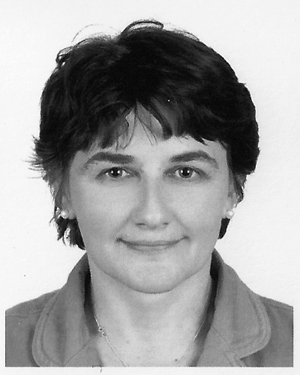 Rakova, E.合作论文数36
 V. V. Zobov合作论文数Kazan Institute of Organic and Physical Chemistry;Russian Academy of Sciences;Kazan Institute of Organic and Physical Chemistry, Russian Academy of Sciences35L. F. Saifina合作论文数33
 A. D. Voloshina合作论文数30
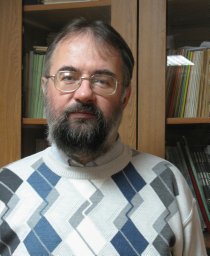 Kirill I. Rybakov合作论文数Institute of Applied Physics, the Russian Academy of Sciences Nizhny Novgorod30
 Joel Rasch合作论文数Chalmers Univ. of Technol.;teborg;c29Dan Anderson合作论文数26Irina V. Galyametdinova合作论文数26Vladimir S. Reznik合作论文数25R. Udiljak合作论文数24
 Vladimir Kataev合作论文数Arbuzov Institute of Organic and Physical Chemistry, Russian Academy of Sciences23A. B. Vyshtakalyuk合作论文数23N. V. Vysotina合作论文数21Nina A. Zharova合作论文数21A. E. Nikolaev合作论文数20m buyanova合作论文数19O. V. Andreeva合作论文数18
 Shamil Latypov合作论文数18m g belenok合作论文数17Andrey Parfenov合作论文数17
 Dinar Gabdrakhmanov合作论文数17daniel g anderson合作论文数16R. Kh. Giniyatullin合作论文数15V. D. Akamsin合作论文数15D. S. Dorozhkina合作论文数15E. I. Rakova合作论文数14A. S. Mikhailov合作论文数14
 Petrov Konstantin合作论文数A.E. Arbuzov Institute of Organic and Physical Chemistry14
 B. F. Garifullin合作论文数14
 L. Lapierre合作论文数14
 Irina Zueva合作论文数A.E. Arbuzov Institute of Organic and Physical Chemistry, Russian Academy of Sciences13Yu. V. Bykov合作论文数13V Vladimir Chevela合作论文数13
 I. A. Kossyi合作论文数13
 Lucia Ya. Zakharova合作论文数Arbuzov Institute of Organic and Physical Chemistry, Russian Academy of Sciences13Marina M. Shulaeva合作论文数12Н.Н. Розанов合作论文数Физико-технический институт им. А.Ф. Иоффе РАН12Jordan, U.合作论文数12L. Ya. Zakharova合作论文数11Thomas Olsson合作论文数11Sh. K. Latypov合作论文数11Anatoly G. Eremeev合作论文数11S. Ya. Egorov合作论文数11F.G. Valeeva合作论文数10




