Introduction of dental practice with the concept of artificial intelligence (AI) is an idea that is a radical change in the conceptualization of oral healthcare delivery and experience. This editorial review discusses the changing paradigm of AI in dentistry, which includes the use of AI in diagnostic imaging interpretation, treatment planning, clinical decision support, and prosthetic design. At the same time, though the AI technologies prove to be incredibly effective in pattern recognition, detecting diseases and performing predictive analytics, their implementation into the clinical process causes significant questions concerning the professional responsibility, educational readiness, ethical implementation, and maintenance of the humanistic principles of patient care. Combination of the old clinical knowledge with clever computing enables unheard of possibilities to improve the quality of diagnosis and treatment. Nevertheless, these benefits can only be actualized with a careful adoption that makes AI an addition and not a substitution of clinical judgment. Bangladesh Journal of Medical Science Vol. 25. Supplementary Issue 2026, Page : S7-S10
Background: Plaque on the teeth is encouraged to form by a variety of chemicals produced by the two types of bacteria that are present in dental biofilms. The main cause and driver of the development of oral diseases is plaque from the teeth. Aims and Objectives: To assess and compare the impacts of alum mouthwash, alkaline solution, and herbal mouthwash on plaque prevention in Youth. Materials and Methods: Ninety-nine healthy youngsters between the ages of 9 and 12 were recruited for the study and split into three groups with 33 participants each: Groups I, II, and III utilized mouthwash that contained alum (0.02 M), saline solution, and herbal mouthwash, respectively. For 30 days, every participant cleaned their mouth twice a day. Every participant’s plaque index score was recorded on the 1st, 15th, and 30th days of the trial. Results: Comparing the alum group (Group I) and the herbal group (Group III) to the saline group (Group II), there was a noticeable decrease in plaque at the 1st, 15th, and 30th days. Conclusions: The components in the herbal group (Group III) and alum group (Group I) showed efficacy in preventing the development of plaque, suggesting a potential use as a substitute for antibacterial mouthwash.
Periodontal disease is a chronic inflammatory condition that may contribute to respiratory illnesses such as chronic obstructive pulmonary disease (COPD), asthma, pneumonia and bronchitis. This case-control study of 664 participants assessed the association between periodontal and respiratory health using WHO 2013 criteria for periodontal evaluation, spirometry for respiratory assessment and the Oral Health Impact Profile-14 for quality of life. The mean age of participants was 45.51 years, with males predominating and patients with respiratory disorders showed significantly poorer periodontal status than controls. The worst periodontal health was observed among patients with COPD. A significant correlation between periodontitis and COPD was found, emphasizing the need for risk factor evaluation, patient education and preventive intervention strategies.
Bracon hebetor is a common parasitic wasp of Lepidopteran larvae and can attack coleopteran larvae. It is an ecto larval parasitoid belongs to the family Braconidae of order Hymenoptera. The wasp has wide host range and successful biocontrol agent recommended for the control of lepidopteran larvae in many crops and stored grains. The study revealed that when all the hosts were offered to Bracon hebetor it is parasitizing in the order of C. cephalonica followed by H. armigera, and then Maruca vitrata and testing for preference of Bracon hebetor among the larvae of spotted pod borer (M. vitrata) and pod borer (H. armigera) of pigeonpea it was found that B. hebetor highly preferred larvae of H. armigera as compared to M. vitrata and it was observed that mature larvae was highly preferred as host by B. hebetor as compared to immature larvae.
An investigation was undertaken to study the biochemical characteristics associated with resistance against pod borers in various pigeonpea genotypes. The research was carried out at the Research cum Instructional farm of Indira Gandhi Krishi Vishwavidyalaya (IGKV), Raipur, during the Kharif and Rabi seasons of 2021-22 and 2022-23, respectively. Additionally, laboratory studies were conducted at the Biochemical Laboratory, Department of Entomology, IGKV, Raipur. The results of the investigation revealed significant correlations between biochemical characteristics of pigeonpea pods and the extent of damage caused by pod borers. Total phenol content in the pods of early, mid-early, and medium-duration pigeonpea genotypes showed a strong and negative relationship (r = -0.852, r = -0.985, r = -0.832 respectively) with the percentage of pod damage caused by pod borers. This indicates that higher levels of total phenols in the pods are associated with lower levels of pod damage, suggesting a potential role of phenolic compounds in conferring resistance against pod borers. On the other hand, protein content, total soluble sugar content, and reducing sugar content in the pods of early, mid-early, and medium-duration pigeonpea genotypes exhibited significant positive associations (protein content: r = 0.920, r = 0.953, r = 0.914; total soluble sugar: r = 0.933, r = 0.974, r = 0.980; reducing sugar: r = 0.845, r = 0.958, r = 0.913) with the percentage of pod damage caused by pod borers. This suggests that higher levels of protein and sugars in the pods may actually attract pod borers or contribute to increased susceptibility to their damage.
A variety of screw types have been used in Midfacial fracture bone fixation such as lag screws, pre-tapped screw, self-drilling screws (SDS) and self-tapping screws (STS) with varying degrees of success. A split face technique was adopted in which both SDS and STS of 8 mm in length were inserted in the same patient but the site of placement (right or left side) was done using random allocation by computer generated sequence method. We designed this study to evaluate all screws with respect to torque measurement, pain and infection and to determine the relative advantages of each type. In all the 30 patients included in the study, the average time for fixation of SDS was 17.7 ± 8.2 s while it was 36.7 ± 3.0 s for STS. The insertional torque for SDS was determined to be 20.5 ± 1.9 cNm while it was 13.1 ± 1.2 cNm for STS. All patients, experienced pain on 5th post-operative day bilaterally. After 1 month of surgery, out of 30 patients only 8 (26.7
Background: Carpal tunnel syndrome (CTS) is an entrapment neuropathy in which median nerve is compressed or squeezed at the wrist level in the carpal tunnel. Carpal tunnel syndrome is the most prevalent neurological complication in the rheumatoid arthritis patients. The prevalence of CTS in RA ranged from 3.5% to 22.8 %. Tenosynovitis, inflammation of the synovial tissue of the flexor tendons, can cause increased pressure in the carpal tunnel and result in CTS. Hand function is usually affected in carpel tunnel syndrome which affects the daily living performance by affecting both gross motor activities like grasping, carrying, holding and fine motor activities like writing, gripping and buttoning the shirts. Laser therapy, also called as photo biomodulation, can reduce pain, inflammation, swelling and synovitis. The dexterity and functionality of the hands improved through hand and wrist stretching and strengthening exercises. Objective: To find out the effect of laser therapy, neurodynamic mobilization exercises and strengthening exercises on hand function in patients of carpal tunnel syndrome with rheumatoid arthritis. Study selection: This narrative review is conducted on databases from Pubmed, Google scholar, scopus, web of knowledge, Virtual Health Library, Research Gate and Cochrane library in Nov 2023.
Integrating artificial intelligence (AI) into dental diagnostics has revolutionized the field, offering unprecedented accuracy and efficiency in analyzing imaging data and improving patient care. This review provides an overview of AI applications in dental diagnostics, including automated pathology detection, treatment planning optimization, enhanced diagnostic accuracy, and workflow efficiency. Real-world examples illustrate the practical implementation of AI in dental practice, while clinical guidelines offer recommendations for its successful adoption. Opportunities for further advancement in AI-driven diagnostics are discussed, highlighting the potential for personalized, precise, and patient-centered care in dentistry. Furthermore, AI algorithms can assist clinicians in treatment planning by simulating potential outcomes, predicting success rates, and optimizing treatment parameters, such as implant positioning and orthodontic mechanics. AI enhances treatment precision and efficacy by providing clinicians with valuable insights and decision-support tools, ultimately improving patient outcomes and satisfaction.
Ectopic eruption of teeth may be associated with developmental disturbances, pathologies or may be iatrogenic. Ectopic eruptions of 3rd molar in maxillary sinus is relatively rare. This article reviews a 30 year male who reported to the out-patient department of Oral and Maxillofacial Surgery with complaint of pain and swelling in upper left side of the face since 15-20 days. Orthopantomogram revealed an impacted tooth in left maxillary sinus with cystic lining. Provisional diagnosis of dentigerous cyst in relation to ectopic tooth was made. Surgical removal of the tooth from the maxillary sinus using a standard Caldwell-Luc approach is the treatment of choice along with removal of the associated pathology. Asymptomatic cases should be managed similarly as the tendency to form cyst or tumor is possible.
Background To study incidence of sinonasal mucormycosis in active and post COVID-19 patients in a district-level hospital in India and develop a simplified screening and referral protocol for use at peripheral centres to aid rapid diagnosis/treatment. Methods Study design: A prospective, interventional cohort study conducted from April 2021 to January 2022. Setting: Secondary level hospital in North India. Inclusion criteria: COVID-19 positive patients with diabetes mellitus as co-morbidity and with at least one of the following: received steroid therapy and/or on high flow oxygen therapy and/or had prolonged hospital stay (> 7 days). Exclusion criteria: Patients already immunocompromised/having malignancy/organ transplant recipients. Clinical workup: History, examination, imaging (CECT/MRI nose and paranasal sinuses if indicated), diagnostic nasal endoscopy + Nasal scrapings for KOH mount to detect fungal elements. STROBE guidelines were followed in the study. Results Fourteen out of 250 patients tested positive for mucormycosis (incidence 5.6%). Thirteen were symptomatic, one patient was asymptomatic and detected on screening. No significant difference was found in mucormycosis versus non-mucormycosis group with respect to HbA1c status, vaccination status or steroid + oxygen treatment ( p > 0.05 in all scenarios). Patients were treated with intravenous liposomal amphotericin B and surgical debridement when indicated. Two succumbed to disease (survival 85.7%). A clinical screening protocol was thus developed which can be used as an effective tool even at far-flung and remote healthcare facilities for diagnosis and timely referral of patients. Conclusions Mucormycosis is a potentially lethal disease which needs rapid diagnosis and timely action to decrease morbidity and mortality.
Tenosynovial giant cell tumor (TGCT) is a rare inflammatory disorder affecting the joint synovium, bursae, and tendon sheaths that causes non-specific and often insidious joint discomfort. The application of systemic chemotherapy has been limited due to poor and unsustained disease responses. Surgery with or without adjuvant radiation is the primary treatment modality for TGCT. With its locally destructive nature and increased recurrence, multiple surgical interventions become necessary throughout the course of the disease, leading to disfigurement, decreased quality of life, and increased mortality. However, owing to recent evidence demonstrating the overexpression of colony-stimulating factor 1 (CSF-1) in TGCT, selective tyrosine kinase inhibitors targeting CSF-1 receptors are being developed. Pexidartinib is the first CSF-1 receptor inhibitor approved for the treatment of TGCT. Here, we discuss various available treatment strategies and ongoing investigations and trials targeting diffuse TGCT, which include nilotinib, lacnotuzumab, cabiralizumab, vimseltinib, and emactuzumab.
Aim: This study aims to compare audio-visual and verbal education on the Oral Health status of Diabetes Mellitus (DM) Patients attending a Hospital in Moradabad. Materials and Methods: The current longitudinal interventional study was conducted to check the efficiency of audio-visual and verbal education on the Oral Health status of DM Patients attending a Hospital in Moradabad, U. P., India. The World Health Organization Oral Health Pro forma 1997 was used to collect information regarding the Oral Health Status and Treatment Needs of the DM patients. After collecting the initial baseline data, the sample was divided into two groups verbal education group (n = 1030) and audio-visual education group (n = 1030). Then, oral health education (OHE) was provided verbally to Group I patients and OHE with audio-visual aids was given to Group II patients visiting Teerthanker Mahaveer Hospital. OHE was repeated after each 2 months. At every 6, 12, and 18 months, clinical examination was repeated to evaluate the effectiveness of OHE. Inspection will be conducted under natural daylight on Hospital premises. Results: A total of 1926 patients attended all the follow-up and review examination. Subject dropout for Group I was 2% with 1009 at 6th month; 3% with 978 at 12th month; and 1% with 967 at 18th month. The subject dropout rate for Group II was 3% with 999 at 6th month; 0% with 999 at 12th month; and 4% with 959 at 18th month. The difference in subject dropout among the groups was not statistically significant (P = 0.23). After 18 months, the number of Type I and Type II DM patients with bleeding, calculus, and pockets was further reduced to 115, 114, and 29, respectively in verbal education group while it reduced to 96, 89, and 16, respectively, in audio-visual education group. The result was found to be statistically significant. At the end of 18 months, the number of Type I and Type II DM patients with decayed teeth were reduced to 486 in verbal education group while it was reduced to 421 in audio-visual education group. The result was found to be statistically significant. Conclusion: A main part of oral disease prevention is done by use of personal oral hygiene measures and maintaining oral hygiene. It is the duty of dental professionals to motivate, demonstrate and instruct patients to maintain appropriate oral health and oral hygiene.
Although the swine influenza A (H1N1) virus mostly affects pigs, it can potentially infect people.Being in close contact with an infected person increases the risk of contracting the virus since it spreads by respirational droplets.Dental workers must be watchful in order to stop the transmission of the H1N1 virus in the dental context, where close contact with patients is frequent.Intensification in public health awareness of influenza developed health education, prevention, and immunization.In conclusion, this in-depth analysis combines the most recent information on the relationship between the H1N1 flu and oral health.It also emphasizes the need for more investigation into the precise mechanisms of H1N1 infection in the oral cavity and the long-term dental effects of H1N1 flu.
Primary pleuropulmonary synovial sarcoma (PPSS) is a rare mesenchymal neoplasm, accounting for less than 0.5% of all primary lung tumours. Presentation is often vague and may include cough, chest pain or dyspnoea. Due to the tumour’s rarity, diagnosis can be challenging, and not much is known about the disease process or optimal treatment course. In this case report, we describe an older female patient who underwent blebectomy for recurrent pneumothorax. No masses or suspected lesions were found on CT imaging besides the bleb. The bleb was then found to be PPSS via RT-PCR cytology. This case aims to increase awareness of malignant tumours clinically presenting as recurrent pneumothorax with no discrete lung mass on CT imaging. We also highlight the importance of cytogenetics to confirm the diagnosis of this rare tumour.
Objective: To study the incidence of sinonasal mucormycosis in active and post COVID-19 patients in a district-level hospital in India. Study Design: A prospective, interventional cohort study conducted from April 2021 to January 2022. Setting: A district-level/secondary level hospital in North India. Methods: Inclusion Criteria: All COVID-19 positive patients with diabetes mellitus as co-morbidity and with at least one of the following:received steroid therapy and/or on high flow oxygen therapy and/or had prolonged hospital stay (>7 days). Exclusion Criteria: Patients already immunocompromised/having malignancy/organ transplant recipients. Clinical workup: History, examination, imaging (CECT/MRI nose and paranasal sinuses if indicated), diagnostic nasal endoscopy + Nasal scrapings for KOH mount to detect fungal elements. Results: Fourteen out of 250 patients tested positive for Mucormycosis (incidence 5.6%). Out of these 13 were symptomatic and only one patient was asymptomatic and detected on screening. No significant difference was found in mucormycosis vs. non-mucormycosis group with respect to HbA1c status, vaccination status or steroid + oxygen treatment (p>0.05 in all scenarios). Patients were treated with intravenous Liposomal Amphotericin B and surgical debridement when indicated. Two succumbed to disease (survival 85.7%). A clinical screening protocol was thus developed which can be used as an effective tool even at far-flung and remote healthcare facilities for diagnosis and timely referral of patients. Conclusion: Mucormycosis is a potentially lethal disease which needs rapid diagnosis and timely action to decrease morbidity and mortality.
 Badheka Apurva O合作论文数Miller Sch Med, Univ Miami101
 Nileshkumar Patel合作论文数Icahn School of Medicine at Mount Sinai88Deshmukh Abhishek合作论文数Department of Cardiovascular Medicine, Mayo Clinic83
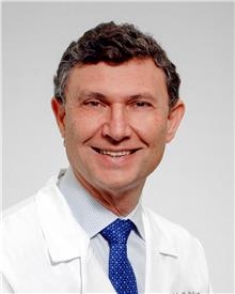 Mauricio Cohen合作论文数Department of Cardiovascular Medicine, Cleveland Clinic Florida72Chothani Ankit合作论文数MedStar Washington Hosp Ctr68
 Patel Nilay合作论文数Cardiovascular division, Saint Peter's University Hospital66Arora Shilpkumar合作论文数Mt Sinai St Lukes Roosevelt66
 Savani Ghanshyambhai T合作论文数Miller Sch Med, Univ Miami56Panaich Sidakpal S合作论文数Detroit Med Ctr, Detroit54
 Neeraj Shah合作论文数Department of Internal Medicine, Staten Island University Hospital46Mehta Kathan合作论文数From the Detroid Medical Center;MedStar Washington Hospital Center;UPMC Shadyside Hospital;Staten Island University Hospital;University of Arkansas;University of Miami Miller School of Medicine;Cedar-Sinai Medical Center;Henry Ford Hospital;and Texas Cardiac Arrhythmia Institute;University of Arkansas, Staten Island University Hospital44
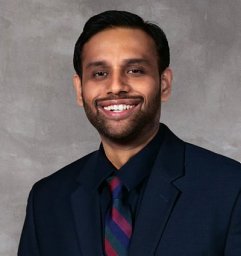 Grover Peeyush M合作论文数Jackson Memorial Hospital, University of Miami Miller School of Medicine43Ankit Rathod合作论文数42Thakkar Badal合作论文数Cardiovascular division, Tulane School of Public Health and Tropical Medicine39
 Carlos E. Alfonso合作论文数Miller School of Medicine, University of Miami36
 Chirag Savani合作论文数Cardiovascular Division, Detroit Medical Center31
 William O’Neill合作论文数Department of Bioengineering Engineering, College of Engineering, University of Illinois Cancer Center29
 Patel Achint合作论文数Department of Cardiology, Mount Sinai Hospital26Cindy L. Grines合作论文数26Eduardo De Marchena合作论文数Medical Service, Veterans Affairs Medical Center26
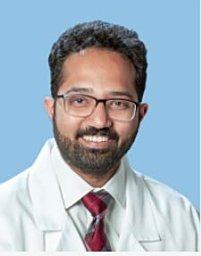 Parth Bhatt合作论文数Cardiovascular Division, Tulane School of Public Health and Tropical Medicine24
 John Forrest合作论文数Cardiovascular Medicine, Internal Medicine, Yale School of Medicine, Yale University23
 Sunny Jhamnani合作论文数23
 Claudia A Martinez合作论文数21
 Michael Cleman合作论文数Cardiovascular Medicine, Internal Medicine, Yale School of Medicine, Yale University19
 Lahewala Sopan合作论文数Department of Cardiology, Mount Sinai Hospital19Raul D. Mitrani合作论文数University of Miami School of Medicine18William W. O'Neill合作论文数17Manvar Sohilkumar合作论文数17Bhalara Vipulkumar合作论文数From the Detroid Medical Center;MedStar Washington Hospital Center;UPMC Shadyside Hospital;Staten Island University Hospital;University of Arkansas;University of Miami Miller School of Medicine;Cedar-Sinai Medical Center;Henry Ford Hospital;and Texas Cardiac Arrhythmia Institute17
 Alan Heldman合作论文数Interdisciplinary Stem Cell Institute, University of Miami Leonard Miller School of Medicine17
 Syed Hadi Hasan合作论文数Institute of Technology, Banaras Hindu University17
 Theodore Schreiber合作论文数17Jay Patel合作论文数16Sadip Pant合作论文数16
 Rodrigo Mendirichaga合作论文数15Viles-Gonzalez Juan F合作论文数15
 Conrad J Macon合作论文数15
 Sonani Rajesh合作论文数Department of Immunohematology and Blood Transfusion, B J Medical College and Civil Hospital15
 Samir H. Patel合作论文数Biological Sciences, Stanford University15O'Neill Brian P合作论文数13
 Tamam Mohamad合作论文数13Nish Patel合作论文数12
 Tangade Pradeep合作论文数Professor &Department of Public Health Dentistry, Kothiwal Dental College and Research Centre;Department of Public Health Dentistry, Kothiwal Dental College and Research Centre12
 Abhijit Ghatak合作论文数Cardiology, Hartford Hospital12Samir V. Patel合作论文数11
 Daraksha Bano合作论文数Nano-Material Research Laboratory, Indian Institute of Technology (BHU),11
 Ankita Jain合作论文数Department of Public Health Dentistry, Teerthanker Mahaveer Dental College and Research Centre11Khalpada Dhaval合作论文数11




