Background: Non-ischemic dilated cardiomyopathy (NIDCM) responds variably to intramyocardial injection of mesenchymal stem cells (MSCs). We hypothesized that NIDCM genotype may influence responsiveness to MSC therapy and performed genotyping on all patients in the POSEIDON-DCM trial. Methods: POSEIDON-DCM patients (n = 34) underwent genetic sequence analysis and deletion/duplication testing. The results were classified as positive for pathological variants (PV+; n = 8), negative for any variants (V-; n = 6), or as variants of uncertain significance (VUS; n = 20). All outcomes of therapy were analysed for each category of genetic results. Findings: The 3 groups were indistinguishable at baseline with regard to ejection fraction (EF), demographics, medication use, or functional parameters. V- patients had an increase in EF at 12 months: +13.6% (IQR = +7.8%; +20.5%; p=0.002), compared with VUS (+6.5%; IQR = +0.9%, +11.1%; p=0.005) and PV+( -5.9%; IQR = -12.7%, +1.0; p = 0.2; p = 0.01 between groups). Six-minute walk distance improved in V- patients, but not in VUS and PV+. V- patients improved MLHFQ, compared to the other 2 groups, which did not improve over time. EPC-CFUs increased by 9.7+1.9 in V- (p = 0.009) compared to VUS and PV+ patients. V- patients had one-year survival (100%) compared with VUS (85%) and PV+ (40%; p = 0.015 log-rank). Similarly, MACE rates were lower in V- (0%) than PV+ (61.9%) or VUS (42.2%; p = 0.021 log-rank). Interpretation: Our findings support the concept that the genetic profile of NIDCM patients plays a role in responsiveness to MSC therapy, with V- patients more likely to benefit and the converse for PV+. This observation emphasizes the need for further genetic studies, because of important implications for the management of NIDCM syndromes. (C) 2019 Published by Elsevier B.V.
Background We examined the outcomes of older adults undergoing nontrans-femoral (non-TF) transcatheter aortic valve replacement (TAVR) procedures including trans-apical (TA), trans-aortic (TAo), trans-subclavian (TSub), and trans-carotid (TCa) techniques. Methods and Results Conclusion This is an observational study of all consecutive older patients who underwent non-TF TAVR for symptomatic severe AS with Edwards Sapien (ES), Medtronic CoreValve, ES3 or Lotus Valve at three centers in France and the United States from 04/2008 to 02/2017. Baseline characteristics and clinical outcomes were defined according to VARC-2 criteria. Of 857 patients who received TAVR, 172 (20%) had an alternative access procedure. Of these, 45 (26%) were TA, 67 (39%) TAo, 17 (10%) TSub, and 43 (25%) TCa procedures. The preference for non-TF access site was different between the two countries (US: TA 39%, TAo 52%, TSub 9%; TCa 0% vs. France: TA 9%, TAo 23%, TSub 11%, and TCa 57%, P-value < .001). Most patients who underwent TAo TAVR were older women (median age: TA 82, TAo 84, TSub 81, TCa 81, P-value = 0.043; female gender: TA 32 (27%), TAo 30 (55%), TSub 10 (41%), TCa 27 (37%), P-value = .021). The predicted Society of Thoracic Surgery risk of mortality was similar among groups (TA 7%, TAo 7%, TSub 6%, TCa 7%, P-value= .738). No differences were observed in the frequency of para-valvular leak, intra-procedural bleeding, vascular complications, conversion to open-heart surgery, or development of acute kidney injury. The highest in-hospital mortality was observed in the TAo group (TA 2%, TAo 15%, TSub 0%, TCa 2%, P-value = .014). However, hospital length of stay, one-month, and one-year mortality were similar among non-TF techniques. Although regional differences exist in the choice of alternative access techniques, centers with high technical expertise can provide a safe alternative to traditional TF TAVR. TAo TAVR was associated with higher in-hospital mortality than other non-TF approaches, and this may have reflected patient rather than procedural factors. All alternative access techniques had similar mortality rates and clinical outcomes at one-year follow-up. Trans-carotid access is safe and feasible compared to other non-TF access techniques.
Background: Impaired endogenous stem cell repair capacity is hypothesized to be a biologic basis of frailty. Therapies that restore regenerative capacity may therefore be beneficial. This Phase 1 study evaluated the safety and potential efficacy of intravenous, allogeneic, human mesenchymal stem cell (allo-hMSC)-based therapy in patients with aging frailty. Methods: In this nonrandomized, dose-escalation study, patients received a single intravenous infusion of allo-hMSCs: 20-million (n = 5), 100-million (n = 5), or 200-million cells (n = 5). The primary endpoint was incidence of any treatment-emergent serious adverse events measured at 1 month postinfusion. The secondary endpoints were functional efficacy domains and inflammatory biomarkers, measured at 3 and 6 months, respectively. Results: There were no treatment-emergent serious adverse events at 1-month postinfusion or significant donor-specific immune reactions during the first 6 months. There was one death at 258 days postinfusion in the 200-million group. In all treatment groups, 6-minute walk distance increased at 3 months (p =.02) and 6 months (p =.001) and TNF-alpha levels decreased at 6 months (p <.0001). Overall, the 100-million dose showed the best improvement in all parameters, with the exception of TNF-a, which showed an improvement in both the 100-and 200-million groups (p =.0001 and p =.0001, respectively). The 100-million cell-dose group also showed significant improvements in the physical component of the SF-36 quality of life assessment at all time points relative to baseline. Conclusions: Allo-hMSCs are safe and immunologically tolerated in aging frailty patients. Improvements in functional and immunologic status suggest that ongoing clinical development of cell-based therapy is warranted for frailty.
BACKGROUND The combination of autologous mesenchymal stem cells (MSCs) and cardiac stem cells (CSCs) synergistically reduces scar size and improves cardiac function in ischemic cardiomyopathy. Whereas allogeneic (allo-) MSCs are immunoevasive, the capacity of CSCs to similarly elude the immune system remains controversial, potentially limiting the success of allogeneic cell combination therapy (ACCT). OBJECTIVES This study sought to test the hypothesis that ACCT synergistically promotes cardiac regeneration without provoking immunologic reactions. METHODS Gttingen swine with experimental ischemic cardiomyopathy were randomized to receive transendocardial injections of allo-MSCs + allo-CSCs (ACCT: 200 million MSCs/1 million CSCs, n = 7), 200 million allo-MSCs (n = 8), 1 million allo-CSCs (n = 4), or placebo (Plasma-Lyte A, n = 6). Swine were assessed by cardiac magnetic resonance imaging and pressure volume catheterization. Immune response was tested by histologic analyses. RESULTS Both ACCT and allo-MSCs reduced scar size by -11.1 +/- 4.8% (p = 0.012) and -9.5 +/- 4.8% (p = 0.047), respectively. Only ACCT, but not MSCs or CSCs, prevented ongoing negative remodeling by offsetting increases in chamber volumes. Importantly, ACCT exerted the greatest effect on systolic function, improving the end-systolic pressure-volume relation (+0.98 +/- 0.41 mm Hg/ml; p = 0.016). The ACCT group had more phospho-histone H3+ (a marker of mitosis) cardiomyocytes (p = 0.04), and noncardiomyocytes (p = 0.0002) than did the placebo group in some regions of the heart. Inflammatory sites in ACCT and MSC-treated swine contained immunotolerant CD3(+)/CD25(+)/FoxP3(+) regulatory T cells (p < 0.0001). Histologic analysis showed absent to low-grade inflammatory infiltrates without cardiomyocyte necrosis. CONCLUSIONS ACCT demonstrates synergistic effects to enhance cardiac regeneration and left ventricular functional recovery in a swine model of chronic ischemic cardiomyopathy without adverse immunologic reaction. Clinical translation to humans is warranted. (C) 2017 by the American College of Cardiology Foundation.
BACKGROUND:Aging frailty, characterized by decreased physical and immunological functioning, is associated with stem cell depletion. Human allogeneic mesenchymal stem cells (allo-hMSCs) exert immunomodulatory effects and promote tissue repair. METHODS:This is a randomized, double-blinded, dose-finding study of intravenous allo-hMSCs (100 or 200-million [M]) vs placebo delivered to patients (n = 30, mean age 75.5 ± 7.3) with frailty. The primary endpoint was incidence of treatment-emergent serious adverse events (TE-SAEs) at 1-month postinfusion. Secondary endpoints included physical performance, patient-reported outcomes, and immune markers of frailty measured at 6 months postinfusion. RESULTS:No therapy-related TE-SAEs occurred at 1 month. Physical performance improved preferentially in the 100M-group; immunologic improvement occurred in both the 100M- and 200M-groups. The 6-minute walk test, short physical performance exam, and forced expiratory volume in 1 second improved in the 100M-group (p = .01), not in the 200M- or placebo groups. The female sexual quality of life questionnaire improved in the 100M-group (p = .03). Serum TNF-α levels decreased in the 100M-group (p = .03). B cell intracellular TNF-α improved in both the 100M- (p < .0001) and 200M-groups (p = .002) as well as between groups compared to placebo (p = .003 and p = .039, respectively). Early and late activated T-cells were also reduced by MSC therapy. CONCLUSION:Intravenous allo-hMSCs were safe in individuals with aging frailty. Treated groups had remarkable improvements in physical performance measures and inflammatory biomarkers, both of which characterize the frailty syndrome. Given the excellent safety and efficacy profiles demonstrated in this study, larger clinical trials are warranted to establish the efficacy of hMSCs in this multisystem disorder. CLINICAL TRIAL REGISTRATION:www.clinicaltrials.gov: CRATUS (#NCT02065245).
Rationale: Cell dose and concentration play crucial roles in phenotypic responses to cell-based therapy for heart failure. Objective: To compare the safety and efficacy of 2 doses of allogeneic bone marrow–derived human mesenchymal stem cells identically delivered in patients with ischemic cardiomyopathy. Methods and Results: Thirty patients with ischemic cardiomyopathy received in a blinded manner either 20 million (n=15) or 100 million (n=15) allogeneic human mesenchymal stem cells via transendocardial injection (0.5 cc per injection × 10 injections per patient). Patients were followed for 12 months for safety and efficacy end points. There were no treatment-emergent serious adverse events at 30 days or treatment-related serious adverse events at 12 months. The Major Adverse Cardiac Event rate was 20.0% (95% confidence interval [CI], 6.9% to 50.0%) in 20 million and 13.3% (95% CI, 3.5% to 43.6%) in 100 million ( P =0.58). Worsening heart failure rehospitalization was 20.0% (95% CI, 6.9% to 50.0%) in 20 million and 7.1% (95% CI, 1.0% to 40.9%) in 100 million ( P =0.27). Whereas scar size reduced to a similar degree in both groups: 20 million by −6.4 g (interquartile range, −13.5 to −3.4 g; P =0.001) and 100 million by −6.1 g (interquartile range, −8.1 to −4.6 g; P =0.0002), the ejection fraction improved only with 100 million by 3.7 U (interquartile range, 1.1 to 6.1; P =0.04). New York Heart Association class improved at 12 months in 35.7% (95% CI, 12.7% to 64.9%) in 20 million and 42.9% (95% CI, 17.7% to 71.1%) in 100 million. Importantly, proBNP (pro-brain natriuretic peptide) increased at 12 months in 20 million by 0.32 log pg/mL (95% CI, 0.02 to 0.62; P =0.039), but not in 100 million (−0.07 log pg/mL; 95% CI, −0.36 to 0.23; P =0.65; between group P =0.07). Conclusions: Although both cell doses reduced scar size, only the 100 million dose increased ejection fraction. This study highlights the crucial role of cell dose in the responses to cell therapy. Determining optimal dose and delivery is essential to advance the field, decipher mechanism(s) of action and enhance planning of pivotal Phase III trials. Clinical Trial Registration: URL: http://www.clinicaltrials.gov . Unique identifier: NCT02013674.
Transendocardial stem cell injection in patients with ischemic cardiomyopathy (ICM) improves left ventricular function and structure but has ill-defined effects on ventricular arrhythmias. We hypothesized that mesenchymal stem cell (MSC) implantation is not proarrhythmic. Post hoc analyses were performed on ambulatory ECGs collected from the POSEIDON and TAC-HFT trials. Eighty-eight subjects (mean age 61610 years) with ICM (mean EF 32.2% +/- 69.8%) received treatment with MSC (n=48), Placebo (n=21), or bone marrow mononuclear cells (BMC) (n=19). Heart rate variability (HRV) and ventricular ectopy (VE) were evaluated over 12 months. VE did not change in any group following MSC implantation. However, in patients with >= 1 VE run (defined as >= 3 consecutive premature ventricular complexes in 24 hours) at baseline, there was a decrease in VE runs at 12 months in the MSC group (p=.01), but not in the placebo group (p=.07; intergroup comparison: p=.18). In a subset of the MSC group, HRV measures of standard deviation of normal intervals was 75 +/- 30 msec at baseline and increased to 87 +/- 32 msec (p =.02) at 12 months, and root mean square of intervals between successive complexes was 36630 msec and increased to 58.2 +/- 50 msec (p=.01) at 12 months. In patients receiving MSCs, there was no evidence for ventricular proarrhythmia, manifested by sustained or nonsustained ventricular ectopy or worsened HRV. Signals of improvement in ventricular arrhythmias and HRV in the MSC group suggest a need for further studies of the antiarrhythmic potential of MSCs.
Frailty is a syndrome associated with reduced physiological reserves that increases an individual's vulnerability for developing increased morbidity and/or mortality. While most clinical trials have focused on exercise, nutrition, pharmacologic agents, or a multifactorial approach for the prevention and attenuation of frailty, none have studied the use of cell-based therapies. We hypothesize that the application of allogeneic human mesenchymal stem cells (allo-hMSCs) as a therapeutic agent for individuals with frailty is safe and efficacious. The CRATUS trial comprises an initial non-blinded phase I study, followed by a blinded, randomized phase I/II study (with an optional follow-up phase) that will address the safety and pre-specified beneficial effects in patients with the aging frailty syndrome. In the initial phase I protocol, allo-hMSCs will be administered in escalating doses via peripheral intravenous infusion (n=15) to patients allocated to three treatment groups: Group 1 (n=5, 20 million allo-hMSCs), Group 2 (n=5, 100 million allo-hMSCs), and Group 3 (n=5, 200 million allo-hMSCs). Subsequently, in the randomized phase, allo-hMSCs or matched placebo will be administered to patients (n=30) randomly allocated in a 1:1:1 ratio to one of two doses of MSCs versus placebo: Group A (n=10, 100 million allo-hMSCs), Group B (n=10, 200 million allo-hMSCs), and Group C (n=10, placebo). Primary and secondary objectives are, respectively, to demonstrate the safety and efficacy of allo-hMSCs administered in frail older individuals. This study will determine the safety of intravenous infusion of stem cells and compare phenotypic outcomes in patients with aging frailty.
BACKGROUND Although human mesenchymal stem cells (hMSCs) have been tested in ischemic cardiomyopathy, few studies exist in chronic nonischemic dilated cardiomyopathy (NIDCM).OBJECTIVES The authors conducted a randomized comparison of safety and efficacy of autologous (auto) versus allogeneic (allo) bone marrow-derived hMSCs in NIDCM.METHODS Thirty-seven patients were randomized to either allo-or auto-hMSCs in a 1:1 ratio. Patients were recruited between December 2011 and July 2015 at the University of Miami Hospital. Patients received hMSCs (100 million) by transendocardial stem cell injection in 10 left ventricular sites. Treated patients were evaluated at baseline, 30 days, and 3-, 6-, and 12-months for safety (serious adverse events [SAE]), and efficacy endpoints: ejection fraction, Minnesota Living with Heart Failure Questionnaire, 6-min walk test, major adverse cardiac events, and immune biomarkers.RESULTS There were no 30-day treatment-emergent SAEs. Twelve-month SAE incidence was 28.2% with allo-hMSCs versus 63.5% with auto-hMSCs (p = 0.1004 for the comparison). One allo-hMSC patient developed an elevated (>80%) donor-specific calculated panel reactive antibody level. The ejection fraction increased in allo-hMSC patients by 8.0 percentage points (p = 0.004) compared with 5.4 with auto-hMSCs (p = 0.116; allo vs. auto p = 0.4887). The 6-min walk test increased with allo-hMSCs by 37.0 m (p = 0.04), but not auto-hMSCs at 7.3 m (p = 0.71; auto vs. allo p = 0.0168). MLHFQ score decreased in allo-hMSC (p = 0.0022) and auto-hMSC patients (p = 0.463; auto vs. allo p = 0.172). The major adverse cardiac event rate was lower, too, in the allo group (p = 0.0186 vs. auto). Tumor necrosis factor-a decreased (p = 0.0001 for each), to a greater extent with allo-hMSCs versus auto-hMSCs at 6 months (p = 0.05).CONCLUSIONS These findings demonstrated safety and clinically meaningful efficacy of allo-hMSC versus auto-hMSC in NIDCM patients. Pivotal trials of allo-hMSCs are warranted based on these results. (Percutaneous Stem Cell Injection Delivery Effects on Neomyogenesis in Dilated Cardiomyopathy [PoseidonDCM]; NCT01392625) (C) 2017 The Authors. Published by Elsevier on behalf of the American College of Cardiology Foundation.
An important stage in the development of any new therapeutic agent is establishment of the optimal dosage and route of administration. This can be particularly challenging when the treatment is a biologic agent that might exert its therapeutic effects via complex or poorly understood mechanisms. Multiple preclinical and clinical studies have shown paradoxical results, with inconsistent findings regarding the relationship between the cell dose and clinical benefit. Such phenomena can, at least in part, be attributed to variations in cell dosing or concentration and the route of administration (ROA). Although clinical trials of cell-based therapy for cardiovascular disease began more than a decade ago, specification of the optimal dosage and ROA has not been established. The present review summarizes what has been learned regarding the optimal cell dosage and ROA from preclinical and clinical studies of stem cell therapy for heart disease and offers a perspective on future directions. Significance: Preclinical and clinical studies on cell-based therapy for cardiovascular disease have shown inconsistent results, in part because of variations in study-specific dosages and/or routes of administration (ROA). Future preclinical studies and smaller clinical trials implementing cell-dose and ROA comparisons are warranted before proceeding to pivotal trials.
Electrocardiographic conduction abnormalities following transcatheter aortic valve replacement (TAVR) with the Edwards-Sapien valve (ESV) are not uncommon and may be transient. We sought to examine the clinical time-course of conduction abnormalities after TAVR with ESV and determine risk factors for persistent abnormalities.
OBJECTIVE:Evaluate the use of mechanical circulatory support (MCS) devices in high-risk patients undergoing transcatheter aortic valve replacement (TAVR).BACKGROUND:The use of MCS devices in elderly patients with multiple comorbidities undergoing TAVR is underexplored.METHODS:All patients undergoing TAVR at a single tertiary academic center who required MCS during index procedure between 2008 and 2015 were included in a prospective database.RESULTS:MCS was used in 9.4% (54/577) of all TAVRs (n = 52 Edwards Sapien and n = 2 CoreValves) of which 68.5% (n = 37) were used as part of a planned strategy, and 31.5% (n = 17) were used in emergency "bail-out" situations. IABP was the most commonly used device (87%) followed by Impella and ECMO (6% each). Among the MCS group, 22% required cardiopulmonary resuscitation during the procedure (n = 4 elective [11%] vs. n = 8 emergent [47%]) and 15% upgrade to a second device (Impella or CPB after IABP; n = 5 elective [14%] vs. n = 3 emergent [18%]). Median duration of support was 1-day. Device related complications were low (4%). In-hospital mortality in this extremely high-risk population was 24% (13/54) (11% [4/37] for elective cases and 53% [9/17] for emergency cases). Cardiogenic shock (50%) was the most common cause of in-hospital death. Cumulative all-cause 1-year mortality was 35% (19/54) (19% 97/370 for elective and 71% [12/17] for emergency cases).CONCLUSION:Emergent use of MCS during TAVR in extremely high-risk population is associated with high short and long-term mortality rates. Early identification of patients at risk for hemodynamic compromise may rationalize elective utilization of MCS during TAVR.
Coronary obstruction following transcatheter aortic valve replacement (TAVR) is a dreaded complication which occurs in less than 1% of the procedures. Temporary hemodynamic support may be required in cases of hemodynamic collapse while performing a high-risk percutaneous coronary intervention in these patients. A challenging case is described where emergent percutaneous biventricular support (Tandem Heart for right ventricular support and Impella CPTM for left ventricular support) was used as a bridge to recovery in a patient with coronary obstruction during TAVR with the Edwards SAPIEN prosthesis.
Introduction: We sought to describe changes in left ventricular ejection fraction (LVEF) after TAVR procedures. Methods: This is an observational study from 04/2008 to 06/2015 of all consecutive adults who received TAVR for severe symptomatic AS with Edwards Sapien or Medtronic CoreValve at two tertiary academic centers in USA and France. Results: Of 765 patients who received TAVR, 716 (94%) had follow-up echocardiography. Of those, 513 (72%), 143 (20%), 60 (8%) had a baseline EF>50%, EF 30-49%, and EF<30, respectively. Patients with EF < 30% were more likely to be Hispanic males. There were no differences in age, CVD risk factors, or history of multivessel coronary disease among groups. Patients with EF<30% were more likely to have AICD implantation and paced rhythm. All groups had similar rates of IABP insertion for hemodynamic support (EF≥50%: 6%, EF<30-49%: 9%, EF<30: 5%, p=0.544), procedural success (EF≥50%: 94%, EF<30-49%: 97%, EF<30: 98%, p=0.180), in-hospital mortality, procedural complications, and complete heart block. However, one-year all-cause-mortality was higher if baseline LV systolic function was abnormal (EF≥50%: 6%, EF<30-49%: 14%, EF<30: 9%, p=0.036). On 30-day follow-up echocardiography, absolute improvement in LVEF was highest among patients with EF<30% (Figure 1). If baseline LVEF was reduced, unchanged or improved mitral regurgitation were associated with improved LV function on follow-up (Figure 2). Conclusion: Transcatheter treatment of severe symptomatic AS is safe and feasible, even in patients with LVEF<30%. Most patients with LVEF<50% had increased EF after TAVR procedures.
The transcatheter treatment of paravalvular leaks (PVL) are technically challenging procedures; they pose increasing difficulty in cases where there is a stentless valve, without the usual fluoroscopic landmarks. Hence, there is limited experience in treating this defect percutaneously. We present a case of a patient with an aortic PVL of a stentless valve and how the integrated use of multi-imaging modalities (transesophageal echocardiography, computed tomography and rotational angiography) allowed the demarcation of landmarks onto live fluoroscopy and guided the transcatheter occlusion of the PVL.
New interventional techniques have made transcatheter closure of aortic paravalvular leaks a viable therapeutic option to treat the sequelae of these defects, including congestive heart failure and hemolysis. We report the transcatheter closure of an aortic paravalvular leak via a combined retrograde/antegrade approach. This was necessary because of difficulty in crossing the defect with a sheath from the retrograde approach. This technique might be useful in application to other difficult structural heart interventions. To our knowledge, this is the first report of a treated paravalvular leak around a Mitroflow(®) Aortic Pericardial Heart Valve.
A 61-year-old female was evaluated because of severe symptomatic mitral regurgitation. She was found to have a foreign body in the heart by cardiac catheterization. Through a retrospective review of serial imaging studies, we found that a hypodermic needle had been retained in the body from a prior abdominal wall surgery and had subsequently migrated to the heart. During surgical mitral valve replacement the needle was identified and removed. We demonstrate the trajectory of this foreign body from the abdominal wall into the heart.
BACKGROUND Both bone marrow-derived mesenchymal stem cells (MSCs) and c-kit(+) cardiac stem cells (CSCs) improve left ventricular remodeling in porcine models and clinical trials. Using xenogeneic (human) cells in immunosuppressed animals with acute ischemic heart disease, we previously showed that these 2 cell types act synergistically.OBJECTIVES To more accurately model clinical applications for heart failure, this study tested whether the combination of autologous MSCs and CSCs produce greater improvement in cardiac performance than MSCs alone in a non-immunosuppressed porcine model of chronic ischemic cardiomyopathy.METHODS Three months after ischemia/reperfusion injury, Gottingen swine received transendocardial injections with MSCs alone (n = 6) or in combination with cardiac-derived CSCs (n = 8), or placebo (vehicle; n = 6). Cardiac functional and anatomic parameters were assessed using cardiac magnetic resonance at baseline and before and after therapy.RESULTS Both groups of cell-treated animals exhibited significantly reduced scar size (MSCs -44.1 +/- 6.8%; CSC/MSC -37.2 +/- 5.4%; placebo -12.9 +/- 4.2%; p < 0.0001), increased viable tissue, and improved wall motion relative to placebo 3 months post-injection. Ejection fraction (EF) improved (MSCs 2.9 +/- 1.6 EF units; CSC/MSC 6.9 +/- 2.8 EF units; placebo 2.5 +/- 1.6 EF units; p = 0.0009), as did stroke volume, cardiac output, and diastolic strain only in the combination-treated animals, which also exhibited increased cardiomyocyte mitotic activity.CONCLUSIONS These findings illustrate that interactions between MSCs and CSCs enhance cardiac performance more than MSCs alone, establish the safety of autologous cell combination strategies, and support the development of second-generation cell therapeutic products. (C) 2015 by the American College of Cardiology Foundation.
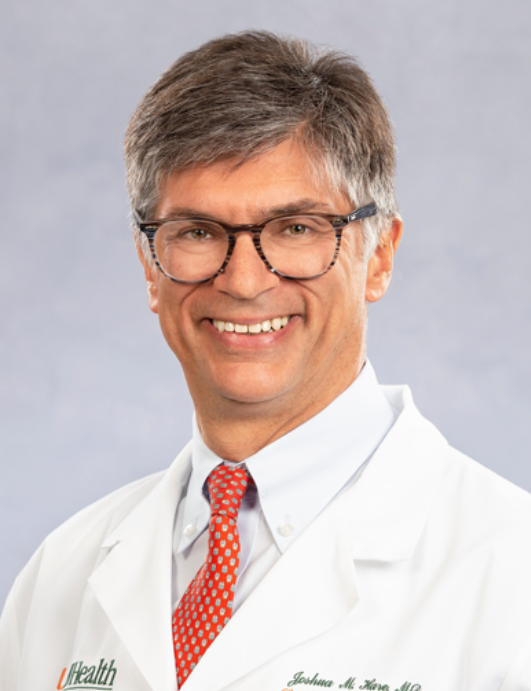 Joshua M. Hare合作论文数Interdisciplinary Stem Cell Institute, Miller School of Medicine, University of Miami;Division of Cardiovascular Medicine, Department of Medicine, Miller School of Medicine, University of Miami51
 Mauricio Cohen合作论文数Department of Cardiovascular Medicine, Cleveland Clinic Florida36
 Carlos E. Alfonso合作论文数Miller School of Medicine, University of Miami34
 Claudia A Martinez合作论文数29
 Juan P Zambrano合作论文数25
 O'Neill Brian P合作论文数24
 Jeffrey A. Brinker合作论文数Catheterization Laboratory, Department of Medicine, Johns Hopkins University School of Medicine23Williams Donald B合作论文数20
 William O’Neill合作论文数Department of Bioengineering Engineering, College of Engineering, University of Illinois Cancer Center20
 Darcy L Difede合作论文数18Adam Mendizabal合作论文数18
 Muzammil Mushtaq合作论文数17
 Vikas Singh合作论文数Cardiovascular division, University of Miami Miller School of Medicine17Suncion Viky Y合作论文数17McNiece Ian K合作论文数15Adam Williams合作论文数14Joel E. Fishman合作论文数Department of Radiology, University of Miami Center for Medical Imaging and Medical Informatics14Golpanian Samuel合作论文数13
 Vasileios Karantalis合作论文数Department of Cardiology, Patras University Hospital13
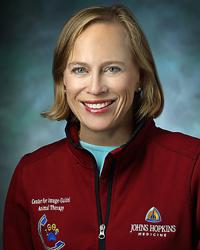 Dara Kraitchman合作论文数Johns Hopkins School of Medicine12
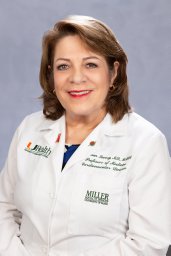 Maureen H. Lowery合作论文数Department of Medicine, University of Miami School of Medicine12Raul D. Mitrani合作论文数University of Miami School of Medicine12
 Ivonne Hernandez Schulman合作论文数Nephrology-Hypertension Section, Miami Veterans Affairs Healthcare System12Jm Hare合作论文数11
 Albert C. Lardo合作论文数Ellsworth Equities;Ellsworth Capital Partners;HeartMetrics11
 John Byrnes合作论文数Department of Internal Medicine, University of Miami Miller School of Medicine11
 Abdulla Damluji合作论文数11Karl H. Schuleri合作论文数Johns Hopkins University11William W. O'Neill合作论文数10Oskouei Behzad N合作论文数10
 Conrad J Macon合作论文数10Pradip M. Pattany合作论文数Department of Radiology, University of Miami Center for Medical Imaging and Medical Informatics10
 Eduard Ghersin合作论文数10Gary S. Feigenbaum合作论文数9
 Ergin Atalar合作论文数Department of Electrical and Electronics Engineering, Bilkent University;National Magnetic Resonance Research Center, Bilkent University9Luciano C. Amado合作论文数9Eduardo De Marchena合作论文数Medical Service, Veterans Affairs Medical Center9Mauro Moscucci合作论文数9Peter Altman合作论文数8
 David A Bluemke合作论文数Department of Radiology, School of Medicine and Public Health, University of Wisconsin- Madison;Department of Medical Physics, School of Medicine and Public Health, University of Wisconsin- Madison8
 Andrew Boyle合作论文数School of Medicine and Public Health, University of Newcastle8
 Roger Carrillo合作论文数8
 Konstantinos E. Hatzistergos合作论文数8Jose E. Rodriguez合作论文数7Jose Da Silva合作论文数7Jac Lima合作论文数7Courtney Premer合作论文数7Velazquez Darcy L合作论文数7
 Frederic C Mccall合作论文数7




