Background: Acute coronary syndrome (ACS) hospital admissions decreased during the start of the COVID-19 outbreak. Information is limited on how Google searches were related to patients ' behaviour during this time. Methods: We examined de-identi fi ed data from 2019 through 2020 regarding the following monthly items: (i) admissions for ACS from the Veterans Affairs Healthcare System; (ii) out-of-hospital cardiac arrest (OHCA) from the National Emergency Medical Services Information System (NEMSIS) public dataset; and (iii) Google searches for " chest pain, " " coronavirus, " " chest pressure, " and " hospital safe " from Google Trends. We analyzed the trends for ACS admissions, OHCA, and Google searches. Results: During the early months of the fi rst COVID-19 outbreak, the following occurred: (i) Veterans Affairs data showed a signi fi cant reduction in ACS admissions at a national and regional (Florida) level; (ii) the NEMSIS database showed a marked increase in OHCA at a national level; and (iii) Google Trends showed a signi fi cant increase in the before-mentioned Google searches at a national and regional level. Conclusions: ACS hospital admissions decreased during the beginning of the pandemic, likely owing to delayed healthcare utilization secondary to patients fear of acquiring a COVID-19 infection. Concordantly, the volume of Google searches for hospital safety and ACS symptoms increased, along with OHCA events, during the same time. Our results suggest that Google Trends may be a useful tool to predict patients ' behaviour and increase preparedness for future events, but statistical strategies to establish association are needed.
Septal Myectomy (SM) and Alcohol Septal Ablation (ASA) improve symptoms in patients with Hypertrophic Cardiomyopathy with outflow tract obstruction (oHCM). However, outcomes data in this population is predominantly from specialized centers. The National Inpatient Database was queried from 2011 to 2019 for relevant international classification of diseases (ICD)-9 and -10 diagnostic and procedural codes. We compared baseline characteristics and in-hospital outcomes of patients with oHCM who underwent SM vs ASA. A p-value < 0.001 was considered statistically significant. We identified 15,119 patients with oHCM who underwent septal reduction therapies, of whom 57.4% underwent SM, and 42.6% underwent ASA. Patients who underwent SM had higher all-cause mortality (OR: 1.8 (1.3–2.5)), post-procedure ischemic stroke (OR: 2.3 (1.7–3.2)), acute kidney injury (OR: 1.4 (1.2–1.7)), vascular complications (OR: 3.6 (2.3–5.3)), ventricular septal defect (OR: 4.4 (3.2–6.1)), cardiogenic shock (OR: 1.7 (1.3–2.3)), sepsis (OR: 3.2 (1.9–5.4)), and left bundle branch block (OR: 3.5 (3–4)), compared to ASA. Patients who underwent ASA had higher post-procedure complete heart block (OR: 1.3 (1.1–1.4)), right bundle branch block (OR: 6.3 (5–7.7)), ventricular tachycardia (OR: 2.2 (1.9–2.6)), supraventricular tachycardia (OR: 1.6 (1.4–2)), and more commonly required pacemaker insertion (OR: 1.4 (1.3–1.7)) (p < 0.001 for all) compared to SM. This nationwide analysis evidenced that patients undergoing SM had higher in-hospital mortality and periprocedural complications than ASA; however, those undergoing ASA had more post-procedure conduction abnormalities and pacemaker implantation. The implications of these findings warrant further investigation regarding patient selection strategies for these therapies.
Background Frailty is a common geriatric syndrome often coexisting with cardiovascular diseases such as atrial fibrillation (AF) and heart failure (HF) with reduced ejection fraction (HFrEF). While catheter ablation (CA) has demonstrated efficacy in reducing major adverse cardiovascular events and improving mortality and quality of life, the influence of frailty among this population remains unknown. Objectives The authors aimed to identify the prevalence of frailty among patients with HFrEF and AF undergoing CA and its influence on cardiovascular mortality and discharge disposition. Methods From January 2016 to December 2019, we used the Nationwide Inpatient Sample to identify patients with AF and HFrEF. Frailty was identified by the presence of ≥1 diagnostic cluster utilizing the Johns Hopkins Adjusted Clinical Groups with malnutrition, dementia, impaired vision, decubitus ulcer, urinary incontinence, loss of weight, poverty, barriers to access to care, difficulty walking, and falls as indicators. We compared clinical outcomes among frail vs nonfrail patients, including all-cause in-hospital mortality, major adverse cardiovascular events, other major complications, discharge disposition, and hospital length of stay using multivariable regression analysis. Results Of 113,115 weighted admissions, 11,725 (10.4%) were classified as frail. Frail patients were older (median age: 76 [IQR: 15] years vs 70 [IQR: 15] years, P < 0.001) than nonfrail patients. Frailty was associated with increased odds of all-cause hospital mortality (adjusted odds ratio [aOR]: 2.64; 95% CI: 1.87-3.72; P < 0.001), major adverse cardiovascular events (aOR: 2.00; 95% CI: 1.62-2.47; P < 0.001), and nonhome discharge (aOR: 3.31; 95% CI: 2.78-3.94; P < 0.001). Frail patients also experienced longer hospital length of stay (median 9 [IQR: 10] days vs 5 [IQR: 5] days, P < 0.001) after adjustment by Poisson regression (coefficient: 0.53; 95% CI: 0.46-0.59; P < 0.001). Conclusions Frailty is associated with worse outcomes in patients with HFrEF undergoing CA for AF. The integration of frailty models in clinical practice may facilitate prognostication and risk stratification to optimize patient selection for CA.
Aims The Shock Academic Research Consortium (SHARC) recently proposed pragmatic consensus definitions to standardize classification of cardiogenic shock (CS) in registries and clinical trials. We aimed to describe contemporary CS epidemiology using the SHARC definitions in a cardiac intensive care unit (CICU) population. Methods and results The Critical Care Cardiology Trials Network (CCCTN) is a multinational research network of advanced CICUs coordinated by the TIMI Study Group (Boston, MA). Cardiogenic shock was defined as a cardiac disorder resulting in SBP < 90 mmHg for >= 30 min [or the need for vasopressors, inotropes, or mechanical circulatory support (MCS) to maintain SBP >= 90 mmHg] with evidence of hypoperfusion. Primary aetiologic categories included acute myocardial infarction-related CS (AMI-CS), heart failure-related CS (HF-CS), and non-myocardial (secondary) CS. Post-cardiotomy CS was not included. Heart failure-related CS was further subcategorized as de novo vs. acute-on-chronic HF-CS. Patients with both cardiogenic and non-cardiogenic components of shock were classified separately as mixed CS. Of 8974 patients meeting shock criteria (2017-23), 65% had isolated CS and 17% had mixed shock. Among patients with CS (n = 5869), 27% had AMI-CS (65% STEMI), 59% HF-CS (72% acute-on-chronic, 28% de novo), and 14% secondary CS. Patients with AMI-CS and de novo HF-CS were most likely to have had concomitant cardiac arrest (P < 0.001). Patients with AMI-CS and mixed CS were most likely to present in more severe shock stages (SCAI D or E; P < 0.001). Temporary MCS use was highest in AMI-CS (59%). In-hospital mortality was highest in mixed CS (48%), followed by AMI-CS (41%), similar in de novo HF-CS (31%) and secondary CS (31%), and lowest in acute-on-chronic HF-CS (25%; P < 0.001). Conclusion SHARC consensus definitions for CS classification can be pragmatically applied in contemporary registries and reveal discrete subpopulations of CS with distinct phenotypes and outcomes that may be relevant to clinical practice and future research.
A 67-year-old male presenting with an anterior ST-segment elevation myocardial infarction (STEMI) underwent stent placement in the left anterior descending coronary. The patient was discharged on an appropriate medical regimen containing dual antiplatelet therapy (DAPT). Four days later, the patient presented with repeat acute coronary syndrome symptomatology. Electrocardiogram demonstrated ongoing STEMI in the previously treated artery distribution. Emergency angiography revealed restenosis and total thrombotic occlusion. Post-intervention stenosis was 0% after aspiration thrombectomy and balloon angioplasty. Stent thrombosis is a high-mortality and therapeutically challenging condition requiring prepared clinicians who recognize predisposing risk factors and initiate early management.
Background: Pericardiocentesis in patients with Pulmonary Hypertension (PH) and pericardial effusions has unclear benefits, as it has been associated with acute hemodynamic collapse and increased mortality. Data on in-hospital outcomes in this population is limited. Aims. Describe pericardiocentesis-related patient characteristics and in-hospital outcomes in patients with PH versus without. Methods: The National Inpatient Sample database was used to identify adult patients undergoing pericardiocentesis during hospitalizations between 2016 and 2020. Data were stratified between patients with and without PH. A multivariate regression model was used to estimate the association of PH with pericardiocentesis in-hospital outcomes, adjusting for statistically significant comorbidities. Results: A total of 95,665 hospitalizations with a procedure diagnosis of pericardiocentesis were included, of which 7,770 had PH. Patients with PH tended to be older (67 ± 15.7) and female (56%), had significantly higher rates of hypertension (79% vs 66%, P<0.01), diabetes (26% vs 17%, P<0.01), chronic lung disease (32% vs 23%, P<0.01), chronic liver disease ( 15% vs 12%, P<0.01), CKD ( 44% vs 25%, P<0.01), and chronic heart failure (19% vs 10%, P<0.01). Pericardiocentesis in PH was associated with higher in-hospital all-cause mortality, post-procedure shock, cardiogenic shock, cardiac arrest, and mechanical circulatory support compared to patients without PH. Those presenting with cardiac tamponade had higher odds of mortality, post-procedural shock, and mechanical circulatory support (Figure 1) compared to patients without PH. All P values were < 0.001. Conclusion: PH was associated with higher mortality and a higher rate of cardiovascular complications in patients undergoing pericardiocentesis. Those presenting with tamponade had particularly worse outcomes. Further research on the outcomes of pericardiocentesis in these patients is needed.
Background: Up to 70% of patients with cardiogenic shock (CS) will survive hospitalization, yet studies on the outcomes of CS survivors are scarce. Hypothesis: We hypothesized that CS survivors would be at high risk of rehospitalization, particularly CS without acute myocardial infarction (AMI) who may have chronic heart failure (HF). Methods: We used the Nationwide Readmissions Database (NRD) to examine adult patients who were discharged alive after an index CS admission from 2016-2019. We compared demographic and clinical features during the index admission and the readmission mortality rate between the AMI-CS versus non-AMI-CS groups. We analyzed the cumulative hazard for all-cause readmission within 90 days after index hospitalization using Kaplan-Meier curves. Results: We included 134,793 survivors of CS hospitalization from 2016 to 2019 who were discharged to home or a long-term facility, including 43.9% with AMI-CS and 56.1% with non-AMI-CS. The demographics and clinical features differed between the AMI-CS and non-AMI-CS groups, with more HF and non-cardiac comorbidities in the non-AMI-CS group. The non-AMI-CS patients were more likely to be readmitted after discharge, with a higher 90-day readmission rate compared to the AMI-CS group (31.6% vs 25.9%, p <0.001; Figure). During the readmission, the non-AMI-CS group had a higher rate of repeat CS presentation compared to the AMI-CS group (8.9% vs.. 6.1%, p < 0.001). In-hospital mortality during readmission was higher in the non-AMI-CS group (8.6% vs.7.2%, p < 0.001). Conclusions: Nearly one-third of CS survivors require readmission within 90 days after their index hospitalization. Non-AMI-CS patients have a higher re-admission rate after their index hospitalization and worse outcomes during readmission. This analysis identifies an unmet need and an important opportunity to improve long-term outcomes for CS survivors.
This work evaluated the effect of air atmosphere packaging and modified atmosphere packaging on the quality and nutritional compounds of dried mistletoe leaves during 4 months of storage at 4 and 25 °C temperatures. Mistletoe leaves packaged with modified atmosphere had improved nutritional qualities overall as compared to mistletoe leaves packaged with atmosphere air. At the end of the storage period, water activity values of all samples increased by 0.72%–3.38%. Before storage, the dried mistletoe leaves' total phenolic content was determined to be 301.73 ± 2.49 mg GAE/100 g dry matter. The total phenolic content of the samples decreased by 62.00%–71.96% after four months of storage. It was determined that the highest loss of total phenolic content was observed at room temperature (25 °C) and in the samples packaged with normal atmospheric air. Total antioxidant activity values in MAP2 samples decreased by 23.82% after four months when kept at low temperatures, but the loss was calculated to be 34.48% in cases where they were kept at room temperature. Ascorbic acid content losses in AP, MAP1, and MAP2 samples kept at room temperature were 21.48%, 15.90%, and 14.72%, respectively. In the samples stored at low temperatures, these loss rates were calculated as 16.62%, 13.05%, and 12.05%, respectively. No single model was satisfactory for describing changes in ascorbic acid content, which could not be determined in the samples stored at both 4 °C and 25 °C. The dried mistletoe leaves modified atmosphere packed and stored at low temperatures provided the highest bioactive compound retention.
Introduction: Transcatheter aortic valve replacement (TAVR) is a well-recognized treatment for severe aortic stenosis. One potentially life-threatening complication of TAVR is infective endocarditis (IE). There is limited contemporary data on the clinical characteristics and outcomes of patients undergoing TAVR who develop in-hospital IE. Aim: Describe the clinical characteristics and outcomes of patients undergoing TAVR who develop in-hospital IE. Methods: The National Inpatient Sample Database was queried from 2016 to 2020 for relevant ICD-10 procedural and diagnostic codes. Baseline characteristics and in-hospital outcomes of adult (≥18 years) patients undergoing TAVR who developed in-hospital IE were compared to that of patients who did not develop IE. Multivariate logistic-regression analyses adjusting for age, race, gender, and statistically significant comorbidities between cohort's were performed. A p-value <0.05 was considered significant. Results: A total of 314,250 hospitalizations for patients undergoing TAVR were identified. Of them, 1065 (0.3%) developed in-hospital IE. Overall, mean age of IE patients was 70.3 ± 15.0. Patients were predominantly (62%) males and white (79.5%) ( Table 1) . IE patients had a higher risk of in-hospital all-cause mortality (adjusted odds ratio [95% CI]: 2.07 [1.50-2.86]), septic shock (3.73 [2.71-5.13]), acute respiratory failure (2.59 [2.19-3.06]), ischemic stroke (4.4 [3.48-5.51]), acute kidney injury (3.05 [2.61-3.57]), cardiac arrest (2.82 [1.83-4.37] and cardiogenic shock 3.70 [2.98-4.57]). All p values were <0.01. Conclusion: Patients undergoing TAVR who develop in-hospital IE had higher in-hospital complications when compared to those of patients who did not develop IE. Although the rate of in-hospital IE was low, the number of patients identified in the NIS database was sizable and the syndrome deserves investigation due to its associated complications.
There has been less emphasis on the prognostic impact of amyloidosis in patients with valvular heart disease (VHD). We aimed to determine the prevalence of amyloidosis in VHD and its clinical implications in terms of mortality. Patients hospitalized for VHD were identified using National Inpatient Sample 2016-2020 which were divided into 2 cohorts: with and without amyloidosis. Among 5,728,873 patients hospitalized with VHD, 11,715 patients had amyloidosis in which mitral valve disease has the highest prevalence (7.6%) followed by aortic (3.6%), and tricuspid valve disease (1%). Underlying amyloidosis is associated with higher mortality in VHD (OR 1.45, CI 1.2-1.7, P<0.001), mainly mitral valve disease (OR 1.44, CI 1.1-1.9, P<0.01). Patients with amyloidosis have higher adjusted mortality rates (5-6% vs 2.6%, P<0.01), longer mean length of stay (7.1 vs 5.7 days, P<0.001), but they have lower valvular intervention rates. In hospitalized VHD patients, underlying amyloidosis is associated with higher in-hospital mortality.
We describe a patient in whom this anomaly was diagnosed during cardiac catheterization for evaluation of progressive shortness of breath and mild to moderate mitral regurgitation founded on a transthoracic echocardiogram.A 58-year-old hypertensive female was evaluated for progressive shortness of breath. Her physical examination showed a regular heart rate and rhythm, with normal heart sounds with a holosystolic systolic murmur on the 4th intercostal midclavicular line on auscultation. Electrocardiography showed normal sinus rhythm and criteria and possible left ventricular hypertrophy. Stress Echocardiogram showed with no evidence of ischemia preserved left ventricular function with an ejection fraction of 55-60%, with mild to moderate mitral regurgitation. Patient underwent a coronary catheterization for persistent shortness of breath which indicated no evidence of obstructive coronary disease, normal left ventricular function with mild to moderate mitral insufficiency. Angiography of the right coronary artery showed a very large and tortuous artery that collateralizes into the left main system and supplies the entire left coronary artery system. The left main coronary origin was from the pulmonary artery. CTA confirmed the same findings. The recommendations between cardiology and cardiothoracic surgery were to maximize medical therapy and follow up due to lack of myocardial ischemia or severe valvular disease. Currently there are no guidelines or gold standard management for patients with adult form of ALCAPA that present without ischemic burden or for patients with the disease that present asymptomatic with significant coronary collateralization.
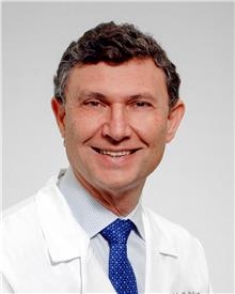 Mauricio Cohen合作论文数Department of Cardiovascular Medicine, Cleveland Clinic Florida79
 Eduardo De Marchena合作论文数Medical Service, Veterans Affairs Medical Center39
 Vikas Singh合作论文数Cardiovascular division, University of Miami Miller School of Medicine36
 Alan Heldman合作论文数Interdisciplinary Stem Cell Institute, University of Miami Leonard Miller School of Medicine34
 Claudia A Martinez合作论文数26O'Neill Brian P合作论文数23
 William O’Neill合作论文数Department of Bioengineering Engineering, College of Engineering, University of Illinois Cancer Center21Williams Donald B合作论文数20
 Abdulla Damluji合作论文数20Nish Patel合作论文数19Badheka Apurva O合作论文数Miller Sch Med, Univ Miami19
 Nileshkumar Patel合作论文数Icahn School of Medicine at Mount Sinai19Mauro Moscucci合作论文数17
 Conrad J Macon合作论文数15Thakkar Badal合作论文数Cardiovascular division, Tulane School of Public Health and Tropical Medicine14
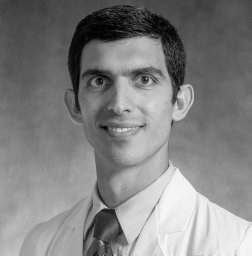 Cardoso Rhanderson N合作论文数Department of Internal Medicine/Cardiology, University of Miami/Jackson Memorial Hospital14Arora Shilpkumar合作论文数Mt Sinai St Lukes Roosevelt12
 Daniel Costa Garcia合作论文数Ochsner Medical Center12
 Patel Nilay合作论文数Cardiovascular division, Saint Peter's University Hospital11Deshmukh Abhishek合作论文数Department of Cardiovascular Medicine, Mayo Clinic9
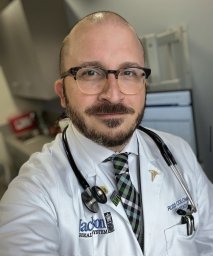 Colombo Rosario A合作论文数9
 Savani Ghanshyambhai T合作论文数Miller Sch Med, Univ Miami8
 Mohammad M. Ansari合作论文数8
 Roger Carrillo合作论文数8
 Rodrigo Mendirichaga合作论文数7Chothani Ankit合作论文数MedStar Washington Hosp Ctr7Magdalena Murman合作论文数7Cindy L. Grines合作论文数7
 Abhijit Ghatak合作论文数Cardiology, Hartford Hospital7Raul D. Mitrani合作论文数University of Miami School of Medicine7Alexis Rodriguez合作论文数6William O'Neill合作论文数6Vanessa Blumer合作论文数Duke University Medical Center6William W. O'Neill合作论文数6
 Deepak L. Bhatt合作论文数Icahn School of Medicine, Mount Sinai;Mount Sinai Fuster Heart Hospital6Panaich Sidakpal S合作论文数Detroit Med Ctr, Detroit6Chaparro Sandra V合作论文数Department of Medicine, University of Miami Miller School of Medicine6
 Hernandez Gabriel Antonio合作论文数Miller School of Medicine, University of Miami6
 Samin K. Sharma合作论文数Cardiovascular Clinical Institute, Mount Sinai Hospital;Mount Sinai Heart Network, Mount Sinai Hospital;Eternal Heart Care Center, Eternal Hospital;Department of Cardiology, Eternal Hospital6
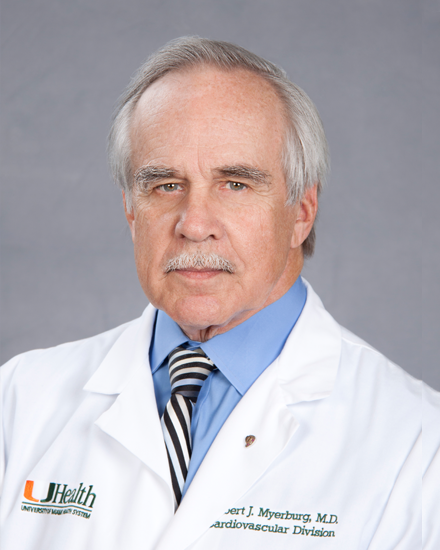 Robert J. Myerburg合作论文数Division of Cardiovascular Medicine, Department of Medicine, Miller School of Medicine, University of Miami6
 Igor Palacios合作论文数Knight Catheterization Laboratory, Massachusetts General Hospital;Department of Medicine, Harvard Medical School6Alexandre Ferreira合作论文数5
 Louis Vincent合作论文数Department of Internal Medicine, University of Miami/Jackson Memorial Hospital5Bertrand Ebner合作论文数5Alejandro Lemor合作论文数5
 Parth Bhatt合作论文数Cardiovascular Division, Tulane School of Public Health and Tropical Medicine5Gomez Camilo合作论文数Department of Surgery and Vascular Biology Institute, University of Miami Miller School of Medicine5Martinez Clark Pedro合作论文数5Lionel Leroux合作论文数5




