Human radical S-adenosyl-l-methionine domain-containing 1 (hRSAD1) is a recently discovered mitochondrial protein that plays an important yet not fully understood role in cellular function. hRSAD1 belongs to the large and diverse radical S-adenosyl-l-methionine (SAM) superfamily of enzymes that utilize a redox-active [4Fe-4S] cluster and SAM to initiate radical catalysis. In addition, hRSAD1 harbors a putative heme-binding domain. hRSAD1 was expressed in E. coli and purified to homogeneity. The purified hRSAD1 was reconstituted with a [4Fe-4S]2+ cluster that could be reduced to the [4Fe-4S]+ state, and was characterized using UV-visible and EPR spectroscopy. The ability of hRSAD1 to bind porphyrins was evaluated, revealing that protoporphyrin IX (PPIX) and its metal analogs, including Fe(II)-PPIX, Fe(III)-PPIX, and Zn(II)-PPIX, bind to the reconstituted hRSAD1-[4Fe-4S] protein. The association constant (KA) for Fe(III)-PPIX was determined using UV-visible and fluorescence spectroscopy to be (1.6 ± 0.3) × 106 M-1. Additionally, the hRSAD1-[4Fe-4S]-heme complex binds oxygen, carbon monoxide, and cyanide. These findings suggest that hRSAD1 may play a significant role in heme-related metabolic processes.
Radical S-adenosyl-l-methionine (SAM) enzymes figure prominently in the formation of ribosomally synthesized and posttranslationally modified peptides (RiPPs), where they catalyze peptide modifications including epimerization, thioether crosslink formation, and peptide backbone splicing. Here, we use rapid freeze-quench trapping together with electron paramagnetic resonance and electron-nuclear double resonance techniques to probe the mechanistic steps of the two epimerization reactions catalyzed by the radical SAM enzyme EpeE during conversion of its peptide substrate to the epipeptide natural product. Use of the EpeE C223S variant facilitated trapping and characterization of Cα radical intermediates, supporting a central role for C223 in the proposed epimerization mechanism. We showed that both wild-type and C223S EpeE with bound SAM and peptide substrate form the organometallic intermediate Ω upon reaction, and that thermal annealing of Ω results in conversion to an organic radical intermediate. Freeze-quenching at longer times allowed us to directly trap the organic radical intermediate, and isotopic labeling together with use of substrate variants allowed for detailed characterization of the substrate radical intermediates. The results revealed that while LC-MS enzymatic assays point to Ile12 as the initial site of epimerization, freeze-quench EPR reveals that Val4 is the preferred site for initial Cα radical formation. These apparently conflicting results were resolved by the observation that the Ile12 Cα radical is more efficiently quenched to form the d-Ile, thus providing insights into the determinants for substrate binding and epimerization by EpeE.
The [FeFe]-hydrogenase employs an active-site 6Fe H-cluster to catalyze the reversible reduction of protons to H2. A [4Fe-4S] subcluster of the H-cluster is synthesized by housekeeping iron-sulfur cluster assembly machinery, and then dedicated hydrogenase maturation enzymes, together with components of the glycine cleavage system, build and deliver a [2Fe] subcluster to generate the full H-cluster. Here, we report that the Escherichia coli iron-sulfur carrier protein NfuA supports in vitro maturation of fully active [FeFe]-hydrogenase, with H2 production rates comparable to that of the in vivo-matured Chlamydomonas reinhardtii [FeFe]-hydrogenase (CrHydA). Inclusion of NfuA in the in vitro maturation process improves its efficacy by delivering the iron essential for formation of the [FeII(cys)(CN)(CO)2]- synthon at the dangler iron site of the HydG auxiliary cluster. NfuA serves an additional role in reconstituting and maintaining the catalytically essential iron-sulfur clusters on the maturase enzymes HydE, HydF, and HydG. Further inclusion of a high CO affinity myoglobin variant (MbH64L) sequesters free CO generated during the maturation process, minimizing formation of the CO-inhibited Hox-CO enzyme state, significantly increasing hydrogenase activity. The addition of NfuA and MbH64L to the fully defined maturation system thus results in an in vitro [FeFe]-hydrogenase maturation system that generates highly active enzyme while providing insights into factors important to in vivo maturation.
Radical S-adenosyl methionine enzymes catalyze a diverse repertoire of post-translational modifications in protein and peptide substrates. Among these, an exceptional and mechanistically obscure example is the installation of α-keto-β-amino acid residues by formal excision of a tyrosine-derived tyramine unit. The responsible spliceases are key maturases in a widespread family of natural products termed spliceotides that comprise potent protease inhibitors, with the installed β-residues being crucial for bioactivity. Here, we established the in vitro activity of the model splicease PcpXY to interrogate the mechanism of non-canonical protein splicing. Identification of shunt and coproducts, deuterium labeling studies, and density functional theory energy calculations of hypothesized intermediates support a mechanism involving hydrogen abstraction at tyrosine Cα as the initial site of peptide radical formation and release of 4-hydroxybenzaldehyde as the tyrosine-derived coproduct. The data illuminate key features of this unprecedented radical-mediated biotransformation yielding ketoamide pharmacophores that are also present in peptidomimetic therapeutics.
The organometallic H-cluster of the [FeFe]-hydrogenase is assembled in vivo through a complex process requiring the action of three dedicated maturation enzymes, HydG, HydE, and HydF, as well as the aminomethyl-lipoyl-H-protein (Hmet) of the glycine cleavage system (GCS). Here we probe the role of HydF and its [4Fe-4S] cluster in [FeFe]-hydrogenase maturation by using a defined semisynthetic approach in which [FeI2(μ-SH)2(CO)4(CN)2]2- ([2Fe]E) is used to bypass HydE and HydG, and GCS components are used in place of cell lysate. We show that inclusion of the iron-sulfur carrier protein NfuA and the high-CO-affinity myoglobin variant MbH64L provides dramatically improved hydrogenase activities up to 828 μmol/min/mg, equivalent to the best reported activities for Chlamydomonas reinhardtii [FeFe]-hydrogenase isolated from the native organism. Apo-HydF lacking a [4Fe-4S] cluster provides very little hydrogenase activity; however, full maturation is restored with the addition of NfuA, which we demonstrate reconstitutes the [4Fe-4S] cluster of HydF. In addition, a HydF variant lacking a [4Fe-4S] cluster by changing two cysteine ligands to alanine is completely unable to support either semisynthetic maturation using [2Fe]E, or full maturation using HydG and HydE, even in the presence of NfuA, demonstrating that the HydF [4Fe-4S] cluster is absolutely essential for [FeFe]-hydrogenase maturation. The possibility that the HydF [4Fe-4S] cluster plays a role in direct binding of [2Fe]E is negated by our results with the HydFD311C variant, which demonstrate that the labile Asp311 cluster ligand is not essential for [2Fe]E binding and HydA maturation. We therefore conclude that [2Fe]E binds HydF adjacent to, but not directly coordinated to, the [4Fe-4S] cluster. The HydF [4Fe-4S] cluster is proposed to be essential due to its impact on the [2Fe]E binding orientation and the ability of the HydF/[2Fe]E complex to form productive interactions with Hmet or the Hmet/T-protein complex during DTMA ligand biosynthesis.
Methanogenic archaea are particularly rich in iron-sulfur proteins, yet their roles remain largely enigmatic. Here, we characterized a Methanococcus voltae (Mvo) protein from the domain of unknown function (DUF) 2193 family, a group of proteins present primarily in archaea and characterized by a conserved cysteine-rich C-terminal motif. MvoDUF2193 was heterologously expressed and characterized by a range of spectroscopic and analytical methods. The results demonstrate that MvoDUF2193 binds a single [4Fe-4S] cluster per subunit and that cluster occupancy regulates the transition from an apo tetramer to a [4Fe-4S] monomeric form. We hypothesize that MvoDUF2193 serves a regulatory role in the cell, mediated by [Fe-S] cluster binding and changes in oligomeric state.
OspD is a radical S-adenosyl-l-methionine (SAM) peptide epimerase that converts an isoleucine (Ile) and valine (Val) of the OspA substrate to d-amino acids during biosynthesis of the ribosomally synthesized and post-translationally modified peptide (RiPP) natural product landornamide A. OspD is proposed to carry out this reaction via alpha-carbon (C alpha) H-atom abstraction to form a peptidyl C alpha radical that is stereospecifically quenched by hydrogen atom transfer (HAT) from a conserved cysteine (Cys). Here we use site-directed mutagenesis, freeze-quench trapping, isotopic labeling, and electron paramagnetic resonance (EPR) spectroscopy to provide new insights into the OspD catalytic mechanism including the direct observation of the substrate peptide C alpha radical intermediate. The putative quenching Cys334 was changed to serine to generate an OspD C334S variant impaired in HAT quenching. The reaction of reduced OspD C334S with SAM and OspA freeze-quenched at 15 s exhibits a doublet EPR signal characteristic of a C alpha radical coupled to a single beta-H. Using isotopologues of OspA deuterated at either Ile or Val, or both Ile and Val, reveals that the initial C alpha radical intermediate forms exclusively on the Ile of OspA. Time-dependent freeze quench coupled with EPR spectroscopy provided evidence for loss of the Ile C alpha radical concomitant with gain of a Val C alpha radical, directly demonstrating the N-to-C directionality of epimerization by OspD. These results provide direct evidence for the aforementioned OspD-catalyzed peptide epimerization mechanism via a central C alpha radical intermediate during RiPP maturation of OspA, a mechanism that may extend to other proteusin peptide epimerases.
The generation of an active [FeFe]-hydrogenase requires the synthesis of a complex metal center, the H-cluster, by three dedicated maturases: the radical S-adenosyl-l-methionine (SAM) enzymes HydE and HydG, and the GTPase HydF. A key step of [FeFe]-hydrogenase maturation is the synthesis of the dithiomethylamine (DTMA) bridging ligand, a process recently shown to involve the aminomethyl-lipoyl-H-protein from the glycine cleavage system, whose methylamine group originates from serine and ammonium. Here we use functional assays together with electron paramagnetic resonance and electron-nuclear double resonance spectroscopies to show that serine or aspartate together with their respective ammonia-lyase enzymes can provide the nitrogen for DTMA biosynthesis during in vitro [FeFe]-hydrogenase maturation. We also report bioinformatic analysis of the hyd operon, revealing a strong association with genes encoding ammonia-lyases, suggesting important biochemical and metabolic connections. Together, our results provide evidence that ammonia-lyases play an important role in [FeFe]-hydrogenase maturation by delivering the ammonium required for dithiomethylamine ligand synthesis.
H-1/2 and C-13 hyperfine coupling constants to 5 ' -deoxyadenosyl (5 '-dAdo center dot) radical trapped within the active site of the radical S-adenosyl-l-methionine (SAM) enzyme, pyruvate formate lyase-activating enzyme (PFL-AE), both in the absence of substrate and the presence of a reactive peptide-model of the PFL substrate, are completely characteristic of a classical organic free radical whose unpaired electron is localized in the 2p pi orbital of the sp(2) C5 '-carbon (J. Am. Chem. Soc. 2019, 141, 12139-12146). However, prior electron-nuclear double resonance (ENDOR) measurements had indicated that this 5 '-dAdo center dot free radical is never truly "free": tight van der Waals contact with its target partners and active-site residues guide it in carrying out the exquisitely precise, regioselective reactions that are hallmarks of RS enzymes. Here, our understanding of how the active site chaperones 5 '-dAdo center dot is extended through the finding that this apparently unexceptional organic free radical has an anomalous g-tensor and exhibits significant Fe-57, C-13, N-15, and H-2 hyperfine couplings to the adjacent, isotopically labeled, methionine-bound [4Fe-4S](2+ )cluster cogenerated with 5 '-dAdo center dot during homolytic cleavage of cluster-bound SAM. The origin of the Fe-57 couplings through nonbonded radical-cluster contact is illuminated by a formal exchange-coupling model and broken symmetry-density functional theory computations. Incorporation of ENDOR-derived distances from C5 '(dAdo center dot) to labeled-methionine as structural constraints yields a model for active-site positioning of 5 '-dAdo center dot with a short, nonbonded C5 '-Fe distance (similar to 3 angstrom). This distance involves substantial motion of 5 '-dAdo center dot toward the unique Fe of the [4Fe-4S](2+) cluster upon S-C(5 ') bond-cleavage, plausibly an initial step toward formation of the Fe-C5 ' bond of the organometallic complex, Omega, the central intermediate in catalysis by radical-SAM enzymes.
Radical enzymes, including the evolutionarily ancient glycyl radical enzyme (GRE) family, catalyze chemically challenging reactions that are involved in a myriad of important biological processes. All GREs possess an essential, conserved backbone glycine that forms a stable, catalytically essential α-carbon radical. Through close examination of the GRE family, we unexpectedly identified hundreds of noncanonical GRE homologs that encode either an alanine, serine, or threonine in place of the catalytic glycine residue. Contrary to a long-standing belief, we experimentally demonstrate that these aminoacyl radical enzymes (AAREs) form stable α-carbon radicals on the three cognate residues when activated by partner activating enzymes. The previously unrecognized AAREs are widespread in microbial genomes, highlighting their biological importance and potential for exhibiting new reactivity. Collectively, these studies expand the known radical chemistry of living systems while raising questions about the evolutionary emergence of the AAREs.
Here we describe maturation of the [FeFe]-hydrogenase from its [4Fe-4S]-bound precursor state by using the synthetic complex [Fe2(μ-SH)2(CN)2(CO)4]2- together with HydF and components of the glycine cleavage system, but in the absence of the maturases HydE and HydG. This semisynthetic and fully-defined maturation provides new insights into the nature of H-cluster biosynthesis.
Radical S-adenosyl-L-methionine (SAM) enzymes are ubiquitous in nature and carry out a broad variety of difficult chemical transformations initiated by hydrogen atom abstraction. Although numerous radical SAM (RS) enzymes have been structurally characterized, many prove recalcitrant to crystallization needed for atomic-level structure determination using X-ray crystallography, and even those that have been crystallized for an initial study can be difficult to recrystallize for further structural work. We present here a method for computationally engineering previously observed crystallographic contacts and employ it to obtain more reproducible crystallization of the RS enzyme pyruvate formate-lyase activating enzyme (PFL-AE). We show that the computationally engineered variant binds a typical RS [4Fe-4S]2+/+ cluster that binds SAM, with electron paramagnetic resonance properties indistinguishable from the native PFL-AE. The variant also retains the typical PFL-AE catalytic activity, as evidenced by the characteristic glycyl radical electron paramagnetic resonance signal observed upon incubation of the PFL-AE variant with reducing agent, SAM, and PFL. The PFL-AE variant was also crystallized in the [4Fe-4S]2+ state with SAM bound, providing a new high-resolution structure of the SAM complex in the absence of substrate. Finally, by incubating such a crystal in a solution of sodium dithionite, the reductive cleavage of SAM is triggered, providing us with a structure in which the SAM cleavage products 5'-deoxyadenosine and methionine are bound in the active site. We propose that the methods described herein may be useful in the structural characterization of other difficult-to-resolve proteins.
The radical S-adenosyl methionine (SAM) enzyme superfamily has widespread roles in hydrogen atom abstraction reactions of crucial biological importance. In these enzymes, reductive cleavage of SAM bound to a [4Fe-4S]1+ cluster generates the 5'-deoxyadenosyl radical (5'-dAdo•) which ultimately abstracts an H atom from the substrate. However, overwhelming experimental evidence has surprisingly revealed an obligatory organometallic intermediate Ω exhibiting an Fe-C5'-adenosyl bond, whose properties are the target of this theoretical investigation. We report a readily applied, two-configuration version of broken symmetry DFT, denoted 2C-DFT, designed to allow the accurate description of the hyperfine coupling constants and g-tensors of an alkyl group bound to a multimetallic iron-sulfur cluster. This approach has been validated by the excellent agreement of its results both with those of multiconfigurational complete active space self-consistent field computations for a series of model complexes and with the results from electron nuclear double-resonance/electron paramagnetic resonance spectroscopic studies for the crystallographically characterized complex, M-CH3, a [4Fe-4S] cluster with a Fe-CH3 bond. The likewise excellent agreement between spectroscopic results and 2C-DFT computations for Ω confirm its identity as an organometallic complex with a bond between an Fe of the [4Fe-4S] cluster and C5' of the deoxyadenosyl moiety, as first proposed.
Enzymes of the radical S- adenosyl-l- methionine (radical SAM, RS) superfamily, the largest in nature, catalyze remarkably diverse reactions initiated by H -atom abstraction. Glycyl rad-ical enzyme activating enzymes (GRE-AEs) are a growing class of RS enzymes that generate the catalytically essential glycyl radical of GREs, which in turn catalyze essential reactions in anaerobic metabolism. Here, we probe the reaction of the GRE-AE pyruvate formate-lyase activating enzyme (PFL-AE) with the peptide substrate RVSG734YAV, which mimics the site of glycyl radical formation on the native substrate, pyruvate formate- lyase. Time- resolved freeze- quench electron paramagnetic resonance spectroscopy shows that at short mixing times reduced PFL-AE + SAM reacts with RVSG734YAV to form the central organometallic intermediate, omega, in which the adenosyl 5 ' C is covalently bound to the unique iron of the [4Fe-4S] cluster. Freeze- trapping the reaction at longer times reveals the formation of the peptide G734 center dot glycyl radical product. Of central importance, freeze- quenching at intermedi-ate times reveals that the conversion of omega to peptide glycyl radical is not concerted. Instead, homolysis of the omega Fe-C5 ' bond generates the nominally "free" 5 '-dAdo center dot radical, which is captured here by freeze- trapping. During cryoannealing at 77 K, the 5 '-dAdo center dot directly abstracts an H- atom from the peptide to generate the G734 center dot peptide radical trapped in the PFL-AE active site. These observations reveal the 5 '-dAdo center dot radical to be a well- defined intermediate, caught in the act of substrate H -atom abstraction, providing new insights into the mechanistic steps of radical initiation by RS enzymes.
Enzymes that use a [4Fe‐4S]1+ cluster plus S‐adenosyl‐l‐methionine (SAM) to initiate radical reactions (radical SAM) form the largest enzyme superfamily, with over half a million members across the tree of life. This review summarizes recent work revealing the radical SAM reaction pathway, which ultimately liberates the 5′‐deoxyadenosyl (5′‐dAdo•) radical to perform extremely diverse, highly regio‐ and stereo‐specific, transformations. Most surprising was the discovery of an organometallic intermediate Ω exhibiting an Fe‐C5′‐adenosyl bond. Ω liberates 5′‐dAdo• through homolysis of the Fe–C5′ bond, in analogy to Co–C5′ bond homolysis in B12, previously viewed as biology's paradigmatic radical generator. The 5′‐dAdo• has been trapped and characterized in radical SAM enzymes via a recently discovered photoreactivity of the [4Fe‐4S]+/SAM complex, and has been confirmed as a catalytically active intermediate in enzyme catalysis. The regioselective SAM S–C bond cleavage to produce 5′‐dAdo• originates in the Jahn–Teller effect. The simplicity of SAM as a radical precursor, and the exquisite control of 5′‐dAdo• reactivity in radical SAM enzymes, may be why radical SAM enzymes pervade the tree of life, while B12 enzymes are only a few.
Radical S-adenosylmethionine (SAM) enzymes use a site-differentiated [4Fe-4S] cluster and SAM to initiate radical reactions through liberation of the 5′-deoxyadenosyl (5′-dAdo•) radical. They form the largest enzyme superfamily, with more than 700,000 unique sequences currently, and their numbers continue to grow as a result of ongoing bioinformatics efforts. The range of extremely diverse, highly regio- and stereo-specific reactions known to be catalyzed by radical SAM superfamily members is remarkable. The common mechanism of radical initiation in the radical SAM superfamily is the focus of this review. Most surprising is the presence of an organometallic intermediate, Ω, exhibiting an Fe–C5′-adenosyl bond. Regioselective reductive cleavage of the SAM S–C5′ bond produces 5′-dAdo• to form Ω, with the regioselectivity originating in the Jahn–Teller effect. Ω liberates the free 5′-dAdo• as the catalytically active intermediate through homolysis of the Fe–C5′ bond, in analogy to Co–C5′ bond homolysis in B12, which was once viewed as biology's choice of radical generator.
Iron sulfur (Fe-S) proteins are essential and ubiquitous across all domains of life, yet the mechanisms underpinning assimilation of iron (Fe) and sulfur (S) and biogenesis of Fe-S clusters are poorly understood. This is particularly true for anaerobic methanogenic archaea, which are known to employ more Fe-S proteins than other prokaryotes. Here, we utilized a deep proteomics analysis of Methanococcus voltae A3 cultured in the presence of either synthetic pyrite (FeS2) or aqueous forms of ferrous iron and sulfide to elucidate physiological responses to growth on mineral or nonmineral sources of Fe and S. The liquid chromatography-mass spectrometry (LCMS) shotgun proteomics analysis included 77% of the predicted proteome. Through a comparative analysis of intra- and extracellular proteomes, candidate proteins associated with FeS2 reductive dissolution, Fe and S acquisition, and the subsequent transport, trafficking, and storage of Fe and S were identified. The proteomic response shows a large and balanced change, suggesting that M. voltae makes physiological adjustments involving a range of biochemical processes based on the available nutrient source. Among the proteins differentially regulated were members of core methanogenesis, oxidoreductases, membrane proteins putatively involved in transport, Fe-S binding ferredoxin and radical S-adenosylmethionine proteins, ribosomal proteins, and intracellular proteins involved in Fe-S cluster assembly and storage. This work improves our understanding of ancient biogeochemical processes and can support efforts in biomining of minerals. IMPORTANCE Clusters of iron and sulfur are key components of the active sites of enzymes that facilitate microbial conversion of light or electrical energy into chemical bonds. The proteins responsible for transporting iron and sulfur into cells and assembling these elements into metal clusters are not well understood. Using a microorganism that has an unusually high demand for iron and sulfur, we conducted a global investigation of cellular proteins and how they change based on the mineral forms of iron and sulfur. Understanding this process will answer questions about life on early earth and has application in biomining and sustainable sources of energy.
 Joan Broderick合作论文数Department of Chemistry and Biochemistry, College of Letters & Science, Montana State University54
 Brian M. Hoffman合作论文数Department of Chemistry, Weinberg College of Arts and Sciences, Northwestern University;Life Processes Institute, Northwestern University32
 Eric M. Shepard合作论文数29
 Hao Yang合作论文数Institute of Botany, Chinese Academy of Sciences18Adrien Pagnier合作论文数16Stella Impano合作论文数Chemistry and Biochemistry, Montana State University12
 Amanda S Byer合作论文数9Elizabeth C McDaniel合作论文数7Batuhan Balci合作论文数Dept Chem & Biochem, Montana State Univ7Maike N Lundahl合作论文数6Duschene Kaitlin S合作论文数6Tilak Chandra合作论文数6Richard J Jodts合作论文数Dept Chem, Northwestern Univ5Douglas Warui合作论文数Department of Chemistry, University of Illinois5
 Squire J. Booker合作论文数Department of Chemistry, Eberly College of Science, Pennsylvania State University;Department of Biochemistry and Molecular Biology, Pennsylvania State University;Howard Hughes Medical Institute5Devon Payne合作论文数3Jian Yang合作论文数3
 Kenichi Yokoyama合作论文数Department of Biochemistry, Duke University School of Medicine3
 Vagstad Anna L合作论文数Department of Chemistry, The Johns Hopkins University3
 Krista Shisler合作论文数Department of Chemistry &Biochemistry and the Astrobiology Biogeocatalysis Research Center, Montana State University3Vey Jessica L合作论文数3Betz Jeremiah N合作论文数Department of Chemistry &Biochemistry, Montana State University3
 Mosquera Martín A合作论文数Department of Chemistry, Purdue University3Masaki Horitani合作论文数Graduate School of Engineering Science, Osaka University3
 Catherine Drennan合作论文数Department of Biology, Massachusetts Institute of Technology;Howard Hughes Medical Institute3
 Brian Bothner合作论文数Department of Biochemistry, University of Tennessee Health Sciences Center3Sunshine C. Silver合作论文数The Astrobiology Biogeocatalysis Research Center, Montana State University3Madeline B Ho合作论文数2
 Brigitta Nemeth合作论文数2Christopher D. James合作论文数2M M Li合作论文数2Jared Green合作论文数2xiaohua liu合作论文数2Hope Watts合作论文数2Ryan Swimley合作论文数2Katherine F Steward合作论文数2William G. Walls合作论文数2Amanda Galambas合作论文数2qihua xu合作论文数2
 Rachel L Spietz合作论文数Center for Biofilm Engineering, and Thermal Biology Institute, Montana State University2
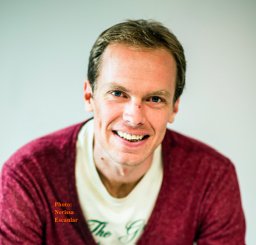 McGlynn Shawn E合作论文数Tokyo Inst Technol, Earth Life Sci Inst2
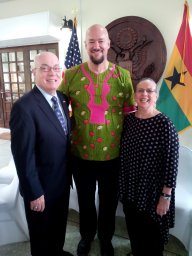 Ratzloff Michael W合作论文数2
 Moody James合作论文数University of Washington School of Medicine, University of Washington School of Medicine2Rachel Hutcheson合作论文数2
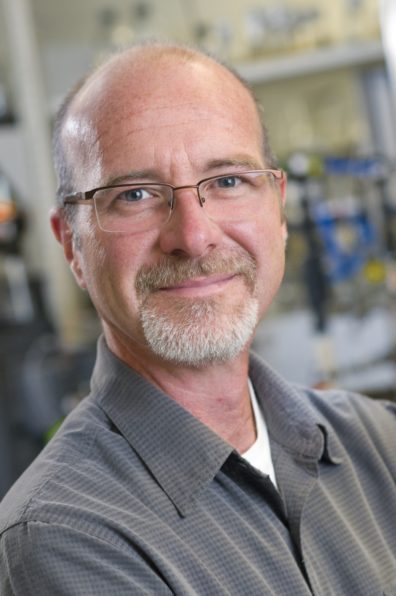 John W. Peters合作论文数Department of Chemistry and Biochemistry, Dodge Family College of Arts and Sciences, University of Oklahoma2Harry L. Frisch合作论文数2
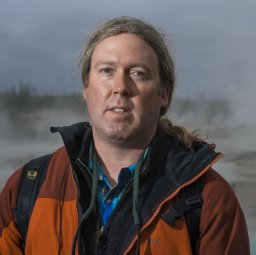 Eric S. Boyd合作论文数Department of Chemistry and Biochemistry and the Astrobiology Biogeocatalysis Research Center, Montana State University2J. Ivan. Legg合作论文数2
 Jörn Piel合作论文数Institute of Microbiology, Eidgenössische Technische Hochschule Zürich2




