Traditional surgical training relies heavily on hands-on experiences gained through relatively infrequent procedures during apprenticeships. Recently, postoperative review has become a valuable supplement to this model, offering learning opportunities outside the operating room. However, its adoption remains limited due to its inefficiencies. In this study, we developed a Computer Vision-based system designed to efficiently navigate and retrieve critical segments from laparoscopic cholecystectomy videos. Trained on a manually annotated dataset of 683 videos from six different sources, our model is taught to identify five distinct surgical steps and three common intraoperative adverse events (IAEs): bleeding, bile spillage, and thermal injury. The resulting models demonstrated strong generalizability in identifying steps to unseen data from new hospitals. Large-scale analysis further revealed correlations between model-predicted IAEs and surgical step, disease severity, and surgical skill that align with established clinical knowledge. By facilitating the rapid retrieval of clinically relevant events, this tool enhances postoperative review practical, ultimately expediting surgical training.
Understanding how two radiology image sets differ is critical for generating clinical insights and for interpreting medical AI systems. We introduce RadDiff, a multimodal agentic system that performs radiologist-style comparative reasoning to describe clinically meaningful differences between paired radiology studies. RadDiff builds on a proposer-ranker framework from VisDiff, and incorporates four innovations inspired by real diagnostic workflows: (1) medical knowledge injection through domain-adapted vision-language models; (2) multimodal reasoning that integrates images with their clinical reports; (3) iterative hypothesis refinement across multiple reasoning rounds; and (4) targeted visual search that localizes and zooms in on salient regions to capture subtle findings. To evaluate RadDiff, we construct RadDiffBench, a challenging benchmark comprising 57 expert-validated radiology study pairs with ground-truth difference descriptions. On RadDiffBench, RadDiff achieves 47
The composition of specialized tools offers a powerful approach for complex visual reasoning, particularly for tasks involving 3D spatial understanding. However, existing visual programming methods are often constrained by fixed toolsets or offline tool induction, which leads to suboptimal solutions and poor tool reuse. We introduce Transductive Visual Programming (TVP), a novel framework that dynamically evolves a library of reusable tools by learning from its problem-solving experience. TVP abstracts recurring solution patterns into new, higher-level tools, which are then used to construct simpler and more effective programs for new tasks. On the challenging Omni3D-Bench, TVP establishes a new state of the art, outperforming both specialized vision-language models and prior visual programming systems. The evolved tools also exhibit strong generalization to out-of-domain queries on 3DSRBench, SpatialSense, and VGBench. Our work demonstrates that transductive tool evolution is a powerful and generalizable paradigm for building robust visual reasoning systems.
Test-time reinforcement learning (TTRL) has emerged as a promising paradigm for self-evolving large reasoning models (LRMs), enabling online adaptation on unlabeled test inputs via self-induced rewards through majority voting. However, a spurious yet high-frequency unverified consensus can become a biased and reinforced reward signal, leading to incorrect mode collapse. We address this failure mode with T^3RL (Tool-Verification for Test-Time Reinforcement Learning), which introduces test-time tool verification into reward estimation. Concretely, a verifier uses an external tool as evidence (e.g., from code execution) to upweight verified rollouts in a verification-aware voting, producing more reliable pseudo-labels for training. Across various math difficulties (MATH-500, AMC, and AIME 2024) and diverse backbone types, T^3RL significantly improves over TTRL, with larger gains on harder problems. More broadly, T^3RL can be viewed as verified online data synthesis, highlighting test-time tool verification as a key mechanism for stabilizing self-evolution.
Accurate assessment of consciousness in patients with disorders of consciousness (DoC) remains a major clinical challenge in both specialized neurorehabilitation and acute care settings, where behavioral evaluations alone can lead to misdiagnosis rates of up to 40
Large Multimodal Models (LMMs) have achieved remarkable progress across various capabilities; however, complex video reasoning in the scientific domain remains a significant and challenging frontier. Current video benchmarks predominantly target general scenarios where perception/recognition is heavily relied on, while with relatively simple reasoning tasks, leading to saturation and thus failing to effectively evaluate advanced multimodal cognitive skills. To address this critical gap, we introduce SciVideoBench, a rigorous benchmark specifically designed to assess advanced video reasoning in scientific contexts. SciVideoBench consists of 1,000 carefully crafted multiple-choice questions derived from cutting-edge scientific experimental videos spanning over 25 specialized academic subjects and verified by a semi-automatic system. Each question demands sophisticated domain-specific knowledge, precise spatiotemporal perception, and intricate logical reasoning, effectively challenging models' higher-order cognitive abilities. Our evaluation highlights significant performance deficits in state-of-the-art proprietary and open-source LMMs, including Gemini 2.5 Pro and Qwen2.5-VL, indicating substantial room for advancement in video reasoning capabilities. Detailed analyses of critical factors such as reasoning complexity and visual grounding provide valuable insights and clear direction for future developments in LMMs, driving the evolution of truly capable multimodal AI co-scientists. We hope SciVideoBench could fit the interests of the community and help to push the boundary of cutting-edge AI for border science.
Spatial reasoning in 3D scenes requires precise geometric calculations that challenge vision-language models. Visual programming addresses this by decomposing problems into steps calling specialized tools, yet existing methods rely on either fixed toolsets or speculative tool induction before solving problems, resulting in suboptimal programs and poor utilization of induced tools. We present Transductive Visual Programming (TVP), a novel framework that builds new tools from its own experience rather than speculation. TVP first solves problems using basic tools while accumulating experiential solutions into an Example Library, then abstracts recurring patterns from these programs into reusable higher-level tools for an evolving Tool Library. This allows TVP to tackle new problems with increasingly powerful tools learned from experience. On Omni3D-Bench, TVP achieves state-of-the-art performance, outperforming GPT-4o by 22
Despite the rapid integration of video perception capabilities into Large Multimodal Models (LMMs), what drives their video perception remains poorly understood. Consequently, many design decisions in this domain are made without proper justification or analysis. The high computational cost of training and evaluating such models and limited open research hinder the development of video-LMMs. To address this, we present a comprehensive study that helps uncover what effectively drives video understanding in LMMs. We begin by critically examining the primary contributors to the high computational requirements associated with video-LMM research and discover Scaling Consistency, wherein design and training decisions made on smaller models and datasets (up to a critical size) effectively transfer to larger models. Leveraging these insights, we explored many video-specific aspects of video-LMMs, including video sampling, architectures, data composition, training schedules, and more. Guided by these findings, we introduce Apollo, a state-of-the-art family of LMMs that achieve superior performance across different model sizes. Our models process over 1-hour videos efficiently, with the 3B parameter variant outperforming most existing 7B models. Apollo-7B is state-of-the-art compared to 7B LMMs with a 70.9 on MLVU, and 63.3 on Video-MME.
Advancements in vision-language models (VLMs) have propelled the field of computer vision, particularly in the zero-shot learning setting. Despite their promise, the effectiveness of these models often diminishes due to domain shifts in test environments. To address this, we introduce the Test-Time Prototype Shifting (TPS) framework, a pioneering approach designed to adapt VLMs to test datasets using unlabeled test inputs. Our method is based on the notion of modulating per-class prototypes in the shared embedding space. By pre-computing and caching prototypes generated with the pre-trained text encoder, TPS not only facilitates optimization-free prototype reuse for subsequent predictions but also enables seamless integration with current advancements in prompt engineering. At test-time, TPS dynamically learns shift vectors for each prototype based solely on the given test sample, effectively bridging the domain gap and enhancing classification accuracy. A notable aspect of our framework is its significantly reduced memory and computational demands when compared to conventional text-prompt tuning methods. Extensive evaluations across 15 image classification datasets involving natural distribution shifts and cross-dataset generalization, as well as in context-dependent visual reasoning, demonstrate TPS's superior performance, achieving state-of-the-art results while reducing resource requirements. Code is available at https://github.com/elaine-sui/TPS.
While specialized AI models excel at isolated video tasks like generation or understanding, real-world applications demand complex, iterative workflows that combine these capabilities. To bridge this gap, we introduce UniVA, an open-source, omni-capable multi-agent framework for next-generation video generalists that unifies video understanding, segmentation, editing, and generation into cohesive workflows. UniVA employs a Plan-and-Act dual-agent architecture that drives a highly automated and proactive workflow: a planner agent interprets user intentions and decomposes them into structured video-processing steps, while executor agents execute these through modular, MCP-based tool servers (for analysis, generation, editing, tracking, etc.). Through a hierarchical multi-level memory (global knowledge, task context, and user-specific preferences), UniVA sustains long-horizon reasoning, contextual continuity, and inter-agent communication, enabling interactive and self-reflective video creation with full traceability. This design enables iterative and any-conditioned video workflows (e.g., text/image/video-conditioned generation $\rightarrow$ multi-round editing $\rightarrow$ object segmentation $\rightarrow$ compositional synthesis) that were previously cumbersome to achieve with single-purpose models or monolithic video-language models. We also introduce UniVA-Bench, a benchmark suite of multi-step video tasks spanning understanding, editing, segmentation, and generation, to rigorously evaluate such agentic video systems. Both UniVA and UniVA-Bench are fully open-sourced, aiming to catalyze research on interactive, agentic, and general-purpose video intelligence for the next generation of multimodal AI systems. (https://univa.online/)
The development of vision-language models (VLMs) is driven by large-scale and diverse multi-modal datasets. However, progress toward generalist biomedical VLMs is limited by the lack of annotated, publicly accessible datasets across biology and medicine. Existing efforts are limited to narrow domains, missing the full diversity of biomedical knowledge encoded in scientific literature. To address this gap, we introduce BIOMEDICA: a scalable, open-source framework to extract, annotate, and serialize the entirety of the PubMed Central Open Access subset into an easy-to-use, publicly accessible dataset. Our framework produces a comprehensive archive with over 24 million unique image-text pairs from over 6 million articles. Metadata and expert-guided annotations are additionally provided.We demonstrate the utility and accessibility of our resource by releasing BMC-CLIP, a suite of CLIP-style models continuously pre-trained on BIOMEDICA dataset via streaming (eliminating the need to download 27 TB of data locally). On average, our models achieve state-of-the-art performance across 40 tasks — spanning pathology, radiology, ophthalmology, dermatology, surgery, molecular biology, parasitology, and cell biology — excelling in zero-shot classification with 6.56% average improvement (as high as 29.8% and 17.5% in dermatology and ophthalmology, respectively) and stronger image-text retrieval while using 10x less compute. To foster reproducibility and collaboration, we release our codebase1, 2 and dataset3 to the broader research community.
The rapid development of vision language models (VLMs) demands rigorous and reliable evaluation. However, current visual question answering (VQA) benchmarks often depend on open-ended questions, making accurate evaluation difficult due to the variability in natural language responses. To address this, we introduce AutoConverter, an agentic framework that automatically converts these open-ended questions into multiple-choice format, enabling objective evaluation while reducing the costly multiple-choice question creation process. Our experiments demonstrate that AutoConverter can generate correct and challenging multiple-choice questions, with VLMs demonstrating consistently similar or lower accuracy on these questions compared to human-created ones. Using AutoConverter, we construct VMCBench, a benchmark created by transforming 20 existing VQA datasets into a unified multiple-choice format, totaling 9,018 questions. We comprehensively evaluate 33 state-of-the-art VLMs on VMCBench, setting a new standard for scalable, consistent, and reproducible VLM evaluation.
The performance and reasoning capabilities of Large Multi-modal Models (LMMs) is dependent on the size and quality of their training datasets. However, collecting datasets that support chain-of-thought instruction tuning is highly challenging. Existing video instruction tuning datasets are often derived by prompting large language models with video captions to generate question-answer pairs, which makes them predominantly descriptive rather than reasoning-focused. Meanwhile, many labeled video datasets with diverse labels and supervision exist -- however, we find that their integration into LMMs is non-trivial. Herein, we present $\underline{\text{Video}}$ $\underline{\text{S}}\text{elf}$-$\underline{\text{T}}\text{raining}$ $\text{with}$ $\underline{\text{a}}\text{ugmented}$ $\underline{\text{R}}\text{easoning}$ (Video-STaR), the first self-training approach for video instruction tuning. Video-STaR allows the utilization of *any* labeled video dataset for video instruction tuning.In Video-STaR, an LMM cycles between instruction generation and finetuning, which we show (I) improves general video understanding and (II) adapts LMMs to novel downstream tasks with existing supervision. During instruction generation, an LMM is prompted to propose an answer. The answers are then filtered only to those that contain the original video labels, and the LMM is then re-trained on the generated dataset. By training exclusively on generated answers containing the correct video labels, Video-STaR leverages these existing labels as weak supervision for video instruction tuning.Our results demonstrate that Video-STaR-augmented LMMs achieve notable improvements in (I) general Video QA, where TempCompass performance improved by 6.1%, *and* (II) downstream tasks, with a 9.9% increase in Kinetics700-QA accuracy and a 4.0% improvement in action quality assessment on FineDiving, while also exhibiting better interpretability.
Recent works on accelerating Vision-Language Models achieve strong performance across a variety of vision-language tasks despite highly compressing visual information. In this work, we examine the popular acceleration approach of early pruning of visual tokens inside the language model. Surprisingly, we find that while strong performance is maintained across many tasks, it exhibits drastically different behavior for a subset of vision-centric tasks such as localization. Upon further investigation, we uncover a core issue with the acceleration approach where most tokens towards the top of the image are pruned away. Yet, on many benchmarks aiming to evaluate vision-centric capabilities, strong performance persists with the flawed pruning strategy, highlighting these benchmarks' limited ability to assess fine-grained visual capabilities. Based on these findings, we propose FEATHER (Fast and Effective Acceleration wiTH Ensemble cRiteria), a straightforward approach that resolves the discovered early-layer pruning issue and further enhances the preservation of relevant tokens via multistage pruning with early uniform sampling to ensure broad image coverage. With comparable computational savings, we find that FEATHER achieves more than 5x performance improvement on the vision-centric localization benchmarks compared to the original acceleration approach.
Traditional surgical training relies on an apprenticeship model, which is subjective and threatened by human bias. Performance metric scales attempt to offer more objective feedback by providing a structured grading rubric, but these scores are still ultimately subjective. Leveraging computer vision and artificial intelligence to assess surgical performance has the potential to shift subjective measurements into automated and objective feedback for trainees. This retrospective, multi-institutional study analyzed 319 laparoscopic cholecystectomy videos from IRB-approved deidentified datasets and segmented the videos into 2862 clips. Using an internally validated video-based assessment rubric, we annotated video clips across five metacompetency domains: tissue handling, psychomotor skills, efficiency, dissection quality, and exposure quality. Short video segments ( < 90s) were rated on a 5-point scale by expert raters. We trained a deep learning model (DINOv2) to classify composite high (4–5) vs low (1–3) metacompetency scores, representing yes/no binary feedback, a realistic comparison to the operating room. Model performance was evaluated via area under the receiver operating characteristic curve. Among 2862 LC video clips, model performance was highest for dissection quality during the exposing gallbladder step (AUROC 91.5%, 95% confidence interval [CI], 84.5-96.5). Moderate performance was observed for efficiency (AUROC 72.6%, 95% CI 59.9-83.2) and exposure quality (AUROC 68.7%, 95% CI 55.2-81.8). Dissection and exposure quality scores during hepatocystic triangle dissection yielded AUROCs of 63.8% (95% CI 56.9-71.3) and 66.0% (95% CI 53.1-76.7), respectively. We demonstrate the feasibility of a purely vision-based deep learning model to grade surgical skill based on metacompetencies with excellent performance during simple steps. This technique represents an advance over prior whole-video approaches that rely heavily on tool- tracking and kinematic data, and may lead to greater model performance by using binary feedback on increasingly specific step segmentation.
Despite significant advancements in video large multimodal models (video-LMMs), achieving effective temporal grounding in long-form videos remains a challenge for existing models. To address this limitation, we propose Temporal Preference Optimization (TPO), a novel post-training framework designed to enhance the temporal grounding capabilities of video-LMMs through preference learning. TPO adopts a self-training approach that enables models to differentiate between well-grounded and less accurate temporal responses by leveraging curated preference datasets at two granularities: localized temporal grounding, which focuses on specific video segments, and comprehensive temporal grounding, which captures extended temporal dependencies across entire video sequences. By optimizing on these preference datasets, TPO significantly enhances temporal understanding while reducing reliance on manually annotated data. Extensive experiments on three long-form video understanding benchmarks–LongVideoBench, MLVU, and Video-MME–demonstrate the effectiveness of TPO across two state-of-the-art video-LMMs. Notably, LLaVA-Video-TPO establishes itself as the leading 7B model on the Video-MME benchmark, underscoring the potential of TPO as a scalable and efficient solution for advancing temporal reasoning in long-form video understanding. Project page: https://ruili33.github.io/tpo_website.
The foundational segmentation models, segmenting anything model (SAM) and SAM 2, have transformed segmentation by enabling remarkable zero-shot performance across diverse domains. In this study, we evaluate SAM 2 for surgical scene understanding by examining its semantic segmentation capabilities for organs/tissues both in zero-shot scenarios and after fine-tuning. We utilized five public datasets to evaluate and fine-tune SAM 2 for segmenting anatomical tissues in surgical videos/images. Fine-tuning was applied to the image encoder and mask decoder. We limited training subsets from 50 to 400 samples per class to better model real-world constraints with data acquisition. The impact of dataset size on fine-tuning performance was evaluated with weighted mean dice coefficient (WMDC), and the results were also compared against previously reported state-of-the-art (SOTA) results. SurgiSAM 2, a fine-tuned SAM 2 model, demonstrated significant improvements in segmentation performance, achieving a 17.9% relative WMDC gain compared to the baseline SAM 2. Increasing prompt points from 1 to 10 and training data scale from 50/class to 400/class enhanced performance; the best WMDC of 0.92 on the validation subset was achieved with 10 prompt points and 400 samples per class. On the test subset, this model outperformed prior SOTA methods in 24/30 (80%) of the classes with a WMDC of 0.91 using 10-point prompts. Notably, SurgiSAM 2 generalized effectively to unseen organ classes, achieving SOTA on 7/9 (77.8%) of them. Heavily dissected tissues and similar appearing organs such as small and large intestines remained challenging. SAM 2 achieves remarkable zero-shot and fine-tuned performance for surgical scene segmentation, surpassing prior SOTA models across several organ classes of diverse datasets. This suggests immense potential for enabling automated/semi-automated annotation pipelines, thereby decreasing the burden of annotations facilitating several surgical applications.
Despite the excitement behind biomedical artificial intelligence (AI), access to high-quality, diverse, and large-scale data - the foundation for modern AI systems - is still a bottleneck to unlocking its full potential. To address this gap, we introduce Biomedica, an open-source dataset derived from the PubMed Central Open Access subset, containing over 6 million scientific articles and 24 million image-text pairs, along with 27 metadata fields (including expert human annotations). To overcome the challenges of accessing our large-scale dataset, we provide scalable streaming and search APIs through a web server, facilitating seamless integration with AI systems. We demonstrate the utility of the Biomedica dataset by building embedding models, chat-style models, and retrieval-augmented chat agents. Notably, all our AI models surpass previous open systems in their respective categories, underscoring the critical role of diverse, high-quality, and large-scale biomedical data.
Understanding videos, especially aligning them with textual data, presents a significant challenge in computer vision. The advent of vision-language models (VLMs) like CLIP has sparked interest in leveraging their capabilities for enhanced video understanding, showing marked advancements in both performance and efficiency. However, current methods often neglect vital user-generated metadata such as video titles. In this paper, we present Cap4Video++, a universal framework that leverages auxiliary captions to enrich video understanding. More recently, we witness the flourishing of large language models (LLMs) like ChatGPT. Cap4Video++ harnesses the synergy of vision-language models (VLMs) and large language models (LLMs) to generate video captions, utilized in three key phases: (i) Input stage employs Semantic Pair Sampling to extract beneficial samples from captions, aiding contrastive learning. (ii) Intermediate stage sees Video-Caption Cross-modal Interaction and Adaptive Caption Selection work together to bolster video and caption representations. (iii) Output stage introduces a Complementary Caption-Text Matching branch, enhancing the primary video branch by improving similarity calculations. Our comprehensive experiments on text-video retrieval and video action recognition across nine benchmarks clearly demonstrate Cap4Video++'s superiority over existing models, highlighting its effectiveness in utilizing automatically generated captions to advance video understanding.
The advancement of vision-language models (VLMs) is hampered by a fragmented landscape of inconsistent and contaminated public datasets. We introduce FineVision, a meticulously collected, curated, and unified corpus of 24 million samples - the largest open resource of its kind. We unify more than 200 sources into 185 subsets via a semi-automated, human-in-the-loop pipeline: automation performs bulk ingestion and schema mapping, while reviewers audit mappings and spot-check outputs to verify faithful consumption of annotations, appropriate formatting and diversity, and safety; issues trigger targeted fixes and re-runs. The workflow further applies rigorous de-duplication within and across sources and decontamination against 66 public benchmarks. FineVision also encompasses agentic/GUI tasks with a unified action space; reviewers validate schemas and inspect a sample of trajectories to confirm executable fidelity. Models trained on FineVision consistently outperform those trained on existing open mixtures across a broad evaluation suite, underscoring the benefits of scale, data hygiene, and balanced automation with human oversight. We release the corpus and curation tools to accelerate data-centric VLM research.
 Yi Yang (杨易)合作论文数College of Computer Science and Technology, Zhejiang University54
 Linchao Zhu (朱霖潮)合作论文数College of Computer Science and Technology, Zhejiang University25
 Serena Yeung合作论文数Department of Biomedical Data Science, School of Medicine, Stanford University17
 Yuhui Zhang合作论文数Stanford University12
 Zhedong Zheng (郑哲东)合作论文数University of Macau8
 Orr Zohar合作论文数Medical AI and Computer Vision Lab, Stanford University;Department of Electrical Engineering, Stanford University;Department of Computer Science, Stanford University6
 Yu Wu (武宇)合作论文数School of Computer Science, Wuhan University6
 Wenguan Wang (王文冠)合作论文数College of Computer Science and Technology, Zhejiang University6
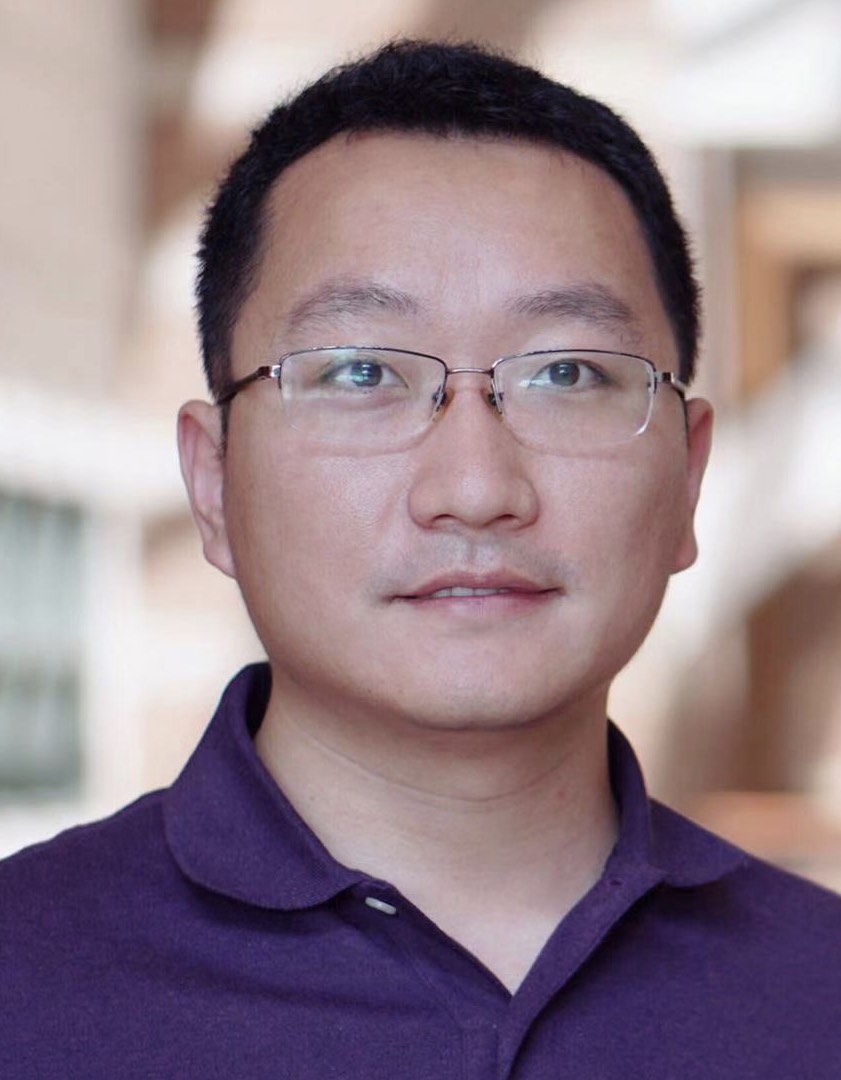 Yunchao Wei (魏云超)合作论文数Institute of Information Science, Beijing Jiaotong University;Center of Digital Media Information Processing, Beijing Jiaotong University5
 Bang Zhang合作论文数4
 Anita Rau合作论文数Department of Biomedical Data Science, Stanford University4
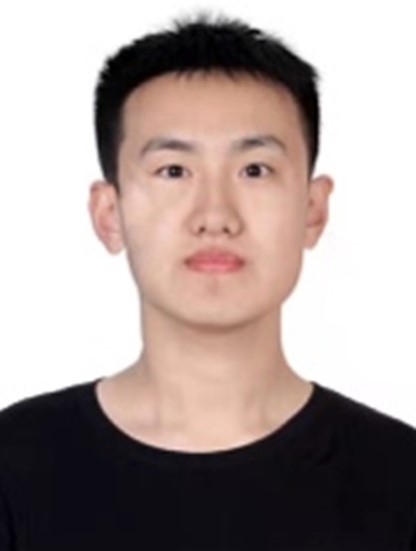 Jiaxu Miao (苗嘉旭)合作论文数School of Cyber Science and Technology, Sun Yat-Sen University4
 Yuanzhi Liang合作论文数University of Technology Sydney4
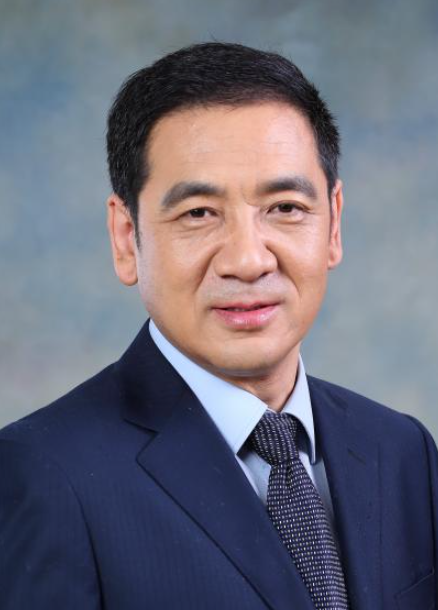 Lin Zhang (张霖)合作论文数School of Automation Science and Electrical Engineering, Beihang University4
 Shuai Zhao合作论文数University of Technology Sydney4
 James Burgess合作论文数Stanford University3
 Josiah Aklilu合作论文数3Alejandro Lozano合作论文数3Shuai Chen合作论文数3
 Chengkai Chen合作论文数3Kezhou Lin合作论文数ReLER, CCAI, Zhejiang University3
 Ludwig Schmidt合作论文数Anthropic;Department of Computer Science, Stanford University3
 JinHui Lan (蓝金辉)合作论文数北京科技大学测控技术与仪器系3
 Lei Ren (任磊)合作论文数School of Automation Science and Electrical Engineering, Beihang University;School of Software, Beihang University3
 Zongxin Yang (杨宗鑫)合作论文数College of Computer Science and Technology, Zhejiang University3
 Mingliang Xu (徐明亮)合作论文数School of Computer and Artificial Intelligence, Zhengzhou University3
 Chang Zhou (周畅)合作论文数ByteDance3
 Yueting Zhuang (庄越挺)合作论文数College of Artificial Intelligence, Zhejiang University;AI Collaboration & Innovation Center of Ministry of Education, Zhejiang University3
 Yahong Han (韩亚洪)合作论文数School of Artificial Intelligence, College of Intelligence and Computing, Tianjin University3
 Ruijie Quan合作论文数University of Technology Sydney3
 Yuan Yang合作论文数ByteDance3Yuchang Su合作论文数2Jiayi Shao合作论文数2Elaine Sui合作论文数2
 Jeffrey Gu合作论文数Institute for Computational and Mathematical Engineering, Department of Biomedical Data Science, Stanford University2
 Shengguang Wu合作论文数Stanford University2Liangyu Chen合作论文数2Haipeng Luo合作论文数2
 Xiaobo Li合作论文数2
 Xu Chen合作论文数2Tuo Feng合作论文数Faculty of Engineering and Information Technology, University of Technology Sydney2
 Teodor Grantcharov合作论文数Department of Surgery, Temerty Faculty of Medicine, University of Toronto2Haitian Zeng合作论文数Tsinghua University2
 Yifan Sun (孙奕帆)合作论文数Baidu Inc2
 Jeffrey John Nirschl合作论文数Department of Physiology, University of Pennsylvania Perelman School of Medicine2
 Wenhao Wu (吴文灏)合作论文数School of Computer Science, Faculty of Engineering, University of Sydney2
 Jianxin Ma (馬堅鑫)合作论文数Alibaba Group2
 Fei Wu (吴飞)合作论文数College of Computer Science and Technology, Zhejiang University2
 Rob Tibshirani合作论文数Department of Statistics, Stanford University;Department of Biomedical Data Science, Stanford University2




