BackgroundHepatocellular carcinoma (HCC) poses ongoing difficulties for public health systems due to its high incidence and poor prognosis. Huqi formula (HQF), a well-known prescription in traditional Chinese medicine, has demonstrated notable clinical effectiveness in the treatment of HCC. However, the mechanisms underlying its therapeutic effects have yet to be completely elucidated.PurposeThis study aimed to investigate the anti-HCC effects of HQF and its underlying mechanisms.MethodsChemical profiling and quantification of HQF were conducted by LC-MS and HPLC. Orthotopic and subcutaneous tumor models were established through hydrodynamic injection of Akt/Nras plasmids and subcutaneous injection of c-Met/sgPten cells, respectively, to evaluate the therapeutic effects of HQF on HCC. Network pharmacology, RNA-Seq, molecular docking, Western blot, and flow cytometry were employed to assess the anti-HCC mechanisms.ResultsLC-MS analysis identified 41 components, with HPLC quantification showing salvianolic acid B as the most abundant compound (0.303%). In Akt/Nras and c-Met/sgPten-induced HCC models, HQF significantly reduced tissue damage, improved liver function, and inhibited HCC progression. Mechanistic studies revealed that HQF induced apoptosis in HCC cells by downregulating p-PI3K, p-AKT, and p-mTOR expression, with molecular docking indicating the strongest binding affinity between salvianolic acid B and PI3K. HQF further enhanced CD4+ and CD8+ T cell infiltration within the tumor microenvironment. When combined with PD-1 therapy, HQF improved therapeutic efficacy against HCC. Finally, toxicity assays confirmed the safety profile of HQF.ConclusionHQF demonstrated significant anti-HCC effects and a synergistic effect with PD-1, could be used as an alternative therapeutic agent for HCC.
BACKGROUND:This network meta-analysis (NMA) aims to compare the relative efficacy of oral Chinese patent medicine combined with transarterial chemoembolization (TACE) for treating hepatocellular carcinoma (HCC). METHODS:Databases, including China National Knowledge Infrastructure, Wanfang, Weipu, PubMed, Embase, Web of Science, and Cochrane Central Register of Controlled Trials (CENTRAL), were accessed from inception to the present to collect randomized controlled trials of different oral Chinese patent medicines (OCPMs). Objective response rate, 1-year survival rate, lymphocytes, nausea and vomiting were used as efficacy or tolerability outcomes. A Bayesian NMA was performed. RESULTS:Seventy-five randomized controlled trials involving 6912 participants and 9 OCPMs were included. The results of the NMA showed that the comparisons were all indirect. The NMA demonstrated that, regarding the objective response rate, TACE combined with all OCPMs showed the advantages over TACE monotherapy, of which Cidan capsule (odds ratio [OR] 3.5, 95% credible interval 2.3-4.9) was the most effective treatment. Among 9 OCPMs, Cidan capsule was the most effective for survival improvement (OR 5.1, 95% CrI 2.7-8.7)." Jinlong for immune function (OR 0.35, 95% CrI 0.14-0.57), and Shenyi for adverse event reduction (OR 0.39, 95% CrI: 0.18-0.87). CONCLUSION:OCPMs have significant efficacy in treating HCC combined with TACE. Cidan, Jinlong, and Shenyi capsules might be the optimum drugs for HCC adjuvant therapy.
BACKGROUND Cirrhotic patients with super-giant hepatocellular carcinoma (HCC) and portal vein invasion generally have a poor prognosis. This paper presents a patient with super-giant HCC and portal vein invasion, who underwent hepatectomy followed by a combination of sorafenib and camrelizumab, resulting in complete remission (CR) for 5 years. CASE SUMMARY A 40-year-old male with compensated hepatitis B-related cirrhosis was diagnosed with HCC, Barcelona Clinic Liver Cancer stage C. Enhanced computed tomography imaging revealed a 152 mm × 171 mm tumor in the right liver, invading the portal vein and hepatic vein. Liver function was normal. The patient successfully underwent hepatectomy on July 18, 2019. However, by December 2019, HCC recurrence with lung metastases and portal vein invasion were detected. He started treatment with sorafenib (200 mg twice daily) and camrelizumab (200 mg every 3 weeks). By May 12, 2020, the patient was confirmed to have CR. Camrelizumab was adjusted to 200 mg every 12 weeks from June 16, 2021, with the last infusion on March 29, 2024. Although no further tumor recurrence was observed, he experienced two episodes of gastrointestinal bleeding due to esophagogastric varices, which were managed with endoscopic therapy. To date, the patient has remained in CR for 5 years. CONCLUSION The combination of hepatectomy with sorafenib and camrelizumab can achieve durable CR in patients with super-giant HCC and portal vein invasion. Further research is necessary to address these challenges and improve patient outcomes.
ERCC3, a crucial component of the nucleotide excision repair pathway, is implicated in the development and progression of various cancers and is a potential indicator of poor prognosis. However, the expression and function of ERCC3 in hepatocellular carcinoma (HCC) remain unclear. This study aimed to investigate the expression of ERCC3 in HCC tissues and its clinical significance, focusing on elucidating its potential mechanisms and therapeutic value in immunotherapy. The differential expression and genetic variation characteristics of ERCC3 across various cancers were evaluated using the TCGA database. The expression and prognostic value of ERCC3 in HCC were analyzed by integrating TCGA, GEO, and ICGC datasets. Independent prognostic value of ERCC3 expression levels in HCC was assessed using Cox regression analysis, Kaplan–Meier survival analysis, receiver operating characteristic curves, and nomograms. Pathway association scores were determined using ssGSEA to reveal the biological functions of ERCC3 in HCC and its potential clinical efficacy in immunotherapy. Stable transient cell lines were established by infecting HepG2 cells with lentivirus overexpressing ERCC3. The effects of ERCC3 on HCC cell biological phenotypes were evaluated using RTCA, wound healing, and Transwell assays. Cell cycle distribution and apoptosis were detected by flow cytometry. Transcriptome sequencing was performed to explore the impact of ERCC3 overexpression on the expression of signaling pathway-related genes in HCC. The study revealed that ERCC3 is aberrantly expressed in various tumors, with significantly higher mRNA and protein levels in HCC tissues compared to normal tissues. High ERCC3 expression was significantly correlated with poor survival outcomes in HCC patients. Multivariate Cox regression analysis revealed that ERCC3 expression level is an independent prognostic factor for overall survival (P = 0.014). Gene sets associated with the high ERCC3 group were significantly involved in multiple immune pathways and tumor progression-related pathways, and ERCC3 expression was significantly correlated with immune checkpoints in HCC. Overexpression of ERCC3 promoted the proliferation and migration of HCC cells and influenced cell cycle progression. Transcriptome sequencing analysis indicated that ERCC3 overexpression regulated the proliferation of HCC cells, participated in multiple pro-inflammatory pathways, induced the formation of an inflammatory tumor microenvironment, and promoted HCC progression. This study is the first to reveal the association between high ERCC3 expression and poor prognosis in HCC and to elucidate its immunomodulatory role in HCC. Unlike previous studies, we found that ERCC3 promotes HCC progression by regulating the inflammatory microenvironment and immune checkpoints. These findings establish a novel theoretical foundation for the development of targeted immunotherapies for HCC and provide new insights into the molecular mechanisms underlying ERCC3’s role in HCC.
To systematically evaluate the efficacy of traditional Chinese medicine (TCM) external therapies in treating insomnia in patients with chronic hepatitis B (CHB). PubMed, Embase, Cochrane Library, Web of Science, CNKI, Wanfang, CQVIP and SinoMed were searched for randomised controlled trials (RCTs) on the treatment of insomnia in patients with CHB using TCM external therapies from the establishment of each database until 31 January 2024. A total of six Chinese articles were included, involving 500 patients. The overall response rate of TCM external therapies for CHB combined with insomnia was superior to that of the control group (odds ratio [OR] = 3.08, 95% confidence interval [CI]: [1.86, 5.12], p < 0.001). Additionally, subgroup analysis showed significant effects of acupuncture (OR = 3.51, 95% CI: [1.80, 6.86], p = 0.001) and other external therapies (OR = 2.58, 95% CI: [1.19, 5.62], p = 0.02). Moreover, TCM external therapies substantially improved the Pittsburgh Sleep Quality Index (mean difference [MD] = -2.08, 95% CI: [-2.86, -1.29], p < 0.001) and the Insomnia Severity Index (MD = -3.17, 95% CI: [-4.07, -2.26], p < 0.001). The group using TCM external therapies showed significantly lower SAS scores than the control group (MD = -6.52, 95% CI: [-12.23, -0.82], p = 0.02). One study reported a higher incidence of adverse reactions in the group treated with TCM external therapies than in the control group (p < 0.05). Another study found that the group treated with TCM external therapies had a significantly lower recurrence rate (15.38%) than the control group (35.90%) (p < 0.05). Traditional Chinese medicine external therapies are clinically effective for CHB combined with insomnia, as they can improve sleep quality and relieve insomnia symptoms.
Targeted protein degradation (TPD) is a valuable strategy for investigating protein functionality in cell biology and drug discovery. Among the various emerging TPD technologies, antibody-guided TPD offers key advantages over other protein degradation methods in terms of compatibility with different proteins of interest (POIs) and cell types. However, increasing the efficiency of cellular antibody internalisation and protein degradation remains challenges. Inspired by viral infection, which often efficiently activates protein degradation pathways in host cells, we developed a strategy called virus infection-mimicking targeted protein degradation (ViTPD) as a universal platform for degrading intracellular proteins. By mimicking three features of viral infection, we produced ViTPD nanoparticles by biomineralising antibodies enveloped by viral membranes or mixed with IFN-α. The biomineralised shell enhanced the cellular uptake of ViTPD nanoparticles via clathrin-mediated endocytosis. Similar to viral neutralising antibodies entering cells, the Fab region of the antibody released from ViTPD nanoparticles binds the POI, while the Fc region can recruit TRIM21, a key enzyme that continuously consumes during protein degradation. Interestingly, viral membrane components or IFN-α in the ViTPD led to increased TRIM21 expression, which enhanced the efficiency of proteolysis. ViTPD can effectively degrade several POIs, including GFP, FAK, COPZ1 and TREX1. Collectively, our results demonstrate that ViTPD provides a novel design strategy and an efficient nanoplatform for targeting intracellular protein degradation. STATEMENT OF SIGNIFICANCE: Antibody-guided targeted protein degradation (TPD) exhibits superior versatility compared to conventional degradation methods, demonstrating broad compatibility with diverse proteins of interest (POIs) across various cell types. Despite these advantages, significant challenges persist in optimizing cellular antibody internalization efficiency and degradation kinetics. In this study, we developed ViTPD, a biomimetic TPD platform that mimicking three viral infection features: (1) virus-like cellular internalization pathways, (2) virus-neutralizing antibody behavior, and (3) host-mediated protein degradation responses during viral infection. The development of ViTPD provides not only a robust platform for degrading diverse intracellular POIs but also establishes new design principles for next-generation protein degradation systems. This platform establishes new design principles for next-generation TPD systems while expanding therapeutic potential for precision medicine.
Biofilm infection microenvironment (BIM) in orthopedic implant-associated infections forms a robust barrier that resists antimicrobial agents and evades the host's immune system, yet there are currently limited effective targeted therapies against the characteristics of the BIM. Here, an emerging nanocatalytic immunotherapy strategy is proposed for treatment based on microenvironmental oxygen regulation. It is reported that the light-activated oxygen immune regulators (LAOIR) can effectively target and disrupt biofilms in the initial phase of phototherapy by generating singlet oxygen (O-1(2)). The LAOIR-induced hypoxic microenvironment prolongs neutrophil lifespan and mitigates the immune tolerance induced by lipoteichoic acid (LTA) caused by killed bacteria. As the biofilm disintegrates and oxygen recovers, the neutrophil "immune switch" is triggered, and neutrophils are exhibited enhanced bactericidal activity during immune training with LTA exposure, such as NETosis and phagocytosis. Meanwhile, LAOIR therapy mediates neutrophils to express increased levels of proinflammatory cytokines IL-6, IL-1 beta, and the chemokine receptors CCR2 and CXCR2, promoting immune recruitment and resulting in a more robust therapeutic effect compared to vancomycin. In vitro and in vivo experiments have demonstrated that LAOIR outperform clinical antibiotics in the treatment of bacterial infections, providing direct evidence for the utilization of oxygen-modulated immune response strategies in the treatment of orthopedic implants.
Background: Hepatocellular carcinoma (HCC) is a common clinical malignant tumor of the digestive system. Hu-Qi-Zheng-Xiao (HQZX) decoction has been clinically found to prolong the survival of patients with hepatocellular carcinoma and improve the quality of patients’ survival, but its antitumor biological mechanism is still unclear. Methods: A nude mouse hollow fiber hepatocellular carcinoma model was constructed to analyze the in vivo efficacy of HQZX decoction against 7 different hepatocellular carcinoma cells. The subcutaneous graft tumor model was again validated. In vitro, the effect of HQZX decoction on the growth and metastasis of the cell line with the highest growth inhibition was evaluated. The cell line with the best efficacy response screened was again used to construct a hollow fiber hepatocellular carcinoma model and hollow fiber conduit cells were extracted to detect the expression of HIF-1α, VEGF, EMT-related molecules, LCSCs-related molecules, and to observe the density of the subcutaneous vascular network of hollow fiber conduits. The liver metastasis model of splenic injection was constructed to observe the effect of HQZX decoction on tumor metastasis. Results: The hollow fiber hepatocellular carcinoma model was evaluated for the efficacy of HQZX decoction, and it was found to have the highest growth inhibition of LM3-luc cells. In vitro, the CCK8 assay revealed that HQZX decoction could inhibit tumor migration and invasion and promote apoptosis. In addition, the mechanism study of extracting cells from hollow fiber tubes found that HQZX decoction could inhibit metastasis-associated HIF-1α, VEGF, EMT-related molecules, and LCSCs-related molecules expression. capillary network around subcutaneous fiber tubes was reduced in the HQZX decoction gavage group of mice. It inhibited tumor metastasis in nude mice. Conclusions: HQZX decoction inhibited the growth of a variety of hepatocellular carcinoma cells. HQZX decoction suppressed the expression of metastasis-associated VEGF, EMT-related molecules, and LCSCs-related molecules and inhibited tumor angiogenesis and growth and metastasis, which may be related to the inhibition of the HIF-1α signaling pathway. It reveals that HQZX decoction may be a promising herbal compound for anti-HCC therapy, and also reveals the accurate feasibility of the hollow fiber hepatocellular carcinoma model for in vivo pharmacodynamic evaluation and mechanism study.
Hepatocellular carcinoma (HCC) is still a public health disease with its high prevalence and morbidity. Short of early diagnosis biomarkers and effective therapy, the treatment of HCC patients hasn't achieved ideal effect. Hypoxia is a hallmark of HCC, which is mainly induced by imbalance of tumor cell proliferation and insufficient supply of oxygen. Recently, amounting evidence suggested lncRNAs, especially hypoxia-related lncRNAs play a pivotal role in regulating HCC. Hypoxia-related lncRNAs are involved in altering glucose metabolism, maintaining of cancer stem cell-like properties (CSCs), cell apotosis, proliferation and immune escape, which all contribute to the poor prognosis of HCC patients. The novel identified hypoxia-related lncRNAs could be the potential target or biomarkers of HCC, which are beneficial to the clinical treatment. Herein, we summarized currently reported hypoxia-related lncRNAs and their related mechanisms, providing potential application and future perspective of hypoxia-related lncRNAs as a potential therapeutic target.
Background and aimDiagnosing high-risk varices (HRV) is crucial for determining the prognosis and treatment strategy in patients with hepatocellular carcinoma (HCC). Although the Baveno VI consensus guidelines have been validated for assessing HRV in patients with liver cirrhosis, their applicability to those with HCC remains uncertain. This study aims to evaluate the effectiveness of the Baveno VI criteria in screening for HRV in patients with HCC.MethodsWe searched for English-language articles related to Baveno criteria and HCC across PubMed, Embase, Web of Science, and Cochrane databases, covering publications from their inception until April 19, 2024. Our meta-analysis was conducted using STATA 14.0 and Meta-Disc 1.4 software. We assessed the quality of the included studies using the Quality Assessment of Diagnostic Accuracy Studies-2 (QUADAS-2) tool. We analyzed pooled sensitivity (SEN), specificity (SPE), diagnostic odds ratio (DOR), positive likelihood ratio (LR+), and negative likelihood ratio (LR-) using a random-effects model and constructed a summary receiver operating characteristic (SROC) curve. Based on established consensus, the favorable Baveno VI criteria were defined as a liver stiffness measurement (LSM) < 20 kPa and a platelet count (PLT) > 150×109/L to exclude HRV. This study is registered with PROSPERO under the registration number CRD42024533946.ResultsWe finally brought four studies, including 1277 patients with HCC, into this meta-analysis. The SEN, SPE, DOR, and AUC of favorable Baveno VI criteria in screening HRV in patients with HCC were 0.90 (95% CI: 0.81–0.95), 0.33 (95% CI: 0.25–0.41), 4.44 (95% CI: 2.14–9.22), and 0.59 (95% CI: 0.55–0.64), respectively. The LR+ and LR- of the favorable Baveno VI criteria were 1.34 (95% CI: 1.19–1.50) and 0.30 (95% CI: 0.16–0.58), respectively. Subgroup and meta-regression analyses indicated that BCLC and Child-Pugh stages likely contribute to the heterogeneity in the SPE.ConclusionsThe favorable Baveno VI criteria may not effectively screen HRV in patients with HCC. However, the current evidence is insufficient, and further studies with larger sample sizes and detailed patient subgroups are needed.Systematic review registrationhttps://www.crd.york.ac.uk/prospero/, identifier CRD42024533946.
This study aimed to evaluate the prognostic significance of changes in inflammatory markers in patients with Hepatitis B virus-related hepatocellular carcinoma (HBV-HCC) treated with first-line lenvatinib plus a programmed cell death protein 1 (PD-1) inhibitor. This study retrospectively included 117 HBV-HCC patients treated with first-line lenvatinib in combination with a PD-1 inhibitor. Independent factors affecting progression-free survival (PFS) and overall survival (OS) were explored based on baseline indicators and inflammatory markers changes after one treatment cycle. Multivariate analysis revealed that an alpha-fetoprotein (AFP) level ⩾ 400 ng/mL [hazard ratio (HR), 1.69; 95 ⩽ 65.43 (HR 0.50; 95 < 0.01) and SII ⩽ 539.47 (HR 0.54; 95 ⩾ 400 ng/mL, HBV-HCC patients with diabetes mellitus (DM), and SII > 303.66 were independent risk factors of OS. The patients whose SII had increased after one cycle of treatment showed a poorer PFS (HR 1.61; 95
The objective of this study is to analyze and summarize the characteristics of the clinical data of patients with systemic lupus erythematosus (SLE) complicated with liver failure, and to improve the cognition of the disease. The clinical data of patients with SLE complicated with liver failure hospitalized in Beijing Youan Hospital from January 2015 to December 2021 were collected retrospectively, including general information and laboratory examination data, and the clinical characteristics of the patients were summarized and analyzed. Twenty-one SLE patients with liver failure were analyzed. The diagnosis of liver involvement was earlier in 3 cases than that of SLE, and later in 2 cases. Eight patients were diagnosed with SLE and autoimmune hepatitis at the same time. The medical history is between 1 month and 30 years. This was the first case report of SLE complicated with liver failure. We found that: (1) among the 21 patients, organ cysts (liver and kidney cysts) were more common and the proportion of cholecystolithiasis and cholecystitis was higher than that in previous studies, but the proportion of renal function damage and joint involvement was lower. (2) The inflammatory reaction was more obvious in SLE patients with acute liver failure. The degree of liver function injury in SLE patients with autoimmune hepatitis was less than that in patients with other liver diseases. (3) The use of glucocorticoid in SLE patients with liver failure was worthy of further discussion.
目的 比较原发性肝癌患者四种治疗策略的预后和费用,为患者选择治疗方案提供参考.方法 回顾性分析2014年1月1日—2018年12月31日在首都医科大学附属北京佑安医院首次确诊的644例原发性肝癌患者的临床资料,按治疗方式的不同分为肝切除(LR)、经动脉化疗栓塞(TACE)、TACE联合射频消融(RFA)和对症治疗四组.比较四种治疗方案的生存率和预后影响危险因素,并进行成本效果分析.结果 随访至2020年12月31日,TACE联合RFA组1~5年的总生存率明显优于其他三组(P<0.05)(LR组:58.33%、27.08%、14.58%、4.17%、2.08%,TACE组:71.23%、53.42%、35.62%、24.66%、12.33%,T ACE联合RFA组:75.30%、58.43%、45.48%、29.22%、17.17%,对症治疗组:28.89%、15.56%、0.00%、0.00%、0.00%).其中治疗措施、BCLC分期、腹水和肝性脑病是影响总生存率的独立预后因素.四组的均次治疗费用分别为:LR组(72201.00±113067.69)元、TACE组(37302.35±34759.82)元、TACE+RFA组(41163.46±36920.18)元和对症治疗组(35968.44±25546.05)元,差异有统计学意义(P<0.001).以四种治疗方案的5年生存率作为效果进行成本-效果分析.因为对症治疗组没有患者存活至5年,所以其余三个治疗组的成本效果比从高到低依次为:LR组34712.02;TACE组3025.33;TACE+RFA组2397.41,差异有统计学意义(P<0.05).结论 与LR、TACE和对症治疗相比,TACE和RFA联合应用在提高生存率和降低成本方面更具优势.
Purpose: To study the effect of combined use of prednisone and immunosuppressive therapy for systemic lupus erythematosus (SLE), and its impact on the incidence of adverse reactions.Methods: In total, 90 SLE patients treated in Longhui People's Hospital between January 2019 and January 2020 were included in this study, and assigned to receive either prednisone (control group) or immunosuppressive therapy and prednisone (study group) via the sealed envelope method. Outcome measures include immunoglobulin measured by enzyme-linked immunosorbent assay (ELISA), complement component 3 (C3) and C4 determined by immunoturbidimetric method, inflammatory factors such as INF-α, IL-10, and IL-6 levels, and the incidence of drug reactions.Results: After treatment, the treatment group had higher levels of immunoglobulin indices and C3 and C4 levels than the control group (p < 0.05). There were lower serum inflammatory factor levels in the treatment group than in the control group (p < 0.05). Prednisone and immunosuppressive therapy resulted in higher treatment effectiveness and lower SLEDAI scores, versus prednisone alone (p < 0.05).Conclusion: Prednisone and immunosuppressive therapy for SLE is safe, enhances treatment effectiveness, and improves clinical indicators in the patients. However, further trials are required prior to its application in clinical practice.
目的 分析家族聚集性原发性胆汁性肝硬化(PBC)患者的临床特征,以提高对本病的认识.方法 纳入来自9个不同家族的17例PBC患者,采用回顾性分析方法总结其临床表现、影像学特点、病理学检查、治疗转归等临床资料.结果 在17例患者中,女性12例,男性5例,年龄为54.35±11.94岁;主要症状有乏力(64.7%),皮肤瘙痒(47.1%),黄疸(41.2%)和消化道出血(17.6%),部分无明显自觉症状(29.4%);血清ALP和GGT明显升高占76.4%,血清AMA/AMA-M2阳性率为88.2%;9例先证者与8例后证者均为一级亲属,其中姐妹(包括1对双胞胎姐妹)、姐弟关系占比为37.5%,父女、母女关系占比为12.5%;先证组年龄为57.75±10.38岁,包括1例(11.1%)无症状期、1例(11.1%)症状期和7例(77.8%)失代偿期PBC,而后证组年龄为47.63±7.19岁,包括1例(12.5%)临床前期、2例(25%)无症状期、3例(37.5%)症状期和2例(25%)失代偿期PBC;除1例临床前期外,其余16例均接受熊去氧胆酸治疗,平均随访5.2年,因肝衰竭死亡3例(包括1对双胞胎姐妹),其中先证者2例,后证者1例.结论 PBC发病有一定的家族聚集特点,主要累及先证者的一级亲属,最常见的为姐妹或姐弟关系.家族聚集性PBC无特殊的临床特点,容易识别.临床医生应重视PBC患者家族成员的早期筛查和早期治疗.
Hepatitis B virus-related acute-on-chronic liver failure (HBV-ACLF) is relatively common in China and has complex pathogenesis, difficult clinical treatment, and poor prognosis. Immune status is an important factor affecting ACLF prognosis. Interleukins are a family of secreted lymphocyte factors that interact with a host of cell types including immune cells. These signaling molecules play important roles in transmitting information; regulating immune cells; mediating the activation, proliferation, and differentiation of T and B cells; and modulating inflammatory responses. Many studies have investigated the correlation between interleukin expression and the prognosis of HBV-ACLF. This review focuses on the potential use of interleukins as prognostic biomarkers in HBV-ACLF. References were mainly identified through PubMed and CNKI search, including relevant studies published until December 2021. We have summarized reports of several promising diagnostic interleukin biomarkers that predict susceptibility to HBV-ACLF. The use of biomarkers to understand early prognosis can help devise different therapeutic measures and improve patient survival. Ongoing research on prognostic biomarkers of HBV-ACLF is promising, and future preclinical and clinical studies are warranted.
Review question / Objective: The differences in the effectiveness and safety of glucocorticoids in the treatment of patients with liver failure.Condition being studied: Glucocorticoid therapy has been reported to prevent the necrosis of liver cells and provide the possibility of liver regeneration.However, glucocorticoids have not been widely used for the treatment of liver failure.In recent years, with the new generation of nucleoside analogs, proton pump inhibitors, and effective infection control measures, the use of glucocorticoids to liver failure has become much safer.However, the efficacy of glucocorticoids r e m a i n s d e b a t a b l e .To c o m p a r e t h e e ffi c a c y o f glucocorticoids with conventional medication, we carried out a meta-analysis on patients enrolled in randomized trials, comparing the effectiveness of these two treatment strategies.
目的 探讨成人EBV感染致肝损伤的临床特点,提高临床医生对成人EBV感染合并肝损伤的认识.方法 收集2015年9月—2020年9月首都医科大学附属北京佑安医院收治的14例成人EBV感染致肝损伤患者作为研究对象,回顾性分析其临床特点,并结合该病研究进展进行文献复习.结果 14例患者临床表现主要以发热、咽痛、淋巴结肿大为主,分别占92.8%、78.6%、35.7%,其余症状包括畏寒(35.7%)、恶心(28.6%)、呕吐(21.4%)、寒战(14.3%)、尿黄及皮肤黄染(14.3%).实验室检查以外周血淋巴细胞计数、异型淋巴细胞比例、ALT、AST升高(100%)及PTA、INR正常为主(100%),其余表现包括ALP、GGT升高伴TBIL、DBIL正常或升高,分别占42.8%、35.7%.腹部超声主要表现为脾大(85.7%),少数表现为肝脾大(7.1%).14例患者(100%)均给予保肝对症治疗,其中5例(35.7%)联合更昔洛韦治疗,1例(7.1%)联合阿昔洛韦治疗,1例(7.1%)联合短效重组人干扰素α-1b治疗.14例患者(100%)均好转出院.结论 成人EBV相关肝损伤的临床表现以发热、咽痛、淋巴结肿大为主,实验室检查以转氨酶升高为主,多数呈现脾肿大.目前以对症支持治疗为主,总体预后良好.
 Xiuhui Li (李秀惠)合作论文数Beijing You An Hospital, Capital Medical University;Graduate School of Capital Medical University17
 ChunYan Gou (勾春燕)合作论文数16Li Li (李丽)合作论文数9JiaYing Zhang (张佳莹)合作论文数7
 Huasheng Yang (杨华升)合作论文数Beijing Youan Hospital, Capital Medical University6Ling Yin合作论文数5Yun Ma (马赟)合作论文数5XiaoLan Luo (罗晓岚)合作论文数5
 Fengxue Zhang (张奉学)合作论文数Guangzhou University of Chinese Medicine5
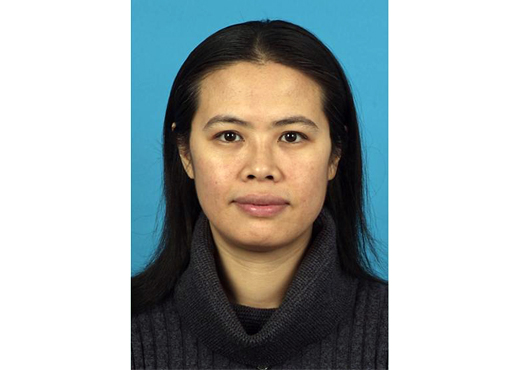 XiaoNi Liu (刘晓霓)合作论文数Beijing Youan Hospital, Capital Medical University5Lili Zhang合作论文数4Yan Hao (郝言)合作论文数4
 Tongzeng Li (李侗曾)合作论文数Beijing YouAn Hospital, Capital Medical University4Mengyin Chai合作论文数3Ze LIU (刘泽)合作论文数3Erli LIU (刘二丽)合作论文数3XiaoQin Zheng (郑小勤)合作论文数3Hua Jin (靳华)合作论文数3
 Lianchun Liang (梁连春)合作论文数Beijing Youan Hospital, Capital Medical University3Lili Feng (冯丽丽)合作论文数3
 Wei Li (李威)合作论文数Beijing Youan Hospital, Capital Medical University3Zengli Liu (刘增利)合作论文数3
 Hongyan Li (李红艳)合作论文数Civil Aviation General Hospital3
 Dexi Chen (陈德喜)合作论文数Beijing Youan Hospital, Capital Medical University;Beijing Institute of Hepatology3
 Xiaojie Huang (黄晓婕)合作论文数Beijing Youan Hospital, Capital Medical University3Buxin Kou合作论文数2Chun Zhang合作论文数2Liu Yang合作论文数2Yi LI (李毅)合作论文数2Shan Ji (吉杉)合作论文数2Aihua Jin (金爱华)合作论文数2zhijun hu (胡志军)合作论文数2YiTong Wang (王一同)合作论文数2
 Xingbo Guo (郭兴伯)合作论文数Artemisinin Research Center, Guangzhou University of Chinese Medicine2
 Xianbo Wang (王宪波)合作论文数Beijing Ditan Hospital Capital Medical University2
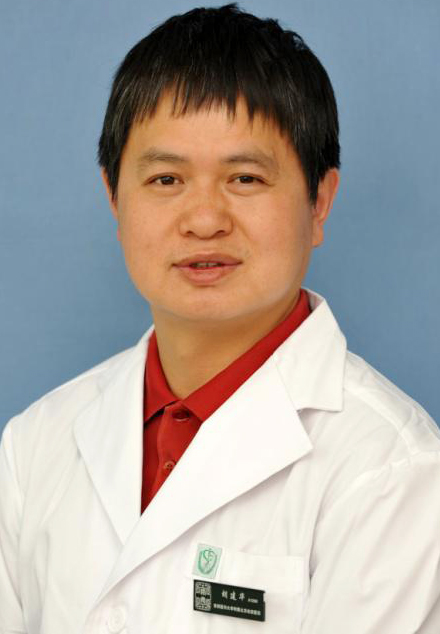 Jianhua Hu (胡建华)合作论文数Beijing Youan Hospital, Capital Medical University2
 Yuyong Jiang (江宇泳)合作论文数Beijing Ditan Hospital, Capital Medical University2
 Huiguo Ding (丁惠国)合作论文数Beijing Youan Hospital, Capital Medical University2
 Liangduo Jiang (姜良铎)合作论文数Dongfang Hospital, Beijing University of Chinese Medicine;Dongzhimen Hospital, Beijing University of Chinese Medicine2Shaonan Liu (刘少南)合作论文数1Xue-Jun Lin合作论文数1Qiqi Ning合作论文数1Jun Yang合作论文数1Yunlong Zhang合作论文数1Xiaoxiao Yu (于笑笑)合作论文数1Tingwang Shi合作论文数1Tingting Mei合作论文数1




