The Yellow River Delta played a vital role in the development of the Neolithic civilization of China. However, the population history of this region from the Neolithic transitions to the present remains poorly understood due to the lack of ancient human genomes. This especially holds for key Neolithic transitions and tumultuous turnovers of dynastic history. Here, we report genome-wide data from 69 individuals dating to 5,410-1,345 years before present (BP) at 0.008 to 2.49× coverages, along with 325 present-day individuals collected from 16 cities across Shandong. During the Middle to Late Dawenkou period, we observed a significant influx of ancestry from Neolithic Yellow River farmers in central China and some southern Chinese ancestry that mixed with local hunter-gatherers in Shandong. The genetic heritage of the Shandong Longshan people was found to be most closely linked to the Dawenkou culture. During the Shang to Zhou Dynasties, there was evidence of genetic admixture of local Longshan populations with migrants from the Central Plain. After the Qin to Han Dynasties, the genetic composition of the region began to resemble that of modern Shandong populations. Our genetic findings suggest that the middle Yellow River Basin farmers played a role in shaping the genetic affinity of neighboring populations in northern China during the Middle to Late Neolithic period. Additionally, our findings indicate that the genetic diversity in the Shandong region during the Zhou Dynasty may be linked with their complex ethnicities.
Emperor Wu ((sic)(sic), Wudi) of the Xianbei-led Northern Zhou dynasty, named Yuwen Yong ((sic)(sic)(sic), 543-578 CE), was a highly influential emperor who reformed the system of regional troops, pacified the Turks, and unified the northern part of the country. His genetic profile and physical characteristics, including his appearance and potential diseases, have garnered significant interest from the academic community and the public. In this study, we have successfully generated a 0.343 x -coverage genome of Wudi with 1,011,419 single -nucleotide polymorphisms (SNPs) on the 1240k panel. By analyzing pigmentation -relevant SNPs and conducting cranial CT -based facial reconstruction, we have determined that Wudi possessed a typical East or Northeast Asian appearance. Furthermore, pathogenic SNPs suggest Wudi faced an increased susceptibility to certain diseases, such as stroke. Wudi shared the closest genetic relationship with ancient Khitan and Heishui Mohe samples and modern Daur and Mongolian populations but also showed additional affinity with Yellow River (YR) farmers. We estimated that Wudi derived 61% of his ancestry from ancient Northeast Asians (ANAs) and nearly one-third from YR farmer -related groups. This can likely be attributed to continuous intermarriage between Xianbei royal families, and local Han aristocrats. 1,2 Furthermore, our study has revealed genetic diversities among available ancient Xianbei individuals from different regions, suggesting that the formation of the Xianbei was a dynamic process influenced by admixture with surrounding populations.
Institute of Archaeological Science, Fudan University, Shanghai, China, Hungarian Institute for Forensic Sciences, Institute of Forensic Genetics, Budapest, Hungary, National Center for Biotechnology, Astana, Kazakhstan, MOE Laboratory for National Development and Intelligent Governance, Fudan University, Shanghai, China, Center for the Belt and Road Archaeology and Ancient Civilizations, Fudan University, Shanghai, China
The Datong Basin was an important arena for population movement and admixture between the Yellow River Valley and Eastern Steppe. In historical materials, the region was often the setting for a tug-of-war between Han farmers and non-Han nomads. The genetic makeup and population history of this Datong population has, however, remained uncertain. In this study, we analysed 289 mitogenomes from Datong individuals. Our primary findings were: (1) population summary statistics analysis revealed a high level of genetic diversity and strong signals of population expansion in the Datong population; (2) inter-population comparisons (PCA and Fst heatmap) exhibited a close clustering between the Datong population and Northern Han, especially northern frontier groups, such as the Inner Mongolia Han, Heilongjiang Han, Liaoning Han and Tianjin Han; (3) phylogeographic analysis of complete mitogenomes revealed the presence of different components in the maternal gene pools of Datong population-the northern East Asian component was dominant (66.44%), whereas the southern East Asians were the second largest component with 31.49%. We also observed a much reduced west Eurasian (2.07%) component; (4) direct comparisons with ancient groups showed closer relationship between Datong and Yellow River farmers than Eastern Steppe nomads. Despite, therefore, centuries of Eastern Steppe nomadic control over the Datong area, Yellow River farmers had a much more significant impact on the Datong population.
A high point of Tibetan Plateau (TP) civilization, the expansive Tubo Empire (618-842 AD) wielded great influence across ancient western China. However, whether the Tubo expansion was cultural or demic remains unclear due to sparse ancient DNA sampling. Here, we reported ten ancient genomes at 0.017- to 0.867-fold coverages from the Dulan site with typical Tubo archaeological culture dating to 1308-1130 BP. Nine individuals from three different grave types have close relationship with previously reported ancient highlanders from the southwestern Himalayas and modern core-Tibetan populations. A Dulan-related Tubo ancestry contributed overwhelmingly (95%-100%) to the formation of modern Tibetans. A genetic outlier with dominant Eurasian steppe-related ancestry suggesting a potential population movement into the Tubo-controlled regions from Central Asia. Together with archeological evidence from burial styles and customs, our study suggested the impact of the Tubo empire on the northeast edge of the TP involved both cultural and demic diffusion.
The Hexi Corridor was an important arena for culture exchange and human migration between ancient China and Central and Western Asia. During the Han Dynasty (202 BCE–220 CE), subsistence strategy along the corridor shifted from pastoralism to a mixed pastoralist-agriculturalist economy. Yet the drivers of this transition remain poorly understood. In this study, we analyze the Y-chromosome and mtDNA of 31 Han Dynasty individuals from the Heishuiguo site, located in the center of the Hexi Corridor. A high-resolution analysis of 485 Y-SNPs and mitogenomes was performed, with the Heishuiguo population classified into Early Han and Late Han groups. It is revealed that (1) when dissecting genetic lineages, the Yellow River Basin origin haplogroups (i.e., Oα-M117, Oβ-F46, Oγ-IMS-JST002611, and O2-P164+, M134-) reached relatively high frequencies for the paternal gene pools, while haplogroups of north East Asian origin (e.g., D4 and D5) dominated on the maternal side; (2) in interpopulation comparison using PCA and Fst heatmap, the Heishuiguo population shifted from Southern-Northern Han cline to Northern-Northwestern Han/Hui cline with time, indicating genetic admixture between Yellow River immigrants and natives. By comparison, in maternal mtDNA views, the Heishuiguo population was closely clustered with certain Mongolic-speaking and Northwestern Han populations and exhibited genetic continuity through the Han Dynasty, which suggests that Heishuiguo females originated from local or neighboring regions. Therefore, a sex-biased admixture pattern is observed in the Heishuiguo population. Additionally, genetic contour maps also reveal the same male-dominated migration from the East to Hexi Corridor during the Han Dynasty. This is also consistent with historical records, especially excavated bamboo slips. Combining historical records, archeological findings, stable isotope analysis, and paleoenvironmental studies, our uniparental genetic investigation on the Heishuiguo population reveals how male-dominated migration accompanied with lifestyle adjustments brought by these eastern groups may be the main factor affecting the subsistence strategy transition along the Han Dynasty Hexi Corridor.
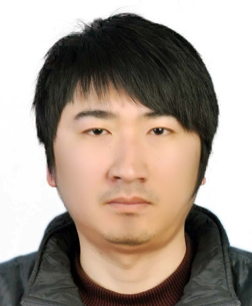 Shaoqing Wen (文少卿)合作论文数Department of Cultural Heritage and Museology, Fudan University;Ministry of Education Key Laboratory of Contemporary Anthropology, Fudan University6
 Pan-Xin Du合作论文数5Edward Allen合作论文数5Hailiang Meng合作论文数5Xu Yiran合作论文数5Xiaoying Ren合作论文数4Jianxue Xiong合作论文数4Yu Yao合作论文数4Kongyang Zhu合作论文数3
 Chuan-Chao Wang (王传超)合作论文数School of Forensic Medicine and Science, Fudan University;Ministry of Education Key Laboratory of Contemporary Anthropology, School of Life Sciences, Fudan University3
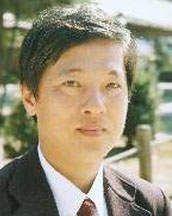 Sheng Han (韩昇)合作论文数Department of History, Fudan University;Ministry of Education Key Laboratory of Contemporary Anthropology, Fudan University3Haoquan Bao合作论文数2Baoshuai Zhang合作论文数2Jianlin Zhang合作论文数2Yichen Tao合作论文数2
 Boyan Zhou合作论文数Inst Archaeol Sci, Fudan Univ2Xiaomin Yang合作论文数2
 Jingze Tan (谭婧泽)合作论文数School of Life Sciences, Fudan University2
 Chang Sun (孙畅)合作论文数State Key Laboratory of Molecular Engineering of Polymers, Department of Macromolecular Science, Fudan University2
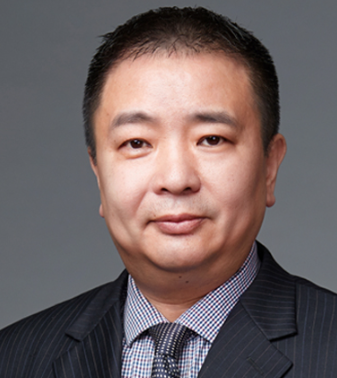 Li Jin (金力)合作论文数Department of Anthropology and Human Genetics, School of Life Sciences, Fudan University;Shanghai College of Medicine, Fudan University2Ye-Tao Zou合作论文数1
 Hailong Yan合作论文数1Kai Ru合作论文数1Hui Qiao合作论文数1Jiyuan Li合作论文数1Jiehui Li合作论文数1Ruilan Li合作论文数1Nianping Zhang合作论文数1Qingli Fang合作论文数1Guoke Chen合作论文数1Yishi Yang合作论文数1Yuqing Yan合作论文数1Ye Gao合作论文数1Hao Ma合作论文数1Guanglin He合作论文数1Rui Wang合作论文数1Yi Ding合作论文数1
 Pengfei Sheng (生膨菲)合作论文数Department of Cultural Heritage and Museology, Fudan University1
 Pianpian Wei (魏偏偏)合作论文数Department of Cultural Heritage and Museology, Fudan University;Ministry of Education Key Laboratory of Contemporary Anthropology, Fudan University1
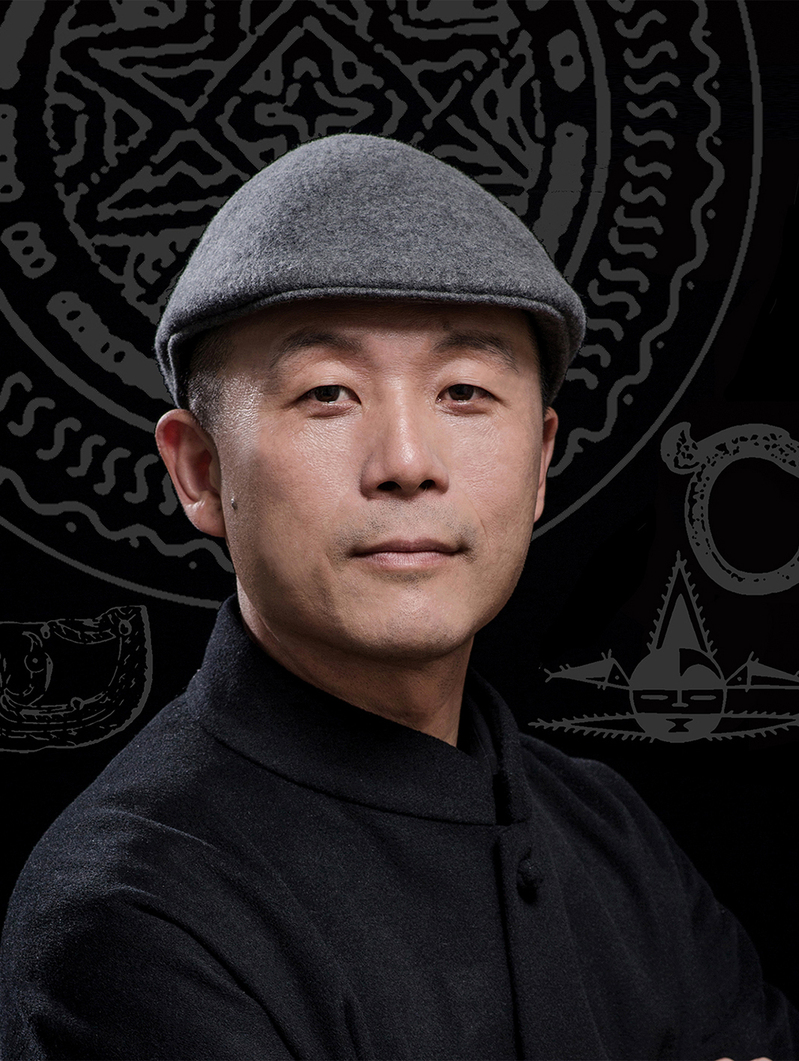 Hui Li (李辉)合作论文数School of Life Sciences, Fudan University1
 Zhabagin Maxat合作论文数Center for Life Sciences, Nazarbayev University1
 Lingxiang Wang合作论文数1
 Liang Chen (陈亮)合作论文数College of Agronomy, Northwest A&F University1
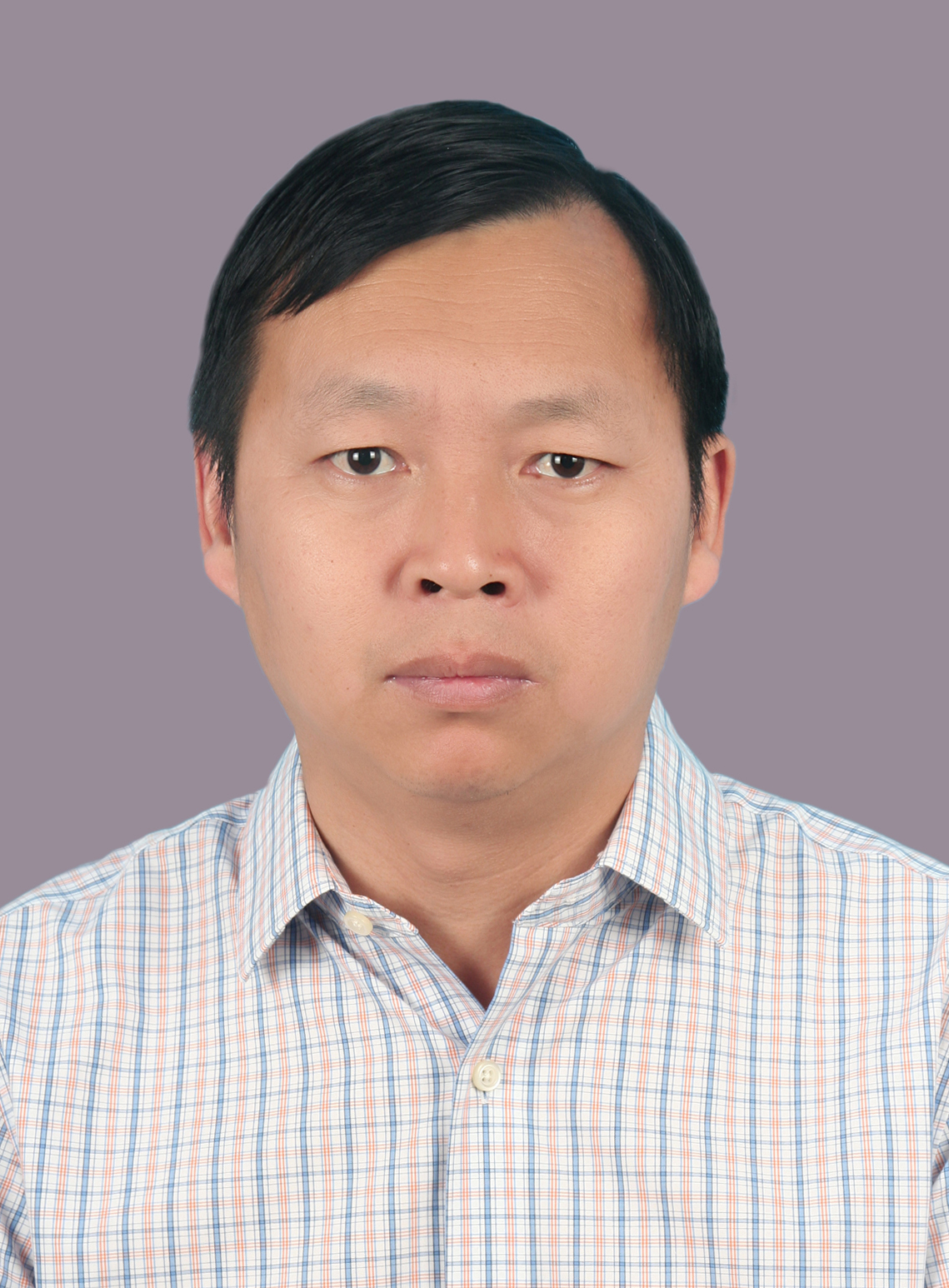 Guanghui Dong (董广辉)合作论文数College of Earth and Environmental Sciences, Lanzhou University;Institute of Earth Environment, Chinese Academy of Sciences;University of Chinese Academy of Sciences1
 Jihong Zhang (张继红)合作论文数Institute of Zoology, Chinese Academy of Sciences1
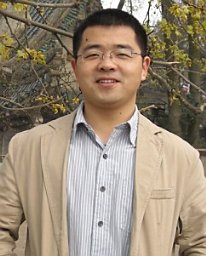 Hui Wang合作论文数1
 Horolma Pamjav合作论文数1Jian-Xin Guo合作论文数1




