Chronic stress can induce both depression and low sexual desire (LSD); however, selective serotonin reuptake inhibitors (SSRIs) may exacerbate LSD while being used to treat depression. It's known that sunlight could improve sexual desire, therefore we want to explore whether near-infrared laser transcranial photo-biomodulation (NIR-tPBM) could improves LSD caused by chronic stress. Forty-eight male eight-week-old Balb/c mice were divided into six groups; including chronic restraint stress (CRS) groups that received different levels of NIR-tPBM, the forced swim test and tail suspension test were used to evaluate depression in these mice. Ovariectomized and sex hormone induced sexual experienced female mice were used to evaluate the mating motivation of the male mice. The fraction of time spent sniffing a female (FTSSF) during the first five minutes of the pre-mounting period was used to evaluate the sexual desire, the function statues of the anteroventral and preoptic periventricular (AVPV/PVpo) dopaminergic neurons in the hypothalamus of the male mice were checked, the serum testosterone and cortisol were also measured. In mice undergoing CRS, NIR-tPBM improved both LSD and depression, with the ultimate effect related to radiant exposure level. The elevated c-Fos expression in AVPV/PVpo dopaminergic neurons induced by NIR-tPBM could be the reason for the improvement in LSD. While chronic stress led to LSD in male mice, we herein speculated that NIR-tPBM improved the LSD by activating AVPV/PVpo dopaminergic neurons in the hypothalamus.
Background: This paper reports two cases of anatomic urethroplasty (AU) using everted saphenous vein graft (eSVG) with long penile urethral strictures. The preliminary feasibility and safety of the operation are also analyzed. Methods: Two men with penile urethral strictures (5.5 cm and 5.0 cm) were treated with AU using eSVG. The highlight of this novel surgical technique was the anatomical repair of the layer of the narrowed urethral wall without affecting the continuity of the layer of corpus spongiosum. Moreover, the pre- and postoperative Urodynamics and Night Penis Tumescence and Rigidity test results were compared. Results: Complications, such as hematoma, urinary fistula, or urethral strictures, were not observed at 2 weeks postoperatively. At 6 months postoperatively, the urination status and urodynamic indexes of the patients had significantly improved compared with that preoperatively. There was no significant change in erection function before and after the operation. Conclusions: Repairing long penile urethral strictures with AU using eSVG is safe and feasible and can be used as an alternative treatment method.
BACKGROUND:Augmentative phalloplasty is a controversial issue. A safe, stable, and efficient surgical method for penile girth enlargement has not been available. This article introduces a novel autologous scrotal flap-turning procedure, the scrotal dartos flap method, for men with small penis syndrome and addresses its efficacy and safety.METHODS:A single-center, prospective study was conducted at the Zhongnan Hospital of Wuhan University, where 29 patients were treated with the scrotal dartos flap method. The key procedure for this technique is fully turning the scrotal dartos flap to the loose plane just between the superficial penile fascia and the Buck fascia to increase the circumference of the penis. Penile girth improvement and adverse events were recorded.RESULTS:Complete follow-up data were collected for 27 of 29 patients (93.1 percent). It yielded a girth improvement of 3.59 ± 0.80 cm (50.8 percent). This enlargement surpassed that of most previous published surgical procedures. In addition, there were no serious adverse events (e.g., penile fibrosis, flap infection, sclerosis, or removal) during the 6-month follow-up. Wound infection ( n = 1), hematoma ( n = 2), and folding ( n = 1) were all slight.CONCLUSIONS:This novel autologous flap-turning procedure performed better than the majority of previously published penile girth enlargement methods and was accompanied by only slight and acceptable adverse events. The scrotal dartos flap method appears to be a viable method for the penile girth enlargement treatment of small penis syndrome.CLINICAL QUESTION/LEVEL OF EVIDENCE:Therapeutic, IV.
目的 探讨术中放置可吸收医用膜对精索静脉曲张术后疼痛等并发症的影响.方法 选取2016年1月至2019年1月武汉大学中南医院收治的138例精索静脉曲张患者作为研究对象,对其临床资料进行回顾性分析.根据术中是否应用可吸收医用膜覆盖精索动脉及精索分为研究组(应用,n=86)和对照组(未应用,n=52).观察并比较两组术后疼痛、阴囊水肿、复发及精液质量.结果 术后1个月,两组疼痛评分、疼痛情况比较,差异具有统计学意义(P<0.05).两组术后阴囊水肿发生率、复发率及术后3个月精液质量比较,差异无统计学意义(P>0.05).结论 在精索静脉曲张患者术中使用可吸收医用膜,可减轻术后1个月的阴囊疼痛程度,但对术后阴囊水肿、复发和精液质量无影响.
精囊镜技术目前广泛应用于精道远端相关疾病的诊治,但作为一种新兴技术,目前仍未建立统一的标准实施方案,使用效果也参差不齐.本文拟系统化阐述精囊镜实施过程中可能出现的并发症及相应预防措施,从适应证、术前评估、器械选择、进镜途径、射精管开口辨识、进镜方法、检查治疗、术后措施及指导等方面提出需要注意的要点,供同行交流参考,尽力使手术操作本身对手术区域的影响最小化,使患者受益最大化.
BACKGROUND With continuous advancement of industrial society, environmental pollution has become more and more serious. There has been an increase in infertility caused by environmental factors. Nonylphenol (NP) is a stable degradation product widely used in daily life and production and has been proven to affect male fertility. However, the underlying mechanisms therein are unclear. Thus, it is necessary to study the effect and mechanism of NP on spermatogonial stem cells (SSCs). AIM To investigate the cytotoxic effect of NP on SSCs via the phosphatidylinositol-3-kinase/protein kinase B/mammalian target of rapamycin (PI3K/AKT/mTOR) pathway. METHODS SSCs were treated with NP at 0, 10, 20 or 30 µmol. MTT assay was performed to evaluate the effect of NP on the proliferation of SSCs. Flow cytometry was conducted to measure SSC apoptosis. The expression of Bad, Bcl-2, cytochrome-c, pro-Caspase 9, SOX-2, OCT-4, Nanog, Nanos3, Stra8, Scp3, GFRα1, CD90, VASA, Nanos2, KIT, PLZF and PI3K/AKT/mTOR-related proteins was observed by western blot, and the mRNA expression of SOX-2, OCT-4 and Nanog was detected by quantitative reverse transcription polymerase chain reaction. RESULTS Compared with untreated cells (0 μmol NP), SSCs treated with NP at all concentrations showed a decrease in cell proliferation and expression of Bcl-2, Nanog, OCT-4, SOX-2, Nanos3, Stra8, Scp3, GFRα1, CD90, VASA, Nanos2, KIT, and PLZF (P < 0.05), whereas the expression of Bad, cytochrome-c, and pro-Caspase 9 increased significantly (P < 0.05). We further examined the PI3K/AKT/mTOR pathway and found that the phosphorylation of PI3K, AKT, mTORC1, and S6K was significantly decreased by NP at all concentrations compared to that in untreated SSCs (P < 0.05). NP exerted the greatest effect at 30 μmol among all NP concentrations. CONCLUSION NP attenuated the proliferation, differentiation and stemness maintenance of SSCs while promoting apoptosis and oxidative stress. The associated mechanism may be related to the PI3K/AKT/mTOR pathway.
We aimed to establish a novel rat model of seminal vesiculitis that would provide an effective approach to investigate the pathogenesis of this disease in the future. Eight male rats received the same operation, during which the root of one of the two seminal vesicles was partly ligatured with sutures and the other vesicle was left intact. The samples of seminal vesicles were harvested on the 8th day following the operation. Hematoxylin and eosin and Masson's trichrome stains were used to observe the histopathology and the presence of fibrous tissue in seminal vesicles, respectively. Immunoblotting and immunohistochemistry were applied to determine the tumor necrosis factor-alpha and cyclooxygenase-2 levels in seminal vesicle tissues. Real-time fluorescence quantitative polymerase chain reaction was performed to measure the gene expression levels of proinflammatory cytokines. H2O2levelsin the seminal plasma from the seminal vesicle were also measured. Hematoxylin and eosin staining suggested that there was inflammatory cell infiltration into the seminal vesicles treated by partial root ligation. The tumor necrosis factor-alpha and cyclooxygenase-2 proteins were significantly upregulated in the treated seminal vesicles. The tumor necrosis factor-alpha, cyclooxygenase, interleukin 6, and inducible nitric oxide synthase mRNA expression levels were also upregulated in the treated seminal vesicles. The H2O2 levels in the seminal plasma from seminal vesicles with partial root ligation were significantly elevated compared with those from vesicle left intact. In conclusion, partially ligating the root of the seminal vesicle via sutures in rats is an effective method to establish a seminal vesiculitis rat model.
INTRODUCTION:The buried penis, if not treated before adolescence, will lead to psychological and physical disorders in adulthood. Therefore, early surgical intervention is necessary. At present, the common surgical methods include the penile corpus fixation, the Johnson's operation, the Devine's method, the modified Devine's method, Shiraki's method, etc. However, we found that these traditional surgeries showed various postoperative complications, such as long-term prepuce edema, avascular necrosis of skin flaps, stenotic prepuce, scarring, and poor appearance. This video shows the main technical steps of our innovative surgical procedure "Six Stitch" (SS) method for the buried penis. MATERIALS AND METHODS:The designation of the so-called SS method was based on the total knots made (six knots were made for the SS procedure). After the crura penis was fully exposed via a longitudinal incision at the penoscrotal junction, at the 2 o'clock position (around the penis), the superficial layer of albuginea of the crura penis was sutured to the prepubic ligament with 2-0 non-absorbable sutures to prevent the retraction of the penis (the 1st knot). The same procedure was used for the 10 o'clock position (the 2nd knot); At the 2 o'clock position, the skin and subcutaneous tissue at the pubic mound were sutured to the prepubic ligament to reconstruct the appearance of dorsum penis (the 3rd knot). The same procedures were used for the 10 o'clock position (the 4th knot). At the 5 o'clock position, the ventral albuginea was sutured to the tunica dartos and subcutaneous tissue at the penoscrotal junction to reconstruct the penoscrotal angle (the 5th knot). The same procedures were used for the 4 o'clock position (the 6th knot). Finally, the gloved prepuce was reset and circumcision was conducted if the redundant prepuce existed. RESULTS:We have done a total of 64 cases of SS procedures for concealed penis; mean length improvement was 3.8 ± 0.5 cm, with a satisfying 95 percent (61 / 64), which was much longer than the outcome of the above-mentioned methods. Mean operative time was 62.3 ± 12.1 minutes, and there was no serious intraoperative or postoperative complication (only 2 presented scar hyperplasia at the incision site). CONCLUSIONS:In conclusion, after the SS procedure, patients with buried penis can acquire an almost 4 cm improvement of penile length and covert incision at the midline of the scrotum, with an acceptable and low incidence of adverse events. This safe and effective procedure may be a viable option for the surgical management of pediatric and adult buried penis.
目的 介绍中南医院泌尿外科开展的经阴囊入路反向脱套固定治疗隐匿性阴茎的术式,并评估其临床疗效和安全性.方法 回顾性分析中南医院泌尿外科2014年12月至2017年12月采用经阴囊入路隐匿性阴茎矫正术(以下简称“三针法”)治疗的48例隐匿性阴茎患者的临床资料,统计患者手术时间、出血量、术后恢复及并发症等方面数据.结果 所有患者均手术成功,平均住院时间(7.00±1.03)d;平均手术时间为(67.4±10.8)min;出血量(10.00±1.03)mL.术后随访半年,未发生严重并发症,仅1例复发;术后感染0例、狭窄2例、疤痕赘生7例;术后外形满意度高(93.7%).结论 经阴囊入路反向脱套法治疗隐匿性阴茎安全有效,并发症较低,值得进一步研究和推广.
This paper was aimed to introduce and compare outcomes of a novel “Su-Wang (S-W) technique” for endoscopic treatment of adult hydrocele with conventional open hydrocelectomy with “Jaboulay’s (JA) procedure” regarding adverse events (AEs) and patient satisfaction. In the randomized controlled trial, adult males with primary hydroceles were prospectively assigned into S-W or JA group. We recorded perioperative data and postoperative AEs (incision length, recurrence, hematoma, wound infection and edema vanished time). Finally, a total of 42 adult patients underwent the S-W (n = 22) or JA (n = 20) procedure. Procedures were successfully completed for all 42 patients. No significant differences were found between the two groups regarding age, symptom duration, body mass index, and size of the hydrocele. The incision length was significantly shorter in the S-W group (1.00 ± 0.24 cm) than in the JA group (6.10 ± 1.46 cm). After 6 months’ follow-up, complete data of 90.5% (38/42) were obtained. Severe AEs did not occur in any patient. Recurrence, hematoma, wound infection, edema vanished time values, and satisfaction in the S-W group were superior to those in the JA group. All patients in the S-W group were satisfied with this novel procedure, particularly due to the minimally invasive incision. In conclusion, the novel “S-W technique” for hydrocelectomy provided satisfactory cosmetic results with a 1-cm scrotal incision only. With the near-complete excision of the parietal TV, it resulted in no recurrence, fewer AEs, and rapid postoperative rehabilitation in comparison to the traditional “JA procedure.” The endoscopic “S-W technique” may be a viable alternative for the surgical treatment of adult primary vaginal hydrocele.
"你家孩子割包皮没?""听说包皮过长,以后孩子'鸡鸡'长不大.""听说包皮藏污纳垢,很容易发炎."一到放假,就会有家长带着孩子来医院咨询包皮过长、包茎等问题,期望早点把包皮割了,免得留有后患.
Background Management of chronic idiopathic testicular pain may be difficult because of problems identifying the causes. We evaluated “AUTOKLAV”, a novel endourological nephrolithotomy device to diagnose and treat chronic idiopathic testicular pain. Methods We divided 103 patients to either scrotoscopy group (SG, n = 64) or open exploration group (OEG, n = 39) between September 2014 and March 2017 at Zhongnan Hospital. Perioperative information, like operating time, length of incision, and wound infections, was carefully recorded during in hospital. Follow-up data, like pain scores improvement, satisfaction with penis appearance, and adverse event, were collected at one month postoperatively. Results Finally, both the operating time and length of incision showed better performance for SG (43.6 ± 4.7 versus 51.5 ± 9.0 min; 0.7 ± 0.2 versus 4.1 ± 0.8 cm; both P <0.01). Though the pain improvement had no significant differences between the two groups (2.92 ± 0.99 and 2.14 ± 1.02, p>0.05), SG showed obvious advantages in incidence of wound infections and satisfaction with wound/scrotum appearance (0% versus 2.9%; 96.4% versus 85.3%, both P<0.05). Conclusions In conclusion, scrotoscopy using the novel AUTOKLAV device is feasible, has an acceptable complication rate, and can be effective and safe in men with idiopathic chronic testicular pain. Etiologically, secondary inflammatory changes caused by the complete or incomplete torsion of testicular or epididymis appendices or by the existence of stones in the tunica sac might be responsible for the pain.
To introduce the detailed procedures of two innovative surgical options for pediatric buried penis and prospectively compare their efficacy and safety.
Obejctive To evaluate the clinical efficacy of Ningmitai capsule in the treatment of typeⅢ prostatitis. Methods Fifty patients with type Ⅲ prostatitis in Zhongnan Hospital of Wuhan University were given oral Ningmitai Capsule (4 capsules/time, 3 times a day). The changes of NIH-CPSI score and seminal neutrophil elastase concentrations were observed before and after treatment to assess the efficacy. Results After 1 months of treatment, the total score of NIH-CPSI decreased significantly from 21.34±3.44 to 16.30±4.08, and the pain or discomfort symptom score, micturition symptom score and quality of life score were significantly lower than those before treatment (P<0.05). The concentration of seminal neutrophil elastase in patients decreased from 1666.42 ng/mL before treatment to 920.25 ng/mL, after treatment (P<0.05). Conclusion Ningmitai capsule can effectively alleviate the symptoms of prostatitis and it is an effective method for the treatment of type III prostatitis.
Dear Editor,A recently published article entitled “Gene expression of insulin receptor, insulin-like growth factor increases and insulin-like growth factor-binding protein-3 reduces with increase i...
Introduction: Standard hydrocelectomy for adult primary vaginal hydrocele may cause postoperative discomfort, limited mobility, and complications, such as hematoma, infection, persistent swelling, chronic pain, and decreased fertility.1–3 To decrease the complications, we described a novel endoscopic “Su-Wang technique” for adult primary vaginal hydrocele with the aid of a scrotoscope. Materials and Methods: A 56-year-old man with fall bilge feeling of the right scrotum for 12 months was found to have primary vaginal hydrocele by the B-mode ultrasound. First, a transverse incision about 1 cm long is made at the anterior superior part of the right scrotum. Then, we cut the skin, dartos, and superficial fascia of the scrotum layer-by-layer, until the parietal layer of the tunica vaginalis was exposed. We made a length of about 0.5 cm incision, and then a self-made working sheath was passed through the incision into the vaginal cavity, steadily fixed at the parietal layer. Through the self-made working sheath, we inserted the scrotoscope into the vaginal cavity. Using a plasma cylindrical electrode, we burned a circle at the parietal layer of the tunica vaginalis as a marker. The distance between the burned place and the testis or epididymis was 1 to 2 cm. Along the circular mark, the parietal layer of the tunica vaginalis was burned with a plasma cylindrical electrode. The burning depth penetrates only the parietal layer of the tunica vaginalis, but does not reach the deep fascial layer of the scrotal wall. After checking the depth of the burn site, the scrotoscope was pulled out. Then, the parietal layer of the tunica vaginalis was peeled away from the deep fascial layer of the scrotal wall. After that, the parietal layer of the tunica vaginalis could be easily stripped from the scrotum. Results: We have completed 15 cases of primary vaginal hydrocele in adults with the “Su-Wang technique,” the average size of hydrocele was 7.8 cm, the average operation time was 43 minutes, the average volume of drainage after operation was 7 mL, the average drain removal time was 2 days postoperatively, and the length of stay was 4 day. Postoperative hematoma or wound infection did not occur. Mild scrotal edema usually dissipated within 2 days after surgery. Patients were able to resume normal daily activity an average of 4 days after surgery (range 2–5). All 15 cases were cured and followed up for 1 year without recurrence. Conclusions: Our “Su-Wang technique” allows the surgeon to remove large hydrocele through a 1-cm incision and to almost completely resect the parietal tunica vaginalis, resulting in no recurrence, minimal complications, and early recovery. This procedure may be a viable option for surgical treatment of adult primary vaginal hydrocele. No competing financial interests exist. Runtime of video: 7 mins 12 secs
Background Current evidence regarding the efficacy of ethanol locks in preventing catheter-related bloodstream infection (CRBI) is inconclusive. Methods Electronic databases, including PubMed, Web of Science, Embase, and the Cochrane Library (until April 2018),were systematically searched for relevant studies. Two reviewers independently screened the retrieved records and identified RCTs that met the inclusion criteria. Relevant data were extracted for pooled analyses using Review Manager 5.3 software. Subgroup analysis was performed according to the study quality, duration of the ethanol lock, disease type and CRBI definition. Eggs’ method was applied to detect publication bias. Sensitivity analysis was conducted to check the stability of the meta-analysis results. Results Ten RCTs involving 2760 patients were included in the analysis. The overall pooled result indicated that ethanol locks significantly reduced the incidence of CRBI (RR 0.66, 95% CI 0.51–0.86). Subgroup analysis suggested that an ethanol lock significantly decreased the incidence of CRBI in patients with hematological diseases (RR 0.50, 95% CI 0.31–0.80). An ethanol lock significantly reduced the incidence of CRBI in a2-hour ethanol lock group (RR 0.49, 95% CI 0.33–0.73). The meta-analysis showed that an ethanol lock significantly reduced the incidence of CRBI according to analysis of high-(RR 0.66, 95% CI 0.47–0.94) or low-(RR 0.66, 95% CI 0.46–0.95) quality studies. Meta-analysis of studies with a strict CRBI definition showed that an ethanol lock can significantly prevent CRBI (RR 0.61, 95% CI 0.42–0.89). The results of sensitivity analysis suggested that the pooled result was stable. Meta-analysis of adverse events showed that an ethanol lock did not increase the incidence of thrombosis (RR 1.05, 95% CI 0.51–2.18) or mortality (RR 0.99, 95% CI 0.90–1.08) but did result in increased nausea (RR 1.54, 95% CI 1.01–2.35), dizziness (RR 4.21, 95% CI 2.40–7.39),elevated blushing rates (RR 3.27, 95% CI 2.05–5.22) and altered taste rates (RR 2.61, 95% CI 1.93–3.54). Conclusions An ethanol lock may play a role in the prevention of CRBI, especially in immunocompromised patients with hematological diseases.
阴囊镜技术是借助内镜技术在睾丸鞘膜腔内实施的一种微创技术.它类似于腹腔镜技术可以探查并治疗腹腔脏器病变一样,在阴囊镜下可以直视阴囊内容物如睾丸、附睾、精索及鞘膜等解剖结构,从而对其所发生的异常进行诊断和治疗,是诊治阴囊相关疾病的新技术.1986年埃及人 Shafik[1]首次报道利用阴囊镜检查阴囊内容物;1996年,杨金瑞课题组报道了使用阴囊镜诊断阴囊内容物疾病的经验[2],并于2002年在阴囊镜辅助下进行睾丸鞘膜囊肿切除术,取得了较好效果[3].本文就阴囊镜技术在阴囊相关疾病诊断及治疗两方面的临床应用进行介绍,同时对可能出现的手术相关并发症及其防治措施进行探讨.
[目的]分析勃起功能障碍和心血管疾病研究领域的研究现状和趋势,为后续研究提供依据.[方法]通过Scopus数据库检索勃起功能障碍和心血管疾病领域的所有文献,分析其发表年份、文献类型、国家/地区分布、研究机构分布、被引情况、研究者合著关系及标题信息,对近年来该领域的研究情况进行初步了解.[结果]近60年来,基于勃起功能障碍和心血管疾病相关性的研究以原始论著研究为主,其发文量呈逐年上升的趋势,并在近10年内达到稳定.[结论]西方国家(尤其是美国和意大利)在勃起功能障碍和心血管疾病研究领域处于领先地位,临床研究和流行病学研究是该领域的研究热点,同时该研究领域内的研究人员间存在密切的合作关系.
Objective: To understand the current situation and trend on the relations between erectile dysfunction (ED) and cardiovascular disease (CVD) through analyzing the epidemiologic research data. Methods: We conducted a literature search on the Scopus for potentially relevant epidemiologic studies on ED and CVD published from 1957 to October, 28, 2016. Age of the article, types, regions, citation, and co-authorship of the documents were recorded. Results: A total number of 412 pieces of literature were published in the past six decades, with original articles the most common types of ED and CVD. ED and CVD associated epidemiologic topics had an annual increase in number, and remained stable in the past decade, with occident countries as the United States and Italy taking the lead in this area. Clinical and epidemiological studies were the hottest areas, with most authors sharing a co-authorship. Conclusion: Our results suggested that inter-disciplinary cooperation with emphasize on clinical application were the effective starting points for ED and CVD associated epidemiologic studies.
 Xinghuan Wang (王行环)合作论文数Zhongnan Hospital, Wuhan University16
 Junhao Lei (雷钧皓)合作论文数Zhongnan Hospital of Wuhan University;The Second Clinical College of Wuhan University12
 Chunhua Luo (罗春华)合作论文数11Yuming Guo合作论文数4LiQuan Hu (胡礼泉)合作论文数4
 Tongzu Liu (刘同族)合作论文数Zhongnan Hospital, Wuhan University4
 Shiwen Li (李世文)合作论文数Zhongnan Hospital of Wuhan University4Yuming GUO (郭雨鸣)合作论文数3
 Xinmin Zheng (郑新民)合作论文数The Second Clinical College of Wuhan University3
 Binqun Tian (田斌群)合作论文数Zhongnan Hospital of Wuhan University3
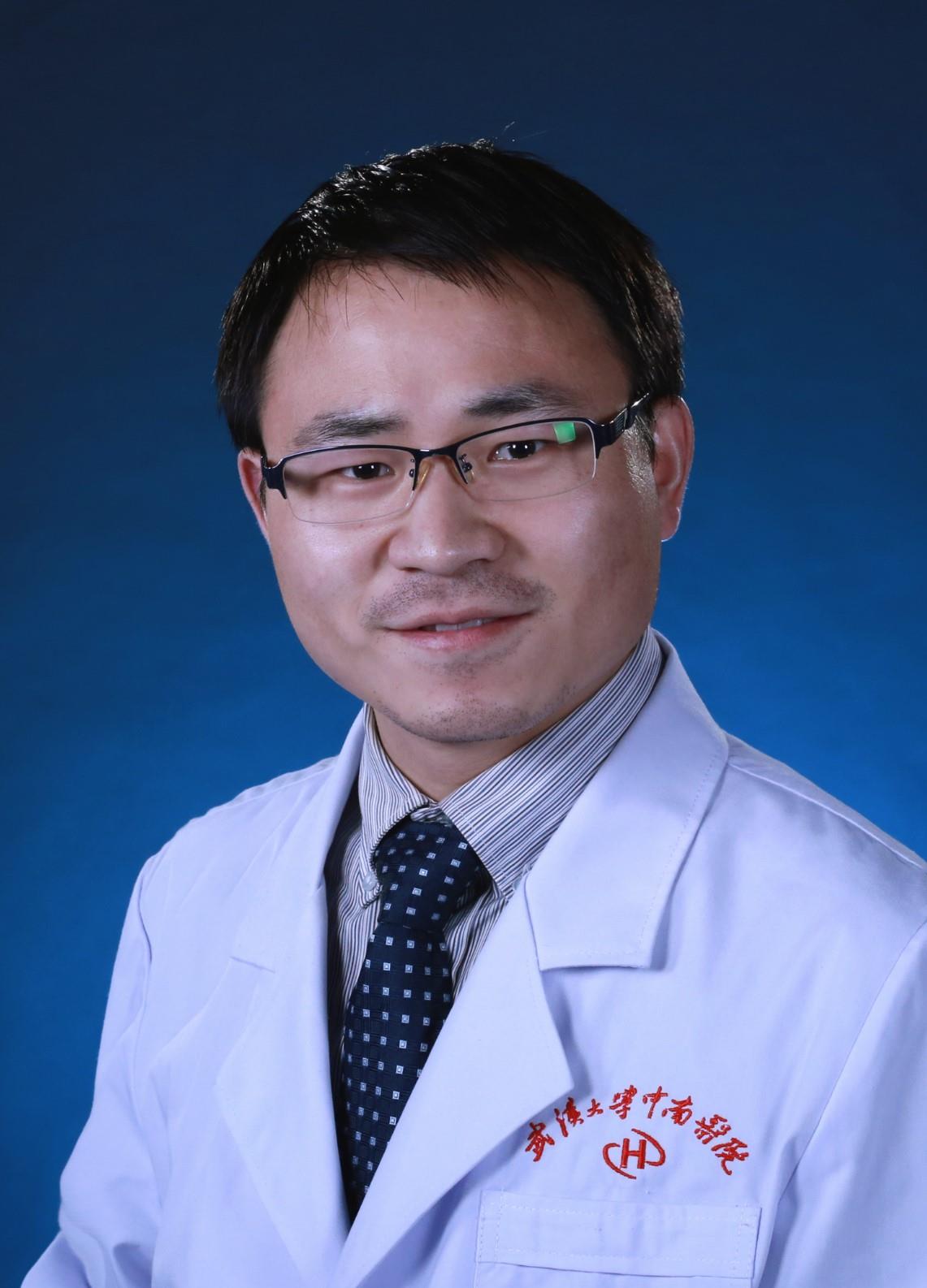 Xiantao Zeng (曾宪涛)合作论文数Center for Evidence-based and Translational Medicine, Zhongnan Hospital, Wuhan University;Department of Evidence-based Medicine and Clinical Epidemiology, Wuhan University3Wen Yan合作论文数2Cheng Fang合作论文数2guohui zhang (张国辉)合作论文数2GuoXiang Tian (田国祥)合作论文数2XiaoPing Liu (刘小平)合作论文数2Zhang Peng合作论文数2Yangyang Zhang合作论文数2Yunying Wang (汪云颖)合作论文数1Fan Li合作论文数1Peng Zhang (张鹏)合作论文数1Wan-Lin Wei合作论文数1Songtao Cheng合作论文数Zhongnan Hosp, Wuhan Univ1Xiao-long WANG (王晓龙)合作论文数1QinBo Hu (胡勤波)合作论文数1WanLin Wei (魏万林)合作论文数1Li Fang (方立)合作论文数1GuoXiong Liu (刘国雄)合作论文数1HeYing Du (杜合英)合作论文数1Xiaodong Li (李晓东)合作论文数HuaiHe Hospital of Henan University1Xiaolong Wang合作论文数1
 Sheng Li合作论文数Tongji University1
 Hao Hu (胡浩)合作论文数School of Basic Medical Sciences, Xi'an Jiaotong University1
 Weng Hong合作论文数Taihe Hospital, Hubei University of Medicine1
 Yue Cheng (程跃)合作论文数Ningbo University1
 Zhonghua Yang (杨中华)合作论文数Zhongnan Hospital of Wuhan University1
 Wanli Hu (胡万里)合作论文数Zhongnan Hospital of Wuhan University1
 Dalin He (贺大林)合作论文数The First Affiliated Hospital of Xi’an Jiaotong University;Xi'an Jiaotong University1




