目的:分析新型冠状病毒肺炎在武汉市的流行特征,建立预测疫情走势模型。方法:采集官方数据填入Excel表中,生成统计图表,计算每日新增确诊病例平均环比增长率和95%可信区间,据此建立数学模型,预测后续每日新增确诊病例数,并与实际发生每日新增确诊病例数进行比较。结果:平均环比增长率(2020年2月14日—3月8日)为-11.01%,标准差为34.52%,95%可信区间常数为±13.81%。以模型Xn=(1+A±B)n×X0预测8 d(2020年3月8日为起点)的乐观预测新增确诊病例数与实际新增确诊病例数高度接近,经统计学检验,两组数据差异无统计学意义(P>0.05)。结论:以平均环比增长率和95%可信区间为参数的Xn=(1+A±B)n×X0数学模型预测每日新增确诊病例数有一定参考意义。
Objective To investigate the curative effect of head-down incline in holmium laser ureterscopic lithotripsy for upper ureteral calculi.Methods Clinical data was collected of patients who were diagnosed upper ureteral calculiand treated with holmium laser ureterscopic lithotripsyin head-down inclined position from April 2016 to December 2019. The effect of holmium laser ureterscopic lithotripsy in patients with upper ureteral calculi was evaluated.Results Finally 246 patients with upper ureteral calculi treated with ureteroscope holmium laser lithotripsy were included. Of them, 98 cases of intraoperative stones moved up into the renal pelvis or upper group of calyces, ureteroscope was chased to the renal pelvis or upper group of calyces, and the stones were smashed with laser. 240 patients had primary crushed stones with a success rate of 97.6%. 4 patients with upper ureteral stenosis were successfully treated with ureteroscopic holmium laser lithotripsy after indwelling the DJ tube for two weeks. In one patient, some of the stones moved upward into the medial renal calyx of the middle group, and the extracorporeal shock wave lithotripsy was successful in the later stage. One patient's stones moved up into the upper group of calyces, and the stone fragments were about 0.6 cm. Twenty-six patients with bilateral ureteral calculi were successfully treated with bilateral ureteral holmium laser lithotripsy at the same time. The operation time was 15-56 min, with an average of 26.08±11.73 min; the length of hospitalization is 4-6 days.Conclusion The head-down inclined position is safe and effective in the treatment of upper ureteral calculi byholmium laser ureterscopic lithotripsy, and the success rate of first-stage lithotripsy is high. However, we suggest performing high quality controlled studies to verify.
Although the remaining nerve tissue can regenerate and partly restore erectile function when the cavernous nerve is compressed/severed and function lost, the limited regenerative ability of these nerve tissues often fails to meet clinical needs. Adipose-derived stem cells are easy to obtain and culture, and can differentiate into neural cells. Their proliferation rate is easy to control and they may be used to help restore injured cavernous nerve function. Sprague-Dawley male rats (n = 45) were equally randomized into three groups: fifteen rats as a sham-operated group, fifteen rats as a bilateral nerve crush (BINC) group (with no further intervention), fifteen rats as a BINC with intracavernous injection of one million neural-like cells from adipose-derived stem cells (NAS) (BINC + NAS) group. After 4 weeks, erectile function was assessed by stimulating the cavernous body. The number of myelinated axons in the dorsal cavernous nerve was determined by toluidine blue staining. The area of neuronal nitric oxide synthase-positive fibers in the dorsal penile nerve was measured by immunohistochemical staining. Masson staining was used to analyze the ratio of smooth muscle to collagen in penile tissue. The results demonstrate that maximal intracavernous pressure, the ratio of maximal intracavernous pressure to mean arterial pressure, the numbers of myelinated axons and neuronal nitric oxide synthase-positive fibers in the dorsal penile nerve, and the ratio of smooth muscle to collagen could be increased after cell transplantation. These findings indicate that neural-like cells from adipose-derived stem cells can effectively alleviate cavernous nerve injury and improve erectile function. All animal experiments were approved by the Animal Ethics Committee of Huazhong University of Science and Technology, China (approval No. 2017-1925) on September 15, 2017.
目的 介绍中南医院泌尿外科开展的经阴囊入路反向脱套固定治疗隐匿性阴茎的术式,并评估其临床疗效和安全性.方法 回顾性分析中南医院泌尿外科2014年12月至2017年12月采用经阴囊入路隐匿性阴茎矫正术(以下简称“三针法”)治疗的48例隐匿性阴茎患者的临床资料,统计患者手术时间、出血量、术后恢复及并发症等方面数据.结果 所有患者均手术成功,平均住院时间(7.00±1.03)d;平均手术时间为(67.4±10.8)min;出血量(10.00±1.03)mL.术后随访半年,未发生严重并发症,仅1例复发;术后感染0例、狭窄2例、疤痕赘生7例;术后外形满意度高(93.7%).结论 经阴囊入路反向脱套法治疗隐匿性阴茎安全有效,并发症较低,值得进一步研究和推广.
目的 分析用自行研制的等离子"V"型电极行经尿道膀胱肿瘤整块切除的可行性及临床疗效.方法 选取2015年4月至2016年10月华润武钢总医院收治的膀胱癌患者29例作为研究对象,其中男20例,女9例,平均年龄41岁.肿瘤单发11例、多发18例.用5%葡萄糖将吡柔比星20 mg稀释至20 ml作为标记及填充液,用于膀胱肿瘤基底部注射.用自行研制的等离子体"V"型电极行经尿道膀胱肿瘤整块切除.观察肿瘤整块切除的完整性、膀胱闭孔神经反射发生的频次和幅度及肿瘤局部复发等临床效果.结果 29例患者合计切除肿瘤数66枚,均整块切除,每例分别有1~5枚瘤体,均带蒂,肿瘤大小为0.5~2.0 cm.肿瘤病理分期:T123例、T2a 3例、T2b 3例;病理分级:Ⅰ级5例、Ⅱ级22例、Ⅲ级2例.66枚肿瘤中位于膀胱侧壁的有39枚.术中发生闭孔神经反射12次,无膀胱穿孔及术后膀胱出血等并发症.随访时间10~17个月,未见肿瘤术后原位复发.结论 经尿道等离子体"V"型电极膀胱肿瘤整块切除术疗效确切,安全可行.
Obejctive To evaluate the clinical efficacy of Ningmitai capsule in the treatment of typeⅢ prostatitis. Methods Fifty patients with type Ⅲ prostatitis in Zhongnan Hospital of Wuhan University were given oral Ningmitai Capsule (4 capsules/time, 3 times a day). The changes of NIH-CPSI score and seminal neutrophil elastase concentrations were observed before and after treatment to assess the efficacy. Results After 1 months of treatment, the total score of NIH-CPSI decreased significantly from 21.34±3.44 to 16.30±4.08, and the pain or discomfort symptom score, micturition symptom score and quality of life score were significantly lower than those before treatment (P<0.05). The concentration of seminal neutrophil elastase in patients decreased from 1666.42 ng/mL before treatment to 920.25 ng/mL, after treatment (P<0.05). Conclusion Ningmitai capsule can effectively alleviate the symptoms of prostatitis and it is an effective method for the treatment of type III prostatitis.
Prostate cancer (PCa) testing is currently based on measurement of serum prostate-specific antigen levels and digital rectal examination, which are limited by a low predictive value and the adverse effects associated with overdiagnosis and overtreatment. Recent studies have reported that the abnormal expression of microRNAs (miRNAs) is associated with the mechanism underlying the development of PCa. Thus, the aim of the present study was to investigate the effects of miR-30e and its target gene, M3 muscarinic acetylcholine receptor (CHRM3), on the adhesion, migration, invasion and cell cycle distribution of PCa cells via the mitogen-activated protein kinase (MAPK) signaling pathway. The differentially expressed genes were screened in the Gene Expression Omnibus database from a gene expression microarray (GSE55945) of PCa. PCa tissues and adjacent tissues were collected from patients with PCa. The PC-3 and DU145 human PCa cell lines were treated with activator, inhibitor and siRNAs. The effects of miR-30e on cell adhesion, migration, invasion and cell cycle distribution with the involvement of CHRM3 and the MAPK signaling pathway were investigated. The bioinformatics results demonstrated that the CHRM3 gene and the MAKP signaling pathway were involved in the progression of PCa, and has-miR-30e was selected for further study. The levels of miR-30e were significantly downregulated, while the levels of CHRM3 were obviously upregulated in PCa. CHRM3 was verified as a target gene of miR-30e. Upregulation of miR-30e and downregulation of CHRM3 decreased the levels of p-P38, p-extracellular signal-regulated kinase, p-c-Jun N-terminal kinase, p-c-fos and p-c-JUN, cell adhesion, migration and invasion ability, and the number of cells in the S phase, while they increased the number of cells in the G0 and G1 phases. The findings of the present study suggest that miR-30e inhibited the adhesion, migration, invasion and cell cycle entry of PCa cells by suppressing the activation of the MAPK signaling pathway and inhibiting CHRM3 expression. Thus, miR-30e may serve as a candidate target for the treatment of PCa.
Robotic surgery has been developed with an attempt to reduce the difficulty of complex laparoscopic procedures. The goal of this study was to perform a systemic review and meta-analysis to evaluate the perioperative, functional, and oncologic outcomes between laparoscopic radical prostatectomy (LRP) and robotic-assisted radical prostatectomy (RARP) through all relevant comparative studies.
In this study, we investigated the feasibility of using autologous vein graft and platelet-derived growth factors to bridge transected cavernous nerve in a rat model. A short defect in the bilateral cavernous nerve was created and repaired with vein graft from the right jugular vein or vein graft plus platelet-derived growth factors. The 32 rats were divided into four groups, namely Group 1 - no repair as a negative control, Group 2 - vein graft alone, Group 3 - vein graft plus platelet-derived growth factors, and Group 4 - sham operation as a positive control. We evaluated nerve regeneration and functional recovery using retrograde tracing study with FluoroGold, Toluidine blue staining of cavernous nerve, and the intracavernous pressure at 3 months. Three months after surgery, rich FluoroGold-positive cells were observed in the sham and vein graft plus platelet-derived growth factors group, but very few were found in the no repair group. The number of myelinated axons of regenerated cavernous nerve and intracavernous pressure were increased obviously in the two vein graft groups, especially in the vein graft plus platelet-derived growth factors group. These findings confirm the feasibility of using autologous vein as guides for cavernous nerve regeneration, and the regeneration can be further enhanced when the vein is filled with platelet-derived growth factors.
Objective:To observe the clinical effects of Qilin Pill combined with Testosterone Undecanoate Capsule on late delayed hypogonadism (LOH) in male.Methods:Totally 63 patients treated in the Andrology Department in this Hospital between June 2014 and June 2015 were randomized into control group (32 cases) and treatment group (31 cases).Control group were orally given Testosterone Undecanoate Capsule while treatment group were added with Qilin Pill.The scores of IIEF-5,AMS and levels of testosterone (T) beforc and after treatment in the two groups were compared.Results:The scores of IIEF-5 and AMS in both groups after treatment were higher than those before treatment,and treatment group were higher than control group;the difference had statistical significance (P < 0.05).The levels of T in both groups after treatment were higher than those before treatment,with statistical difference(P < 0.05).Conclusion:Qilin Pill combined with Testosterone Undecanoate Capsule has significant therapeutic effects on LOH in male without adverse reactions.
Objective To investigate the changes in oxidative stress in rat penis after bilateral cavernous nerre(CN) crashed injury.Methods A total of 56 Sprague-Dawley male adult rats were randomly divided into 2 groups:sham operation group (n=28,sham group) and bilateral cavernous nerve crashed injury group (n =28,CN-crushed group).Glutathione peroxidase (GPX) protein expression and nitrotyrosine-3 (NT-3) levels in penile tissues were measured in week 1,2,4,and 12 after operation.Erectile function was assessed by cavernous nerve electrostimulation,and nerve regeneration was assessed by toluidine blue staining of CN in week 12.Results In week 1 and 2 after operation,GPX protein expression was significantly increased in CN-crushed group (P<0.05) compared with the sham group.However,it decreased to normal level in both groups in week 4 and 12.In week 1,2,and 4,the NT-3 level was significantly increased in CN-crushed group (P<0.05) compared with the sham group.However,it decreased to normal level in both groups in week 12.The mean maximal intracavernous pressure (ICP) in CN-crushed group (52.4 ± 11.2) cmH2O was significantly lower than in the sham group (102.5± 9.0,P <0.05) in week 12 after operation.Meanwhile,the CN-crushed group had fewer myelinated axons of CNs (59.9± 15.9) than the sham group (180.6±27.7,P<0.05).Conclusion The level of oxidative stress in penis increases obviously in the early stage after bilateral cavernous nerve crushed injury,indicating that oxidative stress plays an important role in injured CNs.
OBJECTIVE:To determine whether prostatic volumes and urinary flow changes were higher in old Chinese men with vitamin D deficiency than in those without vitamin D deficiency. METHODS:This was an observational case-control study of 224 old Chinese men. End point variables were prostatic volume, measured by transrectal ultrasound, and urinary flow, measured by urinary flowmetry. The International Prostate Symptom Score and International Index of Erectile Function score were determined. RESULTS:Two hundred and thirty-one (71.7%) out of the 322 were defined as vitamin D deficiency. The vitamin D deficiency group had a significantly higher prostate volume (42 mL vs 28 mL, P <.001), aldosterone (293 pg/mL vs 220 pg/mL, P < .001), prostate-specific antigen value (3.28 ng/mL vs 2.55 ng/mL, P < .001), and IPSS (4.47 vs 1.98, P < .001), and a significantly lower maximum urinary flow (13.44 mL/s vs 29.98 mL/s, P < .001) vs free of vitamin D deficiency group. Binary logistic regression analysis showed a strong association between the presence of vitamin D deficiency and benign prostatic hyperplasia (BPH) after adjusting for age, International Prostate Symptom Score, urination time, urinary volume, abdominal obesity, aldosterone, glucose, insulin, parathyroid hormone, and C-reactive protein (odds ratio 5.22, 95% confidence interval 1.96-12.76, P = .001). CONCLUSION:There is a relationship between the presence of vitamin D deficiency and prostate growth-associated urinary symptoms, likely attributable to their pathophysiological similarity. This study suggests that vitamin D deficiency may be a marker of BPH. Thus, it may be used as a future therapeutic target in patients with BPH. Further studies were necessary to confirm this association.
目的 探讨富血小板血浆对大鼠海绵体神经损伤的修复效应.方法 24只SD雄性大鼠随机分成假手术组、双侧海绵体神经钳夹损伤组及损伤后富血小板血浆治疗组,术后3个月通过电刺激观察海绵体内压的变化来反映其勃起功能,随后取海绵体神经干进行甲苯胺蓝染色观察有髓鞘轴突的数目变化及阴茎组织行烟酰胺嘌呤二核苷酸磷酸(NADPH)染色检测一氧化氮合酶(NOS)阳性神经纤维数目来反映神经再生情况.结果 术后3个月,损伤组最大海绵体内压为(32.7±12.2)cmH2O,明显低于假手术组(108.9±12.8)cmH2O(P<0.01);而富血小板血浆治疗组为(83.1±12.9)cmH2O,明显高于损伤组(P<0.01).甲苯胺蓝染色损伤组的有髓鞘轴突个数为(60.3±14.5)个,明显低于假手术组(180.9±20.7)个,(P<0.01),而富血小板血浆治疗组为(114.9±23.9)个,明显高于损伤组(P<0.01).阴茎背神经NOS阳性神经纤维数目,治疗组为(151.8±20.3)个与假手术组(285.6±57.3)个和损伤组(77.5±16.6)个相比,差异均有统计学意义(P<0.05).结论 局部应用富血小板血浆能明显促进受损海绵体神经的神经修复和勃起功能的恢复.
BACKGROUND:Maternal gestational smoking, diabetes, alcohol drinking, and pre-pregnancy obesity are thought to increase the risk of cryptorchidism in newborn males, but the evidence is inconsistent. METHOD:We conducted a systematic review and meta-analysis of studies on the association between maternal gestational smoking, diabetes, alcohol drinking, and pre-pregnancy obesity and the risk of cryptorchidism. Articles were retrieved by searching PubMed and ScienceDirect, and the meta-analysis was conducted using Stata/SE 12.0 software. Sensitivity analysis was used to evaluate the influence of confounding variables. RESULTS:We selected 32 articles, including 12 case-control, five nested case-control, and 15 cohort studies. The meta-analysis showed that maternal smoking (OR = 1.17, 95% CI: 1.11-1.23) or diabetes (OR = 1.21, 95%CI: 1.00-1.46) during pregnancy were associated with increased risk of cryptorchidism. Overall, the association between maternal alcohol drinking (OR = 0.97, 95% CI: 0.87-1.07), pre-pregnancy body mass index (OR = 1.02, 95% CI: 0.95-1.09) and risk of cryptorchidism were not statistically significant. Additional analysis showed reduced risk (OR = 0.89, 95% CI: 0.82-0.96) of cryptorchidism with moderate alcohol drinking during pregnancy. No dose-response relationship was observed for increments in body mass index in the risk of cryptorchidism. Sensitivity analysis revealed an unstable result for the association between maternal diabetes, alcohol drinking and cryptorchidism. Moderate heterogeneity was detected in studies of the effect of maternal alcohol drinking and diabetes. No publication bias was detected. CONCLUSION:Maternal gestational smoking, but not maternal pre-pregnancy overweight or obesity, was associated with increased cryptorchidism risk in the offspring. Moderate alcohol drinking may reduce the risk of cryptorchidism while gestational diabetes may be a risk factor, but further studies are needed to verify this.
The aim of the present study was to investigate the mechanism underlying the impairment of the contralateral testis in unilateral cryptorchidism in experimental rats using a molecular neurophysiological approach. Thirty-six male rats (21 days old) were divided into a cryptorchidism group, a cryptorchidism with division of the genitofemoral nerve (GFN) group and a control group (n=12/group). The distribution of the calcitonin gene-related peptide (CGRP) immunoreactive nerve fibers in the testes was studied using an immunohistochemistry technique. Germ cell apoptosis was detected using the terminal deoxynucleotidyl-transferase-mediated dUTP nick end labeling method. The concentration of malondialdehyde (MDA) in the testis tissue was evaluated using a spectrophotometric determination method, and the ultrastructure of Sertoli cells was observed using transmission electron microscopy. It was found that, 100 days after the surgery, the concentration of CGRP in the cryptorchidism group was decreased significantly, whereas the levels of MDA and the number of apoptotic germ cells were increased significantly compared with the control group (P<0.01). Following the division of the GFN, the damaging effects were decreased (P<0.01). The impairment mechanism may therefore be associated with a reduction in the level of CGRP in the contralateral testis. The reflex decrease in CGRP may be caused by germ cell apoptosis, decreased blood flow and oxygen levels, and the increase in reactive oxygen free radicals and lipid peroxidation.
在西方国家,前列腺癌(prostate cancer,PCa)是影响男性健康最常见的恶性肿瘤之一。最新的统计资料显示,预计在2014年,PCa 将占到男性新发病例的首位(27%,233000例)及死亡率的第二位(10%,29480例)[1]。目前,PCa 发生、发展的病因学以及其向雄激素非依赖阶段进展的分子机制尚不完全清楚。许多实体肿瘤研究系统显示出的证据表明恶性肿瘤中存在一类特殊的亚群,即类干细胞样癌细胞,被称为肿瘤干细胞(cancer stem cells,CSCs)。CSCs 假说认为一个单一的类干细胞样癌细胞能够产生出肿瘤中所有表型的癌细胞,因此它可能是肿瘤发生、进展、远处转移和治疗抵抗的根源并导致了肿瘤细胞的异质性。肿瘤细胞的异质性可以用两种模型来解释,即克隆演变(随机)模型和 CSCs (分层)模型,这两种模型可能并不是相互独立的。克隆演变随机模型假说认为,在一些癌细胞中遗传学和表观遗传学的改变赋予占主导地位的克隆以生存优势,并且所有肿瘤细胞中的克隆具有相似的肿瘤起始能力[2-4]。与克隆演变随机模型不同,CSCs 理论提出许多人类肿瘤的癌细胞在组织学上是分层的,只有极少数的细胞处于“干性层次树”的顶部并启动肿瘤的发生、驱动肿瘤的发展,为肿瘤起始细胞。这些肿瘤起始细胞拥有与正常干细胞相同的细胞表型和相关的功能特性,故被称为 CSCs。尽管 PCa 的诊断及治疗取得了明显的进步,但目前仍有几个主要的临床疑问困惑着我们,如无法精准地从活跃的 PCa 细胞中分离出惰性细胞;对于激素难治性 PCa 尚缺乏有效的治疗手段;PCa 定向骨转移的机制尚不完全清楚。因此,更好地研究 PCa 进展过程中潜在的分子机制将带来新的诊断工具和新的治疗策略。近年来,越来越多的证据显示 PCa 干细胞在 PCa 的发生、发展及转移中扮演着重要的角色。因此,靶向 PCa 干细胞的治疗将成为PCa 治疗的一个新策略,这将使 PCa 患者获得更好的生存。
Objective To investigate the effectand mechanismof hypoxiinducible factor-1α (HIF-1 α) on lipid metabolism in prostate cancecells.MethodThe expression of HIF-lα and lipogenigenewere compared in differenprostate cancecell lineby real-time fluorescenquantitative polymerase chain reaction (FQ-PCR) and Western blotting.Then the expression of lipogenigenein prostate cancecellundehypoxienvironmenotransfected with HIF-1α-Mutanplasmid waanalyzed.In addition, luciferase assay and ChIP assay were used to determined the underlying moleculamechanisms.ResultThere isome correlation between HIF-1α and lipogenigenes.Hypoxienvironmenand overexpression of HIF-1α could increase the level of lipogenigenes.HIF-1α could bind to the promoteof sterol-regulatory elemenbinding protein(SREBP)-1and regulate ittranscription.Compared to negative control (1.000 ±0.095, 1.000 ±0.042), HIF-1α could significanincrease the mRN(2.992 ±0.159) and protein (2.349 ± 0.114) levelof SREBP-1 c.Conclusion In hypoxienvironment, HIF-1 α could promote de novo ligogenesithrough promote the transcription of SREBP-1in prostate cacnecells.
This study investigates the role of oxidative stress in surgical cavernous nerve (CN) injury in a rat model. Eighty-four male Sprague-Dawley rats were randomly divided into three groups: group 1, sham-operated rats; group 2, bilateral CN-crushed rats; and group 3, bilateral CN-transection-and-sutured-immediately rats. Oxidative stress was evaluated by malondialdehyde levels, super oxide dismutase (SOD) activities, and glutathione peroxidase (GPX) activities in serum. Erectile function was assessed by CN electrostimulation at 3 months with mean maximal intracavernous pressure (ICP) and maximal ICP per mean arterial pressure. Nerve injury was assessed by toluidine blue staining of CNs and nicotinamide adenine dinucleotide phosphate (NADPH)-diaphorase staining of penile tissue. GPX protein expression and nitrotyrosine-3 (NT-3) levels in penile tissue were measured. Erectile function and the number of myelinated axons of CNs and NADPH-diaphorase-positive nerve fibers were statistically decreased between groups, from sham to crush to transection. For markers, both nerve-injury groups showed increased oxidative stress markers at early time points, with the transection group showing greater oxidative stress than the crushed group and values normalizing to sham levels by week 12. GPX expression and NT-3 levels in penile tissue were in concordance with the results of SOD and GPX. These results show that oxidative stress plays an important role in injured CNs, and different methods of CN injury can lead to different degrees of oxidative stress in a rat model.
When the ambient temperature decreases, the organism produces a group of proteins to adapt to changes in the environment, usually the group of proteins are called“cold shock protein”(Csps). The Csps were first found in E. coli. as DNA and RNA binding protein, and also responsible for the cell to adapt the low temperature. They are 65-70 amino acid residues long and all of the structures contain five antiparallel β strands that form a β barrel. The structure, mechanism of regulation of the expression and possible functions of Csp were reviewed in this paper.
Objective To compare postoperative complications caused by order of removing nephrostomy tube and catheter after percutaneous nephrolithotomy. Methods Patients with bilateral or unilateral staghorn calculi who underwent F22 standard percutaneous nephrolithotomy( PCNL),standard fourth generation Swiss Lithoclast Master (EMS)in our hospital from Jan. 2013 to Feb. 2014 were analyzed retrospectively. 25 patients who were intolerant to the urethral catheter were enrolled to the observation group. Catheter was removed 1 ~ 3 days after operation and ne-phrostomy tube was removed after a evaluation by KUB or renal CT. 45 patients in the same period served as the con-trol group. Nephrostomy tube was removed 3 ~ 5 days after operation and catheter was removed 1 ~ 2 days later. Double J tube was kept for 4 ~ 6 weeks and all patients were followed up for 2 months. Results In the observation group,the averaged length of stay was(8. 88 ± 1. 09)days,fever after extubation was observed in 8 cases(33. 33% ),urinary ex-travasation was observed in 4 cases(15. 56% ),repeated catheterization occurred in 8 cases(33. 33% ),perinephric puncture drainage was observed in 3 cases(8. 89% ). Hospital stay,incidence of fever after extubation,urinary extrav-asation,repeated catheterization,perinephric puncture drainage were significantly increased in observation group(P ﹤0. 05). However,the incidence of delayed bleeding was not affected(P ﹥ 0. 05). There was no significant difference in renal dysfunction after 2 months follow - up between the two groups(P ﹥ 0. 05). Conclusion It is safe and feasible to remove nephrostomy tube first after percutaneous nephrolithotomy.
 Shiwen Li (李世文)合作论文数Zhongnan Hospital of Wuhan University161
 LiQuan Hu (胡礼泉)合作论文数120Zhiwei Yang (杨志伟)合作论文数Zhongnan Hospital of Wuhan University56
 Hang Zheng (郑航)合作论文数Zhongnan Hospital of Wuhan University;The Second Clinical College of Wuhan University37
 Xinghuan Wang (王行环)合作论文数Zhongnan Hospital, Wuhan University24
 Binqun Tian (田斌群)合作论文数Zhongnan Hospital of Wuhan University22
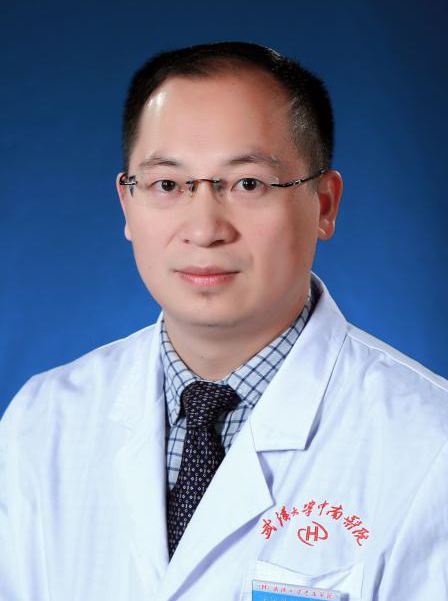 Xiegang Ding (丁协刚)合作论文数Zhongnan Hospital of Wuhan University16
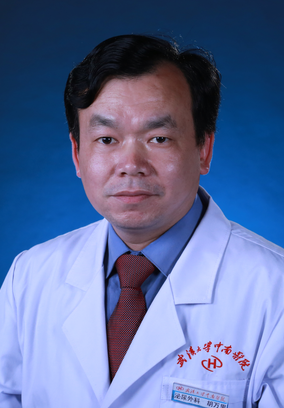 Wanli Hu (胡万里)合作论文数Zhongnan Hospital of Wuhan University14
 Weibing Zhang (张卫兵)合作论文数The Second Clinical College of Wuhan University12ShengLi Ma (马胜利)合作论文数11QiSheng Yang (杨奇盛)合作论文数9ZiMing Liu (刘子明)合作论文数8
 Baoping Zhu (朱保平)合作论文数Zhongnan Hospital, Wuhan University8ShaoPing Wan (万少平)合作论文数7
 Tongzu Liu (刘同族)合作论文数Zhongnan Hospital, Wuhan University7YuGang Zhao (赵豫刚)合作论文数6XingHai Yang (杨星海)合作论文数6HaiTao Chen (陈海涛)合作论文数6Zhiping Xia合作论文数5Yi LUO (罗仪)合作论文数5Yi Guan合作论文数5
 Jian Song (宋健)合作论文数School of Basic Medical Sciences, Wuhan University5Ke-Wen Zhou (周克文)合作论文数4Chengcheng Ying合作论文数4xinhua zhang (张新华)合作论文数4XiaoPeng Liu (刘小彭)合作论文数4YongJiu Zhao (赵永久)合作论文数4
 Shaozhong Wei (魏少忠)合作论文数Hubei Cancer Hospital4
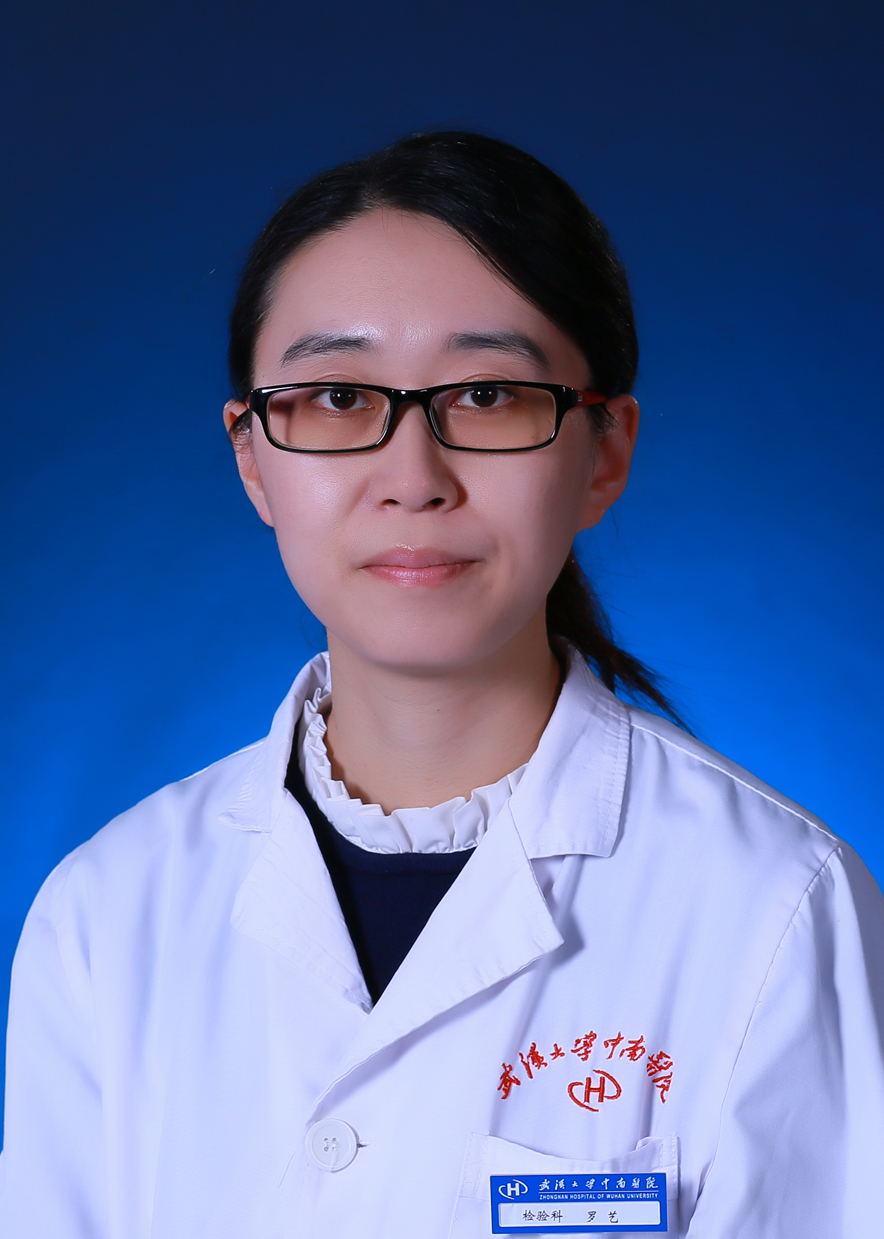 Yi Luo (罗艺)合作论文数The Second Clinical College of Wuhan University4
 Fenghua Huang (黄凤华)合作论文数Zhongnan Hospital of Wuhan University4Shunli Wu (吴顺理)合作论文数4
 Xiaoyong Pu (蒲小勇)合作论文数Guangdong Provincial People's Hospital4jiazhi wang (王家治)合作论文数3Chao LI (李超)合作论文数3ming xu (徐明)合作论文数3Lin-chao ZHANG (张林超)合作论文数3Lin ZHANG (张琳)合作论文数3Qin Li (黎勤)合作论文数3JiBin Dai (戴冀斌)合作论文数3YunFei Liu (刘云飞)合作论文数3
 Xinshen Zhu (朱心燊)合作论文数Jiangxi Provincial People's Hospital3
 Kun Yang (杨琨)合作论文数School of Transportation and Logistics Engineering, Wuhan University of Technology3
 Yuanzhen Zhang (张元珍)合作论文数Zhongnan Hospital, Wuhan University;TaiKang Medical School, Wuhan University3
 Huaipeng Wang (王怀鹏)合作论文数Guangdong Provincial People's Hospital3
 Xinjun Su (苏新军)合作论文数Zhongnan Hospital, Wuhan University3Lin Zhang (张林)合作论文数The Second Clinical College of Wuhan University3Xuejun Yao (姚学军)合作论文数3




