The hierarchical packaging of chromatin fibers plays a critical role in gene regulation. The 30-nm chromatin fibers, a central-level structure bridging nucleosomal arrays to higher-order organizations, function as the first level of transcriptional dormant chromatin. The dynamics of 30-nm chromatin fiber play a crucial role in biological processes related to DNA. Here, we report a 3.6-angstrom resolution cryogenic electron microscopy structure of H5-bound dodecanucleosome, i.e., the chromatin fiber reconstituted in the presence of linker histone H5, which shows a two-start left-handed double helical structure twisted by tetranucleosomal units. An atomic structural model of the H5-bound chromatin fiber, including an intact chromatosome, is built, which provides structural details of the full-length linker histone H5, including its N-terminal domain and an HMG-motif-like C-terminal domain. The chromatosome structure shows that H5 binds the nucleosome off-dyad through a three-contact mode in the chromatin fiber. More importantly, the H5-chromatin structure provides a fine molecular basis for the intra-tetranucleosomal and inter-tetranucleosomal interactions. In addition, we systematically validated the physiological functions and structural characteristics of the tetranucleosomal unit through a series of genetic and genomic studies in Saccharomyces cerevisiae and in vitro biophysical experiments. Furthermore, our structure reveals that multiple structural asymmetries of histone tails confer a polarity to the chromatin fiber. These findings provide structural and mechanistic insights into how a nucleosomal array folds into a higher-order chromatin fiber with a polarity in vitro and in vivo.
This study investigates the predictive value of biomarkers PTEN, PAX2, and β-catenin for therapeutic outcomes in patients with atypical endometrial hyperplasia or endometrioid intraepithelial neoplasia undergoing progestin therapy. In a retrospective study of 128 patients, we analyzed a total of 351 endometrial biopsy samples and categorized outcomes into responders (absence of residual disease) and nonresponders (presence of residual disease). We found aberrant biomarker expression in pretreatment cases: 48% for PTEN, 65% for PAX2, and 36% for β-catenin. Approximately 77.3% of patients responded to progestin treatment, with nonresponders showing significantly higher initial PTEN loss (75.86% vs 39.79%, P < 0.001). Nonresponders also demonstrated significant PTEN loss (53.33% vs 20.55%, P < 0.001), PAX2 loss (57.33% vs 41.22%, P < 0.05), and β-catenin nuclear staining (53.45% vs 27.91%, P < 0.01) in follow-up samples. In addition, nonresponders exhibited lower recovery of intact PTEN and PAX2, along with higher β-catenin aberrancy in cases initially showing normal β-catenin levels. We conclude that persistent aberrant PTEN and PAX2 expression, coupled with emerging aberrant β-catenin in follow-ups, indicates a greater likelihood of treatment failure. Conversely, the absence of these aberrations suggests successful progestin therapy. Our findings highlight the utility of this 3-marker panel in assessing residual disease status and predicting progestin treatment outcomes, thus offering critical insights for patient management.
A formal demonstration that mammalian pluripotent stem cells possess preimplantation embryonic cell-like (naive) pluripotency is the generation of chimeric animals through early embryo complementation with homologous cells. Whereas such naive pluripotency has been well demonstrated in rodents, poor chimerism has been achieved in other species including non-human primates due to the inability of the donor cells to match the developmental state of the host embryos. Here, we have systematically tested various culture conditions for establishing monkey naive embryonic stem cells and optimized the procedures for chimeric embryo culture. This approach generated an aborted fetus and a live chimeric monkey with high donor cell contribution. A stringent characterization pipeline demonstrated that donor cells efficiently (up to 90%) incorporated into various tissues (including the gonads and placenta) of the chimeric monkeys. Our results have major implications for the study of primate naive pluripotency and genetic engineering of non-human primates.
Elucidating the cellular organization of the cerebral cortex is critical for understanding brain structure and function. Using large-scale single-nucleus RNA sequencing and spatial transcriptomic analysis of 143 macaque cortical regions, we obtained a comprehensive atlas of 264 transcriptome-defined cortical cell types and mapped their spatial distribution across the entire cortex. We characterized the cortical layer and region preferences of glutamatergic, GABAergic, and non-neuronal cell types, as well as regional differences in cell-type composition and neighborhood complexity. Notably, we discovered a relationship between the regional distribution of various cell types and the region's hierarchical level in the visual and somatosensory systems. Cross-species comparison of transcriptomic data from human, macaque, and mouse cortices further revealed primate-specific cell types that are enriched in layer 4, with their marker genes expressed in a region-dependent manner. Our data provide a cellular and molecular basis for understanding the evolution, development, aging, and pathogenesis of the primate brain.
A comprehensive atlas of genes, cell types, and their spatial distribution across a whole mammalian brain is fundamental for understanding function of the brain. Here, using snRNA-seq and Stereo-seq techniques, we generated a mouse brain atlas with spatial information for 308 cell clusters with single-cell resolution involving over 6 million cells as well as for 29,655 genes. We have identified new astrocyte clusters, and demonstrated that distinct cell clusters exhibit preference for cortical subregions. In addition, we identified 155 genes exhibiting regional specificity in the brainstem, and 513 long non-coding RNA exhibited regional specificity in the adult brain. Parcellation of brain regions based on spatial transcriptomic information showed large overlap with that by traditional method. Furthermore, we have uncovered 411 transcription factor regulons with spatiotemporal specificity during development. Thus, our study has discovered genes and regulon with spatiotemporal specificity, and provided a high-resolution spatial transcriptomic atlas of the mouse brain.### Competing Interest StatementEmployees of BGI have stock holdings in BGI. All other authors declare no competing interests.
RESEARCH QUESTION:What is the effect of tubal endometriosis on tubal epithelial ultrastructure and is there a differential expression of exosomal microRNAs (miRNAs) in tubal fluid which may affect tubal infertility?DESIGN:Human fallopian tube epithelium and tubal fluid samples were obtained from patients with and without tubal endometriosis. Scanning electron microscopy and transmission electron microscopy were used to assess ultrastructural changes. Exosomal miRNAs in tubal fluid were extracted for microarray.RESULTS:Epithelial damage was visualized in the tubal endometriosis group using electron microscopy. The number of organelles decreased (P = 0.0314), and organelle structure was destroyed. A total of 14 differentially expressed exosomal miRNAs were detected in tubal fluid (fold change >2 and P < 0.05). Four miRNAs (miR-1273f, miR-5699-5p, miR-6087 and miR-6747-5p) were validated by quantitative real-time polymerase chain reaction. Bioinformatic analysis showed that most of the target genes participated in embryo transport, regulation of cell communication, anatomical structure morphogenesis and immune system processes.CONCLUSIONS:Tubal endometriosis results in damage to the tubal epithelial ultrastructure in human specimens and the presence of differentially expressed exosomal miRNAs in tubal liquid. These findings help to clarify the pathogenesis of tubal endometriosis-associated infertility and the mechanisms driving tubal epithelial ultrastructure damage in tubal endometriosis.
Global profile of gene expression at single-cell resolution remains to be determined for primates. Using a recently developed technology (“Stereo-seq”), we have obtained a comprehensive single-cell spatial transcriptome map at the whole-brain level for cynomolgus monkeys, with ∼600 genes per cell for 10 μm-thick coronal sections (up to 15 cm 2 in size). Large-scale single-nucleus RNA-seq analysis for ∼1 million cells helped to identify cell types corresponding to Stereo-seq gene expression profiles, providing a 3-D cell type atlas of the monkey brain. Quantitative analysis of Stereo-seq data revealed molecular fingerprints that mark distinct neocortical layers and subregions, as well as domains within subcortical structures including hippocampus, thalamus, striatum, cerebellum, hypothalamus and claustrum. Striking whole-brain topography and coordinated patterns were found in the expression of genes encoding receptors and transporters for neurotransmitters and neuromodulators. These results pave the way for cellular and molecular understanding of organizing principles of the primate brain.
With the implementation of the two-child policy in China, more couples have expressed the desire to have another child. We conducted this study to evaluate the incidence of infertility and risk factors in couples intending to have a first and second child. From 2013 to 2017, a prospective cohort study was conducted at the pre-pregnancy center of the International Peace Maternal and Child Health Hospital. The participants were selected by screening and random sampling couples who came to the pre-pregnancy center. Data regarding patient sociodemographic characteristics, reproductive and gynecological history, male disease history, and laboratory and imaging examination results were collected. Couples were followed up every 3 months until pregnancy or for 12 months, whichever came first. Multi-factor logistic regression was used to analyze risk factors for infertility. Adjusted odds ratios (aORs) and corresponding 95% confidence intervals (CIs) were calculated and adjusted for potential confounding factors. The overall infertility incidence was 16.95% (369/2177). The infertility incidence of “first child intention” and “second child intention” was 19.30% (355/1839) and 4.14% (14/338), respectively. This study found great differences in both infertility rate (P < 0.001) and risk factors between the two groups. Risk factors for “first child intention” infertility included advanced age (> 35 years) (aOR = 1.70, 95% CI 1.27–2.28), abnormal body mass index (BMI) (aOR = 1.58, 95% CI 1.31–6.26), longer menstrual periods (aOR = 4.47, 95% CI 2.25–8.88), endometrial polyps (aOR = 2.52, 95% CI 1.28–4.97), polycystic ovarian syndrome (PCOS) (aOR = 6.72, 95% CI 1.79–7.39), salpingostomy (aOR = 3.44, 95% CI 1.68–7.07), and history of mycoplasma (aOR = 1.54, 95% CI 1.09–2.40). However, in the “second child intention” group, clinical risk factors slightly differed and included leiomyoma (aOR = 5.60, 95% CI 1.06–29.76), and higher age (> 40 years) (aOR = 7.36, 95% CI 1.01–53.84). The overall infertility rate in Shanghai is similar to that of other large cities in China. Marriage at advanced ages has become increasingly common. As such, the government must consider subsidies to encourage childbirth at childbearing ages, which can improve fertility levels. Infertility is defined as pregnancy failure after at least 12 months of regular unprotected sexual intercourse. Few researchers have investigated the infertility rate in Shanghai in the past 15 years, and little attention has been paid to the infertility of couples hoping to have a second child. We conducted a prospective cohort study in Shanghai to evaluate infertility incidence and risk factors in couples intending to have a first or second child. The investigators administered a questionnaire survey to the participants and followed them for 1 year. Finally, 1839 couples intending to have a first child and 338 couples intending to have a second child were included in this study. The overall infertility incidence was 16.95% (369/2177). However, the infertility incidence of the “first child intention” and “second child intention” groups was 19.30% (355/1839) and 4.14% (14/338), respectively. Risk factors for “first child intention” infertility included advanced age (> 35 years), abnormal body mass index (BMI), longer menstrual periods, endometrial polyps, polycystic ovarian syndrome (PCOS), salpingostomy, and history of mycoplasma; in the “second child intention” group, clinical risk factors slightly differed and included leiomyoma and advanced age (> 40 years). Since studies have shown large differences in infertility risk factors between the two groups, early and targeted intervention for couples in different high-risk groups can help reduce infertility.
The circadian system cyclically regulates many physiological and behavioral processes within the day. Desynchronization between physiological and behavioral rhythms increases the risk of developing some, including metabolic, disorders. Here we investigate how the oscillatory nature of metabolic signals, resembling feeding-fasting cycles, sustains the cell-autonomous clock in peripheral tissues. By controlling the timing, period and frequency of glucose and insulin signals via microfluidics, we find a strong effect on Per2 ::Luc fibroblasts entrainment. We show that the circadian Per2 expression is better sustained via a 24 h period and 12 h:12 h frequency-encoded metabolic stimulation applied for 3 daily cycles, aligned to the cell-autonomous clock, entraining the expression of hundreds of genes mostly belonging to circadian rhythms and cell cycle pathways. On the contrary misaligned feeding-fasting cycles synchronize and amplify the expression of extracellular matrix-associated genes, aligned during the light phase. This study underlines the role of the synchronicity between life-style-associated metabolic signals and peripheral clocks on the circadian entrainment.
Circadian oscillations are generated via transcriptional-translational negative feedback loops. However, individual cells from fibroblast cell lines have heterogeneous rhythms, oscillating independently and with different period lengths. Here we showed that heterogeneity in circadian period is heritable and used a multi-omics approach to investigate underlying mechanisms. By examining large-scale phenotype-associated gene expression profiles in hundreds of mouse clonal cell lines, we identified and validated multiple novel candidate genes involved in circadian period determination in the absence of significant genomic variants. We also discovered differentially co-expressed gene networks that were functionally associated with period length. We further demonstrated that global differential DNA methylation bidirectionally regulated these same gene networks. Interestingly, we found that depletion of DNMT1 and DNMT3A had opposite effects on circadian period, suggesting non-redundant roles in circadian gene regulation. Together, our findings identify novel gene candidates involved in periodicity, and reveal DNA methylation as an important regulator of circadian periodicity.
Down syndrome (DS) is one of the most common human birth defects caused by trisomy 21 (T21), leading to a variety of cognitive impairments. The cellular composition of human brain has been explored using single cell RNA sequencing in both physiological and pathological conditions. However, the cellular heterogeneity of human brain with chromosome aneuploidy is largely unknown. Here, we profiled the transcriptome of 36046 cells in cerebral cortex of T21 human fetus, covering frontal lobe, parietal lobe, occipital lobe and temporal lobe. Intriguingly, we detected several genes positively associated with neurons maturation was dysregulated in T21 frontal cortex ( HIC2, POU2F2, ZGLP1 and FOXK1 ). To share, explore and utilized the data resources of T21 cerebral cortex, we developed a comprehensive platform named T21atlas, composing of two functional modules (T21cluster and T21talk). Overall, our study provides, as far as we know, the first single cell atlas for T21 cerebral cortex, which could promote our understanding of the molecular mechanism of DS at an unprecedented resolution and could potentially facilitate the development of novel clinical therapeutics against T21.
The suprachiasmatic nucleus (SCN) acts as a master pacemaker driving circadian behavior and physiology. Although the SCN is small, it is composed of many cell types, making it difficult to study the roles of particular cells. Here we develop bioluminescent circadian reporter mice that are Cre dependent, allowing the circadian properties of genetically defined populations of cells to be studied in real time. Using a Color-Switch PER2::LUCIFERASE reporter that switches from red PER2::LUCIFERASE to green PER2::LUCIFERASE upon Cre recombination, we assess circadian rhythms in two of the major classes of peptidergic neurons in the SCN: AVP (arginine vasopressin) and VIP (vasoactive intestinal polypeptide). Surprisingly, we find that circadian function in AVP neurons, not VIP neurons, is essential for autonomous network synchrony of the SCN and stability of circadian rhythmicity.
Sustained activation of NLRP3 inflammasome and release of neutrophil extracellular traps (NETs) impair wound healing of diabetic foot ulcers (DFUs). Our previous study reported that milk fat globule epidermal growth factor VIII (MFG-E8) attenuates tissue damage in systemic lupus erythematosus. However, the functional effect of MFG-E8 on “NLRP3 inflammasome-NETs” inflammatory loop in wound healing of diabetes is not completely elucidated. In this study, neutrophils from DFU patients are susceptible to undergo NETosis, releasing more NETs. The circulating levels of NET components neutrophil elastase and proteinase 3 and inflammatory cytokines IL-1β and IL-18 were significantly elevated in DFU patients compared with healthy controls or diabetic patients, in spite of higher levels of MFG-E8 in DFU patients. In Mfge8−/− diabetic mice, skin wound displayed exaggerated inflammatory response, including leukocyte infiltration, excessive activation of NLRP3 inflammasome (release of higher IL-1β, IL-18, and TNF-α), largely lodged NETs, resulting in poor angiogenesis and wound closure. When stimulated with high-dose glucose or IL-18, MFG-E8-deficient neutrophils release more NETs than WT neutrophils. After administration of recombinant MFG-E8, IL-18-primed NETosis of WT or Mfge8−/− neutrophils was significantly inhibited. Furthermore, NET and mCRAMP (component of NETs, the murine equivalent of cathelicidin LL-37 in human)-mediated activation of NLRP3 inflammasome and production of IL-1β/IL-18 were significantly elevated in Mfge8−/− macrophages compared with WT macrophages, which were also significantly dampened by the administration of rmMFG-E8. Therefore, our study demonstrated that as inhibitor of the “NLRP3 inflammasome-NETs” inflammatory loop, exogenous rMFG-E8 improves angiogenesis and accelerates wound healing, highlighting possible therapeutic potential for DFUs.
Nongenetic cellular heterogeneity is associated with aging and disease. However, the origins of cell-to-cell variability are complex and the individual contributions of different factors to total phenotypic variance are still unclear. Here, we took advantage of clear phenotypic heterogeneity of circadian oscillations in clonal cell populations to investigate the underlying mechanisms of cell-to-cell variability. Using a fully automated tracking and analysis pipeline, we examined circadian period length in thousands of single cells and hundreds of clonal cell lines and found that longer circadian period is associated with increased intercellular heterogeneity. Based on our experimental results, we then estimated the contributions of heritable and nonheritable factors to this variation in circadian period length using a variance partitioning model. We found that nonheritable noise predominantly drives intercellular circadian period variation in clonal cell lines, thereby revealing a previously unrecognized link between circadian oscillations and intercellular heterogeneity. Moreover, administration of a noise-enhancing drug reversibly increased both period length and variance. These findings suggest that circadian period may be used as an indicator of cellular noise and drug screening for noise control.
To kill invading bacteria, neutrophils must interpret spatial cues, migrate and reach target sites. Although the initiation of chemotactic migration has been extensively studied, little is known about its termination. Here we found that two mitogen-activated protein kinases (MAPKs) had opposing roles in neutrophil trafficking. The extracellular signal-regulated kinase Erk potentiated activity of the G protein-coupled receptor kinase GRK2 and inhibited neutrophil migration, whereas the MAPK p38 acted as a noncanonical GRK that phosphorylated the formyl peptide receptor FPR1 and facilitated neutrophil migration by blocking GRK2 function. Therefore, the dynamic balance between Erk and p38 controlled neutrophil 'stop' and 'go' activity, which ensured that neutrophils reached their final destination as the first line of host defense.
Green fluorescent protein(GFP)is of outstanding importance for cell biology.It provides not only a fundamental experimental tool,but also a scaffold for the engineering of GFP family fluorescent proteins to allow realtime tracing of multiple proteins in terms of their spatiotemporal behaviors in living cells and organisms.In this review,we mainly describe discovery,improvement,and application of GFP.
For proper chromosome segregation, all kinetochores must achieve bipolar microtubule (MT) attachment and subsequently align at the spindle equator before anaphase onset. The MT minus end-directed motor dynein/dynactin binds kinetochores in prometaphase and has long been implicated in chromosome congression. Unfortunately, inactivation of dynein usually disturbs spindle organization, thus hampering evaluation of its kinetochore roles. Here we specifically eliminated kinetochore dynein/dynactin by RNAi-mediated depletion of ZW 10, a protein essential for kinetochore localization of the motor. Time-lapse microscopy indicated markedly-reduced congression efficiency, though congressing chromosomes displayed similar velocities as in control cells. Moreover, cells frequently failed to achieve full chromosome alignment, despite their normal spindles. Confocal microcopy revealed that the misaligned kinetochores were monooriented or unattached and mostly lying outside the spindle, suggesting a difficulty to capture MTs from the opposite pole. Kinetochores on monoastral spindles were dispersed farther away from the pole and exhibited only mild oscillation. Furthermore, inactivating dynein by other means generated similar phenotypes. Therefore, kinetochore dynein produces on monooriented kinetochores a poleward pulling force, which may contribute to efficient bipolar attachment by facilitating their proper microtubule captures to promote congression as well as full chromosome alignment.
The microtubule-based motor cytoplasmic dynein/dynactin is a force generator at the kinetochore. It also transports proteins away from kinetochores to spindle poles. Regulation of such diverse functions, however, is poorly understood. We have previously shown that Nudel is critical for dynein-mediated protein transport, whereas mitosin, a kinetochore protein that binds Nudel, is involved in retention of kinetochore dynein/dynactin against microtubule-dependent stripping. Here we demonstrate that Nudel is required for robust localization of dynein/dynactin at the kinetochore. It localizes to kinetochores after nuclear envelope breakdown, depending mostly ( approximately 78%) on mitosin and slightly on dynein/dynactin. Depletion of Nudel by RNA interference (RNAi) or overexpression of its mutant incapable of binding either Lis1 or dynein heavy chain abolishes the kinetochore protein transport and mitotic progression. Similar to mitosin RNAi, Nudel RNAi also leads to increased stripping of kinetochore dynein/dynactin in the presence of microtubules. Taking together, our results suggest a dual role of kinetochore Nudel: it activates dynein-mediated protein transport and, when interacting with both mitosin and dynein, stabilizes kinetochore dynein/dynactin against microtubule-dependent stripping to facilitate the force generation function of the motor.
 Xun Xu (许迅)合作论文数Shanghai General Hospital6
 Joseph S. Takahashi合作论文数Department of Neuroscience, Howard Hughes Medical Institute, University of Texas Southwestern5
 Kimberly H Cox合作论文数4
 Yongli Shan合作论文数4
 Chuanyu Liu (刘传宇)合作论文数School of Chemistry, Chemical Engineering and Life Sciences, Wuhan University of Technology;BGI Research, Shenzhen4
 Xueliang Zhu (朱学良)合作论文数Shanghai Institute of Biochemistry and Cell Biology, Chinese Academy of Sciences;University of Chinese Academy of Sciences4
 Mu-ming Poo合作论文数Department of Molecular & Cell Biology, College of Letters & Science, University of California, Berkeley3Yinqi Bai合作论文数3Xinxiang Song合作论文数3Yuanfang Xu合作论文数3Mengni Chen合作论文数3Yanbing Lu合作论文数3Xing Sun合作论文数3Xing Tan合作论文数3Yingjie An合作论文数3Ruiyi Zhang合作论文数3Luman Cui合作论文数3Shiwen Wang合作论文数3Jiao Fang合作论文数3Yue Yuan合作论文数3Kexin Wang合作论文数3Suhong Sun合作论文数3Mengnan Cheng合作论文数BGI-Shenzhen3Ao Chen合作论文数BGI Shenzhen, Inst Biochem, Shenzhen 518083, Peoples R China3
 Yidi Sun (孙怡迪)合作论文数Center for Excellence in Brain Science and Intelligent Technology, Chinese Academy of Sciences3Mei Li合作论文数3Shuting Li合作论文数3Weibin Liu合作论文数3Zhifeng Wang合作论文数3Wei Yu合作论文数3Yu Qian合作论文数3Huanhuan Li合作论文数3Sha Liao合作论文数3Qing Xie合作论文数3
 Lei Han合作论文数Wuhan Univ, Dept Comp Sci, Wuhan, Peoples R China3
 Shiping Liu (刘仕平)合作论文数State Key Laboratory of Resource Insects, Southwest University3
 Longqi Liu合作论文数3
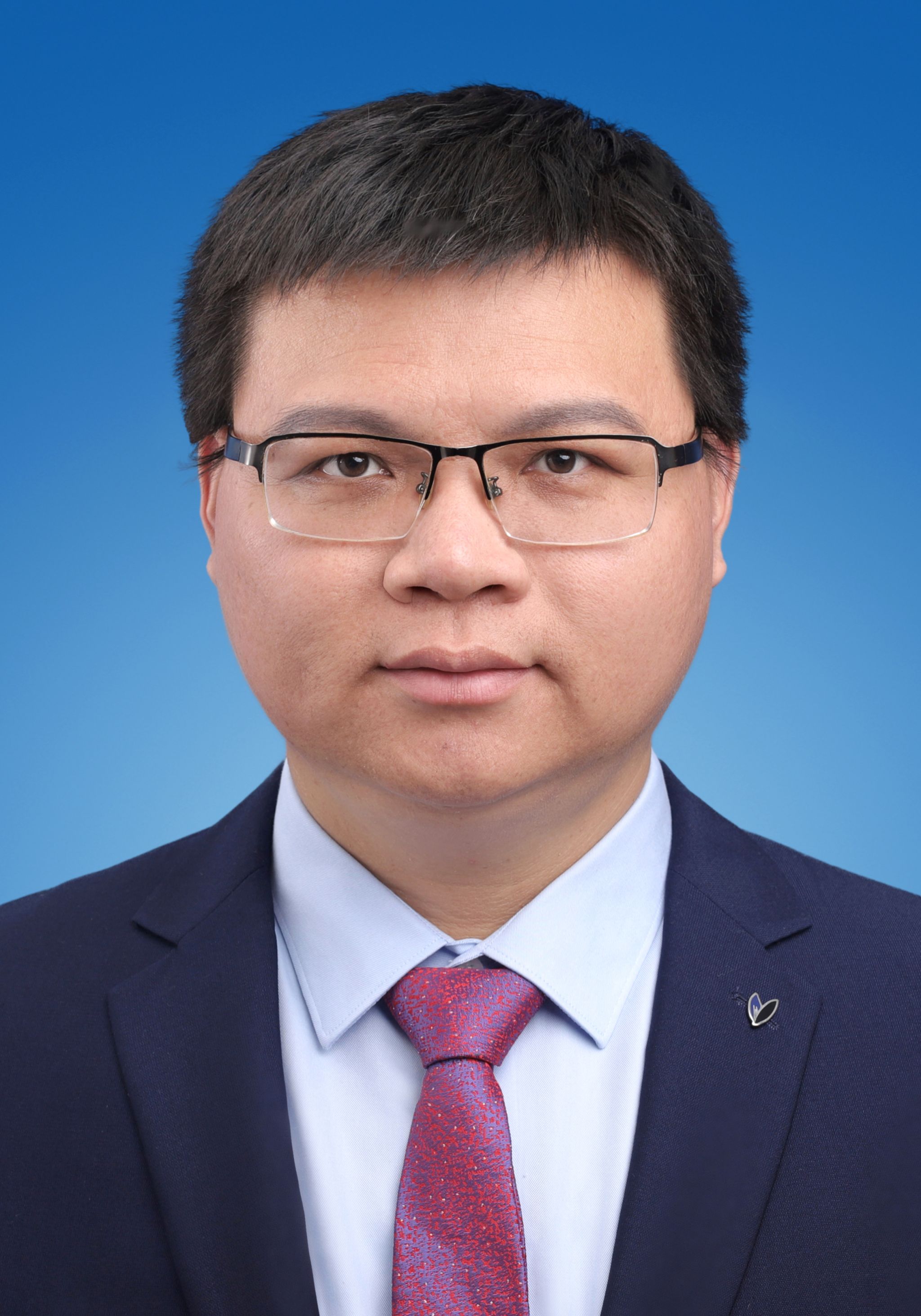 Chao Li (李超)合作论文数College of Agriculture, Nanjing Agricultural University3
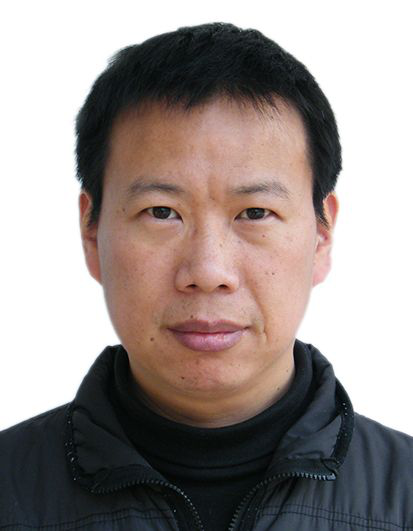 Zhiming Shen (沈志明)合作论文数Center for Excellence in Brain Science and Intelligence Technology, Chinese Academy of Sciences3
 Yangang Sun (孙衍刚)合作论文数University of Chinese Academy of Sciences;Center for Excellence in Brain Science and Intelligence Technology, Chinese Academy of Sciences3
 Yun Zhao (赵允)合作论文数Center for Excellence in Molecular Cell Science, Chinese Academy of Sciences3
 Huanming Yang (杨焕明)合作论文数Chinese Academy of Medical Sciences;BGI Group;Advanced Institute for Life and Health, Southeast University3
 Zhiyong Liu (刘志勇)合作论文数National Institute of Biological Sciences, Beijing3
 Seung-Hee Yoo合作论文数Department of Biochemistry and Molecular Biology, University of Texas Health Science Center at Houston;Department of Biochemistry and Molecular Biology, University of Texas Health Science Center at Houston3He Wang合作论文数3
 Zhen Liu (刘震)合作论文数School of Chemistry and Chemical Engineering, Nanjing University3
 Nini Yuan (袁妮妮)合作论文数3Kailong Ma合作论文数3
 Wu Wei (魏武)合作论文数中国科学院马普计算生物学伙伴研究所3




