Oxidative damage in milk powders can promote the formation of dityrosine, which may reduce the bioactivity and nutritional quality of milk proteins. This study investigated how dityrosine-induced modification affects the structure and stability of casein micelles (CMs). The modified CMs were characterized by particle size and zeta potential analysis, FTIR, SAXS, Cryo-TEM, SDS-PAGE and molecular docking. The results showed that dityrosine markedly destabilized CMs. After dityrosine addition, the average particle size increased from 137.08 nm to 318.07 nm, while the zeta potential shifted from -25.5 ± 1.37 mV to -22.53 ± 0.20 mV. At low concentrations, dityrosine appeared to mainly affect κ-casein on the micelle surface, weakening the steric stabilization of CMs and promoting the dissociation of colloidal calcium phosphate (CCP) nanoclusters, as supported by SAXS results and the increase in soluble calcium. Molecular docking further suggested that dityrosine interacted with casein subunits mainly through hydrogen bonding and hydrophobic interactions. Among the casein subunits, αs1-casein showed the strongest predicted affinity for dityrosine, with Asp172 involved in the interaction with the aromatic ring of dityrosine. Overall, these findings indicate that dityrosine alters the structural organization of CMs in a concentration-dependent manner, and excessive dityrosine can promote the formation of CM-dityrosine aggregates.
The preparation of unsymmetrical disulfides remains a longstanding challenge in synthetic methodology. Harpp reagents (N-perthiophthalimides) have recently been recognized as effective radical-based platforms for disulfide unit transfer. Herein, we present a photocatalytic hydrodisulfuration of alkenes, utilizing these reagents as direct precursors to perthiyl radicals. Mechanistic studies indicate that this approach probably proceeds through the direct addition of a perthiyl radical to the alkene, followed by hydrogen atom transfer to furnish the corresponding unsymmetrical disulfide. This protocol provides straightforward access to structurally diverse, highly functionalized unsymmetrical disulfides from readily available olefins, offering a valuable entry into disulfide scaffolds for pharmaceutical and synthetic applications.
Combining metabolic therapy with photothermal therapy (PTT) shows promise for the treatment of triple-negative breast cancer (TNBC). However, a strategy is still required to effectively overcome the metabolic adaptation of TNBC with thermotolerance during thermotherapy, thereby enhancing therapeutic outcomes. In this study, the polydopamine-integrated nanomedicine is designed, with glucose oxidase (GOx) chemically conjugated to its surface and curcumin (Cur)-loaded calcium phosphate (CaP) shell. The outer CaP layer disintegrates in response to the acidic environment of tumor cells, releasing calcium ions with the calcium efflux inhibitor Cur, which causes mitochondrial functional disruption by inducing mitochondrial calcium overload. Concurrently, GOx consumes intracellular glucose to inhibit glycolysis. The dual intervention of mitochondrial metabolism and glycolysis serves to counteract the metabolic adaptations in TNBC, effectively blocking the pathways of energy supply, which results in a 56.61% reduction of ATP. In addition, inhibition of ATP production by dual metabolic regulation can downregulate the expression of heat shock proteins (HSPs) and sensitized PTT, the HSP70 level and HSP90 level are downregulated by 25.68% and 41.89%, respectively. This study provides new insights into combining metabolic therapy and PTT for the treatment of TNBC.
Salinomycin (SAL) is a potent polyether antibiotic with antitumor potential, but has limited clinical application due to its poor water solubility and unresolved immune stimulatory properties. This study introduces a SAL- loaded liposome hybrid nanovesicle (SAL@LINV) via the fusion of artificial SAL-loaded liposomes with tumor- derived nanovesicles (TNV) via a continuous extrusion technique to address these challenges. SAL@LINV not only significantly enhances the solubility and bioavailability of SAL but also actively affects the tumor micro- environment (TME), modulating autophagy and enhancing the immune response. The fusion of TNV into SAL@LINV confers the targeting specificity of SAL@LINV to tumors and finely tunes cellular autophagy, inducing immunogenic cell death (ICD) in tumors, increasing antigen presentation by DCs, and modulating macrophage polarization to the M1 type. In vivo studies utilizing subcutaneously implanted MC38 and B16/F10 tumor models have demonstrated the superior antitumor efficacy and immune-activating capabilities of SAL@LINV. Furthermore, single-cell RNA sequencing revealed the molecular mechanisms by which SAL@LINV, an immunotherapeutic agent, reshaped the TME and promoted an antitumor immune response. This integrated "three-in-one" approach addresses the multifaceted challenges of the TME through nanoparticle-based autophagy modulation, thereby reinforcing the immune system's tumor-combining capabilities.
Developing recombinant microgels (RMs) with high mechanical and anti-coalescence properties provides a safe and economical method for constructing uniform and stable Pickering emulsions. Previously, we prepared RMs based on polysaccharides using freeze-thaw cycles, displaying excellent stability. Because RMs can be formed between polysaccharides, we studied whether they can be formed between polysaccharides and proteins for preparing Pickering emulsions. Therefore, we report a heat-induced gelation method to generate RMs with bovine serum albumin (BSA) and kappa-carrageenan (KC). Owing to heat-induced treatment (90 degrees C), the high hydrophilicity of KC could be regulated by the exposed hydrophobic groups of BSA, and the system rapidly gelated after cooling (-18 degrees C) to obtain a dense recombinant structure. The TPA and SEM results further demonstrated that the RMs with a BSA:KC ratio of 1:2 have a typical cubic structure (0.93 mu m) and excellent gel strength. RMs adsorbed at the oil-water interface to form non-covalent binding layers, which improved interfacial activity and reduced interfacial tension (95.10 degrees) to obtain more uniform and stable Pickering emulsions. The above results indicate that synthesizing RMs provides a feasible method for constructing uniform and stable Pickering emulsions with low oil content, these are similar to high internal phase emulsions with semi-solid rigid structures.
The combination of ultralong-acting neuromuscular block and subsequent on-demand rapid reversal may provide prolonged surgeries with improved conditions by omitting continuous or repetitive blocker administration, enabling a more stable and predictable hemodynamic profile and eliminating residual block. For this target, we prepared 19 imidazolium-incorporated tetracationic macrocycles. In vivo studies with rats revealed that one macrocycle (IMC-14) displays extremely high blocking activity. At the dose of 12.5-fold ED90, IMC-14 exhibits an onset time shorter than that of cisatracurium of 2-fold dose and a duration time corresponding to more than 13 h for human adults. Moreover, within the dose range of 12.5-187.5-fold ED90, the profound block induced by IMC-14 can be rapidly reversed at any stage by a highly biocompatible acyclic cucurbit[n]uril antagonist, with a reversal time significantly shorter than that achieved by sugammadex for reversing the block of rocuronium, a clinically widely used intermediate-acting neuromuscular blocking agent.
Hypoxia as an inherent feature in tumors is firmly associated with unsatisfactory clinical outcomes of photodynamic therapy (PDT) since the lack of oxygen leads to ineffective reactive oxygen species (ROS) productivity for tumor eradication. In this study, an oxidative phosphorylation (OXPHOS) targeting nanoplatform was fabricated to alleviate hypoxia and enhance the performance of PDT by encapsulating IR780 and OXPHOS inhibitor atovaquone (ATO) in triphenylphosphine (TPP) modified poly(ethylene glycol) methyl ether-block-poly(L-lactide-co-glycolide) (mPEG-PLGA) nanocarriers (TNPs/IA). ATO by interrupting the electron transfer in OXPHOS could suppress mitochondrial respiration of tumor cells, economising on oxygen for the generation of ROS. Benefiting from the mitochondrial targeting function of TPP, ATO was directly delivered to its site of action to obtain highlighted effect at a lower dosage. Furthermore, positioning the photosensitizer IR780 to mitochondria, a more vulnerable organelle to ROS, was a promising method to attenuate the spatiotemporal limitation of ROS caused by its short half-life and narrow diffusion radius. As a result, TNPs/IA exhibited accurate subcellular localization, lead to the collapse of ATP production by damaging mitochondrion and elicited significant antitumor efficacy via oxygen-augmented PDT in the HeLa subcutaneous xenograft model. Overall, TNPs/IA was a potential strategy in photodynamic eradication of tumors.
Long-acting neuromuscular blocks followed by rapid reversal may provide prolonged surgeries with improved conditions by omitting repetitive or continuous administration of the neuromuscular blocking agent (NMBA), eliminating residual neuromuscular block and minimizing postoperative recovery, which, however, is not clinically available. Here, we demonstrate that imidazolium-based macrocycles (IMCs) and acyclic cucurbit[n]urils (ACBs) can form such partners by functioning as long-acting NMBAs and rapid reversal agents through a pseudo[2]catenation mechanism based on stable complexation with Ka values of over 109 M-1. In vivo experiments with rats reveal that, at the dose of 2- and 3-fold ED90, one IMC attains a duration of action corresponding to 158 or 442 min for human adults, covering most of prolonged surgeries. The block can be reversed by one ACB with recovery time significantly shorter than that achieved by sugammadex for reversing the block of rocuronium, the clinically most widely used intermediate-acting NMBA.
Although cationic porous polymers have been widely used for gene and drug delivery, the delivering function of anionic porous polymers has rarely been explored. Herein, we prepare a polyanionic flexible organic framework (pa-FOF) through the quantitative formation of the acylhydrazone bond from a tetraanionic tetraaldehyde and a tetraanionic diacylhydrazine. Pa-FOF is highly water-soluble and has a size of 26 to 51 nm, which depends on the concentration of the monomers, and an aperture of approximately 3.8 nm. Fluorescence, zeta potential, confocal laser scanning microscopic and flow cytometric experiments reveal that pa-FOF can adsorb basic proteins, including lysozyme, trypsin and cytochrome c, which is driven by intermolecular ion-pairing electrostatic attraction and hydrophobicity, and realizes efficient intracellular delivery of the adsorbed proteins. Confocal laser scanning microscopic imaging experiments further illustrate that the delivery of cytochrome c can significantly increase its ability of causing cell apoptosis.
The hypertrophic scar (HS) is a prevalent cutaneous fibrotic disorder that impacts both the aesthetic and functional aspects of the skin, there is an urgent need for a highly safe and effective approach to address the challenge of HS with thick and deep types. Inspired by the superior deep tissue penetrative ability of near-infrared-II (NIR-II) light and potential mitochondria ROS inducing effect of Chinese medicine lycorine (LYC), we fabricated a Cu2Se@LYC (CL) composite by encapsulating LYC on polyvinyl pyrrolidone (PVP) modified Cu2Se nanoparticles. After NIR-II irradiation, CL could induce the generation of reactive oxygen species (ROS) and mitochondrial damage in hypertrophic scar fibroblasts (HSFs). The subsequent release of cytochrome C (cyt-c) from mitochondria into the cytoplasm and upregulation of beclin1 leads to the activation of endogenous apoptosis and autophagy-mediated cell death. The CL + NIR-II treatment exhibited a pronounced anti-scarring effect in both in vitro and in vivo rabbit ear scar models, leading to a significant reduction in the fibrotic markers including Collagen I/III and α-smooth muscle actin (α-SMA). This study comprehensively investigated the crucial role of HSFs’ autophagy in scar management and proposed a safe and effective therapy based on NIR-II laser for clinical application.
The authors regret that, in the published article [...].
The infusion of chimaeric antigen receptor (CAR) T cells can trigger the release of life-threatening supraphysiological levels of pro-inflammatory cytokines. However, uncertainty regarding the timing and severity of such cytokine release syndrome (CRS) demands careful monitoring of the conditions required for the administration of neutralizing antibodies. Here we show that a temperature-sensitive hydrogel conjugated with antibodies for the pro-inflammatory cytokine interleukin-6 (IL-6) and subcutaneously injected before the infusion of CAR-T cells substantially reduces the levels of IL-6 during CRS while maintaining the therapy’s antitumour efficacy. In immunodeficient mice and in mice with transplanted human haematopoietic stem cells, the subcutaneous IL-6-adsorbing hydrogel largely suppressed CAR-T-cell-induced CRS, substantially improving the animals’ survival and alleviating their levels of fever, hypotension and weight loss relative to the administration of free IL-6 antibodies. The implanted hydrogel, which can be easily removed with a syringe following a cooling-induced gel–sol transition, may allow for a shift in the management of CRS, from monitoring to prevention.
Leukemia remains incurable partly due to difficulties in reaching and maintaining therapeutic drug concentrations in the target tissues and cells. Next-generation drugs targeted to multiple cell checkpoints, including the orally active venetoclax (Bcl-2 target) and zanubrutinib (BTK target), are effective and have improved safety and tolerability compared to conventional, nontargeted chemotherapies. However, dosing with a single agent frequently leads to drug resistance; asynchronous coverage due to the peak-and-trough time-course of two or more oral drugs has prevented drug combinations from simultaneously knocking out the respective drugs’ targets for sustained leukemia suppression. Higher doses of the drugs may potentially overcome asynchronous drug exposure in leukemic cells by saturating target occupancy, but higher doses often cause dose-limiting toxicities. To synchronize multiple drug target knockout, we have developed and characterized a drug combination nanoparticle (DcNP), which enables the transformation of two short-acting, orally active leukemic drugs, venetoclax and zanubrutinib, into long-acting nanoformulations (VZ-DCNPs). VZ-DCNPs exhibit synchronized and enhanced cell uptake and plasma exposure of both venetoclax and zanubrutinib. Both drugs are stabilized by lipid excipients to produce the VZ-DcNP nanoparticulate (d ~ 40 nm) product in suspension. The VZ-DcNP formulation has enhanced uptake of the two drugs (VZ) in immortalized leukemic cells (HL-60), threefold over that of its free drug counterpart. Additionally, drug-target selectivity of VZ was noted with MOLT-4 and K562 cells that overexpress each target. When given subcutaneously to mice, the half-lives of venetoclax and zanubrutinib were extended by approximately 43- and 5-fold, respectively, compared to an equivalent free VZ. Collectively, these data suggest that VZ in VZ-DcNP warrant consideration for preclinical and clinical development as a synchronized and long-acting drug-combination for the treatment of leukemia.
Nucleic acid drug has many advantages in tumor treatment, but the characteristic of difficult delivery limits the development of this therapy. In this study, we used 1,2-distearoyl-sn-glycero-3-phosphoethanolamine-N-(polyethylene glycol)2000 (DSPE-PEG) modified with glucose (DSPE-PEG-Glucose) and polyethyleneimine-poly (d, l-lactide) (PEI-PDLLA) to construct small interfering RNA CCAT1 (siCCAT1) and microRNA-218 (miR-218) co-delivery nanocomplex with glucose transporter type 1 (Glut1) targeting effects (GDCMNP). GDCMNP could be rapidly enriched at the tumor site and sequentially release two types of RNAs. The anti-tumor effect of GDCMNP was mainly due to the co-regulation of the proto-oncogene B-cell-specific Moloney murine leukemia virus integration site 1 (Bmi1) and epithelial-mesenchymal transition (EMT) by siCCAT1 and miR-218, which improved apoptosis and reduced the ability to migrate and invade. It was worth mentioning that GDCMNP played a long-term effect against colorectal cancer (CRC) in both subcutaneous and orthotopic CRC tumor models. In summary, we constructed a promising approach for the treatment of CRC by nucleic acids.
We have produced a micelle nanoparticle with intrinsic pH response, which is formed by self-assembled amphiphilic polyethylene glycol-Schiff-doxorubicin (PEG-Schiff-DOX) prodrug. These nanoparticles can maintain stability well under normal conditions and last for more than a week, but they will rapidly decompose in slightly acidic environments. The concentration of DOX in the nano solution is high with the drug loading ratio of 49.4%. This pH-responsive drug release behavior may lead to higher intracellular drug concentrations and prolonged action times. CCK-8 assays have shown that the nanosuspension exhibits superior anti-tumor activity against HeLa cells compared to free DOX. It is believed that these nanoparticle-based prodrug have great potential for developing DOX formulations for cancer therapy.
Breast cancer is a common malignant tumor among women and has a higher risk of early recurrence, distant metastasis, and poor prognosis. Systemic chemotherapy is still the most widely used treatment for patients with breast cancer. However, unavoidable side effects and acquired resistance severely limit the efficacy of treatment. The multi-drug combination strategy has been identified as an effective tumor therapy pattern. In this investigation, we demonstrated a triple collaboration strategy of incorporating the chemotherapeutic drug doxorubicin (DOX) and anti-angiogenesis agent combretastatin A4 (CA4) into poly(lactic-co-glycolic acid) (PLGA)-based co-delivery nanohybrids (PLGA/DC NPs) via an improved double emulsion technology, and then a polydopamine (PDA) was modified on the PLGA/DC NPs' surface through the self-assembly method for photothermal therapy. In the drug-loaded PDA co-delivery nanohybrids (PDA@PLGA/DC NPs), DOX and CA4 synergistically induced tumor cell apoptosis by interfering with DNA replication and inhibiting tumor angiogenesis, respectively. The controlled release of DOX and CA4-loaded PDA@PLGA NPs in the tumor region was pH dependent and triggered by the hyperthermia generated via laser irradiation. Both in vitro and in vivo studies demonstrated that PDA@PLGA/DC NPs enhanced cytotoxicity under laser irradiation, and combined therapeutic effects were obtained when DOX, CA4, and PDA were integrated into a single nanoplatform. Taken together, the present study demonstrates a nanoplatform for combined DOX, CA4, and photothermal therapy, providing a potentially promising strategy for the synergistic treatment of breast cancer.
Exploration of clinically acceptable blood glucose monitors has been engaging in the past decades, yet the ability to quantitatively detect blood glucose in a painless, accurate, and highly sensitive manner remains limited. Herein, a fluorescence‐amplified origami microneedle (FAOM) device is described that integrates tubular DNA‐origami nanostructures and glucose oxidase molecules into its inner network to quantitatively monitor blood glucose. The skin‐attached FAOM device can collect glucose molecules in situ and transfer the input into a proton signal after the oxidase's catalysis. The proton‐driven mechanical reconfiguration of DNA‐origami tubes separates fluorescent molecules and their quenchers, eventually amplifying the glucose‐correlated fluorescence signal. The function equation established on clinical examinees suggests that FAOM can report blood glucose in a highly sensitive and quantitative manner. In clinical blind tests, the FAOM achieves well‐matched accuracy (98.70 ± 4.77%) compared with a commercial blood biochemical analyzer, fully meeting the requirements of accurate blood glucose monitoring. The FAOM device can be inserted into skin tissue in a trivially painful manner and with minimal leakage of DNA origami, substantially improving the tolerance and compliance of the blood glucose test.
Drug resistance in cancer chemotherapy is a major confounding factor affecting the effectiveness of chemotherapeutic agents, thereby leading to poor clinical outcomes. Most chemotherapeutic drugs can induce protective autophagy and increase the resistance of tumors to chemotherapeutic drugs and reduce effective drug delivery to tumor cells. In this study, a tri-drug nanocomposite (NP) delivery system was devised using carboxymethyl β-dextran (CMD) and protamine sulfate (PS), two natural materials with good bio-compatibility. They were designed to carry the chemotherapeutic drug docetaxel (DTX), the autophagy inhibitor chloroquine (CQ), and Atg5 siRNA to cancer cells. The CQ + DTX + Atg5 siRNA NPs was driven by electrostatic interaction and self-assembly methods. The breast cancer cell line MDA-MB-231 was used for both cell culture and establishing mouse xenograft model. Our findings demonstrated that CQ and Atg5 siRNA encapsulated in NPs could enhance the sensitivity of tumor cells to DTX. The NPs exhibited remarkable considerable therapeutic effects for treating triple-negative breast cancer (TNBC) and good biosafety. Therefore, we established a novel multifunctional nanoplatform based on CMD and PS that enhances chemotherapeutic drug sensitivity through an autophagy inhibition strategy, providing new opportunities to overcome conventional drug resistance and enhance therapeutic efficiency against TNBC.
The limited options of anabolic drugs restrict their application potential in osteoporosis treatment, despite their theoretical superiority in therapeutic efficacy over antiresorptive drugs. As a prevailing strategy, nano-delivery systems could offer a wider choice of anabolic drugs. In this study, calcium phosphate nanocomposites incorporated with simvastatin (Sim) with periostin-targeting ability were designed and prepared for osteoporosis treatment. Carboxymethyl dextran (CMD) as an anionic and hydrophilic dextran derivative was used to stabilize CaP. In addition, periosteum-targeted peptide (SDSSD) was further grafted on CMD to achieve the bone targeting function. In a one-step coordination assembly strategy, hydrophobic anabolic agent Sim and SDSSD-CMD graft (SDSSD-CMD) were incorporated into the CaP nanoparticles forming SDSSD@CaP/Sim nanocomposites. The resulting SDSSD@CaP/Sim possesses uniform size, great short-term stability and excellent biocompatibility. Moreover, SDSSD@CaP/Sim exhibited a reduced release rate of Sim and showed slow-release behaviour. As anticipated, the nanocomposites exhibited bone bonding capacity in both cellular and animal studies. Besides, SDSSD@CaP/Sim achieved obviously enhanced osteoporosis treatment effect compared to direct injection of Sim in vivo. Therefore, our findings highlight the potential of SDSSD-incorporated and CaP-based nanocomposites as a viable strategy to enhance the therapeutic efficacy of anabolic drugs for osteoporosis treatment.
Neovascularization can provide tumors with essential nutrients and oxygen, as well as maintain a microenvironment for tumor cell growth. In this study, we combined anti-angiogenic therapy and gene therapy for synergistic anti-tumor therapy. We co-delivered the vascular endothelial growth factor receptor inhibitor fruquintinib (Fru) and small interfering RNA CCAT1 (siCCAT1) inhibiting epithelial-mesenchymal transition using 1,2-distearoyl-snglycero-3-phosphoethanolamine-N- [methoxy (polyethylene glycol)] with a pH-responsive benzoic imine linker bond (DSPE-Hyd-mPEG) and polyethyleneimine-poly (d, l-lactide) (PEI-PDLLA) nanocomplex (Fru and siCCAT1 co-delivery NP, FCNP). Due to the characteristics of pH-response, DSPE-Hyd-mPEG removed from FCNP after enrichment at the tumor site, which had a protective effect in the body. Meanwhile, Fru acting on the peritumor blood vessels was rapidly released, and then the nanoparticles loaded with siCCAT1 (CNP) was engulfed by cancer cells and facilitate the successful lysosomal escape of siCCAT1 in, playing the role of silencing CCAT1. Efficient silencing of CCAT1 by FCNP was observed, and simultaneously, the expression of VEGFR-1 was also down-regulated. Furthermore, FCNP elicited significant synergistic antitumor efficacy via anti-angiogenesis and gene therapy in the SW480 subcutaneous xenograft model with favorable biosafety and biocompatibility during the treatment. Overall, FCNP was considered a promising strategy for the combined anti-angiogenesis-gene treatment against colorectal cancer.
 Deng Xiongwei合作论文数34Jianqing Lu合作论文数26Leihou Shao合作论文数23
 Mingjun Li (李明军)合作论文数佳木斯大学附属第一医院神经外科22Xinyue Cui合作论文数19
 Xingjie Liang (梁兴杰)合作论文数Key Laboratory for Biomedical Effects of Nanomaterials and Nanosafety, Chinese Academy of Sciences;National Center for Nanoscience and Technology, Chinese Academy of Sciences;School of Biomedical Engineering, Guangzhou Medical University18Zian Pan合作论文数17
 Yunhao Li (李昀昊)合作论文数16
 Fan Jia (贾凡)合作论文数Shenzhen Institutes of Advanced Technology, Chinese Academy of Science16
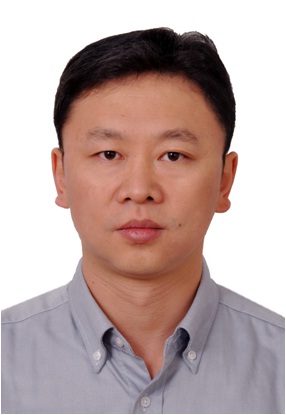 Wang Sheng (盛望)合作论文数College of Life Science and Bioengineering, Beijing University of Technology15Xuan Wang合作论文数14Tiewei Wang.合作论文数14Su Shishuai合作论文数13
 Xianlei Li (李宪磊)合作论文数School of Biomedical Engineering, Nanjing University12
 Guangjun Nie (聂广军)合作论文数University of Chinese Academy of Sciences;National Center for Nanoscience and Technology12
 Ruirui Zhang (张瑞锐)合作论文数University of Chinese Academy of Sciences;Institute of Process Engineering, Chinese Academy of Sciences11
 Fener Chen (陈芬儿)合作论文数Department of Chemistry, Fudan University;Jiangxi Normal University11
 Hongxia Gao (高红霞)合作论文数School of Aeronautic Science and Engineering, Beihang University11
 Yuliang Zhao (赵宇亮)合作论文数National Center for Nanoscience and Technology, Chinese Academy of Sciences;Key Laboratory for Biomedical Effects of Nanomaterials and Nanosafety, Chinese Academy of Sciences10
 Chunying Chen (陈春英)合作论文数Laboratory for Biomedical Effects of Nanomaterials and Nanosafety, National Center for Nanoscience and Technology, Chinese Academy of Sciences;University of Chinese Academy of Sciences10Siyuan Han合作论文数9Qin Hu (胡秦)合作论文数College of Life Science and Bioengineering, Beijing University of Technology9Kelei Hu合作论文数8Qing Xu合作论文数8
 Yi Zeng (曾毅)合作论文数Beijing University of Technology8
 Liming Hu (胡利明)合作论文数College of Life Science and Bioengineering, Beijing University of Technology8Yu-Juan Gao合作论文数7JunXing Liu (刘君星)合作论文数7
 Long Chen (陈龙)合作论文数School of Chemistry and Chemical Engineering, Shihezi University7Zhang Jiakun合作论文数7Yin Zhaoxia合作论文数7
 Xiangqian Xiao (肖向茜)合作论文数Faculty of Environment and Life, Beijing University of Technology7Tengfei Fan合作论文数7Fang-Jun Xiong合作论文数7Chenlu Xu合作论文数6
 Ying Liu (刘颖)合作论文数National Center of Nanoscience and Technology;University of Chinese Academy of Sciences6Yujia Tong合作论文数5Ming Jiang合作论文数5
 Yanping Ding合作论文数5
 Fang Zhang (张芳)合作论文数College of Life Science and Bioengineering, Beijing University of Technology5
 Xuemin Wu (吴学民)合作论文数College of Science, China Agricultural University5
 Huan Wang合作论文数5
 Yiye Li (李一叶)合作论文数National Center for Nanoscience and Technology, Chinese Academy of Sciences4
 Yueyang Liu合作论文数4Min Li合作论文数4Xiaoguang Liu合作论文数4ShouKuan Fu (府寿宽)合作论文数4
 Hui Wang (王辉)合作论文数Department of Chemistry, Fudan University4
 Shiming Yang (杨仕明)合作论文数Chinese PLA General Hospital;School of Medicine, Nankai University4




