The aim of this study was to investigate the effects of taurine on tissue injury, protein metabolism, and basal metabolism of broilers after chronic heat stress by detecting serum physiological and biochemical indices. In the test, 240 AA + broilers at 7 days of age were randomly divided into five groups: the normal temperature control group (24 ± 2 °C) in group C, the heat stress control group (34 ± 2 °C) in HS group, and the LTau, MTau, and HTau groups in heat under stress conditions, 0.5, 2, and 8 g/L taurine were added to the drinking water, and each group was repeated three times. After 2 weeks of feeding at normal temperature, heat stress began. The test period was 4 weeks. Blood was collected at 6 h, 12 h, 7 d, 14 d, 21 d, and 28 d after heat stress, and serum was separated. The results showed that compared with the HS group, the MTau group had significantly higher total serum protein content (P < 0.05), while the other groups were not significantly different (P > 0.05). The MTau and HTau groups had significantly lower serum uric acid levels than the HS group (P < 0.05). At 7d and 14d, the LTau, MTau, and HTau groups all showed significantly increased T3 and T4 concentrations (P < 0.05). There was no significant difference between the groups thereafter (P > 0.05). Compared with HS group, the MTau group contained significantly reduced serum CK activity, LDH activity, AST activity, and ALT activity (P < 0.05). In conclusion, the effects of taurine on tissue damage, protein metabolism, and basal metabolism of broilers after chronic heat stress were studied by measuring serum physiological and biochemical indices. To provide a theoretical basis for the application of taurine in acute heat-stressed broilers.
Hypoxia caused by low ambient temperature leads to hypoxemia in broilers, which aggravates the metabolic burden of the liver. Liver damage is closely related to oxidative stress and apoptosis. It has been proved that taurine can reduce oxygen free radicals, exert antioxidant properties, and inhibit mitochondria-dependent apoptosis. This experiment aimed to determine whether taurine could prevent liver damage by inhibiting oxidative stress and the cytochrome c-mediated apoptotic pathway in broilers under low ambient temperature. Broilers were given 1% taurine in drinking water, and the temperature was raised at 10 °C ~ 12 °C from 21 to 42 days. At 28 and 42 days, the hepatic tissues were collected. The antioxidant capacity of liver tissues and mRNA expression levels of the factors related with cytochrome c-medicated apoptosis pathway were measured. The results showed taurine significantly increased the total antioxidant capacity (T-AOC) at 28 days. Furthermore, taurine also increased the activities of glutathione peroxidase (GSH-PX) while reducing malondialdehyde (MDA) concentration at 28 days and 42 days. Our results also revealed that taurine significantly increased the mRNA expression levels of Hsp 27 and Hsp 90 while decreasing caspase-3 mRNA expression in broiler hepatocytes at 28 days. In addition, taurine also upregulated the expression level of Bcl-2 at 42 days. In summary, the present study found that taurine enhances the antioxidant ability and alleviates cytochrome c-mediated apoptosis in hepatic tissue of broilers under low temperature.
高等院校政治教育中最重要的部分就是立德树人,所以对于兽医学专业人才的培养的基本任务之一就是医德教育.兽医与畜主之间会经常出现纠纷,已经成为社会问题.故培养"德术"并重的兽医学高级人才给兽医专业院校带来了新的挑战.但是目前我国兽医医德教育的现状却并不乐观,存在兽医院校忽略医德教育,兽医医德教育缺乏连续性,培养环境与育人环境相矛盾等诸多问题.沈阳农业大学动物科学与医学学院通过制定提高兽医人才医德素质的举措,在创新医德教育方式,建立医德评价体系等方面进行了实践.本研究将兽医学专业学生的培育与医生道德的养成相结合,对兽医人才医德教育存在的问题进行分析,并对相关德育教育模式进行了探索.
为研究必需氨基酸平衡且相同条件下降低饲粮粗蛋白水平对育成阶段蛋鸡生长性能、骨骼发育、性成熟指标、粪便pH和粪便干物质中粗蛋白含量的影响.试验选取体重相近、健康状态良好的70日龄海兰褐育成鸡400只,分为4个处理,饲粮蛋白水平分别为:对照组16.58%、试验1组16.16%、试验2组15.71%、试验3组15.05%,每个处理5个重复,每个重复20只鸡.预饲7 d,试验期42 d.在试验开始及结束称取鸡只体重,记录每周耗料量,计算体重均匀度、料重比;同时测量胫骨长度.试验结束测量输卵管长度及卵泡重量,检测粪便pH和粪便干物质中粗蛋白含量.结果表明:①各处理组中试验初体重、试验末体重、总增重及料重比均无显著差异(P>0.05);但各组之间总采食量差异显著(P<0.05),其中试验1组最高为3036.40 g,对照组总采食量最低为2959.20 g,试验2组、试验3组分别为3012.00、2986.80 g;②各处理组胫骨长度差异不显著(P>0.05);③各处理组输卵管长度、卵巢重量差异不显著(P>0.05);④粪便pH各组之间无显著差异(P>0.05),但粪便干物质中粗蛋白含量各试验组均显著低于对照组(P<0.05);试验1、2、3组中粗蛋白含量比对照组分别低13.51%、14.12%、10.39%.综上在必需氨基酸平衡且相同条件下降低粗蛋白水平对育成阶段蛋鸡生长性能、骨骼发育及性成熟等指标无显著影响,但显著降低了粪便干物质中粗蛋白含量.上述结果表明,在减少饲粮中豆粕应用的同时可以有效降低粪便中氮的排放量,即有助于节约饲料成本及环境保护.
试验旨在研究相同营养浓度下棉籽粕和不同比例DDGS替代部分豆粕对产蛋阶段蛋鸡生产性能、蛋品质、粪便pH值和粪便干物质中粗蛋白含量的影响,同时进行经济效益分析.试验选取体重相近、健康状态良好的27周龄京红产蛋鸡300只,随机分成3组,每组5个重复,每个重复20只.对照组饲喂玉米-豆粕型基础日粮,试验1组、试验2组分别在低豆粕饲粮中添加2%棉籽粕+4%DDGS、2%棉籽粕+8%DDGS,预饲1周,试验期8周.结果 显示:各时间段内各处理组产蛋率、蛋重及料蛋比均无显著差异,产蛋率试验1组、试验2组比对照组分别低0.01%和2.27%;料蛋比试验1组、试验2组比对照组分别高1.86%和3.72%.各处理组蛋壳厚度、蛋壳强度、蛋形指数、破蛋率、哈夫单位及蛋白高度等蛋品质指标无显著差异,但蛋黄颜色试验2组与对照组比差异显著(p<0.05),试验1组、试验2组比对照组分别高30.07%和102.61%.各处理组粪便pH值及粪便干物质中粗蛋白含量均无显著差异.每千克蛋饲料成本试验1组、试验2组与对照组比差异不显著(P>0.05),试验2组比对照组高0.06元,稍有增加趋势.表明产蛋阶段蛋鸡应用2%棉籽粕+8%DDGS替代部分豆粕对生产性能、蛋品质指标无显著影响,在减少饲粮中豆粕应用的同时有助于节约饲料成本.
文章简述了家禽红细胞的形态、生成与凋亡、基本代谢情况,分析了缺氧、禽疟原虫病、牛磺酸和维生素E对于红细胞代谢的影响,发现在缺氧和疟原虫病等因素的影响下红细胞的糖代谢、物质运输、细胞膜通透性方面都发生了改变,牛磺酸和维生素E具有维持红细胞功能的作用,通过综述近年来有关影响禽类红细胞代谢状态的因素研究进展,以期为与禽类红细胞代谢相关临床疾病的研究提供参考.
Pathological cardiac hypertrophy is ultimately accompanied by cardiomyocyte apoptosis. Apoptosis mainly related to calpain-1-mediated apoptotic pathways. Studies had proved that taurine can maintain heart health through antioxidation and antiapoptotic functions, but the effect of taurine on cardiac hypertrophy is still unclear. This study aimed to determine whether taurine could inhibit calpain-1-mediated mitochondria-dependent apoptotic pathways in isoproterenol (ISO)-induced hypertrophic cardiomyocytes. We found that taurine could inhibit the increase in cell surface area and reduce the protein expression levels of the hypertrophic markers atrial natriuretic peptide, brain natriuretic polypeptide, and β-myosin heavy chain. Taurine also reduced ROS, intracellular Ca2+ overload and mitochondrial membrane potential. Moreover, taurine inhibited cardiomyocyte apoptosis by decreasing the protein expression of calpain-1, Bax, t-Bid, cytosolic cytochrome c, Apaf-1, cleaved caspase-9 and cleaved caspase-3 and by enhancing calpastatin and Bcl-2 protein expression. Calpain-1 small interfering RNA transfection results showed similar antiapoptotic effects as the taurine prevention group. However, compared with the two treatments, taurine inhibited the expression of cleaved caspase-9 more significantly. Therefore, we believe that taurine prevents ISO-induced H9c2 cardiomyocyte hypertrophy by inhibiting oxidative stress, intracellular Ca2+ overload, the calpain-1-mediated mitochondria-dependent apoptotic pathway and cleaved caspase-9 levels.
为了解近几年承德市生猪养殖情况、猪舍建筑结构和配套设施,"承德市规模化猪场生产与环境控制技术研究与示范"课题组成员于2016年2月份和2020年2月份选取了承德市8县3区175个猪场,对猪场近几年的养殖情况、猪舍建筑结构和配套设施、生猪发病情况、粪污处理等进行了调查.结果表明承德市有95.43%的猪场为自繁自养猪场,2018年非洲猪瘟发生后,当年承德市生猪出栏量同比下降了33.59%,猪场数量同比下降了24.29%.2020年调查结果与2016年相比,有窗封闭式和半开放式两种建筑形式的猪场数量有所增加,猪舍屋顶采用彩钢复合板+阳光板的形式有所增多;猪舍配有通风降温设施的猪场增加了17.74%,但仍有16.57%的猪场没有降温设施;育肥舍、产房配有取暖设施的猪场分别增加了24.51%,20.77%,但仍有27.43%的育肥舍和10.29%的产房没有安装保温设施;仔猪舍配有保育床的猪场增加了15.69%,但也只占了约1/3;猪场饲喂配合饲料占比提高了4.81%,增加了粪污清理频次,仔猪腹泻率下降了50.89%,哺乳仔猪断奶成活率提高了4.07%,母猪年产断奶仔猪数(PSY)提升了5.77%.说明近几年承德市生猪出栏量和猪场数量明显下降,2020年承德市猪场猪舍建筑结构和配套设施较2016年有所改善,且加强了消毒工作,增加了粪污清理频次,完善了粪污处理设施,改善了生猪生存环境,降低了仔猪腹泻率,提高了哺乳仔猪断奶存活率,猪场PSY有了提升,但仍有部分猪舍难以满足夏季降温和冬季保暖的需要.
The calpain-1-activated apoptotic pathway plays a key role in right ventricular hypertrophy (RVH). Taurine has been shown to attenuate apoptosis by inhibiting calpain activity. This experiment aimed to determine whether taurine could prevent RVH by inhibiting the calpain-1/cytochrome c apoptotic pathway. The broilers were given 1% taurine dissolved in drinking water and were raised at 10 °C ~ 12 °C from day 21 to day 42. At 21 d, 28 d, 35 d and 42 d, the right ventricular (RV) tissues were collected. Increased RVH index, angiotensin II, norepinephrine and atrial natriuretic peptide mRNA expression were reduced by taurine in the broiler RVs. Taurine obviously inhibited cardiomyocyte apoptosis via maintaining the mitochondrial membrane potential and decreased the activation of caspase-9 and caspase-3 in the broiler RVs. The antioxidant assay demonstrated that taurine enhanced the activities of superoxide dismutase, total antioxidant capacity and glutathione peroxidase and the glutathione/glutathione disulfide ratio. Western blot results revealed that taurine also downregulated the expression of calpain-1 and cytosolic cytochrome c while upregulating the expression of Bcl-2/Bax and mitochondrial cytochrome c in broiler cardiomyocytes during RVH. In summary, we found that taurine could enhance cardiomyocyte antioxidant ability and further prevented cardiomyocyte apoptosis by inhibiting the calpain-1/cytochrome c pathway during RVH in broilers.
试验旨在研究发酵松花穗粉对猪肌肉中氨基酸组成及其含量的影响.试验选择90头猪,分3组,每组3个重复.试验组分别在基础饲粮中添加4%和6%发酵松花穗粉,对照组饲喂基础饲粮,试验期174 d.结果 表明:添加发酵松花穗粉显著提高猪肉中总氨基酸、必需氨基酸、鲜味氨基酸和芳香族氨基酸的含量(p<0.05),其中4%松花穗粉组较对照组分别增加14.10%、12.28%、9.80%和25.39%,均达极显著水平(P<0.01).从鲜味氨基酸和芳香族氨基酸组成来看,添加两种水平的松花穗粉均显著增加了猪肉中酪氨酸含量(P<0.05),4%松花穗粉组显著提高谷氨酸和天门冬氨酸的含量(P<0.05);从必需氨基酸组成来看,4%松花穗粉组显著提升猪肉中赖氨酸和蛋氨酸含量(P<0.05),极显著提升苏氨酸含量(P<0.01),6%松花穗粉组显著提升猪肉中苏氨酸含量(P<0.05),且必需氨基酸组成模式均符合人体理想蛋白质的要求.可见,饲粮中添加发酵松花穗粉通过改善氨基酸组成,提高了猪肉风味,其中4%发酵松花稳粉添加量效果更佳.
为了更好地循环利用肉牛粪和奶牛粪,利用对照和8个不同废料基质组合的对比,研究不同废料育苗基质对黄瓜幼苗生长情况的影响.结果表明,30%草炭+30%奶牛粪(B2)、20%草炭+40%奶牛粪(B1)、30%草炭+30%肉牛粪(A2)和20%草炭+40%肉牛粪(A1)4个组合的育苗基质表现差异极显著;番茄和甘蓝利用黄瓜中表现优异的4个组合与对照对比其幼苗生长情况,结果表明,20%草炭+40%奶牛粪(B1)表现出极显著差异,同时3个不同蔬菜品种都表现出奶牛粪基质对幼苗生长影响极显著,配比略有差异,且单株根干重对幼苗的壮苗指数起关键作用,与壮苗指数成正比.
It has been confirmed by our laboratory that taurine could decrease uric acid levels in hyperuricemic rats and regulate the expressions of some urate transporters. The present study aims to investigate the effects of taurine on uric acid uptake in human renal proximal tubular epithelial cells (HK-2). The cell growth inhibition rate was measured by MTS assay, which was up to 50% after treatment with 1.5 mmol/L uric acid. After administration of 15 mmol/L taurine, the inhibition rate and uric acid uptake were both significantly decreased. Then the HK-2 cells were grouped as follows: control group (C); model group (M), in which 1.5 mmol/L uric acid was added to the medium; taurine group (MT), in which 1.5 mmol/L uric acid and 15 mmol/L taurine were added to the medium; and taurine control group (T), in which 15 mmol/L taurine was added to the medium. The mRNA and protein expression levels of URAT1 and GLUT9 were measured by real-time PCR and western-blot. The results showed that URAT1 and GLUT9 mRNA/protein expression levels in group M were significantly increased compared with group C, and they were both down-regulated in MT group. In addition, the expression levels of these two transporters in group T were significantly lower than group C. The results indicated that taurine could inhibit uric acid uptake and down-regulate the expressions of URAT1 and GLUT9 in HK-2 cells.
Metabolic syndrome is a lifestyle-related disease caused by high nutrient condition and lack of exercise. The insulin resistance due to obesity has attracted attention as an underlying mechanism of metabolic syndrome. Insulin resistance refers to reduced insulin sensitivity in insulin target tissues. In this case, in order to maintain normal blood glucose levels, a compensatory large amount of insulin is released, leading to the occurrence of hyperinsulinemia. Taurine is widely distributed in animal tissues. Although it is not involved in protein synthesis, taurine plays an important role in maintaining the body's physiological function. In this experiment, insulin resistance model was induced by high fat and high sugar diet. Two percent taurine was added in drinking water to explore the mechanism of taurine in insulin resistance and to provide theoretical basis for using taurine to improve insulin resistance. The result showed that high-fat and high-sugar diet could decrease insulin sensitivity, and taurine could improve it by oral glucose tolerance test. Moreover, serum TG, TC were higher, while HDL-C in rats fed with high sugar and high fat diet was lower than normal rats, the changes of which can be significantly relieved by 2% taurine administration. mRNA and protein expressions of IRS1, and GLUT4 which were significantly changed by high sugar and high fat diet can also be regulated by 2% taurine. The results indicated that taurine can improve insulin sensitivity through remediating lipid metabolism disorder and regulating the expressions of IRS and GLUT4.
Excessive consumption causes alcoholic liver disease (ALD), which injures hepatocytes and induces imbalance of lipid metabolism. Taurine is known to protect the liver from various liver injuries, and relieve lipid profile. Our previous studies also found that taurine can prevent or cure ALD, reduce fat deposition, but the mechanism remains unclear. In the present study, ALD rat model was established by administration of alcohol, pyrazole and high fat diet. Two percent taurine was administered at the same time or after ALD model establishment. Serum activities of alanine aminotransferase (ALT) and aspartate aminotransferase (AST), serum and hepatic TC, TG, HDL-C and LDL-C were analyzed. Real-Time RT-PCR was conducted to detect the mRNA expressions of fatty acid synthetase (FAS), acetyl-CoA catboxylase (ACC), carnitine palmitoyl transferase 1 (CPT-1), 3-Hydroxy-3-methyl glutaric acid acyl Coenzyme A reductase (HMGCR), peroxisome proliferators activated receptor α (PPARα) and sterol regulatory element-binding protein 1c (SREBP-1c). The results showed that serum ALT, AST, serum and hepatic TC, TG and LDL-C were higher, while HDL-C in ALD model rats was lower than normal rats, the changes of which can be significantly relieved by taurine administration. mRNA expressions of ACC, FAS, CPT-1, HMGCR, PPARα and SREBP-1c which were significantly changed by ethanol can also be regulated by taurine. The results indicated that taurine can prevent and repair hepatic injury of ALD rats and balance lipid metabolism indexes in the liver, the mechanisms may involves in the regulation of related enzymes and transcriptional regulators participated in lipid metabolism.
This study investigated the effects of taurine on bowel inflammation resulting from heat stress in broilers, with the intent of providing insight into potential improvement of the condition of broilers. A total of 300 healthy 1 day AA broilers were selected, fed normally until day 7, and allocated randomly to 5 treatment groups, namely, the control group(C), the heat stress group(HS), the low Tau (LTau) group, the middle Tau (MTau) group and the high Tau (HTau) group, which represent low, medium and high concentrations of taurine respectively. In the study, various concentrations of taurine were added to the drinking water. The Heat Stress model was produced by maintaining Broilers in a room at 34 °C.Heat stress persisted for 6 h, 12 h, 7 days, and 14 days. The results showed that the expression levels of TNF-α, IFN-γ, and IL-1β of the HTau group were significantly lower than that of the HS group at all time points examined (6 h, 12 h, 7 days, and 14 days) (P < 0.05). Compared with the HS group subjected to 6 h, 12 h and 14 days of heat stress, the MTau group exhibited significantly lower degrees of TNF-α and IL-1β expression. Moreover, the expression of IFN-γ was higher in the HS group after 6 h, 12 h and 7 days of heat stress than that of the MTau group subjected to similar times of heat stress (P < 0.05).There were no significant difference among the groups at other periods of heat stress (P > 0.05).
It is well known that a large quantity of taurine is present in mammalian ovaries. Taurine reportedly promotes the secretion of female reproductive hormones by stimulating hypothalamus-pituitary-gonadal axis function. Therefore, we speculated that taurine may have beneficial effects on follicle growth, oocyte maturation, fertilization and cleavage. Here, we cultured rat follicles, immature oocytes and sperms in vitro and treated with taurine to observe the changes in follicle diameter, estradiol concentration as well as the rate of oocytes maturation, fertilization and cleavage using an inverted microscope. The results showed that taurine can elevate ovarian follicles growth and oocyte maturation, fertilization, and cleavage rates in vitro, which may be attributed to its osmoregulation and stimulation on the estradiol secretion. Our results provide important insights into taurine application in female production, although the underlying mechanism need to be further addressed.
Objective To determine whether taurine has protective effects on chicken myocardial apoptosis induced by hypoxic condition through inhibiting calpain-1 derived mitochondrial apoptotic pathway. Methods Chicken primary embryonic myocardial cells were isolated and cultured at 37 °C under a 5% CO2 atmosphere. Firstly the optimum concentration of taurine or PD150606 was chosen by detecting the cell viability. Chicken cardiomyocytes were cultured in 95% N2-5% CO2 atmosphere for 12 h to produce hypoxic conditions. Before hypoxic treatment, 10 mM taurine and 10 uM PD150606 (a specific calpains inhibitor) were added separately or together. The cell apoptosis was detected by acridine orange/ethidium bromide (AO/EB) double staining. Western blotting was used to determine the protein expressions of calpain-1, cytochrome c, Bcl-2, procaspase-9 and procaspase-3 in the cardiomyocytes. Results Taurine administration effectively attenuated the myocardial apoptosis under hypoxic condition, reduced the calpain-1 protein level. In addition, pre-treated taurine could up-regulate the protein expressions of Bcl-2 and procaspase-3 in hypoxic myocardial cells, down-regulate protein expression levels of cytochrome c and procaspase-9. Moreover, taurine exhibited same inhibition effect as PD150606 on the cell apoptosis and proteins express under hypoxic condition. Conclusions Taurine could attenuate the chicken cardiomyocyte apoptosis impaired by hypoxia through inhibiting calpian-1-derived mitochondrial apoptotic pathway in vitro.
One pathogenic mechanism of ethanol-induced liver injury is the excessive production of reactive oxygen species (ROS), which may result in alcoholic liver disease (ALD) characterized by cell death due to necrosis and apoptosis. Taurine was proved to protect against liver damage. However, whether taurine attenuates ethanol-induced hepatic apoptosis remains unknown. The present study aims to elucidate this effect and its underlying mechanism. Taurine was administered to ALD rats and an in vitro experiment in which taurine was added to primary rat hepatocytes cultured with ethanol was conducted. Mitochondrial function and anti-oxidative capacity of the liver were tested. TUNEL and AO-EB double staining were conducted to detect apoptosis of liver cells. Expressions of factors and proteins involved in mitochondrial and death receptor pathways were detected by RT-PCR and Western-blot. The results showed that taurine inhibited the decline of cell functions and apoptosis in hepatocytes cultured with ethanol. Furthermore, increased malondialdehyde (MDA) and reduced superoxide dismutase (SOD), glutathione peroxidase (GSH-Px), total antioxidant capacity (T-AOC), cytochrome c oxidase (COX) and NADH dehydrogenase (ND) in ALD rats were mediated by taurine. RT-PCR and western-blot results revealed that taurine down-regulated expression of Bax, Fas, Fas ligand (FasL), caspase 3 and caspase 9 while up-regulating the expression of Bcl-2 in ethanol-cultured hepatocytes. In summary, taurine inhibit ethanol-induced hepatic apoptosis by regulating mitochondrial or death receptor pathways.
Previous studies have identified that diabetic erectile dysfunction is associated with androgen and nitric oxide deficiency resulting from hyperglycemia. It has been demonstrated that taurine can stimulate testosterone secretion, increase nitric oxide synthase (NOS) activity and nitric oxide (NO) production, and reduce blood glucose levels in the diabetic animals. Furthermore, recent studies have found that taurine relaxes both the corpus cavernosum and the vasculature. Accordingly, we hypothesized that taurine might exert beneficial effects on erectile function of the diabetic rats. Here, we assessed the effects of taurine on sexual function in streptozotocin (STZ) -induced diabetic male rats. We observed that taurine treatment could markedly increase sexual response and mating ability of STZ-diabetic rats. The serum concentration of gonadotropin-releasing hormone (GnRH), luteinizing hormone (LH), follicle-stimulating hormone (FSH) and testosterone (T) were also significantly increased by taurine administration. Importantly, taurine supplementation notably increased mRNA levels and activity of endothelial NOS (eNOS) and neuronal NOS (nNOS), as well as NO and cGMP content, in the corpus cavernosum of the diabetic rats. In conclusion, the present data indicate that taurine can increase sexual function of STZ-induced diabetic male rats mainly by correcting the diabetes, increasing sexual desire, which is implicated in ameliorating the hypothalamic-pituitary-testicular axis function, and by improving penile erection, which requires increased signaling from the penile endothelial- and neuronal-dependent NO-cGMP pathway.
Depression, a psychiatric and dysthymic disorder, severely affects the learning, work and life quality. The main pathogenesis of depression is associated with central nervous system (CNS) dysfunction. Taurine has been demonstrated to exert protective effects on the brain development and can improve learning ability and memory. Our study investigated the antidepressant-like effects of taurine pre-treatment by examining the changes in depression-like behavior, hormones, neurotransmitters, inflammatory factors and neurotrophic factors in the hippocampus of a chronic unpredictable mild stress (CUMS)-induced depressive rat model. Taurine was found to inhibit the decrease of sucrose consumption and prevent the deficiency of spatial memory and anxiety in rats exposed to CUMS, suggesting a preventive effect of taurine on depression-like behavior. Furthermore, the decreased levels of 5-hydroxytryptamine, dopamine, noradrenaline; the increased levels of glutamate, corticosterone; and the decreased expressions of fibroblast growth factor-2, vascular endothelial growth factor and brain derived neurotrophic factor in depressive rats were hindered by taurine pre-administration. However, tumor necrosis factor-α and interleukin-1β levels were not significantly changed by taurine. The results demonstrated that the anti-depressive effect of taurine may be involved in the regulation of hypothalamic-pituitary-adrenal (HPA) axis and the promotion of neurogenesis, neuronal survival and growth in the hippocampus.
 Jianmin Hu (胡建民)合作论文数College of Animal Science and Veterinary Medicine, Shenyang Agricultural University44
 Jiancheng Yang合作论文数33Gaofeng Wu合作论文数25
 Shumei Lin (林树梅)合作论文数College of Animal Science and Veterinary Medicine, Shenyang Agricultural University23Feng Ying合作论文数22Qiufeng Lv (吕秋凤)合作论文数Shenyang Agricultural University13Jiao Shi (石娇)合作论文数5Man Feng (冯曼)合作论文数5Qiufeng Lyu合作论文数4Yiqing Cui合作论文数3Yanchao Jiang合作论文数3Weiwei Li合作论文数3RiYi Tang (唐日益)合作论文数3YaNan Wang (王亚男)合作论文数3JianJun Guo (郭建军)合作论文数3
 Mei Liu (刘梅)合作论文数Institute of Plant Protection, Beijing Academy of Agriculture and Forestry Sciences3Nan Wei (魏楠)合作论文数3YANG Zhi-Hong (杨智洪)合作论文数2Gonglin Dong合作论文数2Weiwei Liang合作论文数2CHEN Xiaohui (陈晓慧)合作论文数2Yinghao ZHOU (周英昊)合作论文数2Jiaqi Zhou合作论文数2Rui-yuan SUN (孙瑞媛)合作论文数2dongyan sun (孙冬艳)合作论文数2Zhenyong Wang合作论文数2Jie Han合作论文数2Hao Lü (吕灏)合作论文数2xiaoyang wu (吴晓洋)合作论文数2Sen MAO (毛森)合作论文数2YANG Yu-juan (杨玉娟)合作论文数2DianRui Qiu (邱殿锐)合作论文数2Shuang Cao (曹双)合作论文数2Lan Hu (胡兰)合作论文数2Min Ceng (曾敏)合作论文数2
 Qinong Ye (叶棋浓)合作论文数Academy of Military Medical Sciences;Medical College, Guizhou University2Shuo Yang (杨硕)合作论文数2LiHua Ding (丁丽华)合作论文数Academy of Military Sciences2Zhili Ning (宁志利)合作论文数2
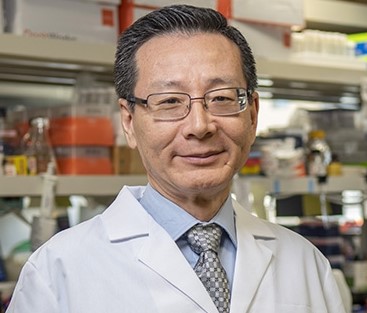 Rong Li合作论文数Department of Biochemistry and Molecular Medicine, School of Medicine and Health Sciences, The George Washington University2
 Dongdong Zhao (赵东东)合作论文数School of Information Science & Engineering, Lanzhou University2Limei Han (汉丽梅)合作论文数沈阳农业大学动物科技学院2Hong Liu合作论文数1Yunda Hong合作论文数1Wenying Jing (景文莹)合作论文数1




