Medullary thyroid carcinoma (MTC) is a rare, aggressive neuroendocrine tumor with limited treatment options and frequent recurrence. Comprehensive recurrence risk stratification remains lacking. Here, we profile 482 MTC samples from 452 patients across ten Chinese clinical centers, identifying 10,092 proteins and mutations in 87.0% of patients. Clinically, MTC grading, concurrent papillary thyroid carcinoma, and lymph node metastasis are significant recurrence risk factors, whereas at the genetic level, RET M918T and RET S891A mutations are correlated with high recurrence risk in sporadic and hereditary MTC, respectively. Ubiquitinomics show downregulated E3 ligases CUL4B and TRIM32 are associated with structural recurrence. We define three molecular subtypes with distinct outcomes and present an integrative machine learning model combining clinical, genomic, and proteomic features, validated in an independent test dataset of 105 patients and a published dataset. This multi-center, multi-omics study enhances the understanding of MTC heterogeneity and facilitates personalized patient management.
Calciphylaxis (calcific uremic arteriolopathy, CUA) is a rare, fatal disorder primarily affecting chronic kidney disease patients, characterized by microvascular calcification, thrombosis, and skin necrosis. In a discovery cohort (3 CUA, 10 uremic), plasma proteomics identified Thrombospondin-1 (THBS1) as the top upregulated hub in CUA, significantly reduced after human amnion-derived mesenchymal stem cell (hAMSC) therapy, alongside latent TGF-β binding protein 1, both linked to coagulation and wound healing. In vitro proteomics indicated that THBS1/TGF-β1 blockade impaired CUA serum-induced endothelial adhesion and coagulation. ELISA in combined discovery and validation cohorts (8 CUA, 20 uremic) confirmed this reduction post-treatment (6 patients), independent of systemic inflammation. Multiplex immunofluorescence revealed THBS1 and CD47 co-localized with CD31 and integrin β3 in injured microvessels. A human microvascular chip showed that THBS1 inhibition or hAMSC-conditioned medium alleviates injury. These findings implicate THBS1 as a key factor and potential biomarker in calciphylaxis, suggesting hAMSC therapy as a promising mechanism-based approach. Video Abstract:
Advanced differentiated thyroid cancer (DTC) is characterized by limited therapeutic options and unfavorable prognosis. To address this, we conduct proteogenomic analysis of 113 advanced DTCs, identifying three molecularly distinct subtypes: canonical, stromal, and immunogenic. These subtypes exhibit differences in driver mutations, histopathological features, and clinical outcomes. Based on their unique biology, we suggest distinct therapeutic strategies for each subtype. To facilitate clinical application, we develop a machine learning classifier that accurately predicts these subtypes using routinely available gene mutation and digital pathology data. The biological relevance of this classification is further confirmed in an independent cohort analyzed by single-cell and spatial transcriptomics. Moreover, analysis of a real-world cohort of patients receiving various systemic therapies provides preliminary clinical evidence supporting the potential utility of this subtyping framework for informing treatment decisions. Collectively, this study provides a rationale and a practical tool for future exploration of personalized treatment in advanced DTC.
Accurate preoperative diagnosis of thyroid nodules via fine-needle aspiration (FNA) biopsy remains challenging, particularly in cases with indeterminate cytology. This prospective, noninterventional, blinded, multicenter study establishes ThyroProt, a diagnostic classifier that integrates targeted mass-spectrometry-based quantification of a 3-protein signature with BRAFV600E mutation status, age, and gender. Developed and validated on 837 FNA samples, the classifier is evaluated in a prospective test set of 322 samples, achieving an area under the curve (AUC) of 0.94 with an overall accuracy of 90.7%. For the critical subgroup of Bethesda III/IV nodules, ThyroProt demonstrates an accuracy of 88.0%, with 82.4% sensitivity and 100% specificity. The classifier's robust performance is further evaluated in two independent multicenter cohorts, where it maintains an AUC of 0.87-0.91 and an accuracy of 84.3%-85.7%. This study supports the clinical utility of mass-spectrometry-based targeted proteomics for improving preoperative diagnosis of thyroid nodules, particularly those with indeterminate cytology.
Background::Cytopathology cannot be used to reliably distinguish follicular thyroid adenoma (FTA) from follicular thyroid carcinoma (FTC), the second most common form of thyroid cancer, because they exhibit nearly identical cellular morphology. Given the challenges in diagnosis and treatment, this study aims to identify the mechanisms underlying FTC.Methods::Using parallel reaction monitoring-mass spectrometry (PRM-MS) assays, we identified and quantified 94 differentially expressed protein candidates from a retrospective cohort of 1085 FTC and FTA tissue samples from 18 clinical centers. Of these targeted proteins, those with the potential for distinguishing FTC from FTA were prioritized using machine learning. Co-immunoprecipitation (co-IP) and immunofluorescence co-localization assays, as well as gene interference, overexpression, and immunohistochemistry (IHC) experiments, were used to investigate the interactions and cellular functions of selected proteins.Results::Using machine learning models and feature selection methods, 30 of the 94 candidates were prioritized as key proteins. Co-IP and immunofluorescence co-localization assays using FTC cell lines revealed interactions among insulin-like growth factor 2 receptor (IGF2R), major vault protein (MVP), histone deacetylase 1 (HDAC1), and histone H1.5 (H1-5). Gene interference and overexpression experiments in FTC-133 cells confirmed the promotional role of these proteins in cell proliferation. IHC assays of patient samples further confirmed elevated expression of these four proteins in FTC compared with that in FTA.Conclusions::Our findings underscore the utility of advanced proteomic techniques in elucidating the molecular underpinnings of FTC, highlighting the potential significance of IGF2R, MVP, HDAC1, and H1-5 in FTC progression, and providing a foundation for the exploration of targeted therapies.
Differentiating follicular thyroid adenoma (FTA) from carcinoma (FTC) remains challenging due to similar histological features separate from invasion. This study developed and validated DNA- and/or protein-based classifiers. A total of 2443 thyroid samples from 1568 patients were obtained from 24 centers in China and Singapore. Next-generation sequencing of a 66-gene panel revealed 41 (62.1%) detectable genes, while 25 were not, showing similar alteration patterns with differing mutation frequencies. Proteomics quantified 10,336 proteins, with 187 dysregulated. A discovery protein-based XGBoost model achieved an AUROC of 0.899 (95% CI, 0.849-0.949), outperforming the gene-based model (AUROC 0.670 [95% CI, 0.612-0.729]). A subsequent 24-protein classifier, developed via targeted mass spectrometry and validated in three independent sets, showed high performance in retrospective cohorts (AUROC 0.871 [95% CI, 0.833-0.910] and 0.853 [95% CI, 0.772-0.934]) and prospective biopsies (AUROC 0.781 [95% CI, 0.563-1.000]). It exhibited a 95.7% negative predictive value for ruling out malignancy. This study presents a promising protein-based approach for the differential diagnosis of FTA and FTC, potentially enhancing diagnostic accuracy and clinical decision-making.
Background: Medullary thyroid cancer (MTC) is a rare thyroid malignancy, with 70% to 80% of cases being sporadic (sMTC). Current guidelines recommend total thyroidectomy (TT) for all preoperatively suspicious sMTC, though there has been increasing support for reducing the surgical extent in recent years. However, relevant data are limited. This study aimed to comprehensively evaluate the safety of hemithyroidectomy (HT) in sMTC. Patients and Methods: This study included 797 patients with MTC who received curative-intent initial surgery at 19 participating referral centers. Genetic testing was performed to identify disease heredity. We evaluated the safety of HT in sMTC across 5 aspects: (1) prevalence of occult bilateral foci, (2) prevalence of contralateral lobe recurrence, (3) biochemical response, (4) structural recurrence-free survival (SRFS), and (5) overall survival (OS). Results: Of the 797 patients, 648 were genetically confirmed as having sMTC. HT and TT were performed as the index surgery in 232 (35.8%) and 416 (64.2%) patients, respectively. In the TT group, bilateral foci were found in 34 (8.2%) patients, of whom only 10 (2.4%) had sonographically occult foci, and of these, only 3 (0.72%) had a maximal tumor size <= 2 cm. In the HT group, only 1.7% (4/232) had recurrence in the preserved lobe, with only 1 (0.43%) having a maximal tumor size <= 2 cm. After propensity score matching, 230 pairs of patients were included in further analysis. No significant differences were found in OS (logrank: P =.484; Cox regression: P=.380), SRFS (log-rank: P =.914; Cox regression: P=.309), or biochemical response (chi-square: P =.744; logistic regression: P =.818) between the 2 groups. Subgroup analyses showed that HT conferred comparable structural and biochemical outcomes with TT in small (<= 2 cm) sMTCs, even for patients with high-risk factors such as high preoperative calcitonin, multifocal disease, lymph node metastases, RET M918T mutation, and desmoplasia. Conclusions: For small unilateral sMTCs, HT may be considered an alternative treatment that does not compromise prognosis while avoiding additional complications associated with TT.
Poorly differentiated thyroid cancer (PDTC) and anaplastic thyroid cancer (ATC) present major challenges in treatment owing to extreme aggressiveness and high heterogeneity. In this study, deep-scale analyses spanning genomic, proteomic, and phosphoproteomic data are performed on 348 thyroid-cancer and 119 tumor-adjacent samples. TP53 (48%), TERT promoter (36.5%), and BRAF (23%) are most frequently mutated in PDTC and ATC. Ribosome biogenesis is identified as a common hallmark of ATC, and RRP9 silencing dramatically inhibits tumor growth. Proteomic clustering identified three ATC/PDTC subtypes. Pro-I subtype is characterized with aberrant insulin signaling and low immune cell infiltration, and Pro-II is featured with DNA repair signaling, while Pro-III harbors high frequency of TP53 and BRAF mutation and intensive C5AR1+ myeloid infiltration. Targeting C5AR1 synergistically improves antitumor effect of PD-1 blockade against ATC cell-derived tumors. These findings provide systematic insights into tumor biology and opportunities for drug discovery, accelerating precision therapy for virulent thyroid cancers.
Background: Medullary thyroid cancer (MTC) is a rare thyroid malignancy, with 70% to 80% of cases being sporadic (sMTC). Current guidelines recommend total thyroidectomy (TT) for all preoperatively suspicious sMTC, though there has been increasing support for reducing the surgical extent in recent years. However, relevant data are limited. This study aimed to comprehensively evaluate the safety of hemithyroidectomy (HT) in sMTC. Patients and Methods: This study included 797 patients with MTC who received curative-intent initial surgery at 19 participating referral centers. Genetic testing was performed to identify disease heredity. We evaluated the safety of HT in sMTC across 5 aspects: (1) prevalence of occult bilateral foci, (2) prevalence of contralateral lobe recurrence, (3) biochemical response, (4) structural recurrence-free survival (SRFS), and (5) overall survival (OS). Results: Of the 797 patients, 648 were genetically confirmed as having sMTC. HT and TT were performed as the index surgery in 232 (35.8%) and 416 (64.2%) patients, respectively. In the TT group, bilateral foci were found in 34 (8.2%) patients, of whom only 10 (2.4%) had sonographically occult foci, and of these, only 3 (0.72%) had a maximal tumor size ≤2 cm. In the HT group, only 1.7% (4/232) had recurrence in the preserved lobe, with only 1 (0.43%) having a maximal tumor size ≤2 cm. After propensity score matching, 230 pairs of patients were included in further analysis. No significant differences were found in OS (log-rank: P=.484; Cox regression: P=.380), SRFS (log-rank: P=.914; Cox regression: P=.309), or biochemical response (chi-square: P=.744; logistic regression: P=.818) between the 2 groups. Subgroup analyses showed that HT conferred comparable structural and biochemical outcomes with TT in small (≤2 cm) sMTCs, even for patients with high-risk factors such as high preoperative calcitonin, multifocal disease, lymph node metastases, RETM918T mutation, and desmoplasia. Conclusions: For small unilateral sMTCs, HT may be considered an alternative treatment that does not compromise prognosis while avoiding additional complications associated with TT.
While the brain performs specialized functions across distinct regions, the spatial organization of the human brain proteome remains largely uncharted. Here we present a comprehensive spatially-resolved proteome atlas of the human brain, analyzing over two thousand MRI- guided locations across four individuals. Proteome analysis integrated with transcriptomics reveals extensive post-transcriptional regulation, with cortical regions showing markedly higher protein diversity than transcript. Unsupervised molecular clustering defines distinct brain territories that transcend anatomical boundaries, instead reflecting metabolic demands and functional specialization patterns. Application to epilepsy brain tissue uncovered disrupted astrocyte metabolism, protein homeostasis and therapeutic targets including the seizure-associated purinergic receptor P2RX7. This resource bridges molecular and systems neuroscience to accelerate neurological drug discovery. ### Competing Interest Statement T. G. is a shareholder of Westlake Omics Inc. The remaining authors declare no competing interests. National Key R&D Program of China, 2023C03056, 2021ZD0200200
Oncocytic thyroid tumors are characterized by an elevated mitochondrial density within the cells, distinguishing them from other thyroid tumors, exhibit distinct clinical behaviors, including increased invasiveness and iodine therapy resistance. However, the proteomic alterations in oncocytic thyroid tumors remain inadequately characterized. In this study, we analyzed 156 Asian patients with oncocytic thyroid adenomas (OA) and carcinomas (OCA) to explore their clinical, genetic, and proteomic features. Genetic testing of 73 samples revealed frequent mutations in TERT, NRAS, EIF1AX, EZH1, and HRAS, with TERT promoter mutations being exclusive to OCAs. Proteomic analysis identified 66 mitochondrial-specific proteins significantly highly expressed in oncocytic tumors than in non-oncocytic tumors. This led to the development of a thyroid oncocytic score (TOS) to quantify oncocytic characteristics. Among these proteins, isocitrate dehydrogenase 2 (IDH2) was substantially overexpressed in oncocytic tumors and further confirmed by immunohistochemistry in oncocytic tumor slides (n = 41) and non-oncocytic tumor slides (n = 40). Moreover, IDH2 is significantly overexpressed in OCA compared to OA highlighting its potential as a biomarker for differential diagnosis of oncocytic tumors and malignancy. These findings improve the understanding of oncocytic thyroid tumors molecular pathology and suggest IDH2 as a valuable marker for clinical management.
BACKGROUND:Papillary thyroid cancer (PTC) is one of the most common endocrine malignancies with different risk levels. However, preoperative risk assessment of PTC is still a challenge in the worldwide. Here, the authors first report a Preoperative Risk Assessment Classifier for PTC (PRAC-PTC) by multidimensional features including clinical indicators, immune indices, genetic feature, and proteomics. MATERIALS AND METHODS:The 558 patients collected from June 2013 to November 2020 were allocated to three groups: the discovery set [274 patients, 274 formalin-fixed paraffin-embedded (FFPE)], the retrospective test set (166 patients, 166 FFPE), and the prospective test set (118 patients, 118 fine-needle aspiration). Proteomic profiling was conducted by FFPE and fine-needle aspiration tissues from the patients. Preoperative clinical information and blood immunological indices were collected. The BRAFV600E mutation were detected by the amplification refractory mutation system. RESULTS:The authors developed a machine learning model of 17 variables based on the multidimensional features of 274 PTC patients from a retrospective cohort. The PRAC-PTC achieved areas under the curve (AUC) of 0.925 in the discovery set and was validated externally by blinded analyses in a retrospective cohort of 166 PTC patients (0.787 AUC) and a prospective cohort of 118 PTC patients (0.799 AUC) from two independent clinical centres. Meanwhile, the preoperative predictive risk effectiveness of clinicians was improved with the assistance of PRAC-PTC, and the accuracies reached at 84.4% (95% CI: 82.9-84.4) and 83.5% (95% CI: 82.2-84.2) in the retrospective and prospective test sets, respectively. CONCLUSION:This study demonstrated that the PRAC-PTC that integrating clinical data, gene mutation information, immune indices, high-throughput proteomics and machine learning technology in multicentre retrospective and prospective clinical cohorts can effectively stratify the preoperative risk of PTC and may decrease unnecessary surgery or overtreatment.
Clear cell ovarian carcinoma (CCOC) is a relatively rare subtype of ovarian cancer (OC) with high degree of resistance to standard chemotherapy. Little is known about the underlying molecular mechanisms, and it remains a challenge to predict its prognosis after chemotherapy. Here, we first analyzed the proteome of 35 formalin-fixed paraffin-embedded (FFPE) CCOC tissue specimens from a cohort of 32 patients with CCOC (H1 cohort) and characterized 8697 proteins using data-independent acquisition mass spectrometry (DIA-MS). We then performed proteomic analysis of 28 fresh frozen (FF) CCOC tissue specimens from an independent cohort of 24 patients with CCOC (H2 cohort), leading to the identification of 9409 proteins with DIA-MS. After bioinformatics analysis, we narrowed our focus to 15 proteins significantly correlated with the recurrence free survival (RFS) in both cohorts. These proteins are mainly involved in DNA damage response, extracellular matrix (ECM), and mitochondrial metabolism. Parallel reaction monitoring (PRM)-MS was adopted to validate the prognostic potential of the 15 proteins in the H1 cohort and an independent confirmation cohort (H3 cohort). Interferon-inducible transmembrane protein 1 (IFITM1) was observed as a robust prognostic marker for CCOC in both PRM data and immunohistochemistry (IHC) data. Taken together, this study presents a CCOC proteomic data resource and a single promising protein, IFITM1, which could potentially predict the recurrence and survival of CCOC.
Calciphylaxis, also known as calcific uremic arteriolopathy (CUA), is an orphan disease without proven therapies, we rescued it with human amnion-derived mesenchymal stem cells (hAMSCs). In a discovery cohort of 10 uremic patients and 3 CUA patients, plasma proteomic analysis showed core differentially expressed proteins (DEPs) Thrombospondin 1 (THBS1) and Latent transforming growth factor (TGF)-β binding protein 1 (LTBP1) decreased significantly after 3 days of hAMSC treatment. Single-cell transcriptome sequencing of peripheral blood mononuclear cells (PBMCs) indicated megakaryocytes were the source of THBS1 in CUA patient. Same as the discovery cohort, plasma THBS1 and TGF-β1 levels were increased in seven CUA patients compared to the uremic group (n=20), as measured by enzyme-linked immunosorbent assay (ELISA) in the validation cohort. They can be inhibited after hAMSC treatment and increased as the frequency of therapy decreased. THBS1 and its receptor, CD47, were increased in the CUA skin. THBS1 and TGF-β1 are biomarker candidates for calciphylaxis.
Dimension reduction (DR) is commonly utilized to capture the intrinsic structure and transform high-dimensional data into low-dimensional space while retaining meaningful properties of the original data. It is used in various applications, such as image recognition, single-cell sequencing analysis, and biomarker discovery. However, contemporary parametric-free and parametric DR techniques suffer from several significant shortcomings, such as the inability to preserve global and local features and the poor generalisation performance. On the other hand, regarding explainability, it is crucial to comprehend the embedding process, especially the contribution of each part to the embedding process, while understanding how each feature affects the embedding results that identify critical components and help diagnose the embedding process. To address these problems, we have developed a deep neural network method called DMT-EV, which provides not only excellent performance in structural maintainability but also explainability to the DR therein. DMT-EV starts with data augmentation and a manifold-based loss function to improve embedding performance. The explanation is based on saliency maps and aims to examine the trained DMT-EV parameters and contributions of components during the embedding process. The proposed techniques are integrated with a visual interface to help the user to adjust DMT-EV to achieve better DR performance and explainability. The interactive visual interface makes it easier to illustrate the data features, compare different DR techniques, and investigate DR. An in-depth experimental comparison shows that DMT-EV consistently outperforms the state-of-the-art methods in both performance measures and explainability.
Thyroid nodules are a common endocrine condition with an increasing incidence over the decades. Data-independent acquisition has been widely utilized in discovery proteomics to identify disease biomarkers and therapeutic targets. To analyze the thyroid disease-related proteome in a high-throughput, reproducible and reliable manner, we introduce thyroid-specific peptide spectral libraries. Here, we generated four deep-coverage libraries through four mass spectrometers comprising Q Exactive HF, Orbitrap Exploris 480, ZenoTOF 7600, and timsTOF Pro. These libraries encompass over 215,000 precursors, 172,000 peptides, and 12,000 proteins, derived from 245 tissue samples across nine histological types and 50 cell lines across six histological types. Moreover, the spectral libraries are applied to nine types of thyroid samples to facilitate the exploration of disease-specific proteins. Our spectral libraries serve as a valuable resource for analyzing thyroid protein content, facilitating deeper insights into thyroid disorders.
Pediatric papillary thyroid carcinomas (PPTCs) exhibit high inter-tumor heterogeneity and currently lack widely adopted recurrence risk stratification criteria. Hence, we propose a machine learning-based objective method to individually predict their recurrence risk. We retrospectively collect and evaluate the clinical factors and proteomes of 83 pediatric benign (PB), 85 pediatric malignant (PM) and 66 adult malignant (AM) nodules, and quantify 10,426 proteins by mass spectrometry. We find 243 and 121 significantly dysregulated proteins from PM vs. PB and PM vs. AM, respectively. Function and pathway analyses show the enhanced activation of the inflammatory and immune system in PM patients compared with the others. Nineteen proteins are selected to predict recurrence using a machine learning model with an accuracy of 88.24%. Our study generates a protein-based personalized prognostic prediction model that can stratify PPTC patients into high- or low-recurrence risk groups, providing a reference for clinical decision-making and individualized treatment. Papillary thyroid carcinoma has a heterogenous outcome, particularly in paediatric patients. Here, the authors utilise machine learning to create a protein-based prognostic model to predict recurrence risk.
 Tiannan Guo合作论文数50
 Yi Zhu合作论文数Department of Cellular and Integrative Physiology, Long School of Medicine, The University of Texas29Weigang Ge合作论文数23Xue Cai合作论文数21Wei Liu合作论文数15Lu Li合作论文数15Fangfei Zhang合作论文数14
 Liang Yue合作论文数12
 Zhihong Wang (王志宏)合作论文数Department of Thyroid Surgery, The First Affiliated Hospital of China Medical University12
 Qiushi Zhang合作论文数Westlake Univ, Sch Life Sci, Key Lab Struct Biol Zhejiang Prov, Hangzhou 310024, Zhejiang, Peoples R China11
 Hao Zhang (张灏)合作论文数School of Medicine, Jinan University;MOE Key Laboratory of Tumor Molecular Biology, Jinan University11Guangzhi Wang合作论文数10
 N Gopalakrishna Iyer合作论文数Dept Surg Oncol, Natl Canc Ctr Singapore10Zhao Yongfu合作论文数10
 Yu Wang (王宇)合作论文数Department of Head & Neck Surgery, Cancer Hospital,Fudan University10
 Haixia Guan (关海霞)合作论文数Guangdong Provincial People's Hospital10
 Yan Zhou (周艳)合作论文数College of Life Sciences, Zhejiang University10Oi Lian Kon合作论文数10Guan Ruan合作论文数Westlake Univ, Sch Life Sci, Key Lab Struct Biol Zhejiang Prov, 18 Shilongshan Rd, Hangzhou 310024, Zhejiang, Peoples R China9Wei Wen-Jun合作论文数9Zhu Tiansheng合作论文数9
 Xiaodong Teng合作论文数9
 Chuang Chen合作论文数9Jianbiao Wang合作论文数8
 Zelin Zang (臧泽林)合作论文数School of Engineering, Westlake University8Huanhuan Gao合作论文数8Jiang Zhu合作论文数8Qi Xiao合作论文数Institute of Basic Medical Sciences, Westlake Institute for Advanced Study, Hangzhou, Zhejiang, China.8
 Rui Sun合作论文数From the State Key Laboratory of Natural Medicines, Jiangsu Key Laboratory of Drug Discovery for Metabolic Disease, Center for New Drug Safety Evaluation and Research, China Pharmaceutical University, Nanjing 211198, China;8
 Zhiyan Liu合作论文数Wakayama Med Univ, Dept Human Pathol, Wakayama 6418509, Japan8
 He Wang (王贺)合作论文数Institute of Biomedical Engineering, Chinese Academy of Medical Sciences8
 Sathiyamoorthy Selvarajan合作论文数Department of Anatomy, National University of Singapore Singapore8Junhong Xiao合作论文数7Wanyuan CHEN (陈万远)合作论文数7Nan Xiang合作论文数7Xiao Yi合作论文数7Cong Lu合作论文数7
 Rudolf Aebersold合作论文数Department of Biology, Eidgenössische Technische Hochschule Zürich7
 Stan Z. Li (李子青)合作论文数School of Engineering, Westlake University7
 Shu Zheng (郑树)合作论文数School of Medicine, Zhejiang University7he yi合作论文数6
 Zhen Dong合作论文数6Liujia Qian合作论文数6Yijun Wu合作论文数6Hao Chen合作论文数6
 DingCun Luo (罗定存)合作论文数Department of Oncology, Hangzhou First People's Hospital6
 Zhicheng Wu (吴治诚)合作论文数School of Electrical Engineering, Xi'an Jiaotong University6
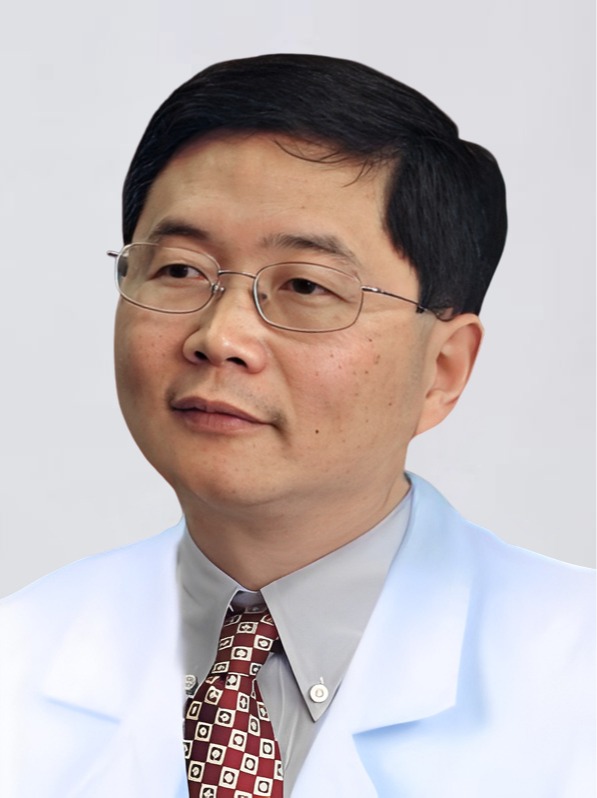 Shiang Huang (黄士昂)合作论文数Union Hospital, Tongji Medical College, Huazhong University of Science and Technology6
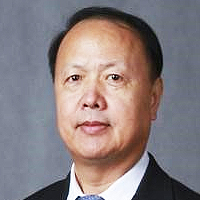 Kexin Liu合作论文数Department of Clinical Pharmacology, Dalian Medical University6




