We aimed to investigate the effects of preschool staff physical activity (PA) professional development on self-regulation, executive function and early academic learning in 3-5-year-old children. A total of 1265 children from 46 preschools in Norway were randomized to a 7-month intervention or control. Main analyses included 816 3-4-year-olds who provided data at baseline, 7- and 18-month follow-ups. We measured children's self-regulation (Head-Toes-Knees-Shoulders task), inhibition, cognitive flexibility, working memory, early expressive vocabulary, early mathematical skills (Early Years Toolbox) and physical activity (accelerometry). Linear mixed models were used to analyze the data. Results showed no effect of the intervention on cognitive or learning outcomes in the primary analyses. We found small positive effects on sedentary time (standardized effect size (ES)=-0.17, p = 0.014) and moderate to vigorous-intensity PA (ES = 0.15, p = 0.048) at 7 months, and a negative effect on low-intensity PA at 18 months (EF = -0.15, p = 0.021). Boys had a small positive effect on vocabulary at 7 months (ES = 0.23, p = 0.006), and girls a small negative effect at 18 months (ES = -0.23, p = 0.004). This cluster RCT in preschoolers supports the notion that pragmatic trials within educational settings have difficulties in providing changes to the PA practice and to impact young children's cognitive development and learning.
This is a text about how different management practices can affect knowledge sharing in vocational education. Data comes from a qualitative study of the Norwegian ‘Vocational Teacher Training Initiative Programme’. The text is based on the premise that different management practices can create varying relationships between external, formulated requirements for knowledge development and internal processes for sharing knowledge. Sekkingstad and Glosvik (2022) have previously identified three main categories of management practices: ‘management of operations’, ‘leadership through system and plan’, and ‘systemic leadership’. These characterise overlapping reflections between school managers and in the management groups in five upper secondary schools. The practices are used as analytical tools, and nine categories with relevance to the research questions are identified and presented as results. The main message is that the three practices are intertwined, but that ‘management of operations’ dominates. The main finding is that one practice puts the teacher at the centre, another the school as an organisation, and the third the needs of the pupils. Management practices in vocational education thus have an impact on what is perceived as collective learning. The results are first discussed in light of a perspective on organisational learning (Pedler et al., 2019), then in light of general approaches to school and educational leadership.
This article aims to analyze discourse about professional development in preschool, represented by knowledge movements in meta-conversations about peer counseling. Empirically, this article presents a case study based on audio recordings of focus group discussions on peer counseling. The underlying study highlights findings in the form of various speech acts as markers for central discourse among preschool teachers. Habermas’ theory of communicative action is used as a framework for analyzing the preschool teachers’ statements, showing that the concepts of lifeworld and system are central in their discussions. The study highlights knowledge movements pertaining to learning and becoming part of the community, knowledge movements that threaten professional aspects, and dynamics between the participants’ everyday lives and the system. Peer counseling in groups appears to be a crucial transformative learning activity in the preschool setting studied. The findings presented can contribute to bridging preschool teachers’ everyday lives and the system they function within and can be used to improve the education of preschool teachers.
To cultivate professional learning communities (PLC) has become a widely recognised strategy for school development and student learning. This case study employed multimethod qualitative data collection (focus groups, individual interviews, and document analysis) to provide insight into how PLC within two primary schools cultivated physically active learning (PAL) in Norway. Findings illustrate how PAL can be cultivated in different ways and that the process is contingent on school leadership, irrespective of participation in continuing professional development programmes. Drawing on Robinson's student-centered leadership, we suggest that school leaders, teachers, and other staff members practice this when cultivating PAL to build capacity and ownership among staff. The study concludes that PLC could be a strategy for cultivating PAL when combined with internal and/or external PAL expertise.
Post-graduate and further education can easily be overlooked as a contribution to collective knowledge and practice development in a field of practice. An overarching theme of this article is how the organisation of a post-graduate and further education initiative can influence collective knowledge in vocational education and training. This article aims to inquire about what teachers and school managers in vocational education and training experience with an examination format where the teachers conduct a university exam at their school, with their management as audience and potential participants. This case study is based on qualitative data from four focus group interviews with teachers and five focus group interviews with school managers at five vocational training schools. The teachers participated in the ‘Vocational Teacher Training Initiative programme’ (YFL) in Norway. ‘The third space’ is used as the overarching theoretical framework. Through a thematic content analysis, the findings were crystalised into three categories. 1) The examination format facilitated a proximity to practice. 2) Knowledge sharing appeared as concrete actions. 3) The examination format revealed new possibilities for co-creation with higher education. The result is that the examination format seemed to function as a bridge between conventional teaching practices in higher education and collective development in vocational education and training. Minor changes in the examination format appeared to open the door to what is termed ‘a third space’ between higher education and schools.
This is a scoping review of peer-reviewed journal articles within Nordic Early Childhood Education and Care research from 2014 to 2020. We aim to explore if and how the concept of systemic leadership is employed within Nordic research on kindergartens. Forty-two studies were included. The results show the study types, methods and informants used. Based on a qualitative content analysis, six dominating leadership perspectives were identified in the studies. These can be briefly described as: 1) leadership mirroring the outside world, 2) leadership as a collaborative process among humans, 3) hybrid leadership between solo and distributed, 4) shared formal leadership, 5) leadership as organizational learning and development, and 6) leading in the professional context. These approaches consider the ways in which systemic leadership is employed and they highlight the collective and relational dynamics of leadership beyond the individual leader. Despite a growing body of research, there remains a need for further theoretical and quantitative investigations, and studies that focus on staff without pedagogue education as informants.
Organisational learning is the topic addressed in this qualitative comparative case study. The purpose is to investigate the role of local line leadership in professional development processes. Two kindergartens participating in the Norwegian national in-service programme Competence for Diversity were studied. A combination of inductive and deductive analyses led us to introduce two dimensions: leading contextual interplay, with proactive and reactive values, and practice development, with fragmented and integrated values. One of the kindergartens appeared to have organised the professional development process more productively than the other, and the findings point to a combination of integrating dialogues on practice, and proactive managers as possible keys to understanding kindergartens as learning organisations. The model seems to capture, to some extent, the holistic view of the learning organisation as a structured relationship between individual and collective learning. The managerial role as local line leader stands out as important for understanding learning in this type of organisation.
Introduction There is a dearth of high-quality evidence on effective, sustainable, and scalable interventions to increase physical activity (PA) and concomitant outcomes in preschoolers. Specifically, there is a need to better understand how the preschool context can be used to increase various types of physically active play to promote holistic child development. The implementation of such interventions requires highly competent preschool staffs, however, the competence in promoting PA is often low. The main aim of the ACTNOW study is therefore to investigate the effects of professional development for preschool staffs on child PA and developmental outcomes. Methods The study will be conducted in Norway 2019–2022 and is designed as a two-arm (intervention, control) cluster randomized controlled trial (RCT) with 7- and 18-months follow-ups. We aim to recruit 60 preschools and 1,200 3- to 5-years-old children to provide sufficient power to detect effect sizes (ESs) between 0.20 and 0.30. The intervention is nested within two levels: the preschool and the child. Central to the ACTNOW intervention are opportunities for children to engage in a variety of “enriched,” meaningful, and enjoyable physically active play that supports the development of the whole child. To this end, the main intervention is a 7-month professional development/education module for preschool staff, aimed to provide them with the necessary capacity to deliver four core PA components to the children (moderate-to-vigorous PA, motor-challenging PA, cognitively engaging play, and physically active learning). We will include a range of child-level outcomes, including PA, physical fitness, adiposity, motor skills, socioemotional health, self-regulation, executive function, and learning. At the preschool level, we will describe implementation and adaptation processes using quantitative and qualitative data. Discussion Professional development of staff and a whole-child approach that integrates PA with cognitively engaging play and learning activities in the preschool setting may provide a feasible vehicle to enhance both physical and cognitive development in young children. ACTNOW is designed to test this hypothesis to provide a sustainable way to build human capital and provide an early solution to lifelong public health and developmental challenges. Clinical Trial Registration www.ClinicalTrials.gov identifier NCT04048967.
OBJECTIVE:To investigate the effect of a seven-month, school-based cluster-randomized controlled trial on academic performance in 10-year-old children. METHODS:In total, 1129 fifth-grade children from 57 elementary schools in Sogn og Fjordane County, Norway, were cluster-randomized by school either to the intervention group or to the control group. The children in the 28 intervention schools participated in a physical activity intervention between November 2014 and June 2015 consisting of three components: 1) 90min/week of physically active educational lessons mainly carried out in the school playground; 2) 5min/day of physical activity breaks during classroom lessons; 3) 10min/day physical activity homework. Academic performance in numeracy, reading and English was measured using standardized Norwegian national tests. Physical activity was measured objectively by accelerometry. RESULTS:We found no effect of the intervention on academic performance in primary analyses (standardized difference 0.01-0.06, p>0.358). Subgroup analyses, however, revealed a favorable intervention effect for those who performed the poorest at baseline (lowest tertile) for numeracy (p=0.005 for the subgroup∗group interaction), compared to controls (standardized difference 0.62, 95% CI 0.19-1.07). CONCLUSIONS:This large, rigorously conducted cluster RCT in 10-year-old children supports the notion that there is still inadequate evidence to conclude that increased physical activity in school enhances academic achievement in all children. Still, combining physical activity and learning seems a viable model to stimulate learning in those academically weakest schoolchildren.
BACKGROUND:Evidence is emerging from school-based studies that physical activity might favorably affect children's academic performance. However, there is a need for high-quality studies to support this. Therefore, the main objective of the Active Smarter Kids (ASK) study is to investigate the effect of daily physical activity on children's academic performance. Because of the complexity of the relation between physical activity and academic performance it is important to identify mediating and moderating variables such as cognitive function, fitness, adiposity, motor skills and quality of life (QoL). Further, there are global concerns regarding the high prevalence of lifestyle-related non-communicable diseases (NCDs). The best means to address this challenge could be through primary prevention. Physical activity is known to play a key role in preventing a host of NCDs. Therefore, we investigated as a secondary objective the effect of the intervention on risk factors related to NCDs. The purpose of this paper is to describe the design of the ASK study, the ASK intervention as well as the scope and details of the methods we adopted to evaluate the effect of the ASK intervention on 5 (th) grade children.METHODS & DESIGN:The ASK study is a cluster randomized controlled trial that includes 1145 fifth graders (aged 10 years) from 57 schools (28 intervention schools; 29 control schools) in Sogn and Fjordane County, Norway. This represents 95.3 % of total possible recruitment. Children in all 57 participating schools took part in a curriculum-prescribed physical activity intervention (90 min/week of physical education (PE) and 45 min/week physical activity, in total; 135 min/week). In addition, children from intervention schools also participated in the ASK intervention model (165 min/week), i.e. a total of 300 min/week of physical activity/PE. The ASK study was implemented over 7 months, from November 2014 to June 2015. We assessed academic performance in reading, numeracy and English using Norwegian National tests delivered by The Norwegian Directorate for Education and Training. We assessed physical activity objectively at baseline, midpoint and at the end of the intervention. All other variables were measured at baseline and post-intervention. In addition, we used qualitative methodologies to obtain an in-depth understanding of children's embodied experiences and pedagogical processes taking place during the intervention.DISCUSSION:If successful, ASK could provide strong evidence of a relation between physical activity and academic performance that could potentially inform the process of learning in elementary schools. Schools might also be identified as effective settings for large scale public health initiatives for the prevention of NCDs.TRIAL REGISTRATION:Clinicaltrials.gov ID nr: NCT02132494 . Date of registration, 6(th) of May, 2014.
Sammendrag Samhandlingsreformen etterlyser kunnskap om organisering av etter- og videreutdanning i kommunehelsetjenesten. Dette er en analyse av et EVU-tiltak ved Hogskolen i Bergen, og organisasjonskulturbegrepet brukes for a kaste lys over motet mellom en akademisk og en kommunal kunnskapskultur. Analysen viser at ved a kompromisse pa et artefaktisk niva fra hogskolens side ble det skapt en vinn/vinn-situasjon som direkte bidrog til kommunal tjenesteutvikling. Videre pekes det pa at det ikke er slik at grunnleggende forskjeller mellom to kulturer trenger a vaere noe problem, men at de kommunale lederene i studien setter individuell kunnskapsutvikling langt tydeligere inn i en organisatorisk kontekst, enn et tradisjonelt studieopplegg tar hoyde for.En konklusjon er at utdanningsinstitusjoner med sma grep av og til kan gjore en stor forskjell i kommunal tjenesteutvikling. Abstract The Coordination Reform points at a knowledge gap in application and organization of Continuing Professional Education and Post-graduate Education (CPE) as development tools in the municipal health sector. We present an analysis of a CPE-project at Bergen University College, where changes in curricula implementation strategies directly affected municipal services. Schein's (1992) concept of organizational culture is applied in a qualitative analysis of an academic knowledge culture and a municipal culture. By compromising on an artifact level, the college created a win-win situation directly affecting municipal service development. We ask if differences in cultures are significant, if an academic culture accepts that emphasize on individual knowledge acquisition might not be functional in the organizational context emphasized by municipal managers. The text concludes that small changes in college curricula implementation strategies might make a difference in municipal innovation processes. (Published: 18 October 2013) Citation: Uniped 2013, 36 : 21578 - http://dx.doi.org/10.3402/uniped.v36i3.21578
Har studieleiarar dei reiskapane som skal til for a vere leiar for autonome fagmenneske, for a samarbeide med administrativt tilsette og tekniske medarbeidarar i hogskular og universitet, for a drive studietilbod og forbetre individuelle og kollektive laeringsprosessar? Dette er ein tekst om ein mogeleg reiskap, ein teoretisk innfallsvinkel som kan kaste lys over slike leiarutfordringar i hogre utdanning. Foremalet er normativt: Eg ynskjer a leite etter matar studieleiarar kan tenkje pa nar dei prover a utvikle studiet sitt.
 Eivind Aadland合作论文数4
 Katrine Nyvoll Aadland合作论文数3
 Ommundsen Yngvar合作论文数3
 Geir Kare Resaland合作论文数3Hege Tjomsland合作论文数3
 Sigmund Alfred Anderssen合作论文数Department of Sports Medicine, Norwegian School of Sport Sciences3Kjersti Johannessen合作论文数2Dorthea Sekkingstad合作论文数2Vegard Fusche Moe合作论文数2
 Anne Grethe Sønsthagen合作论文数Dept Pedag Relig & Social Studies, Western Norway Univ Appl Sci2Anthony D Okely合作论文数2
 Phillip D Tomporowski合作论文数Cognition and Skill Acquisition Laboratory, Department of Kinesiology, Mary Frances Early College of Education, University of Georgia2
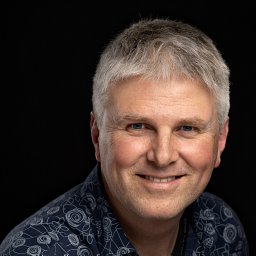 John Roger Andersen合作论文数Faculty of Health Studies, Sogn og Fjordane University;Department of Public Health and Primary Health Care, University of Bergen;Sogn og Fjordane University, University of Bergen2Olav Martin Kvalheim合作论文数Kjemisk institutt, Universitetet i Bergen2
 Jostein Steene-Johannessen合作论文数2
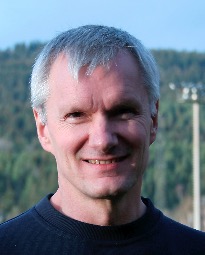 Lars Bo Andersen合作论文数Department of Sport, Food and Natural Sciences, Western Norway University of Applied Sciences;Institutt for Idrettsmedisinske, Norges Idrettshøgskole;Department of Teacher Education and Sport, Høgskulen på Vestlandet2
 Wenche Aasen合作论文数1Elisabeth Straume Haugland合作论文数1Ståle Teslo合作论文数1John Bartholomew合作论文数1
 Johanna Birkeland合作论文数Fac Teacher Educ Arts & Sports, Western Norway Univ Appl Sci1
 Turid Skrede合作论文数1
 Ada Kristine Ofrim Nilsen合作论文数1
 Anna Chalkley合作论文数Western Norway University of Applied Sciences1
 Mette Stavnsbo合作论文数1
 Kriemler Susi合作论文数Institut für Sozial-und Präventivmedizin, University of Zurich1
 Ingar Holme合作论文数Oslo Sports Trauma Research Center, Norwegian School of Sport Sciences;Clinic of Preventive Medicine, Oslo University Hospital1
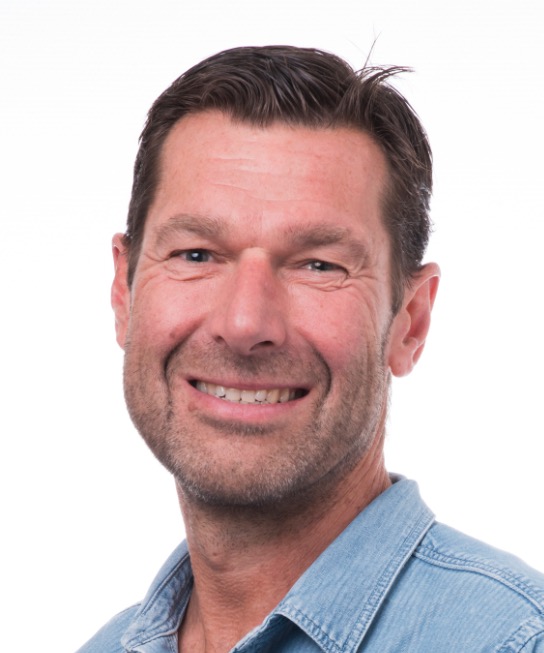 Ulf Ekelund合作论文数Department of Sports Medicine, Norwegian School of Sport Sciences;Norwegian Institute of Public Health1
 Willem Van Mechelen合作论文数Division of Physiological Sciences, Department of Human Biology, Faculty of Health Sciences, University of Cape Town;Amsterdam Universities Medical Center;School of Human Movement and Nutrition Sciences, University of Queensland1
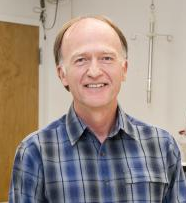 Steven K. Howard合作论文数Department of Anesthesiology, Perioperative and Pain Medicine, School of Medicine, Stanford University1
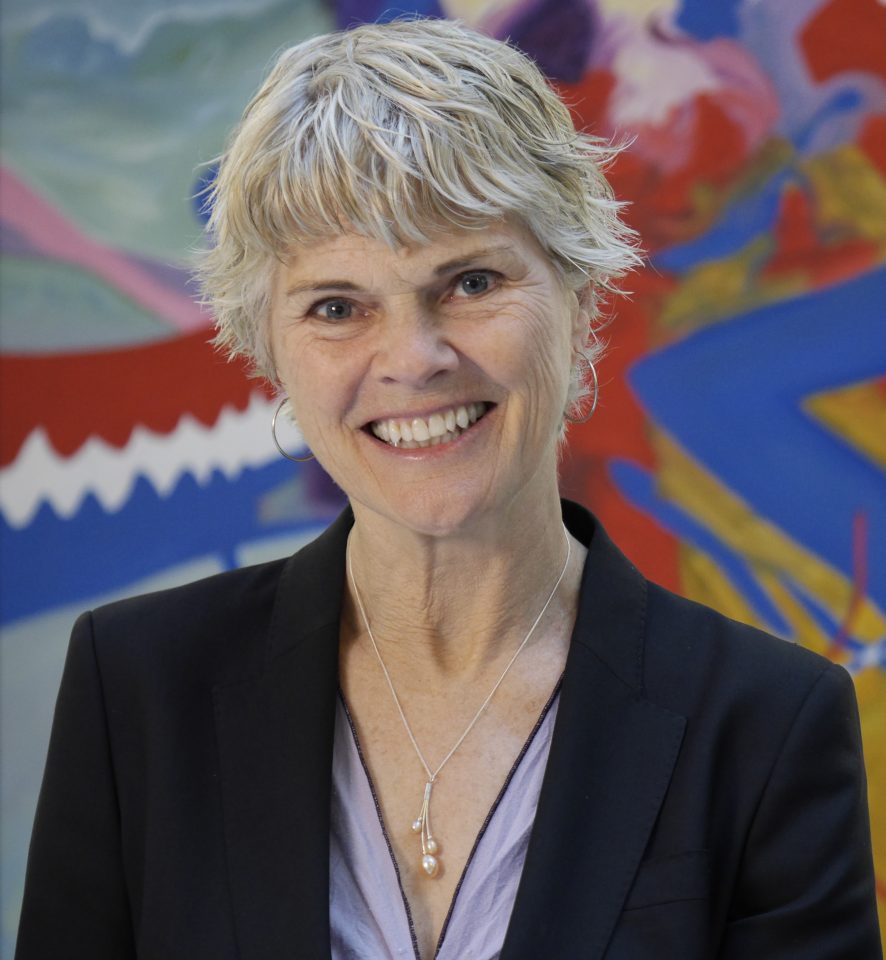 Heather McKay合作论文数Department of Orthopaedics, Faculty of Medicine, The University of British Columbia/Department of Family Practice, Faculty of Medicine, The University of British Columbia/Centre for Hip Health and Mobility, The University of British Columbia1
 Tone Elin Mekki合作论文数1
 Caterina Pesce合作论文数Department of Education in Sport and Human Motion, University of Rome “Foro Italico”1
 Ingunn Størksen合作论文数1
 Gunn H Engelsrud合作论文数1




