
The growing presence of social media in children's everyday lives has intensified concerns about its relationship with mental health. This study examines how differentiated patterns of online media use are associated with suicidal ideation (SI) among Spanish children aged 10 to 15, incorporating direct cybervictimization (DCV) and age within a moderated mediation model. A nonexperimental, cross-sectional design was implemented using data from a nationally representative survey conducted in Spain (N = 804). Based on reported attitudes and uses of media and technology, three user profiles were identified through exploratory factor analysis: lurkers, characterized by predominantly passive consumption of online content; sharers, defined by the creation and public distribution of content; and interactors, whose activity centers on reciprocal exchanges with online contacts. The analysis confirmed differentiated associations across profiles. For sharers and interactors, the link with SI operated mainly through higher levels of DCV. Among lurkers, a direct association with SI was observed. Age exerted a limited moderating role within the model. Taken together, these findings underscore the importance of distinguishing between participation profiles and exposure to online aggression when examining SI in childhood, rather than relying solely on aggregate measures of social media use.
Coal is a major global energy resource, but its extraction raises significant environmental and health concerns. Mining activities release large amounts of particulate matter, including nanoparticles (NPs), into the environment. These NPs are hazardous due to their content of polycyclic aromatic hydrocarbons (PAHs), metals, oxides, and other compounds capable of disrupting cellular and molecular processes. This study evaluated the cytotoxic and genotoxic effects of coal-derived NPs on V79 and HaCaT cell lines, focusing on their impact on DNA stability and the mechanisms responsible for cellular damage. NPs were isolated using an acid-based separation method and applied to cells at concentrations of 50, 150, and 300 μg/mL. Atomic force microscopy (AFM) provided topographical characterization, while dynamic light scattering (DLS) confirmed their tendency to agglomerate. Scanning electron microscopy coupled with energy-dispersive X-ray spectroscopy (SEM-EDS) confirmed NP morphology and elemental composition, including carbon, oxygen, iron, calcium, silicon, aluminum, and copper. Cytotoxicity was assessed using resazurin and sulforhodamine B assays, and genotoxicity was evaluated using the comet assay, micronucleus test, and γH2AX immunostaining. Results showed a clear dose-dependent effect, with coal NPs inducing genomic instability and increased cell mortality, mainly through apoptosis. These findings highlight the importance of characterizing coal-derived NPs to better assess their environmental and health risks, particularly regarding respiratory diseases.
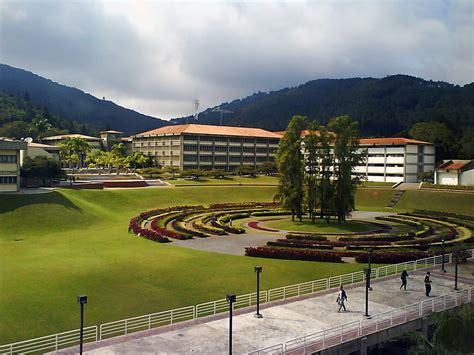
The Laboratorio Digital de M & uacute;sica (LADIM), or Digital Music Laboratory, is located at the heart of Universidad Sim & oacute;n Bol & iacute;var as part of several other experimental laboratories (e.g., computational mechanics, cellular biology or nuclear physics). It has played a leading role in the curation and performance of electroacoustic and technology-mediated music at the most prestigious international festivals of contemporary music held in Venezuela (such as the Latin American Music Festival 2004-2016, and Atempo 2006). Furthermore, it has organised independent concerts and events, trained composers and musicians, produced a discreet body of literature and collaborated with institutions like the Society of Electroacoustic Music in Sweden (SEAMS) and the Center for Computer Research in Music and Acoustics (CCRMA, Stanford). Throughout its 21-year history, LADIM has been a central figure shaping the contemporary music landscape of Venezuela's 21st-century scene. Despite its repertoire amounting to 75 electroacoustic works, encompassing acousmatic, mixed, video and live-electronics pieces, the laboratory has not yet established a formal archive. This article represents the first effort to reconstruct its historical milestones, while identifying the repertoire collection linked to it for the purpose of a future systematic study.
The purpose of this article was to analyze the epistemological and procedural aspects of mobbing within the Colombian legal framework, identifying its triggering factors, its regulatory framework, and its articulation with international standards on workplace harassment. The research was conducted using a mixed-method approach, both historical-hermeneutic and descriptive-analytical, based on a review of national and international regulations, case law, and specialized scientific literature. In addition, surveys were administered to a purposive sample of workers from different economic sectors, and semi-structured interviews were conducted with experts in labor law and occupational health, whose data were analyzed using thematic analysis and descriptive statistics techniques. The results showed a high incidence of mobbing associated mainly with toxic organizational cultures, rigid hierarchies, and the absence of effective protocols, as well as serious evidentiary difficulties and a low reporting rate in the Colombian context. It was concluded that, despite the existence of a specific regulatory framework, workplace harassment persists as a structural phenomenon, requiring the strengthening of procedural, preventive, and interdisciplinary mechanisms to ensure the effective protection of workers' dignity.
Groundwater contamination is difficult to characterize at sites where hydrogeochemical information is derived from sparse monitoring-well networks. This study presents a framework that integrates groundwater-quality records with electrical resistivity and Induced Polarization (IP) data to better understand landfill-derived leachate plume behavior. The methodological approach is applied to an upper aquifer downgradient of a bark dump and its contamination attenuation zone, where pollution is linked to ongoing health issues in an adjacent Canadian Indigenous community. Stacked Pollution Indices (SPI) are evaluated alongside unsupervised machine-learning methods (i.e., Gaussian Mixture Models, GMM; Hierarchical Agglomerative Clustering, HAC; and Self-Organizing Maps combined with K-means, SOM + K-means) to integrate and classify hydrogeochemical variables into contamination-related facies. Ordinary kriging is used to interpolate these variables between monitoring wells, generating a synthetic dataset for SOM training and improving spatial coverage across the site. Overlap in SPI ranges across GMM, HAC, and SOM + K-means clusters indicates that aggregated pollution metrics may mask intrinsic relationships among water-quality variables. Comparing 7-m depth slices through resistivity and IP cubes, corresponding to the monitoring-well screening interval in the upper aquifer, with maps of electrical conductivity, SPI, and SOM-derived facies yields a more coherent interpretation of plume geometry, migration fronts, and compositional heterogeneity than either information source could provide independently. By integrating unsupervised hydrogeochemical clustering with geoelectrical imaging, this study establishes a refined hydrogeochemical–geophysical facies zonation of the upper aquifer and leachate plume, offering a practical basis for environmental monitoring, risk assessment, and remediation planning in contaminated systems constrained by limited resources and sparse sampling. ML-based hydrogeochemical facies mapping refines geoelectrical interpretation. ML-based hydrogeochemical facies mapping reveals contamination zones missed by pollution indices. Geostatistical methods give reliable proxy inputs for ML mapping in data-poor regions. Combined hydrogeochemical-geophysical visuals empower community-led monitoring.





