合并严重骨缺损的膝关节翻修是关节外科医师面临的重要难题之一,涉及骨缺损修复、假体选择、软组织再平衡、膝关节功能重建、初期及远期稳定性获得等多个问题.精准全面的术前评估为手术策略制定,完善术前准备和精准手术实施提供有力保障. 1 临床资料 患者,女,74岁,因“双膝关节置换术后6年,左膝疼痛2年”人院.现病史:患者6年前因双膝骨关节炎于当地医院行一期双侧膝关节置换术,手术顺利,术后4个月恢复无痛正常行走.2年前无明显诱因出现左膝疼痛,行走时明显,伴间歇性肿胀,右膝正常.当地医院X线片示,左股骨内侧髁骨溶解表现,股骨假体外侧移位(图1A),双能X线检查示骨质疏松,予阿仑膦酸钠、钙尔奇骨化三醇抗骨质疏松治疗并嘱减少负重.但患者疼痛逐渐加重,发展为行走困难,以及夜间静息性疼痛伴肿胀.来院后拍摄X线片示,右膝假体位置正常,左膝假体明显移位(图1B、C),遂人院拟行膝关节置换翻修术.
目的:探讨脉冲冲洗器在人工全髋关节置换术中应用对术后并发症的影响.方法:选取2011年4月至2013年10月在同济医院骨科关节置换中心进行髋关节置换手术患者共72例,其中男性患者19例,女性患者53例,随机选取关节置换手术中应用脉冲冲洗器的36例患者作为实验组;术中采用普通方式冲洗(未用脉冲冲洗器)方法的36例患者作为对照组.对两组病例术后记录并比较脂肪栓塞情况与深静脉血栓、伤口愈合情况、术后7d内患者发热情况、术后X线片观察与假体松动率的关系进行观察.结果:被纳入的72例患者中,脂肪栓塞与深静脉血栓的发生率比较:实验组36例患者中,均未发现脂肪栓塞及下肢深静脉血栓;在对照组的36例患者中,发现1例深静脉血栓病例,未见脂肪栓塞的发生.术后伤口愈合情况:实验组36例患者术后伤口愈合情况,甲级伤口36例,甲级愈合率100.00%;对照组甲级伤口34例,甲级愈合率94.44%,提示实验组较对照组伤口愈合情况好.术后7天内患者发热情况:实验组36例患者中出现1例发热患者;对照组36例患者中出现3例发热患者.实验组比对照组术后7天内发热情况较好.对72例患者分别在术后2周、3月、6月、1年和1.5年时X线片观察术后假体是否有松动情况,实验组36例患者术后X片检查,假体位置正常,骨粘合界面较好,无假体松动下沉等情况;对照组有2例出现X线片表现股骨柄骨水泥与骨髓腔壁间隙增大,1例在术后一年时发现,另外1例是在术后1.5年时发现.结论:在髋关节置换手术中,应用脉冲冲洗器能有效预防术后深静脉血栓形成及脂肪栓塞,减少术后假体松动的发生,利于伤口愈合,避免术后伤口感染不愈合、术后发热等术后并发症,有利于患者术后早日下床科学功能锻炼.对关节置换手术术后并发症的预防有肯定效果,有价值进一步对脉冲冲洗器进行研究和推广.
目的:研究鲑鱼降钙素联合帕瑞昔布钠对老年骨质疏松性粗隆间骨折患者围手术期疼痛的影响。方法:选择行手术治疗的老年骨质疏松性粗隆间骨折患者90例,采用抽签法将患者随机分为鲑鱼降钙素组(A组,n=30),帕瑞昔布钠组(B组,n=30),鲑鱼降钙素+帕瑞昔布钠联合治疗组(C组,n=30)。A组患者采用皮下注射鲑鱼降钙素50 IU/次,1次/日,持续2周;B组患者采用术后静脉注射帕瑞昔布钠40 mg/次,1次/12 h,持续3 d;C组采用以上两组联合用药。观察术后静息状态视觉模拟评分(resting visual analogue scale,RVAS)、主动运动状态VAS(AVAS)及持续被动运动VAS(PVAS),患者能主动直腿抬高时间、主动屈髋90°时间以及药物不良反应。结果:术后12 h、1 d,2 d,3 d,4 d,C组的RVAS评分明显低于另两组;术后1 d,2 d,3 d,4 d,C组的AVAS、PVAS评分均低于另两组(P<0.01);术后5 d,C组的RVAS、AVAS、PVAS评分与另两组相当;C组术后主动直腿抬高时间、主动屈髋90°时间早于另两组(P<0.01),且未出现严重不良反应。结论:鲑鱼降钙素联合帕瑞昔布钠治疗老年骨质疏松性粗隆间骨折围手术期镇痛效果良好、安全性高。
Objective: To evaluate the analgesic efficacy and early functional outcome of continuous psoas plexus and sciatic nerve block on total knee arthroplasty(TKA).Methods: 60 patients who underwent TKA were randomly and evenly divided into two groups: continuous psoas plexus and sciatic nerve block analgesia(CPSA) group and patient-controlled intravenous analgesia(PCIA) group.The CPSA group received a combination of continuous psoas plexus and sciatic nerve block.The PCIA group received a patient-controlled intravenous analgesia.Visual analog scale(VAS),morphine requirements,early knee function and side effects were recorded.Results: After TKA,the RVAS scores of 12 h,24 h,36 h and the PVAS scores of 24 h,36 h,48 h in the CPSA group were significant lower than that in PCIA group(P < 0.05).The morphine requirement and associated side effects in CPSA group were reduced significantly than that in PCIA group(P < 0.05).The knee function of both groups were improved significantly after TKA.there was no difference on the early functional recovery between CPSA group and PCIA group at 2 weeks and 12 weeks after TKA(P > 0.05).Conclusion: Combination of continuous psoas plexus and sciatic nerve block provides reliable analgesia,reduces morphine requirement and side effects after TKA.
Objective To explore the possibility of immortalized human precartilaginous stem cells (IPSCs) differentiating into nucleus pulposus-liked cells induced by transforming growth factor-β1 (TGF-β1)and examine its biological characters.Methods The IPSCs were seeded on the thermosensitive chitosan/glycerophosphate (C/GP) scaffolds and induced into nucleus pulposus-like cells in culture medium with the adding of TGF-β1 under hypoxia condiction.The growth and differrentiation of IPSCs on C/GP scaffolds were observed.Seven days later,Alcian blue staining was used to detect the formation of glycosaminoglycans (GAG) of extracellular matrix by the differentiating cell.RT-PCR was carried out to identify the expression of characteristic genes of nucleus pulposus-liked cells,including collagen Ⅱ and Aggrecan.Western blot were used to examine the expression of β-catenin.Results IPSCs grew well on the thermosensitive C/GP scaffolds.After 7 days,Alcian blue staining exhibited more formation of GAG in experimental group as compared with control group.RT-PCR manifested that the gene expression of collagen Ⅱ and Aggrecan were upregulated.Likewise,Western blot manifested that the expression of β-catenin was upregulated.Respectively,all of the content in the induction group obviously increased compared with that of the control group.Conclusion IPSCs can be differentiated into nucleus pulposus-like cells under the induction of TGF-β1,the differentiating cells have a favourable secretory function,which can secrete extracellular matrix effectively.Differentiation of IPSCs to nucleus pulposus-liked cells may be through upregulating the expression of β-catenin in cells.
<正>骨质疏松症是一种退化性疾病,随着年龄增长,患病风险率逐渐增加,随着当今人类寿命的延长和老龄化社会的到来,骨质疏松症以成为人类的重要健康问题,骨质疏松性疼痛在临床中极为常见,在门诊以及住院病人中,我们医务人员每天都会遇到大量的骨质疏松性骨痛、驼背、骨折等患者来院就诊、住院或者手术等等。目前,我国60岁以上老年人口约有3亿,是世界上老年人人口绝对数
Objective : To discuss the contact of the trabecular changes of osteoporosis and hip pain.Meth-ods : 20 cases of femoral head specimens(15 cases of senile femoral neck fractures arthroplasty and 5 cases of traumatic comminuted femoral neck fractures arthroplasty of youth were used as control) for sca-nning electron microscopy.Results : The trabeculae of senile group was deformation,narrow,atrophic even breakage.The trabeculae of youth group was regulation,continuous,compact,relatively uniform thickness,symmetrical form and size,the arch bridge connected each other,the small spacing trabeculae,the bone absorption hole was small and many for round and round to oval,the bone plate layers rank ord-ering tightness and regulation.Conclusion : Cross-examine history of the senile group many had hip pain,but the most of youth group don't had hip pain.The hip pain is relate with the osteoporosis.
Objective To study the image and pathological effectiveness of the injecting osetocement in cock femoral neck.Methods A total of 200 cocks were randomly divided into three groups:A group(70 cases),B group(70cases),C group(60cases).The cock unilateral femoral necks were injected ostetocement and raised for 3 monthes in the A group,B group for 2 monthes,C group for 1 monthes.Results The image and pathological effectiveness was similar in three groups.We haven't found cock femoral head stroid.Conclusions The biody-mechanical effectiveness were significantly higher.But we haven't found cock femoral head stroid.
目的:探讨(研究)骨质疏松症引起的患者疼痛的特点、原因、诊断与治疗方法。方法:通过检索阅读大量相关文献,结合病例中患者情况及治疗措施,探究骨质疏松症方面的最佳治疗办法。结果:经过科学规范治疗后,患者疼痛症状缓解,可以正常生活及工作。结论:骨质疏松引起的相关症状越来越引起人们的重视,经过科学探测,康骨质疏松药物治疗及非药物治疗,包括生活方式,饮食习惯及饮食结构的科学调整以及康复训练和支具对骨质疏松症引起的疼痛可以起到预防及治疗的作用。
<正>由骨质疏松症所引起的骨痛与骨折在临床工作中极为常见,因此是近年来越来越受到疼痛科、骨科、内分泌科、老年病科与妇产科等专科医生关注的老年性疾病,其发病率已居第四位,仅次于高血压、糖尿病、心脏病,该症所致骨痛和骨折直接影响患病人群的生活质量,已成为较大的公众健康问题。为此,此次专题之论
Objective : To study the treating effect of zoledronic acid on bone turnover markers in postmenopausal osteoporosis.Methods : 21 out-patients were divided in to control,which were given zoledronic acid 5 mg yearly,and experiment group,which were given same volume's saline.The bone-specific alkaline phosphatase,procollagen type Ⅰ amino-terminal propeptide,tartrate-resistant acid phosphatase 5b and C-terminal telopeptide of type,collagen were tested at time points 0,six months and 12 months.Results : Compared with control group,zoledronic acid decreased the BALP,PINP,TRAP5b,and CTX significantly in both 6 months and 12 months accompany with Visual Analogue Score decreasing.Conclusion : Zoledronic acid slowed down the serum bone turnover metabolism so it care the osteoporosis,promote the bone mineral density.
Objective: To observe the analgesic effect of salmon calcitonin after total knee arthroplasty(TKA) for the elderly patients with osteoporosis.Methods: Seventy-five patients undergoing unilateral TKA surgery were randomly divided into three groups(C,S and M).The patients in group C took salmon calcitonin 50 IU b.i.d.for 2 weeks,group S took celebrox 200 mg b.i.d for 7 days,and group M took both of them.All patients were assessed analgesic effect for 5 days.VAS pain scores were assessed during rest, initiative exercise and continuous passive movement(CPM),complications were recorded.Results: The VAS pain scores during rest,initiative exercise and CPM on the postoperative time of 24 h,48 h,and 72 h in group M were significantly lower than those in group S and group C(P < 0.01).However,there were no significant difference observed between the 3 groups on the post-operative time of 96 h and 120 h.The TKA patients of the M group needed significantly less time for the range of movement(ROM) to arrive 90 degrees than the patients of S group(P < 0.01);The mean knee ROM of the patients in the M group was obviously larger than that of the S group(P < 0.01).There were no significant differences in number of complications between the 3 groups.Conclusion: After TKA surgery,salmon calcitonin in combination with celebrox can provide better pain relief than to use single calcitonin or celebrox.
Aim To investigate the effect of curcuma on the growth inhibition,apoptosis and the expression of Fas protein in human osteosarcoma cell line Saos-2.Methods Osteosarcoma cell line Saos-2 was cultured in vitro.Cell proliferation was detected by Methyl thiazolyl tetrazolium(MTT).Stained by Annexin V and PI the cells were observed by flow cytometry(FCM) for apoptosis.Hoechst 33258 was used to detect the morphological change of apoptotic cells.The protein expression of Fas in Saos-2 was observed by westernblot.Results The proliferation of human osteosarcoma cell line Saos-2 could be inhibited and apoptosis could be induced by curcuma.The inhibition rate and apoptosis rate were different with the different concentrations.The inhibition rate and apoptosis rate of Saos-2 cells rose significantly when the concentration of curcuma was over 20 μmol·L-1.Apoptotic body could be observed by Hoechst 33258 dying.The Fas protein expression of human osteosarcoma cell line Saos-2 increased obviously by using curcuma.Conclusions Curcuma could inhibit the proliferation and induce apoptosis of human osteosarcoma cell line Saos-2.The therapeutic efficacy might be induced by the apoptosis procedure initiated through up-regulating the expression of Fas.
Objective To study the biological effects of pulsed electromagnetic fields (PEMFs) on the pro-liferation of immunomagnetically separated human precartilaginous stem cells (PSCs) in vitro. Methods The cells from an aborted fetus's metaphysis were digested using collagenase. The PSCs were isolated by magnetic cell sorting (MACS), then subcultured and amplified. Flow cytometry, immunohistochemistry, immunofluorescence and RT-PCR analysis were performed to identify the purified PSCs. The PSCs were stimulated by PEMFs at 50 Hz frequency and 1 mT intensity. Cell proliferation was measured at different time points using methyl thiazolyl tetrazolium ( MTT), and the cell growth curve was plotted. Flow cytometry was applied to measure the cell cycle and apoptosis. Results The PSCs were successfully cultured. There was fibroblast growth factor receptor-3 (FGFR-3) on their sur-face. Cell proliferation was promoted after 4 and 6 days of PEMF stimulation. The percentage of cells at the S phase was higher than in a control group. Early, late and total rates of apoptosis in the experimental group decreased signifi-cantly. Conclusion PEMFs can enhance the proliferation and inhibit the apoptosis of human PSCs, and it is possi-ble to cultivate the high density human PSCs in vitro.
Objective To explore the feasibility of the cultivation of human precartilaginous stem cells(PSCs)in vitro and analyse their phenotypical properties for the further related research. Methods The cells from the aborted fetus's metaphysis were digested by collagenase, the PSCs were isolated by magnetic-activated cell sorting(MACS), then were subcultured and amplified. Flow cytometry, immunohistochemistry, immunofluorescence and RT-PCR analysis were performed to identify the purified PSCs. Results PSCs from aborted fetus's metaphysis have been successfully cultured. There was fibroblast growth factor receptor-3(FGFR-3) on the surface of the PSCs. Conclusion It is possible to cultivate the high density human PSCs in vitro.
Objective:To study the preparative method and the characteristics of drug release in both vitro/vivo of the isoniazid polylactic-acid microspheres.Method:Isoniazid polylactic-acid microspheres were prepared by the double emulsification solvent evaporation procedure.The appearance of the microspheres was observed by scanning electron microscope(SEM) and their average diameter was measured.Their envelopment rate and drug-carried rate were determined by high efficiency liquid chromatography(HELC).Their release characteristics were studied in vitro by dissolution method.The release quantity at the 3d,6d,9d,12d,15d,18d,25d,32d,39d,42d,49d,56d,was determined,and calculated the mean day release rate,the total release rate.The microspheres and INH were implanted respectively in the femoral trochanter in the 24 rabbits,and their release characteristics in vivo were studied by HELC on the 3d,7d,14d,28d,42d,56d.The eluent of microspheres and the Mycobacterium tuberculosis were co-cultured to determine the effect of anti-tuberculosis by observing the growth of Mycobacterium tuberculosis with SEM.Result:Isoniazid polylactic-acid microspheres presented complete globe,good dispersibility and no obviously aggregation.Their average diameter was 59.4±2.9μm,envelopment rate(67.51±0.57)% and drug-carried rate(32.82±0.65)%.In vitro,the released INH added up to 3.784±0.359mg(daily mean 0.270±0.024mg) in the first 14 days that accounted for 30 percent of the total amount.In the following 42 days,the released INH added up to 5.328±0.203mg(daily mean 0.126±0.013mg) that held 50 percent of the total amount.On the 56th day,the released INH was 0.032±0.009mg.In vivo,isoniazid polylactic-acid microspheres slowly released INH more than 56 days,the concentration of INH in the femoral trochanter was over 20μg/g.The eluent of microspheres on the 42nd,49th and 56th day could obviously inhibit Mycobacterium tuberculosis.Conclusion:Isoniazid polylactic-acid microsphere has the characteristic of slowly INH releasing,it can be implanted in the tuberculose focus after clearance of focal lesion so as to maintain the effect of anti-tuberculosis and reduce the toxic side effect of INH to the whole body.
Objective The design characteristics and clinical outcome of a femoral compound interlocking intramedullary nail(FCIIN)were investigated.Methods According to morphological characteristics of the femoral medullary canal,a radius of radian of intramedullary nail and a oblique interlocking angle were designed to 1250 mm and 135°.Interlocking holes with three 6.5 mm diameter were located in proximal end of FCIIN.Two locking holes and a recess,which was 4.5 mm in diameter,were located at the distal end of FCIIN.At the tip of the proximl interlocking screws whose root diameter rose from 3.5 mm to 6.5 mm gradually,the self-tapping cancellous screw thread was designed.There were two types of distal interlocking screws.One was fine thread screw and the other was bolt screw.Under the biomechanical destructive test,the proximal interlocking screw device had satisfactory strength and reasonable structure.A total of 47 patients with fractures of femur were assessed in this study.There are 31 males and 16 females,with average age of 39.83 years (range 18-74 years).Among them 14 patients were diagnosed as intertrochanteric fracture,7 cases as subtrochanteric fracture,18 cases as femoral shaft fractures,and 8 cases as snpraeondylar fracture.All patients were treated by FCIIN.Results All patients have been followed up for 21-36 months with an average of 25.9 months.The fracture healing time was 6-18 months with an average of 8.4 months.of all 47 patients,anatomic reduction were achieved in 34 cases,good reduction in 11 cases,and force line reduction in 2 cases.The excellent or good rate was in 95.74%.The removal time of FCIIN was 12 to 21 months (average,16.9 months).One patient with intertrochanteric fracture who had a fixation failur combined with non-union had achieved healing by external fixator in 18 months.Failure to insert distal interlocking screws during procedure oecurred in 5 patients which did not influence the fracture healing.Conclusion The FCIIN is a useful device in the treatment of the varied types of femoral fracture.
To investigate the preventive effect of epimedium-derived phytoestrogen (PE) on osteoporosis induced by ovariectomy (OVX) in rats, 11-month-old female Wistar rats were randomly divided into Sham, OVX and PE groups. One week after OVX, daily oral administration of PE (0.4 g·kg−1·day−1) started in PE group, and rats in Sham and OVX groups were given vehicle accordingly. The administrations lasted for 12 weeks. The biological markers including serum osteocalcin (OC) and urinary deoxypyridinoline (DPD) for bone turnover were evaluated at the end of the 12th week. On the 13th week, all the rats were sacrificed. The right proximal tibiae were removed, subjected to micro CT for determination of trabecular bone structure and then bone histomorphometry was performed to assess bone remodeling. The OVX rats were in a high bone turnover status as evidenced by increased bone formation markers and bone resorption markers. Treatment with PE could suppress the high bone turnover rate in OVX rats. Micro CT data revealed that PE treatment could ameliorate the deterioration of the micro-architecture of proximal tibiae induced by OVX, as demonstrated by greater bone volume, increased trabecular thickness and less trabecular separation in PE group in comparison with OVX group. The static and dynamic parameters of bone histomorphometry indicated that there were significant increases in bone formation variables and significant decreases in bone resorption variables between PE and OVX groups. The findings suggest that PE has a beneficial effect on trabecular bone in OVX rat model and this effect is possibly associated with stimulation of bone formation as well as inhibition of bone resorption.
Objective To evaluate the clinical effectiveness and feasibility of one-stage operation in combination with anterior and posterior approach to treat the fracture and dislocation complicated with articular process interlocking of the low cervical spine.Methods Twenty-seven patients with fracture and dislocation complicated with articular process interlocking of the low cervical spine were treated by one-stage operation in combination with anterior and posterior approach.The stability and fusion of the injured segments were observed on the X-ray film,and the spinal function was evaluated with ASIA classification.Results Twenty-seven patients were followed up from 6 to 32 months(mean 21.5 months).All cases got completely reduction.The injured segments were stable,the intervertebral height and lordosis maintained satisfied and the rate of fusion was 100%.There was no complication of strut graft extrusion and plate or screws or loosening or broken.The function of spinal cord was improved by 1.4 grade according to ASIA classification.No patients had deteriorative symptoms and signs.Conclusion The complete reduction and thorough decompression and immediately stability can be achieved in the treatment of the fracture and dislocation of severe low cervical spine through the anterior and posterior approaches.This technique is benefit to patients for functional recovery of spinal cord and the short-term effectiveness was satisfactory.
Objective To investigate the effect of strontium salt on bone microstructure in ovariectomy(OVX)- induced osteoporosis rats and the possible mechanism.Methods Totally 27 11-month-old female Wistar rats were randomly divided into Sham group(n = 9),OVX group(n = 9),and Sr group(n = 9).One week after OVX,daily oral administration of SrCL_2[250mg/(kg·day)]or vehicle started in the Sr group and Sham/OVX group and lasted for 12 weeks.At sacrifice,the right proximal tibiae were removed,subjected to micro CT for determination of trabecular bone structure and then processing for bone histomorphometry to assess bone remodeling.Results Micro CT data revealed that Sr treatment ameliorated the deterioration of the microarchitecture of proximal tibiae induced by OVX,as evidenced by greater bone volume,great trabecular thickness,and less trabecular separation than OVX group.The static and dynamic parameters of bone histomorphometry indicated that bone formation variables significantly increased and bone resorption variables significontly decreased between Sr and OVX groups.Conclusions Sr has a beneficial effect on trabecular bone in OVX rat model and this effect is possibly associated with stimulation of bone formation as well as inhibition of bone resorption, which may provide one mechanism for the anti-fracture effect of strontium salt in postmenopausal women.
 Feng Li (李锋)合作论文数Tongji Hospital, Tongji Medical College of Huazhong University of Science and Technology29
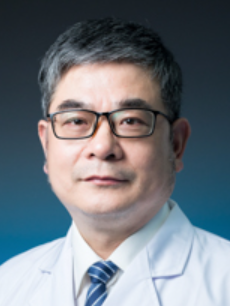 Guanghui Li (李光辉)合作论文数Tongji Hospital, Tongji Medical College, Huazhong University of Science and Technology27
 Anmin Chen (陈安民)合作论文数Tongji Hospital, Tongji Medical College, Huazhong University of Science and Technology21
 Xinjun Liang合作论文数15Kan Xia (夏侃)合作论文数12YongQing Wang (王永清)合作论文数12YuFu Zhang (张玉富)合作论文数10Wen Liao (廖文)合作论文数10Meng Yu (俞猛)合作论文数Beijing Shijitan Hospital, Capital Medical University10
 Wei Xiong (熊伟)合作论文数Tongji Hospital, Tongji Medical College, Huazhong University of Science and Technology9ZhangHua Li (李章华)合作论文数8ZengLin Chang (常增林)合作论文数8Chao Chen (陈超)合作论文数7
 Jiangtao Liu (刘江涛)合作论文数哈尔滨医科大学附属第一医院耳鼻咽喉头颈外科7
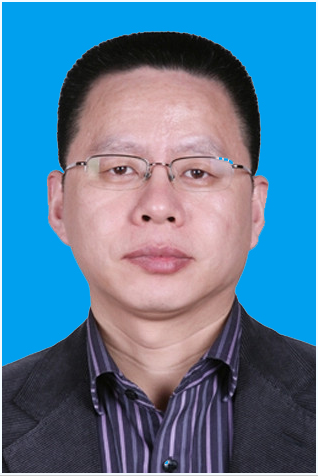 Changyong Wang (王常勇)合作论文数Institute of Biomedical Engineering, Jinan University;Academy of Military Medical Sciences7TaiFang Gong (龚泰芳)合作论文数6BaoJian Ge (葛保健)合作论文数6HongBo Zhang (张宏波)合作论文数6JunBin Liu (刘俊宾)合作论文数6
 Huang Fang (方煌)合作论文数Tongji Hospital, Tongji Medical College, Huazhong University of Science and Technology6
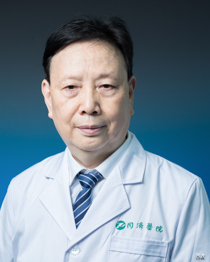 Tipei Wang (王体沛)合作论文数Tongji Hospital, Tongji Medical College, Huazhong University of Science and Technology6
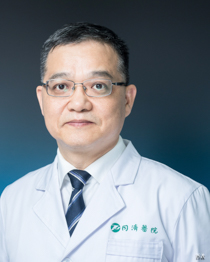 Fengjin Guo (郭风劲)合作论文数Tongji Hospital, Tongji Medical College, Huazhong University of Science and Technology6
 Eryou Feng (冯尔宥)合作论文数School of Clinical Medicine, Fujian Medical University;Union Hospital, Fujian Medical University6YongXiang Luo (罗永湘)合作论文数5GuoQing Yu (余国庆)合作论文数5YanXiang Zhang (张焱祥)合作论文数5Jie Cheng (程杰)合作论文数5Ming Chen (陈明)合作论文数5Qiang Zhao (赵强)合作论文数5Yan Zhang (张岩)合作论文数5
 Tao Xu (许涛)合作论文数Tongji Hospital, Tongji Medical College of Huazhong University of Science and Technology4Cuimi Duan合作论文数4ShuWei Chen (陈述伟)合作论文数3ZhengGuo Ba (巴正国)合作论文数3XiMin Guo (郭希民)合作论文数3Yuan Yu (余渊)合作论文数3YongJun Zhou (周拥军)合作论文数3Yang Zou (邹阳)合作论文数3PeiLin Liu (刘培林)合作论文数3Rui Peng (彭锐)合作论文数3WeiGuo Zhang (张卫国)合作论文数3Jianxiong Qiu (邱建雄)合作论文数3
 Jun Xiao (肖骏)合作论文数Tongji Hospital, Tongji Medical College, Huazhong University of Science and Technology3
 Tian Xia (夏天)合作论文数Union Hospital, Tongji Medical College, Huazhong University of Science and Technology3Yongqi Zhao (赵永岐)合作论文数3
 Yanbin Lin (林焱斌)合作论文数Fuzhou Second General Hospital;School of Medicine, Xiamen University;Fujian University of Traditional Chinese Medicine3peilin liu (刘培林)合作论文数2yongfang duan (段永芳)合作论文数2




