Combining targeted radionuclide therapy (TRT) with immunotherapy offers a potent strategy to amplify antitumor immunity, yet the development of adaptable delivery platforms remains a challenge. Herein, we report a programmable, "plug-and-play" nanoplatform, termed TRT@LnOMVs, engineered for synergistic radio-immunotherapy. By displaying lanmodulin (LanM) on the surface of outer membrane vesicles (OMVs)-derived from attenuated Salmonella typhimurium, this platform enables the versatile and high-efficiency radiolabeling of diverse therapeutic radioisotopes under mild conditions, circumventing the limitations of conventional chelator-based methods. The platform's modularity is further demonstrated by the facile incorporation of lipid-conjugated ligands for precision targeting. In a head-to-head comparison with clinically approved 177Lu-PSMA-617 (Pluvicto), PSMA-targeted TRT@LnOMVs achieved a 90% survival rate in a prostate cancer model, far surpassing the 25% survival rate of Pluvicto. Single-cell RNA sequencing and transcriptomic analysis revealed that TRT@LnOMVs significantly remodeled the tumor immune microenvironment. This occurred through reprogramming immunosuppressive myeloid compartments (including neutrophil subsets and macrophages), expanding cytotoxic CD8+ T and NK cell infiltration, and activating innate immunity to trigger robust antitumor responses. Collectively, TRT@LnOMVs represent a versatile class of biohybrid therapeutics, offering a robust paradigm for next-generation radio-immunotherapy.
Argillaceous rocks are widely used to constrain contaminants mobility in subsurface environments, yet the role of organic ligands (OLs) in modulating cation's diffusion-sorption coupling remains poorly understood. This work investigates the effect of OLs on Zn(II) mobility controlling its enrichment/sorption behavior in compacted Naillite (Na-IdP). A combination of in-diffusion experiments, X-ray absorption spectroscopy, and surface complexation modeling reveals that in systems without OLs the Zn(II) diffusion exhibited a positive correlation between effective diffusion coefficient (De) and distribution coefficient (Rd). The Zn(II) transport in such system is dominated by concentration gradients within the electrical double layer (EDL). In the presence of the negatively charged oxalate Zn(II)-Rd on Na-IdP is lowered and De subsequently decreases. The Zn(II) transport in this system is primarily controlled by aqueous oxalate-Zn complexes. In contrast, presence of neutral ligand 1,10-phenanthroline drives irreversible Zn(II) immobilization through it-it bonding to reactive site on clay surfaces, forming ternary Na-IdP-1.10-phenanthroline-Zn(II) complexes that produce negative De-Rd correlations and reduce diffusivity by 2-3 orders of magnitude. The experimental results and modeling demonstrate that OLs control cations mobility not only by changes in aqueous speciation but also by modifying the clay surface reactivity. Such ligand-controlled switching of diffusion mechanism provides a unified mechanistic framework for predicting the mobility of metal contaminants in natural and engineered clay barriers. Careful consideration of these aspects in the sorption models coupled to reactive transport simulations indispensable for accurate prediction of cationic pollutants mobility in clay-based systems.
Photocatalytic reduction of uranium is pivotal for environmental remediation and sustainable resource utilization. Nevertheless, the precise control over the reaction pathway and the concurrent optimization on charge separation efficiency remain formidable challenges. Herein, W─N─C coordination was fabricated through the incorporation of WO3-x with three-dimensional ordered macropores g-C3N4 (3DOM g-C3N4). The tandem catalytic center simultaneously enhanced the intrinsic activity of g-C3N4 and enabled an efficient radical reduction pathway of U(VI). The formation of W─N─C coordination and structural distortion of the tri-s-triazine units enhanced n → π* and π → π* transition, resulting in a narrowed bandgap and improved visible-light harvesting. Moreover, the Lewis-acidic W6+ sites promoted O2 adsorption, facilitating the selective generation of O 2 - . The radical-mediated U(VI) reduction pathway was thermodynamically favored, where W sites acted as electron-accepting centers, with the W─N─C coordination serving as a charge-transfer channel under a built-in electric field, enabling the Z-scheme migration. Consequently, the optimized catalyst (CW-2) exhibited a U(VI) removal rate of 98.6% (capacity of 557.56 mg/g) within 16 min, the removal efficiency was reduced to a minute scale, and the impractical oxygen exclusion was no longer a significant concern. This work established a paradigm for creating "all-in-one" photocatalytic active centers through targeted atomic-scale interface design.
Selective extraction of uranium from seawater remains challenging due to its ultra-low concentration and the presence of competing ions. In this study, an engineered bacterial biosorbent (BDU09) was constructed by displaying the uranium-binding protein U09 on the outer membrane of Escherichia coli EcN 1917 via the Lpp-OmpA surface display system. To enhance mechanical stability and enable practical application, BDU09 cells were encapsulated within polyethylene glycol diacrylate (PEGDA), forming structurally stable microbial beads with high selectivity toward U(vi). Batch adsorption experiments demonstrated that both BDU09 and the corresponding microbial beads exhibited selective U(vi) uptake in the presence of competing ions, driven by specific coordination interactions between U(vi) and surface functional groups. The microbial beads maintained favorable selectivity and structural integrity in uranium-spiked simulated seawater as well as natural seawater. Continuous fixed-bed column experiments further confirmed effective U(vi) separation, with breakthrough behavior significantly influenced by initial concentration, bed height, and flow rate. The adsorption process was well described by the Yoon-Nelson model, and high-purity U(vi) recovery was achieved in simulated seawater. This work translates protein-level binding specificity into a mechanically robust and scalable biosorption platform, offering a promising strategy for uranium extraction from seawater.
Covalent organic frameworks (COFs) show great potential for uranium extraction from seawater and environmental remediation, yet the low utilization of deeply buried active sites remains a critical bottleneck. Here, we first propose a synergistic building-monomer and solvent modulation strategy to successfully fabricate irreversible β‑ketoenamine‑linked COFs with a nanofibrous morphology, which efficiently exposes active sites. The resulting material exhibits a maximum uranium adsorption capacity of 471 mg g-1 at pH 8.0 and maintains stable performance over at least seven adsorption-desorption cycles. Notably, even under more aggressive pH conditions, its uptake capacity surpasses the highest reported values for similar bulk COFs by 15.4%. In natural seawater, the uranium uptake reaches 10.1 mg g-1 within 10 days. Mechanistic studies reveal that uranium capture primarily relies on synergistic coordination among the carbonyl groups in the COF backbone and the surface carboxyl/amidoxime groups. This work not only provides a novel approach for morphology control of irreversibly linked COFs, but also opens a new avenue for designing highly efficient adsorbents toward uranium resource recovery and contamination remediation.
Lamellar 2D membranes offer angstrom-to-nanometer transport pathways, but their interlayers are usually treated as passive channels rather than reactive nanospaces. Here we report an interlayer-confined redox assembly that converts graphene oxide (GO) galleries into a continuous, electronically addressable metal-carbon phase. Single-walled carbon nanotubes (SWCNTs) are incorporated as through-thickness conductive bridges that, together with defect-rich GO/SWCNT interfaces and interlayer confinement, facilitate the partial in situ reduction and nucleation of Ag+, generating an anchored interlayer network that preserves lamellar order while strengthening the membrane to 131 MPa. This phase also provides a functional readout of continuity through absorption-dominant electromagnetic attenuation (47 dB in the X band; SSE/t 9.14 × 10⁴ dB cm2 g-1) and enables illumination-gated transport. The optimized membrane achieves an SFV/U of 74.17 in equimolar V/U feeds and 20.71 in spiked seawater, while maintaining 96.61-98.04% uranium rejection over 10 24-h cycles. Selectivity arises from dehydration-biased entry and interlayer uranium capture/reduction.
To address the challenge of efficiently removing uranium from strongly acidic nuclear waste liquids, this study developed a solvothermal in situ polymerization method to graft phosphonic acid groups onto the surface of ordered mesoporous carbon CMK-3, yielding the novel adsorbent CMK-3/P(DMVP) (dimethyl vinyl phosphonate, DMVP). This material exhibits superior uranium adsorption performance, achieving a maximum adsorption capacity of 117.2 mg & centerdot;g-1 in 4 mol & centerdot;L-1 nitric acid solution, with exceptional selectivity against various coexisting ions. Notably, the adsorption performance is governed by a trade-off between phosphonic acid group density and mesoporous structure integrity, with CMK-3/P(DMVP)-3 striking the optimal balance. The adsorption process follows pseudo-second-order kinetics and the Langmuir isotherm model, maintaining stable adsorption capacity after 5 cycles. SEM-EDS and XPS analyses indicate that uranium adsorption primarily occurs through coordination between U(VI) and the P=O group in the phosphonic acid moiety. Combining high capacity, robust acid stability, and excellent reusability, this adsorbent provides an efficient solution for uranium separation and recovery from strongly acidic nuclear waste streams.
Uranium (U) contamination of water sources, arising from anthropogenic activities such as mining and nuclear fallout, poses a significant global threat to water quality and public health. Ingestion of U-contaminated water and food results in bioaccumulation, primarily within the kidneys and bones, leading to severe nephrotoxicity and potential long-term health consequences. Addressing this challenge, we present a novel bio-intervention strategy leveraging a genetically engineered probiotic for the prevention of U absorption at its primary entry point—the gastrointestinal tract. We engineeredEscherichia coliNissle 1917 (EcN) to express a high-affinity uranyl-binding protein (U09), generating the EcN-U strain. EcN-U sequestered soluble uranyl ions (UO22+) within the gut lumen via selective and efficient binding, leading to fecal excretion and prevention of systemic absorption. In a murine model of acuteUO22+ exposure, EcN-U pre-treatment significantly enhanced survival rates. Furthermore, in chronic exposure models utilizing mice, rats, and beagle dogs, EcN-U pre-treatment demonstrably reduced U accumulation in target organs by approximately 80%. Concurrently, this intervention alleviated oxidative stress biomarkers, restored gut microbiota homeostasis, and mitigated intestinal histopathological damage. Our findings establish engineered probiotics as a pragmatic and potent strategy for environmental health protection, offering a proactive and viable solution for public health risk mitigation associated with waterborne uranium contamination.
Efficient separation of yttrium-90 (Y-90) from its parent strontium-90 (Sr-90) is essential for producing clinically pure therapeutic radionuclides. Here, we developed a protein-guided bioadsorbent based on Salmonella typhimurium VNP20009 engineered to display the lanthanide-binding protein Lanmodulin (LanM) on its surface. The bacteria were encapsulated in polyethylene glycol diacrylate (PEGDA) to form microbial beads that combine mechanical stability with high selectivity for Y3+ ions. Batch adsorption experiments revealed that the engineered bacteria exhibited a nearly ninefold higher adsorption capacity for Y3+ than for Sr2+, with equilibrium reached within 15 min and kinetics following the pseudo-second-order model. The adsorption isotherm fitted the Freundlich model, suggesting multilayer chemisorption on heterogeneous sites. In dynamic column experiments using mixed Sr2+/Y3+ solutions (1000 ppm and 3 ppm, respectively), the system achieved > 90% recovery and > 97% purity of Y3+, maintaining stable separation efficiency after ten adsorption-desorption cycles. This microbial-based separation system provides a sustainable, cost-effective, and customizable platform for radionuclide purification, offering an environmentally friendly alternative to conventional solvent extraction and resin-based methods for Y-90 production and other radiochemical separations.
Achieving precise control over the aggregation state of volatile iodine (I2) within porous adsorbents is critical for developing high-performance materials that go beyond mere capacity metrics. Herein, we report a rational design strategy for covalent organic frameworks (COFs) in which polyiodide speciation is programmed through meticulous manipulation of nitrogen site environments and spatial confinement. Two nitrogen-enriched COFs, Py-Trz-COF-1 and Py-Trz-COF-2, are constructed with deliberate imine orientation and interlayer slippage. Despite nearly identical topologies and comparably high iodine uptake (5.0 vs. 4.7 g·g-1), they exhibit distinctly different confined iodine chemistry. Comprehensive spectroscopic analyses reveal that Py-Trz-COF-1 stabilizes a higher proportion of I3 - species, whereas Py-Trz-COF-2 favors I5 - formation. Density functional theory calculations attribute this divergence to site-specific electronic modulation: in Py-Trz-COF-1, localized electron density at the terminal imine nitrogen enhances charge transfer and stabilizes I3 -, while in Py-Trz-COF-2, enhanced π-delocalization around the pyridine-triazine cavity, coupled with larger confinement space, promotes the evolution toward I5 -. This work demonstrates that polyiodide distribution in COFs can be deliberately engineered through structural precision at the molecular level, offering a new design paradigm for tailoring iodine chemistry in porous materials.
Developing oral radioprotectants for radiation-induced gastrointestinal syndrome (RIGS) is hindered by the non-renewable catalytic capacity of conventional antioxidants and the harsh gastrointestinal biological barriers. Herein, we developed a self-regenerating bio-hybrid nanozyme, SW@CeO2, by in situ growth of cerium oxide on electroactive Shewanella oneidensis (SW). Uniquely, this system exploits bacterial extracellular electron transfer (EET) to continuously fuel the reversible Ce3+/Ce4+ redox cycle, thereby sustaining the catalytic scavenging of radiation-induced reactive oxygen species (ROS). Following oral administration, SW@CeO2 demonstrates exceptional gastrointestinal stability, favorable biodistribution, and efficient intestinal colonization. In a lethal irradiation mouse model, the bio-hybrid effectively mitigates oxidative stress, preserves intestinal barrier integrity, and reshapes the gut microbiota by enriching beneficial taxa such as Lactobacillaceae. Remarkably, SW@CeO2 increases the survival rate from 0% to 80%. This study presents a novel paradigm of harnessing microbial electron transport to sustain inorganic nanozyme activity, providing a robust and translatable solution for radioprotection.
Effective removal of radioactive iodine is crucial for radioactive waste management and nuclear safety. However, due to their low adsorption capacity and poor stability, conventional adsorbents struggle to efficiently remove iodine under harsh conditions, posing a risk of radioactive waste leakage. Therefore, there is an urgent need to develop novel adsorbent with stronger stability and higher adsorption performance to replace traditional industrial adsorbents, thereby protecting the environment and human health from the threat of radioactive iodine. In this work, a series of defect-engineered boron nitride aerogels adsorbents were fabricated by employing a scalable and convenient defect engineering strategies to address the challenge of efficient iodine removal, N vacancies and B vacancies were introduced through gamma-ray irradiation and the introduction of vacancy directing agent, respectively. Defect-engineering increased adsorption sites and improved affinity of aerogels for iodine by enhancing charge transfer while preserving high specific surface area and strong stability. Consequently, defect-engineered aerogels exhibited excellent iodine adsorption performance for iodine under different environments, achieving record adsorption capacities of up to 5.12 g g-1 for iodine vapor and 1000 mg g-1 for iodine in solution. Simultaneously, defect-engineered aerogels maintained outstanding adsorption performance for iodine under harsh environment such as high-temperature and acidic conditions. This work not only provides a potential adsorbent material for radioactive iodine removal but also offers an effective and low-cost strategy for the efficient modification of boron nitride-based materials.
Uranyl (UO22+) compounds are valued for their unique ligand-to-metal charge transfer (LMCT) states, yet electron transfer (ET) mechanisms within actinide-supramolecular hybrids remain poorly understood. In this study, three photochromic uranyl compounds of cucurbit[8]uril-viologen [3]pseudorotaxane were synthesized from a supramolecular [3]pseudorotaxane ligand and uranyl cations, where two auxiliary electron-rich aromatic dicarboxylic acids, terephthalic acid (H2TA) and phthalic acid (H2PA), were also introduced to modulate the coordination environments of the uranyl center and photoinduced electron transfer process. As expected, varying types of radicals are observed in these uranyl compounds, and notably, a special kind of heterobiradical species, i.e., both O-centered radicals and N-centered radicals, emerges in the presence of the auxiliary dicarboxylic acids. A combination of in situ EPR spectroscopy and density functional theory (DFT) calculations reveals that the electron-donating ability of the carboxylate ligand determines the phototriggered electron transfer pathway from the carboxylate group to the uranyl center, thus leading to different photoresponsive behavior of the cucurbit[8]uril-viologen [3]pseudorotaxane moiety and contributing to the formation of these rare heterobiradical species. This work enhances an insightful understanding of electron transfer behavior of photoresponsive actinide-organic hybrid materials, and more importantly, provides a feasible way to tune solid-state uranyl photochemistry through single-crystal-to-single-crystal ligand engineering.
Deep understanding and accurate prediction of the transport behavior of minor actinides is crucial for ensuring the safety of the nuclear environment. Given the severe radiotoxicity and chemical toxicity of americium, its environmental mobility poses a significant long-term hazard. The environmental colloids can interact with actinides and potentially enhance the migration risk of actinides like Am(III) in environmental media. In this study, the interaction and co-transport behavior of kaolinite colloids (KCs) and americium under varying hydrochemical conditions were investigated using batch and column experiments, a site-blocking co-transport model was utilized to describe the co-transport behavior of KCs and Am(III). The results showed that the KCs significantly facilitated the transport of Am(III), and the facilitation efficiency depended primarily on the dispersion stability of the colloids, which was governed by the hydrochemistry factors. Humic acid (HA) could further increase the co-transport of colloid and Am(III) by enhancing the dispersion stability of the colloidal system, and the facilitation became more evident with increasing HA concentration. Additionally, the site-blocking co-transport model fitted well with the co-transport of KCs and Am(III), highlighting the significance of site blocking in colloids retention. This study offers the empirical data and theoretical insights necessary for the objective and precise assessment of environmental safety and the development of effective containment strategies for hazardous radionuclides like Am(III).
Colloid-facilitated radionuclide transport is a critical issue in the long-term safety assessment of repositories for high-level radioactive waste (HLW) in granitic formations. In this study, silica (Si30) and goethite (Gt) colloids were selected as analogues of corrosion products derived from HLW glass and iron-based canisters, respectively. Single, binary, and ternary transport experiments involving Eu(III), Si30, and Gt were conducted in water-saturated quartz sand columns under a range of disposal-relevant conditions to investigate effects of heteroaggregation between Si30 and Gt colloids on Eu(III) transport. The results showed that Si30 colloids can serve as effective carriers for Eu(III) transport at pH 8.3, whereas Gt impeded its transport. In the ternary systems, heteroaggregation of oppositely charged Si30 and Gt colloids inhibited the transport of both Si30 and Eu(III), with the extent of inhibition dependent strongly on Gt concentration. Elevated ionic strength (I) promoted Eu(III) desorption from both individual Si30 and Si30/Gt composite colloids. Classic DLVO calculations failed to predict colloidal interactions in systems with large disparities in particle size, while zone-of-interaction-normalized calculations showed better agreement with the experimental observations. These findings suggest that heteroaggregation of corrosion-derived colloids in HLW repositories significantly influences An(III) transport, and colloid-colloid and colloid-porous media interactions can be effectively described by DLVO calculations that account for surface heterogeneity and zone-of-interaction normalization.
The use of two-dimensional (2D) photocatalysts for CO2 reduction remains severely constrained by buried active sites and inefficient charge transfer, primarily due to the underutilization of interlayer-confined spaces in bulk materials. Herein, we present a conformationally adaptive exfoliation strategy for a porphyrin metal-organic framework (IHEP-88) that directly releases interlayer confinement without requiring complex functionalization. Solvent-responsive expansion of the interlayer spacing, followed by mild mechanical exfoliation, yields ultrathin nanosheets with substantially increased accessible surface area and a 2.2-fold enhancement in CO2 uptake, reaching 3.1 mmol & centerdot;g-1. The subsequent incorporation of cobalt centers into the porphyrin units generates redox-active catalytic sites, wherein reversible Co2+/Co3+ valence change lowers the energy barrier for CO2 reduction. As a result, the exfoliated cobalt-containing nanosheets (IHEP-88(Co)-NS) exhibit an exceptional CO evolution rate of 790 & micro;mol & centerdot;g-1 & centerdot;h-1, which represents an 18-fold enhancement relative to the bulk materials and outperforms the vast majority of non-precious-metal porphyrin MOFs reported thus far. The reduction mechanism of CO2 was elucidated through a combination of in situ DRIFTS, XPS, EXAFS analysis, and theoretical calculations. Collectively, these findings establish that the liberation of interlayer confinement through adaptive exfoliation offers a powerful and generalizable pathway toward high-performance photocatalysts for solar-fuel conversion.
With the continuous growth of global energy demand and the non-renewability of traditional fossil fuels, nuclear energy plays an important role in establishing a low-carbon emission and efficient energy system. Uranium, as an important raw material for nuclear energy, has great application value in the industrial and energy fields. The concentration of uranyl ions in uranium-containing wastewater typically ranges from several to tens of mg·L−1. In contrast, the concentration of uranyl ions in seawater is remarkably low, averaging approximately 3.3 μg·L−1. This paper provides a comprehensive review of the research progress and chemical foundations of uranyl ion-imprinted materials. It details their preparation processes, classification systems, and experimental characterization methods. Due to their high selectivity and efficient adsorption performance, these materials show significant advantages in extracting and separating uranyl ions from complex environments. Different types of uranyl ion-imprinted materials, such as amorphous porous uranyl ion-imprinted materials, crystalline porous uranyl ion-imprinted material, biobased uranyl ion-imprinted materials and surface uranyl ion-imprinted materials have shown broad application prospects. However, high-performance materials often rely on expensive monomers or complex synthesis, limiting large-scale preparation. The processes of elution and adsorption may potentially cause damage to the imprinted sites, thereby adversely affecting the service life. Future research endeavors should prioritize the development of cost-effective monomers alongside streamlined synthesis processes. Furthermore, increased efforts should be directed toward promoting material testing within complex systems, while concurrently establishing standardized protocols for unified performance evaluation. Through ongoing research and technological breakthroughs, these materials are poised to assume an increasingly pivotal role in the nuclear industry.
Although colloid-facilitated transport is a key driver of radionuclide migration, the specific roles of biotype composite colloids remain mechanistically unclear. This study elucidates U(VI) co-transport with Shewanella putrefaciens biotype composite colloids via integrating column experiments with machine learning to identify dominant controls and nonlinear transport response. Results show that pH is a key factor controlling U(VI) mobility through the interplay between U(VI) speciation and electrostatic balance. Notably, inactivated bacteria enhance U(VI) transport to a greater extent than living cells, demonstrating that active metabolism does not necessarily retard mobility. Specifically, cell inactivation and EPS depletion treatment can unexpectedly enhance U(VI) mobility by fundamentally altering surface characteristics. Moreover, we identify that humic acid within EPS acts as a key binding component for U(VI), governing co-transport behavior. Ternary systems containing humic acid or bentonite colloids exhibit nonlinear transport response attributable to the formation of stable organic/inorganic–microbial composite colloids, which regulate U(VI) mobility through combined charge and steric effects. Machine learning identified pH and bacterial activity as the dominant predictors governing mobility. Overall, this study can provide new insight into the mechanistic understanding of microbial influences on uranium transport and reference for the treatment of uranium-contaminated sites.
Biomineralization offers a sustainable strategy for uranium (U) immobilization in contaminated water. However, carbonate generated by microbial ureolytic activity, together with proteins from microbial metabolism, severely affect uranium fixation via phosphate‑mediated biomineralization. The unrevealed interaction usually leads to unpredictable outcome of U(VI) biomineralization. Here, U(VI) biomineralization was studied using the ureolytic bacterium Bacillus pasteurii (B. pasteurii) with metabolic proteins and different prevailing ligands. Results showed that U(VI) precipitated as layered chernikovite via monodentate coordination with phosphate groups in pure B. pasteurii system. However, the urea‑derived carbonate inhibited chernikovite formation by competitively displacing phosphate ligands, instead forming a uranyl‑carbonate complex (joliotite) characterized by bidentate coordination and an extended chelate ring—a phase less suitable for long‑term U(VI) retention. Remarkably, phosphorylated proteins redirected U(VI) toward stable phosphate-based mineral phases, thereby overcoming partial carbonate-induced suppression. These proteins functioned as pre-nucleation clusters by bridging inorganic anions and U(VI), subsequently guiding biomineral diversification through combined monodentate phosphate and bidentate carbonate coordination. The insights into the enhancing role of metabolic proteins in ligand competition enable a predictive control of mineralization pathway for sustained uranium remediation in aquifers.
Reduction-mediated immobilization is widely considered as a reliable strategy for remediation of uranium contaminated sites. However, the potential role of environmental colloids in the efficiency of remediation applications has been overlooked. This study investigates the role of illite colloids (IC) in modulating the environmental behavior of uranium in zero valent iron (ZVI) contained reducing media under varying ionic strengths and flow rates. Through a combination of column transport experiments and spectroscopic analyses, it was demonstrated that IC facilitates uranium transport in reductive media. Uranium transport is dominated by U(VI) species at low ionic strength, whereas U(IV) co-transport becomes increasingly important at high ionic strength. Notably, the contribution of U(IV) to transported uranium increased substantially at low flow rate and high ionic strength. Spectroscopic evidence reveals that IC enhances U(IV) transport through a mechanism driven by U(VI) reduction on IC surface or in solution, rather than on ZVI surface. Fe-mediated redox processes involving IC and ZVI, together with the enhanced stability of IC under anoxic conditions, may facilitate the formation and mobility of U(IV)-associated IC colloids under reducing conditions, particularly at elevated ionic strength. These findings reveal the risk of U(VI)/U(IV) mobilization in the presence of environmental colloids, emphasizing the need to optimize remediation strategies by suppressing colloid-facilitated transport.
 Duoqiang Pan (潘多强)合作论文数School of Nuclear Science and Technology, Lanzhou University91
 Zhijun Guo (郭治军)合作论文数School of Nuclear Science and Technology, Lanzhou University60
 Qiaohui Fan (范桥辉)合作论文数47
 Zhan Li (李湛)合作论文数兰州大学核科学与技术学院45
 Keliang Shi (史克亮)合作论文数School of Nuclear Science and Technology, Lanzhou University38
 Zhiwei Niu (牛智伟)合作论文数School of Nuclear Science and Technology, Lanzhou University32
 Zongyuan Chen (陈宗元)合作论文数School of Nuclear Science and Technology, Lanzhou University25Junzheng Xu (许君政)合作论文数25
 Longlong Tian合作论文数24
 Wei Qi (齐伟)合作论文数School of Chemistry and Chemical Engineering, Huazhong University of Science and Technology24xu zhen合作论文数23
 Wei-Qun Shi (石伟群)合作论文数23
 Qiang Jin合作论文数21
 Tonghuan Liu (刘同环)合作论文数School of Nuclear Science and Technology, Lanzhou University19Lijuan Qian (钱丽娟)合作论文数School of Nuclear Science and Technology, Lanzhou University18Peizhuo Hu (胡佩卓)合作论文数School of Nuclear Science and Technology, Lanzhou University17
 Ping Li (李萍)合作论文数School of Environmental Science and Engineering, Sun Yat-Sen University16Cui Zhenpeng合作论文数15
 Peng Liu (刘鹏)合作论文数College of chemistry and chemical engineering, Lanzhou University15
 Xiaoyan Wei合作论文数14
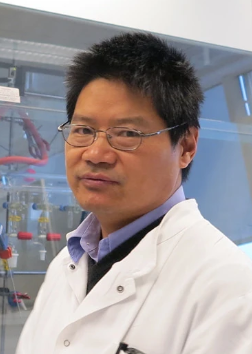 Xiaolin Hou (侯小琳)合作论文数School of Nuclear Science and Technology, Lanzhou University14
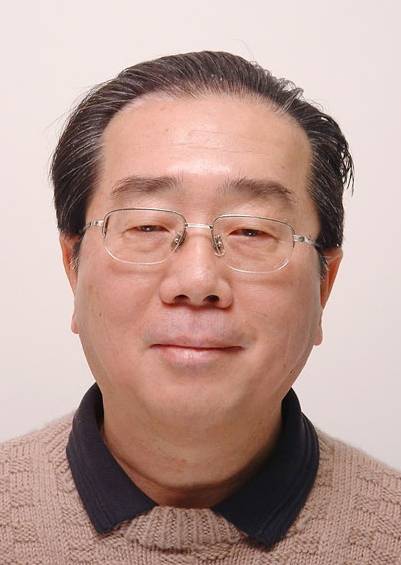 Zhifang Chai (柴之芳)合作论文数The Institute of High Energy Physics, Chinese Academy of Sciences;Ningbo Institute of Materials Technology and Engineering, Chinese Academy of Sciences;University of Chinese Academy of Sciences14
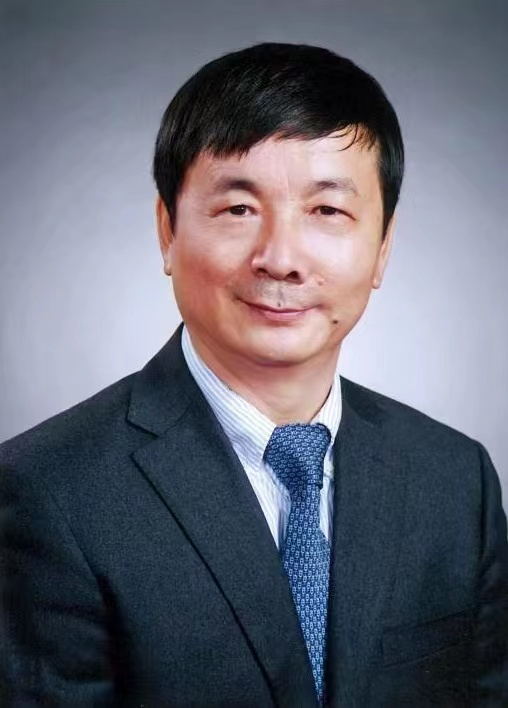 Chunli Liu (刘春立)合作论文数College of Chemistry and Molecular Engineering, Faculty of Sciences, Peking University14Junqiang Yang合作论文数13
 Hanyu Wu (吴涵玉)合作论文数Sino-French Institute of Nuclear Engineering & Technology, Sun Yat-sen University13
 Ximeng Chen (陈熙萌)合作论文数School of Nuclear Science and Technology, Lanzhou University13
 Yuanlv Ye合作论文数12
 Fan Fuyou合作论文数11Qi Tan合作论文数10
 Kong-Qiu Hu合作论文数Chinese Acad Sci, Inst High Energy Phys, Lab Nucl Energy Chem, Beijing 100049, Peoples R China10QingFeng Tang (唐清枫)合作论文数10Guojian Duan合作论文数10Hongxia Zhang (张红霞)合作论文数School of Nuclear Science and Technology, Lanzhou University10
 Suwen Chen (陈愫文)合作论文数School of Nuclear Science and Technology, Lanzhou University10
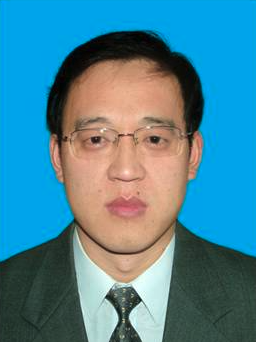 Xiangke Wang (王祥科)合作论文数College of Environmental Science and Engineering, North China Electric Power University10Geng Yanxia合作论文数9
 Qunyan Wu (吴群燕)合作论文数Institute of High Energy Physics, Chinese Academy of Sciences;University of Chinese Academy of Sciences9
 Lei Mei (梅雷)合作论文数Institute of High Energy Physics, Chinese Academy of Sciences;University of Chinese Academy of Sciences9
 Xiaojiang Duan合作论文数Peking Univ First Hosp, Dept Nucl Med, Beijing 100034, Peoples R China9Ya-lou SUN (孙亚楼)合作论文数9Yang Xu合作论文数9
 Jianjun Wang (汪建军)合作论文数College of Environmental Science and Engineering, North China Electric Power University9
 Zhuoxin Yin合作论文数8
 Liyong Yuan (袁立永)合作论文数Institute of High Energy Physics, Chinese Academy of Sciences8
 Shuyang Li合作论文数8
 Min Zhao (赵敏)合作论文数太原理工大学新材料界面科学与工程教育部重点实验室8Xiaoqing Gao (高小青)合作论文数7
 Xiaolan Zhao合作论文数7
 Peng Zhang (张鹏)合作论文数School of Environment, University of Science and Technology of China7




