目的:通过检测正常对照组与食积模型组小鼠血清IgA及肺脏、结肠组织分泌型免疫球蛋白A(SIgA)/P物质(SP)/血管活性肠肽(VIP)的含量,并分组进行相关性分析,探索“食积”的病理基础及“食积致病”的神经-内分泌-免疫调节机制.方法:采用自制高热量、高蛋白饲料喂养结合52%牛奶溶液灌服的方法,制作食积动物模型,检测血清IgA及肺脏、结肠组织中SIgA、SP、VIP的含量.结果:与正常对照组相比,食积模型组小鼠血清IgA、肺脏SP及VIP的含量降低(P<0.05),肺脏、结肠组织SIgA及结肠组织中SP含量呈现下调趋势,结肠组织中VlP呈现上调趋势,但差异无统计学意义.在正常对照组中,肺脏及结肠SIgA、SP、VIP各指标之间呈正性相关(P<0.05),血清IgA与肺脏SIgA、SP、VIP及结肠VIP之间呈负性相关(P<0.05);在食积模型组中,肺脏SIgA、SP、VIP各指标之间,血清IgA与结肠SIgA之间、结肠SP与SIgA、VIP之间呈正性相关(P<0.05).结论:神经-内分泌-免疫调节紊乱可能是“食积”的病理基础及“食积致病”的病理机制.
Objective:To observe the role of Luteolin after the infection of influenza virus (H1N1) in human lung cancer cell line (A549 cell line).Methods:The maxinum of non-toxic concentration (TC0) and the median toxic concentration (TC50) were detected by the cytopathogenic effect (CPE) of cells.Furthermore,The median inhibitory concentration (IC50) and treatment indexes (TI) in the best mode were calculated by Probit regression.Results:The median toxic concentration of Luteolin was 39.810 μg·mL-1,and maximum non-toxic concentration was 25 μg·mL-1;A significant inhibitory effect was shown when added luteolin from 12.5 to 25.0 μg·mL-1 after 48-60 h compared with the model without the drug.In addition,the best method against viral infection was adding Luteolin at 2 after cells infected and the best survival rate was (87.00±1.71) % with 25.0 μg·mL-1 of Luteolin.Under this condition,IC50 was 11.282 μg·mL-1,and TI was 3.528.Conclusion:Luteolin possesses the effect of anti-H1NI virus in vitro.
Objective: To explore the mechanism of Yinlai Decoction (YD) intervening the mice model of FM1 influenza virus compound with high-fat and protein-diet by detecting the survival rate, lung injury, the expression of inflammatory cytokines. Methods: A high-fat and protein-diet mouse model was built. Mice were randomly divided to groups of blank control, normal diet, high-fat and protein-diet (HPD), the Ribavirin, the Shuanghuanglian, the Xiaoer huashi Pill and the YD, all infected with FM1 virus via nose after four days' high-fat and protein-diet. The electrogastrography (EGG) was recorded, as well as the serum levels of the gastrin and plasma vasoactive intestinal peptide (VIP) were observed. Mice in the blank control group were shame-infected with 0.05 mL saline, while the mice in other groups were infected by 0.05 mL mouse lung-adapted FM1 virus. Interventions were performed by stomach perfusion for next seven days. Same dose saline was given in the blank control, normal diet and HPD groups. The life protection and mean survival days were calculated. The lung injuries were observed by H&E method. The expression of gastrin and VIP were detected by radioimmunoassay. The serum levels of IFN-γ, IL-4, IL-6, IL-10 and TNF-α were measured by ELISA. Results: Compared with normal diet group, EGG dominant frequency, EGG swing, instability coefficient increased in HPD group. Compared with HPD group, Ribavirin group and YD group showed significantly higher survival rate and IL-10 and IFN-γ levels significantly increased while the IL-6 and TNF-α levels significantly decreased. Compared with blank control group, severe lung cirrhosis injuries were found in HPD group, and mild injuries were found in YD group and Ribavirin group. Conclusions: The YD can regulate the level of cytokines, and improve the pathological damages of lung tissue, and then protect the mice with high-fat and protein-diet from being injured from the FM1 virus.
Objective:To investigate the effects of ligustrazine on inflammatory cytokines in influenza virus H1N1 infected human pulmonary carcinoma cell A549.Methods:Human pulmonary epithelial cells A549 were cultured and infected by influenza virus H1N1,then the cells were divided into the control group (N),H1N1-infected group (M),Oseltamivir group (DF),low-dose ligustrazine group (J) and high-dose ligustrazine (S).The mRNA and protein expressions of IL-1,IL-10,INF-γ,TNF-α were detected by real-time PCR and Western-blotting,respectively.Results:Compared with N group,the mRNA expressions of IL-1β,IL-10 and TNF-α in M group were significantly increased,while the mRNA expession of INF-γ was decreased significantly (P<0.01).Compared with M group,the mRNA expressions of IL-1 β,IL-10 and TNF-α in the D,S,T groups decreased (P<0.01).The protein expressions of IL-1 β,IL-10,INF-γ and TNF-α in the M group were obviously increased when compared with those in M group (P<0.05).The protein expression of IL-1β,IL-10,INF--γ and TNF-α in S,J groups were decreased as compared with those in M group (P<0.05,P<0.01).Conclusion:The ligustrazine could down-regulate the mRNA and protein over-expressions of IL-1β,IL-10,INF-γ and TNF-α,reduce inflammation and restore the stability and balance of body's immune function.
Objective To explore the influence of Yinlai decoction (YD) on trace elements in blood of mice with dyspepsia combined with FM1 influenza virus infection, and identify the efficacy of YD and their potential mechanism. Methods 80 male mice were randomly divided into the normal group, dyspepsia group, virus -infected group, virus -infected and dyspepsia group, high, middle and low dosage of YD groups, ribavirin group. A diet-induced mice model with high fat and protein intake was used to develop models of dyspepsia animal for the dyspepsia group, virus-infected and dyspepsia group, and all the groups. The mice from virus-infected group were infected with FM1 influenza virus intranasally and received corresponding therapeutic drug or physiological saline by gavage. The level of trace elements (Cu, Zn, Ca, Mg, Fe)in blood were assessed by Atomic Absorption Spectrometry (AAS). Results Compared with the normal group, the Cu, Zn, Ca plasma levels of dyspepsia group, virus-infected group, and virus-infected and dyspepsia group increased, while the levels of Mg decreased significantly (P<0.05), and the plasma levels of Fe in dyspepsia group decreased significantly (P<0.05). Compared with the virus-infected and dyspepsia group, Cu, Zn, Fe plasma levels decreased in all the YD dosage groups, while the level of Ca, Mg increased in low dosage of YD group, but decreased in high dosage of YD group. The plasma levels of Cu, Zn, Ca, Mg, Fe in middle dose of YD groups were not statistically different, compared with the normal group (P>0.05). Analyzing the ribavirin treatment group, its Zn, Ca, Mg plasma levels were not statistically different, compared with the YD groups (P>0.05), however the plasma levels of Cu, Fe increased significantly (P<0.05) in middle dosage of YD. Conclusion The factors of dyspepsia, virus infection, and virus-infection with dyspepsia can cause disorder in trace elements, and Yinlai decoction can balance the plasma levels of these trace elements.
Objective:To observe the role of luteolin and explore its mechanism after the infection of influenza A virus (H1N1) in human lung cancer cell line (A549 cell line).Methods:The chips were used to screen the differentially expressed genes which selected from the apoptotic signaling pathway.The mRNA expressions of Casp3,Casp8 and Myd88 were verified by qRT-PCR.Results:According to the gene chips,oseltamivir and luteolin could down-regulate the expressions of Casp3,Casp6,Casp7,Casp8,Casp9 and MYD88 compared with the virus-infected group.qRT-PCR experiments showed that luteolin could significantly decrease the expressions of Casp3,Casp8 and MYD88.Conclusion:When apoptosis of A549 cells infected by influenza virus in vitro were induced,luteolin could down-regulate the expressions of genes related to the apoptosis pathway,which could interfere the cell apoptosis induced by virus infection,so as to achieve the anti-virus action.
Aim To investigate the regulatory effects of baicalin on apoptosis induced by virus H1 N1 in hu-man pulmonary carcinoma cell A549 . Methods The chips were used to screen the RNA samples in virus-in-fected A549 cells. Differentially expressed genes were selected in the pathway of apoptosis. The mRNA ex-pressions of caspase-3 and -8 were verified by Real-Time PCR. Results With the DNA microarray, the functions of differentially expressed genes involved in apoptosis biological pathways were analyzed by Kyoto Encyclopedia of Genes and Genomes ( KEGG ) Path-way databases. caspase-3, -7, -8, -10, TRAIL, MYD88 , IL1 A and IL1 B were up-regulated in virus-in-fected group. Oseltamivir could down-regulate gene ex-pressions of caspase-3 ,-4 and-8 . High-dose of baica-lin could down-regulate gene expressions of caspase-3 ,-4,-6 and -8. Except gene expressions of above, low-dose of baicalin could also down-regulate gene expres-sions of IL1RAP and Cn. Real-Time PCR experiments showed that baicalin could significantly decrease mR-NA expression of caspase-3 , -4 , -6 , -8 , IL1 RAP and Cn ( P < 0. 01 ) , compared with the virus-infected group. The results also figured that the interference ef-ficacy of low-dose baicalin was better than that of high-doses. As expected, real-time PCR data were in good agreement with the microarray assay. Conclusions Baicalin can be detected in their suppression effect of caspase-3,-4,-6, and -8 mRNA expression, so it re-sists against the apoptosis to fight against influenza vi-rus in vitro.
[目的]基于前期研究清热化痰方可以提高青霉素在慢性阻塞性肺疾病急性加重期(AECOPD)痰热证大鼠模型肺组织中药物浓度基础上,研究清热化痰方是否通过改善AECOPD受损肺组织的形态结构来利于抗生素在肺组织内的转运.[方法]50只Wistar雄性大鼠随机分为正常组、模型组、氨溴索组、二陈汤组、蒌芩止嗽煎组各10只.用熏吸香烟加气管内注射内毒素及鼻腔滴入金黄色葡萄球菌,鼓风干燥箱中进行风热刺激的方法建立大鼠AECOPD痰热证模型,病理组织使用苏木精-伊红(HE)染色,应用图文分析软件(IPP6.0)测量肺平均内衬间隔(MLI)、平均肺泡数(MAN)、肺泡腔面积与总面积比(PAA);同时对Weigert染色标本测量弹力纤维的相对面积.[结果]病理结果显示,AECOPD模型组与正常组比较肺组织结构严重受损,炎症细胞增多,说明模型复制成功,萎芩止嗽煎组与氨溴索组受到破坏相对较轻,二陈汤组次之.MAN及PAA:蒌芩止嗽煎组、氨溴索组、二陈汤组与模型组相比较差异有统计学意义.Weigert染色显示,肺泡壁弹力纤维,其中以蒌芩止嗽煎组弹力纤维含量最高,以模型组受破坏最严重,其顺序从高到低依次为蒌芩止嗽煎组、氨溴索组、正常组、二陈汤组和模型组.[结论]中西医化痰法对AECOPD痰热证大鼠模型受损肺组织结构均有较好的保护作用,以清热化痰法最为明显;清热化痰法提高抗生素的肺内转运作用的机制可能是通过不同程度改善肺组织受损的形态结构,降低受损肺泡结构对抗生素的渗透限制来协助抗生素在肺组织中的正相扩散,协同抗生素发挥作用.
目的:探讨流感病毒H1N1体外感染细胞诱导炎性因子表达及黄芩苷调控作用的研究。方法:正常生长细胞接种100 TCID50的病毒液;吸附2h后加入黄芩苷高剂量组(3.96μg/m L)和黄芩苷低剂量组(0.99μg/m L),以奥司他韦(0.75μg/m L)做阳性对照。采用基因芯片技术分析各组细胞差异表达炎性因子。以RT-PCR和Western blotting法检测细胞内靶因子m RNA和蛋白的表达变化。结果:与细胞对照组相比,H1N1感染组差异表达基因IL-1β、IL-6、IL-8、TNF-α和RANTES明显上调(P<0.01);给药后上述因子表达下调,部分IL-10明显上调(P<0.05,P<0.01)。Western blotting和RT-PCR检验结果与基因芯片结果相符合。结论:流感病毒H1N1感染后诱导炎性因子过度表达损伤细胞,黄芩苷可以调控炎性因子表达,减轻宿主细胞的损伤作用,具有明显的抗感染在用。
目的:探讨流感病毒H1N1体外感染诱导细胞NF-κB信号通路相关因子表达及黄芩苷和木犀草素-7-O-葡萄糖苷的调控作用.方法:正常生长细胞接种100TCI D50的病毒液;吸附2h后分别加入黄芩苷(3.96、0.99mag/L)、木犀草苷(25.0、12.5mg/L),并以奥司他韦(0.75mg/L)做阳性对照.采用基因芯片技术分析各组细胞差异表达炎性因子.以RT-PCR和Western blot法检测细胞NF-κB信号通路相关因子mRNA和蛋白的表达变化.结果:与正常细胞对照组比较,H1N1感染组差异表达基因IRAK1、RIPK1、TAB2、NFKB、IL1B、IL8、TNFA和COX-2明显上调;与HIN1感染组比较,奥司他韦对照组基因NFKB、IL1B和TNFA明显下调,NFKBIA明显上调;黄芩苷高、低剂量组基因IRAK1、RIPK1、TAB2、NFKB、IL1B、IL8和TNFA明显下调,NFKBIA和TNFAIP3上调;木犀草苷高、低剂量组对差异表达基因RIPK1、IRAK1、TAB2、NFKB、IL1B、TNFA和COX-2明显下调,对NFKBlA上调作用.结论:流感病毒感染后活化NF-κB信号通路,引起炎性因子过度表达;黄芩苷和木犀草苷可以对活化通路的正负反馈进行调节,减轻病毒对宿主细胞的炎性损伤作用,发挥抗病毒作用.
目的:玉屏风散是中医扶正固表的代表方剂.本实验观察玉屏风散对卵白蛋白诱发过敏性鼻炎小鼠Th17/Treg细胞平衡的影响.方法:卵白蛋白诱发小鼠发生过敏性鼻炎后,应用玉屏风散对小鼠进行治疗,观察其血清中免疫球蛋白E (IgE)、Th17相关细胞因子白细胞介素-17(IL-17)和Treg相关细胞因子白细胞介素-10(IL-10)水平的变化.结果:玉屏风散可显著降低过敏性鼻炎小鼠血清IgE、IL-17的水平,升高IL-10的水平(P<0.05).结论:玉屏风散可通过调节机体Th17/Treg细胞亚群,纠正细胞因子的失衡,使T淋巴细胞的效应-调节功能恢复平衡,从而治疗过敏性鼻炎.
Objective:To explore the influence of ShuFeng XuanFei formula and JieBiao QingLi formula on the apoptosis of A549 cells induced by influenza virus H1N1 infection. Methods:After human lung adenocarcinoma epithelial cells A549 was cultured and infected by influenza A H1N1, Tamiflu was taken as the control group of medicine, Cellular apoptosis signal transduction pathway was involved in the analysis of KEGG pathway by using microarray technology. microarray analysis was used to study the changes of genetic transcription in apoptosis sig-naling pathway regulated by both formulas;at the same time, realtime fluorescence quantitative PCR was adopted to detect the expressions of tumor necrosis factor receptor (TNFR) super family members 6 (Fas), Fas ligand (FasL), Caspase-3,-8,-9 mRNA in the cells of different groups;Western blotting method was applied to observe the change of the protein in the cells. Results:Compared with the control group of the cells, differential genes expressions of Casp3, Casp8, Casp9, Fas and FasL increased obviously in H1N1 infection group, while Casp8, Casp7, Fas and FasL decreased significantly in oseltamivir group, ShuFeng XuanFei formula group and JieBiao QingLi formula group;qRT-PCR results showed that, compared with the control group of the cells, mRNA expressions of Casp3, Casp8, Casp9, Fas and FasL in H1N1 infection group improved notably (P<0.01);compared with H1N1 infection group, the mRNA expressions of Casp3, Casp8, Casp9, Fas and FasL in ShuFeng XuanFei formula group reduced remarkably (P<0.05), while the mRNA expressions of Casp3, Casp9, Fas and FasL in JieBiao QingLi formula group significant-ly(P<0.05). Curative effects of ShuFeng XuanFei formula group were better than that of JieBiao QingLi formula group. Western blotting results indicated that H1N1 infection group was improved more notable than the control group in Fas and FasL albuminous cell(all P<0.05). Compared with H1N1 infection group, the expressions of Fas and FasL decreased in both of the formula groups(all P<0.05);the results of qRT-PCR was identical with the outcome of microarray. Conclusion: ShuFeng XuanFei formula and JieBiao QingLi formula could regulate the expressions of Caspase-3,-8,-9, Fas and FasL after the infection of influenza A H1N1, and it could fight against cellular apoptosis after the infection of influenza virus.
目的:通过疏风宣肺和解表清里两方药对流感病毒影响的体内外实验研究,探讨两方药对甲型流感病毒的抑制作用.方法:小鼠滴鼻感染流感病毒亚甲型鼠肺适应株FM1,灌胃给予疏风宣肺和解表清里两方药,观察两方药对小鼠死亡率和生存时间的影响;将两种方药作用于感染甲型流感病毒(H1N1)的肺肿瘤细胞(A549),观察两种方药对甲型流感病毒体外的抑制作用.结果:体内实验中,疏中组、疏小组和解小组明显降低病毒感染小鼠死亡率,并延长小鼠平均生存时间,并且与病毒对照组有明显差异(P<0.01,P<0.05),体外实验中两方药对流感病毒感染也有明显的保护作用(P<0.05,P<0.01).结论:疏风宣肺方和解表清里两方药在体内外均具有良好的病毒抑制作用.
Objective To compare the effects of truncated and routine methods in the treatment of mice pneumonia induced by influenza virus. Methods ICR mice (n=80) were randomly divided into normal group, model group, routine treatment group and truncated treatment group. The last three groups were infected with mouse lung-adapted influenza virus strain by inoculating intranasally. One hour after the inoculation, the truncated treatment group was intragastrically given Xijiao dihuang Tang ( Rhinoceros Horn and Rehmannia Decoction) combined with Yinqiao San ( Lonicera and Forsythia Powder) decoction while the routine treatment group was intragastrically given Yinqiao San decoction only on the first three days and Xijiao dihuang Tang only on the following four days. All groups were treated for 7 consecutive days. The survival rate, average survival days and body weights were calculated during 14 days ’ observation. Balb/c mice ( n =128 ) were divided into the same four groups described above with the same corresponding intervention. These mice were sacrificed on the 2nd, 4th, 6th and 8th days respective-ly. Specimen were obtained and evaluated. The viral titers in lung homogenate and the lung index were <br> measured dynamically;the lung gross lesions and tissue pathological changes were observed on the 8 th day. Results The survival rate of truncated treatment group was twice as high as routine treatment group and average survival days also increased significantly; the lung index of truncated therapy group significantly decreased compared with the routine group on the 8th day. The viral titers of truncated treatment group in lung homogenate decreased on the 2 nd , 4 th , 6 th and 8 th day compared with the routine treatment group, yet the difference was not statistically significant. The pulmonary gross lesions and tissue pathological changes under light microscope were less severe than the routine treatment group. Conclusion Truncated method seemed to be superior to routine method in the treatment of severe influenza viral pneumonia mice. Its mechanisms may not lie in its stronger anti-viral effect, but in its stronger inhibitory effect on inflammatory cascade after viral infection compared with routine treatment.
Objective To explore the effects of Sishen Pill and Gegen Qinlian Tablet on cytokines of acute and chronic colitis induced by dextran sulfate sodium (DSS) in mice. Methods Mice freely drank 4%DSS dissolved in drinking water for continuous 5 days to establish acute colitis model. Mice circularly drank 3% DSS for 4 times for the establishment of chronic colitis model. In the acute or chronic colitis experiment, mice were randomly divided into control group, acute and chronic model groups, Sishen Pill group, and Gegen Qinlian Tablet group. Acute model group was administrated one day after DSS drinking for 8 days. Chronic model group was administrated after the second time of circular drinking for 16 days. ELISA was used to detect the contents of IFN-γ, IL-17 and IL-22 in cultural supernatant of mouse colon. Results Contents of IFN-γ, IL-17A and IL-22 in cultural supernatant increased significantly in acute models (P<0.01). Gegen Qinlian Tablet can significantly decrease the contents of IFN-γ and IL-17A of acute models (P<0.05). Sishen Pill can significantly decrease the content of IL-17A (P<0.05). IFN-γand IL-17A in cultural supernatant in chronic model mice significantly increased compared with control group (P<0.01). Sishen Pill and Gegen Qinlian Tablet inhibited the contents of IFN-γ and IL-17A. Compared with control group, Sishen Pill significantly increased the content of IL-22 (P<0.05). Conclusion Sishen Pill and Gegen Qinlian Tablet can treat colitis by decreasing the contents of IFN-γ and IL-17A in acute colitis model mice;Sishen Pill can treat chronic colitis by promoting IL-22 to increase.
Objective To investigate the effects of Shufeng -xuanfei and Jiebiao -qingli formulae on in-flammatory cytokines induced by virus H1N1 in human pulmonary carcinoma cell A549.Methods Human pulmona-ry epithelial cells A549 were cultured and infected by influenza virus H1N1,and were divided into cell control group , H1N1 -infected group,oseltamivir group,Shufeng -xuanfei group and Jiebiao -qingli group.The mRNA and protein expression of IL -1,TNF -α,IL -6,IL -10,MCP -1 and RANTES were detected by DNA microarray ,real -time PCR and western -blotting.Results Gene microarray showed that,as compared with cell control group ,the expres-sions of Il1β,Tnf,Ccl5,Il10,Il6,Ccl2 were obviously up -regulated in H1N1 -infected group.Compared with H1N1-infected group,the expressions of Il1β,Tnf,Ccl5,Il10,Il6,Ccl2 were obviously down -regulated in oseltamivir group, Shufeng -qingre group and Jiebiao -qingli group.RT -PCR showed that,as compared with cell control group,the mRNA expressions of IL -1,TNF -α,IL -6,IL -10,MCP -1 and RANTES were signifi-cantly increased in H1N1 -infected group (P <0.01). Compared with H1N1 -infected group,the mRNA ex-pressions of IL -1,TNF -α,IL -6,IL -10 and MCP -1 were significantly decreased in Shufeng -xuanfei group (P<0.01,P <0.05),and the mRNA expressions of IL -1、TNF -、IL -6、MCP -1 in Jiebiao -qingli group were sig-nificantly decreased (P <0.01,P <0.05).Western blotting showed that ,the levels of L -1,TNF -α,IL -6,IL -10,MCP -1 and RANTES in H1N1 -infected group were obviously increased as compared with those in cell control group (P <0.05).The levels of IL -1,TNF -α,IL -6,IL -10,MCP -1 and RANTES in Shufeng -qingre and Jiebiao -qingli group were decreased as compared with those in H 1N1 -infected group (P <0.05,P <0.01).Con-clusion Shufeng -xuanfei formula and Jiebiao -qingli formula can down -regulate the over -expressions of IL -1, TNF -α,IL -6,MCP -1 and RANTES mRNA and protein,reducing inflammation,restoring stability and balance of body's immune function.
目的:研究四倍体金银花的体外抗菌和抗病毒作用.方法:以二倍体金银花为对照,用最小抑菌浓度(MIC)和最小杀菌浓度法(MBC)测定四倍体金银花水提物对金黄色葡萄球菌、乙型链球菌、大肠杆菌、绿脓杆菌、白色念球菌、肺炎克雷伯菌的抗菌和杀菌作用.采用细胞病变效应法(CPE)观察四倍体金银花水提物对狗肾传代细胞(MDCK)的最大无毒浓度(TC0)和半数中毒浓度(TC50).将100TCID50的甲型流感病毒FM1加入MDCK细胞培养板中,吸附1h后弃病毒液于MDCK细胞培养板中加入四倍体金银花水提液的最大无毒浓度稀释液,通过CPE法观察提取物对病毒致细胞病变作用的影响.结果:四倍体金银花水提物对金黄色葡萄球菌、乙型链球菌、大肠杆菌、绿脓杆菌、白色念球菌、肺炎克雷伯菌均具有抑菌和杀菌作用,其中对金黄色葡萄球菌的抑菌和杀菌作用最为明显,四倍体对乙型链球菌抑菌强度高于二倍体,对肺炎克雷伯菌的杀菌强度高于二倍体.四倍体金银花水提物在浓度为0.030 5 mg·mL-1对甲型流感病毒FM1所致的细胞病变作用显示抑制作用,而其对照药材二倍体金银花水提物在浓度为0.488 0、0.244 0 mg· mL-1对流感病毒所致的细胞病变作用显示抑制作用.结论:四倍体金银花具有体外抗菌及抗流感病毒的作用.
目的:研究疏风宣肺方和解表清里方体外对人肺腺癌上皮细胞A549中TLR3/7信号通路的影响。方法:利用基因芯片技术研究甲型流感病毒H1 N1感染A549细胞后TLR3/7信号通路中基因转录的变化。采用荧光定量PCR和Western blotting法检测各组细胞中的Toll样受体3( Toll-like receptor 3,TLR3)、Toll样受体7(Toll-like receptor 7,TLR7)、髓样分化因子88(myeloid differentiation factor 88, MyD88)、激活核因子 Kappa B( nuclear factor-Kappa B,NF-κB)的mRNA及蛋白表达的变化。结果:在TLR3/7相关信号传导通路中,与细胞对照组相比,H1N1感染组差异表达基因Tlr3、Tlr7、Myd88、Nf-bk1、Mapk8、Mapk13、Ifna1、Ifnβ1明显上调,奥司他韦组、疏风宣肺组和解表清里组对差异表达基因Tlr3、Tlr7、Myd88、Nfbk1、Mapk8、Mapk13、Ifna1、Ifnβ1明显下调。 qRT-PCR结果显示,与细胞对照组比较,H1N1感染组TLR3/7、MyD88、NF-κB的mRNA表达均显著升高( P<0.01)。与H1N1感染组比较,疏风宣肺组的TLR3/7、MyD88、NF-κB的mRNA表达均明显降低( P<0.05或P<0.01),解表清里方对TLR3/7、NF-κB的mRNA表达均明显降低( P<0.05或P<0.01)。同时,疏风宣肺组治疗效果优于解表清里组。 Western blotting结果显示, H1 N1感染组TLR3/7、NF-κB 蛋白较正常组显著升高(P<0.05)。与H1N1感染组比较,两种方药的TLR3/7、NF-κB表达均显著降低( P<0.05或P<0.01)。结论:疏风宣肺方和解表清里方可以抑制流感病毒H1 N1所诱导的TLR3/7信号通路活化,下调活性NF-κB的转录活性,发挥抗流感病毒的作用。
Objective To study the effect of Louqin Zhisou decoction ( LQZSD) , a Chinese herbal medi-cine compound formulated by the TCM method of clearing heat and resolving phlegm, on the airway mu-cus hypersecretion of the AECOPD rat model, so as to improve the transportation of antibiotics in lung tis-sue .Methods Altogether 50 Wistar male rats were randomly divided into normal group , model group , ambroxol group , Erchen decoction ( ECD) group, Louqin Zhishou decoction( LQZSD) group ( each n=10) .The rat model of AECOPD with phlegm-heat syndrome was established by passive cigarette smok-ing,intratracheal instillation of lipopolysacchricle ( LPY) and intranose instillation of staphylococcus au-reus combined with wind-heat stimulation.After modeling, ambroxol group was intraperitoneally injected ambroxol at dose of 6 mg/kg per day, ECD group and LQZSD group were intragastrically administered ECD and LQZSD at dose of 3.33 g/kg per day respectively.The treatment duration was seven days.The secretion of acidic mucin in goblet cells was observed by using AB-PAS staining.The goblet cells in each visual field were counted and the proportion of goblet cells to epithelial cells was calculated .The contents of serum neutrophil elastase ( NE) and MUC5AC in bronchoalveolar lavage fluid ( BALF) were detected by using ELISA assay.Results Compared with model group, the secretion of acidic mucin and the number of goblet cells significantly decreased in each treatment group(P<0.05).Furthermore, serum NE and MUC5AC both decreased in LQZSD group significantly(P<0.05), while there were no statisti-cal differences in the other treatment groups.Conclusion The potential mechanism of LQZSD improving the transportation of antibiotics would be related to reduction the secretion of acidic mucin and the number of goblet cells, as well as decrease the contents of serum NE and MUC5AC in BALF;as the result, the reduction of the secretion of mucus in airway led to clearance the airway obstruction and promotion the forward diffusion of antibiotics in rat’ s lung tissue.
 Jun Wu (吴珺)合作论文数32
 Ligang Gu (顾立刚)合作论文数Beijing University of Chinese Medicine29
 Enxiang Chao (晁恩祥)合作论文数China-Japan Friendship Hospital;Beijing University of Chinese Medicine;China Academy of Chinese Medical Sciences13XiaoTing Liu (刘晓婷)合作论文数12Nana Lu (卢娜娜)合作论文数12
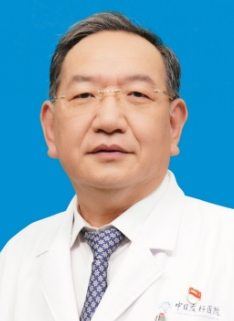 Hongchun Zhang (张洪春)合作论文数China-Japan Friendship Hospital;Beijing University of Chinese Medicine12ZhuoNan Yu (于卓男)合作论文数10ShiJie Ge (葛世杰)合作论文数8Yi Zhang (张沂)合作论文数8
 Yu Hao (郝钰)合作论文数Dongfang Hospital Beijing University of Chinese Medicine8
 Yueqi Wang (王玥琦)合作论文数School of Traditional Chinese Medicine, Beijing University of Chinese Medicine7
 Dongyu Ge (葛东宇)合作论文数School of Traditional Chinese Medicine, Beijing University of Chinese Medicine7Xu-peng ZHOU (周旭澎)合作论文数6YuMin Ceng (曾郁敏)合作论文数6XuDan Wang (王旭丹)合作论文数6
 Jie Li (李杰)合作论文数Dongzhimen Hospital, Beijing University of Chinese Medicine6
 Genmao Li (李根茂)合作论文数School of Traditional Chinese Medicine, Beijing University of Chinese Medicine5Dong-yuan DENG (邓东沅)合作论文数4GuangWei Xue (薛广伟)合作论文数4FuDing Liu (刘福鼎)合作论文数4Fenglan Dong (董凤兰)合作论文数4
 Lishan Zhang (张立山)合作论文数Dongzhimen Hospital, Beijing University of Chinese Medicine4Fucheng Zhao (赵福成)合作论文数4
 Hui Luo (罗慧)合作论文数Dongzhimen Hospital, Beijing University of Chinese Medicine4Ying Qi (齐莹)合作论文数4Ling Jia (贾翎)合作论文数3Juan Cheng (程涓)合作论文数3Qi Liu (刘琪)合作论文数3
 He Yu (于河)合作论文数School of Traditional Chinese Medicine, Beijing University of Chinese Medicine;Third Affiliated Hospital, Beijing University of Chinese Medicine3
 Xiaohong Gu (谷晓红)合作论文数School of Traditional Chinese Medicine, Beijing University of Chinese Medicine;International School, Beijing University of Chinese Medicine3YANG Jun (杨君)合作论文数2Shu-peng LIN (林树鹏)合作论文数2Xue-qin YUAN (袁学勤)合作论文数2LinYang Wang (王林洋)合作论文数2YanWu Han (韩艳武)合作论文数2XiaoFei Li (李晓菲)合作论文数2Jie Gao (高洁)合作论文数2
 Qingquan Liu (刘清泉)合作论文数Beijing Hospital of Traditional Chinese Medicine, Capital Medical University2Liu Qi合作论文数2
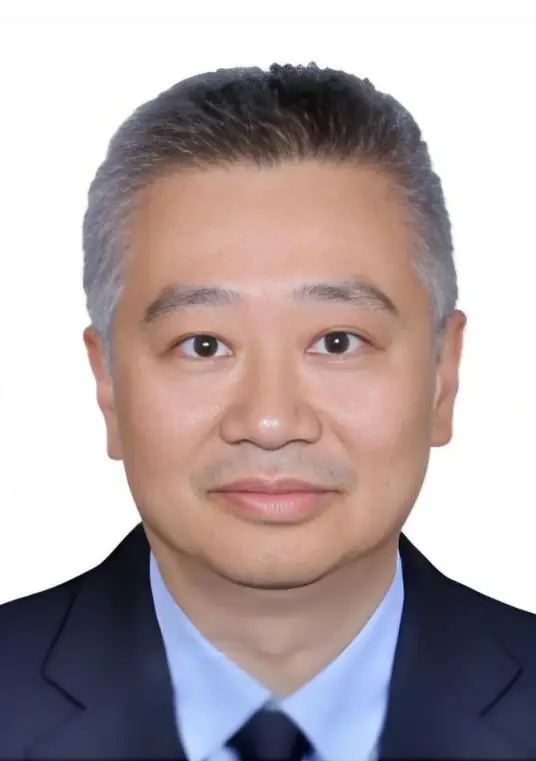 Tiegang Liu (刘铁钢)合作论文数School of Mathematical Sciences, Beihang University2
 Shushan Du (杜树山)合作论文数Faculty of Geographical Science, Beijing Normal University2
 Ying Qin (秦英)合作论文数Dongzhimen Hospital, Beijing University of Chinese Medicine2
 Shuofeng Zhang (张硕峰)合作论文数School of Chinese Materia Medica, Beijing University of Chinese Medicine2
 Jianhua Zhen (甄建华)合作论文数2
 Cuiling Feng (冯淬灵)合作论文数Peking University People's Hospital2mingqi wang (王明琦)合作论文数1Bo ZHANG (张波)合作论文数1




