High-resolution transmission electron microscopy (HRTEM), with its outstanding spatial and temporal resolution, has enabled unprecedented understanding of the atomic structures of materials and how structure relates to properties and functions. However, capturing dynamic processes with high temporal resolution inevitably leads to severely degraded HRTEM images due to experimental conditions and imaging parameters, which substantially limit accurate structural analysis. In this paper, we develop a structure-preserving HRTEM restoration framework that enhances low-quality HRTEM images with blurred or incomplete atomic arrangements using a generative deep learning approach while maintaining physical fidelity. Specifically, we propose HRTEM-generative adversarial network (GAN), a cycle-consistent generative framework that operates under unpaired training conditions and performs patch-level distribution modeling between high- and low-quality image domains, while explicitly incorporating frequency-domain constraints to preserve atomic-scale structural fidelity. This design enables effective restoration of low-quality HRTEM images, yielding structurally coherent atomic lattices that are fully suitable for subsequent recognition and quantitative analysis. The proposed method is validated on a real experimental dataset acquired during in situ imaging of Au catalysts under CO oxidation conditions. Compared with representative methods, HRTEM-GAN achieves substantial improvements in image restoration quality and consistently enhances downstream atomic column recognition performance. These results demonstrate the potential of the proposed framework to facilitate reliable atomic-scale analysis in HRTEM studies.
Rare-earth elements significantly enhance key service performances of nickel-based superalloys. However, due to burning loss, the actual yield of rare-earth elements within the alloy is challenging to control precisely in practice. This study investigates the burning loss pathways of Sc during the melting and casting of a nickel-based superalloy BYG36. Samples were collected from six typical locations in the vacuum induction melting system where burning or volatilization products might be present. The samples were thoroughly characterized regarding Sc content, phases, morphology, and atomic-scale structures. While no Sc residue was found in the furnace ash, observation window, or entry nozzle-indicating minimal volatilization of Sc-a substantial amount of Sc was found adhering to the inner side surface of the crucible, the crucible rim, and the inner side surface of the sprue. Atomic-scale characterizations revealed that the Sc-rich phase on the inner surface of the crucible was a cubic-structured Al1.3Sc0.7O3, in contrast to the previously assumed orthogonal-structured ScAlO3. Intermingling with Al2O3 particles in the refractory materials, this cubic-structured phase likely formed through reactions of Sc with Al2O3 during the melting process. In contrast, Sc residue on the crucible rim and the inner side surface of the sprue was identified as cubic-structured Sc2O3 particles deposited directly on the refractory material surfaces. These inclusions originated from reactions of Sc with O in the alloy melt and adhered to the refractory surfaces as the melt slowly flowed over the crucible rim and sprue during casting.
Harvesting freshwater and hydroenergy through evaporation from seawater simultaneously and efficiently is highly preferred for various applications but remains a challenge owing to mutually exclusive requirements: Efficient water-energy harvesting necessitates the presence of a thin water film on engineered evaporator surfaces to promote evaporation current, whereas efficient freshwater generation demands rapid bulk water transport. To decouple these originally conflicting requirements, we present a 3D modular architecture decorated with nanoscale channels that imparts rapid thin-film evaporation, enabling simultaneous and efficient cogeneration of water-electricity from seawater. The modular units endow the rapid transport of seawater in confined nanoscale channels and effective thin-film evaporation. Under 1 sun irradiation, the modular water-electricity cogenerator (MWEG) reaches a current density of 1.58 mA cm-2, power density of 1.2 W m-2, and high evaporation rate of 2.69 kg m-2 h-1. In addition, under an outdoor light concentration of up to 10 sun, the power density and evaporation rate of MWEG can be significantly increased to 4.3 W m-2 and 27.5 kg m-2 h-1, respectively. These performances demonstrate the vast potential of harnessing the evaporation of Earth's seawater to address shortages of both energy and water.
A-site layered double perovskite PrBaCo2O5+delta (PBC) is a potential oxygen electrode for reversible solid oxide cells. However, the two-dimensional ion transport path and Ba element segregation in PBC limit the electrode reaction kinetics and cause performance degradation. Herein, a self-assembled PBC-Ba0.9CoO3-delta (B9C) composite is proposed as a highly active and stable oxygen electrode. The B9C phase with high oxygen vacancies significantly accelerates the oxygen surface exchange kinetics and promotes the oxygen transport between anisotropic PBC phase particles. Meanwhile, a misfit dislocation interface is formed due to the lattice mismatch between the PBC and B9C phases. This interface provides tensile stress on the PBC phase and thus releases the lattice compressive stress on the Ba ions, thereby mitigating Ba segregation and enhancing chemical stability. Consequently, the designed PBC-B9C electrode realizes a low polarization resistance of 0.054 Omega cm(2) at 650 degrees C, and the constructed single cell exhibits superior operational stability, with low degradation rates of 1.2 & times; 10(-1) mV h(-1) and 3.9 & times; 10(-1) mV h(-1) in fuel cell and electrolysis cell modes, respectively.
Secondary phases play crucial roles in the strengthening and toughening of aluminum alloys. Compared with the well-known impeding effects of the secondary phases on dislocations, their roles in crack propagation remain obscure. In this work, by using in-situ TEM, we investigated the roles of secondary phases during the crack propagation process in a high-strength Al-Zn-Mg-Cu alloy. It was revealed that crack propagation modes depended on whether leading dislocations near the crack tip bypass or shear through the secondary phases. The secondary phases could pin dislocations and passivate the crack tip; consequently, cracks were deflected by large dispersoids or sheared through fine precipitates like the GPII (Guinier-Preston zone II). Under quasi-static loading, in-situ observations showed that discontinuous cracks preferentially nucleated at the interfaces between the secondary phases and matrix, presumably through segregation of over-saturated vacancies-a phenomenon further explained by density functional theory calculations on the vacancy formation energies. The findings provide insights into the roles of different secondary phases in crack propagation.
The catalytic upgrading of ethanol into C2 + olefins has garnered increasing interest as a strategy for producing distillate fuels via olefin oligomerization. In this work, we present Cu/TaxOy/SiO2 as a highly efficient and stable catalyst system for the direct conversion of ethanol into butene-rich olefins. The synergy between Cu and TaxOy species supported on SiO2 provides a favorable balance of metallic and acidic functions, yielding high carbon efficiency and sustained catalytic performance. A 7.5%Cu/26%Ta2O5/SiO2 catalyst exhibited olefins selectivity of 90%-92% at ethanol conversions of 98%-99%, maintained over 140 h on stream. This was achieved by systematically examining catalyst design variables-including preparation method (sequential vs. co-impregnation), Cu and Ta2O5 loadings, and choice of SiO2 support. Lifetime studies revealed an initial induction period during which alkane selectivity declined while olefin selectivity increased, indicative of alkane dehydrogenation. Structural and spectroscopic characterization (XRD, TEM, CO-FTIR, pyridine-FTIR) enabled us to attribute this behavior to evolving surface properties of the TaxOy species under reaction conditions.
Owing to its excellent properties, high manganese steel has become a promising candidate material for liquefied natural gas storage tanks. However, its relatively low thermal conductivity and high manganese content often lead to coarse macrostructure and severe microsegregation, respectively, which can ultimately degrade the mechanical performance. This study investigates the effects of rare earth Cerium (Ce) addition on the macrostructure and microsegregation behavior of high manganese steel. The results indicate that an optimal amount of Ce promotes the formation of AlCeO3 + Ce2O3 inclusions, which act as heterogeneous nucleation sites, thereby refining the macrostructure. In contrast, excessive Ce leads to the formation of CeS and coarsening of inclusions, diminishing the grain refinement effect. Moreover, while a moderate Ce content effectively reduces carbon microsegregation through dendrite arm refinement, an excessive amount induces carbon segregation at grain boundaries. This is attributed to a prolonged local solidification time and enhanced carbon diffusion, which collectively counteract the beneficial effect of microsegregation suppression.
A B9C phase with mixed electronic and oxygen ionic conductivity was composited with PBC, forming a dual-phase oxygen electrode, PBC–B9C, with a misfit dislocation interface structure, which achieved enhanced catalytic activity and chemical stability.
It has been well-documented that hierarchical twin architecture can achieve synergistic strength-ductility combinations in alloys. However, these desirable mechanical properties are limited presumably by geometric softening due to extensive void nucleation and propagation along twin boundaries. Yet, the underlying atomic-scale mechanisms for this behavior remain unclear. Here, we reveal that a robust twin architecture is constructed through activating multiple twinning systems in the steel, offering stable work hardening and high uniform deformation; while at the terminal deformation stage, the coherent twin boundaries (CTBs) undergo a critical structural evolution to serrated high-angle grain boundaries (HAGBs) that impede dislocation transmission and dissociation. This transition triggers localized defect accumulation and further amorphization within twin interiors, eventually serving as preferential sites for void nucleation and subsequent fracture. These atomic-scale insights uncover the key role of preserving the coherent twin network in extending the mechanical stability and damage tolerance of twinning-dominated materials.
Si-enriched heat resistant (SEHR) steels with exceptional corrosion resistance against the liquid metals were designed including high content of Si (1.0-1.5 wt%) and Cr (9-11 wt%). The development of ferrite induced by Si addition drives the transition of the steel from a single-phase structure to a dual-phase structure. However, the long-term thermo-response of this dual-phase material remains unclear. Here, we investigate the aging behavior of a SEHR steel containing 17% ferrite at 500/600 degrees C for up to 5000 h. In martensite, Laves only precipitated at 600 degrees C with a growth mode well obeying the Lifshitz-Slyozov-Wagner (LSW) coarsening behavior. Nevertheless, the Laves particles in ferrite were likely to form along the boundary before 3500 h, with intragranular precipitation occurring thereafter, causing a deviation from the normal LSW curve. Notably, even after 5000 h of aging, the steel aged for 5000 h still exhibits good thermal stability, with strength and elongation, especially uniform elongation, remaining comparable to those of the initial state. The results of modified Crussard-Jaoul (MC-J) analysis indicate a three-stage behavior of strain hardening, which are determined by the deformation of ferrite, the yielding of martensite, and the co-deformation of ferrite and martensite, respectively. The dense precipitation of M23C6 in the sample aged at 600 degrees C for 1000 h enhances the hardening ability of martensite, thereby producing the largest difference in exponents between phases. Consequently, the exponents in stage II and III are markedly increased, resulting in the highest uniform elongation.
In this study, 308 L stainless steel was irradiated with 2 MeV H⁺ ions to investigate the coupling effect of irradiation-induced defects and hydrogen on pitting corrosion. The results show that, along the depth direction, the peak damaged region (PDR) exhibits the highest pitting susceptibility and the most pronounced hydrogen enrichment. In the uniform damaged region (UDR), the pitting densities from the centre to the edge are (1.04 ± 0.36) × 10 ¹ ¹ m⁻² in region A, (0.79 ± 0.12) × 10 ¹ ¹ m⁻² in region B, and (0.24 ± 0.17) × 10 ¹ ¹ m⁻² in region C. These values correlate well with the corresponding void number densities of (1.20 ± 0.22) × 10 ¹ ⁵ m⁻², (0.43 ± 0.03) × 10 ¹ ⁵ m⁻² and (0.31 ± 0.08) × 10 ¹ ⁵ m⁻², and with the hydrogen areal densities of (4.05 ± 0.68) × 10 ¹ ⁰ m⁻², (3.77 ± 1.05) × 10 ¹ ⁰ m⁻² and (1.84 ± 0.74) × 10 ¹ ⁰ m⁻². Furthermore, combined hydrogen microprinting and TEM observations reveal that irradiation-induced voids serve as the primary hydrogen traps, thereby accelerating pit initiation and propagation. This work provides direct experimental evidence that, under high-temperature conditions, irradiation-induced voids act as preferential hydrogen trapping sites, locally disrupt the passive film and promote pit initiation. These findings uncover a previously unknown synergistic interaction between irradiation damage and hydrogen in the localised corrosion of nuclear-grade stainless steel.
Controlling particle morphology is critical for optimizing the performance of LiMnxFe1-xPO4 (LMFP) cathode materials. Through a comparative analysis of spray-dried (LMFP-D) and sol-gel synthesized (LMFP-S) samples, we demonstrate that porous LMFP-D microspheres, assembled from nanoscale primary particles, significantly enhance liquid electrolyte infiltration and Li+ diffusion kinetics. Crucially, the homogeneous distribution of Mn/ Fe in LMFP-D could suppress the Jahn-Teller distortion and dissolution of Mn. These synergistic effects yield exceptional cycling stability, achieving a high initial capacity of 136.4 mAh g-1 with a retention of 91.9 % after 400 cycles at 2C and 132.1 mAh g-1 with a retention of 90.6 % after 600 cycles at 5C. This work demonstrates spray drying as a scalable strategy for engineering high-performance LMFP cathodes for lithium-ion batteries with high energy density.
Spallation of oxide films can significantly promote localized corrosion and catastrophic chemo-mechanical degradations in metals. Current counter-strategies strengthen interfacial chemical bonds or toughen the interphases, which yet often fall short of preventing mechanical failure upon severe plastic straining. Here, mimicking the hydrotropism of plant root growth, we pre-engineer dispersed YO clusters in the grain interiors of a steel matrix, which act as localized “water” sources that fuel the inward oxidation and trigger extensive oxide nucleation ahead of the main oxidation front. Eventually, these oxide nuclei coalesce into root-fiber-like oxide architecture extending from the film deep into the substrate of the steel. This nanoscale rooting effect results in an exceptional mechanical interlock, significantly enhancing the interfacial damage tolerance and spallation resistance by ∼30%. Our work transcends conventional design by integrating a biomimetic principle through trace reactive element alloying, offering a general pathway for designing structural materials with unprecedented durability in extreme environments.
Reliable service of lightweight high-strength alloys in energy efficient structures is challenged by hydrogen embrittlement. Extensive research efforts have been devoted to uncovering the mechanism underlying the phenomenon for decades, primarily focusing on the interaction between hydrogen and dislocations. Nonetheless, the explicit role of hydrogen in the direct vicinity of a propagating crack tip, wherein the deformation carriers nucleate, remains obscure. Here, by using in-situ high-resolution environmental transmission electron microscopy, we directly capture hydrogen-enhanced diffusive deformation-mediated crack propagation in pure Al, manifesting vacancy formation and atomic diffusion on the crack tip surface. This is corroborated by density functional theory calculations revealing considerably weakened Al-Al bonds at the adsorption sites and lowered energy barriers for vacancy formation and adatom diffusion. This diffusive cracking pathway is applicable under high hydrogen fugacity and low strain rates, which imposes evident effects on bulk materials. The findings point to restraining atomic diffusion to alleviate the hydrogen-assisted cracking in advanced aluminum alloys. The role of hydrogen at crack tips remains ambiguous. Here, the authors directly observe hydrogen-enhanced diffusive deformation at the atomic level and demonstrate the formation of vacancies as well as atomic diffusion, which contribute to crack propagation.
This study investigated the influence of liquid surface tension on bubble generation and evolution during gas injection into a downward-flowing liquid through physical modeling and theoretical analysis. The results revealed two distinct bubble formation mechanisms depending on varied process conditions. A stable gas curtain could be formed at the orifice with higher surface tension and lower gas flow rate, and bubbles were generated via the bag rupture and tail pinch-off of a gas curtain, resulting in a broad bubble size distribution with large bubbles exceeding 12 mm. However, under either lower surface tension or higher gas flow rate, bubbles formed through direct detachment from the orifice without the formation of a gas curtain structure, yielding a narrow size distribution in the range of 2-6 mm. A two-dimensional force analysis model characterizing bubble detachment at the orifice was established to provide a predictive formula for the bubble equivalent radius, which showed a good agreement with experimental measurements. This work elucidates the regulatory effects of gas and liquid flow rates on bubble size across varying surface tension conditions, offering a theoretical basis for optimizing argon injection processes to improve refining efficiency.
The critical challenges in lithium-sulfur batteries include polysulfide shuttling, sluggish reaction kinetics, sulfur cathode volume expansion, and flammability. This study presents for the first time a water-based sulfonated SaSon seed gum (SG-SO3) formed by cross-linking natural polysaccharide Sa-Son seed gum (SG) with amino sulfonic acid (ASA) to alleviate these issues in lithium-sulfur batteries. The SG-SO3 binder contains abundant strongpolar groups (-SO3H and -NH2), which the -SO3H groups provide robust chemical anchoring via Li-O interactions and facilitate fast Li+ transport pathways and the electron-rich -NH2 groups act as nucleophilic centers to lower the energy barrier for Li2S nucleation and catalyze the kinetic conversion of polysulfides. Furthermore, the flexible cross-linked network formed by SG-SO3 effectively accommodates volume variations during cycling and maintains electrode structural integrity. As a result, the cathode employing this binder delivers a high initial capacity of 1368.0 mAh g-1 at 0.5 C and retain 455.8 mAh g-1 after 2000 cycles at 4 C, corresponding to an average capacity decay rate of only 0.01% per cycle, demonstrating outstanding rate capability and long-term cycling stability. Last but not least, these polar groups in SG-SO3 promote the formation of an expanded carbonized layer and release inert gases during combustion, thereby imparting the electrode with remarkable flame-retardant properties. In a word, the proposed integrated design strategy of "crosslinking modification of natural framework with polar group for flame-retardant, anchoring and catalysis" provides a key binder solution for developing practical lithium-sulfur batteries with high safety and long cycle life.
Transmission electron microscopy (TEM) is a crucial technique in materials science, enabling atomic-scale imaging to analyze crystal structures, defects, and material properties. However, atomic-scale TEM data often exhibit high noise levels and multiple imaging modes, rendering manual analysis a highly complex task and limiting its applicability in large-scale data processing and automated analysis. In recent years, the rapid advancement of artificial intelligence (AI), particularly deep learning (DL), has enabled the development of novel methodologies for the automated and intelligent processing of atomic-resolution TEM data. This review systematically examines the development and recent progress in the automated analysis of atomic-resolution TEM data, with a particular focus on DL-based methods for image quality enhancement, precise atomic localization, and characterization analysis. First, the review summarizes the applications of regularization techniques and deep learning-based denoising methods to improve the quality of atomic-scale images. Considering the inherent noise in TEM imaging, conventional denoising techniques, such as Gaussian filtering and wavelet transformation, often struggle to maintain atomic-level details. In contrast, DL -based approaches, including convolutional neural networks (CNNs) and transformer-based architectures, have exhibited superior performance in preserving fine structural information while effectively suppressing noise. Second, the review highlights groundbreaking advancements in atomic localization achieved through DL. Accurate atomic positioning is fundamental for extracting quantitative structural information, yet conventional image processing-based approaches are limited in their capacity to handle complex imaging conditions. Recent studies have leveraged CNNs, generative adversarial networks, and self-supervised learning to achieve precise atomic localization even in noisy and low-contrast images. These methods significantly enhance the robustness and accuracy of atomic identification to facilitate the large-scale statistical analysis of atomic structures. Finally, the review explores how AI-driven characterization techniques contribute to the analysis of atomic-scale material structures, defect identification, and phase transition studies. Conventional TEM image analysis often relies on human expertise and heuristic algorithms, which may introduce subjectivity and bias. The integration of AI enables more objective, data-driven approaches to feature extraction, defect recognition, and structural classification. For instance, graph neural networks and reinforcement learning have been applied to infer atomic interactions and dynamic behaviors in TEM datasets, opening new avenues for understanding material properties at the atomic scale. Despite these advancements, several key challenges remain. The quality of training data is a critical issue, as DL models require large, high-fidelity datasets for optimal performance. Furthermore, the generalizability of AI models is still limited when applied to unseen TEM data from different instruments or experimental conditions. Another fundamental challenge lies in the interpretability of DL models, as the black-box nature of many architectures hinders their direct application in scientific research. In addition, integrating physical constraints into AI models remains an open problem as data-driven approaches often lack explicit consideration of physical principles. Looking ahead, the concept of “intelligent electron microscopy” is expected to shape future developments in this field. The convergence of AI with advanced TEM techniques has the potential to revolutionize atomic-resolution imaging by enabling real-time data processing, adaptive imaging strategies, and fully automated analysis pipelines. By addressing current challenges and further refining deep learning methodologies, AI-powered TEM analysis will play a transformative role in materials science, facilitating the discovery of new materials and the deeper understanding of atomic-scale phenomena.
The size of bubbles generated by argon injection through the down-leg snorkel (AITDS) during RH refining plays a critical role in the efficiency of inclusion removal. In this study, a combination of physical and numerical simulation approaches is systematically employed to investigate the effects of key parameters, including argon injection position, number of argon injection nozzles, and refractory wettability, on the size of the generated bubbles. The results indicate that argon injection near the down-leg snorkel inlet produces the highest number of bubbles with the smallest Sauter mean diameter. Increasing the number of injection nozzles significantly enhances the population of bubbles smaller than 3 mm while reducing the Sauter mean diameter. As the surface condition transitions from hydrophilic (40 degrees) to hydrophobic (105 degrees), the dominant bubble fragmentation mechanism shifts from shear-induced breakage to a combined mode of erosion-induced and turbulence-driven fragmentation. This work clarifies the mechanisms governing bubble size in RH argon injection and establishes a theoretical basis for the development of efficient inclusion removal technologies using micro-bubbles.
The novel industrial trial is conducted to investigate the effect of argon injection into the down-leg of the RH degasser on the inclusion removal. The 'cold steel plate dipping' is used to take samples of molten steel and argon bubbles from the RH ladle. The industrial CT detection and electron microscope observation are applied to analyze the bubble characteristics. The results show that the size of bubbles generated by argon injection in the down-leg ranges from 7 to 1430 μm. Among them, the number density of bubbles with a diameter of 60 μm is the largest, reaching 0.1 per mm3. After adopting the down-leg argon injection technology, the average oxygen activity at the end of the RH process decreases by 2.35 ppm, and the surface defects of cold-rolled sheets of all grades are reduced. Based on the theoretical analysis of bubble collision and adhesion to inclusions, the small-sized bubbles have a relatively high capture probability for inclusions smaller than 10 μm. Comprehensively analyzing the experimental results, it is found that the down-leg argon injection technology has an obvious effect on removing inclusions.
Conventional additive manufacturing (AM) of metallic materials demands costly high-vacuum or ultra-pure inert atmospheres to suppress impurity-induced embrittlement. Here, we overturn this paradigm by demonstrating that ambient trace O and N in an inert atmosphere can be turned into potent in-situ alloying species so that the strength and ductility of the material can be simultaneously enhanced. In a Ti56Zr30Nb14 medium-entropy alloy (MEA) additively manufactured with optimized air doping, the yield strength rises by 67% to ≈1 GPa and the tensile ductility increases by 64% to ≈18%, achieving a simultaneous gain that defies the classical strength-ductility trade-off. Atom-probe tomography, enhanced by a machine-learning workflow, identifies two distinct families of nanoscale ordered interstitial complexes (OICs): O-rich OIC1 (O-Zr-Ti) and N-rich OIC2 (N-Zr-Ti). These complexes act as potent dislocation-pinning sites while promoting extensive cross-slip of dislocations and activating Frank-Read sources during plastic deformation. The resultant wavy slip and sustained work-hardening capacity give rise to exceptional strength-ductility synergy. Eliminating the need for high-purity inert gas, this air-alloying route delivers a low-cost, scalable pathway to strong-yet-ductile AM metallic materials.
 Chongmin Wang (王崇民)合作论文数Environmental Molecular Sciences Division, Pacific Northwest National Laboratory;Environmental Molecular Sciences Laboratory, Pacific Northwest National Laboratory66
 Liu Jianhua合作论文数46
 Lijie Qiao (乔利杰)合作论文数Institute for Advanced Materials and Technology, University of Science and Technology Beijing;Seying Rey Laboratory of Materials Genome Initiative, University of Science and Technology Beijing29
 Scott Mao合作论文数Department of Mechanical Engineering and Materials Science, Swanson School of Engineering, University of Pittsburgh28
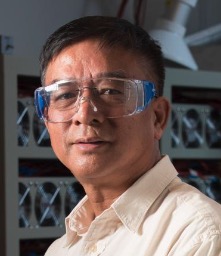 Ji-Guang Zhang合作论文数Pacific Northwest National Laboratory16
 Langli Luo (罗浪里)合作论文数Institute of Molecular Plus, Tianjin University13Yongqing Chen合作论文数12
 Wu Xu (许武)合作论文数Energy Processes and Materials Division, Pacific Northwest National Laboratory12
 Baolong Jiang (蒋宝龙)合作论文数School of Materials Science and Engineering, Hainan University11Ma Yuan合作论文数11
 Kevin Rosso合作论文数Physical Sciences Division for Geochemistry, Pacific Northwest National Laboratory;Center for Understanding Subsurface Signals and Permeability, Pacific Northwest National Laboratory11Yingge Du合作论文数11
 Luning Wang (王鲁宁)合作论文数School of Materials Science and Engineering, University of Science and Technology Beijing10
 Mark Engelhard合作论文数Pacific Northwest National Laboratory10Zhenqiang Deng合作论文数9
 James J. De Yoreo合作论文数Department of Materials Science & Engineering, College of Arts & Sciences, University of Washington;Pacific Northwest National Laboratory9
 Xin Zhang合作论文数Phys & Computat Sci Directorate, Pacific Northwest Natl Lab9
 Baijun Yan (闫柏军)合作论文数School of Metallurgical and Ecological Engineering, University of Science and Technology Beijing8Xu Hao合作论文数7
 Xiang Wang合作论文数Department of Mechanical Engineering and Materials Science, University of Pittsburgh, Pittsburgh, PA, USA.7
 Mark E. Bowden合作论文数Environmental Molecular Sciences Division, Pacific Northwest National Laboratory7
 Xiaolin li合作论文数7Binglu Zhang合作论文数6Baohui Yuan合作论文数6Xiaofeng Su合作论文数6
 Yaobin Xu合作论文数6
 Li Zhong (钟立)合作论文数School of Integrated Circuits, Southeast University;School of Electronic Science & Engineering, Southeast University6
 Meng Gu (谷猛)合作论文数Department of Materials Science and Engineering, Southern University of Science and Technology6Xiaoxin Zhang合作论文数6
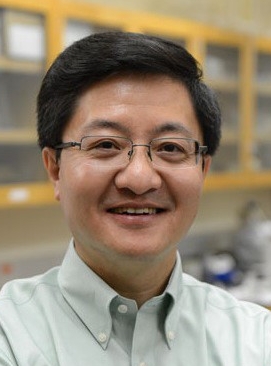 Yong Wang合作论文数Institute for Integrated Catalysis, Pacific Northwest National Laboratory;Gene and Linda Voiland School of Chemical Engineering and Bioengineering, Voiland College of Engineering and Architecture, Washington State University6
 Siris Laursen合作论文数6Shengtao Qiu合作论文数6
 Qingzhi Yan (燕青芝)合作论文数School of Materials Science and Engineering, University of Science and Technology Beijing6
 Maria L. Sushko合作论文数Phys & Computat Sci Directorate, Pacific Northwest Natl Lab6Qunjia Peng (彭群家)合作论文数5Hongbo Liu合作论文数5Jun-Kun Lai合作论文数Operando Molecular Spectroscopy & Catalysis Laboratory, Lehigh University5
 Nicholas R Jaegers合作论文数Pacific Northwest Natl Lab, Inst Integrated Catalysis, Richland, WA 99352 USA5
 Zhijie Jiao合作论文数Nuclear Engineering and Radiological Sciences, College of Engineering, University of Michigan-Ann Arbor5
 Libor Kovarik合作论文数Physical Sciences Division, Pacific Northwest National Laboratory5
 David A. Dixon合作论文数Department of Chemistry and Biochemistry, College of Arts & Sciences, The University of Alabama5Hu Mary合作论文数5Haiping Jia合作论文数Shanghai Jiao Tong University, Shanghai Jiaotong Univ.5Vasiliu Monica合作论文数5
 Karl Mueller合作论文数Pacific Northwest National Laboratory5
 Rongming Wang (王荣明)合作论文数School of Mathematics and Physics, University of Science and Technology Beijing5
 Jianwei Zheng (郑建伟)合作论文数College of Chemistry and Chemical Engineering, Xiamen University5
 Jun Liu合作论文数Pacific Northwest National Laboratory;Department of Chemical Engineering, College of Engineering, University of Washington5
 Alexander Mclean合作论文数Department of Materials Science and Engineering,University of Toronto5




