Social trust is derived from the interaction of environmental and social factors, which has important significance for the sustainable development of society and social governance. In particular, in the post-pandemic era, tourist activity will receive special attention in terms of its role in the development of the public’s social trust. On the basis of the sample of big data, this research takes China as an example to study the influences of different geographical and environmental elements on individuals’ social trust as well as the common role played by the tourist activity. The research showed that the geographical environment and tourism activities have interacting effects on public social trust. This influencing mechanism is specifically manifested as the rice-growing ratio and tourist reception level can have interacting effects on the social trust of the residents in a tourist destination; pathogen stress and tourist supply level can exert interacting effects on the social trust of the residents in an area from which tourists originate; and economic development and tourist reception level can have interacting effects on the social trust of the residents in a tourist destination. By doing so, this research provides theoretical support and practical suggestions for the recovery of the public’s social trust from the perspective of tourism geography in the post-pandemic era.
Tourists' pro-environmental behaviour (PEB) has a positive social significance for the sustainable development of the destination environment. Based on the theory of planned behaviour, the norm activation model, and affect-behaviour theory, this study established the 'rational-affective-moral' (R-A-M) factor model of tourists' PEB. It used questionnaires to investigate the main influencing factors and mechanisms of tourists' PEB in a more comprehensive and in-depth manner, using a sample of 488 tourists from China. The results showed that (1) the structural equation model of R-A-M fitted well. Cognitive attitudes, perceived behaviour control, positive emotions, personal norms, and daily green behaviour habits directly impacted tourists' PEB, among which affective factors had the largest effect. (2) The mediating effect test results revealed two completely mediating paths-social norms-cognitive attitudes-tourists' PEB; and social norms-personal norms-tourists' PEB-and two indirect mediation paths-perceived behaviour control-cognitive attitudes-tourists' PEB; and daily green behaviour habits-personal norms-tourists' PEB. (3) Positive emotions not only directly influenced tourists' PEB but indirectly moderated the effects of perceived behaviour control, personal norms, and daily green behaviour habits on tourists' PEB. Finally, the study discusses the theoretical innovation and potential application value of the R-A-M factor model.
基于1997-2017年中国60个城市入境旅游经济发展数据,辅以修正的引力模型和社会网络分析方法,系统分析了中国入境旅游城市合作网络时空格局,并借助二次指派程序方法对合作网络演变的驱动因素进行探讨.结果表明:①中国60个人境旅游城市合作网络强度逐渐增强,国家层面合作网络结构逐渐显现,合作强度前5名的分别为广州—深圳、北京—上海、北京—天津、上海—苏州和上海—深圳.②整体网络特征上,网络密度逐渐增加,整体网络通达度在提升,城市"领导者"地位在下降,网络整体均衡性在提升,且中国东、中、西三大地区间差异显著,东部地区城市合作最紧密,西部地区城市次之,中部地区城市紧密度最小.③个体网络特征上,将中国入境旅游城市分为外向型、内聚型、均衡发展型和孤立型4类,且权力角色上呈核心领导者、次核心领导者、一般合作者和边缘合作者的"核心—边缘"分布格局.④地理空间邻近性、旅游资源差异、旅游接待能力差异、城市规模等级和旅游交通情况的相近性对网络提升具有显著影响,对外经济贸易差异对中、西部地区城市旅游合作的影响是正向的,而对整体网络和东部网络的影响是负向的.
Explaining the factors that influence individual pro-environmental behavior (PEB) in the tourism context may help to enhance sustainability. This study employs a meta-analysis to systematically compare the influence of rational, affective, and moral factors on individual PEB in the tourism context. According to the results, individual PEB in the tourism context is jointly influenced by rational, affective, and moral factors, among which the influence of affective factors plays a leading role. On this basis, this study further explores the moderating effects of related variables from the perspectives of rationality, affect, and morality, including personal characteristics and region characteristics.
探讨主要入境客源市场目的地城市选择偏好的时空分异特征与规律,并识别出各客源市场选择偏好下不同类型的目的地城市,对促进城市展开精准营销以实现入境旅游的振兴具有重要参考价值.该研究依据生态优势度与亲景度理论,基于我国60座旅游城市13大客源国1991—2017年入境过夜游客数据,采用优势度与亲景度改进模型,分析了目的地城市入境过夜客源市场的优势度与亲景度时空格局,识别了入境过夜客源市场选择偏好下不同发展类型的目的地城市.结果发现:(1)目的地城市接待入境过夜游客的优势度整体保持上升的演变趋势,但增速明显下降,优势度较高与较低的客源国主要集中在亚洲地区.承接入境过夜游客高优势度城市的数量整体上呈现出东中西逐步递减的空间格局特征.(2)韩国、法国与德国是亲景度上升的强亲景客源国,新加坡则是下降的强亲景客源国,入境过夜游客在我国维持高亲景度城市的数量整体上呈现由东向西逐步减少的空间分布特征.(3)高优势度-高亲景度、高优势度-低亲景度类型的城市较少,低优势度-高亲景度、低优势度-低亲景度类型的城市较多.低优势度-高亲景度城市是未来重点开发与振兴的对象.研究内容拓展了生态优势度与亲景度理论在旅游市场研究中的应用深度,为目的地城市依据需求偏好进行旅游产品开发与产业布局,以及疫后入境旅游市场的恢复与振兴提供了实践参考.
分析主要旅游城市与入境客源国的匹配度及其时空格局,并识别出入境客源市场的高匹配城市,对促进城市精确展开入境旅游市场营销与区域合作具有重要意义.采用匹配度模型与热图分析法,基于1991-2016年中国60座旅游城市13大客源国过夜游客统计数据,分析二者的匹配度及时空格局.研究发现:①主要旅游城市与入境客源国的匹配度整体上呈现"长尾"发展特征,不同旅游城市与入境客源国的匹配程度存在错位与差异.②主要旅游城市与客源国匹配度空间格局演变极化态势明显,入境过夜游客市场结构的空间不均衡性加剧.③与我国东部沿海城市存在较高匹配度的客源国集中在亚洲地区,与我国中西部城市存在较高匹配度的客源国集中在欧洲与美洲地区.④依据旅游城市与客源国的匹配度,识别出了不同入境客源国的高匹配城市.
以国家公布的6 819个传统村落名录为研究对象,运用ArcGIS空间分析技术和方法,对中国传统村落空间分布特征及其影响因素进行研究.结果 表明:中国传统村落在空间上呈现“核心-边缘型”分布特征,形成四大集聚片区;中国传统村落在各省(区、市)及市、县空间分布上具有较强的不均衡性,多分布在省域边界地区;中国传统村落空间分布受自然环境和社会环境共同影响,主要分布在远离平原粮食主产区的河谷、盆地、低山、丘陵和中高山的距离中心城市较远,经济和交通欠发达的阳坡地区或沿河地区;影响中国传统村落空间分布的主要因素由强到弱依次为:农村人均可支配收入、坡向、人口密度、河网密度、距中心城市距离、高程、农业用地、交通密度.
幸福感不仅关乎个体的生命质量与旅游体验,亦具有深刻的社会属性,其为积极的人-环境互动关系研究提供了实证.文章基于已有文献,运用元分析方法,从综合视角对旅游者幸福感与其环境责任行为的内在关系进行探讨.研究发现:传统观点认为理性人假设是环境责任行为研究的逻辑起点,但在旅游情境中,相较于理性模型,旅游者幸福感所包含的满意度、积极情感等因素能够对个体的环境责任行为产生更大的影响.幸福感因素对旅游者环境责任行为的影响,亦受到性别、年龄等因素的调节作用.文章依托情感-行为理论,建构了旅游者幸福感对其环境责任行为影响的积极意义,探索了旅游者幸福感的利他效应,说明了旅游者幸福感的提升并非仅关乎个体的自我旅游体验.文章立足于微观的个体行为层面,为旅游目的地环境的可持续管理实践提供了有益的思考.
以中国88个世界遗产依附地为研究对象,构建入境旅游流与世界遗产依附地协调发展评价指标体系,借助耦合协调模型、广义矩估计等方法对2000-2017年两个系统耦合协调发展的时空特征及影响因素进行分析.结果 表明:我国已形成“入境旅游流-世界遗产依附地”复合系统;两个系统综合发展水平均呈现波动上升态势,具有间断性涨落更迭的波动发展规律;两个系统耦合协调度水平整体较低且波幅较小,呈现“大分散、小集聚”的空间格局;两者协调发展是多维因素共同作用的结果,其中入境旅游外汇收入是核心驱动力,旅游从业人员是双重驱动力,社会消费品销售额是向导功能,绿化覆盖率是非必要条件,公共图书馆图书总藏量是潜在因子,客运总量是非敏感因子.
选择赴藏旅游者的网络游记为研究内容,基于旅游系统模型理论,运用个案研究及文本情感分析法,对赴藏旅游者幸福感的时空结构与特征进行了初步建构分析.研究发现:(1)赴藏旅游者的幸福感具有历时性特征,其时间结构遵循“游前神往-游中沉浸-游后反思”的基本逻辑动态变化;(2)围绕“想象空间-多元体验空间-回忆空间”的基本架构,赴藏旅游者的幸福感依据游程、地域的转移而循环往复,具有空间非匀质性;(3)旅游者幸福感的三元结构,即“目的地意象识别-非负面评价-积极情感体验”,具有协同性;(4)在游程的不同阶段,旅游者幸福感的要素结构在“客源地/通道及目的地-旅游者”的互动过程中不断重构,主导特征呈现交替性与差异性.
Identifying the factors and patterns of coordinated development in the tourism industry, urbanization, and the ecological environment sheds light on how to ensure the high-quality and sustainable development of the regional economy, but the research on this issue is relatively insufficient. Taking Shaanxi Province as an example, this paper analyzes the spatiotemporal coupling characteristics between the tourism industry, urbanization and ecological environment in cities of Shaanxi Province from 2000 to 2017. After identifying the leading factors of coupling of the three systems, the paper summarizes the coupling development mode in each city under the leading factors. The coupling between the tourism industry, urbanization and ecological environment in various cities has realized the fundamental transformation from incoordination to coordination and finally, formed a spatial development pattern featuring strong central regions, and weak southern and northern regions. Before 2010, ecological environment factors dominated the coupling between the tourism industry, urbanization, and ecological environment in Shaanxi's cities, while after 2010, urbanization and tourism industry gradually became the leading factors of the coupling development of the three systems. The coupling development mode in each city has generally undergone an evolution process of "ecological environment mode-urbanization mode-tourism industry mode". A coupling development mode dominated by urbanization has formed in cities in Northern Shaanxi, a coupling development mode dominated by mixed urbanization and the tourism industry has formed in the Guanzhong Region, and a coupling development mode dominated by the tourism industry has formed in cities in Southern Shaanxi. This paper provides theoretical and practical references for promoting the precise macro-control of cities and guaranteeing the high-quality development of the regional economy.
为提升宗教旅游资源吸引力,推进青藏地区文旅融合发展,以青藏地区著名的藏传佛教寺院塔尔寺为案例地,构建了宗教旅游资源吸引力评价指标体系,并对各单项评价指标的吸引力强度及权重值进行了分析,设计了宗教旅游资源吸引力调查问卷.同时根据旅游者的主观评价,对宗教旅游资源吸引力进行了实证研究.结果 表明:塔尔寺的各类型旅游资源对游客的吸引力强度依次为:宗教活动、宗教艺术、宗教建筑、宗教名人和宗教传说.
以国家权威部门历年公布的五批青海省传统村落为研究对象,利用地理信息技术分析方法,并综合地理集中指数和空间基尼系数,研究了青海省传统村落空间分布格局特征.结果显示:区域上呈现明显的东部和南部集中性,且集中分布于少数县域,空间上多分布于河流谷地.在此基础上,从自然和人文两个方面分析了传统村落分布格局的影响因素.研究目的在于为青海省传统村落的保护和开发、乡村旅游的发展以及乡村振兴战略的推进等工作提供借鉴.
利用地理集中指数、亲景度指数和竞争态模型分析方法,对甘肃省2006—2015年入境旅游统计数据进行交叉分析并总结.结果表明,甘肃省入境旅游客源市场集中指数较高,利于回避风险.日本、韩国是重点客源市场,亲景度很高,竞争态表现良好;马来西亚、菲律宾、泰国、俄罗斯是潜在客源市场,对甘肃省偏好指数逐渐增强,市场增长态势表现良好;欧美市场是主要客源市场,亲景度较高,竞争态表现不稳定,但增长态势良好;澳大利亚市场是机会客源市场,亲景度指数及竞争态均表现不稳定,属于瘦狗市场.
新时代的历史背景为甘肃省入境旅游的发展提供了良好机遇.基于地域经济因素,以入境旅游流和区域经济体系为研究目标,借助物理学中的耦合理论,创建入境旅游流与区域经济体系的耦合协调度模型,对甘肃省入境旅游流与区域经济因素的耦合协调关联关系进行研究.结果 发现:2006-2015年,甘肃省入境旅游流与区域经济体系的耦合协调度趋向平稳发展形势,耦合协调等级程度逐渐由失调向协调过渡,经济发展水平对两者耦合协调度的限制效用较为明显.因此,文章提出甘肃省要遵照全域旅游发展理念,“旅游+”时代,更要强化创新,加快推进产业融合,提升外贸依存度,进一步推动甘肃省入境旅游流地区域经济体系朝着优质协调的方向发展.
新时代的历史方位论断是我国发展入境旅游的最好机遇期.针对新时代我国发展入境旅游存在的问题,可以从方针调整、政策导向、规划制定、合作框架、入境签证、理念指导和示范引导等7个维度进行政策协调;从产品、产业、市场营销、市场拓展、旅游形象、旅游服务、旅游接待、可进入性和驻外办事处等9个方面进行路径优化.
耦合作为一个物理学概念,在诸多领域得到了大量应用,但目前在旅游学中的应用甚少。本文以旅游可持续发展为研究对象,运用问题分析法和系统分析法,剖析旅游发展中的不可持续现象,提出"旅游耦合"的新概念及其内涵;综述了耦合、耦合与可持续发展的研究进展,指出旅游耦合是解决旅游业发展不可持续问题的重要新路径,是旅游和谐发展的重要评价模型;界定了旅游耦合的研究范畴并分析了旅游耦合的研究价值;以笔者主持的关于旅游耦合的国家自然科学基金项目为案例,主要从系统评价体系、旅游耦合的时空演化与动力机制3个维度,阐述了旅游供需耦合的实践探索成果。
地图学作为地理学、测绘学、遥感及地理信息科学等众多学科的专业必修课程,在信息化时代下其教学内容和教学模式面临着前所未有的机遇和挑战.本文从当前地图学教学内容和教学模式中存在的不足出发,探讨了信息化时代下地图学教学内容与教学模式应做出的调整和更新,即在教学内容上应注重地图理论的系统化、地图数据的多源化、地图显示的多样化和地图服务的广泛化,在教学模式上则应着力探索传统课堂讲授方法与地图学实验教学、任务教学、演示教学和案例教学等方法的综合运用,从而推进地图学课程的教学改革和教学水平的整体提高.
Selecting Datong city as the case,the coupling coordination degree between tourism industry and urbanization are analyzed.The coordination degree of tourism industry and urbanization in Datong city can be divided into 3 stages,that is,the exploring maladjustment stage,the transition development stage and the innovation rising stage.The results show there are remarkable coupling coordinated development characteristics between tourism industry and urbanization.The tourism and urbanization development level in Datong city have experienced fluctuant increasing,and urbanization'precedence types occupied a majority.The coupling coordination degree of two systems in Datong city presented to be fluctuantly rising,and the coupling coordination degree stepped into good coordination level in 2011.From the perspective of static aspect,the coupling coordination level of two systems were influenced by tourism development level,economic urbanization,population urbanization,space urbanization and social urbanization.These factors had remarkable positive correlation with the coupling coordination level,and the correlation coefficients are 0.976 4,0.983 4,0.789 2,0.987 5,0.968 3,respectively.From the perspective of dynamic aspect,the influencing degree of five factors on the coupling coordination level ranked as economic urbanization,space urbanization,social urbanization,population urbanization,tourism development level.
 TianShun Li (李天顺)合作论文数43
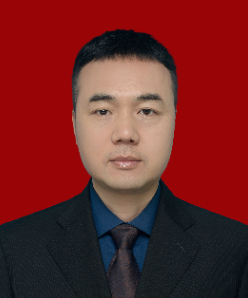 Kai Bai (白凯)合作论文数School of Geography and Tourism, Shaanxi Normal University38
 Junsheng Liu (刘军胜)合作论文数School of Economics and Management, Northwest University34ChuangXin Li (李创新)合作论文数32
 Youyin Zhang (张佑印)合作论文数河南大学北京体育大学27
 Junyi Li (李君轶)合作论文数School of Geography and Tourism, Shaanxi Normal University20Jun Gao (高军)合作论文数17HongYing Liu (刘宏盈)合作论文数14ChunHui Zhang (张春晖)合作论文数13XueSong Liang (梁雪松)合作论文数11
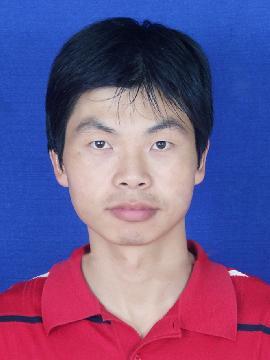 Zhenting Li (李振亭)合作论文数School of Geography and Tourism, Shaanxi Normal University11
 Peng Zheng (郑鹏)合作论文数School of Management, Zhengzhou University11
 Nan Gao (高楠)合作论文数Wenlan School of Business, Zhongnan University of Economics and Law11ZhiXing Liu (刘智兴)合作论文数9XianHong Zhao (赵现红)合作论文数9ZhongXia Tang (唐仲霞)合作论文数8Rong Chen (陈蓉)合作论文数8HuaJu Xue (薛华菊)合作论文数7Xiong Kang (亢雄)合作论文数7Min Yang (杨敏)合作论文数7
 Bihu Wu (吴必虎)合作论文数School of Management, Shandong University7Yang GAO (高杨)合作论文数6ZhiHui Lin (林志慧)合作论文数6
 Bing Wu (吴冰)合作论文数School of Geography and Tourism, Shaanxi Normal University6
 Yajuan Dong (董亚娟)合作论文数School of Economics and Management, Chang'an University6Xuemei Xie (谢雪梅)合作论文数6Yi Huang (黄毅)合作论文数6ChengJiang Fang (方成江)合作论文数5ShiQiao Fang (方世巧)合作论文数5QiaoJuan Hu (胡巧娟)合作论文数5Jing Gu (顾静)合作论文数5
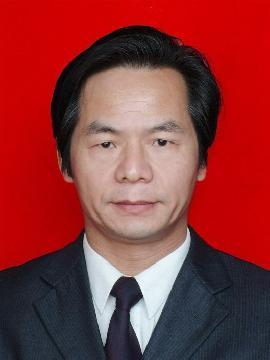 Gennian Sun (孙根年)合作论文数School of Geography and Tourism, Shaanxi Normal University5
 Xianfeng Liu (刘宪锋)合作论文数School of Geography and Tourism, Shaanxi Normal University5Ying Wei (魏颖)合作论文数5Jiejie Wang (王洁洁)合作论文数5WANG Mei-xia (王美霞)合作论文数4Sen LI (李森)合作论文数4Wen Pang (庞闻)合作论文数4GuanXiao Wang (王冠孝)合作论文数4FuLi Li (李馥利)合作论文数4LiFang Bi (毕丽芳)合作论文数4JunYing Zhang (张俊英)合作论文数4LiXia Wu (吴丽霞)合作论文数4XinCheng Zhang (张新成)合作论文数4
 Zhenbin Zhao (赵振斌)合作论文数School of Geography and Tourism, Shaanxi Normal University4Xiaohua Wang (王晓华)合作论文数4Hongli Ma (马红丽)合作论文数4




