Given the changing nature of literacy, it is critical to investigate how learners communicate using the multimodal affordances of digital platforms. Guided by metafunctions of Systemic Functional Linguistics, this study developed a multimodal analytical framework to quantify multimodal composing with indicators of functional meaning to evaluate students' multimodal literacy practices from an overall perspective. Based on a high school digital literacy SPOC (Small Private Online Course), this study adopted a mixed-method approach to profile students' multimodal posting and examine teachers' and students' perceptions. The empirical findings included that: (1) Five profiles were identified based on students' ideational, interpersonal, and textual meaning differences: academic posters, sensational posters, visual posters, all-round posters, and perfunctory posters. Academic posters viewed multimodal posting as a presentation of research findings; sensational posters viewed multimodal posting as a connection with classmates; visual posters valued the formal beauty of multimodal posts; all-round posters remixed the ideational, interpersonal, and textual functions of multimodal posting; perfunctory posters viewed multimodal posting as a have-to-do task. (2) Teachers underestimated multimodal posting's interpersonal meaning that students valued. The SFL-based multimodal analytical framework and empirical findings provide implications for explicitly evaluating and guiding students' multimodal composition in digital environments.
Highlights This review compares generative artificial intelligence with five representative educational technologies in history and concludes that AI technology can become a knowledge producer and thus can be utilized as educative AI to enhance teaching and learning outcomes. From a historical perspective, each technological breakthrough has affected education by changing how symbols are represented and how knowledge is carried. The emergence of new educational technology is always accompanied by doubt, vigilance, and rejection from the traditional community. The new educational technology, generative artificial intelligence, interacts with the old, creating an increasingly complex ecology of educational technology. Three suggestions are proposed for adjusting the education system: first, promoting small-scale, individualized, and conversational teaching in schools; second, developing teachers' and students' digital literacy in a multi-curricula system; and third, conducting research on grading and classification standards for the application of AI in education.
The COVID-19 pandemic has brought unprecedented challenges to public cultural institutions, including museums. The museums gradually recognize the significant potential of digital technology in assisting museums to enhance their accessibility. Accordingly, the necessity and urgency of digital change is becoming increasingly prominent. How to ensure that the collection starts a new life cycle after entering the digital museum space and stimulates the educational potential of the collection. This has become one of the key issues that need to be explored in the post-pandemic era when museums utilize digital learning platforms to carry out blended education and expand their educational functions. As a forerunner, the Smithsonian Institution has created an interactive museum digital learning platform named Smithsonian Learning Lab , which has carried out pioneering exploration in three aspects, including digital educational resources, interactive digital tools, and learning outputs. It has constructed a new model of museum blended learning in the digital ecosystem, which provides significant enlightenment and a reference for Chinese museums to develop digital learning platforms and expand their educational functions in the future.
Over the past two years, online synchronous video class has been the mainstream of higher education in China. However, college students had less trust in cameras and were reluctant to switch them on. This study employs grounded theory to describe students’ emotional experience and behavioural discipline on cameras, and offers an explanatory understanding based on medium theory and Foucault’s analysis from Discipline and Punish to build a model of camera shyness of college students in online class. The qualitative data results indicated, college students’ attitudes toward cameras are primarily influenced by social factors, characters of curriculum and personal factors. Students are prone to being nervous, worried, distracted on cameras, as well as constantly self-examining and peeping at others. Writing-centered behaviours are shaped by the online synchronous class scene and transformed into screen-centered and lens-centered behaviours. This paper provides a benchmark for improving the future application of online instruction in higher education.
教学法是实施教学实践的一套原则和方法.它受社会、政治等外在要素的影响,同时又从外部环境中选取资源、工具等教学要素,安排和组织教学过程.互联网带来的教育数字化转型,正在从外部生态环境,以及内在的教学构成要素两方面,推动教学实践和教学法知识体系的数字化转型.美国现代语言协会于2020年在线正式出版的《人文学科中的数字教学法》就是在这种数字生态环境下,出版的一种数字时代的教学法知识体系,以及一种教学法的数字教材(合集).该教材的编写历时10多年时间,有近800位作者参加编写,征集了573个优质"教学构件"案例,用59个关键词、24类教学构件、79种标签等"元数据"把这些优秀案例编织在一起,形成了一部教师可以分叉、重混使用的"数字教学法"新型教材.该教材在教学法理念和教材形态两方面进行的开拓性探索,对中国教育教学的数字化转型、新型教材建设等,都具有重要启示和借鉴意义.
数字素养是人们适应数字时代必不可少的能力素质,在基础教育阶段以数字化读写实践的方式开展数字素养教育具有必要性和紧迫性.虽然已有研究表明,教师角色和学生个体差异影响着学生的数字化读写实践,但对于教师和学生这两个维度交互作用的影响机制还缺少必要的关注.研究基于一门高中生数字素养在线课程,以质性比较分析方法为主线,综合采用开放性编码、关联性编码、内容分析等分析技术,考察教师的教学支持和教学反馈对不同性格特质、数字技能和读写能力的学生基于在线论坛的自主表达和人际互动两类数字化读写实践的影响.研究结果表明:第一,高质量的数字化读写实践是教师和学生维度多因素共同作用的结果,这些因素交互作用形成了不同的组态;第二,外向型性格、较高数字技能、较高读写能力的学生在基于在线论坛的数字化读写实践中具有明显优势;第三,教师在学生的数字化读写实践中具有辅助性影响,而非关键性影响,且这种辅助性影响主要体现在"促优",而非"扶弱".研究从微观层面上识别了教师和学生维度的多个因素作用于数字化读写实践的多重并发路径,对基础教育阶段数字素养在线教学中如何进行教学干预提供了基于证据的策略支持.
2020年的大规模在线教育实验,大大加快了中国教育数字化转型的步伐.随着"十四五"建设的开局,教育部发文推动"教育新基建"建设,高教司则启动了"新兴领域教材研究与实践项目","基于知识图谱的新型教材建设"就是其中的一项.为了厘清"基于知识图谱的新型教材"的概念内涵,明确其在教育数字化战略行动中的地位和作用,本文从数字新基建对知识生产和人类文明发展的影响、历史上的教育"基础设施"与教材形态的变革、数字媒介环境下教材形态变革的典型案例分析三个方面展开研究.研究发现,数字"新基建"是推动人类文明跃迁式发展的主要因素.历史上教育"新基建"的变革,使教材形式发生了从吟诵史诗、手工抄本到印刷教科书的变革.进入信息时代以来,人工智能研究者一直致力于创建一套知识生产的"数字'新工具'",知识图谱就是目前发展最快、应用最广的一种知识表达和处理工具.综合以上分析,本文从内容表征、知识组织方式、教学应用等方面提出了一个基于知识图谱的新型教材的描述性定义.文章最后指出,基于知识图谱的新型教材,是培养具有交叉学科视野和问题解决能力的新型人才、推动学科交叉融合、支持教育高质量发展的一项基础枢纽工程.
为庆祝上海开放大学挂牌十周年,及推进开放大学健康可持续发展,本刊邀请开放大学内外的学者围绕"开放大学高质量发展:思考与期待"这一主题展开笔谈.上海开放大学贾炜校长结合上海城市发展要求,提出上海开放大学"十四五"发展思路,包括提升城市学习力、建设平台型大学、推进开放大学发展的联动循环的"飞轮效应"模式等.北京师范大学陈丽教授从国家教育高质量发展的要求出发,指出开放大学转型发展的大方向应是建立全民终身学习的公共服务体系,当下终身教育的主要矛盾是传统教育服务供给模式与灵活多样化优质教育需求之间不平衡.为此,文章提出推动终身教育服务供给侧改革的四方面举措.华东师范大学李政涛教授指出,开放大学要继续高举开放、优质、灵活、便捷的办学理念,努力回应国家和社会的殷切期许.开放大学需要做好三方面的工作:一是研究好学习者、学习方式、如何促进学习方式变革等,二是成为"培养未来学习者"的引领者,三是为上海、中国、世界作出贡献.北京大学郭文革长聘副教授以美国纽约州首府的公立图书馆和香港大学进修学院学习中心为例,提出开放大学未来发展目标应是成为贴近普通百姓生活的有温度、家门口的大学.这些观点尽管指向不同,视角各异,但相信对于推进新时代的开放大学健康发展都会有所帮助和启发.
为庆祝上海开放大学挂牌十周年,及推进开放大学健康可持续发展,本刊邀请开放大学内外的学者围绕"开放大学高质量发展:思考与期待"这一主题展开笔谈.上海开放大学贾炜校长结合上海城市发展要求,提出上海开放大学"十四五"发展思路,包括提升城市学习力、建设平台型大学、推进开放大学发展的联动循环的"飞轮效应"模式等.北京师范大学陈丽教授从国家教育高质量发展的要求出发,指出开放大学转型发展的大方向应是建立全民终身学习的公共服务体系,当下终身教育的主要矛盾是传统教育服务供给模式与灵活多样化优质教育需求之间不平衡.为此,文章提出推动终身教育服务供给侧改革的四方面举措.华东师范大学李政涛教授指出,开放大学要继续高举开放、优质、灵活、便捷的办学理念,努力回应国家和社会的殷切期许.开放大学需要做好三方面的工作:一是研究好学习者、学习方式、如何促进学习方式变革等,二是成为"培养未来学习者"的引领者,三是为上海、中国、世界作出贡献.北京大学郭文革长聘副教授以美国纽约州首府的公立图书馆和香港大学进修学院学习中心为例,提出开放大学未来发展目标应是成为贴近普通百姓生活的有温度、家门口的大学.这些观点尽管指向不同,视角各异,但相信对于推进新时代的开放大学健康发展都会有所帮助和启发.
彼得·拉米斯"开启了标准化课堂教学与畅销教科书的时代",被誉为"古登堡时代的教育先锋".为了解读印刷技术与拉米斯教育改革之间的关系,打破传统的二元认知论框架和亚里士多德的知识分类体系,在波普尔"三个世界"理论、媒介环境学说的基础上提出一个媒介技术影响人类认知的"元认知"框架;并按照这个框架,解释了拉米斯如何顺应印刷技术的特征,改革旧的"三艺"课程,提出新的教科书"编写范式"和教学方法,推动了印刷技术生态下新的教育"实践体系"的创建.这个扩展的"三个世界"框架,也为人工智能、元宇宙提供了一个容身的空间.
为庆祝上海开放大学挂牌十周年,及推进开放大学健康可持续发展,本刊邀请开放大学内外的学者围绕"开放大学高质量发展:思考与期待"这一主题展开笔谈.上海开放大学贾炜校长结合上海城市发展要求,提出上海开放大学"十四五"发展思路,包括提升城市学习力、建设平台型大学、推进开放大学发展的联动循环的"飞轮效应"...>>详细为庆祝上海开放大学挂牌十周年,及推进开放大学健康可持续发展,本刊邀请开放大学内外的学者围绕"开放大学高质量发展:思考与期待"这一主题展开笔谈.上海开放大学贾炜校长结合上海城市发展要求,提出上海开放大学"十四五"发展思路,包括提升城市学习力、建设平台型大学、推进开放大学发展的联动循环的"飞轮效应"模式等.北京师范大学陈丽教授从国家教育高质量发展的要求出发,指出开放大学转型发展的大方向应是建立全民终身学习的公共服务体系,当下终身教育的主要矛盾是传统教育服务供给模式与灵活多样化优质教育需求之间不平衡.为此,文章提出推动终身教育服务供给侧改革的四方面举措.华东师范大学李政涛教授指出,开放大学要继续高举开放、优质、灵活、便捷的办学理念,努力回应国家和社会的殷切期许.开放大学需要做好三方面的工作:一是研究好学习者、学习方式、如何促进学习方式变革等,二是成为"培养未来学习者"的引领者,三是为上海、中国、世界作出贡献.北京大学郭文革长聘副教授以美国纽约州首府的公立图书馆和香港大学进修学院学习中心为例,提出开放大学未来发展目标应是成为贴近普通百姓生活的有温度、家门口的大学.这些观点尽管指向不同,视角各异,但相信对于推进新时代的开放大学健康发展都会有所帮助和启发.
The history of the evolution of education and media technology from oral to Internet shows that literacy has developed from the Oratory, the print-based literacy, to the digital literacy. In the ecosystem of Internet, the form of reading materials is changing from paper-printed books to digital multi-modal content including e-books, video, audio, VR, games and so on. Meanwhile, the setting of teaching is changing from face-to-face classroom to online classroom mediated by ICT. The change of teaching methods has further brought about the new paradigm of educational research. Based on this background, the Digital Reading Lab of GSE of Peking University initiated an online digital reading courses experiment from 2015 to 2018 cooperated with three middle schools. This paper will introduce this experiment and the findings.
疫情期间,大规模在线教学的主流模式是以视频会议系统为平台的同步在线教学.这类在线教学模式与传统的异步在线教学有很大区别,很难采用传统的在线教育理论来分析和解读,因而有必要开展针对这类在线教学模式的特征与核心构成要素的研究.为此,本文在教育资源信息中心(ERIC)上搜集了26篇聚焦在线同步视频教学的研究论文,进行了分析和综述.研究发现:①在线同步视频教学的典型特征是师生同时"在场",以及在线"面对面",因而显著提高了在线学习者的在场感、参与感和满意度;②同步视频教学跟面对面课堂教学有很多相似之处,教师应该提前规划课堂中的主要教学事件,并灵活运用平台提供的各种媒介工具,打造在线教学的"注意力焦点";③在线同步视频学习正在变成一种普遍的、高频的社会学习行为,在线视频会议界面成了交流"第一现场",而现场变成了"后台".
Peer review has been commonly applied to university-level online courses, but less at the high-school level. Little is known about high school students' tendencies when they give reviews to their peers, specifically which posts are more likely to receive reviews. This study adopted social network analysis, regression analysis and content analysis to investigate the structure of students' peer review network and tendency characteristics of peer reviews in a high school SPOC (small private online course). We report four findings: (1) Students' peer review networks appeared to be core-periphery structures; (2) Time is a major factor in that students who posted earlier in writing tasks were more likely to receive reviews from their peers. (3) Interpersonal skills significantly affect the number of peer reviews a student receives. In other words, the more reviews a student gives, the more likely that student is to receive reviews from others. (4) Students with assertive arguments and better interpersonal relationships with peers in offline situations received more reviews from others. These findings might provide insights for course designers and education practitioners to design peer review strategies in high school-level SPOCs.
数字技术的发展对人类素养提出了新要求——数字素养.在此背景下,北京大学数字化阅读实验室开展了数字化读写教学实践——"数字化阅读"在线课程.文章综合采用内容分析法、文本分析法以及描述性分析、相关分析、回归分析等统计分析方法,分析了江苏省某中学学生参与该课程学习时在获取信息、理解信息、表达信息、沟通信息四个维度方面呈现出的特征,并将之与学生的在校语文、数学、英语学科成绩进行相关分析,研究发现:学生获取信息的参与度和理解视频信息的能力较高;学生文字表达所反映的批判性思维总体水平较高,但是缺乏视觉思维;学生对吟诵任务的接受度较低,而对动画制作的接受度很高;学生沟通的频度和广度不高,沟通行为存在明显的时间效应和互惠效应;学生的数字化读写特征与语文成绩显著正相关.文章的研究对于中学生数字化读写的教学实践有一定的参考价值.
自从信息技术出现以来,围绕技术影响教育变革的问题,形成了一个“希望—失望”的怪圈.在理解技术影响教育发展的认知上,苏格拉底以“他的已知”为尺度,去衡量新技术的未来发展,陷入了一种认知上的“苏格拉底陷阱”.新冠肺炎疫情期间在线教育的大规模实验和应用,为在线教育和教育未来模式的探索提供了新的发展机遇.对疫情后在线教育效果的研究,需要审慎反思准试验(实证)研究范式的局限性,遵循媒介技术影响教育变革的规律,基于教育未来发展的整体远景,在动态教学过程建模、大数据采集标准和分析方法方面,进行教育科学研究范式和研究方法的理论创新.对于在线教育的未来发展,应该建立起宏观、中观和微观的全方位认知框架.既要立足当下,又要关注未来;既要提出清晰的短期目标,又要建立长期的发展愿景.这需要超越“苏格拉底陷阱”,进一步创新在线教育效果评价范式,以教学单元作为在线教育设计的核心和出发点,厘清教育大数据的涵义,从而积极推进互联网带来的教育变革.
This study adopted an experimental study method to examine how middle school students interacted with each other in online forums organized by grouping or non-grouping strategy within the context of a seven-day middle school SPOC (Small Private Online Course) offered in 2016 (Class A) and 2017 (Class B). The size of the two classes were both 40. Class A was randomly divided into five groups, while Class B was as a whole group. Social network analysis and content analysis were adopted to explore the structure and quality of students’ interaction, respectively. We discovered that group size didn’t influence the quality of students’ individual posts, but had meaningful impacts on students’ interactive replies in forums. In small-group forums, students were limited to group-wide discussion and closely connected within the group. Besides, they submitted more replies and replied to themselves more, but the quality of replies was lower. Moreover, students got more equal attention from others. As the course progressed, students interacted with nearly the same crowd and their enthusiasm to participate in forums showed a downward trend. In class-wide forums, students received unequal attention, that is, there were obvious star students and neglected students. As the course progressed, five communities gradually formed, and students tended to communicate with different classmates. In addition, their enthusiasm to participate in the forum showed an upward trend. This study may provide an implication for educationists and practitioners on grouping strategies in online forums.
全球化及互联网技术带来了社会情境的变革,并催生知识生产新模式.新模式跨越学科和组织边界,挑战了大学作为知识生产中心的传统地位.吉本斯等人将当下知识生产中的变革归结为"知识生产新模式(亦即‘模式2')",并将之前的知识生产模式命名为"模式1".我国学界普遍将模式2作为科学理论并理所当然地加以接受,少见关于其合理性的深入探讨.但模式2是否是一个科学理论,以及该理论的有效性、新颖性,在西方历来颇受质疑.文章基于库恩的科学理论评价标准,从精确性、一致性、广泛性、简单性和有效性五个维度,评述了知识生产新模式作为理论的合理性.研究发现,"知识生产新模式"更像是一个正在成熟的理论阐述,具备了作为理论的基本框架,但因其理论根基的不足,加之现实变动不居,没能上升为纯粹稳定的理论范畴.
This main goal of this article is to propose three principles of how to make online teaching and learning more effectively.
在当前MOOC教学中,学习者普遍按照是否完成课程为标准被分为两大类:完成与未完成.但是,这种二元分类具有一些局限,如忽视了只选择部分参与课程的学习者和积极参与课程但对课程证书没有需求的学习者,不利于解释未完成课程者中途辍学的原因,难以有效捕获具有高度异质性的MOOC学习者真实复杂的学习特点.考虑到MOOC学习者的大规模特征,通过人工方法从多个维度对学习者进行识别和分类存在难度,因此有必要采用技术手段作为一种补充,聚类分析被视为一种有效的探索性技巧来识别和刻画MOOC学习者更多元的特征.本文通过对16篇采用聚类分析技术分析MOOC学习者特征的英文文献进行综述,试图回答三个问题:哪些特征指标被应用于聚类?哪些聚类算法被采用?学习者被分为哪些类别?希望能以此呈现该主题研究的全貌,为国内研究者应用聚类分析技术刻画学习者特征提供思路,并对如何确定合适的聚类指标、聚类算法以及阐释聚类结果提供方法性的指导.最后,本文指出了聚类分析技术的情境依赖性和方法局限性,并对未来应用聚类分析技术分析学习者特征进行了研究展望.
 Mengqian Wang合作论文数Dept Educ Technol, Peking Univ7
 Bo Qiao (乔博)合作论文数3
 Li Chen (陈丽)合作论文数Faculty of Education, Beijing Normal University3Bofan Sun合作论文数2
 Huixiao Le (乐惠骁)合作论文数Shanghai Institute of Al for Education, East China Normal University2
 Jing Lei合作论文数National University of Defense Technology, National Univ of Defense Technology2
 Guoxiong Xu (许国雄)合作论文数School of Electronics Engineering and Computer Science, Peking University2
 Zhengtao Li (李政涛)合作论文数Department of Education, Faculty of Education, East China Normal University2Wei Jia (贾炜)合作论文数2
 Jiyou Jia (贾积有)合作论文数Graduate School of Education, Peking University2
 Ye Chen合作论文数1Qian Dong合作论文数1Yang Li合作论文数1Hou Jianjun (侯建军)合作论文数1Hao Li (李皓)合作论文数1jing lei (雷静)合作论文数1Qiang LUO (罗强)合作论文数1Kuiyuan ZHANG (张魁元)合作论文数1Jiying CHEN (陈纪瑛)合作论文数1Jian-Jun Hou合作论文数1jiao yang (杨皎)合作论文数1Yu-ling GONG (宫玉玲)合作论文数1
 Yizhou Fan (范逸洲)合作论文数Graduate School of Education, Peking University1XiuZhong Tang (唐秀忠)合作论文数1Jian Xu (徐坚)合作论文数1Rong Mou (缪蓉)合作论文数1
 Aihua Wang (王爱华)合作论文数Peking University1
 Jianjun Hou (侯建军)合作论文数School of Earth and Space Sciences, Peking University1Li Yang合作论文数1
 Xiaomeng Wu (吴筱萌)合作论文数Graduate School of Education, Peking University1Jianhua Xi (希建华)合作论文数1
 Jie Gao (高杰)合作论文数Peking University People's Hospital1Yan Wen (温岩)合作论文数1
 Shan Wang (王杉)合作论文数Peking University People's Hospital1
 Qin Xu (续芹)合作论文数UIBE Business School1
 Qiong Wang (汪琼)合作论文数Graduate School of Education, Peking University1
 Ronghuai Huang (黄荣怀)合作论文数Faculty of Education, Beijing Normal University;Smart Learning Institute, Beijing Normal University1
 Haichao Li (李海潮)合作论文数Department of Respiratory Medicine,Peking University First Hospital,Beijing ,China1
 Dan Hao (郝丹)合作论文数Institute of Software, School of Computer Science, Peking University1
 Geng Chen (陈庚)合作论文数School of Computer and Information Technology, Beijing Jiaotong University, Weihai1
 Yuzhuo Cai合作论文数University of Tampere Higher Education Group1
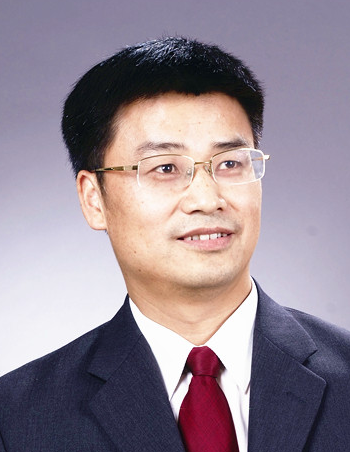 Dongmao Wen (文东茅)合作论文数Graduate School of Education, Peking University;Institute of Economics of Education, Peking University1




