BackgroundWith the increasing aging population in China, there is a significant shortage of labor force. Delaying retirement age has become a potential method to alleviate this labor shortage. ObjectiveTo estimate the healthy working life expectancy (HWLE) of individuals aged 50 years old in China. MethodsThis study was based on data from four waves (2011—2018) of the China Health and Retirement Longitudinal Study (CHARLS). HWLE was estimated for the overall sample of individuals aged 50 years old and above and stratified by sex, educational attainment, marital status, occupation, Hukou type, and region by using continuous-time multistate modelling. ResultsA total of 50991 person-times aged ≥ 50 years and older were included in the study. The average total life expectancy of the Chinese population aged 50 years old was 29.72 years (95%CI: 29.28, 30.12 years), with a HWLE of 14.05 years (95%CI: 13.76, 14.33 years). The remaining years lived in the states of healthy but not working, not healthy but working, and not healthy and not working were 8.82 years (95%CI: 8.53, 9.15 years), 2.54 years (95%CI: 2.41, 2.68 years),and 4.30 years (95%CI: 4.08, 4.54 years), respectively. The HWLE (95%CI) of individuals in the baseline states of healthy and working, healthy but not working, not healthy but working, and not healthy and not working were 14.97 (14.69, 15.23), 10.86 (10.52, 11.22), 11.73 (11.31, 12.09), and 9.51 (9.09, 9.97) years, respectively. Additionally, women had a higher total life expectancy (95%CI) than men [31.84 (31.10, 32.54) years vs 27.98 (27.35, 28.50) years], but a lower HWLE than men [12.47 (12.12, 12.82) years vs 15.62 (15.23, 15.98) years]. There was no difference in total life expectancy between rural residents and urban residents [29.43 (28.88, 29.97) years vs 30.31 (29.47, 31.02) years], but rural residents had a higher HWLE than urban residents [15.74 (15.39, 16.10) years vs 11.38 (10.97, 11.73) years]. Residents in East China [14.66 (14.22, 15.06) years] and Central China [14.15 (13.86, 14.43) years] had a higher HWLE than residents in West China [13.61 (13.27, 13.98) years] and Northeast China [13.06 (12.51, 13.63) years]. ConclusionThe HWLE of Chinese residents supports the policy of raising the retirement age. There are differences in HWLE levels between urban and rural areas, as well as across different regions. Providing more flexible employment opportunities for older adults can help mitigate the labor shortages caused by population aging.
In the context of facing the dual challenges of aging population and declining birth rates, the absolute number of working-age population in China is decreasing, while the proportion of middle-aged and elderly workers is significantly increasing. However, China possesses a vast labor force, and the advantages of talent dividend are gradually emerging, both of which can offset the negative impact of the shrinking demographic dividend on social productivity. Labor is the most active factor among various production factors and is an important component for developing new quality productive forces. With the development of new quality productive forces, occupational health and occupational medicine are presented with new development opportunities. In the process of aging of the labor force, occupational health and occupational medicine can investigate how to utilize next-generation information technology, artificial intelligence, biotechnology, and other growth engines to safeguard the occupational health of workers, extend their working lives, actively unleash their creativity and initiative, and compensate for the labor shortage caused by an aging population and the potential decrease in labor productivity. This transformation in occupational health and occupational medicine is not only crucial for the health and career development of workers in an aging society, but will also have a positive impact on the creation of an age-friendly society and the sustainable development of productivity.
in developed countries. In order to fill the gap, a multilevel study was conducted in shanghai, China. Methods A cross-sectional study was conducted among 2380 workers from 33 workplace in Shanghai from December 2016 to March 2017. Job performance was measured by The World Health Organisation Health and Work Performance Questionnaire. WSC was measured by Chinese version of Workplace Social Capital Scale. Data were analysed using STATA 13.0. Results Four-week relative absenteeism was 0.055 (95% CI: 0.045 to 0.065), and relative presenteeism was 1.037 (95% CI: 1.030 to 1.045). Multilevel generalised linear models indicated that individual-level WSC was negatively associated with relative absenteeism ( b = (cid:3) 0.065, 95% CI: (cid:3) 0.100 to (cid:3) 0.029), both individual-level and aggregated-level WSC were positively associated with relative presenteeism ( b =0.038, 95% CI: 0.015 to 0.061; b =0.042, 95% CI: 0.019 to 0.065) after controlling for demographic characteristic and self-rated health. Conclusion Consistent with previous findings, the current study found that workplace social capital is also associated with job performance in China context. So building workplace social capital may improve job performance.
Background Frailty is often described as a condition of the elderly and alcohol use is associated with frailty. The aim of this study is to examine the associations between alcohol use and frailty in three cities in elder adults.Methods A cross-sectional study was conducted in three cities in China from June 2017 to October 2018. In total, 2888 residents aged >= 65 years old were selected by using a multi-level stage sampling procedure. Alcohol use was assessed by Focusing on Cutting down, Annoyance by criticism, Guilty feeling, and Eye-openers (CAGE) four-item questionnaire. Frailty was measured by a validated Chinese version of the Fatigue, Resistance, Ambulation, Illness, and Loss of weight (FRAIL) scale. Multinomial logistic regressions were used to examine the association of alcohol use with pre-frailty and frailty after controlling for varied covariates.Results In general, the prevalence of pre-frailty and frailty was 38.64 and 20.26%, respectively. After controlling for covariates and interaction of age and problematic drinking, non-problematic drinkers neither had association with pre-frailty (OR: 1.15, 95%CI:0.86-1.52) nor with frailty (OR:0.90, 95%CI:0.60-1.36), and problematic drinkers neither had association with frailty (OR: 1.21, 95%CI:0.83-1.76), while problematic drinkers had high odd ratios of frailty (OR:3.28, 95%CI:2.02-5.33) compared with zero-drinker.Conclusions Our study found a positive association between problematic drinking and frailty, no relationship between non-problematic drinking and (pre-)frailty compared with zero-drinking among Chinese elder adults. Based on previous findings and ours, we conclude it is important for the prevention of frailty to advocate no problematic drinking among elder adults.
It is important to encourage parental acceptance of children's vaccination against COVID-19 to ensure population immunity and mitigate morbidity and mortality. This study drew upon protection motivation theory (PMT) to explore the factors of parental hesitancy about vaccinating their children. A national online survey was performed in China. A total of 2054 Chinese parents of children aged 6-12 years were included in this study. They reported on measures that assessed hesitancy about children's vaccination against COVID-19, PMT constructs (susceptibility, severity, response efficacy, self-efficacy, and response costs) and sociodemographic characteristics. Chinese parents reported a hesitancy rate of 29.4% for chil-dren's vaccination. Parents with higher level education were more likely to hesitate to vaccinate their children against COVID-19. After controlling for parents' and children's demographic variables, logistic regression showed that parents' hesitancy about their children's vaccination increased if parents had lower levels of susceptibility, response efficacy or self-efficacy, as well as higher levels of response costs. In addition, a high educational level can significantly increase the promotive effect of response cost and the protective effect of response efficacy on vaccine hesitancy. In conclusion, our findings suggested that PMT can explain parents' vaccine hesitancy and that education level can modify the effect of copying appraisal, but not threat appraisal, on parental hesitancy. This study will help public health officials send targeted messages to parents to improve the rate of COVID-19 vaccination in children aged 6-12 years and thus reach a higher level of immunity in the population.(c) 2022 Elsevier Ltd. All rights reserved.
Background: Depressive symptoms erode both physical and mental aspects of health-related quality of life (HRQoL). Social support (SS) may improve HRQoL through its direct effects or buffering effects. The association among depressive symptoms, SS, and HRQoL has been studied in specific groups, but research in the general adult population remains limited. This study examined the association among depressive symptoms, SS, and HRQoL, including exploring whether SS (including its three dimensions: subjective SS, objective SS and support utilization) mediated or moderated the relationship between depressive symptoms and HRQoL among community-based adults. Methods: We conducted a cross-sectional survey in six communities in Shanghai, China, and 1642 adult participants with complete information on depressive symptoms and/or SS, and HRQoL were included. Linear regression analysis was used to investigate the association among depressive symptoms, SS, and HRQoL. In addition, we explored the mediating and moderating role of SS in the relationship between depressive symptoms and HRQoL. Results: More depressive symptoms were associated with lower physical HRQoL (B = -0.64, p < .001) and lower mental HRQoL (B = -0.83, p < .001). SS (B = 0.07, p = .02), specifically subjective SS (B = 0.09, p = .03), was positively related to mental HRQoL. After adjusting for covariates, we found no evidence for a mediating role of SS in the relationship between depressive symptoms and HRQoL, while SS (subjective SS and objective SS) moderated the association between depressive symptoms and mental HRQoL. Limitations: Due to the low voluntary participation rate of employees, participants represented approximately 50% of the individuals approached, thus limiting the generalizability of our findings. Data collected through selfreport scales could lead to information bias. Conclusions: SS does not appear to underlie the relationship between depressive symptoms and HRQoL. However, interventions to increase SS (in particular, subjective SS and objective SS) should be studied to determine whether they may be beneficial in alleviating the adverse impact of depressive symptoms on mental HRQoL.
PurposeFrailty is an emerging global public health burden. Most existing studies have focused on risk factors for frailty, focusing less on protective factors against frailty. This study aims to examine the association between the sense of coherence (SOC), the most common construct of salutogenesis and frailty status among community-dwelling old adults.MethodA cross-sectional study was conducted among 7,970 old adults aged ≥65 years in three cities in China from June 2019 to October 2020. Frailty was operationalised as the sum of self-reported fatigue, resistance, ambulation, illness, and loss of weight (FRAIL scale). The χ2 test was used to analyse the distribution difference of frailty in demographic, behavioural, and SOC levels. Confounder-adjusted multinomial logistic regression was used to examine the association between SOC and frailty.ResultsThe prevalence of pre-frailty and frailty was 43.1 and 8.0%, respectively. The results of the confounder-adjusted regression showed that older adults with moderate-level SOC (odds ratio, OR: 0.61, 95% CI: 0.54–0.69) and strong-level SOC (OR: 0.55, 0.48–0.64) had lower odds of being pre-frail compared to those with weak SOC. It also showed that older adults with moderate-level SOC (OR: 0.32, 95% CI: 0.27–0.40) and strong-level SOC (OR: 0.22, 95% CI: 0.16–0.29) had lower odds of being frail compared to those with weak SOC.ConclusionSOC may be a protective factor against frailty. Improving SOC may be a strategy to prevent frailty among Chinese community-dwelling older adults.
BackgroundThe World Health Organization proposed a multidimensional concept of healthy aging in 2015; there was limited evidence about how the concept was constructed and measured. The current study aims to develop a health aging scale (HAS) following the WHO framework and validate it using data from the China Health and Retirement Longitudinal Study (CHARLS).MethodsA total of 13,233 adults aged ≥ 45 years old from the CHARLS included in current study. Based on the WHO framework, 37 self-reported indicators were used to determine healthy aging. Exploratory factor analysis and second-order and bi-factor modeling, as well as psychometric coefficients, were used to examine the structure of healthy aging. To assess concurrent validity of the HAS, regression analyses were used to examine the associations of HAS and its subscales with sociodemographic characteristics, health conditions, healthcare utilization and life satisfaction in Wave 1. The predictive validity of HAS and subscales was assessed by their associations with mortality in Wave 2 follow-up using Cox regressions.ResultsThe general HAS and its five subscales were generated according to bi-factor modeling [CFI = 0.949; TLI = 0.942; SRMSR = 0.030; and RMSEA = 0.033 (95% CI, 0.032–0.034)] and psychometric coefficients (ω = 0.903; ωH = 0.692; ECV = 0.459). The general HAS presented solid evidence of concurrent validity with various sociodemographic characteristics, health conditions, healthcare utilization and life satisfaction; and predictive validity with mortality.ConclusionsThe population-based multidimensional healthy aging scale and its subscales can be used to monitor the trajectories of general healthy aging and its subdomains to support the development of healthy aging policies and interventions.
BackgroundLong working hours (LWH) and shift work are harmful to the physical and mental health of occupational groups.ObjectiveTo understand the status quo of LWH and shift work of migrant workers in Shanghai, and to analyze the influence of the above two factors on sleep of the population.MethodsFrom July to September 2018, a cross-sectional survey using questionnaires was conducted among 3215 in-service employees at seven workplaces with more than 300 employees in six selected districts of Shanghai using multi-stage random sampling method. A total of 2976 valid questionnaires were collected, with a valid response rate of 92.6%. The questionnaires included general demographic characteristics, personal health behavior, work-related factors, weekly working hours, shift work, and sleep. Univariate analysis and logistic regression analysis were used to investigate the relationships of LWH and shift work with sleep, and an interaction item was included to evaluate potential interaction between LWH and shift work.ResultThe average age of the subjects was (30.98±9.49) years old, the male to female ratio was 1∶1.20, and 2382 workers were reported without local residency (80.0%). Among the migrant workers, the average weekly working hours was (57.23±13.14) h, the proportions of LWH (weekly working hours>40 h), extra LWH (weekly working hours>55 h), and shift work were 80.6% (1919/2382), 60.3% (1436/2382), and 25.4% (600/2366), respectively, all above were significantly higher than those of local workers. The prevalence rates of insomnia and lack of sleep among the migrant workers were 46.3% (1091/2356) and 25.4% (597/2354), respectively. The results of logistic regression model showed that after adjusting demographic characteristics such as gender, age, education level, and monthly income, as well as occupation and personal health behavior, compared with working hours ≤40 h per week, working 55-60 h per week was a risk factor for insomnia of migrant workers (OR=1.33, 95%CI: 1.02-1.72), while working >60 h per week was a risk factor for both insomnia (OR=1.37, 95%CI: 1.05-1.78) and insufficient sleep (OR=1.73, 95%CI: 1.28-2.35) of migrant workers. Shift work was only associated with insomnia (OR=1.37, 95%CI: 1.11-1.69). Meanwhile, working hours>60 h per week and shift work had an interaction effect on insomnia of migrant workers (OR=2.35, 95%CI: 1.20-4.60).ConclusionLWH and shift work are prominent among migrant workers, and there is an interaction between LWH and shift work with insomnia.
BackgroundThe community is the main place for people's daily activities. A livable environment will improve the subjective well-being of residents. ObjectiveTo understand the current status of subjective well-being of residents in Pudong, Shanghai, and explore the impact of community environmental factors on residents' subjective well-being. MethodsUsing quota sampling, 6000 permanent residents from 12 sub-districts or towns in Pudong, Shanghai were selected to participate in an questionnaire survey. The questionnaire included three parts: participants' basic information, community environmental factors (neighborhood aesthetics, fitness environment, public service and security, natural environment), and subjective well-being. Using a multiple regression model, the influence of community environmental factors on the subjective well-being of residents was analyzed. ResultsA total of 5887 questionnaires were recovered, and the valid recovery rate was 98.1%. The subjective well-being score of the survey respondents was (7.03±1.61) points. There was no statistical difference in the subjective well-being score of study subjects of different gender and marital status groups; while those with different ages, education levels, occupations, and self-evaluated economic status showed statistical differences in their subjective well-being score (P<0.05). The multiple logistic regression analysis results showed that after controlling general demographic characteristics, with the low level as the control group (according predetermined cut-off values of 33.3% and 66.7%, the community environmental factors were divided into high-, medium-, and low-level groups), the OR values of subjective well-being of the high- and medium-level neighborhood aesthetics groups were 1.393 (95%CI: 1.173-1.654) and 1.235 (95%CI: 1.080-1.412); the OR values of the high- and medium-level fitness environment groups were 2.297 (95%CI: 1.929-2.734) and 1.349 (95%CI: 1.166-1.560); the OR values of the high- and medium-level public service and security groups were 1.101 (95%CI: 0.943-1.285) and 1.039 (95%CI: 0.905-1.193); the OR values of the high- and medium-level natural environment groups were 4.248 (95%CI: 3.321-5.434) and 1.652 (95%CI: 1.374-1.986), respectively. ConclusionCommunity environment factors could affect residents' subjective well-being, and good neighborhood aesthetics, fitness environment, natural environment have positive effects.
Background: Genome-wide association studies have identified many Alzheimer’s disease (AD) genetic-risk single nucleotide polymorphisms (SNPs) and indicated the important role of the cholesterol/lipid metabolism pathway in AD pathogenesis. This study aims to investigate the effects of cholesterol and genetic risk factors on progression of mild cognitive impairment (MCI) to AD. Methods: We prospectively followed 316 MCI participants aged ≥50 years with a baseline cholesterol profile and SNP genotyping data for 4.5 years on average in a sub-cohort of the Shanghai Aging Study. Total cholesterol, low-density lipoprotein cholesterol (LDL-C), and high-density lipoprotein cholesterol in serum were measured at baseline. SNP genotyping was performed using a MassARRAY system. At follow-up, consensus diagnosis of incident dementia and AD were established based on medical, neurological, and neuropsychological examinations. Cox regression models were used to assess the association of cholesterol and SNP with incident AD. Results: The AG/AA genotypes of PVRL2 rs6859 were significantly associated with increased incident AD in MCI participants, compared with GG genotype (adjusted hazard ratio [HR] 2.75, 95% confidence interval [CI] 1.32–5.76, p = .007, false discovery rate–adjusted p = .030). In PVRL2 rs6859 AG/AA carriers, each-1 mmol/L higher level of LDL-C was significantly associated with a 48% decreased risk of AD (adjusted HR 0.52, 95%CI 0.33–0.84, p = .007). Consistent results were obtained when using LDL-C as the categorical variable (P for trend = 0.016). Conclusion: The relationship between LDL-C and progression of MCI may be influenced by genetic variants.
目的 探讨社区医务人员长期家庭氧疗(LTDOT)的业务能力及影响因素,为慢性阻塞性肺疾病(COPD)家庭氧疗的社区管理和应用提供理论依据.方法 于2020年5-11月,对上海某社区卫生服务中心医务人员开展调查.采用X2检验、logistic回归分析社区医务人员COPD家庭氧疗业务能力现况及影响因素.结果 社区医务人员家庭氧疗专业知识及格率为73.60%.对不同岗位在各题项的合格率差异分析显示,社区不同岗位医务人员在COPD患者家庭氧疗作用、原则、氧流量浓度及控制范围、高浓度氧气吸入对COPD患者的影响、COPD患者每日吸氧时间和判断氧疗效果指标6个题项上差异有统计学意义(均P<0.05).Logistic回归分析显示女性家庭氧疗专业能力明显高于男性(OR=3.300,P = 0.003),公共卫生(OR= 0.250,P= 0.009)、医技人员(OR= 0.103,P<0.001)的专业知识普遍弱于临床医生,50~59岁组(OR = 0.179,P = 0.005)家庭氧疗专业能力明显低于年轻组.结论 社区医务人员COPD长期家庭氧疗专业能力存在一定短板,特别是对部分特征医务人员,应通过多渠道和多方式提升社区医务人员COPD长期家庭氧疗的应用和管理能力.
目的:描述和分析上海市大场社区老年高尿酸血症患病现状和影响因素.方法:对1280名≥65岁社区老年人进行一般情况及生活方式行为调查、体格检查和实验室检查.结果:该人群高尿酸血症检出率为15.08%;有高血压、高血脂、冠心病、肾脏疾病、脑卒中和肥胖的患者,高尿酸血症患病率显著高于无上述合并症的患者;低脂或脱脂奶约200~400 mL/d、饮水≥2000 mL/d、中等强度有氧锻炼(每周≥1d)是高尿酸血症的保护因素;高血压、肾脏疾病、高尿酸血症家族史、甘油三酯> 1.81 mmol/L、胱抑素C>1.09 mg/L、尿pH<6.0,食动物内脏、红肉≥100 g/d、黄酒≥150 mL/d和静态行为总时间≥4 h/d(每周≥1d)是高尿酸血症的危险因素.结论:大场社区老年高尿酸血症患病现状严峻,社区医护人员应积极做好防控和管理工作.
Background: Based on intrinsic capacity (IC) as defined by the World Health Organization, an accelerated decline may be an important precursor of frailty among older adults; however, there is a lack of validated instruments that both screen for frailty and monitor IC. This study aims to develop a comprehensive and acculturative frailty screening scale to determine healthy aging among older Chinese adults. Setting and participants: A cross-sectional and a cohort study both based on community-dwelling older adults aged 65 and older. Methods: This study mainly consisted of two parts. First, the selection and revision of 20 items related to frailty based on a literature review, expert consultation, and stakeholder analysis; second, a cross-sectional study was conducted to simplify the scale and test the reliability and validity of the new frailty screening tool. The fatigue, resistance, ambulation, illness, and loss of weight (FRAIL) scale, the Tilburg frailty indictor (TFI), and a 49-item Frailty Index (FI) were investigated as criteria. Additionally, a cohort study in Shanghai was conducted to verify the predictive validity of the new screening scale. The disability measured by the activity of daily living (ADL), instrumental activity of daily living (IADL) and all-cause mortality were documented as outcomes. Results: A 10-item Chinese frailty screening scale (CFSS-10) was successfully developed and validated. It presented a Cronbach’s α of 0.63 and an intraclass correlation coefficient of 0.73, which indicated good reliability. Taking the other frailty tools as criteria, Kappa values of 0.54–0.58 and an area under the curve of 0.87–0.91 showed good validity. The results of the log-binomial and Poisson models showed a high score, which predicted a higher risk of disability and all-cause mortality. An optimal cut-off point of 5 gave an excellent prediction of one-year disability. Conclusions: The CFSS-10 has good validity and reliability as a quick and acculturative frailty screening scale for community-dwelling older adults in Shanghai. It may also supplement existing frailty screening tools.
Background The control of vaccine hesitancy and the promotion of vaccination are key protective measures against COVID-19. Objective This study assesses the prevalence of vaccine hesitancy and the vaccination rate and examines the association between factors of the health belief model (HBM) and vaccination. Methods A convenience sample of 2531 valid participants from 31 provinces and autonomous regions of mainland China were enrolled in this online survey study from January 1 to 24, 2021. Multivariable logistic regression was used to identify the associations of the vaccination rate and HBM factors with the prevalence of vaccine hesitancy after other covariates were controlled. Results The prevalence of vaccine hesitancy was 44.3% (95% CI 42.3%-46.2%), and the vaccination rate was 10.4% (9.2%-11.6%). The factors that directly promoted vaccination behavior were a lack of vaccine hesitancy (odds ratio [OR] 7.75, 95% CI 5.03-11.93), agreement with recommendations from friends or family for vaccination (OR 3.11, 95% CI 1.75-5.52), and absence of perceived barriers to COVID-19 vaccination (OR 0.51, 95% CI 0.35-0.75). The factors that were directly associated with a higher vaccine hesitancy rate were a high level of perceived barriers (OR 1.63, 95% CI 1.36-1.95) and perceived benefits (OR 0.51, 95% CI 0.32-0.79). A mediating effect of self-efficacy, influenced by perceived barriers (standardized structure coefficient [SSC]=−0.71, P<.001), perceived benefits (SSC=0.58, P<.001), agreement with recommendations from authorities (SSC=0.27, P<.001), and agreement with recommendations from friends or family (SSC=0.31, P<.001), was negatively associated with vaccination (SSC=−0.45, P<.001) via vaccine hesitancy (SSC=−0.32, P<.001). Conclusions It may be possible to increase the vaccination rate by reducing vaccine hesitancy and perceived barriers to vaccination and by encouraging volunteers to advocate for vaccination to their friends and family members. It is also important to reduce vaccine hesitancy by enhancing self-efficacy for vaccination, due to its crucial mediating function.
目的 分析不同工作场所健康促进状态下员工的职业紧张状况,为后续开展工作场所健康促进提供参考.方法 以上海市闵行区企事业单位职工为研究对象.采用分阶段整群随机抽样的方法,在闵行区抽取25家单位,根据用人单位总人数确定所需调查的最小样本量,按照员工工号排序后随机抽取被调查人员名单.在知情同意和自愿参与的基础上,对单位员工实施横断面调查,收集研究对象的一般人口学特征和工作场所环境,采用《简明职业紧张问卷》调查其职业紧张情况.比较不同工作场所健康促进状态下受访者职业紧张状况.结果 纳入1356人,高职业紧张检出率为43.44%,工作要求、自主程度、社会支持、工作满意度各维度均分分别为(6.32±1.42)分、(6.28±1.18)分、(7.53±1.36)分、(6.22±1.49)分.与未开展健康创建的单位员工相比,已开展健康创建的单位员工的工作要求、自主程度、社会支持和工作满意度得分均较高(P<0.001),两类受访者的工作要求与自主程度(demand/control,D/C)比值无差异,高职业紧张检出率相当(P>0.05).单位若设有职业健康安全管理部门或部门内设有专人负责该工作,员工的自主程度、社会支持和工作满意度得分均较高(P<0.001),D/C比值相对较低,高职业紧张检出率较低(P<0.05).关注单位健康促进活动/培训或参加过单位组织的职业健康安全培训的受访者对工作要求的耐受度较强,感知相对较弱,工作要求得分较低(P<0.001);而对自主程度、社会支持的感知度较强(P<0.001);工作满意度也较高(P<0.001);D/C比值相对较低,高职业紧张检出率较低(P<0.05).结论 不同工作场所健康促进状态下员工的职业紧张存在差异.用人单位可以健康单位建设为抓手,提高劳动者对工作要求的适应和控制能力,降低员工职业紧张水平.
Objective: To understand the current situation of the hesitation of COVID-19 vaccines among Chinese residents, analyze the factors of vaccine hesitancy based on the 3Cs model, and to provide reference for population intervention. Methods: From Dec 31, 2020 to Jan 11, 2021, a convenience sampling method was adopted to conduct an online survey of residents in 34 provinces, cities and autonomous regions across the country.The survey content included demographic characteristics, vaccine hesitancy, and the dimensions of the 3Cs (confidence, complacency, and convenience) model.We analyzed the influence of demographic characteristics on vaccine hesitancy by χ2 test.Logistic regression was used to evaluate the effects of 3Cs variables on vaccine hesitancy. Results: A total of 2 531 respondents were surveyed.Their average age was (33.9±8.9) years old, male to female ratio was 1:1.42, and vaccine hesitating respondents accounted for 44.3%.Logistic regression analysis found that gender (ORfemale=1.33, 95%CI: 1.12-1.58), monthly income (compared with 10 000=1.57, 95%CI: 1.25-1.97), healthcare workers(ORno=1.39, 95%CI: 1.12-1.73), and confidence (OR=0.47, 95%CI: 0.40-0.56) and complacency (OR=2.49, 95%CI: 2.10-2.96) in the 3Cs model showed statistically significant impacts on the hesitation of COVID-19 vaccines. Conclusion: The confidence and complacency dimensions in the 3Cs model have an impact on the hesitation of COVID-19 vaccines.Future interventions can focus on improving the public's confidence and reducing complacency associated with COVID-19 vaccines to increase the vaccination rate. © 2021, Editorial Department of Fudan University Journal of Medical Sciences. All right reserved.
Background Generalized Anxiety Disorder (GAD) is a common but urgent mental health problem during disease outbreaks. Resilience buffers against the negative impacts of life stressors on common internalizing psychopathology such as GAD. This study assesses the prevalence of GAD and examines the protective or compensatory effect of resilience against worry factors during the COVID-19 outbreak. Methods A cross-sectional online survey was conducted among Chinese citizens aged ≥18 years from January 31 to February 2, 2020. A total of 4827 participants across 31 provinces and autonomous regions of the mainland of China participated in this study. The Generalized Anxiety Disorder scale (GAD-7), the Connor-Davidson Resilience Scale (CD-RISC), and a self-designed worry questionnaire were used to asses anxiety disorder prevalence, resilience level, and anxiety risk factors. Multivariable logistic regression was used to identify the associations of resilience and worry factors with GAD prevalence after controlling for other covariates. Results The prevalence of anxiety disorder was 22.6% across the 31 areas, and the highest prevalence was 35.4% in Hubei province. After controlling for covariates, the results suggested a higher GAD prevalence among participants who were worried about themselves or family members being infected with COVID-19 (adjusted odds ratio, AOR 3.40, 95%CI 2.43–4.75), worried about difficulty obtaining masks (AOR 1.92, 95%CI 1.47–2.50), worried about difficulty of distinguishing true information (AOR 1.65, 95%CI 1.36–2.02), worried about the prognosis of COVID-19 (AOR 2.41, 95%CI 1.75–3.33), worried about delays in working (AOR 1.71, 95%CI 1.27–.31), or worried about decreased income (AOR 1.45, 95%CI 1.14–1.85) compared with those without such worries. Additionally, those with a higher resilience level had a lower prevalence of GAD (AOR 0.59, 95%CI 0.51–0.70). Resilience also showed a mediating effect, with a negative influence on worry factors and thereby a negative association with GAD prevalence. Conclusion It may be beneficial to promote public mental health during the COVID-19 outbreak through enhancing resilience, which may buffer against adverse psychological effects from worry factors.
目的 了解上海市城乡结合地区中小学生视力和屈光的现况及流行病学特征,为该地区中小学生近视防治提供参考依据.方法 采用整群抽样法抽取2019年9-11月上海市城乡结合地区某社区9所学校1~8年级在校生4508人作为研究对象.入校视力检查收集学生视力信息,视力检查包括裸眼视力、戴镜视力以及免散瞳验光.使用SPSS 21.0统计学软件进行数据分析,P<0.05为差异有统计学意义.结果 该社区学生总体视力不良率为60.3%(2718/4508),其中近视患病率为43.5%(1962/4508),散光患病率为34.6%(1562/4508),屈光参差患病率为16.1%(724/4508),远视患病率为1.6% (73/4508).小学生近视患病率为34.1%(1077/3162),初中生近视患病率为65.8%(885/1346),近视患病率随年级上升而增高(P<0.01).男生近视患病率低于女生(P<0.05),而散光患病率高于女生(P<0.05),初中组近视程度高于小学组(P<0.05).结论 该地区中小学生视力不良率高,主要眼患为近视,需结合中小学生近视流行病学特征,相关部门采取针对措施,预防近视的发生发展.
目的 通过德尔菲法筛选、优化老年衰弱筛查评估量表的维度与条目,为制定老年衰弱筛查量表提供依据.方法 在前期文献复习并形成条目池的基础上,编制老年衰弱专家咨询表,对27名老年相关研究领域的专家进行德尔菲专家咨询.结果 两轮专家咨询问卷的回收率均为92.6%,权威系数均数分别为0.85和0.87.两轮条目的内容重要性协调系数分别为0.104、0.107,评价可行性协调系数分别为0.153、0.154.初步纳入条目池3个一级指标、10个二级指标、共37条目,经过专家咨询,删除11条目并修改11条目.经筛选修改后的量表含有2个一级指标、8个二级指标共22条目.结论 通过对有代表性的专家进行德尔菲咨询,本研究形成了符合WHO内在能力理论的衰弱筛查量表,为后续量表修订和信效度奠定了基础.
 Junling Gao (高俊岭)合作论文数School of Public Health, Fudan University98
 Junming Dai (戴俊明)合作论文数Health Communication Institute, Fudan University97
 Pinpin Zheng (郑频频)合作论文数School of Public Health, Fudan University86
 DongBo Fu (傅东波)合作论文数47Xibiao Ye (叶细标)合作论文数37
 Yingnan Jia (贾英男)合作论文数School of Public Health, Fudan University33
 Mo Hao (郝模)合作论文数School of Public Health, Fudan University29Yang Li (李洋)合作论文数28
 Yongming Ding (丁永明)合作论文数School of Public Health, Fudan University28TingTing Ye (叶葶葶)合作论文数26SHEN Yi-e (沈贻谔)合作论文数24
 Ying Wang (王颖)合作论文数School of Public Health, Fudan University23
 Mei Sun (孙梅)合作论文数School of Public Health, Fudan University23
 Zhijun Zhou (周志俊)合作论文数School of Public Health, Fudan University22
 Li Luo (罗力)合作论文数School of Public Health, Fudan University;Hospital Management Institute, Fudan University21JingLi Wang (王敬丽)合作论文数20
 Jun Lv (吕军)合作论文数Department of Health Policy and Management, School of Public Health, Fudan University20
 Yingyao Chen (陈英耀)合作论文数School of Public Health, Fudan University19
 Fengshui Chang (苌凤水)合作论文数School of Public Health, Fudan University18
 Fan Wang (王帆)合作论文数School of Politics and International Relations, East China Normal University17
 Weidong Qu (屈卫东)合作论文数School of Public Health, Fudan University;Taizhou Institute of Health Sciences, Fudan University17HaiJun Su (苏海军)合作论文数16MingZhu Yu (于明珠)合作论文数16JingJin Yu (于竞进)合作论文数16PeiWu Shi (施培武)合作论文数16Hua Wang (汪华)合作论文数16YouXin Liang (梁友信)合作论文数16
 Jiang Li (李江)合作论文数School of Public Health, Fudan University16
 Jie Lei (雷杰)合作论文数Modern Chromatography Separation and Analysis, Department of Chemistry, Fudan University16
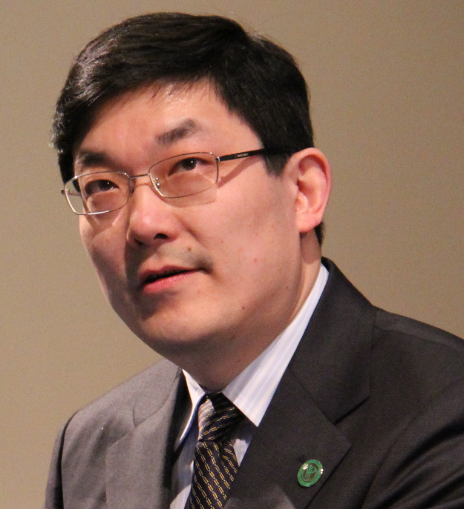 Wen Chen (陈文)合作论文数School of Public Health, Fudan University16Bo Ye合作论文数15Cui-e WU (吴翠娥)合作论文数15YuQing Chai (柴煜卿)合作论文数15LiGuo Zhu (朱立国)合作论文数15
 Hong Liang (梁鸿)合作论文数School of Social Development and Public Policy, Fudan University15Ling Liu (刘岭)合作论文数15Zheng Chen (陈政)合作论文数15Yu Zhang (张瑜)合作论文数15
 Zhaolin Xia (夏昭林)合作论文数School of Public Health, Fudan University15ShunYing Yang (杨顺英)合作论文数14XiaoJun He (何晓军)合作论文数14MeiYing Zhu (朱美英)合作论文数14
 Weimin Ni (倪为民)合作论文数Shanghai Yangpu District Central Hospital13YuHuan Zheng (郑余焕)合作论文数13ZeLiang Xuan (玄泽亮)合作论文数12ZhiHua Wei (卫志华)合作论文数12Qianyi Xiao (肖千一)合作论文数School of Public Health, Fudan University12LiZhuang Miao (苗丽壮)合作论文数11WenQiang Yin (尹文强)合作论文数Weifang Medical University School of Public Health11




