目的 讨论糖尿病在共同照护门诊模式下中西医结合管理的疗效评价以及用药情况分析.方法 选取在2018年5月—2021年1月21日期间就诊于北京中医药大学东方医院共同照护门诊的患者为研究对象,评估代谢指标改善情况、达标率及用药变化情况等.结果 共同照护门诊管理的患者总数为354例,初诊患者总数为290例,至少有一次复诊的患者数为234例(66.1%);初诊与最近一次复诊的数据相比,患者的代谢指标改善,其中糖化血红蛋白由(7.6±1.38)%降到(7.1±1.14)%,低密度脂蛋白由(2.8±0.74)mmol/L降到(2.7±0.82)mmol/L,糖化血红蛋白达标率由34.2%提升到54.3%,3B(血糖、血压、血脂)综合达标率由2.6%提升至9.4%,差异具有统计学意义(P<0.05);用药情况方面,初诊时未使用及仅使用一种降糖西物治疗的患者比例下降,使用两种降糖西药、三种及以上降糖西药、胰岛素以及使用中成药、中草药的患者比例提高,尤其是使用中成药来延缓慢性并发症的比例大幅度提高.结论 共同照护模式下的糖尿病中西医结合管理显著改善糖尿病患者代谢指标以及远期预后.
目的 分析2型糖尿病(T2DM)患者中医证型的分布特点,探讨其主要证型中患者体重指数与兼证的相关性.方法 回顾性收集1400例T2DM患者相关资料,符合研究标准者共470例.将470例T2DM患者的临床资料依据临床症状及四诊信息进行辨证分型,主要证型包括热盛伤津证、阴虚燥热证、气阴两虚证和阴阳两虚证;兼证包括气滞证、痰湿证、湿热证、血瘀证.将其中主要证型患者按照肥胖诊断标准分为体重正常组、超重组和肥胖组,分析3组患者一般资料、实验室指标[包括年龄、性别、病史、体重指数(BMI)、收缩压(SBP)、舒张压(DBP)、空腹血糖(FPG)、空腹C肽(C-Peptide)、糖化血红蛋白(HbA1c)、高密度脂蛋白(HDL)、低密度脂蛋白(LDL)]及兼证分布情况,并采用Logistic回归方法对T2DM主要证型患者超重和肥胖的影响因素进行分析.结果 470例T2DM患者中热盛伤津证32例(6.81%)、阴虚燥热证56例(11.92%)、气阴两虚证359例(76.38%)、阴阳两虚证23例(4.89%),提示气阴两虚证为主要证型.359例气阴两虚型T2DM患者中体重正常组116例,超重组122例,肥胖组121例.肥胖组患者的C-Peptide明显低于体重正常组,差异具有统计学意义(P<0.05);各组患者年龄、性别、病程、SBP、DBP、FPG、HbA1c、HDL、LDL组间差异均无统计学意义(P>0.05).体重正常组的兼证以血瘀为主,超重组和肥胖组以痰湿、湿热为主;对气阴两虚型T2DM超重和肥胖患者而言,C-Peptide(P<0.05,β=-0.26<0,OR = 0.77<1)是保护因素,痰湿是危险因素(P<0.05,3 =1.39>0,OR =4.01>1),血瘀(P<0.05,β=-3.06<0,OR=0.047<1)较少见.结论 在T2DM进展过程中,气阴两虚证为主要证型;体重正常的患者兼证以血瘀为主,超重和肥胖的患者兼证以痰湿、湿热为主.在T2DM治疗过程中,对超重或者肥胖的T2DM患者,在益气养阴的同时应重视健脾祛湿化痰;对体重正常的T2DM患者,在益气养阴的同时应注重活血化瘀.
[目的]探讨虎杖有效成分对糖尿病肾病小鼠肾组织病理改变的影响.[方法]采用自发性2型糖尿病模型KK-Ay小鼠予高脂饲料诱导3周制备DN模型,造模成功后随机分为模型组,阳性药组,大黄素、虎杖苷高、中、低剂量组,每组各6只.另设6只C57BL/6J小鼠为正常组.每天灌胃给药1次,连续干预12周后处死小鼠,取肾脏行HE,PAS染色.光镜下观察肾组织病变并进行评分,PAS染色下测定肾小球基质相对面积.电镜下观察肾组织超微结构形态学改变.[结果]与模型组比较,虎杖苷高剂量组小鼠肾小管病变显著减轻(P<0.05);大黄素高剂量组,虎杖苷各剂量组小鼠肾小球基质相对面积显著降低(P<0.01,P<0.05);大黄素各剂量可改善DN模型小鼠肾小球病变,虎杖苷中剂量可明显改善DN模型小鼠肾组织超微结构病变,足细胞足突结构基本正常.[结论]大黄素、虎杖苷能不同程度的减轻DN模型小鼠肾组织病理损伤,对肾脏组织具有保护作用.
Posttraumatic stress disorder (PTSD) is a trouble that arises in the aftermath of a traumatic event. The overwhelming resulting stressful memory can be desensitized by a brief therapy, Eye Movement Desensitization and Reprocessing (EMDR). The aim of the present study is to explore the functional brain correlate of such an effective treatment (EMDR) in PTSD.Sixteen PTSD patients underwent fMRI during negative emotional face recognition task, before and after EMDR treatment. Brain activity changes at test and retest (P < 0.005) were compared to those of 16 healthy controls matched for age, gender, and education.In PTSD patients, EMDR therapy elicited significant functional decreases in deep gray matter (including the amygdala, thalamus, and caudate nucleus) and cortical activities (including notably the precuneus, and the ventromedial and dorsolateral prefrontal cortex), as compared to healthy controls (P < 0.005). The right thalamic activity decrease was positively correlated with PTSD symptom reduction as assessed by PCL-S (r = 0.62, n = 16, P < 0.01).The healing process of traumatic memory desensitization by EMDR would act through a functional decrease in brain regions shown to be disrupted in PTSD. Given the role of these structures in memory, self-perception, fear extinction, REM sleep, reward, and attention, we discuss possible explanations of EMDR mechanisms of action in PTSD that may help further improve this therapy.
Objective: To evaluate the clinical efficacy of the Baduanjin exercise prescription on type 2 diabetes with qi and yin deficiency syndrome, and to explore its mechanism. Methods: Randomized method is used in this clinical trial, patients who met the diagnostic criteria of type 2 diabetes mellitus, syndrome of deficiency of qi and yin syndrome were randomly divided into treatment group (the Baduanjin exercise prescription group) and control group (walking exercise group), each group was given corresponding treatment. The main observation index are HOMA-β and HOMA-IR index, fasting and postprandial blood glucose and glycated hemoglobin, TCM syndrome integral, blood lipid levels as a secondary index. The course of treatment was 12 weeks. Results: After treatment, in the treatment group, the HOMA-β increased, the HOMA-IR decreased, fasting blood glucose (FBG) and glycosylated hemoglobin (HbA1C) decreased, which was significantly better than that in the control group (P<0.01). The total effective rate of the treatment group was 92.31%, which was better than that of the control group (76.92%, P<0.05). The scores of TCM syndromes and triglycerides were significantly lower than that of the control group (P<0.01). Conclusion: The Baduanjin exercise prescription can reduce the levels of FBG, HbA1C and triglyceride in type 2 diabetes mellitus, thereby improving the function of islet beta cells in type 2 diabetes mellitus.
目的 观察大黄素(Emodin)对糖尿病肾病(DN)模型小鼠AMPKα1/TLR4/p65信号通路的影响.方法 采用SPF级雄性KK-Ay小鼠,经高脂饲料诱导3周建立DN模型,将30只模型成功KK-Ay小鼠随机分为模型组,阳性药组,大黄素高、中、低剂量组,每组6只,另将6只雄性C57BL/6J小鼠设为正常组,分组后大黄素低剂量组由于操作失误导致1只小鼠死亡.正常组及模型组予去离子水10 ml/(kg·d),阳性药组予缬沙坦13.33 mg/(kg·d),大黄素各组分别予大黄素13.33 mg/(kg·d)、6.67 mg/(kg·d)、3.33 mg/(kg·d)灌胃.各组小鼠每日灌胃1次,连续干预治疗12周,留取血清及肾组织标本.以RT-PCR技术检测肾组织AMPKα1、TLR4、p65、白介素-6(IL-6)、白介素-18(IL-18)mRNA转录水平;Western blot技术及免疫组化技术检测肾组织AMPKα1、p65蛋白表达水平;ELISA技术检测血清中IL-6、IL-18的表达情况.结果 与正常组比较,模型组小鼠AMPKα1 mRNA转录及蛋白表达水平明显下降(P<0.01);TLR4 mRNA表达水平明显上升(P<0.01);p65、IL-6、IL-18 mRNA转录及蛋白表达水平明显上调(P<0.01).与模型组比较,各用药组AMPKα1 mRNA转录及蛋白表达水平上调(P<0.01,P<0.05);各用药组TLR4、p65、IL-6、IL-18mRNA及蛋白转录水平显著下调(P<0.01,P<0.05).结论 大黄素降低IL-6、IL-18等促炎因子表达,减轻DN免疫炎性损伤作用可能与上调AMPKα1活性,抑制TLR4/p65信号通路,减少下游炎症因子释放有关.
目的 观察虎杖苷(PD)对糖尿病肾病(DN)模型小鼠腺苷酸活化蛋白激酶α1/Toll样受体4(AMPKα1/TLR4)信号通路的影响.方法 采用SPF级雄性KK-Ay小鼠,经高脂饲料诱导3周建立DN模型,将30只模型成功KK-Ay小鼠随机分为模型组,阳性药组,PD高、中、低剂量组,每组6只,将6只雄性C57BL/6J小鼠设为正常组.正常组及模型组予去离子水10 mL/(kg·d),阳性药组予缬沙坦13.33 mg/(kg·d),PD各组分别予PD 13.33、6.67、3.33 mg/(kg·d)剂量灌胃.各组小鼠每日灌胃1次,连续干预治疗12周后留取血清及肾组织标本.以RT-PCR技术检测肾组织AMPKα1、TLR4、单核细胞趋化蛋白-1 (MCP-1)、IL-18 mRNA转录水平;Western Blot技术、免疫组化技术检测肾组织AMPKα1蛋白表达水平;ELISA技术检测血清MCP-1、IL-18蛋白表达水平.结果 与正常组比较,模型组小鼠AMPKα1 mRNA转录及蛋白表达水平上调(P<0.01),TLR4 mRNA转录上调(P<0.01),IL-18、MCP-1mRNA转录及蛋白表达水平下调(P<0.01).与模型组比较,各治疗组AMPKα1 mRNA转录及蛋白表达水平上调(P <0.01,P<0.05),各治疗组TLR4、IL-18 mRNA转录下调(P<0.01),阳性药及PD高剂量组IL-18蛋白表达水平下调(P <0.01,P<0.05),各治疗组MCP-1 mRNA转录及蛋白表达水平均下调(P<0.01).与PD高剂量组比较,PD中剂量组IL-18 mRNA转录水平上调(P<0.01),PD低剂量组IL-18、MCP-1 mRNA转录表达水平上调(P<0.01),PD中剂量组AMPKα1蛋白表达下调(P<0.05),PD低剂量组AMPKα1、IL-18蛋白表达下调(P<0.01,P<0.05).与PD中剂量组比较,PD低剂量组IL-18、MCP-1 mRNA转录水平上调(P< 0.05,P<0.01),PD低剂量组AMPKα1蛋白表达下调(P<0.01).结论 PD下调IL-18、MCP-1等促炎因子过表达,减轻DN免疫炎性损伤,可能与调节AMPKα1/TLR4信号通路相关.
Objective:To investigate the clinical features and traditional Chinese medicine (TCM) syndromes of patients with type 2 diabetes mellitus (T2DM) complicated with hyperuricemia.Methods:A total of 142 patients with T2DM who were hospitalized in endocrinology department of Dongfang Hospital of Beijing University of Chinese Medicine from June 2013 to June 2015 were divided into high uric acid group (69 cases) and normal urinary acid group (73 cases) according to the level of uric acid.And then the clinical characteristics and TCM syndromes of the 2 groups were compared and analyzed.Results:The drinking proportion,body measure index (BMI),diastolic blood pressure,lipid metabolism,homeostasis model assessment of insulin resistance (HO-MA-IR),urinary albumin excretion rate (UAE),creatinine,combined with coronary heart disease,lower extremity vascular lesions,fatty liver,urinary stones and concurrent nephropathy,retinopathy etc.in high uric acid group were higher than uric acid normal group,and the difference was statistically significant (P < 0.05);The main symptoms of qi and yin deficiency,yin-deficiency and fire-hyperactivity syndrome,heat in liver and stomach syndrome,phlegm,blood stasis,turbidity and the proportion of the composition ratio increased,and the difference was statistically significant (P < 0.05).Conclusion:Complications of the patient with T2DM complicated with hyperuricemia are serious.The main features of TCM syndrome are qi and yin deficiency,yindeficiency and fire-hyperactivity syndrome,heat in liver and stomach syndrome,with phlegm,blood stasis and turbidity.
文章介绍伍锐敏教授治疗亚急性甲状腺炎的经验,伍教授认为本病由风邪-流感病毒引起,属中医“瘿肿”“热病”范畴,急性期外因风邪-流感病毒犯表,内有肝胃郁热,内外合因发病,缓解期脾阳不振,气不化水,恢复期气郁痰凝不化,或久则成瘀.分三期论治,初期散风透邪,疏肝清胃,中期温运脾阳,以利水湿,后期理气化痰散结,或兼活血化瘀.他认为本病最容易误诊,临证中应通过中医四诊合参,结合现代医学方法确诊,治疗上,以中医中药为首选,病证结合,分期论治,同病异治,疗效卓著.
Objective To observe the protective effect of Tangshenqing Formula II ( TSQF) on the renal function of mice with type 2 diabetes mellitus ( DM) . Methods KK-Ay mice, a spontaneous DM mod-el, were fed with fat-enriched diet for three weeks. Based on their serum glucose ( Glu) and body weight ( BW) , the mice were divided into model group, valsartan group, high, middle, and low dose of TSQF ( high-, mid-, low- dose ) group ( n =6 each ) and were treated for consecutive 12 weeks. And six C57BL/6J mice were included into control group. At the timepoint of Week 0, 4, 8, 12, Glu, urine al-bumin ( Alb) , urine creatine ( Cr) , Alb/Cr( ACR) and 24-h urine protein ( pr/24 h) were detected. At the end of Week 12, all the mice were sacrificed and their serum samples were collected. And the serum levels of TG, TC, Scr, BUN and β2-MG were measured. Results Compared with the control group, the levels of pr/24 h, ACR, Scr, TG and TC in the model group significantly increased ( P<0. 05 or P<0. 01), While BUN,β2-MG and ratio of kidney weight to body weight showed no statistcal differences (P>0. 05). Compared to the model group, the levels of Scr, TG and ACR in valsartan group and three TSQF groups significantly decreased (P<0. 05 or P<0. 01), and those of TC, Glu, and pr/24 h de-creased at different degree. Conclusion TSQF could reduce the serum levels of Glu, Scr and TG of kk-Ay mice, and alleviate the kidney injuries to reduce the progression of diabetic nephropathy.
OBJECTIVE:To investigate the effect of Compound Qingqin Liquid (CQL) on the expression level of angiotensin II (Ang II) and COX-2 mRNA transcription and protein expression in the renal tissue of rats with uric acid nephropathy.METHODS:SD rats were randomly divided into the blank control group, the model group, the positive drug group, the high, moderate, and low dose CQL group according to number randomization principle. The model was established by gastrogavage of adenine, accompanied with yeast feeding. Distilled water was given by gastrogavage to rats in the blank control group and the model group. Allopurinol at the daily dose of 9.33 mg/kg was given by gastrogavage to rats of the positive control group. CQL at the daily dose of 3.77 g/kg, 1.89 g/kg, and 0.09 g/kg was respectively given by gastrogavage to rats in the high, moderate, and low dose CQL groups. All treatment lasted for 6 weeks. Rats were randomly divided at week 4 (3 in the blank control group, and 6 in the rest groups), and the rest rats were killed at week 6. The renal tissue was extracted. The expression level of Ang II and COX-2 mRNA transcription were detected by RT-PCR. The expression level of Ang II was detected by ELISA. The expression level of COX-2 protein was detected by Western blot and immunohistochemical assay.RESULTS:Compared with the blank control group, except the mRNA expression of Ang II at week 4, the mRNA and protein expression of Ang II and COX-2 obviously increased at week 4 and 6 in the model group (P < 0.01, P < 0.05). The COX-2 protein expression at week 4 was obviously lower in the high and moderate dose CQL groups than in the model group and the low dose CQL group (P < 0.05); the average integral of optical density value was obviously lower in the positive control group than in the model group. Except the mRNA expression of Ang II in the high dose CQL group at week 6, the mRNA and protein expression of Ang II obviously decreased in the positive control group and each dose CQL group (P < 0.01, P < 0.05). Of them, the effects were better in the high and moderate dose CQL groups than in the positive control group and the low dose CQL group (P < 0.05, P < 0.01). Besides, the mRNA expression of COX-2, the average integral of optical density value were obviously lower in the positive control group and each dose CQL group than in the model group (P < 0.05). The protein expression of COX-2 was obviously lower in the high and moderate dose CQL groups than in the model group (P < 0.05). Of them, the mRNA expression of COX-2 was better in the moderate dose CQL group than in the positive control group (P < 0.05); the protein expression of COX-2 was better in the high dose CQL group than in the low dose CQL group (P < 0.05).CONCLUSION:CQL was capable of lowering the expression level of Ang II, COX-2 mRNA transcription and protein expression, thus suppressing the inflammatory pathological injury of the renal tissue.
Prior studies of osteoporosis has been focused on local regulation of bone mass. Recent studies have pointed out that the nervous system regulates the bone remodeling through the secretion of the neurotransmitter and extensive peripheral nerve synapses and together with endocrine hormone. They have showed that bone metabolism is an overall control of the body. Among them,the sympathetic nervous system plays a key role in regulating bone mass,which act on the β2-adrenergic receptor of the osteoblastic cells. Central nervous system,leptin and serotonin regulate the bone metabolism by inhibiting or exciting peripheral sympathetic nervous. Here we summarized the recent progress of the research.
Objective To observe the effect of Compoud Qingqin Liquids on renal function of rat model of uric acid nephropathy,and to discuss its protection of renal function.Methods The rat model was induced by gavaging adenine and feeding yeast.SD rats were randomly divided into control group,model group,positive group,and high-,medium-,low-dose groups of Chinese medicine.Blank control group and model group were daily gavaged with distilled water,positive control group was daily gavaged with allopurinol by 9.33 mg/kg,and high-,medium-,low-dose group of Chinese medicine was daily gavaged with Compound Qinggin Liguids by 3.77,1.89,0.09 g/(kg.d) respectively for 6 weeks.General condition of rats were observed,renal pathological changes were observed with light and electron microscope.Urine protein concentration,blood uric acid,blood urea nitrogen,creatinine and kidney weight index were respectively tested before and after treatment.Results There were no significant differences in eating,drinking and body weight between before and after modeling.Compoud Qingqin Liquids can obviously decrease the concentration of urine protein,blood uric acid,serum creatinine,blood urea nitrogen,and kidney weight index(P 0.05) of rats with uric acid nephropathy.Renal tubular epithelial cells atrophy and renal interstitial fibrosis of high-dose group of Chinese medicine were not evident.Conclusion Compoud Qingqin Liquids can protect the rats renal function against uric acid renal injury.
现代医学的研究表明,骨质疏松症是遗传因素和环境因素共同参与的多因素复杂疾病.环境因素中,营养、运动、饮酒等个人后天生活方式是决定疾病发生与发展的重要因素,因此在骨质疏松症的预防方面,尤宜重视营养与运动等生活方式.这些环境因素在中医看来,它们与中医"脾主运化"及"脾合肌肉主四肢"的生理机能密切相关,与中医对骨质疏松症是以脾虚为本的病机认识趋于一致.本文从现代医学认为的引起骨质疏松的环境因素方面,探讨了脾虚在骨质疏松发生和发展中的关键作用,目的 在于促进对骨质疏松症的中西医认识与沟通,深化中医对骨质疏松症是以脾虚为本的病机认识,为提高中医防治骨质疏松症的防治效果提供参考与帮助.
Objective:To investigated the pathology effect of compound Qingqin on kidneys of rats with gouty nephropathy.Method:Male SD rats were randomly divided into 2 groups:normal group and model group.The model rats were induced by adenine.After the model was determined successfully,all model rats were divided into model group,allopurinol group,compound Qingqin 377 mg·kg-1group,Qingqin 188.50 mg·kg-1 group and Qingqin 94.25 mg·kg-1group,each consisting of 5 animals.Each group was given the corresponding drugs for 6 weeks.All rats were killed at 16 h after last dosing,then kidneys were taken out and fixed immediately with 10% formalin,embedded with paraffin,serially sectioned and stained with hematoxylin eosin(H.E) and periodic acid-sliver(PAS).To be classified and scored the renal lesions under the light microscope and the relative area of mesangium matrix was measared by under the PAS dyeing.Result:The renal tubular cells degeneration necrosis and uric-acid salts crystals lesions in the compound Qingqin 377 mg·kg-1 group was significantly lightened than the model group(P0.05),while its mesangium matrix relative area was no obvious difference from the model group.Conclusion:The compound Qingqin can significantly lighten the renal lesions of rats with gouty nephropathy after it is taken for 6 weeks by 377 mg·kg-1 and it has a protective effect to kidney.
1病历摘要 南某,女,24岁.主因口干、乏力9年,伴间断性恶心、呕吐10月余,由急诊以"1型糖尿病"于2011年6月7日收入北京中医药大学东方医院内分泌科住院治疗.患者9年前因大汗后淋雨而感冒,感冒渐愈却出现口干、乏力症状,未予重视,1周后因突然晕厥,送外院急诊,查血糖升高(具体数值不详)、酮体阳性,诊断为1型糖尿病、糖尿病酮症酸中毒.出院后以精蛋白锌重组人胰岛素混合注射剂早28U、晚20 U皮下注射治疗,血糖控制尚可.3年前因工作压力大,劳累后疲乏无力而复诊,诊断为糖尿病酮症.2010年8月起出现痛经伴恶心、呕吐,至外院妇科就诊,服中药汤剂3月余后痛经治愈,但每至经期前后仍恶心呕吐.2011年6月4日因反复恶心、呕吐于我院急诊就诊,考虑为糖尿病酮症,经降糖及补液治疗3 d后症状缓解,患者欲求系统诊治,遂收入北京中医药大学东方医院内分泌科.
 Peifeng Xie (谢培凤)合作论文数Dongfang Hospital, Beijing University of Chinese Medicine31
 Song Guan (关崧)合作论文数Dongfang Hospital, Beijing University of Chinese Medicine28
 Yanbin Gao (高彦彬)合作论文数Dongfang Hospital, Beijing University of Chinese Medicine22
 Hui Zhou (周晖)合作论文数Dongfang Hospital, Beijing University of Chinese Medicine19
 Taojing Zhang (张涛静)合作论文数18
 Tong Sheng (盛彤)合作论文数Dongfang Hospital, Beijing University of Chinese Medicine17
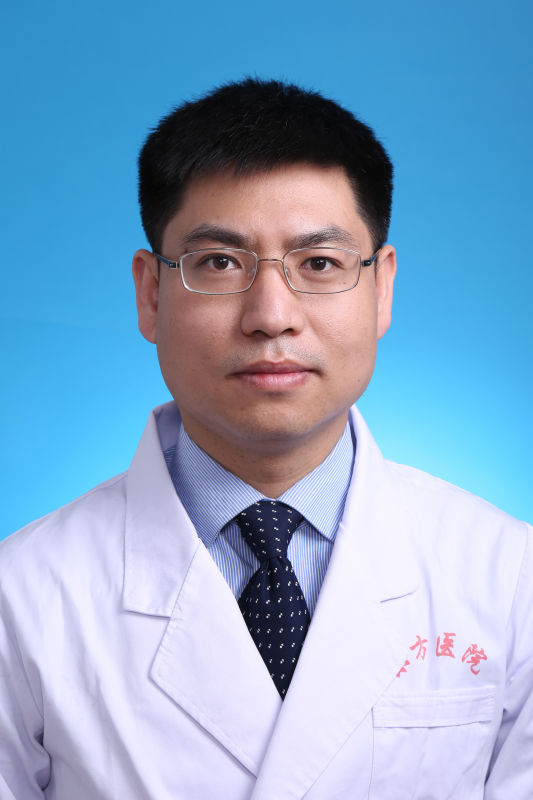 Wenming Yi (易文明)合作论文数Dongfang Hospital, Beijing University of Chinese Medicine15
 Fengxian Meng (孟凤仙)合作论文数Dongfang Hospital, Beijing University of Chinese Medicine9
 Cuifang Zhao (赵翠芳)合作论文数Dongfang Hospital, Beijing University of Chinese Medicine7
 Qingyi Zhang (张清怡)合作论文数School of Traditional Chinese Medicine, Beijing University of Chinese Medicine6
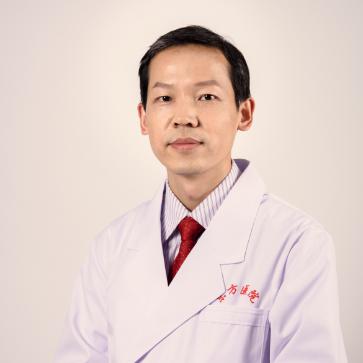 Weiguo Ma (马卫国)合作论文数Dongfang Hospital, Beijing University of Chinese Medicine6ZhengJu Zhang (张正菊)合作论文数5Jidi Geng (庚及弟)合作论文数5
 Xiangyu Guo (郭翔宇)合作论文数Dongfang Hospital, Beijing University of Chinese Medicine5Yan LU (陆妍)合作论文数4RuiYang Xiang (相瑞阳)合作论文数4
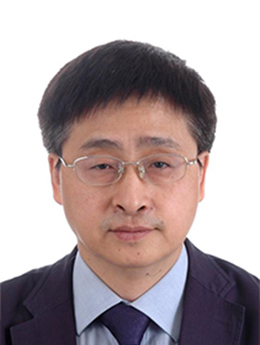 Tonghua Liu (刘铜华)合作论文数Dongfang Hospital, Beijing University of Chinese Medicine4ChengCheng Zhang (张承承)合作论文数3XiangWei Bo (卜祥伟)合作论文数3Hua Bai (白华)合作论文数3Jie Wang (王洁)合作论文数3
 Kang Wang (王康)合作论文数Beijing Friendship Hospital, Capital Medical University3
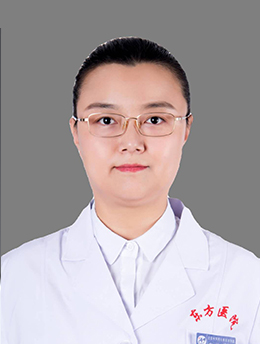 Yu Bai (白羽)合作论文数Dongfang Hospital, Beijing University of Chinese Medicine3Zi-chao LIN (林子超)合作论文数2HU Hao (胡浩)合作论文数2HU Yan (胡燕)合作论文数2QIAO Yu (乔羽)合作论文数2jiaju ma合作论文数2zhiming shen合作论文数2Yi Chen (陈祎)合作论文数2Wen Gu (顾文)合作论文数2Lei Yang (杨蕾)合作论文数2Yumei Xu (徐玉梅)合作论文数2Shuqing Xu (许树青)合作论文数2Yanan Wang (王亚南)合作论文数2
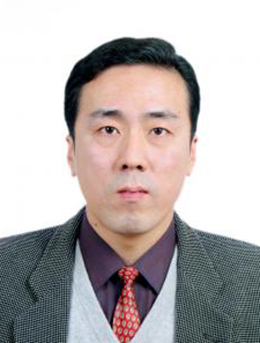 Jisheng Zhang (张继胜)合作论文数Dongfang Hospital Beijing University of Chinese Medicine2Xinxiang Wang (王新祥)合作论文数School of Traditional Chinese Medicine, Beijing University of Chinese Medicine2
 Hui Liu (刘慧)合作论文数Dongfang Hospital Beijing University of Chinese Medicine2
 Ying Wang (王颖)合作论文数School of Chinese Materia Medicia, Beijing University of Chinese Medicine2
 Liangduo Jiang (姜良铎)合作论文数Dongfang Hospital, Beijing University of Chinese Medicine;Dongzhimen Hospital, Beijing University of Chinese Medicine2Jing-Xiao Nie (聂静晓)合作论文数1SU Tong (苏通)合作论文数1Zhen Luo (罗贞)合作论文数1TAN Ling (谭玲)合作论文数1DAI Pei (代培)合作论文数1kun zhou (周鹍)合作论文数1Yuyue Liu合作论文数1




