OBJECTIVE:To summarize the clinical efficacy characteristics of Suhuang Zhike capsule and evaluate the incidence of adverse reactions in its broad clinical application. METHODS:This was a multicenter, prospective, single-arm, open-label phase IV clinical trial. A total of 1100 patients diagnosed with cough variant asthma (CVA) and the Traditional Chinese Medicine (TCM) syndrome of wind evil invading the lung and lung Qi failing to propagate were planned for recruitment. Participants received Suhuang Zhike capsule orally, three capsules per dose, taken three times daily, for a treatment duration of 14 d. The primary outcome was the change in cough symptom scores from baseline to week 2. Cough severity was assessed twice daily. Additional evaluations included the rate and time of cough disappearance or basic disappearance rate, as well as the time of cough relief. TCM symptom scores were recorded at baseline and on days 7 and 14 of treatment. Safety assessments included monitoring for adverse events and conducting laboratory tests. RESULTS:A total of 1033 patients with CVA from 40 hospitals across China were enrolled in the study. Of these, 1026 patients received the study medication and were included in the safety analysis. Fifty-four patients withdrew from the study, resulting in a drop-out rate of 5.23%. Treatment with Suhuang Zhike capsules significantly reduced cough symptom scores and improved cough-related symptoms in patients with CVA. The overall rate of cough disappearance or basic disappearance increased over the course of treatment, reaching 67.21% after 14 d. The median time of cough relief was 3 d, while the median time to cough disappearance or basic disappearance was 11 d. Additionally, the treatment led to reductions in TCM symptom scores and improvements in accompanying symptoms such as throat itching, expectoration, and shortness of breath. In terms of safety, no serious adverse events were reported. The incidence of related adverse events (AEs) was 2.24% (23 cases, 30 events). The incidence of adverse reactions listed in the drug's instructions was 2.14%. Other related AEs not listed in the drug's instructions occurred in 0.39% of patients and included dizziness (0.19%), headache (0.10%), pruritus (0.10%), and palpitation (0.10%). CONCLUSION:Suhuang Zhike capsules demonstrated good efficacy and safety for the treatment of CVA. These findings offer valuable clinical evidence to support their broader application in routine clinical practice.
Background:Chronic bronchitis (CB) is an inflammatory respiratory disease characterized by high prevalence and treatment challenges. In recent years, the integration of traditional Chinese medicine (TCM) with conventional therapies has gained widespread application in CB management, showing promising clinical benefits. Methods:This multicenter, randomized controlled trial, led by China-Japan Friendship Hospital in Beijing, China, enrolled 300 CB patients aged 18-75 years. Participants were randomized (2:2:1) into three groups: Guben Kechuan Granules (experimental group, n=120), Guilong Kechuanning Capsules (positive drug control, n=120), and subject education (blank control, n=60). The treatment lasted 24 weeks, followed by a 24-week follow-up. Efficacy was assessed through symptom evaluation, acute exacerbation of CB (AECB) incidence, pulmonary function tests, immunological assessments, and quality of life measures. Safety was evaluated based on adverse event reporting. Data analysis was conducted using SAS 9.4 software. Results:Of the enrolled patients, 299 participants (99.7%) completed the full analysis, 298 were included in the safety assessment, and 278 entered the per-protocol efficacy analysis. Compared to the blank control group, Guben Kechuan Granules significantly reduced the time to first AECB, as well as the duration, severity, and frequency of AECB episodes (all p<0.05). After 24 weeks of treatment, symptom scores for cough (-21.85±19.73), expectoration (-22.74±18.66), and wheezing (-21.33±18.76) showed substantial improvement (p<0.05). These benefits persisted throughout the 24-week follow-up (p<0.05). Additionally, significant improvements were observed in mobility, self-care, daily activities, and overall health status in the experimental group (all p<0.05). However, no significant changes were observed in lung function parameters-including FEV1/FVC%, FEV1%pred, PEF, MMEF, FVC, or FEV1-across all three groups after 24 weeks of treatment. No serious adverse events were reported in the experimental group during follow-up. Conclusion:Guben Kechuan Granules demonstrated significant efficacy and safety in CB management, alleviating clinical symptoms, reducing AECB incidence and severity, and enhancing patients' quality of life. Trial Registration:This trial is registered on 4 September 2022. Registration number: ChiCTR2200063321. Source(s) of funding: Traditional Chinese Medicine Inheritance and Innovation "Ten-Hundred-Thousand" Talents Program (Qihuang Program, grant number:2019-QTL-003). Chinese Clinical Trials Registry: https://www.chictr.org.cn/showproj.html?proj=177683.
ABSTRACT Background Growing evidence suggests that immunotherapy has a positive effect on non–small cell lung cancer (NSCLC) patients with brain metastases (BMs). However, it remains unclear which type of immunotherapy is more efficient. The aim of this network meta‐analysis (NMA) was to compare the efficacy and safety of different immunotherapy types and determine the optimal option. Method Four databases (PubMed, Cochrane Library databases, Embase, and Web of Science) and ClinicalTrial.gov were searched from inception until January 26, 2023. Randomized controlled trials (RCTs), prospective nonrandomized trials, or observational studies investigating NSCLC patients with BMs treated by immunotherapy were included. The quality of the included studies was evaluated using the Cochrane risk of bias (ROB) tool and the Newcastle‐Ottawa Scale (NOS). The efficacy of immunotherapy on NSCLC patients with BMs was evaluated using frequentist random‐effects NMA. Result Eleven studies from 1560 citations, encompassing 1437 participants, were included in this NMA. Statistical analysis showed that pembrolizumab (SMD = 4.35, 95% CI [2.21, 6.60]) and nivolumab+ipilimumab (SMD = 3.81, 95% CI [1.21, 6.40]) could improve overall survival (OS). Pembrolizumab (SMD = 3.32, 95% CI [2.75, 3.90]) demonstrated better effects in improving the overall response rate (ORR). No significant difference in adverse event (AE) was observed between immunotherapy and chemotherapy. Conclusion Our findings indicated that pembrolizumab was the most promising immunotherapy for NSCLC patients with BMs. Nivolumab+ipilimumab might be an alternative choice to improve OS. Limitation Inconsistency tests were not performed because of the scarcity of direct comparison. Besides, high heterogeneity was observed in our NMA.
In recent years, the Piezo1 channel has attracted great attention. Piezo1’s research has made remarkable advance in many aspects. However, the overall trends and knowledge structures have not been systematically investigated from a worldwide viewpoint. Therefore, it is important to fill this knowledge gap and utilize a proper tool to show the research status, hotspots, and frontiers in the Piezo1 channel. In order to better investigate the hotspots and frontiers of the Piezo1 channel research, we retrieved relevant literature from Web of Science Core Collection (WoSCC) and applied CiteSpace to perform a bibliometric analysis. Our findings might serve as a reference for future research in this area.
关于湿热致病,数代医家颇有论述.早在《内经》里便有记载关于湿热病"因于湿,首如裹,湿热不攘,大筋緛短,小筋弛长,緛短为拘,弛长为痿"[1].因其病机复杂,病势缠绵,病情易反复,临床治疗上时常棘手,病势也难有明显转变.笔者认为病难治,是未谨守病机的缘故.湿热致病,责在中焦,湿、浊、瘀郁遏发热.在治疗上应以行气化湿、清热活血为证治思路,施以随证化裁之法.此文旨在总结运用清热化湿法治疗湿热发热的临床经验.
目的 基于分子对接技术及网络药理学来分析益气疏风降肺方治疗咳嗽变异性哮喘(cough variant asthma,CVA)的主要成分、潜在靶点及作用通路.方法 通过中药系统药理学数据和分析平台(TCMSP)、HERB数据库()筛选益气疏风降胃方的活性成分及潜在靶点,利用Genecards、Drugbank、MOIM、Disgenet数据库检索CVA的相关靶点,将二者的靶点取交集,运用Cytoscape 3.7.1及STRING平台构建活性成分-靶点、蛋白质互作(protein-protein interaction,PPI)网络.借助Metascape对共同靶点进行基因本体(gene ontology,GO)及京都基因与基因组百科全书(kyoto encyclopedia of genes and genomes,KEGG)富集分析,最后由Autodeck Vina 1.1.2实现主要活性成分及核心靶点的分子对接.结果 发现益气疏风降肺方活性成分200个、潜在作用靶点619个,CVA相关靶点2236个,筛选两者共同靶点331个.331个候选治疗靶点共富集到182条KEGG通路(P<0.01)和3316个GO细胞生物学过程,涉及磷脂酰肌醇3激酶/蛋白激酶B(phosphatidylinositol 3 kinase/protein kinase B,PI3K/AKT)信号通路、肿瘤坏死因子(tumor necrosis factor,TNF)信号通路、丝裂原活化蛋白激酶(mitogen-activated protien kinase,MAPK)信号通路等,与细胞的缺氧反应、炎症反应及凋亡等生物学过程有关.益气疏风降肺方中活性较强、利用度较高的关键分子包括槲皮素、鞣花酸等,分子对接显示主要活性成分与CVA潜在靶点具有较好的结合活性,表明本方可能通过作用于核转录因子κB(nuclear factor-kappaB,NF-κB)、信号转导和转录激活因子(signal transducer and activator of transcription,STAT)3等关键蛋白分子,影响PI3K-AKT、TNF、MAPK等信号通路,从而减少炎症因子的释放、减轻气道炎性渗出、阻止气道重塑,对CVA起到治疗作用.结论 本研究初步揭示了益气疏风降肺方的活性成分与CVA发病的关键蛋白之间存在一定关系,通过多成分-多靶点-多通路的综合调控网络发挥治疗CVA的作用.
This study aimed to evaluate the cost-effectiveness of Chaiyin Granules compared with Oseltamivir Phosphate Capsules in the treatment of influenza(exogenous wind-heat syndrome). Based on a randomized, double-blind, positive drug parallel control clinical trial, this study evaluated the pharmacoeconomics of Chaiyin Granules with cost-effectiveness analysis method. A total of 116 patients with influenza from eight hospitals(grade Ⅱ level A above) in 6 cities were selected in this study, including 78 cases in the experimental group with Chaiyin Granules and Oseltamivir Phosphate Capsules placebo, and 38 cases in the control group with Oseltamivir Phosphate Capsules and Chaiyin Granules placebo. The total cost of this study included direct medical cost, direct non-medical cost, and indirect cost. The remission time of clinical symptoms, cure time/cure rate, antipyretic onset time/complete antipyretic time, viral nucleic acid negative rate, and traditional Chinese medicine(TCM) syndrome curative effect were selected as the effect indicators for cost-effectiveness analysis. Four-quadrant diagram was used to estimate the incremental cost-effectiveness ratio. The results showed that Chaiyin Granules were not inferior to Oseltamivir Phosphate Capsules in the remission time of clinical symptoms of influenza(3.1 d vs 2.9 d, P=0.360, non-inferiority margin was 0.5 d). Compared with Oseltamivir Phosphate Capsules, Chaiyin Granules would delay the remission time of clinic symptoms of influenza for 1 d, but could save 213.9 yuan. 1 d delay in cure time could save 149.3 yuan; 1% reduction in the cure rate could save 8.2 yuan; 1 d delay in antipyretic onset time could save 295.4 yuan; 1 d delay in complete antipyretic time could save 114.3 yuan; 1% reduction in the 5-day cure rate of TCM syndrome could save 19.2 yuan. Different from other indicators, there was no statistically significant difference between two groups in the effect of negative conversion rate of viral nucleic acid, but the cost was lower and the effect was superior, and the pharmacoeconomics was not different from that of Oseltamivir Phosphate Capsules in the field of influenza treatment.
杨道文教授是中日友好医院中医肺病科主任医师,不仅擅长成人呼吸系统疾病的诊疗,在儿科疾病的治疗上也有自己独到的见解.儿童肺系疾病是儿科常见病、多发病,其中儿童慢性咳嗽和儿童鼻炎尤为常见.杨道文教授在治疗儿童肺系疾病重视调治肺脾,现将杨道文教授诊疗儿童慢性咳嗽及儿童鼻炎经验加以整理总结.
介绍杨道文教授治疗慢性咳嗽、过敏性鼻炎、湿疹的诊疗经验.杨师认为临床常见的阵发性咳嗽、痒即咳属于"风咳",治宜疏风止咳;常见的平卧咳嗽,同时伴有腹胀、反酸、烧心、呃逆等消化道症状,属于"肺胃相关咳嗽",治宜和降肺胃;过敏性鼻炎发病在鼻,根源在肺,病机在于风邪犯肺、肺脾气虚,治宜益气疏风、健脾补肺;湿疹病机责之以湿邪为主,同时易兼夹热邪、风邪,治宜化湿清热、疏风止痒.
中国肺部结节诊疗指南将肺结节(pulmonary nodule)定义为肺内直径≤30mm的类圆形或不规则形病灶,影像学表现为密度增高的阴影,可单发或多发,边界清晰或不清晰[1].近年来,健康人群行胸部CT检查肺结节的检出率可达35.5%[2].现代医学对肺结节的处理原则多为定期观察,对于恶性程度较高的肺部结节所采取的治疗措施为活检和手术[3,4].
2019年末新型冠状病毒(COVID-19)感染爆发至大流行,时至今日已有三年余.目前我国疫情防控工作的重点已经从"防感染"转向"保健康、防重症"[1].新冠病毒感染恢复期的患者仍然存在短期和长期的症状,已成为需要重视的公共健康问题.多项专家共识[2,3]指出恢复期患者存在咳嗽、气短、嗅觉异常等症状,其中咳嗽是新冠病毒感染后常见的遗留症状.
目的 分析中医药诊治咳嗽变异性哮喘(Cough variant asthma,CVA)的文献,为中医药诊治CVA的研究热点与前沿提供数据参考.方法 纳入CNKI收录的文献1 993篇,采用文献计量学方法,使用Excel及VOSviewer软件对文献发表量、文献来源、作者及关键词进行分析.结果 文献年度发文量呈逐年增长及稳定趋势;期刊论文分布于272种期刊杂志,其中《中医临床研究》发文量最多.发文量≥22篇的北大或科技核心期刊有11种.学位论文来自于北京中医药大学、广州中医药大学等中医药院校;发文量最高的是晁恩祥国医大师,目 前该领域的核心作者群尚未形成;当前中医药诊治CVA的研究热点有咳嗽变异性哮喘、中医药疗法、小儿、中西医结合疗法、小儿咳嗽变异性哮喘、咳嗽、哮喘、中西医结合、中医药、孟鲁司特钠、穴位贴敷等,大致归为5个方面:研究对象、诊疗方案、治疗药物、研究方法、临床指标;研究前沿有中医护理、用药规律、数据挖掘、Meta分析、穴位贴敷、孟鲁司特钠、免疫功能、艾灸、针刺、临床效果等.结论 我国中医药诊治CVA的研究热点广泛,主要以中医药、中西医结合疗法及小儿咳嗽变异性哮喘为基础,方药研究日益成熟,研究前沿中的外治法,如针刺、穴位贴敷、艾灸等,因其安全有效而备受关注.
目的:研究人参败毒散对脂多糖诱导的肺炎小鼠肺组织的影响及其与线粒体自噬蛋白表达的关系.方法:将24只ICR雄性小鼠随机分为4组,假手术组、肺炎对照组、人参败毒散组和自噬抑制剂组.均于术后6h取肺组织进行炎症因子分析、肺泡灌洗液炎性细胞分析以及自噬相关蛋白LC3及P62水平变化分析.结果:与肺炎对照组相比,人参败毒散组的IL-1β、IL-6、TNF-a的蛋白及mRNA水平明显下降,具有统计学意义(P<0.01).与人参败毒散组相比,自噬抑制剂组中IL-1β、IL-6、TNF-α的蛋白及mRNA水平明显提高,具统计学意义(P<0.05).经人参败毒散处理后,炎症细胞的数量减少;而经自噬抑制剂3-MA处理,炎症细胞数量均出现了不同程度的增加(P<0.05).与假手术组相比,肺炎对照组肺组织内自噬相关蛋白LC3Ⅱ/LC3 Ⅰ比值降低;经人参败毒散干预后,LC3Ⅱ/LC3Ⅰ比值显著升高(P<0.01).同时使用p62追踪选择性自噬过程,结果显示10μg LPS处理小鼠6h后,P62蛋白水平呈升高趋势;与肺炎对照组相比,人参败毒散组P62蛋白水平显著下降.结论:人参败毒散可减轻肺炎小鼠的肺损伤,其作用机制可能与抑制炎性细胞因子IL-1β、IL-6、TNF-a释放、影响线粒体自噬蛋白的表达有关.
Jingfang Granules have the effects of inducing sweating to releasing exterior, dispersing wind and dispelling dampness. Modern studies have demonstrated that it has antipyretic and antiviral activities. Therefore, this trial was conducted to evaluate the efficacy and safety of Jingfang Granules in the treatment of common cold(wind-cold syndrome). A total of 138 common cold(wind-cold syndrome) patients meeting the inclusion and exclusion criteria were randomly assigned into the experimental group(n=92) and the placebo group(n=46) at a ratio of 2∶1 and respectively received Jingfang Granules and Jingfang Granules simulation agent. The treatment lasted for 5 d, and the follow-up time was 8 d. Recovery time was employed as the main indicator of efficacy. The median reco-very time of the experimental group was 3.33 d, shorter than that 7.00 d of the placebo group. The efficacy of the experimental group was better than that of the placebo group(P<0.000 1). The major symptom severity score-time AUC of the experimental group was 489.90±206.95, which was smaller than that of the placebo group(763.50±339.53). The recovery rate and marked effective rate of the experimental group were higher than those of the placebo group, The above outcomes were statistically significant between the two groups(P<0.05). The disappearance time and rate of single symptoms including aversion to cold, nasal congestion, runny nose, cough, headache, pharyngeal itching/pain, white sputum, and somatalgia also had significant differences between the two groups(P<0.05), indicating that Jingfang Granules had good performance in alleviating the above symptoms. During the study period, one case of the experimental group had a slight increase in serum creatinine, which returned to the normal level after re-examination. The incidence of adverse reactions was 1.10%, and no serious adverse reaction was found. The two groups had no significant difference in the incidence of adverse reactions. In conclusion, Jingfang Granules can significantly shorten the course of common cold(wind-cold syndrome) and quickly alleviate the clinical symptoms, demonstrating good safety and clinical advantages.
Purpose/Objective. Inhaled corticosteroids (ICS) are the most effective treatment for asthma. However, some asthmatic patients do not respond to ICS treatment due to insensitivity. Thus, some studies have attempted to identify combination treatments to resolve this clinical problem. Cough variant asthma (CVA) is well established as a specific asthma phenotype. In this study, we examined whether the traditional medicine Suhuang (a combination of several traditional Chinese medicinal plants) could enhance the effect of Budesonide (BUD) by ameliorating corticosteroid insensitivity via p38 MAPK signal pathway in CVA guinea pig. Methods. The CVA guinea pig model was successfully established by use of ovalbumin (OVA) sensitization and cigarette smoke (CS) exposure. The guinea pigs were divided into 6 groups: a control group, an OVA model group, an OVA + CS model group, a Suhuang treatment group, a BUD treatment group, and a combination (Suhuang and BUD) treatment group. The effects of the treatment were determined by measuring lung function (RI/Cydn) and cough symptoms (coughs number/cough latency) as outcome criteria. The levels of inflammatory cytokines in bronchoalveolar lavage fluid (BALF) were determined by ELISA. Lung tissues were stained by hematoxylin and eosin (H&E). The expressions of GR/total p38 MAPK/p-p38 MAPK were detected by Western blot. The MKP-1 mRNA levels were detected by RT-PCR. Results. Combination treatment significantly decreased RI/coughs numbers and increased Cydn/cough latency. Significantly, the results indicated that combination treatment decreased injury to pulmonary tissues. Results also revealed that levels of inflammatory cytokines were reduced in all treatment groups but most markedly in the combination treatment group. Moreover, Suhuang treatment significantly ameliorated corticosteroid insensitivity by improving the expression of glucocorticoid receptors (GR). The expressions of total p38 MAPK and p-p38 MAPK in lung tissue were significantly inhibited in the Suhuang and combination treatment groups. The MKP-1 mRNA levels in Suhuang and combination treatment groups were also increased significantly. Conclusion. Suhuang was effective for reversing corticosteroid insensitivity by regulating the p38 MAPK signal pathway, and combining BUD and Suhuang treatment showed synergistic interactions in CVA guinea pigs. Our findings showed that this combination therapy might be a promising therapeutic agent for CVA and also clarified its underlying mechanism of action, providing a theoretical basis for clinical combination treatment with Suhuang and BUD in CVA patients.
咳嗽变异性哮喘(cough variant asthma,CVA)是指以咳嗽为主要临床表现,表现为慢性持续性干咳,清晨或夜间咳嗽特别明显[1],气道慢性炎症、气道高反应性、气道重塑和遗传因素是咳嗽变异性哮喘的重要发病机制[2,3].目前西医治疗CVA的一线方案为吸入性糖皮质激素加长效β2受体激动剂等西药,但长期服用糖皮质激素类药物对多数患者造成心理负担[4,5].而中药在治疗这一疾病方面有着独特的优势.CVA在中国传统医学范畴内属于"咳嗽"这一疾病概念.病机为肺失宣肃,气机失调,则肺气上逆作声,治当肺胃同降,调畅气机,一升一降,则气机升降得当,咳嗽自消.根据诸多临床经验,结合中国传统医学经典《伤寒论》所记载"出入废则神机化灭,升降息则气立孤危",现有"气机升降"理论,该理论主张用药升中有降,降中有升,对立统一.
The HCN channel family comprises of four members (HCN1-4) expressed in the heart and nervous system. The current produced by HCN channels is known as I-h (or I-f or I-q). I-h has also been designated as pacemaker current because it plays a key role in controlling rhythmic activity of cardiac pacemaker cells and spontaneously firing neurons [1]. The diversity of functions that HCN channels perform is partly attributable to differences in their subcellular localization [2]. HCN channels are highly regulated proteins, which respond to different cellular stimuli, they open at hyperpolarizingpotential, carrymixed Na/K current, and are regulated by cyclic nucleotides [3]. These channels play important roles in modulating cellular excitability, rhythmic activity, dendritic integration, and synaptic transmission. HCN channel functions range from setting resting potential, synaptic normalization, gain control, after-hyperpolarization, setting responses in dendrites, mediating cannabinoid role in neuronal plasticity, to the gating of plasticity [4]. These functions have been implicated in a wide range of diseases, including major depressive disorder, neuropathic pain, and multiple subtypes of epilepsy [4,5. Among the four known isoforms, HCN1 is the most expressed in the neocortex and hippocampus. Some studies suggest that coordinated changes in protein expression and surface expression of HCN1 serve as the key regulatory mechanisms controlling the function of the endogenous HCN1 protein in cortical neurons [6]. HCN1 might be involved in reduced vagal modulation and possibly in increased cardiac mortality in schizophrenia patients [7]. HCN2 ion channel activity plays a crucial role in the progress of peripheral neuropathic pain (PNP). Some studies suggest that HCN2 contributes to the development of neuropathic pain by inducing spinal LTP via activation of NMDA receptor-mediated CaMKII signaling, decreased HCN2 channel expression attenuates neuropathic pain by inhibiting pro-inflammatory reactions and NF-kappa B activation[8,9] Like all other HCNs, hHCN3 was inhibited rapidly and reversibly by extracellular cesium and slowly and irreversibly by extracellular applied ZD7288. The human channel was not modulated by intracellular cAMP, a hallmark of the other known HCN channels so the missing response to cAMP distinguishes human HCN3 from both the well cAMP responding HCN subtypes 2 and 4 and the weak responding subtype 1[10]. Upregulation of HCN3 channels in IGL neurons is essential for intrinsic excitability and rhythmic burst firing, and PIP2 serves as a powerful modulator of I-h-dependent properties via an effect on HCN3 channel gating[11]. HCN4 is expressed in brain regions relevant to mood and anxiety disorders including specific thalamic nuclei, the basolateral amygdala, and the midbrain dopamine system[12].
目的 整理总结杨道文教授中医辨治慢性阻塞性肺疾病的临证经验.方法 经过跟师出诊学习,归纳整理杨师中医辨治慢性阻塞性肺疾病的临床医案资料,总结慢性阻塞性肺疾病的病因病机以及治法方药.结果 杨师认为益气为治本之法,风邪痰浊瘀血贯穿本病始终,疏风化痰活血不伤正为原则.方选玉屏风散合苏黄止咳方加减.结论 中医辨治慢性阻塞性肺疾病临床效果颇佳,值得推广应用.
过敏性鼻炎又称“变应性”鼻炎,是一种机体接触过敏原后产生的由IgE介导的慢性炎性疾病,以鼻塞、鼻痒、喷嚏、清水样鼻涕为主要临床表现,常伴有眼痒、咽痒、皮疹、哮喘等症状.近年来,过敏性鼻炎发病率逐年上升,严重影响患者的生活质量.西医认为该病是一种鼻黏膜炎性疾病,主要通过抗组胺药物和糖皮质激素进行治疗,但远期效果不理想,且容易复发[1,2].杨道文教授认为,该病属于中医“鼽嚏”范畴,发病在鼻,根源在肺,病机责之于肺脾气虚、风邪犯肺,采用益气疏风法治疗该病疗效显著,且复发率低.笔者跟师学习两年余,受益匪浅,现将杨教授治疗过敏性鼻炎的经验总结如下,以供参考.
感受风邪是引发鼻鼽、咳嗽、哮病、喘证、肺胀等肺系疾病的重要诱因和首发病因,国医大师晁恩祥从风论治肺系疾病,提出了"风咳"、"风哮"等理论,杨道文教授师法于晁老,在临床上治疗肺系疾病重视"风邪"为患的作用,重视祛除风邪,应用"风药"治疗过敏性鼻炎、哮喘、慢阻肺等肺系疾病有着丰富的经验,本文总结杨道文教授应用"风药"治疗肺系疾病的相关理论和用药经验.
 DeMin Li (李得民)合作论文数16
 Chunsheng Han (韩春生)合作论文数北京中日友好医院中医呼吸科16
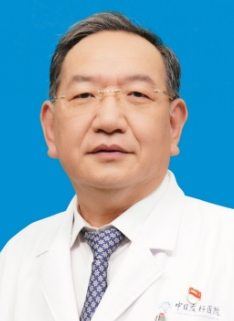 Hongchun Zhang (张洪春)合作论文数China-Japan Friendship Hospital;Beijing University of Chinese Medicine16
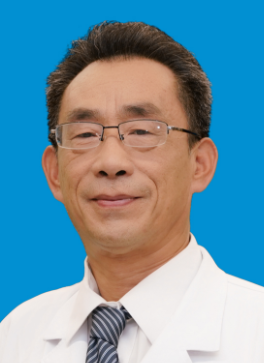 Shunan Zhang (张纾难)合作论文数China-Japan Friendship Hospital14XinYang Shu (疏欣杨)合作论文数12CHENG Si-yi (程思益)合作论文数10
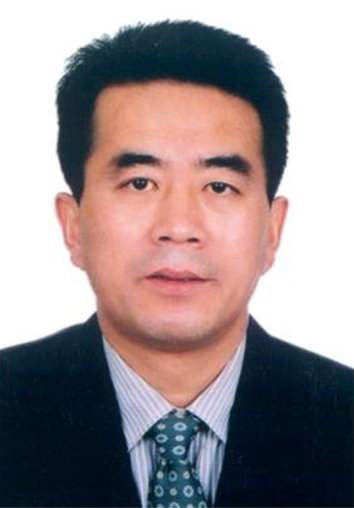 Youlin Li (李友林)合作论文数China-Japan Friendship Hospital8Chuanxi Tian合作论文数6Jian-she FAN (樊建设)合作论文数5DaLing Dan (单大玲)合作论文数5
 Yan Chen (陈燕)合作论文数China-Japan Friendship Hospital5
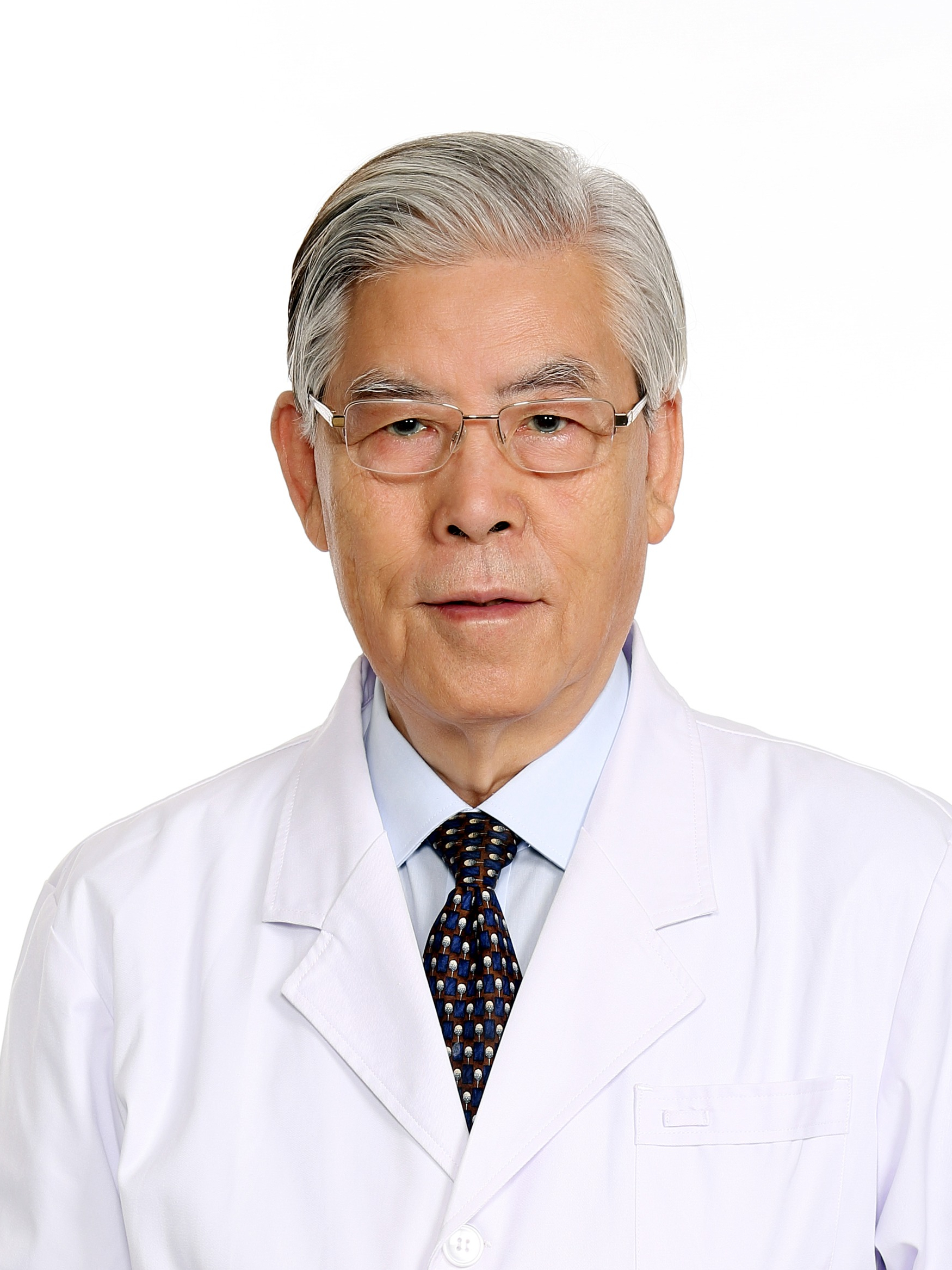 Enxiang Chao (晁恩祥)合作论文数China-Japan Friendship Hospital;Beijing University of Chinese Medicine;China Academy of Chinese Medical Sciences5WANG Xue-ru (王雪茹)合作论文数4YaHong Guo (郭亚红)合作论文数4JiQuan Wu (吴继全)合作论文数4QIAO Yangzhizi (乔阳至子)合作论文数3Tianyi Lyu合作论文数3Lu Li (李璐)合作论文数3
 Hongbo Zhang (张洪波)合作论文数China-Japan Friendship Hospital;Beijing University of Chinese Medicine3
 Si Fu (符思)合作论文数China-Japan Friendship Hospital3
 Xuejing Wang (王雪京)合作论文数China-Japan Friendship Hospital3
 Wei Wang (王微)合作论文数China-Japan Friendship Hospital3
 Jian Ni (倪健)合作论文数School of Chinese Materia Medica, Beijing University of Chinese Medicine3Xirui Zhao合作论文数2Ruoshui Wang合作论文数2aike li (李爱科)合作论文数2颜振刚合作论文数山东省郯城县第一人民医院感染科2Yong LI (李勇)合作论文数2LI Yajie (李雅洁)合作论文数2Wei FU (付伟)合作论文数2ChaoNan Gan (甘超男)合作论文数2MingYue Jia (贾明月)合作论文数2Xiao Ma (麻晓)合作论文数2YaNan Zhang (张亚男)合作论文数2Yang Yu (于洋)合作论文数2Caihong Gao (高彩虹)合作论文数2
 Shewen Luo (罗社文)合作论文数中国人民武装警察部队总医院2Ruixue Cao (曹瑞雪)合作论文数2Jian Liu (刘健)合作论文数1Sidan Long合作论文数1Jian-Guo Pang合作论文数1Qiuyuan Wang合作论文数1Tianyi Lv合作论文数1Yun-Ru Chen合作论文数1FAN Jiajia (樊佳佳)合作论文数1LI Xiao-peng (李晓鹏)合作论文数1WANG Qiu-yuan (王秋园)合作论文数1Lin-wen CHEN (陈琳雯)合作论文数1




