Chronic wounds are life-threatening conditions characterized by impaired closure. Chronic inflammation and impaired regeneration and repair lead to the pathological phenotype of chronic diabetic wounds and reduce drug efficacy. In this study, we found that the poor proliferative and differentiative ability of epidermal stem cells (EpSCs) within an inflammatory microenvironment is a key factor contributing to the delayed healing of chronic diabetic wounds. To address this issue, we designed a nanocascade engineering workshop (Cu5.4O@LL-37/pDNA) capable of simultaneously reshaping the inflammatory microenvironment and activating EpSC functions to promote rapid wound closure. The workshop used a core-shell structure design. The core, an ultrasmall Cu5.4O nanozyme, can efficiently eliminate reactive oxygen species, enhance the inflammatory response, and transform the pathological wound microenvironment into a niche facilitating regeneration. The shell is constructed through the electrostatic assembly of plasmid DNA (pDNA) and the antibacterial peptide LL-37, enhancing gene transfection efficiency and inhibiting bacterial infection effectively. By leveraging its dual advantages in microenvironment modulation and structural design, the system substantially improves gene delivery and facilitates sustained P311 expression, thereby promoting EpSC proliferation and differentiation. This nanotherapy reshaping the microenvironment and activating EpSC function accelerates re-epithelialization and wound closure in both diabetes and infection models. This treatment strategy is a novel approach to achieve durable and effective healing in chronic wounds.
Adhesives that exhibit strong adhesion in wet and underwater environments are valuable in many biomedical applications. However, the presence of water substantially hinders contact between adhesives and substrates, leading to adhesion failure. In this study, a hydrophilic underwater adhesive (HUA) that can instantly adhere to wet and underwater tissues was constructed using a step-by-step photocrosslinking strategy to adjust hydrogel viscoelasticity. The HUA synergistically combined two core functional layers: adaptive fitting with interface morphology (i.e. "interface conformal") and the removal of interfacial bound water by viscoelastic displacement. The HUA could instantly adhere to organs (e.g., heart and esophagus) underwater and to various substrates (e.g., polyimide, iron, titanium, etc.). In this study, the HUA performed well in skin wound closure and repair and markedly reduced blood loss and bleeding time in wounded livers owing to its superior underwater adhesion ability. This study demonstrates a promising strategy to construct instant and strong underwater tissue adhesives in complex physiological environments (e.g., different pH values or types of liquids), which may promote the further development of high-performance underwater tissue adhesives.
Introduction Itching is a common and distressing clinical manifestation following burns, which severely impairs patient quality of life. Current pharmacotherapy for post-burn pruritus is limited by low efficacy and frequent side effects. Transcutaneous electrical nerve stimulation (TENS), a non-invasive neuromodulation technique, is widely used for analgesia and exhibits a favourable safety and tolerability profile. Although itch and pain are both nociceptive sensations, they constitute distinct sensory modalities. This clinical trial aims to evaluate the efficacy and safety of TENS for treating moderate to severe post-burn itching. Methods and analysis This multicentre, randomised, placebo-controlled clinical trial intends to recruit 382 patients with moderate-to-severe itching (the Worst Itch Numeric Rating Scale (WINRS) score of ≥4) after burns from multiple burn centres across China for TENS treatment. The recruitment process began in April 2025 and is expected to be concluded in October 2027. Eligible patients will be randomly assigned in a 1:1 ratio to receive either TENS stimulation (experimental group) or placebo stimulation (control group). The intervention will be administered once daily for 30 min across seven consecutive days. The primary outcome is the 7-day itch improvement rate, defined as the proportion of patients who achieved a reduction of at least 50% in the WINRS score on day 7 of the intervention, assessed on day 8, compared with their prerandomisation baseline. Secondary outcomes include the severity of itching, neuropathic symptoms and signs, sleep disturbance, quality of life, scar severity and safety. Exploratory endpoints consist of neuroimaging markers and scar function parameters. A physician and the patient will complete all assessments during the intervention phase and at the follow-up visit on day 14. Ethics and dissemination Ethical approval for this multicentre study was granted by the leading ethics committee, the Ethics Committee of the First Affiliated Hospital of Army Medical University (KY2024217). All authors are affiliated with the First Affiliated Hospital of Army Medical University. Trial registration number ChiCTR2500099822.
Delayed wound healing remains a major complication of diabetes and places a heavy burden on global health. Excessive oxidative stress in the local microenvironment impairs wound repair and diminishes therapeutic efficacy. We developed P311-Ox@Lipo-R8, a dual-function platform combining R8-modified liposomes with P311 protein and oxidation-functionalized β-cyclodextrins (Ox-β-CD), which simultaneously facilitates intracellular protein delivery and reactive oxygen species (ROS) scavenging. The R8-conjugated liposomes effectively transported both P311 and Ox-β-CD into cells. P311-Ox@Lipo-R8 showed strong ROS scavenging ability in vitro. Furthermore, P311-Ox@Lipo-R8 promotes the differentiation of fibroblasts into myofibroblasts and improves cell contractile ability. P311-Ox@Lipo-R8 could accelerate granulation tissue formation, collagen deposition, and diabetic wound healing in vivo. RNA-sequencing analysis showed that P311-Ox@Lipo-R8 could activate the GDF-15 pathway. These findings establish that targeted liposomal delivery of P311 combined with ROS clearance promotes fibroblast differentiation to myofibroblast and wound healing through GDF-15 regulation, offering a potential therapeutic strategy for diabetic wounds.
Red blood cells have been modified to form strong clots that halt any bleeding almost instantly and then promote tissue regeneration. Red blood cells have been modified to form strong clots that halt any bleeding almost instantly and then promote tissue regeneration.
Background: Itching is a common clinical symptom during wound healing and scar formation. Previous research has demonstrated that transcutaneous electrical nerve stimulation (TENS) can alleviate pain. Nevertheless, evidence regarding the efficacy of TENS for post-burn pruritus remains limited. Methods: We performed a single-center, before-after self-control, retrospective cohort study of burn patients with moderate-to-severe pruritus, treated with TENS,between September 2024 and April 2025.The primary outcome was the 7-day itching improvement rate, defined as a ≥50% reduction in NRS on day 7 compared to baseline. Results: A total of 29 patients with a mean age of 41 ± 10 years and a median TBSA of 17% (IQR: 11–32%) were included. The median scar duration was 78 days (IQR: 55.5-327.5) . Treatment sites were primarily located on the lower extremities (72.41%, 21/29). The 7-day itching improvement rate was 44.83% (13/29) and increased with itch severity. NRS,ISS and 5-D assessments confirmed significant itching improvement at the end of treatment (7 vs 4,8 vs 5,13.5 vs 10.5,P < 0.05).No significant improvement in sleep disturbance,but an enhancement in quality of life was noted (1.5 vs 1,P<0.05). Multivariate logistic regression did not identify significant factors associated with therapeutic efficacy, although the odds ratio for itch severity was the lowest.Patients with extremely severe or severe itching exhibited significantly higher improvement rates than those with moderate itching (100% vs. 45.45% vs. 28.57%, P < 0.05). Conclusion: TENS therapy significantly alleviated pruritus in burn patients, particularly in cases of severe or extremely severe itching. Clinical trial registration and registry URL ChiCTR2500099822, registered at www. medicalresearch.org.cn (Mar 28 ,2025)..
ABSTRACT The clinical management of thrombosis, a primary cause of death worldwide, is hampered by the limitations of current thrombolytic agents, including short half‐life and high risk of off‐target bleeding. Here, we report the design and validation of an intelligent, inflammation‐targeting microbubble for precise thrombolysis. We first engineered macrophages to overexpress the C─C chemokine receptor 2 (CCR2) via lentiviral transfection. Membranes derived from these cells were then used to functionalize a liposomal structure, co‐encapsulating the thrombolytic drug urokinase (UK) and a phase‐change perfluoropropane gas. These resulting biomimetic microbubbles (termed UK@CCR2/MBs) were designed to navigate the vasculature and home in on thrombotic sites by binding to the highly expressed monocyte chemoattractant protein‐1 (MCP‐1) via the CCR2 receptor. Upon arrival at the target, localized low‐frequency ultrasound was applied to trigger acoustic droplet vaporization, leading to microbubble disruption and spatiotemporally controlled UK release. Extensive in vitro and in vivo evaluations, including in animal models of deep vein, carotid artery, and microcirculatory thrombosis, confirmed that UK@CCR2/MBs achieve superior thrombolytic efficacy and specific targeting with an excellent safety profile. This macrophage‐mimicking, ultrasound‐responsive system represents a sophisticated theranostic platform for the non‐invasive and targeted treatment of thrombotic diseases.
Acute respiratory distress syndrome (ARDS) is a major cause of mortality in patients with severe burns. High-flow nasal cannula (HFNC) and mechanical ventilation (MV) are the primary respiratory support modalities used in these cases. Nevertheless, comparative evidence on their effectiveness in adults with burn-related ARDS remains scarce. This retrospective cohort study included 124 burn patients diagnosed with ARDS between January 2016 and December 2023. Participants were classified into either an MV (n = 81) or an HFNC (n = 43) group according to the initial respiratory support they received. We analyzed demographic information, burn characteristics, physiological parameters, and clinical outcomes. The MV group exhibited significantly more severe burns, as indicated by a larger total burn surface area (69% vs. 45%, P = .043), a greater full-thickness burn area (33.5% vs. 25%, P = .012), and higher Abbreviated Burn Severity Index and Prognostic Burn Index scores (all P < .001). However, the worst pre-treatment P/F ratio did not differ significantly between groups (MV 170.00 vs. HFNC 183, P = .235). A numerical difference in mortality was observed, with higher rates in the MV group (13.58%) than in the HFNC group (6.98%), though this difference was not statistically significant (P = .269). No significant differences were found in length of hospital stay or total medical costs. These results indicate that HFNC may represent a feasible alternative to MV for providing initial respiratory support in burn patients with ARDS.
Self-organization in organoid morphogenesis involves the coordinated arrangement of interacting cells into higher-order structures, yet the underlying principles remain elusive. Here, we investigate how epidermal and dermal cells respond distinctively to elevated levels of hypoxia during skin organoid morphogenesis that largely resembles the skin development during embryogenesis. We unveil that autonomously generated hypoxic environment-induced metabolic adaptation drives the transition from coalesced spheroids to a planarized structure in skin organoids through the following three levels. Hif1a-mediated anaerobic metabolism positions epidermal cells in the liquid phase of the cultures under lower oxygen levels, facilitating tissue phase separation of the epidermal layer from the dermal layer. Hypoxia-driven activation of lysosomal hydrolases eliminates suprabasal keratin debris during planar epidermis formation. Fibroblasts adjacent to the basal epidermis have differential metabolic adaptation to hypoxia, which exhibit enhanced retinoid metabolism and become putative papillary dermis. Together, these hypoxia-induced metabolic adaptations contribute to reconstructing skin architecture similar to physiological development. Our findings highlight the ability of hypoxia-induced metabolic alteration to trigger varied cellular responses, leading to self-organizing coalesced spheroids-to-planar topological transformations and the restoration of tissue homeostasis.
Challenges and opportunities in multimodal synergistic therapy for skin fibrosis encompass elucidating the mechanisms of synergistic treatment, optimizing and developing highly coupled combinations, and eliminating therapeutic resistance. This study reveals that the excessively deposited extracellular matrix of hypertrophic scar not only forms a physical barrier for local drug delivery but also generates high mechanical stress, which drives glucocorticoid insensitivity by activating the FAK-AKT-HDAC2 axis in fibroblasts. Both mechanical and biological barriers result in poor outcomes of triamcinolone acetonide therapy for hypertrophic scars. To address this, a chemomechanical antifibrotic approach is engineered by integrating a microneedle-based transdermal delivery platform, immobilized enzymes, and long-acting sustained-release microspheres. This strategy significantly sensitizes scar fibroblasts by disrupting the fibrotic extracellular matrix and the resultant mechanics-induced cellular programs for drug resistance, thus notably reversing the fibrotic characteristics. These findings uncover a mechanism of glucocorticoid resistance and present a multimodal, self-administrable therapy against fibrosis.
Dysregulated glucose metabolism in diabetic wound macrophages impairs polarization toward the reparative M2 phenotype, leading to compromised innate immunity, chronic inflammation, and delayed wound healing. However, effective strategies to restore macrophage metabolic function remain limited. Here, inspired by vanadium's potential to modulate glucose metabolism and the immunomodulatory properties of bioactive glasses, we developed vanadium-doped mesoporous bioactive glass nanospheres (V-MBG) to regulate macrophage-mediated inflammation in diabetic wounds. V-MBG reprogrammed the metabolic environment, promoted M2 polarization, suppressed inflammation, and significantly enhanced wound healing in diabetic models. Mechanistically, V-MBG remodeled the glycolysis-dependent energy pathway in LPS-stimulated M1 macrophages by enhancing glucose-driven oxidative phosphorylation (OXPHOS). This metabolic shift was mediated by activation of the INSR-PI3K signaling axis, which increased glucose uptake and rescued tricarboxylic acid (TCA) cycle suppression. Furthermore, V-MBG-induced citrate/acetyl-CoA metabolism contributed to M2 polarization. To achieve responsive and sustained delivery, V-MBG was incorporated into glucose-sensitive GCP hydrogels, which further accelerated wound repair by enhancing M2 macrophage polarization and mitigating inflammation. Our findings demonstrate that V-MBG is a metabolically active nanomaterial capable of reprogramming macrophage energy metabolism to improve diabetic wound regeneration. This work offers new insight into immune-metabolic regulation via material design and establishes a promising vanadium-based strategy for clinical diabetic wound therapy.
Medical implants, important consumables, significantly promote patients' healthcare, but still face challenges of foreign body responses and bacterial infection. Hydrogels can be ideal alternative materials, however, a few of them can meet the requirements. Herein, a TAFe@PVA photothermal hydrogel integrating with negative swelling, long-term stability, antibacterial, anti-adhesion, and tissue mechanical matching is developed to solve these issues. The TAFe@PVA hydrogel is crosslinked by H-bonds and microcrystal domains which both can be enhanced by cations or anions based on Hofmeister effect, showing unique negative swelling and long-term mechanical self-enhancement performances in the physiological fluid. Attributing to self-polymerization of tannic acid (TA) and negative swelling of polyvinyl alcohol (PVA) molecular networks, TAFe complexes can be strongly locked in PVA molecular networks, reaching long-term photothermal stability. The TAFe@PVA hydrogel also exhibits great biocompatibility, anti-oxidation, anti-adhesion, and anti-bacterial performances, comparing to the traditional implant material. Since the TAFe@PVA hydrogel can better match with skin tissues, fewer macrophages and myofibroblasts are activated, which depresses unexpected foreign body responses. Finally, the TAFe@PVA hydrogel as the implant can effectively solve abdominal adhesions after abdominal operation and promote defects healing. This study introduces a promising hydrogel implant, which potentially extends hydrogels to wider medical applications.
Background Hypertrophic scarring is an abnormal condition involving excessive fibroblast activation, aberrant extracellular matrix deposition, and persistent inflammation. Current treatments have limited efficacy and potential adverse effects, necessitating the development of new approaches. Purpose In this study, we investigated the effects of artesunate (ART) on hypertrophic scar (HS) formation and explored the underlying cellular and molecular mechanisms. Methods ART was local injected in rabbit ear HS model to study its effect on HS formation. Cell viability was assessed using the CCK8 assay. Cell proliferation and targeted protein expression were detected by flow cytometry, immunofluorescence and immunohistochemistry staining. Scratch assays were performed to evaluate cell migration, while western blotting analysis was used to detect changes in protein expression. Results Local injection of ART significantly reduced scar protrusion and thickness, improved the immune microenvironment, and attenuated collagen deposition. ART suppressed fibroblast activation, endothelial-mesenchymal transition (EndMT), and angiogenesis in HS tissues. In vitro, ART inhibited TGF-beta 1triggered fibroblasts activation and EndMT of human umbilical vein endothelial cells. Mechanistically, ART attenuated the activation of PI3K/AKT/mTOR and TGF-beta/Smad pathways in both fibroblasts and human umbilical vein endothelial cells. Notably, the mTOR activator 740 Y-P reversed the fibrosis-inhibiting effects of ART in vitro and in vivo, highlighting the critical and intriguing role of PI3K/AKT/mTOR signaling in mediating the effects of ART. Furthermore, we first uncovered a crosstalk between PI3K/AKT/mTOR and TGF-beta/Smad pathways, wherein PI3K/AKT/mTOR inactivation by ART partially contributed to the inhibition of TGF-beta/Smad signaling. Conclusion In addition to fibroblast activation, our findings first demonstrate that ART effectively mitigates HS formation by modulating the immune microenvironment and inhibiting EndMT and fibroblast activation. These results provide new perspectives into the development of HS and underscore the promising potential of ART as a therapeutic option for debilitating condition.
Multidrug-resistant Gram-negative bacteria (MDR-GNB) pose a significant threat to global healthcare, causing severe morbidity and mortality rates in pneumonia cases. Despite the effectiveness of polymyxins, their clinical use is limited by toxicity and emerging bacterial resistance. Here, we describe a precisely targeting, biohybrid therapeutic platform that combines a polymyxin B-based prodrug nanosystem with an engineered phage. This biohybrid system enables the accumulation of polymyxin B at pathogens and its release in a reactive oxygen species (ROS)-triggered manner at inflamed sites. In vitro and in vivo studies demonstrate that this system shows robust lung distribution and tissue retention, effectively eliminating pathogens, reducing oxidative damage, and alleviating inflammation in a model of bacterial pneumonia. Our findings highlight the potential of this phage-prodrug biohybrid nanoplatform for targeted antibiotic delivery, offering a therapeutic paradigm against infectious diseases caused by MDR-GNB.
Morphea, a rare autoimmune disorder characterized by progressive skin fibrosis and soft tissue atrophy, remains clinically challenging due to poorly understood pathogenesis. Here, we revealed that mechanical abnormalities in morphea tissues activate the transcriptional co-activator Yes-associated protein 1 (YAP1), which drives pathological fibrosis through glycolytic reprogramming. Mechanistically, YAP1 promotes glycolysis by upregulating the expression of phosphofructokinase platelet type (PFKP), thus creating a self-reinforcing profibrotic cycle. Consequently, pharmacological inhibition of YAP1 with verteporfin (VP) significantly suppressed both transforming growth factor-beta 1 (TGF-β1)-induced glycolysis and fibrotic responses in vitro, while alleviating bleomycin-induced cutaneous fibrosis in murine models. Notably, VP demonstrated mitochondrial protective effects through dual modulation of fission machinery and PGC1α-mediated biogenesis pathway, further confirming its role in metabolic regulation. Collectively, these findings elucidate that YAP1-mediated metabolic dysregulation drives morphea progression and suggest that targeting YAP1 to modulate metabolic reprogramming represents a promising therapeutic strategy for this disease.
Background Airway obstruction is a common emergency in acute burns with high mortality. Tracheostomy is the most effective method to keep patency of airway and start mechanical ventilation. However, the indication of tracheostomy is challenging and controversial. We aimed to develop and validate a deployable machine learning (ML)-based decision support system to predict the necessity of tracheostomy for acute burn patients.Methods We enrolled 1011 burn patients from Southwest Hospital (2018-20) for model development and feature selection. The final model was validated on an independent internal cross-temporal cohort (2021, n = 274) and an external cross-institutional cohort (Second Affiliated Hospital of Zhejiang University School of Medicine 2020-21, n = 376). To improve the model's deployment and interpretability, an ML-based nomogram, an online calculator, and an abbreviated scale were constructed and validated.Results The optimal model was the eXtreme Gradient Boosting classifier (XGB), which achieved an AUROC of 0.973 and AUPRC of 0.879 in training dataset, and AUROCs of greater than 0.95 in both cross-temporal and cross-institutional validation. Moreover, it kept stable discriminatory ability in validation subgroups stratified by sex, age, burn area, and inhalation injury (AUROC ranging 0.903-0.990). The analysis of calibration curve, decision curve, and score distribution proved the feasibility and reliability of the ML-based nomogram, abbreviated scale (BETS), and online calculator.Conclusions The developed system has strong predictive ability and generalizability in cross-temporal and cross-institutional evaluations. The nomogram, online calculator, and abbreviated scale based on ML show comparable prediction performance and can be deployed in broader application scenarios, especially in resource-limited clinical environments.
Excessive oxidative stress and dysregulated macrophage polarization-characterized by M1/M2 imbalance-drive chronic, persistent inflammation and represent key pathological mechanisms underlying impaired tissue repair in diabetic wounds; however, therapeutic strategies targeting both these processes remain limited. L-arginine (L-Arg) shows therapeutic potential through its antioxidant properties and ability to promote M1 macrophage polarization. Nevertheless, the mechanisms by which L-Arg regulates mitochondrial homeostasis to exert antioxidant effects remain unclear. Moreover, its clinical translation is hindered by poor retention, inadequate tissue penetration and damage induced by hypertonicity, thereby necessitating the development of innovative delivery systems. To address these limitations, we developed an L-Arg-loaded microneedle (L-Arg-MN) patch for controlled delivery. Our findings demonstrate that L-Arg alleviated hydrogen peroxide (H2O2)-induced cellular damage through activation of the Kelch-like ECH-associated protein 1 (KEAP1)-nuclear factor erythroid 2-related factor 2 (Nrf2)-heme oxygenase-1 (HO-1) pathway, boosting antioxidant enzyme (superoxide dismutase (SOD), catalase (CAT) and glutathione peroxidase (GSH-Px)) and lowering malondialdehyde (MDA) levels. Mechanistically, L-Arg maintained mitochondrial homeostasis by upregulating peroxiredoxin 1 (PRDX1) expression, restoring mitochondrial membrane potential and enhancing adenosine triphosphate production. Furthermore, L-Arg suppressed M1 macrophage polarization and promoted M2 polarization through PRDX1-mediated mitochondrial metabolic pathways. In models of diabetic wounds, the L-Arg-MN patch markedly enhanced the wound healing process, accelerated wound closure, reduced concentration of reactive oxygen species (ROS), enhanced granulation tissue, collagen formation and increased M2 macrophage infiltration. This study elucidates how L-Arg reduces oxidative stress and enhances M2 macrophage polarization by regulating mitochondrial metabolism through the PRDX1 pathway. By integrating the metabolic and immunomodulatory properties of L-Arg with advanced drug delivery technology, the L-Arg-MN patch presents an innovative and efficient approach to treating diabetic wounds.
Necrotizing fasciitis (NF) is a disease characterized by severe infection of the skin and its underlying soft tissues as the initial symptom. NF is known for its difficulty in early diagnosis and rapid progression. If not treated promptly, NF can quickly evolve into systemic infection, sepsis, and multiple organ failure, and it may even lead to patient death. Currently, many controversies and challenges remain in clinical practice for the diagnosis and treatment of NF. To promote the standardization of NF diagnosis and treatment, Chinese Burn Association, Editorial Board of the Chinese Journal of Burns and Wounds, and Burn Medicine Branch of China International Exchange and Promotion Association for Medical and Health Care, based on the latest relevant guidelines, literature, and clinical practice experience and in accordance with the principles of evidence-based medicine, have jointly developed the Consensus on the Diagnosis and Treatment of Adult Necrotizing Fasciitis (2025 Edition) through repeated discussion and voting. This consensus aims to provide scientific and standardized guidance for clinical diagnosis and treatment.
Paracrine function of mesenchymal stem cells (MSCs) plays the core role in applying for tissue regeneration and repair, which can be enhanced by various strategies. However, the underlying law and mechanism of enhancing paracrine function through topology structures remain deficiency. Herein, a series of topology scaffolds are developed to culture bone marrow mesenchymal stem cells (BMSCs) without additional biochemical stimulators, which can significantly promote paracrine-related cytokines expression through mediating cytoskeleton-related mechanotransduction. Topology scaffolds prove that the paracrine function of BMSCs positively correlates to the limited spreading state of cells, while independent of cell shape or specific topology structures. The enhancement in the paracrine function of BMSCs originates from mechanotransduction-related metabolism reprogramming, dominated by depressing cytoskeleton spreading on topology scaffolds. Up-regulated paracrine-related cytokines can effectively enhance vascularization, inhibit apoptosis, depress inflammatory responses, and promote anti-inflammatory cytokines expression. Topology scaffolds-enhanced paracrine of BMSCs can significantly promote healing rate and quality of deep II-degree burn wounds, based on inhibiting inflammatory levels and enhancing collagen deposition and angiogenesis. The novel strategy may overcome side effects of MSCs therapy and can extend topology scaffolds to more complicated tissue repairing situation.
 Weifeng He (贺伟峰)合作论文数Army Medical University152
 Xiaorong Zhang合作论文数80Jianglin Tan合作论文数72Xiaohong Hu合作论文数59XiWei Chen (陈希炜)合作论文数58ShaoXuan Yi (易绍萱)合作论文数47
 Junyi Zhou合作论文数47Yizhi Peng合作论文数45
 Rixing Zhan合作论文数44
 Malcolm Xing合作论文数Department of Mechanical Engineering, University of Manitoba36Zhiqiang Yuan (袁志强)合作论文数34Haisheng Li合作论文数33
 Jun Wu (吴钧)合作论文数School of Biomedical Engineering, Sun Yat-sen University28Wei Qian合作论文数27Ying Wang合作论文数27Deng Jun合作论文数26Jiacai Yang合作论文数25Yong Huang合作论文数25Sisi Yang合作论文数25
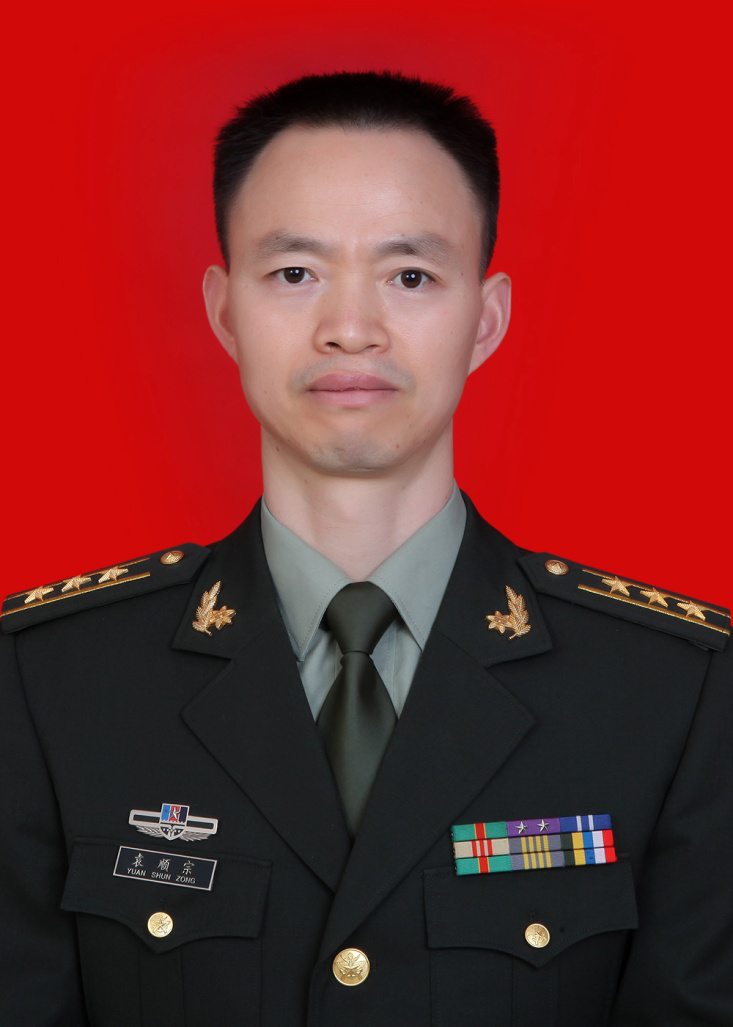 Shunzong Yuan (袁顺宗)合作论文数解放军总医院第五医学中心23MA Bing (马兵)合作论文数22Menglong Liu合作论文数22ChiBing Huang (黄赤兵)合作论文数21Yao Zhihui合作论文数20Xu Peng (彭旭)合作论文数20Daijun Zhou (周代军)合作论文数19Tengfei Liu合作论文数18
 Rui Xu合作论文数Applied Computational Intelligence Laboratory, Department of Electrical and Computer Engineering, University of Missouri-Rolla, MO 65409, USA
18Xiaojuan Wang合作论文数17Yali Gong合作论文数16Tao Yang合作论文数15QiZhi Luo (罗奇志)合作论文数15
Rui Xu合作论文数Applied Computational Intelligence Laboratory, Department of Electrical and Computer Engineering, University of Missouri-Rolla, MO 65409, USA
18Xiaojuan Wang合作论文数17Yali Gong合作论文数16Tao Yang合作论文数15QiZhi Luo (罗奇志)合作论文数15 Cheng Chen合作论文数15Wenguang Cheng合作论文数15Cheng-jun GAN (甘成军)合作论文数14
 Yuesheng Huang (黄跃生)合作论文数School of Medicine, Southern University of Science and Technology;Department of Wound Repair, Southern University of Science and Technology Hospital14
 Hesheng Xia (夏和生)合作论文数Polymer Research Institute, Sichuan University;State Key Laboratory of Advanced Polymer Materials, Sichuan University14Yifei Lu合作论文数13
 Zhihui Liu (刘志辉)合作论文数Hospital of Stomatology, Jilin University13ZHOU Li-na (周丽娜)合作论文数12
 Junsong Zheng (郑峻松)合作论文数Third Military Medical University of Chinese P.L.A12
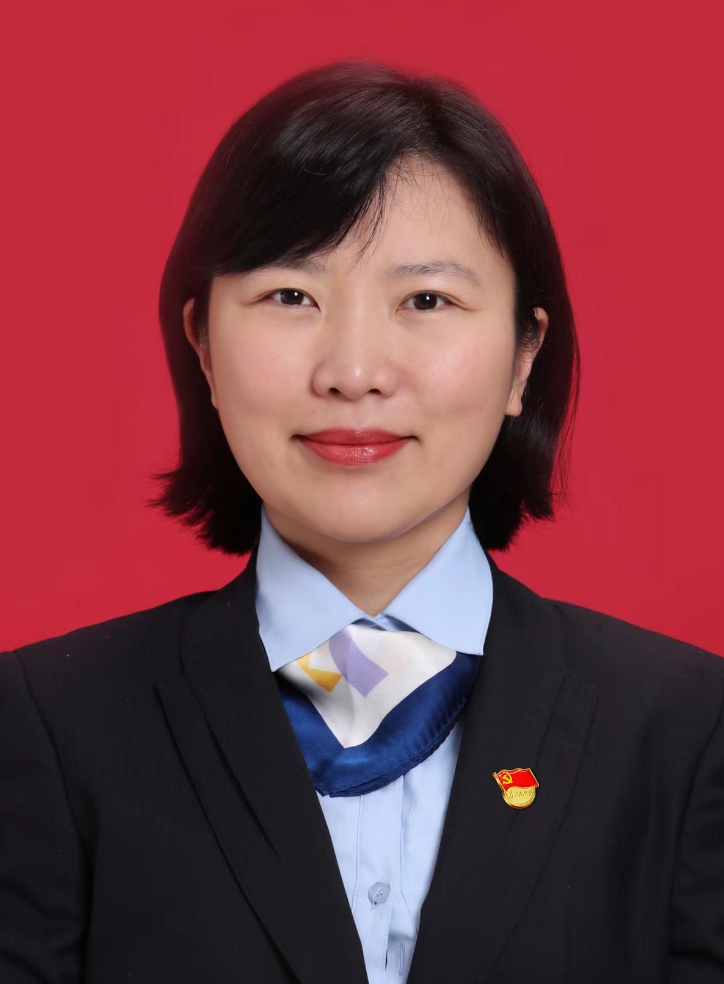 Guangping Liang (梁光萍)合作论文数The Southwest Hospital of Army Medical University12Yuqing Liu合作论文数11Jue Wang合作论文数11Ning Li合作论文数11Meixi Liu合作论文数11ShiXin Yang (杨世昕)合作论文数11




