Fumonisins are mycotoxins produced by Fusarium species. Their contamination of grain and animal feed poses significant health risks to both humans and livestock. Among the fumonisins, FB1, FB2, and FB3 are commonly found in staple crops like maize, rice, and wheat, necessitating reliable detection and quantification methods to ensure food and feed safety. We successfully developed and validated a rapid and optimised method for the simultaneous detection and quantification of three major fumonisins in diverse grain and feed matrices (rice, wheat flour, maize, alfalfa, oat grass, and soybean meal) by LC-MS/MS. Various extraction techniques and clean-up strategies have been evaluated to address the challenges posed by complex sample matrices. Finally, an acetonitrile/water/formic acid solution (50:49:1, v/v/v) and the multi-plug filtration clean-up (m-PFC) column were selected for fumonisins extraction and clean-up respectively, due to their ability to offer superior performance in terms of both recovery rates and minimising interference. The results of matrix effects demonstrated that solvent-based calibration curves were adequate for simpler matrices such as rice and wheat flour, while matrix-matched calibration was essential for more complex matrices like alfalfa and oat grass. Recovery rates for fumonisins in various matrices ranged from 72.5% to 99.3%, while the limits of detection and quantification ranged from 0.3 to 3.3 µg/kg and 1 to 10 µg/kg, respectively, indicating the robustness and reliability of the method. This optimised approach provides a cost-effective and highly reliable solution for fumonisins monitoring, thereby helping mitigate the health risks associated with mycotoxins in food and feed products.
Due to their potential entry into the human body via the food chain, phenothiazine drugs and their metabolites pose specific health hazards, making their detection in edible tissues of paramount importance. In this research endeavor, a highly sensitive multi-residue analytical method has been devised for the detection of phenothiazine drugs and their metabolites in animal-derived food products, utilizing high performance liquid chromatography tandem mass spectrometry (HPLC-MS/MS). The preparation of samples involved the use of 1% formic acid in acetonitrile as the extraction solvent following sample weighing, with multiple extraction steps diligently performed to ensure optimal outcomes. The sample, post-extraction, was directly introduced into the purification column, yielding significant time savings and rendering the process more environmentally sustainable. This procedural step effectively eliminated interfering substances from the sample matrix, including proteins, salts, and phospholipids. Analysis of the extracted samples was conducted through HPLC-MS/MS, employing an electrospray ionization (ESI) ion source. A comprehensive panel of 20 phenothiazine drugs and their metabolites was successfully resolved within a mere 10-min chromatographic run. A robust linear correlation (R2 2 >= 0.99) was attained within a judiciously chosen range of concentrations. Method validation was meticulously conducted across multiple animal species, including trout, white shrimp, pork, beef and chicken. The developed analytical method has been effectively deployed for the screening and quantification of phenothiazine drugs in real-world samples sourced from commercial livestock and aquatic products.
The research aims to establish a rapid and accurate method for the determination of diazepam in aquatic feed, based on direct solid-phase extraction (SPE) column combined with ultra-high-performance liquid chromatography-tandem mass spectrometry (UHPLC-MS/MS). After 10 mL of acetonitrile-formic acid water extraction and defatting with isooctane, the sample is shaken, centrifuged, and the upper clear liquid is purified through direct pass-through SPE column, filtered through a 0.22 μm membrane, and then subjected to machine analysis. The results show that the linear coefficient is greater than 0.99, with a detection limit of 0.3 μg/kg and a quantification limit of 1.0 μg/kg. For diazepam added at low, medium, and high levels to blank samples, the recovery rates range from 82.6% to 101.4%. The intra-batch relative standard deviation (RSD) is between 1.8% and 6.2%, and the inter-batch RSD is between 3.4% and 5.7%. The study indicates that this method is time-efficient, cost-effective, and accurate, making it suitable for the determination of diazepam in large-scale aquatic feed samples.
This study evaluated the impact of pulsed electric fields (PEFs) combined with three-phase partitioning (TPP) extraction methods on the physicochemical properties, functional properties, and structural characterization of the soluble dietary fiber (SDF) derived from peanut shells (PS). The findings of this study indicated that the application of a PEF-TPP treatment leads to a notable improvement in both the extraction yield and purity of SDF. Consequently, the PEF-TPP treatment resulted in the formation of more intricate and permeable structures, a decrease in molecular weight, and an increase in thermal stability compared to SDFs without TPP treatment. An analysis revealed that the PEF-TPP method resulted in an increase in the levels of arabinose and galacturonic acid, leading to enhanced antioxidant capacities. Specifically, the IC50 values were lower in SDFs which underwent PEF-TPP (4.42 for DPPH and 5.07 mg/mL for ABTS) compared to those precipitated with 40% alcohol (5.54 mg/mL for DPPH, 5.56 mg/mL for ABTS) and PEF75 (6.60 mg/mL for DPPH, 7.61 mg/mL for ABTS), respectively. Notably, the SDFs which underwent PEF-TPP demonstrated the highest water- and oil-holding capacity, swelling capacity, emulsifying activity, emulsion stability, glucose adsorption, pancreatic lipase inhibition, cholesterol adsorption, nitric ion adsorption capacity, and the least gelation concentration. Based on the synthesis scores obtained through PCA (0.536 > −0.030 > −0.33), which indicated that SDFs which underwent PEF-TPP exhibited the highest level of quality, the findings indicate that PEF-TPP exhibits potential and promise as a method for preparing SDFs.
Objective:An ultra-high performance liquid chromatography-tandem mass spectrometry method was established for the simultaneous determination of 27 antiparasitic drug residues in Litopenaeus vannamei.Methods:The solution was used to extract antiparasitic drugs in the samples of L.vannamei.The supernatant after centrifugation was purified by Ci8 and neutral alumina powder.The sample solution was analyzed by ultra-high performance liquid chromatography-tandem mass spectrometry and applied to the instrument workstation to perform data analysis.A Thermo Hypersil Gold aQ column was used as the separation column,and 0.1%formic acid acetonitrile and 10 mmol/L ammonium formate solution(containing 0.1%formic acid)were invoked as the organic phase and the aqueous phase for gradient elution,respectively.The electrospray ion source was used for positive and negative ion synchronous scanning and multiple reaction monitoring modes.The ion abundance ratio was qualitative,and the matrix-matched reference solution external standard method was employed for quantitative analysis.The results showed that the Pearson correlation coefficient(r)of 27 antiparasitic drugs was greater than 0.974 1 in a certain concentration range,and the linear relationship was good.Results:The detection limit was 0.5~2.0 μg/kg,and the quantification limit was 2~5 μg/kg;The recoveries(n=6)of the method spiked at the low,medium and high concentration levels of the samples were 61.90%~118.54%,the intra-assay coefficient of variation(n=6)was 0.57%~12.56%,and the inter-assay coefficient of variation(n=3)was 1.29%~16.47%.Conclusion:The method has good selectivity,high method recovery rate,high precision,and short measurement period,provides a robust and efficient method for the determination of antiparasitic drugs in the laboratory,and meets the testing needs of the laboratory.
试验旨在研究不同类型青贮对肉牛生长性能及经济效益的影响.选择体重相近、体况良好的西门塔尔牛60头,随机分为4组,每组15个重复,每个重复1头牛.试验Ⅰ组西门塔尔牛饲喂全株玉米青贮,试验Ⅱ组西门塔尔牛饲喂稻草青贮,试验Ⅲ组西门塔尔牛饲喂花生秧青贮,试验Ⅳ组牛饲喂构树青贮,各组精料相同.试验期100 d.结果显示:与试验Ⅱ组相比,试验Ⅰ组、Ⅲ组、Ⅳ组肉牛末重均显著提高(P<0.05),平均日增重均极显著提高(P<0.01),料重比均极显著降低(P<0.01).饲料投入排序为试验Ⅲ组>试验Ⅳ组>试验Ⅰ组>试验Ⅱ组;各组试验牛增重收入分别为38.50、28.50、36.00和37.25 元/(头·d);试验Ⅰ组的经济效益最高,为10.74 元/(头·d).研究表明,使用全株玉米青贮饲喂肉牛的生长性能较好,经济效益最高,可在肉牛育肥中推广应用.
建立离子色谱法测定乳及乳制品中亚硝酸盐含量.样品以乙腈为蛋白沉淀剂,3.6 mmol/L Na2CO3为淋洗液,流速为0.7 mL/min,经Metrosep A Suup7-250/4.0色谱柱分离,电导检测器分析,外标法定量.结果表明,亚硝酸盐出峰时间14.4 min,在0.01~2.0 μg/mL质量浓度内线性关系良好,检出限为0.02~0.04 mg/kg,定量限为0.04~0.10 mg/kg,方法的平均回收率为85.4%~101.3%,相对标准偏差为1.5%~7.1%(n=6).试验方法简单高效、重复性好、准确度高,可用于乳与乳制品中亚硝酸盐含量的快速定量分析.
为了增加稻农的收入,通过几年的栽培实践,从稻蟹种养的产地环境、田间工程、综合种养技术、病虫草害防治、收获等方面,总结出了唐山地区稻蟹种养绿色高效新技术,旨在为盐碱地稻蟹共生的优质高效生产提供技术支撑.
为探究河北省唐山市不同养殖模式下凡纳滨对虾肠道及养殖环境微生物群落结构及差异,采用16S rRNA高通量测序技术和生物信息学方法,分析了淡水精养(Freshwater intensive culture,FI)和混养(Freshwater mixed culture,FM)2种养殖模式不同时期对虾肠道、水体及底泥微生物的多样性、物种组成及差异.结果表明,FI模式所有样品共聚类为6 077个可操作分类单元(OTU),FM模式所有样品共聚类为7 961个OTU.2种模式的底泥微生物多样性均显著高于水体和对虾肠道,且FM模式底泥的多样性更高.在门水平上,变形菌门(Proteobacteria)是所有样品中相对丰度均较高的物种,其次为拟杆菌门(Bacteroidetes);在属水平上,不同养殖模式下不同样品的优势菌属及相对丰度各不相同.相较于对虾肠道和水体,底泥中微生物的数量和丰富度均为最高;底泥与对虾肠道微生物种类及组成较为相似.研究表明,唐山市2种凡纳滨对虾淡水养殖模式下对虾肠道与环境微生物物种数量随养殖时间的变化基本不变,但物种群落丰富度及多样性均有一定提高;相较于FI模式,FM模式各类型样品微生物群落物种数量更多,且养殖末期时物种相对丰度的变化更加显著,特别是对虾肠道中弧菌属细菌相对丰度显著提高.
结合几年的栽培实践,总结出了在唐山山区阳面建造的阴阳型日光温室中甘蓝和桃树的高效栽培模式,旨在为阴阳型日光温室高效栽培提供参考.其中,阳面温室栽培桃树,阴面温室栽培甘蓝.
ObjectiveTo propose a possible solution for a peanut by-product, peanut shell (PS), this study evaluated the effects of different methods, including enzymatic extraction (E-SDF), microwave extraction (M-SDF), and pulsed electric field extraction (PEF-SDF), on the characterization of soluble dietary fibers (SDFs) from PS. MethodsWe determined the physicochemical properties, including water- and oil-holding capacities (WHC and OHC), emulsifying properties, rheological properties, functional properties, including pancreatic lipase activity inhibition (PRAI), glucose and cholesterol adsorption capacities (GAC and CAC), and the structural properties of SDFs. ResultsThe results showed that PEF-SDF possessed the highest WHC, OHC, and emulsifying properties. M-SDF and PEF-SDF appeared to have more complex and porous structures, and they showed small molecular weights. Notably, PEF-SDF showed the strongest capacities in CAC, GAC, and PRAI. ConclusionsThe results indicate that PEF-SDF is a potential SDF preparation method for a promising dietary fiber (DF) source, PS.
研究旨在建立一种快速、准确测定饲料中呕吐毒素(DON)的超高效液相色谱串联质谱法.样品经过10 mL超纯水提取,振荡,离心,将上层清液经真菌毒素净化柱净化,0.22 μm滤膜过滤,上机测定.在DON的添加水平为0.01、0.05、0.10 μg/kg时,DON的空白样品加标回收率为83.92%~94.65%(精饲料),相对标准偏差(RSD)为6.35%~7.09%.DON线性关系良好,线性系数大于0.9990,检出限为0.01 mg/kg.对市场上216批饲料样品进行测定,其中194批样品检出DON,检出率为89.8%.研究表明,试验所用方法操作方便、成本低、准确性高,能够满足大规模饲料样品测定.
The study was to establish a fast and accurate ultra performance liquid chromatography-tandem mass spectrometry method for determination of DON in feed. The samples were extracted with 10 mL water, then oscillation and exocentric, purified by fungus toxin purification column, filtered by 0.22 μm membrane, determined by UPLC-MS/MS. When DON supplementation levels were 0.01, 0.05 and 0.10 μg/kg, the recoveries were 83.92%~94.65% (concentrate feed), and RSD were 6.35%~7.09%. The DON had good linear relationships in their linear ranges, the linear coefficient was greater than 0.999 0, the limit of detection was 0.01 mg/kg. DON was detected in 194 of 216 batches of feed samples, and the detection rate was 89.8%. The study indicates that the method is easy to operate, low cost, high accuracy and can meet the requirements of large-scale detection of feed samples.
南美白对虾肉质鲜美、营养丰富,深受广大消费者喜爱.近年来,关于南美白对虾的食品安全问题越来越受到关注,兽药残留检测是对南美白对虾进行安全分析的重点领域.液相色谱-质谱检测方法因其准确性高、灵敏度高、分析速度快等优点在南美白对虾的兽药残留检测中应用广泛.文章从样品的提取液选择、常用净化方式的对比、色谱分离条件的优化,质谱检测的不同方法和发展趋势以及基质效应对检测的影响等方面对近几年采用液相色谱-质谱法测定南美白对虾中兽药残留的国内外文献进行了综述.
为了对唐山地区鲜食用菌中农药残留进行风险评价,试验采用食品安全指数方法评价唐山市香菇、海鲜菇、栗蘑等8种鲜食用菌中68种农药残留风险.结果显示:唐山市鲜食用菌产品的农药残留水平整体较低,检出9种农药有残留,分别是咪鲜胺、多菌灵、腈本唑、苯醚甲环唑、烯酰吗啉、高效氯氟氰菊酯、氯氟氰菊酯、丙环唑、吡唑醚菌酯,均未超出国家判定标准,食品安全指数数值远远小于1,表明此次食用菌监测样品不会造成食用安全风险.
为建立优化固相萃取-高效液相色谱-串联质谱法测定禽蛋中甲硝唑残留的方法,以甲硝唑-D4为内标,将禽蛋样品(鸡蛋、鸭蛋、鹅蛋、鹌鹑蛋)用10 mL乙酸乙酯-甲醇(体积比19:1)进行提取离心,将上清液氮吹后用4 mL乙腈-水(体积比4:1)复溶,用PRiME HLB固相萃取柱净化;以Kinetex F5五氟苯基色谱柱分离,0.1%甲酸水和0.1%甲酸乙腈为流动相进行梯度洗脱,在电喷雾离子源(ESI)正离子模式下,采用多反应监测模式(MRM)进行检测,以内标法进行定量分析.结果显示:甲硝唑标准溶液在0.1~50.0μg/L范围内呈现良好的线性关系,相关系数(R2)为0.99981;甲硝唑在禽蛋中的检出限(LOD)和定量限(LOQ)分别为0.15μg/kg和0.50μg/kg,回收率为93.70%~106.83%,相对标准偏差(RSD)为1.66%~3.80%.结果表明,本研究建立的方法前处理过程简单,易于操作,结果准确,适合大批量不同种类禽蛋样品的检测,能够满足禽蛋中甲硝唑残留风险监测的需求.
依据行业标准NY/T 761-2008,采用气相色谱法,对蔬菜中六六六、腐霉利、联苯菊酯、高效氯氟氰菊酯、氯菊酯、氯氰菊酯的残留量进行测量不确定分析,在标准品、标准溶液配制、样品称量、前处理过程、标准溶液峰面积、样品溶液峰面积和回收率7个方面进行测量不确定度的评定.结果显示:在0.08 mg/kg添加水平下,a-六六六、β-六六六、γ-六六六、δ-六六六、腐霉利、联苯菊酯、高效氯氟氰菊酯、氯菊酯、氯氰菊酯合成的不确定度分别为:2.63%、3.01%、2.45%、2.69%、2.33%、1.83%、2.41%、3.34%、2.84%,影响测量不确定度的主要来源为回收率、样品溶液峰面积、标准溶液峰面积.标准溶液的配制、前处理过程对合成不确定度较小的目标物亦不能忽视.
热应激是夏季奶牛养殖中重点防控的疾病,可造成奶牛产奶量严重下降,牛奶品质降低,牛群抵抗力下降等,严重影响奶牛场经济效益.本文从奶牛热应激发生机制、临床特征等方面进行阐述,提出防治手段和有效防控措施,供从业人员参考.
瘦肉精是一类能提高动物瘦肉率的物质,主要包括β-受体激动剂药物.动物过量食用瘦肉精后,可通过食物链在人体内蓄积引发相关毒性,从而危害人体健康.我国于2000年已禁止对食源性动物使用瘦肉精,将其列为禁用药品,在养殖、收购、贩运、屠宰等环节开展全链条监管,对违法行为进行严厉打击.本文从瘦肉精理化性质、作用机体及危害进行分析,提出监管措施,从而为行业监管提供参考.
农产品质量安全快速检测技术样品前处理简单,对设备要求不高,简便快速,是当前农产品质量安全监管工作的重要技术支撑.本文综述了基于生物技术的农产品质量安全快速检测方法的研究进展,包括酶抑制技术、免疫学技术(酶联免疫吸附测定、免疫层析、生物芯片)、生物传感器技术和聚合酶链式反应技术,并展望了其发展方向,以期为后续研究提供参考和借鉴.
 AiJun Li (李爱军)合作论文数32Li Xue Dong合作论文数32Xin Zhou (周鑫)合作论文数18AiLi Xiang (项爱丽)合作论文数15PANG Xue-liang (庞学良)合作论文数9JunLi Meng (蒙君丽)合作论文数9JianMin Zhang (张建民)合作论文数9SiNing Tang (汤思凝)合作论文数8RuiHuan Du (杜瑞焕)合作论文数8HUO Luman (霍路曼)合作论文数7Huihui CAO (曹慧慧)合作论文数7Xin Zhang (张鑫)合作论文数7liwu hao (郝立武)合作论文数6shuhong zhang (张书宏)合作论文数6Yi LI (李艺)合作论文数6Jian-xiong ZHANG (张建雄)合作论文数6Jin Xiao (肖琎)合作论文数6LiTian Zhang (张立田)合作论文数6ZHANG Yi (张谊)合作论文数5ZHANG Lifang (张丽芳)合作论文数4Yanhua YAN (闫艳华)合作论文数4XiaoRan Duan (段晓然)合作论文数4HuaiLi Ge (葛怀礼)合作论文数4Biao Qi (齐彪)合作论文数4FangFang Jia (贾芳芳)合作论文数4Yan Yanhua合作论文数3CUI Yanan (崔亚楠)合作论文数3ZHANG Liang (张亮)合作论文数3Xueying TANG (汤学英)合作论文数3Junjie KANG (康俊杰)合作论文数3JiCun Qi (戚继存)合作论文数3
 Yangdong Zhang (张养东)合作论文数Institute of Animal Sciences, Chinese Academy of Agricultural Sciences;Qingdao Agricultural University3
 Songli Li (李松励)合作论文数Institute of Animal Sciences, Chinese Academy of Agricultural Sciences3
 Nan Zheng (郑楠)合作论文数Institute of Animal Sciences, Chinese Academy of Agricultural Sciences3
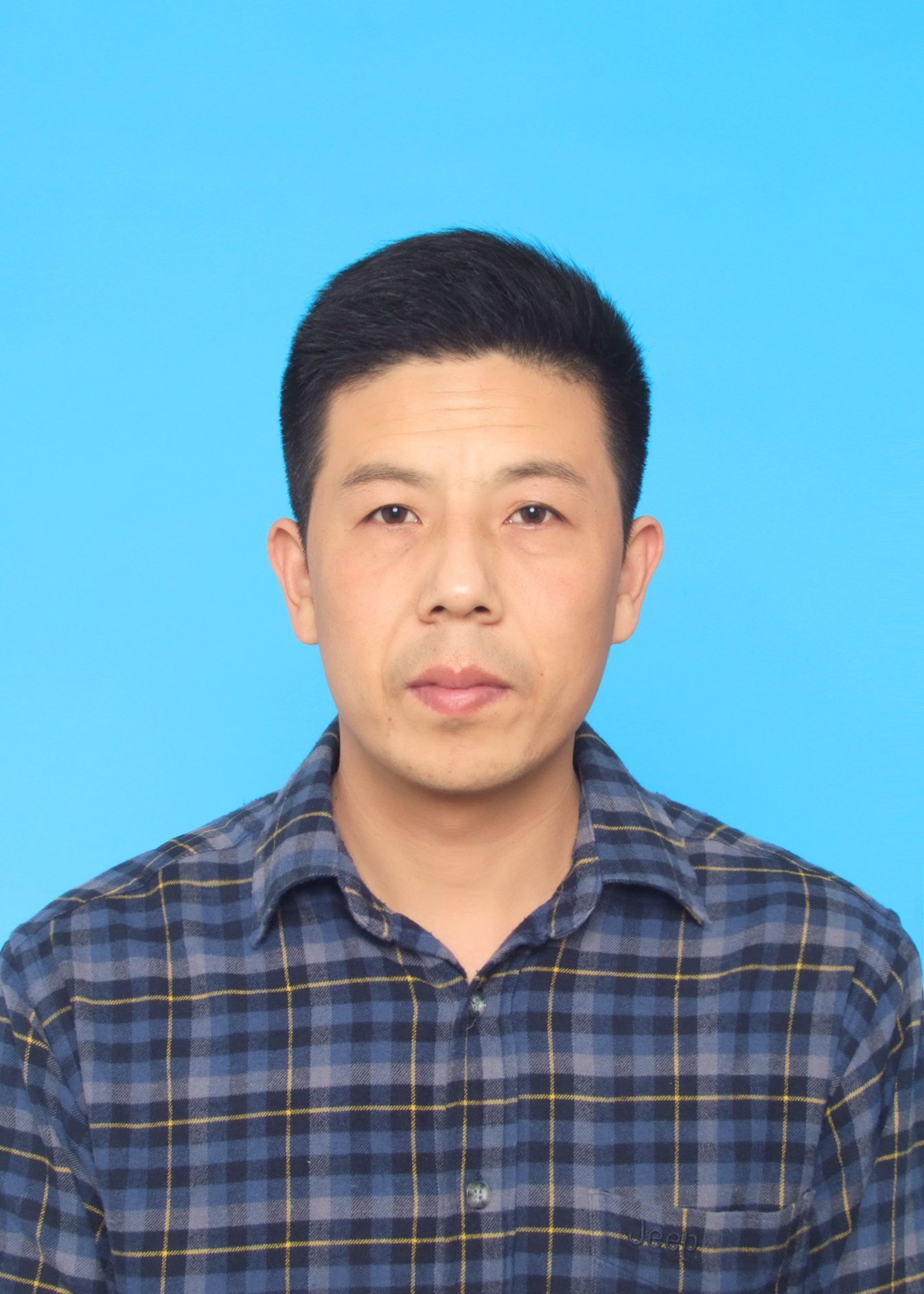 Yanpo Yao (姚彦坡)合作论文数Agro-Environmental Protection Institute, Ministry of Agriculture and Rural Affairs2qiang hou (侯蔷)合作论文数2Xueyin Qu合作论文数2LEI Shuhan (雷舒涵)合作论文数2Zhong-ce YUAN (苑中策)合作论文数2WANG Xin'e (王新娥)合作论文数2Shuai WANG (王帅)合作论文数2LIU Yang (刘洋)合作论文数2GU Shouguo (谷守国)合作论文数2WANG Yajing (王雅静)合作论文数2jianmin zhang合作论文数2ZHAO Haitao (赵海涛)合作论文数2SunYang Song (宋荪阳)合作论文数2XiaoMin Xu (许晓敏)合作论文数2HaiFeng Cui (崔海峰)合作论文数2




