The Ti6Al4V alloy is extensively utilized in dental implants owing to its suited mechanical and biocompatibility qualities. Nonetheless, its subpar tribological performance often result in wear-induced loosening and insufficient osseointegration, restricting its long-term durability. Therefore, three kinds of bionic micro-texture were innovatively designed based on the liquid-storing, liquid-guiding and guiding-storing hybrid theories for Ti6Al4V dental implants. Their synthetic effect on the tribological behavior and biocompatibility was revealed. The results showed that the oxide layer containing high-density hydroxyl groups was formed during laser processing, which significantly enhanced the hydrophilicity of the textured surfaces. The guiding-storing hybrid bionic shark skin micro-texture demonstrated superior anti-wear performance and contact guidance effect, showing the greatest application potential. Its wear depth decreased over 83% comparing to the untextured surface. The cell nuclei and actin filaments aligned highly regularly along the groove ridges, resulting in a spindle-like morphology with a high aspect ratio. This study presents a dual-functional surface optimization technique that harmonizes mechanical stability and bioactivity to reduce wear-induced premature failure of dental implants.
Background Protein kinases dysregulation is implicated in various cancer-related processes; however, its clinical utility and biological significance in head and neck squamous cell carcinoma (HNSCC) remain incompletely understood. This study aimed to establish a novel prognostic signature using kinase-related genes (KRGs) for prognostic and therapeutic prediction in HNSCC. Methods A KRG-related predictive signature was constructed using LASSO-Cox regression. A nomogram incorporating this signature and selected clinicopathological variables was developed through multivariate Cox regression. The predictive value of KRG signature for immune status and chemotherapeutic or immunotherapeutic responses was further evaluated. Finally, both in vitro and in vivo experiments were performed to validate the oncogenic role of ABL2 in HNSCC. Results Patients were stratified into high- and low-risk groups based on a seven-gene KRG signature (TRIB3, RPS6KA4, ABL2, FJX1, JAK3, PIM2, and NEK6), with high-risk patients showing significantly worse prognosis. Additionally, the high-risk group was characterized by an immunosuppressive status, reduced predicted immunotherapeutic response, and enhanced chemoresistance. In vitro and in vivo experimental validation further demonstrated that ABL2 knockdown significantly suppressed tumor proliferation, migration and invasion, while alleviating chemoresistance and reversing the immunosuppressive phenotype. Conclusion This study demonstrates that the KRG-derived signature and corresponding nomogram serves as a robust prognostic biomarker and a reliable predictor of therapeutic response in HNSCC.
BACKGROUND:Hand dysfunction following stroke, especially during the flaccid paralysis phase, significantly impairs patients' motor abilities and daily functioning. Electroacupuncture (EA) is widely used in post-stroke rehabilitation; however, inconsistent clinical outcomes and lack of standardised treatment parameters have limited its broader adoption.This protocol describes a randomised controlled trial designed to determine optimal EA parameters for post-stroke hand dysfunction using an orthogonal experimental design. METHODS/DESIGN:This protocol presents a single-centre, randomised controlled trial design with 10 arms. A total of 110 patients with post-stroke hand dysfunction will be randomly assigned to nine electroacupuncture groups or one sham acupuncture group in equal proportions. Participants will receive 12 treatment sessions over 2 weeks. The EA groups are designed based on a four-factor, three-level orthogonal design to systematically evaluate the main effects of acupoint selection, stimulation frequency, needle thickness and treatment duration. The primary outcome is the effective response rate, defined as reduction in the Chinese Stroke Scale (CSS) score at 2 weeks. Secondary outcomes include assessments with the Modified Lindmark Rating Scale, range of motion measures, Modified Barthel Index and hand motor subscores of the CSS. As this is a trial protocol, results are not yet available. Statistical analyses will be conducted after completion of recruitment and follow-up according to the prespecified analysis plan. Safety and adverse events will be monitored throughout the study. CONCLUSION:This trial is designed to address the current lack of evidence-based standardisation of EA parameters for post-stroke hand dysfunction. By systematically evaluating key treatment components using an orthogonal experimental design, the study aims to identify optimal EA strategies and provide a methodological framework to improve consistency, reproducibility and clinical effectiveness in post-stroke hand rehabilitation. ETHICS AND DISSEMINATION:This manuscript describes a study protocol and does not report any data from participants at this stage. Ethical approval for the planned trial was obtained from the Medical Ethics Committee of the First Teaching Hospital of Tianjin University of Traditional Chinese Medicine (Approval No. TYLL2024(K)072). Written informed consent will be obtained from all participants prior to enrolment. The results of the study will be disseminated through peer-reviewed journals and academic conferences. TRIAL REGISTRATION NUMBER:ITMCTR2024000819.
Increasing global pediatric respiratory diseases require understanding modifiable factors affecting lung function. We explored the association between dietary patterns, nutrients and the risk of expiratory airflow limitation (EAL) in children and adolescents. Dietary intake was collected using a validated food frequency questionnaire (FFQ) with 110 food items. Factor analysis was employed to determine dietary patterns. Pulmonary function was measured using a medical-grade pulmonary function analyzer. EAL was defined as the ratio of Forced Expiratory Volume in one second to Forced Vital Capacity (FEV1/FVC) < 0.8. A total of 611 EAL cases occurred in 3,204 participants, with a prevalence of 19.07
Abstract Background The Chinese government has formulated a series of policies and strengthened training of general practitioners (GPs) to support their role as “gatekeepers” of residents’ health. This study aimed to explore the core competencies of Chinese GPs and develop a competency framework in line with China’s actual conditions, which can provide a more scientific basis for the education, training, and evaluation of GPs. Methods Literature analysis and behaviour event interviews were conducted to build the competency dictionary and the initial version of the competency model. Two rounds of Delphi were performed to gain consensus on the final model. The questionnaire survey was carried out in 10 provinces (municipalities, autonomous regions) of China, and GPs were invited to score the importance of each competency item. The total sample was randomly divided into two groups. One group was for exploratory factor analysis (EFA), and the other was for confirmatory factor analysis (CFA) to examine the scale’s reliability and validity. Results The dictionary of general practitioners’ competency including 107 competency items was constructed. After two rounds of Delphi, a consensus was reached on 60 competencies in 6 domains. A total of 1917 valid questionnaires were obtained in the nationwide survey. The average importance score of all second-level indicators is 4.53 ± 0.45. The Cronbach’s α coefficient is 0.984. The results of the five factors extracted by EFA showing the 68.16% cumulative explained variance variation is considered to be consistent with the six dimensions obtained by Delphi after thorough discussion. The model fitness indexes obtained by CFA were acceptable (χ2/df = 4.909, CFI = 0.869, NFI = 0.841, RMSEA = 0.065). The values of the composite reliability (CR) of the six dimensions were all greater than 0.7 (0.943, 0.927, 0.937, 0.927, 0.943, 0.950), and the average of variance extracted (AVE) were all greater than 0.5 (0.562, 0.613, 0.649, 0.563, 0.626, 0.635). The results showed that the model has good reliability and validity. Conclusion A competency model for GPs suited to China has been developed, which may offer guidance for future training and medical licensing examinations of GPs.
AIM:This study was designed to investigate the response of the respiratory structures to orthognathic surgery in patients with Class III malocclusion, with a specific emphasis on the vertical placement of the hyoid bone. The correlations of these changes were also analysed, followed by further subgroup analyses based on preoperative conditions. MATERIALS AND METHODS:Dolphin software was used to obtain cephalometric landmarks, airway and hyoid bone measurements from pre- and postoperative CBCT scans of 31 patients. Statistical analyses included paired t-tests and Pearson's correlation analysis. RESULTS:Stomatological mandibular values and the nasopharynx height showed significant changes. Pearson's correlation identified significant correlations between changes in B and H horizontal coordinates (p < 0.05), as well as between changes in H longitudinal coordinates and specific airway dynamics (p < 0.05). Patients with a lower preoperative hyoid position experienced a more pronounced decrease in hypopharyngeal airway volume after surgery compared to those with a higher preoperative hyoid position, as evidenced by the significant mean differences and p values (p < 0.01). CONCLUSIONS:Class III patients experienced airway constriction following orthognathic surgery, particularly those with a lower preoperative hyoid bone position, who showed a more significant decrease in hypopharyngeal airway volume postsurgery compared to those with a higher preoperative hyoid position. These findings underscored the importance of individualised surgical planning and highlighted the need for further research with dynamic assessments to optimise respiratory outcomes.
AIM:To assess the accuracy and reliability of GPT-4o for scoring examinees' performance on cardiopulmonary resuscitation (CPR) skills tests. METHODS:This study included six experts certified to supervise the national medical licensing examination (three junior and three senior) who reviewed the CPR skills test videos across 103 examinees. All videos reviewed by the experts were subjected to automated assessment by GPT-4o. Both the experts and GPT-4o scored the videos across four sections: patient assessment, chest compressions, rescue breathing, and repeated operations. The experts subsequently rated GPT-4o's reliability on a 5-point Likert scale (1, completely unreliable; 5, completely reliable). GPT-4o's accuracy was evaluated using the intraclass correlation coefficient (for the first three sections) and Fleiss' Kappa (for the last section) to assess the agreement between its scores vs. those of the experts. RESULTS:The mean accuracy scores for the patient assessment, chest compressions, rescue breathing, and repeated operation sections were 0.65, 0.58, 0.60, and 0.31, respectively, when comparing the GPT-4o's vs. junior experts' scores and 0.75, 0.65, 0.72, and 0.41, respectively, when comparing the GPT-4o's vs. senior experts' scores. For reliability, the median Likert scale scores were 4.00 (interquartile range [IQR] = 3.66-4.33, mean [standard deviation] = 3.95 [0.55]) and 4.33 (4.00-4.67, 4.29 [0.50]) for the junior and senior experts, respectively. CONCLUSIONS:GPT-4o demonstrated a level of accuracy that was similar to that of senior experts in examining CPR skills examination videos. The results demonstrate the potential for deploying this large language model in medical examination settings.
目的 探讨利用垂直双蒂真皮桥行保留乳房外形手术治疗乳腺广泛导管内癌的临床疗效.方法 回顾性分析2015年3月至2017年8月中国医科大学附属盛京医院乳腺外科45例利用垂直双蒂真皮桥进行乳房重建的广泛导管内癌病人临床及随访资料.结果 45例病例中,行扩大Mckissock手术35例,联合假体置入手术10例.中位随访时间40(24~48)个月.病人无病存活率均100%.2例联合假体置入手术病人术后出现乳头部分坏死,经过治疗后于术后6个月内恢复.结论 对于乳腺广泛导管内癌的病人,利用垂直双蒂真皮桥来保留乳房外形的全腺体切除手术(联合或不联合假体)具有良好临床疗效.
目的:探讨翻转课堂教学模式在口腔本科正畸课间实习中的应用效果.方法:选取口腔医学本科学生作为研究对象,将60名学生随机分为实验组(翻转课堂教学)和对照组(传统教学),通过笔试考核、操作测试、问卷调查的方式进行评价.结果:实验组和对照组的理论考试成绩并无明显差异(P>0.05),但是实验组的病例分析成绩高于对照组(P<0.05).实验组的临床操作能力明显优于对照组.结论:翻转课堂教学模式能够很好地达到教学效果,值得在正畸本科课间实习中应用.
Objective: To study the effects of the palatal spur and chincup in the early treatment of anterior open bite in patients with Angle class Ⅰ malocclusion. Methods: Electronic search was conducted to find studies about the effects of the palatal spur and chincup in the early treatment of anterior open bite in patients with Angle class Ⅰ malocclusion. Data extraction and risk of bias assessment of included studies were conducted. RevMan5. 3 software was used fore Meta-analysis. Results: 6 clinical trials were qualified to the Meta-analysis. Compared to the control group, there was no significant change of skeletal measurments after treatment (P> 0. 05), and no significant change in dental measurments in chincup group (P> 0. 05) . While overbite, U1-PP (mm) and L1-MP (mm) were increased (P < 0. 05), U1-NA (°) and L1-NB (°) decreased (P < 0. 05) in the 3 groups of fixed palatal crib, bonded spur associated with the chincup and the removable palatal spur associated with the chincup. Conclusion: Chincup is not effective in the early treatment of the anterior open bite in patients with Angle class I malocclusion. But chincup combined with palatal spur or crib and have a positive effect on the closure of open bite through the palatal clination and extraction of the anterior teeth without influence of molar intrusion and skeletal change.
OBJECTIVES:The aims of this study were to develop the Chinese version of the Communication Skills Attitude Scale (CSAS-Ch) in order to test the psychometric properties of the modified instrument.DESIGN:A cross-sectional study was conducted in September 2016 to evaluate the attitudes of Chinese medical students towards communication skills learning using CSAS at China Medical University.PARTICIPANTS:The study recruited 510 fifth-year medical students by cluster sampling.METHODS:Cronbach's α coefficients were calculated for the entire questionnaire and for the subscales to evaluate the internal consistency of the CSAS-Ch. In order to determine the structure underlying the CSAS, the scale was factor analysed using maximum likelihood extraction and the oblique rotation method.RESULTS:Of the 510 medical students, 492 (96.5%) completed the questionnaire. Cronbach's α coefficient for the CSAS scale was 0.897. Exploratory factor analysis showed that the four-factor structure accounted for 59.8% of the variance and produced an acceptable fit to the data.CONCLUSIONS:The modified CSAS-Ch can be used to evaluate attitudes towards communication skills. Further Future research for improving the teaching methods for communication skills should explore the relationship between medical students' attitudes and the demographic characteristics.
BACKGROUND:In modern China, conflicts between doctors and patients with their families have become increasingly serious. Lack of communication skills is one of the major challenges faced by many residents. Surgical residents' attitudes toward communication are of great significance to communication skills learning. The Communication Skills Attitude Scale (CSAS) is a widely validated and popularly used tool for assessing the attitudes of medical students toward communication skills. The aim of this study was to develop a Chinese version of the CSAS in order to explore attitudes toward communication skills among Chinese surgical residents and to test the psychometric properties of the modified instrument. METHODS:1490 surgical residents among PGY1 to PGY3 were recruited in September 2017 to evaluate attitudes toward communication skills using the Chinese version of the CSAS in China. The reliability of the questionnaire and of each factor was assessed by Cronbach's α coefficients. Principal component analysis was used to evaluate construct validity. Statistical analysis was performed using SPSS 22.0. RESULTS:Of 1490 surgical residents of PGY1 to PGY3, 1420 (95.03%) residents completed the questionnaires satisfactorily. An overall Cronbach's α coefficient of the CSAS was 0.919. The results of principal component analysis showed that the 2-factor structure, which explained 49.06% of the variance, produced an acceptable fit. Stratified analysis by demographic variables suggested that there may be differences based on gender and study year of residency in attitudes toward learning communication skills. CONCLUSIONS:The data suggest that the Chinese version of CSAS developed to assess surgery residents are feasible and provide valid and reliable evidence. Further research is necessary to explore and understand attitudes toward communication skills of surgical residents in China.
Objective To study the three-dimentional characteristic of mandibular condyle morphology and position of adults with skeletal Class Ⅲ malocclusion and mandibular deviation.Methods Sixty patients with skeletal Class Ⅲ malocclusion and mandibular deviation were included.CT data were stored according DICOM.Maxillary and mandibular three-dimensional reconstruction were performed using Mimics 17.0.To make sure measurements and analyze statistically.Results There was no statistical difference in nondeviation group.In deviation group,the condyle coronal plane,condyle horizontal plane,condylar sagittal plane-FH were higher than those in the contralateral side.Sagittal plane of condyle,height of condyle,inner and outer diameter of condyle,length of external oblique side of condyle were smaller than those of contralateral side.Conclusions Mandibular condyle position of adults with skeletal Class Ⅲ malocclusion and mandibular deviation was asymmetric.The lateral condyle was more laterally and inferiorly positioned on the contralateral side than deviated side.The height of the lateral condylar process,the mesial and lateral diameter of the lateral condyle and the length of the outer inclined plane are smaller than that of the contralateral side.
Interprofessional collaboration (IPC) primarily aims to enhance collaborative skills and to improve the awareness of teamwork and collaborative competencies of health care students. The Readiness for Interprofessional Learning Scale (RIPLS) was used to assess such skills. The aim of this study was to adapt a Chinese version of the RIPLS among Chinese health care students and to test the psychometric properties of the modified instrument.
目的 利用Mimics软件对成人骨性Ⅲ类错(牙合)伴下颌偏斜患者下颌骨髁突的位置特征进行三维测量.方法 对50例骨性Ⅲ类错(牙合)畸形患者(18~34岁)的颅面部进行螺旋CT扫描(偏斜组28例,非偏斜组22例),采集DICOM数据,利用Mimics 17.0软件对骨组织进行三维重建并建立三维坐标系,分离上下颌骨,显露完整的髁突形态,确定标志点及测量相关参考平面,对结果进行统计学分析.结果 非偏斜组两侧测量值差异无统计学意义.偏斜组中,偏斜侧髁突的冠状面和水平面与颅骨冠状面交角均大于对侧,髁突水平面与眼耳平面交角小于对侧,髁突矢状面与眼耳平面交角大于对侧,乙状切迹到眼耳平面和冠状面距离均小于对侧,到正中矢状面距离大于对侧.其余结果差异无统计学意义.结论 骨性Ⅲ类错(牙合)伴下颌偏斜患者的髁突位置不对称.偏斜侧髁突位置相对关节窝向后、内旋转,乙状切迹向后、上、外旋转.偏斜对侧髁突位置相对关节窝向前、外旋转,乙状切迹向前、下、内旋转.左右侧关节间隙无明显差异.
目的:探讨TBL-CBL-PBL多轨教学模式对口腔正畸学本科生教学的影响.方法:将120名学生随机分成3组,每组40名,分另接受传统讲授式教学法(A组)、经典PBL教学法(B组)和TBL-CBL-PBL多轨教学法(C组).采取主观问卷调查和客观试卷答题两种方式评价三种教学方式的教学效果.结果:TBL-CBL-PBL多轨教学组各项指标上均优于其他两组并受到学生的普遍认可和接受.结论:TBL-CBL-PBL多轨教学法能够显著提高教学效果,值得进一步推广.
目的:探索口腔正畸本科课间实习教学方法新模式.方法:将90名学生随机分为对照组(传统教学)和实验组(新教学方法),通过理论考核、技能考核、问卷调查的方式进行评估.结果:实验组学生在实际操作和临床实践能力方面都明显优于对照组.结论:以提高实践能力为基础的新教学方法能提高学生的学习积极性并提高学生实践能力,值得在正畸课间实习课中推广.
MicroRNAs (miRNAs) are endogenously expressed small noncoding RNAs that regulate gene expression.It plays a critical role in cell proliferation,cell differentiation,and organism development.Current researches on miRNAs mainly focus on its antitumor effect while its role in periodontics lacks attention.This review is focusing on the differential expression of miRNAs in periodontitis,osteoblast,and osteoclast differentiation,and discussing their possible regulation mechanism on the basis of the latest progress on researches of miRNAs in periodontitis.
Objective To investigate whether there is an association between skeletal Class Ⅲ and the cervical skeletal abnormalities corrected by combined orthodontic and orthognathic treatment via lateral cephalometric. Methods 249 patients with skeletal Class Ⅲ, who had accepted orthodontic-orthognathic surgery, were selected as the experimental group,120 male and 129 female;250 patients with Class Ⅰ, who had only accepted orthodontic treatment, were selected as the control group, 85 male and 165 female. All the patients' ages were between 18~36. The data of the first four cervical fusion and posterior arch defects were recorded by the lateral cephalometric. The relationship between the abnormal cervical vertebra and skeletal Class Ⅲ corrected by combined orthodontic and or-thognathic treatment was analyzed by chi-square test. Results The occurrence rate of the cervical fusion in the experimental group was 50.2%,while in the control group it was 13.2%.The occurrence rate in the experimental group was significantly higher than that of the control group(P<0.001). The occurrence rate of the posterior arch defects in the experimental group was 4.8%,while in the control group it was 2.8% and chi-square test showed that there was statistical significance between the two groups( P<0.05) . The occurrence rate of both cervical fusion and posterior arch defects was 3.2% in the experimental group, while in the control group it was 1.2%, and there was no statistical significance between the two groups( P>0.05) . Conclusion There is an obviously increasing occurrence rate of the cervical skeletal abnormalities in patients with skeletal Class Ⅲ corrected by combined orthodontic and orthognathic treatment.
Background: To explore the features of ductoscopic appearance that may be diagnostic in patients with pathologic nipple discharge (PND) and to discuss the diagnostic criteria for intraductal tumors.Methods: We reviewed 247 patients with PND but without a palpable mass who were evaluated using either surgical biopsy or excision. Data concerning patient age, duration of discharge, discharge color, and the details of endoscopic appearance were analyzed according to the pathological results.Results: The postoperative diagnosis in 61 patients (24.70%) was a nonmass lesion, and 186 patients (76.52%) had an intraductal tumor. Among those with intraductal lesions, 10 patients (4.05%) had a malignant tumor, including 4 (1.62%) with ductal carcinoma in situ and 6 (2.43%) with invasive ductal carcinoma. On univariate analysis, patients of older age with spontaneous and bloody discharge were more likely to suffer from intraductal lesions. On logistic regression analysis, bloody nipple discharge, morphology, and a broad lesion base revealed by ductoscopy showed a statistically significant correlation with malignancy (p = 0.001, p < 0.001, p = 0.022, respectively).Conclusions: Both clinical features and endoscopic appearance are significant for the precise diagnosis of an intraductal lesion seen on ductoscopy. The endoscopic features of bloody discharge, morphology, and a broad lesion base are independent risk factors for malignancy and represent new criteria for the diagnosis of patients with PND.
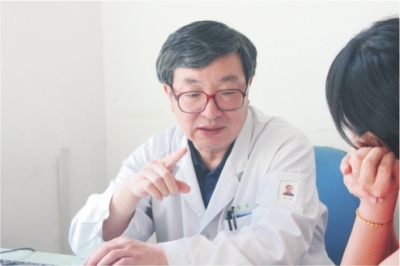 Wenhai Zhang (张文海)合作论文数中国医科大学附属盛京医院乳腺外科13
 Shi Jia合作论文数13JianYi Li (李建一)合作论文数12Dan Zhang (张丹)合作论文数10CuiJuan Feng (冯翠娟)合作论文数9Lin Qi (戚琳)合作论文数8ZhenJin Zhao (赵震锦)合作论文数8Huanye Liu (刘欢叶)合作论文数7Bo Qu (曲波)合作论文数6
 Lin Wang (王林)合作论文数Department of Orthodontics, Affiliated Stomatological Hospital of Nanjing Medical University6
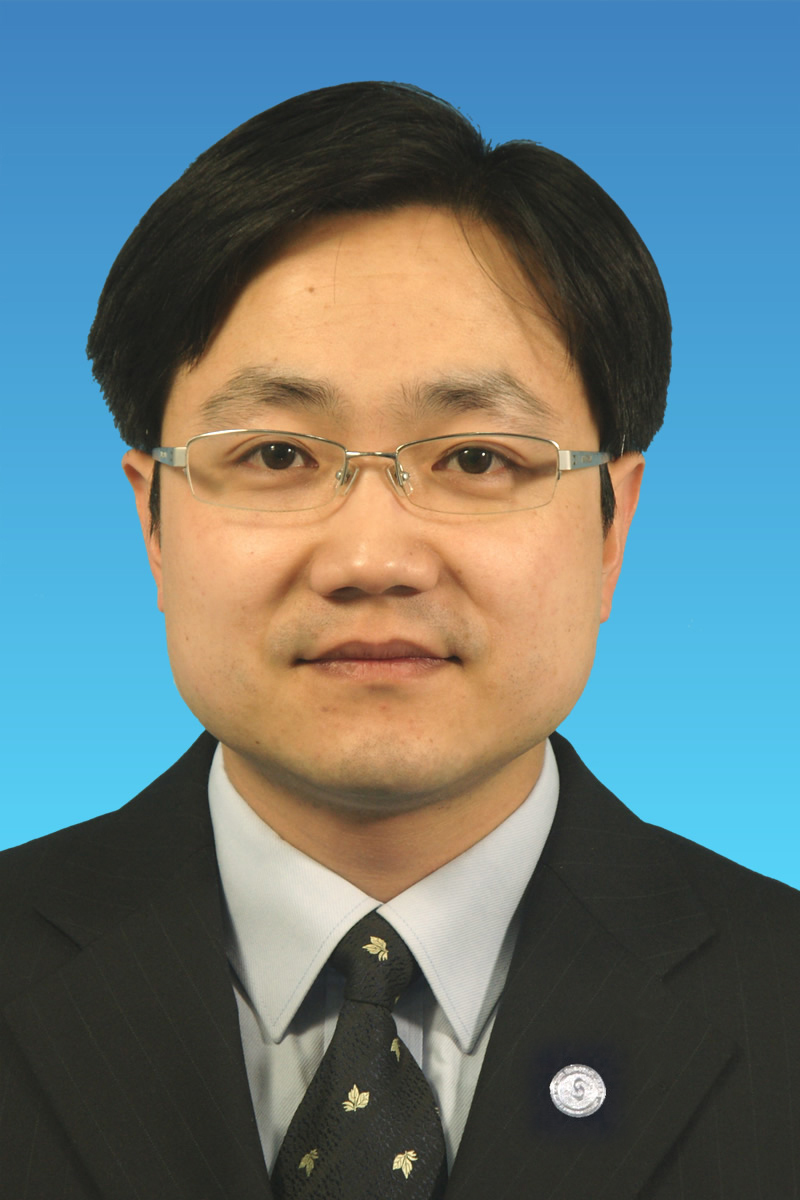 Junqing Ma (马俊青)合作论文数Department of Orthodontics, Stomatological Hospital Affiliated to Nanjing Medical University6Liu Jie合作论文数5Nan Xue合作论文数5GuangQi Yan (颜光启)合作论文数4
 Yi Liu (刘奕)合作论文数School of Dentistry, China Medical University4Yuanyuan Ni (倪媛媛)合作论文数4Bowen Zheng合作论文数3Yihan Sun合作论文数3JiaoHong Duan (段娇红)合作论文数3XiuLin Yan (阎秀林)合作论文数3
 Xiaosong Yu (于晓松)合作论文数The First Hospital of China Medical University3
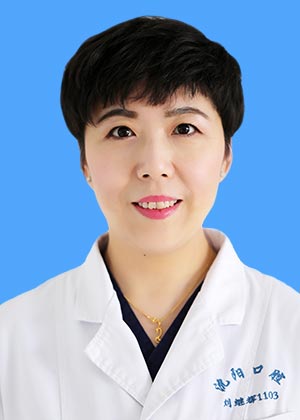 Jihui Liu (刘继辉)合作论文数Department of Orthodontics, Stomatology Hospital of Shenyang3
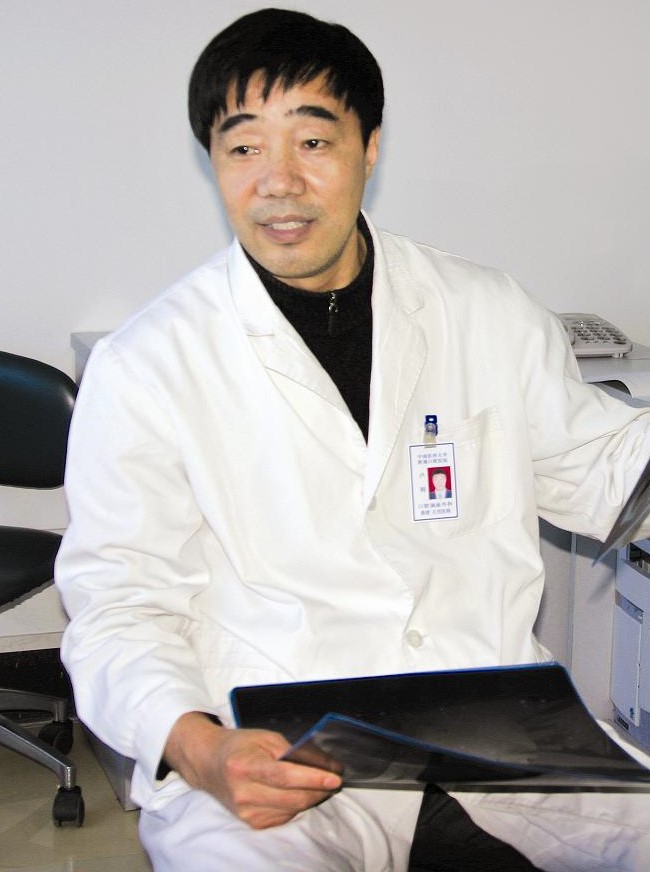 Li Lu (卢利)合作论文数Department of Oral and Maxillofacial Surgery, School and Hospital of Stomatology, China Medical University3
 Yongchu Pan (潘永初)合作论文数Stomatological College of Nanjing Medical University3Wanan Xiao (肖万安)合作论文数2Hua Li合作论文数2Gurong Jiang合作论文数2Bei Che合作论文数2Guanlin Qu合作论文数2bingran zhao (赵炳然)合作论文数2Ye Han合作论文数Univ Texas MD Anderson Canc Ctr, Dept Mol & Cellular Oncol, Houston, TX 77030 USA2Ying Guo合作论文数2Ye Kang合作论文数2JiangChun Xie (谢江春)合作论文数2ShiSi Lun (伦施斯)合作论文数2JieLi Ni (倪洁丽)合作论文数2JiQiang Li (李济强)合作论文数2YanNa Chen (陈艳娜)合作论文数2Fang Qiu (邱芳)合作论文数2Gao Sun (孙高)合作论文数2Na An (安娜)合作论文数2Smales Roger J合作论文数2Qu H C合作论文数2
 Qi Lin合作论文数2
 Jinqi Xue合作论文数2
 Moses Ezeakile合作论文数2Zheng Yue (岳铮)合作论文数2Shuo Liu (刘硕)合作论文数2
 Guirong Zhang (张桂荣)合作论文数Department of Orthodontics, Stomatology Hospital of Shenyang2




