BackgroundThe incidence of psychological stress-induced asthma (PSA) is increasing annually, and numerous studies have shown that vitamin D is associated with the development of asthma, anxiety, and depression. However, to date, no studies have clarified the relationship between vitamin D levels and the prevalence of PSA. Therefore, this study aimed to integrate an analysis based on the National Health and Nutrition Examination Survey (NHANES) database with untargeted metabolomics to explore the potential association between vitamin D and PSA.MethodsThis study integrates a cross-sectional analysis based on the NHANES database with a prospective cohort study incorporating untargeted metabolomics. A total of 2165 adults with asthma and 2331 adults with PSA from the NHANES cycles (2007–2012 and 2015–2018) were included to evaluate the association between vitamin D levels and the incidence of PSA. Multivariable logistic regression, restricted cubic spline modeling, and subgroup analyses were performed. For external validation, 60 adults with asthma and PSA were recruited, and untargeted metabolomics was used to measure plasma calcidiol levels. The association between vitamin D levels and PSA was assessed using regression models.ResultsIn the NHANES study, higher vitamin D levels were independently associated with a lower incidence of PSA (OR = 0.9967, p = 0.033). This association was particularly evident for depression-dominant PSA levels (OR = 0.9929, p < 0.001) and exhibited a significant non-linear relationship (p–non-linear = 0.04). When vitamin D levels were < 67 nmol/L, the incidence of PSA (depression) increased significantly (p = 0.02). Lower daily vitamin D intake was associated with significantly higher incidence rates of PSA and PSA (depression). In the Chinese cohort, higher calcidiol levels were potentially associated with a lower incidence of PSA (OR = 0.735, p = 0.0404), which warrants further validation in future studies. Sensitivity analyses confirmed the robustness of these findings with respect to PSA levels.ConclusionOur findings suggest that lower vitamin D status may be associated with a higher likelihood of PSA. Specifically, lower circulating vitamin D levels and lower daily vitamin D intake were associated with higher odds of PSA. These observations may provide a potential basis for future research on the clinical evaluation and management of PSA levels.
Objective: To investigate the mechanism of Xiaohan Liqi granules (XHLQ) on obstructive sleep apnea-hypopnea syndrome (OSAHS) using network pharmacology and animal validation. Methods: Network pharmacology was used to demonstrate the mechanism of XHLQ in OSAHS with the use of databases and software such as The Traditional Chinese Medicine Systems Pharmacology Database and Analysis Platform (TCMSP), GeneCards, Cytoscape 3.7.2, etcetera. The intermittent hypoxia (IH)-induced rat model was established by placing the rats in an IH chamber and adjusting the oxygen concentration. Hematoxylin and Eosin (H&E) staining was performed to observe the pathological changes in the lung tissues of the rats. Immunohistochemistry (IHC) was used to determine the average optical density values of PI3K and Akt. Quantitative real-time PCR (RT-qPCR) was performed to compare the relative mRNA expression levels of PI3K and Akt in each group. And Enzyme-Linked ImmunoSorbent Assay (ELISA) was used to measure serum IL-6 and TNF-α in rats. Results: The core ingredients of XHLQ for OSAHS were β-sitosterol, palmitoleic acid, α-linolenic acid (ALA), kaempferol and linoleic acid, and the core targets were ALB, IL6, CXCL8, HIF1A, IGF1, MMP9, TLR4, NOS3 and PPARG. Gene Ontology (GO) enrichment analysis and Kyoto Encyclopedia of Genes and Genomes (KEGG) enrichment analysis showed that the common targets of XHLQ and OSAHS were mainly involved PI3K/Akt, HIF-1, TNF-α, NF-κB and other signaling pathways. H&E staining demonstrated that XHLQ can alleviate inflammatory infiltration in the lung tissues. ELISA indicated that XHLQ decreases the expression of IL-6 and TNF-α. IHC staining and RT-qPCR confirmed that XHLQ can reduce the activation of PI3K and Akt. Conclusion: XHLQ may exert therapeutic effects in OSAHS through multiple targets and pathways. Animal experiments verified that XHLQ attenuated airway inflammation and down-regulated PI3K and Akt expression in an IH rat model. Thus, XHLQ shows potential as an adjunctive treatment for OSAHS.
Background: Arrhythmia after myocardial infarction, a common disease, has a high incidence and lethality in clinical practice, which seriously affects patients' quality of life and survival time. Based on our previous study and available evidence, berberine plays a role in the treatment and prevention of arrhythmia after myocardial infarction. Thus, in order to clarify the specific mechanism and provide new clinical treatments, we conducted this study. Method: Firstly, we used bioinformatics analysis and system pharmacology to analyze the physicochemical properties and biological activities of berberine in the Molinspiration server. Secondly, we explored the potential molecular mechanism of arrhythmia after myocardial infarction treated with berberine by using network pharmacology technology: (1) obtaining common genes among berberine, myocardial infarction, and arrhythmia through TCMSP, TTD databases, and so forth; (2) constructing protein-protein interaction by using STRING database; (3) using g:Profiler database to conduct GO enrichment analysis of hub genes and pathways; and (4) performing molecular docking and visualization by using AutoDock and Pymol software. Finally, we applied Western blotting analysis and real-time quantitative polymerase chain reaction to validate the expression of relevant proteins in the TGF-β1-induced cell models. Results: The results of bioinformatics analysis and system pharmacology of berberine indicated that it had wonderful bioavailability and high biological activities. The results of network pharmacology showed that (1) 70 genes related to berberine against arrhythmia after myocardial infarction were obtained, (2) 31 hub genes were obtained by constructing PPI network, and (3) GO enrichment analysis showed that hub genes were associated with mechanisms such as stimulus and cell death. The analysis of KEGG pathways, Wiki pathways, and Reactome pathways showed that the HIF-1 signaling pathway and interleukin-4 and interleukin-13 signaling pathways were the most likely to exert therapeutic effects. (4) The results of molecular docking indicated that berberine most likely exerted therapeutic effects through acting on NGF. Western blotting analysis and real-time quantitative polymerase chain reaction techniques showed that berberine could reduce the expression of NGF and α-SMA in TGF-β1-induced cell models, which confirmed the accuracy of the above findings. Conclusion: Berberine can reduce NGF secretion not only by inhibiting the conversion of cardiac fibroblasts to myofibroblasts but also by acting directly on myofibroblasts. Thus, the sympathetic nerve remodeling was inhibited, which can reduce the occurrence of arrhythmia after myocardial infarction. Considering its wonderful bioavailability and high biological activities, we believe that berberine can be a novel potential therapeutic agent with potential for the treatment of arrhythmia after myocardial infarction.
Background: Asthma has become an increasingly serious and prevalent public health issue. Chinese herbal medicine holds promising potential as an adjunctive therapy for asthma. This study employed ultra-performance liquid chromatography-tandem mass spectrometry (UPLC-MS/MS), network pharmacology, and molecular docking techniques to investigate the therapeutic mechanism of Sangmei Zhike granule (SZG) in the management of allergic asthma. Methods: Initially, UPLC-MS/MS was utilized to identify the primary compounds absorbed into the bloodstream following SZG administration. Subsequently, network pharmacology was applied to predict the targets and key pathways of SZG in treating allergic asthma. Furthermore, molecular docking technology was employed to validate certain predictions derived from network pharmacology. Results: A total of 70 compounds were identified using UPLC-MS/MS. Network pharmacology analysis revealed that active compounds such as schisandrin A, magnoflorine, phaeocaulisin E, and arglabin may play a role in the therapeutic effect of SZG on allergic asthma. These compounds exert their effects by targeting multiple signaling pathways, including JAK-STAT, HIF-1, and PI3K/AKT.Molecular docking analysis of core components and target proteins suggested good binding affinities between the core components and most target proteins, except JAK2, CXCL-8, and TNF. Conclusion: Results from UPLC-MS/MS and network pharmacology indicate that the active compounds present in SZG exert their therapeutic effects on asthma through multiple targets and signaling pathways. These compounds are implicated in the management of type 2-high asthma, type 2-low asthma, and mixed asthma, suggesting a potential efficacy of SZG in non-allergic asthma as well. These findings may provide valuable insights for future investigations on the therapeutic potential of SZG in asthma treatment.
Background:Cordyceps sinensis is a traditional Chinese medicine that has shown promise for the management of chronic bronchitis (CB). We aim to assess the efficacy and safety of a preparation of C sinensis named Bailing capsule (Hirsutella sinensis, Cs-C-Q80) compared with a placebo in patients with CB.Methods: This randomized, double-blind, placebo-controlled, parallel-group clinical trial (Chinese Clinical Trial Registry; registration number: ChiCTR1900025707) recruited patients with CB from eight hospitals in China between May 2019 and December 2020. Patients were randomized 2:1 to receive Bailing capsule or a placebo orally for 48 weeks (2.0 g, three times a day).Results: Among 240 patients who were randomized, 238 (Bailing capsule: 159, placebo: 79) were included in the primary analysis. Bailing capsule significantly reduced the frequency of acute exacerbation of CB (AECB) compared with the placebo during treatment (0.43 ± 0.82 vs. 1.56 ± 1.34; P < 0.001) and follow-up (0.21 ± 0.64 vs. 0.45 ± 0.93; P = 0.026). Bailing capsule improved the severity of expectoration (P = 0.046) and wheezing (P = 0.010) in AECB during follow-up. The severity of CB after treatment was significantly improved in the Bailing capsule group compared with the placebo group (P = 0.035), particularly in terms of expectoration (P = 0.012) and wheezing (P = 0.003). The risk of adverse events, mainly including infectious and invasive diseases and gastrointestinal symptoms, did not significantly differ between the two groups (29.6% vs. 30.4%).Conclusion: In patients with CB, Bailing capsule significantly reduces the frequency of AECB and ameliorates the severity of AECB and CB symptoms.Clinical Trail Registration:https://www.chictr.org.cn, identifer ChiCTR1900025707.
Objective To observe the regulatory effect of Xiaochuanning Granule(XCNG) on inflammatory response in rats with bronchial asthma.Methods Male SD rats were randomly divided into normal group, model group, traditional Chinese medicine group(XCNG 2.48 g·kg -1 ·d -1 ) and Western medicine group(atomization of budesonide suspension) with 12 rats in each group. The asthma model was established by intraperitoneal injection of 10% ovalbumin(OVA) on the 1st and 8th day and stimulated by 1% OVA solution started at the 15th day. The intervention lasted for 2 weeks from the 15th day. At the end of the experiment, pulmonary function, peripheral blood leukocyte count, eosinophil count, interleukin-4(IL-4), interleukin-5(IL-5), interleukin-13(IL-13) in bronchoalveolar lavage fluid and lung HE staining were detected, and meanwhile, real-time fluorescence quantitative reverse transcription and polymerase chain reaction(RT-qPCR) was used to detect the expression of IL-4, IL-5 and IL-13 mRNA in lung tissue. Results Compared with the model group, the pulmonary function indices such as forced vital capacity(FVC), forced expiratory volume in 0.1 s(FEV0.1), FEV0.1/FVC and expiratory flow rate(FEF50%) in the traditional Chinese medicine group were significantly higher(P<0.05), while the peripheral blood leukocyte count and eosinophil count were significantly decreased(P<0.05). The contents of IL-4, IL-5 and IL-13 in bronchoalveolar lavage fluid and the expression of mRNA in lung tissue were significantly decreased(P<0.05). HE staining showed that the bronchial structure was clear, and inflammatory cell infiltration and glandular hyperplasia were significantly alleviated in traditional Chinese medicine group. Conclusion XCNG can improve airway inflammation in rats with bronchial asthma, and its mechanism may be related to the regulation of inflammatory factor gene expression.
Background:Tuo-Min-Ding-Chuan Decoction (TMDCD) is an effective traditional Chinese medicine (TCM) formula granule for allergic asthma (AA). Previous studies proved its effects on controlling airway inflammations, while the specific mechanism was not clear.Methods:We conducted a network pharmacology study to explore the molecular mechanism of TMDCD against AA with the public databases of TCMSP. Then, HUB genes were screened with the STRING database. DAVID database performed GO annotation and KEGG functional enrichment analysis of HUB genes, and it was verified with molecular docking by Autodock. Then, we built a classic ovalbumin-induced allergic asthma mice model to explore the mechanism of anti-inflammation effects of TMDCD.Results:In the network pharmacology study, we found out that the potential mechanism of TMDCD against AA might be related to NOD-like receptor (NLR) signaling pathway and Toll-like receptor (TLR) signaling pathway. In the experiment, TMDCD showed remarkable effects on alleviating airway inflammations, airway hyperresponsiveness (AHR), and airway remodeling in the asthmatic mice model. Further molecular biology and immunohistochemistry experiments suggested TMDCD could repress TLR4-NLRP3 pathway-mediated pyroptosis-related gene transcriptions to inhibit expressions of target proteins.Conclusion:TMDCD could alleviate asthmatic mice model airway inflammations by regulating TLR4-NLRP3 pathway-mediated pyroptosis.
目的 观察痰热清注射液治疗支气管扩张症急性加重期(痰热壅肺证)的临床疗效并探讨其作用机制.方法 60例患者随机分为试验组与对照组各30例.对照组予西医常规治疗,试验组加予痰热清注射液治疗,比较两组患者治疗前后中医证候积分、炎症指标、肺功能指标变化,以及治疗有效率、住院天数、住院费用、抗生素使用情况.结果 两组治疗后咳嗽、咯痰、咯血、喘息胸闷症状积分及总积分均较治疗前改善(均P<0.05),试验组口干症状积分亦较治疗前改善(P<0.05);试验组咳嗽、咯痰、口干单项症状积分及总积分的改善程度均优于对照组(均P<0.05).试验组总有效率为93.33%,高于对照组的70.00%(P<0.05).试验组住院天数、住院费用均少于对照组(均P<0.05).共有32例患者治疗过程中只使用了 1种抗生素,其中试验组18例,对照组14例;其余28例治疗中均使用了 2种及以上抗菌药物,其中试验组12例,对照组16例.试验组抗菌药物平均使用天数和抗菌药物使用强度均低于对照组(均P<0.05).两组治疗后白细胞计数(WBC)、中性粒细胞绝对值(NE#)、中性粒细胞百分比(NE%)、C反应蛋白(CRP)均较治疗前下降(均P<0.05),PCT较治疗前无明显变化(P>0.05).治疗后试验组CRP低于对照组(P<0.05),而试验组WBC、NE#、NE%、PCT与对照组比较,差别均不大(均P>0.05).试验组治疗后FVC%pred、FEV1%pred、FEV1/FVC均较治疗前升高(均P<0.05),RV/TLC则较治疗前降低(P<0.05);对照组治疗后FEV1%pred较治疗前升高(P<0.05),RV/TLC则较治疗前降低(P<0.05).且治疗后试验组FVC%pred、FEV1%pred均高于对照组(P<0.05),RV/TLC则低于对照组(P<0.05),FEV1/FVC与对照组比较差别不大(P>0.05).患者治疗前中医证候总积分与BSI评分呈正相关(P<0.05),与E-FACED评分相关性不强(P>0.05).观察期间两组患者均无不良反应发生.结论 痰热清注射液联合西药治疗对支气管扩张症急性加重期(痰热壅肺证)患者疗效显著,可明显改善临床症状,降低炎症指标,减少抗菌药物使用,改善肺功能,提高患者生活质量,减轻经济负担.
介绍王琦教授通过肺经用药调治肺外疾病的临床经验.认为肺主通调水道,在体合皮,主藏魄,并与大肠相表里,皮肤病、水液病、情志病及大肠相关疾病等肺外疾病均与肺脏关系密切.治疗上从肺的生理特性出发,提出采用清泄肺热、开宣肺气、润肺定魄等治法进行治疗,具有重要的临床价值及推广意义.
目的:探究哮喘宁颗粒对心理应激哮喘大鼠应激状态及肺通气功能的改善作用.方法:将大鼠随机分为正常组、应激哮喘组、普米克令舒组和哮喘宁组,每组 8 只.应激哮喘组予致敏及雾化激发 14d,并同时给予束缚制动,连续 28d;普米克令舒组及哮喘宁组在心理应激哮喘大鼠模型的基础上,从干预第 15 天开始每天激发前 2 h分别给予普米克令舒雾化吸入及哮喘宁颗粒灌胃,连续 14d;正常组致敏和激发均予 0.9%氯化钠溶液,但不做束缚刺激;观察各组大鼠行为学、应激状态、气道阻力及肺组织病理学的变化.结果:与应激哮喘组比较,哮喘宁组大鼠干预第 21、28 天饮食量明显增加,干预第 28 天体重明显增加(均P<0.05).在干预第 21、28 天,哮喘宁组、普米克令舒组激发后较应激哮喘组呼吸频率明显降低(均P<0.05).干预第 22、28 天,哮喘宁组、普米克令舒组大鼠糖水消耗量及糖水偏好程度明显增高(均P<0.05);干预第 28 天,哮喘宁组大鼠糖水偏嗜程度高于普米克令舒组(P<0.05).在干预第 28 天,哮喘宁组大鼠与应激哮喘组比较,翻动次数明显增加,静止时间明显增加(均P<0.05).旷野实验中,在干预第 28 天,与应激哮喘组比较,哮喘宁组大鼠垂直运动次数明显增加(均P<0.05).在干预第 28天,与应激哮喘组比较,哮喘宁组及普米克令舒组大鼠 Ri、Re减低(均P<0.05);PEF、FEF25%~75%、FEV0.3/FVC轻度增高,FET轻度减低,但差异无统计学意义(均P>0.05).结论:哮喘宁颗粒可缓解心理应激哮喘大鼠应激状态,降低气道阻力,改善肺通气功能.
目的:观察加减乌梅丸颗粒对哮喘大鼠激素干预模型肺通气功能及Ⅰ、Ⅲ型胶原蛋白表达的影响.方法:将30只健康雄性SD大鼠随机分为正常组、哮喘组、激素组、阳性药组及中药组,除正常组以外,其余各组均采用卵蛋白致敏、雾化激发的方法建立哮喘大鼠模型;除正常组和哮喘组外其余各组均予地塞米松干预并逐步撤减,在此基础上阳性药组予普米克令舒雾化吸入,中药组予加减乌梅丸颗粒灌胃.用药7周后检测大鼠肺通气功能,HE染色观察大鼠肺组织病理形态学改变,Western blotting法检测大鼠肺组织Collagen Ⅰ Collagen Ⅲ蛋白相对表达量,RT-qPCR法检测大鼠肺组织Collagen Ⅰ mRNA、Collagen ⅢmRNA相对表达量.结果:哮喘组大鼠用力肺活量(FVC)、0.2秒用力呼气容积(FEV0.2)、0.2秒内的平均流速(FEV0.2/FVC%)、用力最大呼气流速(PEF)、用力中期呼气流速(FEF25%~75%)均显著低于正常组(P<0.05);激素组大鼠FVC、FEV0.2、FEV0.2/FVC%、PEF、FEF25%~75%与哮喘组比较,差异无统计学意义(P>0.05);中药组大鼠FVC、FEV0.2、FEV0.2/FVC%、PEF、FEF25%~75%均高于哮喘组和激素组(P<0.05).哮喘组大鼠肺组织中Collagen Ⅰ mRNA、Collagen Ⅲ mRNA、Collagen Ⅰ 蛋白、Collagen Ⅲ蛋白相对表达量均显著高于正常组(P<0.05);激素组大鼠肺组织中Collagen Ⅲ mRNA、Collagen Ⅰ蛋白、Collagen Ⅲ蛋白相对表达量均显著低于哮喘组(P<0.05);中药组大鼠肺组织中Collagen Ⅰ mRNA、Collagen Ⅲ mRNA、Collagen Ⅰ蛋白、Collagen Ⅲ蛋白相对表达量均显著低于激素组(P<0.05).结论:加减乌梅丸颗粒可减少哮喘大鼠激素干预模型肺组织Collagen Ⅰ、Collagen Ⅲ蛋白沉积,改善大鼠肺通气功能,延缓气道重塑的发展进程.
基于伏风及其致病特点,认为风伏肺络,遇感引动,同气相求,伏风妄动导致肺气逆乱、宣肃失司是咳嗽变异性哮喘的主要病机.伏风内藏是关键病机,遇感引动是始发诱因,多种伏风夹杂和风合他邪、深伏肺络是导致病情加重和迁延难愈的重要原因,伏风化燥伤阴是病机转归.根据伏风来源的不同,可分为外来伏风、内生伏风与先天伏风三类.治疗以透散伏风、祛除外风为基本原则,具体治以透邪兼固表、调肝和调体,并辅以祛湿化痰、活血化瘀、调理肺脾肾等治法.伏风久潜于肺,易致风伏阴伤,自拟桑梅止咳汤加减治疗以疏风透邪、养阴清热、熄风止痉,达止咳目的.
血府逐瘀汤出自清代王清任《医林改错》,治疗"胸不任物、胸任重物"等气滞血瘀所致的多种病状.胸闷变异性哮喘(chest tightness variant asthma,CTVA)是支气管哮喘的一种特殊类型,临床以"胸闷"症状为主,肺功能提示气道激发试验阳性或可逆性气流受限.CTVA患者常因情志、过敏、外感等因素诱发或加重,胸部憋闷,情绪烦躁,抑郁不舒,舌质偏暗,可伴瘀点,舌下络脉迂曲青紫或偏暗.患者体质类型主要涉及气郁质、血瘀质、特禀质,以气滞血瘀、枢机不利、宣降失司、出入失序为核心病机.血府逐瘀汤作为主方治疗CTVA,以理气活血,和调枢机,降逆平喘,终获良效.
目的:应用网状Meta分析方法比较与评价5 种经典名方治疗咳嗽变异性哮喘(CVA)的临床疗效,并分别进一步评价其有效性及安全性.方法:运用计算机检索并筛选国家知识基础设施数据库(CNKI)、中国生物医学文献数据库(CBM)、中国学术期刊数据库(CSPD)及中文科技期刊数据库(CCD)等数据库中关于 5 种经典名方(小青龙汤、射干麻黄汤、定喘汤、麻杏石甘汤、玉屏风散)治疗CVA的随机对照试验(RCT),检索时间为 2010 年 1 月 1 日至 2022 年 5 月 5 日.对纳入文献进行评估和筛选,并完成资料提取.借助软件Stata16.0 实施网状Meta分析.结果:共纳入 40 个RCT,网状Meta分析结果提示,在不考虑证型因素时,射干麻黄汤组疗效最为显著;而在辨证分型中,定喘汤+孟鲁司特钠片治疗CVA热证疗效最佳,射干麻黄汤对CVA寒证疗效最为显著.结局指标中,观察组治疗后的肺功能优于对照组且不良反应少于对照组.结论:与孟鲁司特钠片组相比,5 种经典名方单独使用或联合孟鲁司特钠片使用均能提高疗效,改善治疗后肺功能及减少治疗过程中出现的不良反应,且射干麻黄汤组治疗效果最佳.但上述结论仍需大量设计科学、质量更高的RCT来加以验证和说明.
[目的]基于厥阴病机特点探讨乌梅丸在肺系疾病中的运用.[方法]通过梳理厥阴病机的实质,整理并分析医案,以肺系感染性疾病、激素依赖性哮喘、过敏性哮喘/咳嗽变异性哮喘、慢性阻塞性肺疾病为例,阐述乌梅丸在治疗肺系疾病中的具体临床运用.[结果]通过查阅古今各医家对厥阴病机实质的认识,梳理可得厥阴病机以"寒热错杂,阴阳失和"为主要特点,而这一病机特点与肺系疾病发生、发展过程中出现的"寒热错杂,虚实相兼,气机升降失常"的病机特征相符合.例如乌梅丸加减治疗激素依赖型哮喘患者,可明显减少患者激素用量,减轻哮喘症状,提高生活质量.[结论]乌梅丸作为治疗厥阴病的代表性方剂,具有"平调寒热,燮理阴阳,和畅气血"的证治特点,将乌梅丸应用于肺系疾病的治疗,拓宽了乌梅丸的应用范畴.
Abstract Background: Allergic asthma (AA) is a common asthma phenotype. The variable and recurrent clinical symptoms cause a lot of pain to the patients, but there is no complete cure for the disease. It is worth noting that traditional Chinese medicine (TCM) has some advantages in the treatment of AA. Tuo-Min-Ding-Chuan Decoction (TMDCD) is an effective prescription from Professor Wang Qi, academician of the Chinese Academy of Engineering and master of Chinese medicine. Our previous studies with animal experiment have proved the efficacy of decoct TMDCD. Therefore, we designed a clinical trial to evaluate the safety and efficacy of TMDCD in the treatment of mild AA. Methods: This study is a single-center, randomized, double-blinded, placebo-controlled, parallel-group trial. 324 subjects will be recruited and randomized in a 1:1 ratio in the Intervention and control groups. The Intervention group and control group will be administered TMDCD granules and placebo granules, respectively. The primary outcome measures are the total dose of budesonide-formoterol and Total Asthma Symptom Score(TASS). The secondary outcome measures include times of AA exacerbation, Asthma Control Test(ACT), The fraction of exhaled nitric oxide (FeNO), total IgE and allergen specific IgE, lung function testing, Blood routine, Constitution in Chinese medicine questionnaire (CCMQ), Asthma Quality of Life Questionnaire(AQLQ) and the total dose of cetirizine hydrochloride. The study period will last for 60 weeks, including 12 weeks for treatment time and 48 weeks for follow-up period. Discussion: We hypothesized that TMDCD might effectively relieve the symptoms of AA, reduce the number of relapses and the dosage of inhaled corticosteroids(ICS),and improve the quality of life of patients. Our hypothesis may be confirmed by the relevant data obtained in this study. Trial registration: This trial has been registered with the Chinese Clinical Trial Registry. Trial registration number: ChiCTR2200056239. Registered 2 February 2022. http://www.chictr.org.cn.
慢性咳嗽是呼吸内科常见疾病,治疗棘手.中医认为本病在病因病机上具有复杂性,虽为肺系病,却常涉及他脏,且多见虚实夹杂、内外合邪.体质是脏腑关系、阴阳平衡的综合体现,决定了本病在内伤、外感两方面的病机走向,使得其证候特点各异,采用"辨体-辨病-辨证"结合的诊疗模式可以更加有效地防治本病.文章以国医大师王琦院士体质分类学说为基础,借鉴古今多位医家诊疗思路,结合导师崔红生教授临床经验,探讨该病的中医治疗策略.
咳嗽变异性哮喘是以慢性咳嗽为主要或者唯一临床表现的一种特殊类型哮喘,其病机演变过程较为复杂,发病过程多为风邪内伏,外风引触而致肺气上逆,从而发为咳嗽,核心病机可归纳为"风邪内伏,外风引触",治疗上遵从"解利伏邪,调枢和肺"的基本治则,以药物气味理论为核心,少阳主枢理论为基础,配伍遵循甘苦酸微辛之法,临床实践中治以崔红生教授自拟桑梅止咳方,取得较好疗效.
咳嗽变异性哮喘(CVA)是一种以咳嗽为唯一或主要临床表现的呼吸系统疾病,常反复发作,迁延不愈.宿根内伏是CVA反复发作的病理基础,枢机不利是CVA的病机关键,舌苔是CVA临床分型的重要参考依据,风伏阴伤与湿热内蕴乃其常见证候类型.临床当以和调枢机为主要治疗法则,或清散敛降,透达风伏;或分消走泄,通利三焦,终使枢机得利,肺之宣降有常,脏腑和合,气血和畅,邪去正安,咳逆自平.
目的:评价苍耳桑梅方对过敏性鼻炎-哮喘综合征(CARAS)的临床疗效及安全性.方法:将入组的146例CARAS患者按照1 ∶ 1的比例随机分为对照组和治疗组,两组均进行规范化基础西医治疗,治疗组同时给予苍耳桑梅方中药颗粒剂口服,疗程为14 d.观察治疗前后症状评分、哮喘控制测试(ACT)评分、肺功能等结局指标及安全性指标.结果:治疗后治疗组总体疗效、症状总积分及多数单项症状积分、ACT评分及FEV1%pred与PEF%pred肺功能指标均显著优于对照组(P<0.01).结论:苍耳桑梅方临床疗效确切,可明显改善CARAS症状和肺功能,且安全可靠.
 XueFeng Gong (弓雪峰)合作论文数36
 Weiping Wu (武维屏)合作论文数Dongzhimen Hospital, Beijing University of Chinese Medicine36WeiBo Bi (毕伟博)合作论文数31QiuYi Chen (陈秋仪)合作论文数27MingSheng Lv (吕明圣)合作论文数24Guirui Huang合作论文数16HUANG Shuai-yang (黄帅阳)合作论文数16张诗瑜合作论文数北京中医药大学第三附属医院呼吸科15PeiZhong Ren (任培中)合作论文数13JiaMei Wang (王佳美)合作论文数13HOU Dan (候丹)合作论文数12
 Ruifeng Jin (靳锐锋)合作论文数Third Affiliated Hospital, Beijing University of Chinese Medicine12Chang-an LI (李长安)合作论文数10ZhiJie Zhang (张志杰)合作论文数9
 Jianjun Wu (吴建军)合作论文数Third Affiliated Hospital, Beijing University of Chinese Medicine8Yang Qin (秦阳)合作论文数7ZhiYue Li (李芷悦)合作论文数6Min Jiang (姜旻)合作论文数6
 Chuanyun Ren (任传云)合作论文数Dongzhimen Hospital, Beijing University of Chinese Medicine6
 Haiqiang Yao (姚海强)合作论文数北京中医药大学国医堂中医门诊部6Sheng-kang LIU (刘圣康)合作论文数5QingXia Zhu (朱青霞)合作论文数5Shuo Yang (杨硕)合作论文数5
 Lishan Zhang (张立山)合作论文数Dongzhimen Hospital, Beijing University of Chinese Medicine5
 Ji Wang (王济)合作论文数School of Traditional Chinese Medicine, Beijing University of Chinese Medicine5
 Cuiling Feng (冯淬灵)合作论文数Peking University People's Hospital5
 Chengxiang Wang (王成祥)合作论文数Third Affiliated Hospital, Beijing University of Chinese Medicine5Lyu Ming-sheng合作论文数4GuangXun Xu (徐光勋)合作论文数4FengHua He (何丰华)合作论文数4
 Zhihao Wen (温志浩)合作论文数4QiFu Huang (黄启福)合作论文数4
 Huiping Su (苏惠萍)合作论文数Dongzhimen Hospital, Beijing University of Chinese Medicine4Huijuan Chen (陈会娟)合作论文数4Dongmei Shao合作论文数3Qiannan Li合作论文数3Sheng Deng合作论文数3Junlong Feng合作论文数3Fangfang QIN (秦芳芳)合作论文数3MinMin Dan (单敏敏)合作论文数3Xinyu Zhang (张馨予)合作论文数3
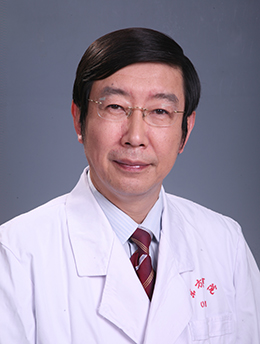 Qi Wang (王琦)合作论文数Dongfang Hospital, Beijing University of Chinese Medicine3
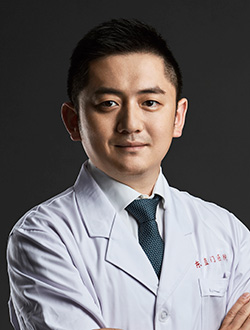 Bin Wang (王彬)合作论文数Dongzhimen Hospital, Beijing University of Chinese Medicine3
 Haisong Li (李海松)合作论文数Dongzhimen Hospital, Beijing University of Chinese Medicine3
 Jiping Zhao (赵吉平)合作论文数International School, Beijing University of Chinese Medicine3Jiandong Song合作论文数2Yanguang Shen合作论文数2Kan Xiong合作论文数2Xugui Li合作论文数2




