Natural killer (NK) cells offer profound advantages against tumor recurrence due to their unique immunological behavior. NK cell therapies associated with the antibody-dependent cell-mediated cytotoxicity (ADCC) effect have made remarkable progress while being limited by insufficient antibody binding and the exhausted state of NK cells in the postsurgical immunosuppressive microenvironment. Leveraging the adherence of PLT to tumor cells, we developed an exogenously implanted platelet (PLT)-based NK cell-driven system (PLT-IgG-IL15) to improve the identifiability of residual tumors with IgG antibody labeling for NK cells catching and engaging, which consequently restored the ADCC effect and promoted the recovery of their killing function. Furthermore, interleukin-15 (IL-15) participated in the augmentation of NK cell function. Collectively, PLT-IgG-IL15 served as an NK cell tumor cell engager as well as an NK cell charger, achieving a <40% recurrence rate in mouse tumor models.
Activated hepatic stellate cells (aHSCs), the main source of extracellular matrix deposition, are key targets in liver fibrosis. However, no effective drug specific to aHSCs has been clinically applied due to poor drug delivery efficiency. Herein, we designed a CXC chemokine receptor 4 (CXCR4)-targeted reactive oxygen species (ROS)-responsive platform AMD-Dex-ROS-responsive-sorafenib (ARS) based on natural polysaccharide and thioctic acid frame, which can deliver anti-fibrosis drug represented by sorafenib specifically to aHSCs on account of CXCR4 over-expression on aHSCs, and smartly disassemble via ROS-responsive thioketal rupture relying on high intracellular ROS in HSCs, realized on-demand drug release and effective liver fibrosis reversion. Notably, in this platform, the CXCR4 antagonist AMD3100 not only enhanced aHSCs targeting efficiency of sorafenib but also effectively magnified the aHSCs elimination of sorafenib by blocking stroma cell derived factor-1 (SDF-1)/CXCR4-induced aHSCs protection, resulting in synergistic anti-fibrosis effect. The platform provided a new approach for drug delivery system design and liver fibrosis treatment.
凋亡小体是一类由凋亡细胞释放的细胞外囊泡,由于具有良好的载药功能以及优异的靶向能力,凋亡小体被认为是一种具有潜力的药物递送载体.本文首先概述了凋亡小体的形成机制,然后总结了近年来基于凋亡小体的药物递送系统的相关研究,包括完整凋亡小体药物递送系统、重组凋亡小体药物递送系统、原位生成的凋亡小体药物递送系统以及类凋亡小体仿生药物递送系统,最后对凋亡小体在药物递送领域所面临的挑战和潜在解决策略进行了展望.
Tumor hypoxia and high glutathione (GSH) expression promote regulatory T cell (Treg) infiltration and maintain its immunosuppressive function, which significantly reduces the response rate of cancer immunotherapy. Here, we developed an immunomodulatory nano-formulation (FEM@PFC) to reverse Treg-mediated immunosuppression by redox regulation in the tumor microenvironment (TME). Oxygen carried in perfluorocarbon (PFC) was delivered to the TME, thus relieving the hypoxic condition and inhibiting Treg infiltration. More importantly, GSH depletion by the prodrug efficiently restricted the Foxp3 expression and immunosuppressive function of Tregs, thus breaking the shackles of tumor immunosuppression. Additionally, the supplement of oxygen cooperated with the consumption of GSH to enhance the irradiation-induced immunogenic cell death and subsequent dendritic cell (DC) maturation, thereby efficiently promoting the activation of effector T cells and restricting the immunosuppression of Tregs. Collectively, the FEM@PFC nano-formulation reverses Treg-mediated immunosuppression and regulates the redox balance in the TME to boost anti-tumor immunity and prolong the survival of tumor-bearing mice, which provides a new immunoregulatory strategy from the perspective of redox modulation.
随着仿生化技术的发展,越来越多的体外模型被应用于模拟人体生理和病理过程.这些体外模型可以解决一些科学问题,例如,实时地、可视化地研究药物作用等.器官芯片作为一种体外模型,为基础科学和应用科学提供了新型的手段和方法.而血管化器官芯片作为一种特殊的器官芯片,能更好地模拟人体血管的结构和功能.本文概括了不同血管化器官芯片的结构和功能,分析了血管化器官芯片在模拟生理和病理过程中的应用,讨论了血管化器官芯片作为一种新型体外模型的优势与待解决的问题.最后,对血管化器官芯片的应用前景提出了设想与展望.
Tumor-associated macrophages (TAMs) play a crucial part in cancer evolution. Dynamic imaging of TAMs is of great significance for treatment outcome evaluation and precision tumor therapy. Currently, most fluorescence nanoprobes tend to accumulate in the liver and are difficult to metabolize, which leads to strong background signals and inadequate imaging quality of TAMs nearby the liver such as pancreatic cancer. Herein, we aim to develop metabolizable dextran-indocyanine green (DN-ICG) nanoprobes in the second near-infrared window (NIR-II, 1 000-1 700 nm) for dynamic imaging of TAMs in pancreatic cancer. Compared to free ICG, the NIR-II fluorescence intensity of DN-ICG nanoprobes increased by 279% with significantly improved stability. We demonstrated that DN-ICG nanoprobes could specifically target TAMs through the interaction of dextran with specific ICAM-3-grabbing nonintegrin related 1 (SIGN-R1), which were highly expressed in TAMs. Subsequently, DN-ICG nanoprobes gradually metabolized in the liver yet remained in pancreatic tumor stroma in mouse models, achieving a high signal-to-background ratio (SBR = 7) in deep tissue (∼0.5 cm) NIR-II imaging of TAMs. Moreover, DN-ICG nanoprobes could detect dynamic changes of TAMs induced by low-dose radiotherapy and zoledronic acid. Therefore, the highly biocompatible and biodegradable DN-ICG nanoprobes harbor great potential for precision therapy in pancreatic cancer.
随着大数据和人工智能时代的到来,各大高校纷纷开设Python程序设计课程.该课程究竟应怎么教是每一位教师应该思考的问题.基于中国药科大学药学基地班Python课程的实践,文章提出应围绕计算思维的培养和"学以致用"的思想,展开案例驱动式教学.
As a natural flavonoid compound, rutin could scavenge free radicals effectively to achieve remarkable antioxidant and anti-photoaging activity. Unfortunately, the extremely low water solubility of rutin often leads to the poor percutaneous permeability and unsatisfactory bioavailability, which has greatly restricted its clinical application. In this study, a novel freeze-dried rutin nanocrystal was developed to improve its saturation solubility, which was further redispersed in carbopol gel to formulate the targeted rutin nanocrystal gel (NC-gel) for enhanced transdermal delivery efficiency. Benefit from the advantages of NC-gel, the permeated amounts of rutin on mice in the NC-gel group was more than three times enhancement over that of the coarse drug gel group. Furthermore, the results of pharmacodynamic studies in vivo demonstrated that NC-gel could effectively prevent the skin photoaging and tissue damage induced by UV irradiation. Taken together, these results validated that NC-gel was an ideal carrier for the epidermal application of rutin to obtain excellent anti-photoaging effect, which further might provide a valuable platform for improving the transdermal bioavailability of insoluble drugs.
通过制备不同链长聚乙二醇(PEG)修饰的纳米脂质载体(NLCs)考察PEG链长对其口服吸收的影响.使用聚乙二醇(100)单硬脂酸酯(S100)、聚乙二醇(55)单硬脂酸酯(S55)、聚乙二醇(40)单硬脂酸酯(S40)3种不同链长的PEG通过薄膜分散法制备NLCs,以香豆素6(coumarin 6)作为荧光探针,对修饰不同链长PEG的NLCs进行理化性质表征.考察了不同链长PEG修饰的NLCs在模拟缓冲液中的稳定性以及体外释药行为.同时对NLCs的细胞毒性、细胞摄取动力学以及摄取机制进行了考察.结果表明,随着PEG链段长度的增加,其水化层厚度不断增大.与其他NLCs相比,S100修饰的NLCs(pNLC-EG100)具有更好的细胞摄取效率,证明S100的链段长度是用于口服NLCs给药的最佳长度.
Self-assembled nanofibers hold tremendous promise for cancer theranostics owing to their in situ assembly, spatiotemporal responsiveness, and diverse bioactivity. Herein, this review summarizes the recent advances of self-assembled peptide nanofibers and their applications in biological systems, focusing on the dynamic process of capturing cancer cells from the outside-in. (1) In situ self-assembly in response to pathological or physiological changes. (2) Diverse functions at different locations of tumors, such as forming thrombus in tumor vasculature, constructing a barrier on the cancer cell membrane, and disrupting the cancer organelles. Of note, with the assembly/aggregation induced residence (AIR) effect, the nanofibers could form a drug depot in situ for sustained release of chemotherapeutic drugs to increase their local concentration and prolong the residence time. Finally, perspectives toward future directions and challenges are presented to further understand and expand this exciting field.
Polyethylenimine (PEI) is a promising delivery vector of nucleic acids, but cytotoxicity and only moderate transfection efficacy with small RNAs limit its applications. Here we hypothesized that hydrophobization of PEI by combined modification with perfluorinated moieties (F) and cholesterol (Ch) will help in addressing both the cytotoxicity and siRNA delivery efficacy. To test the hypothesis, we synthesized a series of copolymers (F-PEI-Ch) by modifying PEI by reaction with heptafluorobutyric anhydride and cholesteryl chloroformate. We investigated and compared the effect of the modifications on siRNA delivery in vitro and in vivo. We found that the F-PEI-Ch copolymers assembled into micellar structures and that the copolymer with the highest Ch content exhibited the best siRNA delivery performance, including lower cytotoxicity, enhanced cell uptake, improved endosomal escape, and the best siRNA silencing efficacy in vitro and in vivo when compared with control PEI, F-PEI, and PEI-Ch. Overall, hydrophobization of PEI with a combination of cholesterol and superhydrophobic perfluorinated moieties represents a promising approach to the design of siRNA delivery vectors with decreased toxicity and enhanced transfection efficacy.
Improving the limited penetration, accumulation and therapeutic effects of antitumor drugs in the avascular region of the tumor mass is crucial during chemotherapy. P-gp inhibitors have achieved little success despite significant efforts. Excessive P-gp inhibition disturbed the kinetic balance between intracellular accumulation and intercellular penetration, thus resulting in a more inhomogeneous distribution of substrate drugs. Here, we found that ginsenoside Rh2 pretreatment mildly downregulated P-gp expression through reactivating the pentose phosphate pathway and rebalancing redox status. This mild P-gp inhibition not only significantly increased the growth inhibition effect and accumulation profile of adriamycin (ADR) throughout the multicellular tumor spheroid (MCTS) but also had unique advantages in improving drug penetration. Furthermore, we developed a novel individual-cell-based PK-PD integrated model and proved that metabolic reprogramming and redox rebalancing-based P-gp regulation was sufficient to increase the ADR effect in both central and peripheral cells of MCTS. Thus, a “ginsenoside Rh2-ADR” sequential regimen was proposed and exhibited a potent antitumor effect in vivo. This novel P-gp inhibition via metabolic reprogramming and redox rebalancing provided a new idea for achieving better antitumor effects in the tumor avascular region during chemotherapy.
植入型给药系统是缓控释给药系统的重要分支之一,适用于长期给药和靶向给药,具有载药量高、体积较小、作用时间长、副作用小、生物利用度高等特点,同时还可以大大提高长期慢性病患者的依从性,因此愈来愈被行业所重视.随着品种类型、给药途径及生产技术不断发展,植入型给药系统目前已被应用于生殖健康、肿瘤治疗、疼痛治疗、眼部治疗等众多领域.对近几年国内外植入剂的种类及临床研究和应用进展进行综述,为该剂型后续深入研究提供参考.
Gasdermin D (GSDMD) plays a causal role in NOD-like receptor protein 3 (NLRP3) inflammasome-mediated pyroptosis eruption, which has been regarded as a potential therapeutic target for pyroptosis-related diseases including acute gouty arthritis. In the present study, the synthesized PEI-Chol (cholesterol grafted polyethylenimine) was assembled with GSDMD small interfering RNA (siRNA) to form PEI-Chol/siGSDMD polyplexes, which provided high transfection efficiency for siRNA-mediated GSDMD knockdown. Then we evaluated the effect of GSDMD siRNA-loaded PEI-Chol on inflammatory cascades in bone-marrow-derived macrophages (BMDMs) and acute gouty arthritis animal models under MSU exposure. When accompanied by pyroptosis blockade and decreased release of interleukin-1 beta (IL-1β), NLRP3 inflammasome activation was also suppressed by GSDMD knockdown in vivo and in vitro. Moreover, in MSU-induced acute gouty arthritis mice, blocking GSDMD with siRNA significantly improved ankle swelling and inflammatory infiltration observed in histopathological analysis. Furthermore, investigation using a mouse air pouch model verified the effect of siGSDMD-loaded PEI-Chol on pyroptosis of recruited macrophages and related signaling pathways in response to MSU. These novel findings exhibited that GSDMD knockdown relieved acute gouty arthritis through inhibiting pyroptosis, providing a possible therapeutic approach for MSU-induced acute gouty arthritis molecular therapy using PEI-Chol as a nucleic acid delivery carrier.
Chemotherapy plays an important role in cancer treatment, yet its clinical application is inhibited by side effects. Chemotherapeutic agents accumulate at nonspecific sites and induce oxidative stress damage in noncancer tissues. A selective approach would be ideal, which would not only enhance anticancer efficacy in the tumor sites but also reduce chemotherapy-induced adverse effects on normal tissues. Therefore, we reported an adenosine-5'-triphosphate (ATP)-responsive oxidative stress nanoregulator (DePQu-DOX) to achieve the tissue-specific therapy. The DePQu-DOX NPs coloading doxorubicin (DOX) and quercetin (Qu) enhanced oxidative stress in murine breast cancer cells and scavenged DOX-induced oxygen free radicals in normal cardiac myocytes and podocytes. The released Qu could accelerate free radical scavenging more efficiently in oxygen-rich myocardium than in hypoxic tumors. Additionally, the ATP- specific responsiveness of nanocarriers enable cargos to selectively accumulate at tumor sites and decline the accumulation amount at normal tissues, resulting in lower system toxicity and improved anticancer effects. In vitro and in vivo experiments showed that this oxidative stress nanoregulator could efficiently protect normal tissues and significantly inhibit tumor growth. This study suggests that nanomedicine-mediated oxidative stress regulation could provide selective tumor therapeutics and reduce anthracycline-induced system toxicity.
Developing various kinds of nanoplatforms with integrated diagnostic and therapeutic functions would be significant for imaging-guided precision treatment of cancer. However, it is still a challenge to organically integrate therapeutic and imaging components into a single nano-system rather than simply mixing. Herein, an iron-gallic acid network-based nanoparticle (Fe-GA@PEG-PLGA) was designed for magnetic resonance imaging (MRI)-guided chemo-photothermal synergistic therapy of tumors. The tumor spatial location and size information can be accurately achieved due to T1 MRI based on Fe3+ coordination with GA in Fe-GA network. Furthermore, the nanoparticle exhibited extraordinary photostability and photothermal therapy capacity exceeded 42 °C within 100 s under 808 nm laser irradiation. Meanwhile, the Fe-GA polymeric network can be disassembled in tumor acidic environment and the released drug GA can induce apoptosis. This study demonstrated that the Fe-GA network-based nanoparticle is a promising diagnostic and therapeutic agent for theranostic application and further clinic translation.
Clinical investigations have shown that a nonimmunogenic "cold" tumor is usually accompanied by few immunopositive cells and more immunosuppressive cells in the tumor microenvironment (TME), which is still the bottleneck of immune activation. Here, a fluorine assembly nanocluster was explored to break the shackles of immunosuppression, reawaken the immune system, and turn the cold tumor "hot." Once under laser irradiation, FS@PMPt produces sufficient reactive oxygen species (ROS) to fracture the ROS-sensitive linker, thus releasing the cisplatin conjugated PMPt to penetrate into the tumors and kill the regulatory T cells (Tregs) and myeloid-derived suppressor cells (MDSCs). Meanwhile, ROS will induce potent immunogenic cell death (ICD) and further promote the accumulation of dendritic cells (DCs) and T cells, therefore not only increasing the infiltration of immunopositive cells from the outside but also reducing the immunosuppressive cells from the inside to break through the bottleneck of immune activation. The FS@PMPt nanocluster regulates the immune process in TME from negative to positive, from shallow to deep, to turn the cold tumor into a hot tumor and provoke a robust antitumor immune response.
Abelmoschus manihot (L.) Medik. (Malvaceae) is a herb used in traditional Chinese medicine to treat some kidney diseases. To date, the detailed mechanisms by which A. manihot improves some kinds of renal disease are not fully understood. In this study, we established Adriamycin-induced NRK-52E cells, the normal rat kidney epithelial cell line, injury, and Sprague-Dawley rats with Adriamycin-induced nephropathy to evaluate the role and mechanisms of total extracts of A. manihot flower (TEA) both in vitro and in vivo. We found that TEA ameliorated Adriamycin-induced cellular morphological changes, cell viability, and apoptosis through the suppression of protein oxidation and ERK1/2 signaling. However, this anti-oxidative stress role of TEA was independent of ROS inhibition. Adriamycin activated ERK1/2 signaling followed by activation of NLRP3 inflammasomes. TEA suppressed NLRP3 inflammasomes via inhibition of ERK1/2 signal transduction; decreased proteinuria and attenuated renal tubule lesions; and inhibited the expression of NLRP3 in tubules in rats with Adriamycin nephropathy. Collectively, TEA protects renal tubular cells against Adriamycin-induced tubule injury via inhibition of ROS-ERK1/2-NLRP3 inflammasomes.
目的 由于传统早期诊断方法对结肠癌灵敏度低,导致部分患者在首次确诊时已发生转移,降低了患者的生存期.代谢组学方法对结肠癌的早期诊断具有非侵入性、高灵敏度的特点,同时可应用于结肠癌术后复发监测,对降低结肠癌患者死亡率具有重要意义.本研究总结了近几年代谢组学在结肠癌诊断与预后的研究进展.方法 应用PubMed、CNKI数据库以“结肠癌、代谢组学、诊断标志物、预后分析和内源性标志物”为关键词,检索2015-01-2018-12相关文献,纳入标准:代谢组学在结肠癌相关性的科学研究;排除标准:非临床结肠癌代谢组学研究.根据纳入和排除标准最后分析30篇文献.纳入标准:代谢组学在结肠癌相关性的科学研究.结果 目前代谢组学主要采用血清或者尿液进行结肠癌诊断与预后分析研究.通过对文献分析,总结了血清、尿液、组织中的肿瘤标志物,发现TCA循环、色氨基酸代谢、甘氨酸代谢、谷氨酰胺代谢、胆汁酸代谢5条与结肠癌密切相关的代谢通路发生紊乱.结论 代谢组学在结肠癌的研究已经取得丰硕成果,为将来代谢组学应用到结肠癌早期诊断与预后分析奠定了坚实的基础.
为提高吲哚美辛的溶出度,采用热熔挤出法制备吲哚美辛-烟酰胺共晶.以温度和转速为变量考察最佳制备条件,联合热重分析(TGA)、含量测定和有关物质测定评价制备中的热稳定性,通过差示扫描量热法(DSC)、傅里叶红外变换光谱法(FTIR)和粉末X射线衍射法(PXRD)进行物相分析,并评价共晶的溶解度和溶出度优势.结果 表明:热熔挤出法在115℃下能成功制备吲哚美辛-烟酰胺共晶,在热熔挤出过程中存在低共熔现象,该共晶明显提高了吲哚美辛在各介质中的溶解度、溶出速率和溶出度.通过热熔挤出法制备难溶性药物共晶能明显改善其溶解性,为难溶性药物的开发和共晶技术的发展提供新的思路.
 David Oupicky (戴维·奥皮茨基)合作论文数Department of Pharmaceutical Sciences, College of Pharmacy, University of Nebraska Medical Center25
 Kaikai Wang合作论文数21
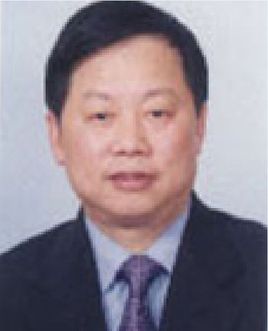 Qineng Ping (平其能)合作论文数中国药科大学药学院20
 Zhanwei Zhou合作论文数NMPA Key Laboratory for Research and Evaluation of Pharmaceutical Preparations and Excipients, China Pharmaceutical University19
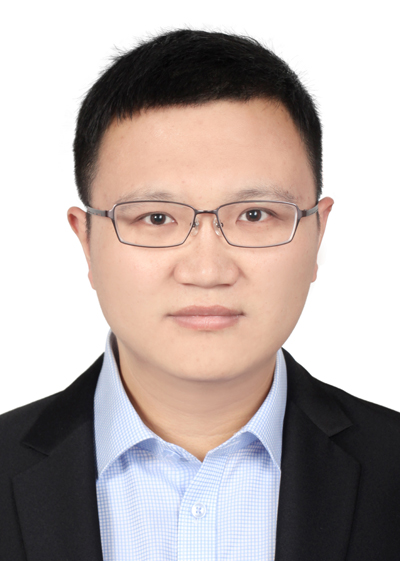 Chenggen Qian (钱程根)合作论文数School of Pharmacy, China Pharmaceutical University13
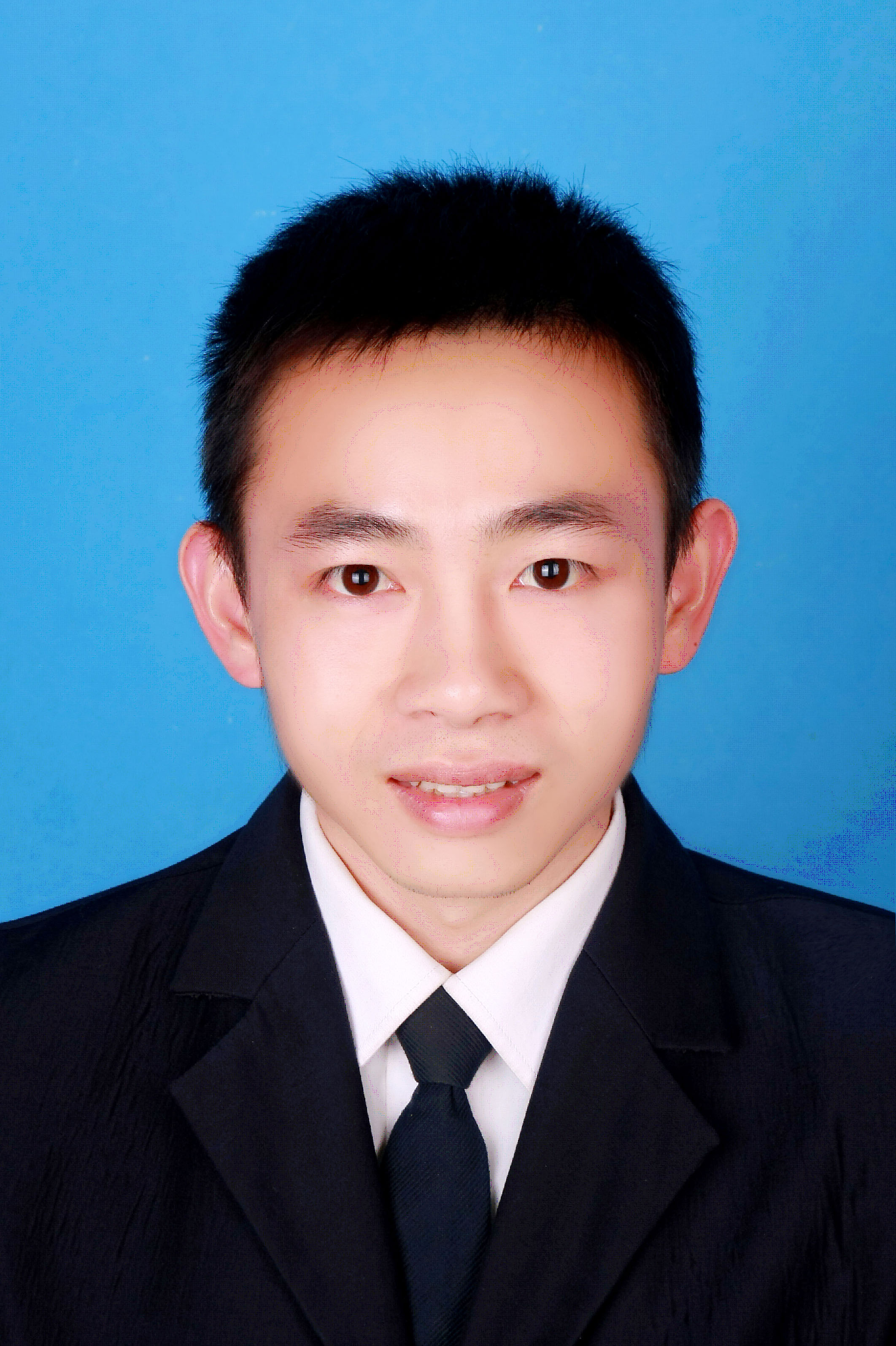 Zhigui Su (苏志桂)合作论文数School of Pharmacy, China Pharmaceutical University11
 Gang Chen合作论文数10Li Jing合作论文数10
 Pengkai Wu (武鹏凯)合作论文数Nanjing Drum Tower Hospital10
 Can Zhang (张灿)合作论文数China Pharmaceutical University10
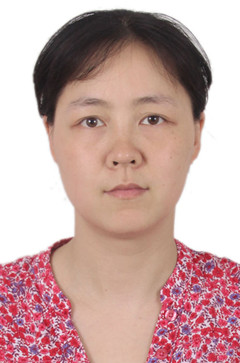 Yanyu Xiao (肖衍宇)合作论文数Department of Pharmaceutics,China Pharmaceutical University9
 Chenzi Li合作论文数7Yiwen Zhou合作论文数7Li Huipeng合作论文数7
 Hongzhi Qiao (乔宏志)合作论文数Nanjing University of Chinese Medicine7Cuiting Zhang合作论文数6
 Ling Ding合作论文数College of Pharmacy, University of Nebraska Medical Center6
 Aftab Ullah合作论文数6
 Li Zong (宗莉)合作论文数中国药科大学药学院6Yixin Wang合作论文数5Xinping Luo合作论文数5Qingyan Zhang合作论文数5Zhaoting Li合作论文数China Pharmaceut Univ, Dept Pharmaceut, State Key Lab Nat Med, Nanjing 210009, Peoples R China5WeiMing He (何伟明)合作论文数5
 Hu-Lin Jiang (姜虎林)合作论文数School of Pharmacy, China Pharmaceutical University5Fei Yu合作论文数5
 Minglei Chen合作论文数5Sai Li合作论文数4Qi Hu合作论文数4
 Yun Liu合作论文数Nanjing University, Nanjing University4Yang Xue合作论文数4Huaping Shi (施华平)合作论文数4Shujing Wang (王淑静)合作论文数4
 Qun-Dong Shen (沈群东)合作论文数Department of Polymer Science and Engineering, School of Chemistry, Nanjing University4Siman Gong (龚斯曼)合作论文数3Lianghan Zhu合作论文数3Chenfei Zhu合作论文数3Yong-ping SHI (石勇平)合作论文数3Yadong Liu合作论文数3Ping Xia (夏平)合作论文数3AiWen Huang (黄爱文)合作论文数3
 Lei Xing (邢磊)合作论文数School of Pharmacy, China Pharmaceutical University3
 Xie Ying合作论文数School of Pharmacy, China Pharmaceutical University3
 Pengfei Cui (崔鹏飞)合作论文数College of Marine Life Sciences, Ocean University of China3
 Kun Gao (高坤)合作论文数College of Chemistry and Chemical Engineering, Lanzhou University3Weiliang You (游伟良)合作论文数3
 Yiqiao Hu (胡一桥)合作论文数Medical School of Nanjing University3Lingjing XUE (薛玲静)合作论文数2




