为研究人工清粪和刮粪板清粪这两种方式对北方寒冷地区猪舍环境和生长猪生长性能的影响,试验选择体重(35±1)kg的杂交猪90头,随机分配在18个圈栏中,每栏随机选取一头猪采集体重数据,A组采用人工清粪,B组采用刮粪板清粪,试验期28 d.结果表明:(1)刮粪板清粪舍生长猪的总增重(22.41±0.62)kg显著高于人工清粪组(21.31±1.04)kg(P<0.05);刮粪板清粪舍猪的平均日增重(0.80±0.02)kg显著高于人工清粪组(0.76±0.04)kg(P<0.05);(2)试验第3周时,刮粪板清粪组的单周增重(5.70±0.46)kg显著高于人工清粪组(5.09±0.51)kg(P<0.05),其他周时两组增重差异不显著(P>0.05);试验各周两组猪的体重差异不显著(P>0.05).两种清粪方式舍内温度、湿度、CO2浓度和PM10浓度差异不显著(P>0.05).综上,在北方寒冷地区猪舍内采用刮粪板清粪方式有利于提高生长猪的总增重、平均日增重和均一性,但对舍内环境的影响不大.
为明确绵羊IGF-Ⅰ 基因变异剪接体的生物学特性及其在生长发育过程中的功能,本研究成功获得了IGF-Ⅰ 基因 Ⅱ 类的2种变异剪接体(Ea和Eb型),利用生物信息学方法预测分析2种变异剪接体的结构特性,并探讨其在不同组织中的表达规律.结果表明:Ea和Eb型由同一基因通过选择性剪切形成,均是绵羊中新发现的类型,预测其分别编码138 aa和172 aa,2种变异剪接体的信号肽剪切位点、进化同源性、亚细胞定位、蛋白质空间结构预测结果类似,但二者包含不同的共价修饰位点.组织表达分析表明,2种变异剪接体在肝组织中表达量均最高,其次为脂肪、胃、睾丸、肌肉和皮肤组织,心、脾、肺、肾、肠、膀胱组织的表达水平较低;在胃中,羔羊期2种变异剪接体表达水平均极显著高于成羊期(P<0.01),在睾丸中,羔羊期IGF-Ⅰ 基因 Ⅱ类Ea型表达水平显著高于成羊期(P<0.05).总体上来看,在各种组织中IGF-Ⅰ 基因 Ⅱ 类Ea型的表达水平高于Eb型,为优势转录本类型.
1 蜘蛛丝的种类 蜘蛛丝是由蜘蛛的蜘蛛丝腺体分泌的一种蛋白类纤维,具有优良的机械性能.据文献报道,目前全世界已知蜘蛛种类达3.5万余种,其中会吐丝结网的有2万多种,按照其吐丝种类的多少分为古蛛亚目(Archaeothelae)、原蛛亚目(Protothelae)和新蛛亚目(Metathelae).古蛛亚目的蜘蛛只能吐出1种蜘蛛丝,原蛛亚目的蜘蛛能吐出3种蜘蛛丝,而新蛛亚目的蜘蛛能吐出7种蜘蛛丝[1],分别是主壶腹腺体分泌的拖丝(牵引丝)、小壶腹腺体分泌的辅助丝、鞭毛状腺分泌的黏着丝、聚焦腺分泌的黏性胶、柱状腺分泌的子囊丝和葡萄状腺分泌的成簇丝.不同类型的蛛丝具有不同的生物学功能和理化特点,目前研究最多的是络新妇属蜘蛛分泌的牵引丝(Draglinesilk),也多称之为拖丝.
现代教育的目的不是单纯的传授知识,而更应该注重能力和素质的培养,特别是创新能力的培养,这是培养高素质人才的关键。现代教育的另一重要目的是帮助学生学会学习,掌握终身学习的方法。这是知识经济时代的特点所要求的,为了适应这种要求,我们必须在教学方法和教学手段上进行相应的改革。基于对大学物理课程重要性的认识,自新世纪以来,一些高等院校不断更新教育思想和观念,改进旧的教学方法、探索新的教学方法,大力推广现代教育技术的应用等对大学物理课程的教学进行了一系列的改革与探索。
本试验探讨在低精子浓度(2.5×10⁵个/mL)条件下,利用酸液完全去掉透明带、保留部分透明带及完全保留透明带这几种处理对小鼠卵母细胞体外受精及受精胚发育的影响.结果表明,完全去掉透明带的小鼠卵母细胞受精率(95%)极显著高于保留部分透明带(42%)及对透明带不做处理(30%)的方法(P<0.01),但3种处理方法所获受精卵发育至囊胚能力没有差别.
Low density lipoprotein receptor(LDLR),a kind of cell surface glycoprotein that widely exists in many organizations cells in the body,plays an important role in lipoprotein metabolism.This paper mainly reviewed the research progress about its biological functions and genetic structure,the correlation of LDLR gene polymorphism and blood lipid,and correlation of LDLR gene expression and related diseases.
Inter-simple Sequence Repeat (ISSR) analysis was applied to assess the genetic diversity within and among five populations of mink from Liaoning Province. A total of 20 primers were screened, five selected primers produced 35 discernible bands, with 30 (85.71%) being polymorphic, indicating high genetic diversity at the species level. The highest genetic diversity was observed in the brown mink population, whereas the lowest diversity was found in the standard-pitchy mink population. Based on genetic distance (1972), a dendrogram was constructed by using UPGMA algorithm, and five populations were divided into two major groups. Group I consisted of only the standard-pitchy mink population, and Group II included other four populations, in Group II, sapphire mink was close to brown mink population. The results of genetic differentiation indicated that the genetic differentiation degree between populations was lower and the genetic variation primarily came from within populations. This paper showed that ISSR technique was a reliable tool that could be used to study genetic diversity in the mink.
In this study,intestinal tissues were obtained from quail and were kept under the temperature of(12±1)℃ for acute(0 h,30 min,3 h,12 h) and chronic(5,10,20 d) cold stress.Our aim is to explore the effects of cold stress on gut mucosal immune function of quail,through the observation of histopathology changes,in order to provide the scientific data for studying the mechanism of the effect of cold stress on gut mucosal immune system in quail.The results show that it is proved that the cold stress can cause morphological changes of the cecum and rectal in electron microscope levels.
To obtain high-quality and relatively complete genomic DNA of the intestinal flora,in this study,the experiment used three methods to extract the DNA.The first was a conventional method for using saturated phenol / chloroform,the second was a method in accordance with the DNA extraction method from rumen of cattle,and the third was a method for optimizing the first two methods to explore the best extraction method of total DNA of the intestinal flora in quails.The results showed that the concentrations of DNA extracted with first two methods were lower than that of the third method.The electrophoresis results showed the DNA bands were not as bright as that of using the third method.Taking the total DNA extracted from the intestine as a template using the third method,the 16S rDNA was amplified from these DNA samples through a set of the bacteria-specific primer,which obtained the clear atlas and neatly bands.It indicates that the DNA extracted from the intestinal microbes in quails is relatively complete using the third method,and the method can be used for molecular biology research.
In this paper,mapping analysis of the genes that are exsisted in the 16S rDNA V3 districts of duodena,jejuna,ilea,caeca and cola of the rabbits which have been weaned 10,20 and 30 days respectively,is carried out by using PCR-DGGE thechnology.Through the clear specificity and generality of bands cutting rubber recycling of DNA and cloning sequencing,the comparisons of the structure and the diversity between bacterial communities,which are in different parts of the intestines and belong to the rabbits of differdent days have been done.Also,their community members have been ascertained.More importantly,it analyzed the influence of the days that the rabbits had been weaned and the different parts of the intestines on the structure and diversity of the micropopulation.On the basis of the DGGE map of the bacterial community in the intestines,it could be seen obviously that different parts of the intestines,as well as the days that the rabbits had been weaned,had great effects on the structure and diversity of the bacterial community.Specifically,there were varying degrees of dynamic changes: with the increase of the days,the types of the bacterial communities in the duodena and caeca were more varied;those in the jejuna and cola had experienced a transversion of scarce to abundant to scarce,while those in the ilea was on the contrary.From the DGGE map,we could conclude that the dominant bacteria in different parts of the intestines were Firmicutes,Bacteroidetes,Clostridia,Azohydromonas sp,Lachnospiraceae and many uncultured bacteria and so on.In conclution,the research results indicated: the days that the rabbits had been weaned and the different parts of their intestines did have effects on the structure and diversity of the bacterial community.
<正>经济动物生产学是动物科学的一个分科,课程主要讲授的是毛皮动物、药用动物、珍禽生产的行业发展概况、生产技术要点、疾病防治以及副产品开发的方法及理论。特种经济动物与传统的家禽、家畜相比较,有着特殊的生物学特性,而且其产品也较为特殊。畜牧专业的学生对于特种经济动物的了解相对于家
The pit-1 has been implicated in regulation of body weight. Its gene sequence and protein function exhibit high evolutionary conservation and have been studied extensively in humans, mice, pigs and chickens. Mink pit-1 is nearly identical to dog pit-1 but little is know about its function. Thus, researchers investigated whether polymorphisms in th pit-1 exon4 and exon6 were associated with mink growth traits. Five population of mink were assessed for growth traits for use in statistical correlation analysis with genomic sequence data. Two SNPs were detected in the pit-1 exon4 and exon6 of each population: 43C>T and 143 A>G. The 43C>T mutation produced three genotypes: AA, BB and AB. Statistical analysis of variance revealed that 43C>T polymorphism was associated with Body Weight (BW) and Carcass Weight (CW) in black mink; the 143A>G mutation produced three genotypes as well: CC, DD and CD; statistcal analysis of variance revealed that the 134A>G polymorphism was associated Body Weight (BW) in. black mink (p<0.05). The interaction of 43C>T and 143A>G was discussed through combination genotype analysis. The result showed that the combined genotype had significant association with Body Lenght (BL) in sapphire mink and Body Weight (BW) and Carcass Weigth (CW) in black mink (p<0.05). The findings suggest that the pit-1 gene could be a qualitative trait locus or linked to a major gene that affects growth traits in. mink.
<正>貉(Nyctereutes)在动物分类上属食肉目(Carnivora),犬科(Canidae),貉属(Nyctereutes genus),别名貉子,是珍贵的毛皮动物。其皮是制做皮大衣、皮领、皮帽的高级原料。食毛症是笼养貉的常见病,该病导致貉被毛粗乱,轻者造成针毛、底绒参差不齐,尾根裸露;严重者皮肤外露,甚至出血、溃疡,给饲养户
The reform of training model for postgraduate students plays a significant role in adjusting and optimizing postgraduate education form structure and thereafter perfecting postgraduate education system.For professional degree postgraduate students of animal science in agricultural colleges,this article proposes the model of double supervisors and three periods training,which strengthens supervisor's duties,optimizes student's task and pays attention to student's practical skills' training.
In present study,Shaweimate meat-type quails were used to analyze MC3R gene polymorphism by PCR-SSCP.The results indicated that there were 3 mutation sites:T46C、G73A and T62A,respectively in the quail population.The three mutations produced 6 genotypes of AA,BB,CC,AB,AC and BC;the frequency of A,B,C alleles for MC3R gene in laying quails was 0.429,0.335and 0.236.The statistics analysis results showed that the effect of the MC3R polymorphism on body weight of 2,3 and 5 weeks age was significant(P0.05).In addition,it had significant effects on weight before slaughtering and eviscerated weight(P0.05),and extremely significant effects on semi-eviscerated weight(P0.01).The results indicated that MC3R gene maybe the major gene or linked gene of body weight and slaughter traits in quails.
In order to discuss the causes of mink trichophagia at molecular level,SCAR(sequenced characterized amplified region)technology was used to analyze genetic constitution of the healthy and trichophagia mink groups.Four polymorphic primers were screened from 126 random primers by RAPD.The different bands were amplified in healthy and sick mink groups.The specific bands were then cloned and sequenced,two SCAR primers were designed according to their sequence information by primer A20 and S139.Then PCR amplification was carried out in the healthy and trichophagia mink groups.The results showed that the frequency of SA20-757 in the two groups was 86.88% and 27.41%,respectively,and χ2 test of polymorphic fragments in the two groups showed significant difference(P0.001);The frequency of MS139-230 in the two groups was 94.21% and 39.38%,respectively,and χ2 test of polymorphic fragments in the two groups showed significant difference(P0.001).SA20-757 and MS139-230 associated analysis showed that the frequency of the specific bands in trichophagia mink group reached 95.36%,and it was higher than a single specific primer SCAR.These results indicate that the associated analysis of SA20-757 and MS139-230 can identify the healthy and trichophagia mink populations,and this molecular biological method can be used for the early diagnosis of trichophagia mink.
黑素皮质素受体-4(MC4R)是G蛋白偶联受体超家族的一个成员,在人、鼠和鸡的体重、能量稳态和采食量的调控中具有重要作用.实验根据GenBank中鸡MC4R基因全序列设计9对引物,对北京白羽蛋用鹌鹑和法国沙维玛特肉用鹌鹑MC4R基因序列进行PCR扩增及克隆测序,获得的序列长度分别为2154bp和2152bp.结果表明:所测的两段序列经GenBank中的Blast分析与鸡MC4R基因同源性均为97%;在MC4R基因核苷酸水平上,北京白羽蛋用鹌鹑与法国沙维玛特肉用鹌鹑的同源性为99.11%;在MC4R)基因氨基酸水平上两品种鹌鹑同源性也很高.
The objective of this study was to estimate and compare the growth curve parameters for live weight of standard black, brown, mahogany, Hedlund white and sapphire minks. The data were collected from five colour types in the period from seven days to 24 weeks of age. Three hundred mink (about 60 of each colour types) were used. Six different non-linear models, namely Logistic, Gompertz, Brody, Richards, Bridges, and Janoschek were used to define the growth curves of the mink. Models were compared using coefficients of determination (R-2 values), the Akaike's information criterion (AIC) and the Bayesian information criterion (BIC). The R-2 were high for all models, ranging from 0.923 to 0.985 for different breeds of mink. Comparing the models by AIC, BIC values and the residuals showed the following results. Three of the models fitted the growth curves very well. Colour type differences were observed in the growth parameters of mink. The brown, mahogany and sapphire was observed to be late maturing and lighter at maturity, while the standard black and Hedlund white had a higher growth rate, reached maturity earlier and attained a heavier mature weight.
Melanocortin-3 receptor(MC3R) gene was studied as candidate gene on the laying quails in this study.Polymorphisms of MC3R gene had been analyzed by PCR-SSCP and DNA sequencing method.The relationship between the candidate gene and the early slaughter traits performance in laying quails had also been analyzed.The results showed that MC3R gene in the sequence had two mutations,which are G27A and C138T.The two mutations in laying quails produced six genotypes: of AA,BB,CC,AB,AC and BC;the A,B and C allele frequency was 0.347,0.218 and 0.435,respectively.Statistical analysis of variance(ANOVA) revealed that MC3R polymorphism was associated with liver weight and liver proportion in laying quails.The findings suggested that MC3R gene could be a qualitative trait locus or linked to a major gene that affect carcass traits in laying quails.
Melanocortin-3 receptor(MC3R) gene was studied as candidate gene on the laying quails in this study. Polymorphisms of MC3R gene had been analyzed by PCR-SSCP and DNA sequencing method. The relationship between the candidate gene and the body weight in quails had also been analyzed. The results showed that MC3R gene in the sequence had two mutations,which were 27 (G→A) and 138(C→T). The two mutations produced 6 genotypes of AA,BB,CC,AB,AC and BC. The frequency of A,B,C alleles for MC3R gene in laying quails was 0.347,0.218 and 0.435 respectively. Analysis of variance revealed a significant influence of the MC3R genotype on bodyweight in the quails for both sex. Therefore MC3R gene can influence and control body weight in laying quails as a candidate gene.
 Xiujuan Bai (白秀娟)合作论文数College of Animal Science and Technology, Northeast Agricultural University18
 Zhiheng Du (杜智恒)合作论文数Animal Science and Technology College of Northeast Agricultural University9
 Fangyong Ning (宁方勇)合作论文数Animal Science and Technology College of Northeast Agricultural University9
 Yao Li (李垚)合作论文数7ChunShan Yang (杨春山)合作论文数5HongYan Yang (杨洪雁)合作论文数4BaoDong Wang (王宝东)合作论文数4YanBo Wang (王艳波)合作论文数4Lai Wei (魏来)合作论文数3SaiMian Jin (金赛勉)合作论文数2Hongzhi Pan (潘宏志)合作论文数2Chenggang Liu (刘诚刚)合作论文数2
 Anshan Shan (单安山)合作论文数College of Animal Science and Technology, Northeast Agricultural University2Shuangliang SU (苏双良)合作论文数1QIN Xue (秦雪)合作论文数1Xu-Ting Song合作论文数1Jia-Nan Zhang合作论文数1ChunSan Yang (杨春三)合作论文数1Baoli PAN (潘宝丽)合作论文数1LV Jing (吕晶)合作论文数1Jian YANG (杨建)合作论文数1MeiYu Qi (亓美玉)合作论文数1JinGuo Zuo (左金国)合作论文数1ZhangWei Liu (刘长伟)合作论文数1ShuHua Zhang (张树华)合作论文数1ZhiHong Zhang (张志宏)合作论文数1Xing Wang合作论文数1
 Xueju Yang (杨学举)合作论文数College of Life Sciences, Hebei Agricultural University1
 Xue Bai (白雪)合作论文数College of Veterinary Medicine, Jilin University;Institute of Zoonosis, Jilin University1Yuchang Yao (姚玉昌)合作论文数Animal Science and Technology College of Northeast Agricultural University1
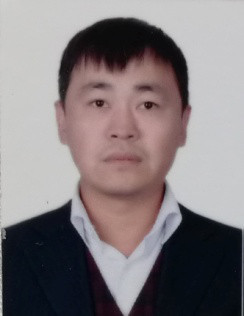 Qian Zhao (赵骞)合作论文数Animal Science and Technology College of Northeast Agricultural University1
 Shiping Li (李士平)合作论文数Animal Science and Technology College of Northeast Agricultural University1Wang Liao (廖望)合作论文数1Shumin Wen (温淑敏)合作论文数1LIU Tongxu (刘桐序)合作论文数1Wei Han (韩伟)合作论文数1Qiufang Li (李秋芳)合作论文数1
 Zongyue Liu (刘宗岳)合作论文数Institute of Specialty Products, Chinese Academy of Agricultural Sciences1




