ObjectiveTo investigate body image perceptions among young adults and to provide evidences for developing intervention measures towards obesity.MethodsWith advertisements in Beijing and Guangzhou city, we recruited 316 volunteers aged 18 – 44 years for a survey conducted from May to August, 2019. The body image stimuli were used to assess participants′ perceptual body image, ideal body image, body dissatisfaction and standard body image. Meanwhile, height, weight, waist circumference and hip circumference of the participants were measured.ResultsThe participants′ mean scores for perceptual and ideal body image were 4.25 and 3.15, respectively. In terms of body weight, the participants with underweight had the lowest mean perceptual body image score, followed by those with normal weight, overweight, and obesity, with a significant difference among the groups (P < 0.05); the mean perceptual body image score of the participants with the education of middle school and lower was significantly lower than that of participants with college and above education (P < 0.05); the mean ideal body score also differed significantly by participants′ body weight, the score of the participants with underweight was lower than those with obesity; the participants with normal weight had relatively lower score, followed by the scores for those of overweight and obesity (P < 0.05). Of the participants, only 13.9% were completely satisfied with their body size; but 54.1% and 32.0% were moderately and slightly dissatisfied with their body size. The participants′ mean body dissatisfaction scores varied with their body weight in an ascending order of underweight, normal weight, overweight, obesity; the mean body dissatisfaction score of the younger participants (≤ 35 years) was significantly lower than that of the participants aged 35 – 39 years (P < 0.05). Significantly positive associations of body weight, body mass index (BMI), waist circumference, hip circumference, and waist-to-hip ratio with perceptual body image score and body dissatisfaction score were observed, with the correlation coefficients ranging between 0.185 − 0.630 (all P < 0.01).ConclusionAmong young adults in two Chinese cities, the body image perception is related to somatotype and educational level and most of the young adults are dissatisfied with their body size, suggesting that appropriate intervention measures should be taken for the prevention and control adulthood obesity in the population.
目的 研制适用于我国青年人的身体意象三维图像,并检验其信效度.方法 运用文献资料及专家咨询法,参考成年人体质指数(BMI)分级标准等,采用3D Studio Max软件绘制我国青年人身体意象三维图像.抽取河南省郑州市103名18~44岁的青年人进行问卷调查、体格检查、体成分测量,并请3名专家对调查对象目前体型进行评分,检验体型符合度、结构效度和评定者间信度.初次调查14天后进行重复调查,检验重测信度.结果 研制青年人身体意象三维图像两组,即青年男性组和青年女性组,每组各包括8幅体型不同的图像.73.8%的调查对象选择图像对应的体型与实际体型相符,加权Kappa系数为0.813(P<0.01).调查对象选择体型与体重及体成分指标如脂肪含量等呈正相关,结构效度为0.734~0.835(P<0.01).两次调查结果 呈正相关,重测信度为0.828~0.839(P<0.01).3名专家对调查对象目前体型的评分呈正相关,评定者间信度为0.842~0.899(P<0.01).结论 青年人身体意象三维图像研制原则及参考依据可靠,研制方法 和流程科学,效度和信度良好,可作为测评我国青年人身体意象认知和态度维度的工具.
Background and Objective: Overweight or obesity, as an independent risk factor for chronic diseases, has been on the rise globally. Adopting a healthy lifestyle is positive to weight control. Mobile-based lifestyle interventions have shown potential benefits in weight loss, but most studies were carried out among non-elderly population, so it is necessary to perform well-designed randomized controlled trials among the elderly with overweight or obesity. The purpose of this study is to assess the effect of mobile-based lifestyle intervention on weight loss among the overweight and obese elderly population in China. Methods: This is a prospective, open-labeled, three-month, multicenter, randomized controlled trial involving 750 participants from five cities who were randomly assigned to dietary and physical activity interventions group (DPG; mobile phone with the App and bracelet), physical activity interventions group (PG; mobile phone with the App and bracelet) and control group (CG; no interventions and kept their lifestyle as before). The outcomes evaluated were changes in weight, body mass index (BMI), waist circumference (WC), and hip circumference (HC). Results: In total, 642 (85.6%) participants completed the study, 237 (94.8%), 203 (81.2%), and 202 (80.8%) for DPG, PG, and CG respectively. Comparing with PG and CG, the DPG showed a significant decrease in all outcomes after three months, including body weight (−4.1 kg vs. −1.0 kg; −4.1 kg vs. −0.8 kg; p < 0.05), BMI (−1.6 kg/m2 vs. −0.4 kg/m2; −1.6 kg/m2 vs. −0.3 kg/m2; p < 0.05), WC (−2.8 cm vs. −0.1 cm; −2.8 cm vs. −0.5 cm; p < 0.05), and HC (−3.8 cm vs. −1.3 cm; −3.8 cm vs. −1.3 cm; p < 0.05). Similar effects were seen across sex and BMI subgroups. Conclusions: Mobile-based lifestyle intervention obtained beneficial effect in weight loss among the elderly with overweight or obesity. Nevertheless, further studies are needed to confirm the effectiveness and its sustainability.
目的:研制适用于我国老年人的身体意象三维图像,并验证图像的效度和信度.方法:运用文献资料及专家咨询法,参考我国及WHO成年人BMI分级标准等,采用3D Studio Max和Adobe Photoshop CC软件绘制我国男性、女性不同体型老年人的身体意象三维图像.抽取山东省济南市61名60岁及以上的老年人进行身体意象三维图像的验证.通过问卷调查和体格检查,检验调查对象选择体型和实际体型的符合度.采用双能骨密度仪(DXA)测定身体成分,检验图像的结构效度.使用图像和效标问卷调查身体满意度,检验图像的实证效度.初次调查14 d后进行重复调查,并请3名专家对调查对象目前体型进行评分,检验图像的重测信度和评定者间信度.采用Pear-son、Spearman、Kendall相关分析和Kappa一致性分析等方法评价图像的效度和信度.结果:研制老年人身体意象三维图像两组,老年男性用一组和老年女性用一组,每组各包括8幅图像.实际体型按实测BMI和腰高比进行分类,分别有65.6%和68.9%的调查对象选择体型与实际体型相符,Kappa系数分别为0.579和0.624 (P <0.01).调查对象选择体型与体重及体成分指标如脂肪含量等呈正相关,结构效度为0.327 ~0.712 (P<0.05).效标问卷与图像的身体满意度得分呈正相关,实证效度为0.285 (P <0.05).两次调查结果呈正相关,重测信度为0.857 ~0.916 (P<0.01).3名专家对调查对象目前体型的评分呈正相关,评定者间信度为0.855~0.917 (P<0.01).老年男性和女性各评价指标间无显著差异(P>0.05).结论:老年人身体意象三维图像研制原则及参考依据可靠,图像的效度尚可、信度较好,可作为测评我国老年人体型认知和满意度的工具,有助于促进健康、预防疾病.
Objective: To develop a three-dimensional body image stimuli suitable for middle-aged people in China, and verify the validity and reliability of the body image stimuli. Method: According to China and World Health Organization body mass index classification standards of adults, a set of three-dimensional body image stimuli of Chinese middle-aged males and females with different body size was developed by using 3D Studio Max and Adobe Photoshop CC based on the literature and expert consultation method. Forty-two 45- and 59-year-old middle-aged people in Zhengzhou City, Henan Province were recruited to verify the three-dimensional body image stimuli. Through questionnaire survey and physical examination, the coincidence between the selected body type and the actual body type was tested; the body composition was measured by dual-energy absorptiometry (DXA), and the structure validity of the image was tested; the body size satisfaction was investigated by the body image stimuli and the standard questionnaire, and the empirical validity of the image was tested. The repeated survey was conducted 14 days after the initial survey, and three experts were invited to score the current somatotype of the subjects to test the test-retest reliability and inter-rater reliability of the body image stimuli. Pearson, Spearman, Kendall correlation and Kappa consistency analysis were used to evaluate the validity and reliability of the body image stimuli. Results: The average age of 42 subjects was 52.7 years old, including 13 males and 29 females. A group of three-dimensional body image stimuli of middle-aged men and women were developed, and each group included 8 images. 73.8% of the subjects chose the body size consistent with the actual body type, and the weighted Kappa coefficient was 0.755 (P<0.01). The selected somatotype was positively correlated with body weight and body composition indexes such as fat content, and the Pearson correlation coefficient of construct validity was 0.623-0.717 (P<0.05). The results of the two surveys were positively correlated, and the Spearman correlation coefficient of test-retest reliability was 0.784-0.821 (P<0.05). The scores of the three experts on the current somatotype of the subjects were positively correlated, and the Kendall correlation coefficient of inter-rater reliability was 0.818-0.878 (P<0.05). Conclusion: The development of principle and reference basis of three-dimensional body image stimuli of middle-aged people is reliable, and the validity and reliability of the body image stimuli are good.
目的:检索国内外文献,综合分析富氢水与健康之间的关系.方法:在PubMed、Embase、Medline、Cochrane、中国生物医学文献服务系统和中国知网数据库检索自1998年1月-2019年6月国内外公开发表的相关研究文献,语种限定为中文和英文.结果:共检索出文献975篇,本研究共纳入19篇文献作为本次研究的主要证据,其中人群试验研究6篇、基础实验研究13篇,综合评价富氢水与健康之间的关系.这提示国内外关于富氢水对健康影响研究的文献数量不多,主要集中在基础研究.人群试验研究表明,富氢水可降低人群血清氧化应激水平,可预防潜在的代谢综合征;可降低人群肝脏脂肪含量;有助于降低糖尿病患者体内氧化应激水平,并可使糖耐量异常患者趋于正常;可降低化疗患者体内活性氧代谢产物,并且不影响肿瘤治疗效果;可有效改善人群肠道菌群丰富性和多样性.动物实验研究表明,富氢水可减少动物神经损伤及细胞凋亡情况,降低脑内氧化应激水平;改善代谢综合征异常表现;改善肝脏疾病;可减轻眼部炎症反应;减轻肾脏炎症反应;减轻肺部炎症.结论:富氢水对健康是有益的,但大部分是基于基础性研究获得,因此,对此问题还需进一步的研究.
目的:检索国内外相关文献,综合分析多种营养素强化饮料、膳食纤维饮料与健康的关系.方法:在PubMed、Embase、Medline、Cochrane、中国生物医学文献服务系统、万方数据知识服务平台和中国知网等7个数据库检索自1998年1月-2019年6月国内外公开发表的相关研究文献,纳入以人为研究对象的研究,排除重复、不完整、无法获得全文的文献等,语种限定为中文和英文.结果:本次检索到文献3 913篇,共纳入9篇作为本次研究的主要证据.多种营养素(维生素、矿物质)强化的饮料对儿童和孕妇进行干预后,血红蛋白水平升高了(2.76~8.6g/L),血清铁蛋白水平升高了(15.42pmol/L~0.25μmol/L),贫血率下降了(42% ~51%).膳食纤维饮料与肠道健康之间的关系尚不明确,一项研究结果显示,饮用膳食纤维饮料能显著增加双歧杆菌群和乳酸菌群,但显著降低梭菌数量;另一项研究却发现,饮用膳食纤维饮料后各种菌群均无显著性差异.食用膳食纤维的食品或饮料可以使BMI降低0.84kg/m2,体重降低2.52kg,体脂降低0.41%,还可以降低食欲.膳食纤维食品/饮料的干预,可以使空腹血糖降低0.17mmol/L,空腹胰岛素降低15.88pmol/L;在早餐后、午餐后和整个测试期间,葡萄糖反应分别降低了53%、17%和34%;胰岛素应答分别降低了78%、11%和22%.结论:饮用多种营养素强化饮料可以减少儿童、孕妇的贫血率,饮用含膳食纤维的饮料可以帮助控制体重和血糖水平,但是含膳食纤维的饮料与肠道健康之间的关系尚需进一步研究.
目的:调查河北省某大学学生每天水摄入量及其影响因素.方法:采用简单随机抽样方法抽取河北省某大学156名健康成年大学生,调查对象使用带刻度的水杯,连续记录7d内每次饮水的量.采用双份饭法与称重法结合的方式,测定调查对象连续3d每天所吃的所有食物中水的含量.总水摄入量等于饮水量与食物水摄入量之和.结果:调查对象总水摄入量为2 342 mL/d、饮水量为1 135 mL/d、食物水摄入量为1 174 mL/d,男性的总水摄入量、饮水量、食物水摄入量均高于女性(P<0.05),体脂率肥胖的调查对象的总水摄入量、饮水量与食物水摄入量均低于非体脂率肥胖的调查对象(P<0.05),不同体表面积等级的调查对象其总水摄入量与食物水摄入量存在显著差异(P<0.05),但饮水量无显著差异.BMI等级以及腰臀比对调查对象饮水量与总水摄入量的影响均无显著性.性别、BMI等级、体表面积、腰臀比、体脂率对调查对象饮水量占总水摄入量的比例的影响均无显著性.结论:河北省大学生的饮水量偏少.水摄入量的影响因素较多,不仅仅有性别、体重,还可能涉及到腰臀比、体成分等因素,这些因素对水摄入量的影响较为复杂,应综合考虑各项因素,为修订适宜饮水量提供科学依据.
目的:系统检索国内外公开发表的有关碱性水与健康的文献,综合分析碱性水与人体健康关系.方法:检索1998年1月-2019年12月期间发表在中国生物医学文献数据库、中国知网、万方数据知识服务平台、维普资讯中文期刊服务平台、PubMed、Embase、Medline和Cochrane Library等8个数据库发表的相关研究文献,纳入以人为研究对象的研究,排除重复、不完整、无法获得全文的文献等,语种限定为中文和英文.结果:从9 653篇文献中筛选出13篇纳入本研究的分析,其中8篇随机对照试验、1篇随机交叉试验、1篇自身前后对照试验、2篇病例对照研究、1篇回顾性队列研究.碱性水能够降低甲状旁腺激素和C肽,增强对骨吸收的抑制作用;降低血压、血糖、甘油三酯和总胆固醇;有助于反流性咽喉炎和神经源性慢性咳嗽患者的治疗;有助于肠道正常化,降低出现胃肠道症状的风险,但对肠道微生物群的组成及血糖调节没有影响;碱性水与肾结石复发有关;增强水合作用,改善酸碱平衡和无氧运动表现.结论:多数文献显示饮用碱性水对健康是有益的,但目前结论是基于少量高质量或存在混杂因素的研究获得的,缺乏高质量的科学证据支持,仍需要进一步的研究验证.
目的:检索国内外相关文献,综合分析矿泉水与健康的关系.方法:在PubMed、Embase、Medline、Cochrane、中国生物医学文献服务系统、万方数据知识服务平台和中国知网等7个数据库检索自1998年1月-2019年6月国内外公开发表的中英文相关研究文献,纳入以人为研究对象的实验性研究,排除重复、不完整、无法获得全文、非饮用用途的文献等,语种限定为中文和英文.结果:共检索到符合条件文献483篇,按照纳排标准纳入7篇进行分析.饮用特定类型的矿泉水可以在一定程度上改善糖尿病、消化不良、心血管疾病、肾结石患者的健康情况:如富含碳酸氢盐与镁的矿泉水可能改善患者血糖指标,降低糖尿病风险;富含碳酸氢盐、钙、镁的矿泉水可降低消化不良症状的发生频率与剧烈程度,促进胃排空;富含碳酸氢盐、钙、镁、硫的矿泉水可以降低心血管疾病患者的血压、血清总胆固醇、低密度脂蛋白等生物标志物的浓度;如富含碳酸氢盐的矿泉水可升高肾结石患者的尿液pH、尿柠檬酸盐与尿镁的浓度,预防肾结石的发生.结论:饮用特定类型的矿泉水可以一定程度上改善某些疾病患者的健康状况,但是矿泉水与健康之间的关系尚需更加权威的证据加以支持.
目的:检索国内外相关文献,综合分析饮用纯净水对于人体健康的影响,为科学饮水提出建议.方法:在PubMed、Embase、Medline、Cochrane、中国生物医学文献服务系统、中国知网和万方数据知识服务平台等7个数据库检索自1998年1月-2020年1月国内外公开发表的相关研究文献,纳入以人为研究对象的研究,排除重复、不完整、无法获得全文的文献等.语种限定为中文和英文.结果:从5 277篇文献中筛选出14篇纳入本研究的分析,其中2篇系统综述、3项实验性研究、1项横断面研究证明饮用纯净水与心血管疾病风险呈正相关;1项系统综述、1项横断面研究、1项实验性研究证明饮用纯净水与骨健康呈负相关;1项横断面研究、3项纵向研究、1项实验性研究证明饮用纯净水与尿路结石呈负相关.结论:选择纯净水或矿物质水应当根据自身情况.对于膳食中缺乏矿物质的人群,日常饮水时不推荐饮用纯净水.而针对泌尿系结石的患者,纯净水可能有一定保护作用.
目的:检索国内外相关文献,分析熟水对健康的影响.以指导我国居民合理选择饮水类型,保持适宜水合状态和维持身体健康.方法:本次证据搜集检索自1998-2019年国内外公开发表的相关研究文献,语种限定为中文和英文,中文文献检索中国知网(CNKI)、万方数据知识服务平台、维普中文科技期刊数据库及中国生物医学文献服务系统(SinoMed),英文文献检索PubMed、Scopus及Cochrane数据库.排除熟水非饮用用途、理化实验及研究质量差的文献.结果:本次检索到熟水与健康相关文献8篇,经过筛选共有4篇文献(2个横断面研究、1个纵向研究、1个系统综述)作为本次研究的主要证据.系统综述结果显示,饮用煮沸处理水对霍乱弧菌感染、囊胚感染、原生动物总体感染、病毒整体感染和非特异性腹泻均有保护作用.综合评价分析熟水对健康的影响,其主要结果为饮用熟水可能降低大肠杆菌感染和儿童腹泻的发生风险.结论:与未处理的饮用水相比,饮用熟水可能更有利于健康.但目前结论主要基于横断面研究获得,缺乏高质量的科学证据支持,仍需要进一步的研究验证.
目的 分析河北省某高校大学生春季排尿行为,为开展健康宣教,促使大学生养成良好的排尿行为提供科学依据.方法 于2017年3月在河北省保定市某高校招募156名受试对象,利用特定装置收集调查对象连续3 d 24 h内所有尿液并测定排尿量、排尿次数、排尿时间.结果 调查对象平均每天排尿量为1279 mL,平均每天排尿次数为6.2次,平均每次排尿量为209 mL.调查对象排尿量、排尿量占比及排尿次数主要集中午餐后,排尿量、排尿量占比及排尿次数分别为406 mL、31.0%、1.7次.调查对象及男、女生在8个时间段排尿量及排尿次数差异均有统计学意义(χ2值分别为922.76,974.03;483.38,499.09;439.65,439.65,P值均<0.05).调查对象排尿量、排尿量占比及排尿次数主要集中在上午,其次是下午;上午排尿量、排尿量比例及排尿次数分别为535 mL、44.1%、2.3次.上午、下午、晚上3个时间段调查对象总体情况及男生和女生排尿量、排尿量占比及排尿次数差异均有统计学意义(χ2值分别为73.71,47.48,34.92;35.17,21.30,20.69;37.02,25.30,15.32,P值均<0.01).调查对象排尿次数与每次排尿量呈负相关,排尿量与每次排尿量呈正相关(r值分别为-0.61,0.79,P值均<0.01).结论 河北省某高校大学生排尿主要集中在上午和下午;调查对象存在不良排尿行为现象,需开展相关健康宣教.
目的 调查河北省某高校大学生春季不同类型水的饮用量,为后期饮水宣教提供科学依据.方法 采用简单随机抽样的方法抽取河北省某高校156名大学生,采用连续7 d 24 h饮水记录法,记录调查对象每次的饮水量和饮水种类.对7d中有任意饮料消费的人群进行单独分析.结果 调查对象每天白水、牛奶、含糖饮料、其他饮料的饮用量中位数分别为866,43,43,2 mL.其中饮料消费人群每天白水、牛奶、含糖饮料、其他饮料的饮用量中位数分别为845,36,63,11 mL.两类人群中男生白水、含糖饮料饮用量均高于女生(Z值分别为2.31,3.03;2.31,2.11,P值均<0.05),而牛奶饮用量低于女生(Z值分别为-2.73,-2.23,P值均<0.05).女生其他饮料饮用量高于男生,但仅在饮料消费人群中差异有统计学意义(Z=3.31,P<0.01).两类人群中不同体质量指数的调查对象不同类型水的饮用量差异均无统计学意义(P值均>0.05).结论 河北省某高校大学生主要以饮用白水为主,男女生饮水类型不同.
目的 了解中国高年级小学生食物摄入频次,为相关部门制定学生营养改善政策和计划、开展营养教育提供科学依据.方法 采用多阶段分层整群随机抽样方法,从北京、广州、南京、重庆、济南、哈尔滨6个城市的72所小学抽取四、五年级小学生12 197名作为研究对象,采用问卷调查食物摄入频次,问卷统一采用自填方式填写.结果 参加调查的学生中各类食物摄入频次为“几乎每天都吃”比例最高的为新鲜蔬菜(83.2%),在“几乎不吃”的频次中比例最高的为燕麦类食物(50.2%).男生全谷物类、畜禽肉类、水产类、蛋类、大豆类、菌藻类食物和营养补充剂的摄入频次高于女生,女生燕麦类食物、新鲜蔬菜、水果食物的摄入频次高于男生;中心城区学生燕麦类、蔬菜类、水果类、畜禽肉类和奶类食物的摄入频次高于近郊城区,近郊城区学生水产类、大豆类、菌藻类食物和营养补充剂的摄入频次高于中心城区;五年级学生燕麦类食物、新鲜蔬菜、水果、畜禽肉类、蛋类、奶类和大豆类食物的摄入频次高于四年级,四年级学生全谷物类、水产类食物和营养补充剂的摄入频次高于五年级,差异均有统计学意义(P值均<0.05).结论 不同性别、城区、年级学生的食物摄入频次差异较大.应以学校为核心,家庭、社区相结合,针对不同特征学生开展个性化的营养知识普及教育,从小培养学生健康的饮食行为.
目的 了解中国城市中小学供餐情况及学生满意度,为加强学校供餐管理和改善午餐质量提供依据.方法 采用多阶段随机整群抽样方法,从北京、上海、哈尔滨、石家庄、广州、长沙、蚌埠、平湖等8个城市的67所中小学中,随机抽取小学二年级、小学五年级、初中二年级学生共15 170名进行调查.结果 在学校就餐的学生有13 297名,占87.7%.调查学校共67所,采用自办食堂、托管食堂、送餐企业供餐的学校分别有26,14,27所,分别占38.8%,20.9%,40.3%;其中21所学校的午餐提供纯牛奶或酸奶,占31.3%.学生对学校午餐整体上非常满意、比较满意、一般、比较不满意、非常不满意的比例分别为40.8%,28.1%,20.1%,7.3%,3.6%;其中初二学生满意率(56.9%)低于小二和小五学生(77.1%,73.5%),自办食堂供餐学生的满意率(73.8%)高于托管食堂和送餐企业供餐的学生(60.5%,66.2%).学生对学校午餐各项因素的满意率顺位从高到低分别为就餐环境(75.3%)、饭菜份量(71.6%)、饭菜卫生(71.1%)、食物搭配(65.4%)、饭菜外观(60.5%)、饭菜口味(55.9%).结论 学生对学校午餐的满意率尚可,饭菜口味是学生不满意的主要因素.应鼓励学校自办食堂为学生提供午餐,在满足学生正常营养需求的前提下,改善饭菜口味.
Objective: To investigate the food source of water of college students from Hebei Province in spring. Methods: In March 2017, the subjects were recruited in a college in Baoding, Hebei Province. 156 students completed the investigation. All foods were collected for 3 consecutive days using duplicate portion study combined with weighing method to test the water content of various foods. To analyze the water content of the food and calculate the proportion to the total amount of food water intake, the edible parts of each meal were divided into staple food, dishes, porridge, soup and snacks. Body mass index (BMI) was grouped according to quartiles, and the differences in food intake and food water sources among subjects of different genders and BMI were compared. Results: The age of subjects was (19.8±1.1) years old, including 80 male students. The median intake of staple food, dishes, porridge, soup and snacks per day was 562 g, 743 g, 111 g, 102 g and 0 g, respectively. The median intake of water from staple food, dishes, porridge, soup and snacks per day was 301 ml/d, 620 ml/d, 97 ml/d, 93 ml/d and 0 ml/d, respectively. The median ratio of water intake to total food water intake of staple food, dishes, porridge, soup and snacks was 27%, 53%, 8%, 8% and 0%, respectively. The median intake of water from staple food and dishes in male students was significantly higher than that of female students (P<0.05). The amount of water intake from porridge of female students was significantly higher than that of male students (P<0.05). There was no significant difference in the water intake from soup and snacks between different genders. There was no significant difference in food intake and food water sources among college students with different BMI (P>0.05). Conclusion: The food source of water of college students from Hebei Province in spring is mainly based on dishes and staple foods. The food source of water for boys and girls is different.
近期,西澳珀斯伊迪斯科文大学研究人员发现,旧石器时代饮食组受试者血液中氧化三甲胺的含量水平,是传统饮食组受试者的两倍,而高水平的氧化三甲胺会增加患心血管疾病的风险. 什么是旧石器时代饮食? 旧石器时代人们获取食物的方式主要是狩猎和采集,而不是农耕. 旧石器时代饮食基于旧石器时代可能食用的食物进行,饮食通常包括瘦肉、鱼、水果、蔬菜、蛋、坚果和种子,该饮食限制了农业出现后常见的所有食物,如精制糖、植物油、乳制品、豆类和谷物等.
目的 了解河北省某高校大学生春季日均饮水次数与每次饮水量及其之间的关系,为修订中国居民适宜饮水量提供基础数据.方法 采用单纯随机抽样的方法抽取河北省某高校156名大学生,采用连续7 d 24 h饮水记录法,记录其每次的饮水量和饮水种类,分析不同性别、体质量指数大学生饮水次数及每次饮水量差异.结果 大学生每天饮水量中位数为1135 mL,饮水次数中位数为6次,每次饮水量中位数为177 mL.饮水次数<6次的人群比例为34.6%.女生每天饮水次数和饮用白水次数高于男生(χ2/Z值分别为8.34,-2.03,P值均<0.05);男生每次饮水量、每次饮用白水和饮料的量高于女生(χ2/Z值分别为23.86,-5.48,3.70,P值均<0.01);不同体质量指数大学生每次饮用白水的量差异有统计学意义(χ2=9.17,P=0.03).调查对象每次饮水量与体表面积呈正相关(r=0.18,P=0.03),饮水次数与饮水量呈正相关、与每次饮水量呈负相关,饮水量与每次饮水量呈正相关(r值分别为0.30,-0.47,0.61,P值均<0.01).结论 大学生存在一定比例的不良饮水行为;饮水行为在不同性别、体质量指数大学生间有差异;随着饮水次数的增加,每次饮水量减少,但是饮水量增加.
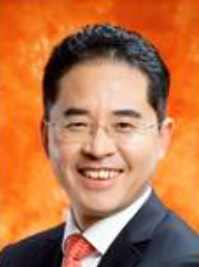 Guansheng Ma (马冠生)合作论文数School of Public Health, Peking University32
 Jianfen Zhang合作论文数27YiBin Li (李亦斌)合作论文数26HaiRong He (何海蓉)合作论文数25
 Man Zhang (张曼)合作论文数Capital Medical University;Peking University17Hao Cai合作论文数12Wen GUO (郭雯)合作论文数10
 Mingzhu Zhou (周明珠)合作论文数Beijing Friendship Hospital, Capital Medical University7Yue ZHANG (张玥)合作论文数6
 Yifan Xu合作论文数4Yong Li (李雍)合作论文数4Shufang Liu合作论文数3LiXin Ma (马立新)合作论文数3
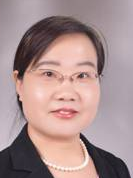 Na Zhang (张娜)合作论文数School of Pharmaceutical Sciences, Shandong University3Rolando Maddela合作论文数2M Zhang合作论文数2Muxia Li合作论文数2Yaojun Jiang合作论文数2Ruixin Chi (池睿欣)合作论文数2
 Jianbo Gao (高剑波)合作论文数The First Affiliated Hospital of Zhengzhou University2YanSheng GENG合作论文数1guansheng ma (马冠生)合作论文数1Yu Zhang合作论文数1Wen Guo合作论文数1XinHong Qin (秦新红)合作论文数1Hong Mei (梅红)合作论文数1
 Xiaohui Guo (郭晓蕙)合作论文数Peking University First Hospital1Jessie Nicodemus-Johnson合作论文数1




