Thrombosis remains a significant cause of morbidity and mortality in many cardiovascular and cerebrovascular diseases, and thrombolysis stands out as a promising treatment method. However, the slow diffusion of thrombolytic agents within thrombi leads to delayed recanalisation. Additionally, these agents face limitations in clinical application due to their short circulation time and the risk of hemorrhagic side effects. To address these challenges, we have developed an innovative thrombolytic drug delivery platform for integrated diagnosis and treatment. This platform utilises microbubbles (MB) conjugated with RGDS (Arg-Glytem targets thrombi through interaction with alpha IIb/3 3 in activated platelets, ensuring accurate thrombus site diagnosis. These thrombus-targeted MB serve as promising carriers for efficient drug delivery, offering a potential platform for the development of thrombolytic nanomedicines with prospects for clinical translation.
Histone deacetylases (HDACs) and lysine-specific demethylase 1 (LSD1) are attractive targets for epigenetic cancer therapy. There is an intimate interplay between the two enzymes. HDACs inhibitors have shown synergistic anticancer effects in combination with LSD1 inhibitors in several types of cancer. Herein, we describe the discovery of compound 5e, a highly potent HDACs inhibitor (HDAC1/2/6/8; IC50 = 2.07/4.71/2.40/107 nM) with anti-LSD1 potency (IC50 = 1.34 μM). Compound 5e exhibited marked antiproliferative activity in several cancer cell lines. 5e effectively induced mitochondrial apoptosis with G2/M phase arrest, inhibiting cell migration and invasion in MGC-803 and HCT-116 cancer cells. It also showed good liver microsomal stability and acceptable pharmacokinetic parameters in SD rats. More importantly, orally administered compound 5e demonstrated higher in vivo antitumor efficacy than SAHA in the MGC-803 (TGI = 71.5%) and HCT-116 (TGI = 57.6%) xenograft tumor models accompanied by good tolerability. This study provides a novel lead compound with dual inhibitory activity against HDACs and LSD1 to further develop epigenetic drugs for solid tumor therapy. Further optimization is needed to improve the LSD1 activity to achieve dual inhibitors with balanced potency on LSD1 and HDACs.
Cellular senescence is one of the most significant factors involved in aging and age-related diseases. Senescence of vascular smooth muscle cells (VSMCs) adversely affects the function of the cardiovascular system and contributes to the development of atherosclerosis, hypertension, and other cardiovascular diseases. Glucagon-like peptide-1 (GLP-1) is an important incretin hormone involved in insulin release and vascular tone. GLP-1 is quickly degraded by the enzyme dipeptidyl peptidase-4 (DPP-4). Omarigliptin is a new DPP-4 inhibitor that has demonstrated anti-inflammatory and antioxidative stress properties. In the present study, we investigated the effects of the selective DPP-4 inhibitor omarigliptin (OMG) on VSMCs exposed to insult from tumor necrosis factor-α (TNF-α), one of the main inflammatory signaling molecules involved in cellular senescence. We found that OMG could suppress TNF-α-induced expression of pro-inflammatory cytokines (interleukin-1β (IL-1β), IL-6, and IL-8) and inhibit oxidative stress by reducing the production of H2O2 and protein carbonyl. OMG ameliorated the increase in senescence-associated β-galactosidase (SA-β-gal) and telomerase activity induced by TNF-α. The plasminogen activator inhibitor-1 (PAI-1)/p53/p21 pathway is a key inducer of cellular senescence. OMG ameliorated the acetylation of p53 at lysine 382 (K382) and subsequent activation of p21 via inhibition of PAI-1. Importantly, our experiments revealed that blockage of silent information-regulator 1 (SIRT1) abolished the inhibitory effects of OMG on p53 acetylation, SA-β-gal activity, and telomerase activity in VSMCs. These results suggest that OMG may have the potential to delay or prevent the progression of age-related cardiovascular diseases by modulating the activity of SIRT1.
Ultrasound-mediated microbubble cavitation (UMMC) induces therapeutic angiogenesis to treat ischemic diseases. This study aimed to investigate whether diagnostic UMMC alleviates diabetic cardiomyopathy (DCM) and, if so, through which mechanisms. DCM model was established by injecting streptozocin into rats to induce hyperglycemia, followed by a high-fat diet. The combined therapy of cation microbubble with low-intensity diagnostic ultrasound (frequency = 4 MHz), with a pulse frequency of 20 Hz and pulse length (PL) of 8, 18, 26, or 36 cycles, was given to rats twice a week for 8 consecutive weeks. Diagnostic UMMC therapy with PL at 8, 18, and 26 cycles, but not 36 cycles, dramatically prevented myocardial fibrosis, improved heart functions, and increased angiogenesis, accompanied by increased levels of PI3K, Akt, and eNOS proteins in the DCM model of rats. In cultured endothelial cells, low-intensity UMMC treatment (PL = 3 cycles, sound pressure level = 50%, mechanical index = 0.82) increased cell viability and activated PI3K-Akt-eNOS signaling. The combination of diagnostic ultrasound with microbubble destruction dose-dependently promoted angiogenesis, thus improving heart function through PI3K-Akt-eNOS signaling in diabetes. Accordingly, diagnostic UMMC therapy should be considered to protect the heart in patients with diabetes.
A series of novel 1,2,3-triazole derivatives based on natural product glaucocalyxin A (GLA) were designed and prepared. Their antiproliferative activity was evaluated against six human tumor cell lines (HepG2, NCI-H460, JEG-3, K562, HL-60, Hela). Most compounds exhibited potent antiproliferative effects with low micromolar IC50 values. The activity of some of the compounds is significantly superior to GLA. In particular, (3S,3aR,3a1R,6aR,11aR)-5-(1-(4-hydroxyphenyl)-1H1,2,3-triazol-4-yl)-8,8,11a-trimethyl-13-methylenedecahy-dro-1H-3,3a1-ethanophenanthro[1,10-de][1,3]dioxine-9,12(2H)-dione (16) displayed the highest inhibition efficacy (IC50=0.25 mu mol(.)L(-1)), which was 6.9 times higher than that of the positive control adriamycin and 25.8 times higher than that of GLA against HL-60 cells. The results also demonstrated that the introduction of triazole acetal with meta- and para-hydroxyl substitution on phenyl without change of methylene cyclopentanone on the D-ring could improve the antitumor activity of GLA significantly. The apoptosis morphology and flow cytometry studies indicated that the triazole-fused GLA derivatives could induce apoptosis of tumor cells.
Glaucocalyxin A (GLA) is an active natural tetracyclic diterpenoid isolated from the traditional Chinese herb Isodon glaucocalyx (maxin) Hara. In this work, a series of thiazole type derivatives based on GLA were designed and prepared. Their antiproliferative activities against six tumor cell lines (HepG2, NCI-H460, JEG-3, K562, HL-60 and Hela) were evaluated in-vitro. The results revealed that the introduction of aminothiazole substructures into A-ring of the GLA could improve their antiproliferative effects significantly. Among them, N-alkyl thiazole derivatives showed remarkably activities to the six tumor cell lines. Especially, compounds 6 and 8 presented significant antitumor activities against HL-60 and Hela cell lines with IC50 as low as 0.51 mu mol.L-1, which were better than the positive drug adriamycin. The apoptosis morphology and flow cytometry studies indicated that the thiazole-fused GLA derivatives could induce apoptosis of tumor cells.
Background Microvascular insufficiency plays an important role in the development of diabetic cardiomyopathy (DCM), therapeutic angiogenesis has been mainly used for the treatment of ischemic diseases. This study sought to verify the preclinical performance of SonoVue microbubbles (MB) combined ultrasound (US) treatment on myocardial angiogenesis in the rat model of DCM and investigate the optimal ultrasonic parameters. Methods The male Sprague–Dawley (SD) rats were induced DCM by streptozotocin through intraperitoneal injecting and fed with high-fat diet. After the DCM model was established, the rats were divided into the normal group, DCM model group, and US + MB group, while the US + MB group was divided into four subsets according to different pulse lengths (PL) (8 cycles;18 cycle;26 cycle; 36 cycle). After all interventions, all rats underwent conventional echocardiography to examine the cardiac function. The rats were sacrificed and myocardial tissue was examined by histology and morphometry evaluations to detect the myocardial protective effect of SonoVue MBs using US techniques. Results From morphologic observation and echocardiography, the DCM rats had a series of structural abnormalities of cardiac myocardium compared to the normal rats. The US-MB groups exerted cardioprotective effect in DCM rats, improved reparative neovascularization and increased cardiac perfusion, while the 26 cycle group showed significant therapeutic effects on the cardiac functions in DCM rats. Conclusion This strategy using SonoVue MB and US can improve the efficacy of angiogenesis, even reverse the progress of cardiac dysfunction and pathological abnormalities, especially using the 26 cycle parameters. Under further study, this combined strategy might provide a novel approach for early intervention of DCM in diabetic patients.
The purpose of this study was to evaluate the protective effect of acidic fibroblast growth factor targeted mediated by novel nanoparticles–cationic lipid microbubbles complex (aFGF–NP + CPMBs) combined with ultrasound targeted microbubble destruction (UTMD)on doxorubicin–induced heart failure (HF)and its mechanism. Heart failure rats induced by intraperitoneal injection with doxorubicin (DOX) to achieve cummulative dose of 15mg/kg for continuous 6 weeks showed left ventricular dysfunction, seriously oxidative stress, cardiomyocyte apoptosis, and decrease of myocardial vascular density. In contrast, aFGF–NP + CPMBs combined with UTMD therapy (3ug/kg, caudal vein injection, twice a week, 6weeks)prominently ameliorated left ventricular dysfunction by increased ejection fraction (EF) and fractional shortening (FS), decreased brain natriuretic peptide (BNP); strengthened the ability of antioxidant stress confirmed by increasing the activity of SOD and reducing the production of MDA; exerted the effect of anti–cardiomyocyte apoptosis and promotion angiogenesis by inhibited Bax expression and increased Bcl–2 expression and platelet endothelial cell adhesion molecule (CD31) expression. Taken together, the research suggested that aFGF targeted mediated by novel nanoparticles–cationic lipid microbubbles complex combined with UTMD should be a promising targeted treatment for heart failure.
Objective:To observe the effect and mechanism of diagnostic low intensity ultrasound combined with microbubbles on myocardial microcirculation in rats with diabetic cardiomyopathy (DCM).Methods:The healthy male SD rats were induced DCM by streptozotocin through intraperitoneal injection and fed with high fat diet. The rats were randomly divided into normal control group ( n=15), DCM model group (DCM group, n=15), and the SonoVue microbubble + US group (US+ MB group, n=15). After 2 weeks of intervention using diagnostic ultrasound combined with VFLASH, all rats underwent conventional echocardiograph to examine the cardiac function. The rats were sacrificed and myocardial tissue was stained with CD31 immunohistochemistry to quantify myocardial microvascular density (MVD). The expressions of PI3K-Akt-eNOS pathway protein in rats myocardium were detected by Western blot. Results:The left ventricular ejection fraction (LVEF) and left ventricular fraction shortening (LVFS) in the US+ MB grouph were significantly increased compared with DCM group [(68.97±4.84) % vs (57.76±6.03)%, (34.01±3.97)% vs (27.70±3.24)%, all P<0.05]. The MVD in US+ MB group was significantly higher than that in the DCM group(27.66±3.39 vs 10.67±1.63, P<0.05). The protein level of phosphatidylinositol 3-kinase(PI3K), protein kinase B(PKB/Akt) and PI3K phosphorylation in myocardial tissue of rats increased significantly in US+ MB group compared with DCM group [(0.44±0.04)% vs (0.28±0.05)%, (0.36±0.04)% vs (0.21±0.05)%, (0.42±0.06)% vs (0.26±0.05)%, all P<0.05]. However, the protein level of endothelial nitric oxide synthase(eNOS) and p-eNOS were slightly increased in US+ MB group, but there was no obvious statistical difference compared to the DCM group [(0.37±0.05)% vs (0.29±0.07)%, (0.26±0.05)% vs (0.23±0.03)%, all P>0.05]. Conclusions:Diagnostic low intensity ultrasound combined with microbubbles can enhance myocardial microcirculation and improve myocardial function to some extent, and the mechanism may be related to the activation of PI3K-Akt-eNOS pathways.
目的 探讨经颅多普勒超声(TCD)和床旁经颅彩色多普勒超声(TCCD)在新型冠状病毒肺炎(COVID-19)患者大脑中动脉血流检测中的价值.资料与方法 纳入COVID-19患者29例,包括轻型、普通型20例,重型、危重型9例.患者入院第1天分别采用TCD和床旁TCCD探测双侧大脑中动脉,重型、危重型患者于入院第4天、第7天时,轻型、普通型患者出院当天分别采用TCD和床旁TCCD探测双侧大脑中动脉,记录血流峰值流速(Vs)及血管搏动指数(PI).结果 29例COVID-19患者双侧共58条大脑中动脉,TCD探查成功率为100.0%,床旁TCCD超声探查成功率为98.3%(57/58).入院第1天床旁TCCD和TCD检测COVID-19患者大脑中动脉Vs及PI差异均无统计学意义(P>0.05).轻型、普通型组出院当天较入院第1天大脑中动脉Vs及PI均降低,差异有统计学意义(P<0.01).重型、危重型组第1天、第4天、第7天大脑中动脉Vs、PI均无明显变化.结论 床旁TCCD和TCD均能用于检测并实时监测COVID-19患者的大脑中动脉,为发现大脑中动脉血流动力学异常提供帮助.
In this study, a puerarin-loaded ultrasound sulfur hexafluoride microbubble contrast agent as a sonodynamic therapy (SDT) was developed to improve targeted drug delivery and pharmacodynamic effects in diabetic cardiomyopathy (DCM) treatment. Fluorescence microscope morphology was applied to confirm the fabrication of the puerarin - microbubbles (PMBs). The average size distribution and zeta potential of PMBs were 760.0 +/- 101.2 nm and - 20.4 +/- 6.59 mV, respectively. In vitro and in vivo experiments were carried out to study the pharmacodynamic effects and targeted drug delivery of PMBs. The cytotoxicity, assessed by the cell viability of human umbilical vein endothelial cells (HUVECs), showed that the microbubbles were nontoxic even in high concentration of 2.500 mg/mL, and the wound healing scratch assay proved that PMBs cloud obviously improve the migration ability of HUVECs. Furthermore, streptozotocin (STZ) accompanied with high-energy diets was employed to build the DCM rat model. The blood glucose, histological changes of the pancreas and heart, and cardiac function were used to confirm the obtainment of the DCM rat model. Histological and physiological changes of the PMBs treatment group indicated that PMBs had a significant therapeutic efficacy when compared to the DCM model group. Therefore, PMBs are a promising strategy for a targeted drug delivery system and a novel noninvasive treatment for DCM.
Background: Hypertension is an increased risk of heart failure and acute myocardial infarction (MI). Tert-butylhydroquinone (tBHQ), as an antioxidant, shows multiple cardioprotective actions including the reduction in blood pressure. The aim of this study was to investigate whether and how tBHQ improves heart functions in rats. Methods: The MI model was established in WKY and spontaneously hypertensive rats (SHRs) by ligation of left anterior descending coronary artery. Akt phosphorylation was examined by western blot in human umbilical vein endothelial cells (HUVECs) or in rats. Angiogenesis was assessed by immunohistochemistry and immunofluorescence. Heart function was determined by echocardiography. Results: tBHQ increased Akt phosphorylation, promoted cell proliferations and migrations in HUVECs, which were abolished by Akt inhibitor wortmannin. In SHRs following MI, administration of tBHQ significantly increased Akt phosphorylation, promoted angiogenesis, reduced infarct size, and improved heart functions after 14 postoperative days. Importantly, these in vivo effects of tBHQ were ablated by wortmannin in SHRs. Conclusion: tBHQ via Akt activation promotes ischemia-induced angiogenesis and improves heart functions in hypertensive rats. In perspectives, the application of tBHQ should be considered in patients with ischemic diseases such as MI and stroke.
目的:探讨连翘苷对动脉粥样硬化(atherosclerosis,AS)模型大鼠的治疗作用及其机制.方法:将48只清洁级SD大鼠随机分为6组:正常组、模型组、洛伐他汀6mg/kg组、连翘苷50mg/kg组、连翘苷100mg/kg组、连翘苷150mg/kg组,每组8只.实验采用高脂喂饲+右侧颈总动脉球囊损伤+腹腔注射维生素D3的方法复制AS大鼠模型.4周后正常组用等量生理盐水ig,ig洛伐他汀6mg/kg,ig连翘苷50、100、150mg/kg,1次/d,10周后超声下观察右侧颈总动脉形态并计算AS斑块面积;肉眼及光镜下观察右侧颈总动脉形态;检测右侧颈总动脉血管舒缩功能;检测血管组织中AS相关炎性因子和氧化性指标;免疫组化和Western技术检测钠氢交换蛋白1 (Sodium hydrogen exchange protein 1,NHE-1)的蛋白表达水平;PCR技术检测NHE-1的基因达水平.结果:150mg/kg连翘苷可以减小AS斑块面积;提高动脉舒缩功能;降低血管组织细胞间粘附因子-1(IACM-1)、血管细胞间粘附因子-1(VACM-1)、白细胞介素-1(IL-1)和白细胞介素-6(IL-6)含量,增加大鼠组织中NO、SOD含量并减少MDA含量;降低血管组织NHE-1的蛋白表达水平和基因表达水平.结论:150mg/kg连翘苷有可能通过降低NHE-1的基因和蛋白表达减少机体氧化应激,进一步降低AS相关炎性因子,起到治疗AS的作用.
目的 研究蓝萼香茶菜叶的化学成分,为进一步研究其生物活性提供依据.方法 利用硅胶柱层析对蓝萼香茶菜叶进行分离和纯化其化合物,用波谱分析方法鉴定其结构,并运用四甲基偶氮唑盐比色法对从该植物中分离得到的部分化合物进行了细胞毒活性筛选.结果 从蓝萼香茶菜叶中分离鉴定了10个化合物,分别是蓝萼香茶菜庚素(1)、蓝萼香茶菜辛素(2)、蓝萼香茶菜壬素(3)、蓝萼香茶菜甲素(4)、蓝萼香茶菜乙素(5)、毛叶醇(6)、entkaurane-3β,16β-diol(7)、木犀草素-7-甲醚(8)、胡麻素(9)、水杨酸(10).其中化合物1、4、5具有较强的细胞毒活性.结论 化合物1、2、3、6、7、9、10首次从蓝萼香茶菜中分离得到,且化合物1、4、5对肿瘤细胞的增殖具有明显的抑制作用.
Three new ent-kaurane diterpenoids, glaucocalyxin H (1), glaucocalyxin I (2), and glaucocalyxin J (3), together with four known diterpenoids (4-7), were isolated from the leaves of Isodon japonica Hara var. glaucocalyx. Their structures were elucidated by spectroscopic analysis, and the structures of compounds 2 and 3 were further confirmed by X-ray crystallographic analysis. Compounds 1, 4, and 5 were evaluated for their cytotoxicity in vitro against CE-1, U87, A-549, MCF-7, Hela, K-562, and HepG-2 human tumor cell lines. Compound 1 showed potent inhibitory activities against six tumor cell lines with IC50 values ranging from 1.86-10.95 mu M, and compounds 4 and 5 exhibited significant selective cytotoxicity on seven tumor cell lines.
Corrected by: Isolation, Structural Elucidation, and Cytotoxicity of Three New ent-Kaurane Diterpenoids from Isodon japonica var. glaucocalyxPlanta Med 2013; 79(16): 1588-1588DOI: 10.1055/s-0033-1350998
淋巴管不同于血管,其壁薄且淋巴液无色,用肉眼不易在牛心表面观察其大体形态及分布范围[1-5].早在1692年Nuck首次将水银注入淋巴管,推动了淋巴系统的研究.进入20世纪以来,Funaoka和Monterio等用不同的造影剂直接或间接地注入淋巴管内,获得了淋巴管显影的成功.近年来,汤凤彩等[6]用日本产的合成树脂(蓝色的Mercox CL-2B-5和红色的Mercox CL-2R)在胃淋巴管铸型标本中获得成功,但其铸形剂价格昂贵,来源困难,操作繁琐,并有其一定的局限性,为了寻求更好的显示方法,笔者对查阅到的资料及铸型剂配方[5-6]进行了改良,并对牛心浅表淋巴结进行了灌注观察,经腐蚀后效果比较满意,现将方法介绍如下.
Objective To observe the anatomic structure of the right ventricle in cattle,in order to accumulate data for comparative anatomy.Methods Thirty-one hearts of cattle were fixed with formaldehyde solution(1.33 mol·L-1),then the structures of right ventricles were observed with gross anotomy method.Results The right ventricle of cattle heart was a cone and the average thickness of its wall was(10.53±1.70)mm.The average circumference of tricuspid was(145.84±27.22)mm.The average heights of anterior cusp,posterior cusp and septal cusp were(35.40±7.78),(30.18±6.64),(30.37±5.75)mm respectively,the average width were(45.42±11.73),(52.15±13.98),(63.17±15.10)mm respectively,and the average strata were 4.58±0.96,4.97±0.89 and 5.90±1.30 respectively.There were many and exiguous chordae tendineae.The average numbers of chordae tendineae form anterior papillary muscles to anterior cusp,posterior cusp and lateral were 4.03±1.30,3.81±1.56 and 1.48±0.81 respectively.The average numbers of chordae tendineae form posterior papillary muscles to anterior cusp,septal cusp and posteriomedialis were 4.16±1.55,4.48±1.67 and 1.58±0.67 respectively.The average numbers of chordae tendineae from septal papillary muscles to anterior cusp,septal cusp and anteriomedialis were 3.71±1.35,5.55±1.61 and 1.52±0.10 respectively.False tendons existed between papillary muscles and the wall of right ventricle or between the walls of right ventricle commonly and the frequency of false tendons was 100%,and the average number of false tendons was 30.19±10.90.Columna papillares appeared in group,and the average numbers of anterior papillary muscles,posterior papillary muscles and septal papillary muscles were 1.00±0.00,1.77±0.76 and 1.06±0.25 respectively.The average length of moderator band was(44.33±10.98) mm and the average diameter was(4.76±3.69)mm.The main structures of the right ventricular outflow were composed of pulmonary valve ring,pulmonary valve and sinus arteriae pulmonalis.The average circumference of pulmonary valve ring was(100.18±13.11)mm,the average height of left,right and anterior pulmonary valve were(13.75±2.75),(13.59±2.58) and(14.11±2.50)mm respectively,the average width of them were(34.99±7.02),(35.41±3.92) and(39.04±6.75)mm respectively.Conclusion The right ventricle of cattle is similar to that of human heart in structure,but there were differences in size and the total number of chordae tendineae and false tendon.
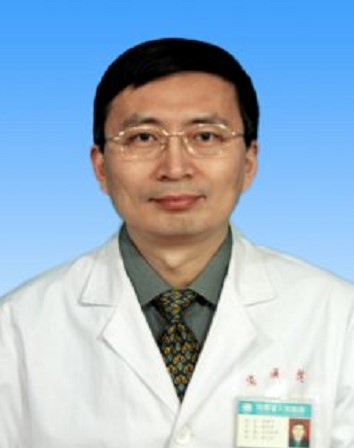 Jianjun Yuan (袁建军)合作论文数郑州大学人民医院7
 SuPing Bai (白素平)合作论文数6
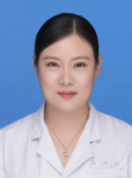 Haohui Zhu (朱好辉)合作论文数郑州大学人民医院6
 Xinqiao Tian (田新桥)合作论文数Henan Provincial People's Hospital5
 Peng Li合作论文数4xijun zhang (张喜军)合作论文数4Yinhui Xu合作论文数3Ya-Ling Yin合作论文数3Biao Shen合作论文数3GuangFan Hai (海广范)合作论文数3Huijuan Liang (梁慧娟)合作论文数3Aimei Zhang (张爱梅)合作论文数3Manyang Wu (吴满洋)合作论文数3Yi Li (李逸)合作论文数3
 Yuping Yang (杨玉平)合作论文数College of Science, Minzu University of China3Yong-Liang Yuan合作论文数2Ma Wen合作论文数2Wei Haiyuan (卫海沅)合作论文数2Dan-Dan Ye合作论文数2Tao Zhang (张涛)合作论文数2Ke Wang合作论文数2Yue Qiu合作论文数2YiSa Wang (王一洒)合作论文数2ZhiXin Fang (房志鑫)合作论文数2Yun Jing (荆云)合作论文数2
 Yunxiao Zhang (张运晓)合作论文数College of Chemistry, Zhengzhou University2Yingchao Duan合作论文数2Shuaiwei Lu (卢帅伟)合作论文数2Li Ting合作论文数1Linfeng Jin合作论文数1He Jianchao合作论文数1Wei‐Zhen Liu合作论文数1Hu Panpan合作论文数1Kua Hu合作论文数1Rui-Zhu Yue合作论文数1Kaikai Shen合作论文数1Wei-Dong Shi合作论文数1Li Zhangyuan合作论文数1
 Xiaojing Shi合作论文数1Su Mingming合作论文数1Xijun Zhang合作论文数1Jie YANG (杨杰)合作论文数1Yue Zuo合作论文数1Yuan-yuan GUAN (关圆圆)合作论文数1SHEN Kaikai (申凯凯)合作论文数1Tingting Liu (刘婷婷)合作论文数1Li-Juan Guo合作论文数1




