Objective To analyze spatial difference and dynamic time evolution of public health resources in China, and to provide evidence for optimizing the allocation of public health resources. Methods The data of 2012 to 2020 on public health resources were collected from China Health and Family Planning Statistics Yearbook and the China Health Statistics Yearbook. Entropy method was used to calculate annual index of public health resource supply at provincial level; the Dagum Gini coefficient and the Kernel density estimation method were applied to examine spatial difference and dynamic time evolution of public health resources in China. Results During 2012 – 2020, the Dagum Gini coefficient for public health resource supply increased slowly from 0.236 2 to 0.278 6 first, and then fluctuated and decreased to 0.240 9; the Kernel density estimation curves suggested that the public health resource supply in China increased sharply from 2012 to2014, but the supply was insufficient after 2014. Conclusion The supply of public health resources in China needs to be increased in quantity and equity among different regions.
目的 展示中国大陆地区淋病发病率的时空格局,对淋病各流行因素进行多尺度地理加权回归分析,为淋病的防控提供科学依据.方法 以中国大陆31个省份(自治区、直辖市)2009至2018年的淋病疾病数据以及社会经济、人口结构、气象数据为基础,运用空间自相关以及MGWR模型(多尺度地理加权回归模型)进行分析.结果 中国大陆地区淋病发病率总体呈上升趋势,空间上累计发病率呈现显著的空间正相关(Moran'I=0.224,P<0.05),且发病热点区域主要集中在江苏省、上海市、浙江省和福建省等东南沿海地区;MGWR模型相较其他模型有较好的拟合程度(R2=0.863)和模型精度(AICc=382);气温、基层医疗机构数、降水量、相对湿度、人均GDP、在校生数和老年人口比重在局部以及全局地区具有显著性.各因素对各省市淋病发病率的影响效果各不相同,有显著的空间异质性.结论 2009-2018年淋病发病率在空间上有聚集性;经济、医疗水平和气象因素在不同程度上影响着淋病的流行强度;MGWR模型在淋病的影响因素分析中有显著优势.
Objective To investigate the ability improvement of trainees after the standardized residents training, and explore its main influencing factors. Methods Both quantitative research and qualitative research were adopted. A total of 2272 trainees who participated in the standardized training of resident physicians in Hubei Province were investigated by quantitative research, and interviewed and analyzed based on grounded theory. Results The results of quantitative analysis showed that 14.8% of the trainees believed that the training had played an important role in the improvement of their own abilities, and 32.8% of the trainees said that it was of great help to the improvement of their abilities. Regression analysis showed that female(OR=0.62) trainees had less ability to improve. Trainees with clinical work experience(OR=1.49), thinking medical practitioner training is necessary(OR=14.07), having higher expectations for training before training(OR=10.48), and having a higher evaluation on the teachers’ teaching ability(OR=26.25) achieved more ability improvement. The theoretical model formed by qualitative research showed that the ability improvement of trainees after training was affected by three main factors, including training system, base conditions and teaching staffs. Conclusion The potential factors affecting the ability improvement of resident trainees were explored from two aspects of subjective factors and objective factors. The ability improvement of resident trainees is affected by many factors. Therefore, it is necessary to further improve the relevant system and improve the overall level of training.
Objective To comprehensively evaluate the construction effect of China hierarchical diagnosis and treatment system, and provide scientific basis for improving the hierarchical diagnosis and treatment policy.Methods The data of the National Health and Health Statistical Yearbook was adopted from 2010 to 2022, the differences in the average annual growth rate of general hospitals and primary medical and health institutions in the number of institutions, health personnel, beds, volume of diagnosis and treatment services, and income were analyzed.Results From 2009 to 2021,China medical and health service capacity continued to improve, but there are significant differen-ces in the average annual growth rates of indicators such as the number of hospitals and primary medical institutions in the number of institutions(3.83% vs-0.12%),the amount of health personnel(1.48% vs-2.02%),and the number of beds(0.91% vs-2.6%),the volume of medical services(2.02% vs-1.54%),and institutional income(0.67% vs-1.15%).The differences of annual growth rate of these indicators is statistically significant.Conclusion Although China hierarchical diagnosis and treatment system has achieved certain results, it is still facing the problem of unreasonable allocation of medical resources and the problem of improvement of primarily diagnosis and treatment rate.The construction of this system is far-reaching.
目的:分析我国急诊科护士职业倦怠现状及空间分布规律,为全国急诊科护士职业倦怠政策干预提供参考.方法:于2019年7—9月通过多阶段分层抽样,在全国抽取20136名急诊科护士进行问卷调查.基于地理信息系统(GIS)技术与空间分析方法,采用GeoDa 1.18软件进行分析.结果:我国急诊科护士职业倦怠三个维度平均得分为30.53±15.30、11.89±7.21、32.53±13.32,轻度5965人(29.6%),中度4804人(23.9%),重度6860人(34.1%).空间自相关分析显示,职业倦怠三维度得分和总分均值的全局莫兰指数分别为0.203(P=0.012)、0.007(P=0.358)、0.338(P=0.006)、0.247(P=0.003).结论:我国急诊科护士职业倦怠发生率较高,在空间分布上差异明显,亟需受到相关部门的重视,特别是东北、华北地区需重点关注.
目的 了解新型冠状病毒肺炎疫情期间居民的居家隔离意愿及影响因素,对我国未来面对突发卫生事件时采用有效的措施引导居民自觉遵守国家政策有重要意义.方法 基于方便抽样的调查方法,采用居民居家隔离意愿调查表,调查我国18周岁以上的居民共3270人,采用AMOS21.0进行结构方程路径分析模型的构建、拟合和评价.结果 建立居民居家隔离意愿标准化路径模型.居民当前健康状况、对国家应急响应满意程度、对隔离措施认可程度、对新型冠状病毒肺炎了解程度4项因素对居家隔离执行情况产生直接影响,标准化路径系数分别为0.086(95%CI:0.016~0.073)、0.097(95%CI:0.127~0.203)、0.277(95%CI:0.029~0.137)、0.286(95%CI:0.063~0.087).结论 我国在落实居家隔离等突发卫生应急政策时应及时、高效地做出响应,并提升居民对其的认知程度和对政策的理解水平.
目的 了解我国全科医生留职意愿现状和影响因素,为稳定全科医生队伍提供参考.方法 于2021年3-5月,采用多阶段分层随机抽样的方法,在我国东、中、西部随机抽取4 632名全科医生进行问卷调查.结果 共纳入4 578名全科医生,其留职意愿平均得分为(21.67±4.05)分.工作地在中部(β=-0.07)或西部(β=-0.04)、文化程度较高(β=-0.05)、日均工作时间较长(β=-0.05)、加班频率高(β=-0.05)、工作压力大(β=-0.12)是降低全科医生留职意愿的主要因素.而年龄较大(β=0.21)、工作年限较长(β=0.04)、拥有副高及以上职称(β=0.06)、年收入较高(β=0.07)则是提升全科医生留职意愿的主要因素.结论 我国全科医生离职意愿处于中等水平,影响全科医生留职意愿的因素众多,政府和相关管理者应采取相应措施,稳定全科医生队伍,提升我国全科医生的职业吸引力.
目的 了解中国东中西部地区全科医生的离职意愿现状及其影响因素,为稳定全科医生队伍、提升全科医生职业吸引力以及提高基层医疗卫生服务质量提供理论依据和政策建议.方法 于2017年10月-2018年2月采用多阶段分层随机抽样方法在中国东中西部地区12个省/市/自治区360个社区卫生服务机构抽取3244名全科医生进行微信问卷调查.结果 中国东中西部地区全科医生离职意愿总分为(15.07±4.33)分,其中东部地区(15.11±4.10)分,中部地区(15.26±4.52)分,西部地区(14.83±4.40)分.中国东中西部地区调查的3236名全科医生中,离职意愿很高者667人(20.61%),较高者1633人(50.46%),较低者728人(22.50%),很低者208人(6.43%).多元线性逐步回归分析结果显示,本科及以上文化程度、任职方式为合同制、工作压力较高、情绪耗竭得分较高、去人格化得分较高和个人成就感得分较高的中国东中西部地区全科医生离职意愿较高,女性、年龄较大、无行政职务、物质满意度得分较高和成长满意度得分较高的中国东中西部地区全科医生离职意愿较低;情绪耗竭得分较高的中国东部地区全科医生离职意愿较高,年龄较大、无行政职务、个人年均收入≥5万元、物质满意度得分较高和成长满意度得分较高的中国东部地区全科医生离职意愿较低;本科文化程度、任职方式为合同制、情绪耗竭得分较高、去人格化得分较高和个人成就感得分较高的中国中部地区全科医生离职意愿较高,物质满意度得分较高和成长满意度得分较高的中国中部地区全科医生离职意愿较低;本科及以上文化程度、任职方式为合同制、工作压力较高和情绪耗竭得分较高的中国西部地区全科医生离职意愿较高,女性、年龄较大、物质满意度得分较高和成长满意度得分较高的中国西部地区全科医生离职意愿较低.结论 中国东中西部地区全科医生的离职意愿较高,性别、年龄、文化程度、任职方式、行政职务、工作压力以及物质满意度、成长满意度、情绪耗竭、去人格化和个人成就感得分是中国东中西部地区全科医生离职意愿的主要影响因素,不同地区的影响因素不同.
降低全科医生离职意愿,加强全科医生人才队伍建设,是加强基层医疗卫生服务体系建设、建立分级诊疗制度、维护和增进人民群众健康、实现"健康中国"目标意义的关键环节.本研究从全球范围内初级卫生保健供给不足、我国对全科医学与全科医生的重视日益提高的现状入手,探讨全科医生在初级卫生保健中的作用,系统分析降低全科医生离职意愿的重要意义,全面总结影响全科医生离职意愿的人口学特征、工作满意度、组织认同度、薪酬待遇和工作积极性关键因素,提出应对我国全科医生离职意愿的政策建议,为相关部门制定政策和措施、稳定全科医生队伍、提升全科医生的职业吸引力提供参考.
我国全科医生队伍人才短缺、人员留用困难的问题极大地影响着基层医疗卫生服务的发展,也给分级诊疗制度的落实与推进带来巨大挑战,亟须制定策略维护和提升全科医生的职业吸引力.本文基于SWOT分析法,探讨当下全科医学与全科医生队伍具备的优势与劣势,以及所面临社会环境的机会和威胁.提出:目前我国提升全科医生职业吸引力面临的优势在于广泛的政策支持、全科教育的持续发展及符合健康中国发展目标;劣势在于全科医生的社会认同不高及管理制度的缺乏;机会在于医药卫生体制改革、医联体建设和健康信息技术的发展;威胁在于具体医疗行为的限制及培养体系、硬件基础的缺乏.同时,文章在分析全科医生职业吸引力提升动因和面临挑战的基础上,制定符合全科医学发展方向的应对策略,包括增加财政支持力度、强化制度建设、拓宽晋升平台、优化团队配置等方面,以期提升全科医生职业吸引力,促进我国全科医生队伍可持续发展.
目的:了解我国全科医生的职业认同现状,并分析影响因素,为稳定全科医生队伍,提高基层医疗卫生服务质量提供理论依据和政策建议.方法:2017年10月-2018年2月,采用多阶段分层随机抽样的方法,在我国东、中、西部随机抽取3244名全科医生进行微信匿名问卷调查.结果:共纳入3236名全科医生进行研究,职业认同度总分为52(IQR:7)分,97%(3139/3236)的全科医生职业认同度较高.全科医生的职业认同度在不同地区、年龄、性别、婚姻状况、职称、行政职务、收入水平、加班频率、职业发展机会和工作满意度等方面的差异均具有统计学意义(P<0.05).地区、年龄、行政职务、职业发展机会和工作满意度是影响全科医生职业认同度的主要因素.结论:我国全科医生的职业认同度总体较高,但鉴于影响因素的复杂性,建议根据不同地区的特点制定相应对策,从而进一步提升全科医生职业认同度,稳定全科医生队伍,提高基层医疗卫生服务质量.
 Jing Feng合作论文数7
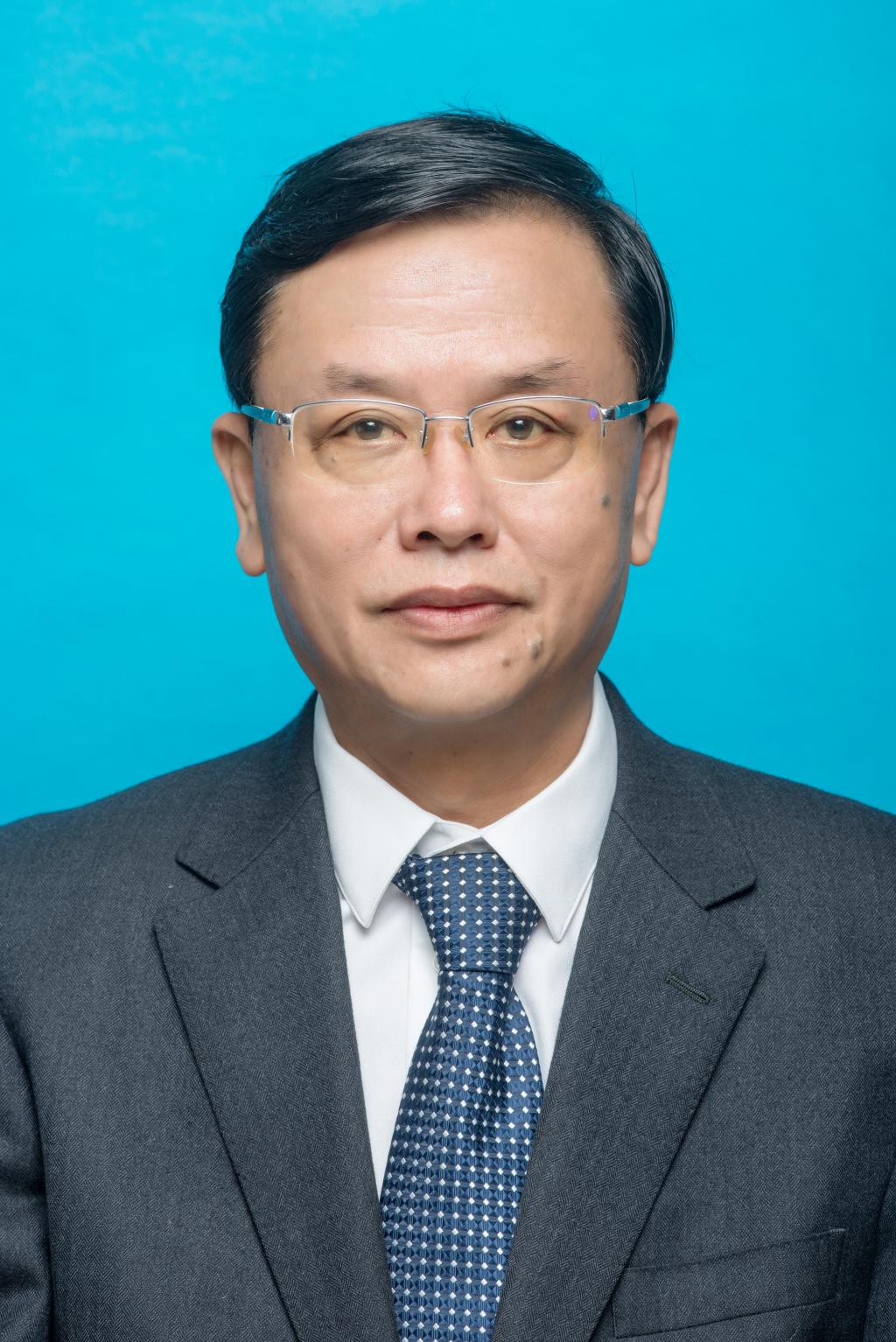 Zuxun Lu (卢祖洵)合作论文数Department of Social Medicine and Health Management, School of Public Health, Tongji Medical College, Huazhong University of Science and Technology7
 Yong Gan (甘勇)合作论文数桂林电子科技大学机电工程学院7Cheng Su合作论文数2Wenqi Xia合作论文数2Pan Ke合作论文数2Zihui Lei合作论文数2
 Jason Jiang合作论文数Centre for Alcohol Policy Research, La Trobe University2Xinyan Li合作论文数1Hao Dong合作论文数1QU Ge (屈歌)合作论文数1Kunming Tian合作论文数1Hongkun Di合作论文数1hongbing ceng (曾红兵)合作论文数1jianxiong wu (吴健雄)合作论文数1FENG Jing (冯晶)合作论文数1Minzhi Xu合作论文数1Xin Meng合作论文数1Yiling Lou合作论文数1LiQing Li (李丽清)合作论文数1Fang Yu (余芳)合作论文数1YanLing Zheng (郑艳玲)合作论文数1




