Diabetic neuroosteoarthropathy (Charcot’s osteoarthropathy, DNAP, Charcot’s foot) is a common complication of diabetic neuropathy, which can be easily diagnosed in clinical practice and usually is corrected without leading to severe deformation of the affected joint in case of timely and adequate treatment. We present the result of long-term clinical observation of a patient with early development of complications of type 2 diabetes mellitus, diabetic dermatopathy, common DNOAP with damage to the joints of the feet, ankles, knees and elbows. A feature of the described clinical case is the prevalence of osteoarticular disorders with seizure of atypical diabetes zones – knee and elbow joints, the defeat of which is more characteristic of other diseases (such as collagenoses and syphilis), as well as a combination of DNOAP with diabetic dermatopathy. It seems that the causes of such a common arthropathic process lie in the long course of diabetic neuropathy, which debuted long before the diagnosis of type 2 diabetes, as well as the development and progression of this patient in the last decade of observing diabetic nephropathy and associated secondary hyperparathyroidism. In the modern literature, descriptions of combinations of dermatopathies with other complications of diabetes mellitus are extremely rare, and references to a combination of common DNAP and diabetic bullosis have not been found.
BACKGROUND: Diabetic neuroosteoarthropathy (DNOAP, Charcot’s foot) - is a progressive destructive inflammatory disease of the osteoarticular apparatus of the foot, untimely and inadequate treatment of which can lead to the formation of gross deformities. More often, DNOAP is unilateral, bilateral lesion is relatively rare. It is not always possible to trace the relationship between the debut of DNOAP with trauma and chronic hyperglycemia. There is data demonstrating the role of individual pro-inflammatory factors in the pathogenesis of DNOAP, however, studies combining the evaluation of various metabolic markers of Charcot’s foot formation are currently extremely poor. AIM: To evaluate the hormonal and metabolic markers of bone formation and resorption in patients with DNOAP and without this diabetic complication. METHODS: A prospective, controlled trial included 70 patients with type 2 diabetes mellitus (37 men and 43 women) who formed 2 groups: group 1 included patients with DNOAP, group 2 was formed by patients with diabetes without foot skeleton damage. All patients underwent a study of 1,25-OH-vitamin D, sclerostin, pro-MMP-1, C-terminal propeptide type 1 collagen (PICP), type 1 collagen, osteocalcin, PTH, 25-OH-vitamin D, beta-cross-slaps. RESULTS: The results of the studies confirmed the presence of vitamin D deficiency in all patients with diabetes mellitus included in the study, revealed the absence of statistically significant differences between the groups in the values of sclerostin, pro-MMP-1; 25-OH-vitamin D, type I collagen, and osteocalcin (p > 0.05). However, significant differences were found in the 1.25-OH vitamin D levels: patients with DNOAP presented the lower rates of 1,25-OH-vitamin D in comparison to control group (p <0.05). Beta-cross and PICP levels were significantly higher in DNOAP patients as well (p <0.05). Those findings show the more severe collagen degradation in patients with DNOAP and can be the genetically predisposed cause of DNOAP development. Though further studies are needed. CONCLUSION: In patients with DNOAP a decrease in 1,25-OH-vitamin D levels was found, as well as the alteration of the synthesis and destruction of collagen (beta-cross-slaps and PICP) compared to patients with diabetes mellitus without osteoarticular disorders.
Background : Diabetes mellitus (DM) has a negative impact on all organs. This is due to insufficiency of blood supply and the disruption of the trophic function of the nervous system. One of the most serious complication of DM is diabetic foot caused be vascular and neurological reasons. Correction of vascular disorders is effectively treated by modern therapeutic approaches, but the damage of nervous system has been studied insufficiently. Aims : To investigate the dynamics of damage to the vegetative nervous system on the laboratory model of DM. Materials and methods : DM in rats was induced by injection of streptozotocin at a dose of 65 mg/kg in citrate buffer (DM group). The control group of rats received a citrate buffer equivalent (CB group). Rats with DM were given a maintenance therapy with insulin in a dose of 2 units/kg/day. On 42 days of experience, a round wound with a diameter of 2 cm on the back of the animals was observed. Before the DM simulation, then on the 42, 50, 58 and 66 days of its development, an electrocardiogram (ECG) was recorded in the rats at a frequency of 2 kHz digitising in a state of calm wakefulness and after cold exposure. For 5 minutes ECG fragments, heart rate and heart rate variability (HRV) in the temporal domain were calculated, characterising: 1) the total heart rate variability (tHRV) according to SDRR, SDHR, KVRR and KVHR; 2) the effect of the parasympathetic department of the autonomic nervous system (aANS) for RMSSD and pNN3; 3) the contribution of the sympathetic department of the ANS (sANS) by SDAvgRR, SDAvgHR. The spectral parameters were estimated in the frequency domain: the total power of the spectrum is TR (range: 0–2.5 Hz), the powers in the low and high frequency ranges are LF (range: 0.2–0.8 Hz) and HF (range: 0.8–2.5 Hz) LF/HF. Weekly, the tail withdrawal time was measured in a temperature pain test (55°C). Results : During the development of diabetes, the level of glucose in the blood increased 4–7 times compared with the normal level. The reaction time of the pain test in rats with DM increased by 20%–30% at the end of the experiment. At 42 days, the development of bradycardia (267 beats/min) was observed in rats with DM. The indicators of tHRV decreased by a factor of 2 due to a decrease in the contribution of sANS. The reaction to CP in the SD group differs from the norm by the severity of the individual components of the HRV structure, which indicates functional denervation of the heart and the development of diabetic neuropathy. Conclusions : As the diabetes progressed, signs of neuropathy were observed. The overall HRV parameters decreased, the ratio of the contributions of sANS and pANS to the regulation of heart rate changed, and the temperature sensitivity decreased.
Diabetic peripheral neuropathy is a common chronic complication of diabetes mellitus, significantly impairing well-being, quality of life and functioning of patients. The prevalence of diabetic peripheral neuropathy in the Russian Federation ranges from 0.1% to 67.2% in type 1 and from 0.1 to 42.4% in type 2 diabetes mellitus. However, based on the large-scale epidemiological studies, the true prevalence of diabetic peripheral neuropathy is much higher (50 to 70%), with its painful variant occurring in 16% to 30% of patients. Despite the fact that diabetic peripheral neuropathy remains the most common chronic complication of diabetes mellitus, its diagnosis and therapy leave much to be desired. To optimize diagnostic and treatment approaches to painful diabetic peripheral neuropathy, a group of experts representing the leading Russian professional medical associations has developed clinical guidelines for the diagnosis and rational therapy of patients with painful diabetic peripheral neuropathy. This document presents practical aspects of the clinical diagnosis of painful diabetic peripheral neuropathy and an algorithm for differential diagnosis of pain in the lower extremities in patients with diabetes mellitus. The use of symptomatic analgesics with central action, such as anticonvulsants, antidepressants and opioids, is based on the main aspects of neuropathic pain pathophysiology. The characteristics of each drug class are given, with consideration of evidence on their efficacy, tolerability, and the possibility of combination therapy. The data on the first, second, and third lines of agents is presented in accordance with several international clinical guidelines. The need for a tailored drug choice, taking into account the evidence-based data on their efficacy and safety, concomitant drug therapy, tolerability, cost and preferences of the patient, age of the patient and concomitant disorders, is emphasized.
Обоснование . Известно, что процессы заживления при сахарном диабете замедлены. В связи с этим ведется активный поиск возможных причин снижения темпов репарации. Несмотря на уже имеющиеся данные, определение возможных маркеров активности репаративных процессов при сахарном диабете остается актуальным. Цель . Изучить клинические, морфологические и некоторые иммуногистохимические показатели репарации мягких тканей нижних конечностей у пациентов с синдромом диабетической стопы на фоне местного лечения. Методы . Обследовано 70 пациентов с синдромом диабетической стопы до и после хирургической обработки хронических раневых дефектов. Проанализированы клинические, гистологические (световая микроскопия) и иммуногистохимические (CD68, матриксные металлопротеиназы (MMP-9), тканевые ингибиторы металлопротеаз (TIMP-1)) характеристики тканевой репарации. Гистологическое и иммуногистохимическое исследования выполнены у 63 пациентов до и после хирургической обработки, через 10 дней после проводимого местного лечения. Результаты . На фоне лечения зафиксировано значимое уменьшение площади ран на 23,4% (p 0,05). Заключение . Клиническими показателями эффективности местного лечения раневых дефектов является значимое уменьшение площади и глубины ран, что было отмечено по результатам проведенного исследования. Интенсификация процесса заживления подтверждена результатами гистологического и иммуногистохимического исследований, однако отсутствие статистически значимого изменения количества макрофагов позволяет предположить, что именно это звено репарации нарушается при сахарном диабете и является причиной «хронизации» ран, что, безусловно, требует дальнейших исследований.
Objectives : Diabetic retinopathy remains the major cause of blindness among the working-age population of developed countries. Considering this, experimental models of diabetes involving laboratory animals are important for assessing clinically significant methods to determine early pathologic alterations of the retina. The early detection of diabetic retinopathy in combination with a search for new pathogenetic targets will enable focusing on new strategies to limit the development of critical changes in the retina and to prolong retinal functioning during the development of diabetes mellitus. Aim : This study aimed to define parameters of electroretinography test that identifies changes due to retinal impairment in diabetes. Methods : Experimental diabetes was induced in Wistar rats by intraperitoneally injecting streptozocin (65 mg/kg; group ‘DM’). The control group (‘CB’) received intraperitoneal injections of the vehicle, i.e. citric buffer. On each consecutive day of the experiment, all rats received insulin detemir (2 u/kg). Ophthalmoscopy and electroretinography were conducted before initiating the experiment and after 50, 58 and 66 days of injectin sptreptozocin. Results : Amid 2u\kg insulin injection the glucose level in venous blood in «DM» group amounted to 30-40 mM. The ophthalmoscopy showed that the optic nerve disk paled by the 50th day, with its line erasing. During electroretinography, wave amplitude in oscillatory potential test tended to decrease. β-wave latency of photopic system increased with α-wave latency of photopic system and α- and β-waves latency of scotopic system not altering. In addition, the amplitude of rhythmic stimulation of 8 and 12 Hz decreased. Conclusion : The most apparent parameters of electroretinography for modelling streptozocin-induced diabetes are wave amplitude during the oscillatory potential test, photopic B-wave latency and the amplitude of rhythmic stimulation. These results suggest that in diabetes, ischaemic injury is an important cause of early dysfunction of inner retinal layers.
Dear Colleagues! We are glad to present the 8th Edition of Standards of Diabetes Care. These evidence-based guidelines were designed to standardize and facilitate diabetes care in all regions of the Russian Federation. The Standards are updated on the regular basis to incorporate new data and relevant recommendations from national and international clinical societies, including World Health Organization Guidelines (WHO, 2011, 2013), International Diabetes Federation (IDF, 2011, 2012, 2013), American Diabetes Association (ADA, 2012, 2017), American Association of Clinical Endocrinologists (AACE, 2017), International Society for Pediatric and Adolescent Diabetes (ISPAD, 2014) and Russian Association of Endocrinologists (RAE, 2011, 2012, 2015). Current edition of the “Standards” also integrates results of completed randomized clinical trials (ADVANCE, ACCORD, VADT, UKPDS, SAVOR, TECOS, LEADER, EMPA-REG OUTCOME, etc.), as well as findings from the national studies of diabetes mellitus (DM), conducted in close partnership with a number of Russian hospitals. Latest data indicates that prevalence of DM in the world increased during the last decade more than two-fold, reaching some 415 million patients by the end of 2015. According to the current estimation by the International Diabetes Federation, 642 million patients will be suffering from DM by 2040. These observations resulted in the UN Resolution on Diabetes 61/225 passed on 20.12.2006, and in 2011 - UN Political Declaration, addressed to national health systems, calling for the establishment of multidisciplinary strategy in the prevention and control of non-communicable diseases, where special attention is drawn to the problem of diabetes as one of the leading causes of disability and mortality. Like many other countries, Russian Federation experiences a sharp rise in the prevalence of DM. According to Russian Federal Diabetes Register, there are at least 4.35 million patients with DM in this country by the end of 2016 (3% of population) with 92% (4 million) – Type 2 DM, 6% (255 th) – Type 1 DM and 2% (75 th) – other types of DM. However, these results underestimates real quantity of patients, because they consider only registered cases. Results of Russian epidemiological study (NATION) confirmed that only 50% of Type 2 DM are diagnosed. So real prevalence of patients with DM in Russia is no less than 8-9 million patients (about 6% of population). This is a great long-term problem, because a lot of patients are not diagnosed, so they don’t receive any treatment ant have high risk of vascular complications. Severe consequences of the global pandemics of DM include its vascular complications: nephropathy, retinopathy, coronary, cerebral, coronary and peripheral vascular disease. These conditions are responsible for the majority of cases of diabetes-related disability and death. Current edition of the “Standards” emphasizes the patient-oriented approach in making decisions on therapeutic goals, such as levels of glycaemia and blood pressure. It also features updated guidelines on the management of Type 2 DM and its vascular complications, added information about bariatric surgery as a method of treatment of DM with morbide obesity. This text represents a consensus by the absolute majority of national experts, achieved through a number of fruitful discussions held at national meetings and forums. These guidelines are intended for endocrinologists and diabetologists, primary care physicians, cardiologists and other medical professionals involved in prevention and treatment of DM. On behalf of the Working Group
Диабетическая кардиоваскулярная автономная нейропатия (ДКАН) – осложнение сахарного диабета (СД) с характерной ранней и диссеминированной нейрональной дегенерацией малых нервных волокон как симпатического, так и парасимпатического отделов. ДКАН является опасным и коварным осложнением СД, что во многом определяет течение болезни и структуру смертности, однако часто недооценивается и не распознается практикующими врачами. Сбор анамнеза и проведение физикального обследования не являются достаточными для постановки диагноза. Лабораторная диагностика и инструментальные методы оценки ДКАН трудоемки и не всегда доступны. Раннее выявление ДКАН у больных СД – первостепенно значимая задача, так как позволяет своевременно начать терапию. На сегодняшний день не существует единого алгоритма диагностики ДКАН у пациентов с различными нарушениями углеводного обмена. Это связано с недостаточным количеством клинических исследований, несовершенными протоколами их проведения. Обзор представляет анализ клинических и экспериментальных исследований, посвященных проблеме ДКАН. Рассмотрены распространенность, факторы риска, возможные пути патогенеза, клинические проявления. Обсуждаются общепринятые и новые методы диагностики, преимущества и недостатки того или иного исследования.
Diabetes mellitus is one of the most common chronic diseases in the world. According to the International Diabetes Federation (IDF), by 2035 the number of diabetes patients will reach 592 million people. Various disorders of the structure and function of the soft tissues and skeleton of the lower extremities is the most common reason that patients seek medical care. The paper presents the modern concept of the pathogenesis, diagnosis, therapeutic and prevention tactics used in the specialized endocrinological and surgical clinics.
Вашему вниманию представлен Седьмой актуализированный выпуск руководства Алгоритмы специализированной медицинской помощи больным сахарным диабетом. Целью данного руководства является стандартизация и оптимизация оказания медицинской помощи больным сахарным диабетом (СД) во всех регионах России на основе доказательной медицины. Данное руководство регулярно обновляется в соответствии с новыми данными и рекомендациями по лечению больных СД, базирующимися на международном и отечественном опыте оказания помощи этим пациентам, включая рекомендации ВОЗ (2011, 2013), Международной диабетической федерации (IDF 2011, 2012, 2013), Американской диабетической ассоциации (АDA, 2012, 2015), Американской ассоциации клинических эндокринологов (AACE, 2013), Международного общества по детскому и подростковому диабету (ISPAD, 2014), Российской ассоциации эндокринологов (РАЭ, 2011, 2012), а также результатах завершенных международных (ADVANCE, ACCORD, VADT, UKPDS и др.) и отечественных рандомизированных клинических испытаний у больных СД, в которых участвовали многие российские клиники. По последним данным, численность больных СД в мире за последние 10 лет увеличилась более, чем в 2 раза, и к концу 2014 года достигла 387 млн человек. Согласно прогнозам Международной диабетической федерации к 2035 году СД будет страдать 592 млн человек. Столь стремительный рост заболеваемости СД послужил причиной принятия Резолюции ООН 61/225 от 20.12.2006 о сахарном диабете с рекомендацией всем государствам-членам разработать национальные стратегии профилактики и лечения диабета. В Российской Федерации, как и во всех странах мира, отмечаются высокие темпы роста заболеваемости СД. По данным Государственного регистра больных СД, на январь 2015 г. в РФ по обращаемости в лечебные учреждения насчитывается 4.04 млн. человек: СД 1 типа - 340 тыс. и СД 2 типа - 3,7 млн. Между тем результаты контрольно-эпидемиологических исследований, проведенных ФГБУ Эндокринологический научный центр (ЭНЦ) МЗ РФ в период с 2002 по 2010 г., показали, что истинная численность больных СД в России приблизительно в 3-4 раза больше официально зарегистрированной и достигает 9 ? 10 млн человек, что составляет около 7 % населения. Самыми опасными последствиями глобальной эпидемии СД являются его системные сосудистые осложнения ? нефропатия, ретинопатия, поражение магистральных сосудов сердца, головного мозга, периферических сосудов нижних конечностей. Именно эти осложнения являются основной причиной инвалидизации и смертности больных СД. В новом издании Алгоритмов сделан акцент на персонифицированный подход к выбору целей терапии контроля углеводного обмена, уровня артериального давления, обновлены позиции, касающиеся лечения сахарного диабета 2 типа и его сосудистых осложнений. Добавлена информация о нормативной базе ведения Региональных регистров больных сахарным диабетом как составных частей Государственного Регистра СД. Проект данного руководства неоднократно обсуждался на общероссийских конгрессах и форумах и получил одобрение абсолютного большинства специалистов. Рекомендации предназначены для эндокринологов и диабетологов, терапевтов, кардиологов, а также всех специалистов, принимающих участие в лечении больных СД.
Dear Colleagues!. We are glad to present the 6th Edition of Standards of Diabetes Care. These evidence-based guidelines were designed to standardize and facilitate diabetes care in all regions of the Russian Federation. The Standards are updated on the regular basis to incorporate new data and relevant recommendations from national and international clinical societies, including World Health Organization Guidelines (WHO, 2011), International Diabetes Federation (IDF, 2011), American Diabetes Association (ADA, 2013), American Association of Clinical Endocrinologists (AACE, 2009), International Society for Pediatric and Adolescent Diabetes (ISPAD, 2009) and Russian Association of Endocrinologists (RAE, 2011, 2012). Current edition of the ?Standards? also integrates results of completed randomized clinical trials (ADVANCE, ACCORD, VADT, UKPDS, etc.), as well as findings from the national studies of diabetes mellitus (DM), conducted in close partnership with a number of Russian hospitals. Latest data indicates that prevalence of DM increased during the last decade more than two-fold, reaching some 371 million patients by 2013. According to the current estimation by the International Diabetes Federation, every tenth inhabitant of the planet will be suffering from DM by 2030. These observations resulted in the UN Resolution 61/225 passed on 20.12.2006 that encouraged all Member States ?to develop national policies for the prevention, treatment and care of diabetes?. Like many other countries, Russian Federation experiences a sharp rise in the prevalence of DM. According to Russian State Diabetes Register, there are at least 3.799 million patients with DM in this country. However, the epidemiological survey conducted by the Federal Endocrinology Research Centre during 2002-2010 suggests that actual prevalence is 3 to 4 times greater than the officially recognized and, by this estimate, amounts to 9-10 million persons, comprising 7% of the national population. . Severe consequences of the global pandemics of DM include its vascular complications: nephropathy, retinopathy, coronary, cerebral and peripheral vascular disease. These conditions are responsible for the majority of cases of diabetes-related disability and death. . Current edition of the ?Standards? emphasizes the patient-oriented approach in making decisions on therapeutic goals, such as levels of glycaemia and blood pressure. It also features updated guidelines on the management of vascular complications and new RAE position statement on gestational diabetes, produced in collaboration with Russian Association of Obstetrics and Gynecology. . This text represents a consensus by the absolute majority of national experts, achieved through a number of fruitful discussions held at national meetings and forums. These guidelines are intended for endocrinologists and diabetologists, primary care physicians, cardiologists and other medical professionals involved in prevention and treatment of diabetes mellitus.
Chronic wound in patients with diabetes mellitus (DM) is one of the most urgent problems of modern diabetology and surgery. Number of patients suffering from different types of chronic wounds follows increase in DM incidence. Vacuum therapy is a novel perspective method of topical treatment for non-healing chronic wounds of various etiology. Current review addresses experimental and clinical evidence for this method.
Заболевания периферических артерий (ЗПА) относятся к числу наиболее опасных осложнений сахарного диабета (СД), определяющихвысокий риск ампутаций нижних конечностей. Частота ЗПА среди пациентов с СД значительно выше, чем у лиц без нарушений угле-водного обмена. Особенностью течения ЗПА при СД является частое бессимптомное течение, дистальный тип поражения артериаль-ных сегментов, выраженный медиакальциноз. Стандартные диагностические процедуры для скрининга поражений артерий нижнихконечностей должны дополняться неинвазивными визуализирующими методами и определением транскутанного напряжения кислородау пациентов с факторами риска ЗПА, длительно незаживающими язвенными дефектами стоп. Особенно важно своевременное выявлениесостояния критической ишемии конечности и предотвращение образования ран на стопе. При наличии синдрома диабетической стопына фоне критической ишемии необходимо комплексное лечение больных, включающее восстановление кровотока в стопе, хирургическоеи консервативное лечение раны, мониторинг сопутствующих микрососудистых и макрососудистых осложнений СД.
Сахарный диабет (СД) ? системное заболевание обмена веществ, которое приняло пандемический характер распространения, что побудило Организацию Объединенных Наций (ООН) в декабре 2006 г. принять резолюцию, призывающую ?создавать национальные программы по предупреждению, лечению и профилактике СД и его осложнений и включать их в состав государственных программ по здравоохранению?. За последние 30 лет по темпам прироста заболеваемости СД опередил такие инфекционные заболевания, как туберкулез и ВИЧ. Численность больных СД в мире за эти годы выросла более чем в 2 раза и достигла к 2011г. 366 млн человек. В Российской Федерации, как и во всех странах мира, отмечаются высокие темпы роста заболеваемости СД. По данным Государственного регистра больных СД на январь 2011 г. в РФ по обращаемости в лечебные учреждения насчитывается 3,357 млн больных СД. Между тем результаты контрольно-эпидемиологических исследований, проведенных ФГБУ Эндокринологический научный центр (ЭНЦ) в период с 2002 по 2010 г., показали, что приблизительно еще 6 млн россиян имеют СД, но не знают об этом и, следовательно, не получают лечения. Самыми опасными последствиями глобальной эпидемии СД являются его системные сосудистые осложнения ? нефропатия, ретинопатия, поражение магистральных сосудов сердца, головного мозга, периферических сосудов нижних конечностей. Именно эти осложнения являются основной причиной инвалидизации и смертности больных СД. В РФ с 1996 г. осуществляется Федеральная целевая программа (ФЦП) ?Сахарный диабет? (с 2002 г. ? подпрограмма ФЦП ?Предупреждение и борьба с социально значимыми заболеваниями?), в рамках которой создана современная диабетологическая служба, позволившая осуществить реальный прорыв в диагностике, лечении, профилактике СД и его осложнений на территории РФ на основе внедрения современных диагностических систем, эффективных и безопасных лекарственных препаратов и средств самоконтроля, высокотехнологичных методов лечения сосудистых осложнений. Данное руководство ? ?Алгоритмы специализированной медицинской помощи больным сахарным диабетом? ? является пятым, обновленным и дополненным изданием. Руководство базируется на международном и отечественном опыте лечения СД, включая рекомендации Международной Диабетической Федерации (IDF 2005), Американской Диабетической Ассоциации (АDA 2011), Американской Ассоциации клинических эндокринологов (AACE, 2009), Международного общества по детскому и подростковому диабету (ISPAD, 2009), Российской ассоциации эндокринологов (РАЭ, 2011), а также результатах завершенных международных (ADVANCE, ACCORD, VADT, UKPDS и др.) и отечественных рандомизированных клинических испытаний у больных СД, в которых участвовали многие российские клиники. В новом издании Алгоритмов нашли отражение изменения, касающиеся диагностики СД, формулировки диагноза при СД, индивидуализации целевых значений гликемического контроля при СД 1 и 2 типа, стратегии сахароснижающей терапии при СД 2 типа, внесены уточнения по диагностике и лечению осложнений СД. Целью данного руководства является стандартизация и оптимизация оказания медицинской помощи больным СД во всех регионах России на основе доказательной медицины. Проект данного руководства неоднократно обсуждался на общероссийских конгрессах и форумах и получил одобрение абсолютного большинства специалистов. Рекомендации предназначены для эндокринологов и диабетологов, терапевтов, кардиологов, а также всех специалистов, принимающих участие в лечении больных СД.
 Майоров Александр Юрьевич合作论文数6ольга юрьевна сухарева合作论文数6Калашников Виктор Юрьевич合作论文数6Elena V. Surkova合作论文数6
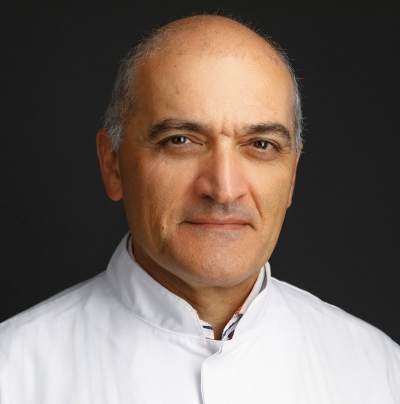 Gagik Galstyan合作论文数Diabetic Foot Department, Diabetes Institute, Endocrinology Research Centre6E. G. Starostina合作论文数5Dmitrii Lipatov合作论文数5Ekaterina L. Zaitseva合作论文数5
 Marina Shestakova合作论文数5Есаян Роза Михайловна合作论文数4ивона рената ярекмартынова合作论文数4Tamara Leonidovna Kuraeva合作论文数4Minara S. Shamkhalova合作论文数4Olga Mikhailovna Smirnova合作论文数3Демидова Татьяна Юльевна合作论文数3г р галстян合作论文数3О. Р. Григорян合作论文数3Liudmila I. Ibragimova合作论文数3Anastasia S. Severina合作论文数3
 Olga Vikulova合作论文数3Peterkova V A合作论文数3Егорова Дарья Никитична合作论文数2Воронцов Александр Валерьевич合作论文数2Maria P. Morozova合作论文数2ивона яновна ярекмартынова合作论文数2юрий шавкатович халимов合作论文数2irina vladimirovna kononenko合作论文数2T. Nikonova合作论文数2
 Ekaterina V. Artemova合作论文数2
 Igor Sklyanik合作论文数Laboratory of Clamp-Technology, Endocrinology Research Centre2Ivan I. Dedov合作论文数2Irina Arkadevna Bondar合作论文数2Ekaterina Shestakova合作论文数Department of Cardiology, Endocrinology Research Center2Valeeva Farida合作论文数2Lyudmila a Suplotova合作论文数2
 Svetlana Anatolievna Gavrilova合作论文数2
 E. V. Ivanov合作论文数2Смирнова Ольга Михайловна合作论文数1Бондаренко Ольга Николаевна合作论文数1o n bondarenko合作论文数1
 Aleksei Erdiakov合作论文数1Мкртумян Ашот Мусаелович合作论文数1Лаптев Дмитрий Никитич合作论文数1Сазонова Наталья Ивановна合作论文数1Аметов Александр Сергеевич合作论文数1Olga V. Ushakova合作论文数1дарья александровна семенова合作论文数1




