We present the results of a search for gravitational-wave transients associated with core-collapse supernova SN 2023ixf, which was observed in the galaxy Messier 101 via optical emission on 2023 May 19, during the LIGO–Virgo–KAGRA 15th Engineering Run. We define a five-day on-source window during which an accompanying gravitational-wave signal may have occurred. No gravitational waves have been identified in data when at least two gravitational-wave observatories were operating, which covered ∼14% of this five-day window. We report the search detection efficiency for various possible gravitational-wave emission models. Considering the distance to M101 (6.7 Mpc), we derive constraints on the gravitational-wave emission mechanism of core-collapse supernovae across a broad frequency spectrum, ranging from 50 Hz to 2 kHz, where we assume the gravitational-wave emission occurred when coincident data are available in the on-source window. Considering an ellipsoid model for a rotating proto-neutron star, our search is sensitive to gravitational-wave energy 1 × 10 −4 M ⊙ c 2 and luminosity 2.6 × 10 −4 M ⊙ c 2 s −1 for a source emitting at 82 Hz. These constraints are around an order of magnitude more stringent than those obtained so far with gravitational-wave data. The constraint on the ellipticity of the proto-neutron star that is formed is as low as 1.08, at frequencies above 1200 Hz, surpassing past results.
Third-generation gravitational wave detectors will use large mirrors isolated from seismic motion frequency, and also cooled down to cryogenic temperatures. To fulfil these two specifications, the E-TEST explores the possibility of using a purely non-contact radiative cooling strategy. Based on cooling predictions, the paper includes a detailed design of the cryostat and the assembly procedure. A test campaign demonstrated that the proposed strategy succeeded in bringing the temperature of a 100 kg dummy mirror down to 22 Kin days. These encouraging results are paving the way toward a fully radiative approach for cooling the mirrors the future Einstein Telescope.
We present Fermi Gamma-ray Burst Monitor (Fermi-GBM) and Swift Burst Alert Telescope (Swift-BAT) searches for gamma-ray/X-ray counterparts to gravitational wave (GW) candidate events identified during the third observing run of the Advanced LIGO and Advanced Virgo detectors. Using Fermi-GBM on-board triggers and sub-threshold gamma-ray burst (GRB) candidates found in the Fermi-GBM ground analyses, the Targeted Search and the Untargeted Search, we investigate whether there are any coincident GRBs associated with the GWs. We also search the Swift-BAT rate data around the GW times to determine whether a GRB counterpart is present. No counterparts are found. Using both the Fermi-GBM Targeted Search and the Swift-BAT search, we calculate flux upper limits and present joint upper limits on the gamma-ray luminosity of each GW. Given these limits, we constrain theoretical models for the emission of gamma-rays from binary black hole mergers.
CRESST is an experiment for the direct detection of dark matter, capable of detecting nuclear recoils down to 10 eV, which results in an impressive sensitivity for sub-GeV dark matter particles. For a better understanding of the measured background a background model is developed. The background components are considered via Geant4 simulations. At the current state, the CRESST background model only considers bulk contaminations and treats all detector surfaces as perfect plains. This contribution presents potential effects of a surface contamination with radiogenic nuclides, in combination with the influence of the crystals surface roughness. Nuclide decays near the crystal surface may lead to partial energy deposition inside the detector, potentially causing MeV energy events to influence the background in the keV energy range. Since default Geant4 is not capable of simulating a rough surface, a new extension for simulating a rough surface is developed and the impact of different roughness configurations is studied.
Using CaWO$_4$ crystals as cryogenic calorimeters, the CRESST experiment searches for nuclear recoils caused by the scattering of potential Dark Matter particles. A reliable identification of a potential signal crucially depends on an accurate background model. In this work we introduce an improved normalisation method for CRESST's model of the electromagnetic backgrounds. Spectral templates, based on Geant4 simulations, are normalised via a Bayesian likelihood fit to experimental background data. Contrary to our previous work, no assumption of partial secular equilibrium is required, which results in a more robust and versatile applicability. Furthermore, considering the correlation between all background components allows us to explain 82.7% of the experimental background within [1 keV, 40 keV], an improvement of 18.6% compared to our previous method.
Despite the growing number of confident binary black hole coalescences observed through gravitational waves so far, the astrophysical origin of these binaries remains uncertain. Orbital eccentricity is one of the clearest tracers of binary formation channels. Identifying binary eccentricity, however, remains challenging due to the limited availability of gravitational waveforms that include effects of eccentricity. Here, we present observational results for a waveform-independent search sensitive to eccentric black hole coalescences, covering the third observing run (O3) of the LIGO and Virgo detectors. We identified no new high-significance candidates beyond those that were already identified with searches focusing on quasi-circular binaries. We determine the sensitivity of our search to high-mass (total mass $M>70$ $M_\odot$) binaries covering eccentricities up to 0.3 at 15 Hz orbital frequency, and use this to compare model predictions to search results. Assuming all detections are indeed quasi-circular, for our fiducial population model, we place an upper limit for the merger rate density of high-mass binaries with eccentricities $0 < e \leq 0.3$ at $0.33$ Gpc$^{-3}$ yr$^{-1}$ at 90\% confidence level.
During the past few decades, abundant evidence for physics beyond the two standard models of particle physics and cosmology was found. Yet, we are tapping in the dark regarding our understanding of the dark sector. For more than a century, open problems related to the nature of the vacuum remained unresolved. As well as the traditional high-energy frontier and cosmology, technological advancement provides complementary access to new physics via high-precision experiments. Among the latter, the Casimir And Non-Newtonian force EXperiment (Cannex) has successfully completed its proof-of-principle phase and is going to commence operation soon. Benefiting from its plane parallel plate geometry, both interfacial and gravity-like forces are maximized, leading to increased sensitivity. A wide range of dark sector forces, Casimir forces in and out of thermal equilibrium, and gravity can be tested. This paper describes the final experimental design, its sensitivity, and expected results.
The magnetar SGR 1935+2154 is the only known Galactic source of fast radio bursts (FRBs). FRBs from SGR 1935+2154 were first detected by the Canadian Hydrogen Intensity Mapping Experiment (CHIME)/FRB and the Survey for Transient Astronomical Radio Emission 2 in 2020 April, after the conclusion of the LIGO, Virgo, and KAGRA Collaborations' O3 observing run. Here, we analyze four periods of gravitational wave (GW) data from the GEO600 detector coincident with four periods of FRB activity detected by CHIME/FRB, as well as X-ray glitches and X-ray bursts detected by NICER and NuSTAR close to the time of one of the FRBs. We do not detect any significant GW emission from any of the events. Instead, using a short-duration GW search (for bursts <= 1 s) we derive 50% (90%) upper limits of 10(48) (10(49)) erg for GWs at 300 Hz and 10(49) (10(50)) erg at 2 kHz, and constrain the GW-to-radio energy ratio to <= 10(14)-10(16). We also derive upper limits from a long-duration search for bursts with durations between 1 and 10 s. These represent the strictest upper limits on concurrent GW emission from FRBs.
A system was recently implemented in the Virgo detector to cancel noise in its data produced by seismic waves directly coupling with the suspended test masses through gravitational interaction. The data from seismometers are being filtered to produce a coherent estimate of the associated gravitational noise also known as Newtonian noise. The first implementation of the system uses a time-invariant (static) Wiener filter, which is the optimal filter for Newtonian-noise cancellation assuming that the noise is stationary. However, time variations in the form of transients and slow changes in correlations between sensors are possible and while time-variant filters are expected to cope with these variations better than a static Wiener filter, the question is what the limitations are of time-variant noise cancellation. In this study, we present a framework to study the performance limitations of time-variant noise cancellation filters and carry out a proof-of-concept with adaptive filters on seismic data at the Virgo site. We demonstrate that the adaptive filters, at least those with superior architecture, indeed significantly outperform the static Wiener filter with the residual noise remaining above the statistical error bound.
Magnetars are neutron stars with exceptionally strong dipole magnetic fields which are observed to display a range of x-ray flaring behavior, but the flaring mechanism is not well understood. The third observing run of Advanced LIGO and Virgo extended from April 1, 2019 to March 27, 2020, and contained x-ray flares from known magnetar SGR 1935+2154, as well as the newly-discovered magnetar, Swift J1818-1607. We search for gravitational waves coincident with these magnetar flares with minimally modeled, coherent searches which specifically target both short-duration gravitational waves produced by excited f-modes in the magnetar's core, as well as long-duration gravitational waves motivated by the Quasi-Periodic Oscillations observed in the tails of giant flares. In this paper, we report on the methods and sensitivity estimates of these searches, and the astrophysical implications.
Among the various candidates for dark matter (DM), ultralight vector DM can be probed by laser interferometric gravitational wave detectors through the measurement of oscillating length changes in the arm cavities. In this context, KAGRA has a unique feature due to differing compositions of its mirrors, enhancing the signal of vector DM in the length change in the auxiliary channels. Here we present the result of a search for $U(1)_{B-L}$ gauge boson DM using the KAGRA data from auxiliary length channels during the first joint observation run together with GEO600. By applying our search pipeline, which takes into account the stochastic nature of ultralight DM, upper bounds on the coupling strength between the $U(1)_{B-L}$ gauge boson and ordinary matter are obtained for a range of DM masses. While our constraints are less stringent than those derived from previous experiments, this study demonstrates the applicability of our method to the lower-mass vector DM search, which is made difficult in this measurement by the short observation time compared to the auto-correlation time scale of DM.
Gravitational lensing by massive objects along the line of sight to the source causes distortions to gravitational wave (GW) signals; such distortions may reveal information about fundamental physics, cosmology, and astrophysics. In this work, we have extended the search for lensing signatures to all binary black hole events from the third observing run of the LIGO-Virgo network. We search for repeated signals from strong lensing by (1) performing targeted searches for subthreshold signals, (2) calculating the degree of overlap among the intrinsic parameters and sky location of pairs of signals, (3) comparing the similarities of the spectrograms among pairs of signals, and (4) performing dual-signal Bayesian analysis that takes into account selection effects and astrophysical knowledge. We also search for distortions to the gravitational waveform caused by (1) frequency-independent phase shifts in strongly lensed images, and (2) frequency-dependent modulation of the amplitude and phase due to point masses. None of these searches yields significant evidence for lensing. Finally, we use the nondetection of GW lensing to constrain the lensing rate based on the latest merger-rate estimates and the fraction of dark matter composed of compact objects.
Terrestrial gravity perturbations caused by seismic fields produce the so-called Newtonian noise in gravitational-wave detectors, which is predicted to limit their sensitivity in the upcoming observing runs. In the past, this noise was seen as an infrastructural limitation, i.e., something that cannot be overcome without major investments to improve a detector's infrastructure. However, it is possible to have at least an indirect estimate of this noise by using the data from a large number of seismometers deployed around a detector's suspended test masses. The noise estimate can be subtracted from the gravitational-wave data; a process called Newtonian-noise cancellation (NNC). In this article, we present the design and implementation of the first NNC system at the Virgo detector as part of its AdV+ upgrade. It uses data from 110 vertical geophones deployed inside the Virgo buildings in optimized array configurations. We use a separate tiltmeter channel to test the pipeline in a proof-of-principle. The system has been running with good performance over months.
In the Advanced Virgo+ interferometric gravitational-wave detector, the length control of the Fabry-Perot cavities in the arms and of the detuned filter cavity, used for generating frequency-dependent squeezing, uses an auxiliary green beam at half of the operation laser wavelength (1064 nm). While operating the filter cavity with such a bichromatic control scheme for tens of hours, we observed that the mirror reflection phase shift of the fields at the two wavelengths responds differently to temperature changes in the mirrors, causing a change in the relative resonance condition of the two beams. In this paper we show that this thermal detuning effect can be explained by considering the thermomechanical properties of the mirror coating. Our experimental measurements are in good agreement with the theoretical predictions and allow us to drive requirements on the bicolor coating design and mirror temperature stability for long-term stable cavity control.
The Rasnik system is a 3-point optical displacement monitor with sub-nanometer precision. The CCD-Rasnik alignment system was developed in 1993 for monitoring the alignment of the muon chambers of the ATLAS Muon Spectrometer at CERN. Since then, the development has continued as new CMOS imaging pixel chips became available. In this work the system processes and parameters that limit the precision are studied. We conclude that the spatial resolution of Rasnik is only limited by the quantum fluctuations of the photon flux arriving at the pixels of the image sensor. The results of two Rasnik systems are compared to results from & RADIC; simulations, which are in good agreement. The best spatial resolution obtained was 7 pm/ Hz. Finally, some applications of high-precision Rasnik systems are set out.
To achieve the expected level of sensitivity of third-generation gravitational-wave (GW) observatories, more accurate and sensitive instruments than those of the second generation must be used to reduce all sources of noises. Amongst them, one of the most relevant is seismic noise, which will require the development of a better isolation system, especially at low frequencies (below 10 Hz), the operation of large cryogenic silicon mirrors, and the improvement of optical wavelength readouts. In this framework, this article presents the activities of the E-TEST (Einstein Telescope Euregio Meuse-Rhine Site & Technology) to develop and test new key technologies for the next generation of GW observatories. A compact isolator system for a large silicon mirror (100 kg) at low frequency ( < 10 Hz) is proposed. The design of the isolator allows the overall height of the isolation system to be significantly compact and also suppresses seismic noise at low frequencies. To minimize the effect of thermal noise, the isolation system is provided with a 100 kg silicon mirror which is suspended in a vacuum chamber at cryogenic temperature (25–40 K). To achieve this temperature without inducing vibrations to the mirror, a radiation-based cooling strategy is employed. In addition, cryogenic sensors and electronics are being developed as part of the E-TEST to detect vibrational motion in the penultimate cryogenic stage. Since the commonly used silicon material is not transparent below the wavelengths typically used in the 1 µ m range for GW detectors, new optical components and lasers must be developed in the range above 1500 nm to reduce absorption and scattering losses. Therefore, solid-state and fiber lasers with a wavelength of 2090 nm, matching high-efficiency photodiodes, and low-noise crystalline coatings are being developed. Accordingly, the key technologies provided by E-TEST serve crucially to reduce the limitations of the current generation of GW observatories and to determine the technical design for the next generation.
In this Letter, we present the design and performance of the frequency-dependent squeezed vacuum source that will be used for the broadband quantum noise reduction of the Advanced Virgo Plus gravitational-wave detector in the upcoming observation run. The frequency-dependent squeezed field is generated by a phase rotation of a frequency-independent squeezed state through a 285 m long, high-finesse, near-detuned optical resonator. With about 8.5 dB of generated squeezing, up to 5.6 dB of quantum noise suppression has been measured at high frequency while close to the filter cavity resonance frequency, the intracavity losses limit this value to about 2 dB. Frequency-dependent squeezing is produced with a rotation frequency stability of about 6 Hz rms, which is maintained over the long term. The achieved results fulfill the frequency dependent squeezed vacuum source requirements for Advanced Virgo Plus. With the current squeezing source, considering also the estimated squeezing degradation induced by the interferometer, we expect a reduction of the quantum shot noise and radiation pressure noise of up to 4.5 dB and 2 dB, respectively.
CRESST is a leading direct detection sub-GeVc-2 dark matter experiment. During its second phase, cryogenic bolometers were used to detect nuclear recoils off the CaWO4 target crystal nuclei. The previously established electromagnetic background model relies on Secular Equilibrium (SE) assumptions. In this work, a validation of SE is attempted by comparing two likelihood-based normalisation results using a recently developed spectral template normalisation method based on Bayesian likelihood. Albeit we find deviations from SE in some cases we conclude that these deviations are artefacts of the fit and that the assumptions of SE is physically meaningful.
The toolbox to study the Universe grew on 14 September 2015 when the LIGO-Virgo collaboration heard a signal from two colliding black holes between 30-250 Hz. Since then, many more gravitational waves have been detected as detectors increased sensitivity. However, the current detector design sensitivity curves still have a lower cut-off of 10 Hz. To detect even lower-frequency gravitational-wave signals, the Lunar Gravitational-wave Antenna will use an array of seismic stations in a permanently shadowed crater. It aims to detect the differential between the elastic response of the Moon and the suspended inertial sensor proof mass motion induced by gravitational waves. A cryogenic superconducting inertial sensor is under development that aims for fm/rtHz sensitivity or better down to 1 Hz and is planned to be deployed in seismic stations. Here, we describe the current state of research towards the inertial sensor, its applications and additional auxiliary technologies in the payload of the lunar gravitational-wave detection mission.
Detector characterization and data quality studies—collectively referred to as DetChar activities in this article—are paramount to the scientific exploitation of the joint dataset collected by the LIGO-Virgo-KAGRA global network of ground-based gravitational-wave (GW) detectors. They take place during each phase of the operation of the instruments (upgrade, tuning and optimization, data taking), are required at all steps of the dataflow (from data acquisition to the final list of GW events) and operate at various latencies (from near real-time to vet the public alerts to offline analyses). This work requires a wide set of tools which have been developed over the years to fulfill the requirements of the various DetChar studies: data access and bookkeeping; global monitoring of the instruments and of the different steps of the data processing; studies of the global properties of the noise at the detector outputs; identification and follow-up of noise peculiar features (whether they be transient or continuously present in the data); quick processing of the public alerts. The present article reviews all the tools used by the Virgo DetChar group during the third LIGO-Virgo Observation Run (O3, from April 2019 to March 2020), mainly to analyze the Virgo data acquired at EGO. Concurrently, a companion article focuses on the results achieved by the DetChar group during the O3 run using these tools.
 Riccardo Desalvo合作论文数155
 G. Cella合作论文数Istituto Nazionale di Fisica Nucleare145
 Ettore Majorana合作论文数Dipartimento di Fisica, Sapienza Università di Roma132
 Szabolcs Márka合作论文数Department of Physics, Columbia University122
 Francesco Fidecaro合作论文数Physics Department, Pisa University120
 Giovanni Losurdo合作论文数Scuola Normale Superiore;Istituto Nazionale di Fisica Nucleare120
 Alain Brillet合作论文数Centre National De La Recherche Scientifique119
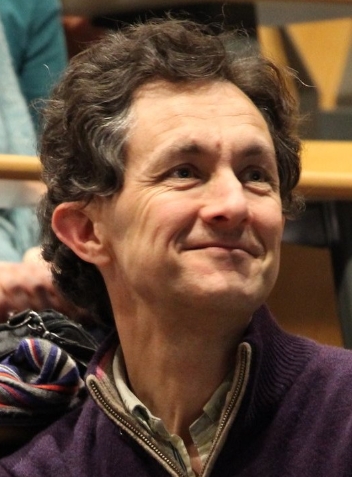 François Bondu合作论文数Institut Foton, Université Rennes119
 Elisabetta Cesarini合作论文数Istituto Nazionale di Fisica Nucleare Sezione di Roma II118
 Enrico Calloni合作论文数Diparitmento di Scienze Fisiche, Università di Napoli Federico II118
 Massimiliano Bitossi合作论文数Istituto Nazionale di Fisica Nucleare;European Gravitational Observatory117
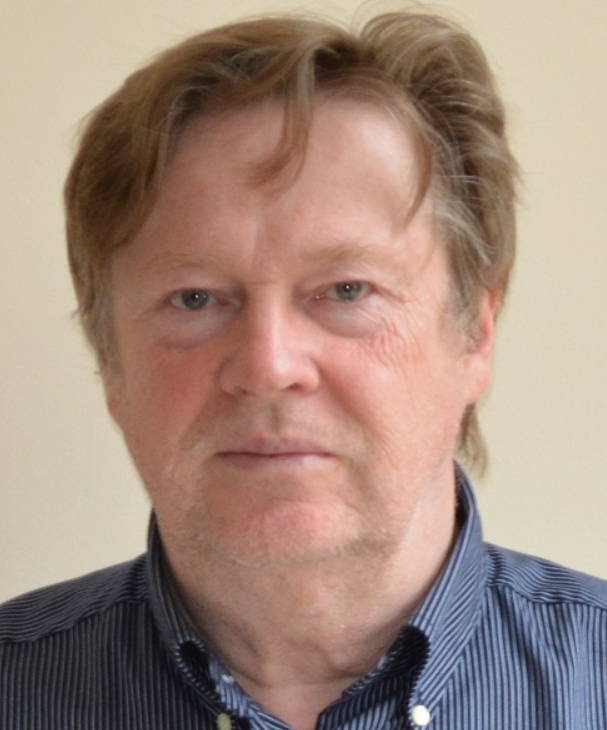 Jo van den Brand合作论文数Nikhef;Faculty of Science and Engineering, Maastricht University;European Gravitational Observatory117
 Stefan Hild合作论文数Faculty of Science and Engineering, Maastricht University117
 Alberto Gennai合作论文数Università di Pisa;Istituto Nazionale di Fisica Nucleare116
 Fausto Acernese合作论文数Dipartimento di Farmacia, Università degli Studi di Salerno116
 Fabrizio Barone合作论文数Dipartimento di Medicina, Chirurgia e Odontoiatria “Scuola Medica Salernitana”, University of Salerno115R. Cavalieri合作论文数115
 Damir Buskulic合作论文数Laboratoire d'Annecy de Physique des Particules;Université Savoie Mont Blanc114
 Pia Astone合作论文数Istituto Nazionale di Fisica Nucleare;Department of Physics, La Sapienza University;Facoltà Di Ingegneria Dell'informazione, Informatica E Statistica, Sapienza Università di Roma114
 Gianpietro Cagnoli合作论文数Institut Lumière Matière, Université Claude Bernard Lyon 1;CNRS114
 Franco Carbognani合作论文数European Gravitational Observatory114
 Henk Jan Bulten合作论文数Division of Astroparticle Physics, National Institute for Subatomic Physics114
 Alberto Di Lieto合作论文数Dipartimento di Fisica, Università di Pisa113
 Marie Anne Bizouard合作论文数Laboratoire de l’Accélérateur Linéaire, CNRS113
 Carlo Bradaschia合作论文数Istituto Nazionale di Fisica Nucleare, Sezione di Pisa112
 Romain Bonnand合作论文数Laboratoire d'Annecy de Physique des Particules;Institut National de Physique Nucléaire et de Physique des Particules112
 Viviana Fafone合作论文数Department of Physics, University of Rome Tor Vergata112
 Tomasz Bulik合作论文数Astronomical Observatory, The University of Warsaw;Division of Astrophysics II, Nicolaus Copernicus Astronomical Center, Polish Academy of Sciences112Luciano Di Fiore合作论文数Università degli studi di Napoli " Federico II "112
 Isidoro Ferrante合作论文数Dipartimento di Fisica, Università Di Pisa111
 Nelson Christensen合作论文数Department of Physics and Astronomy, Carleton College111
 De Rosa Rosario合作论文数Dipartimento Di Fisica "Ettore Pancini", Università degli Studi di Napoli Federico II110
 Raffaele Flaminio合作论文数Laboratoire d'Annecy de Physique des Particules, CNRS110F. Frasconi合作论文数110
 Valerio Boschi合作论文数Istituto Nazionale di Fisica Nucleare;Advanced Virgo110
 Marco Drago合作论文数Dipartimento di Fisica, Università degli Studi di Roma "La Sapienza"110
 Andrea Chincarini合作论文数Dipartimento di Fisica, Università degli Studi di Genova;Istituto Nazionale di Fisica Nucleare110f cavalier合作论文数109
 J. S. Kissel合作论文数LIGO Hanford Observatory109
 Marica Branchesi合作论文数Gran Sasso Science Institute109Bryan Barr合作论文数School of Physics & Astronomy, University of Glasgow109
 David Blair合作论文数School of Physics, Maths and Computing, The University of Western Australia109
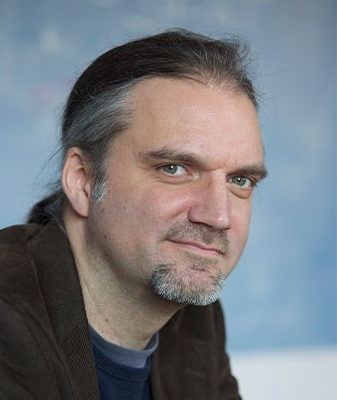 Andreas Freise合作论文数Department of Physics and Astronomy, Vrije Universiteit Amsterdam109
 Elena Cuoco合作论文数Department of Physics and Astronomy "Augusto Righi", University of Bologna108
 Igor Bilenko合作论文数Russian Quantum Center;Faculty of Physics, Lomonosov Moscow State University108Jean-Pierre Coulon合作论文数Galaxie Université Côte d'Azur108
 Antonino Chiummo合作论文数European Gravitational Observatory108
 Gianluca Gemme合作论文数Istituto Nazionale di Fisica Nucleare108
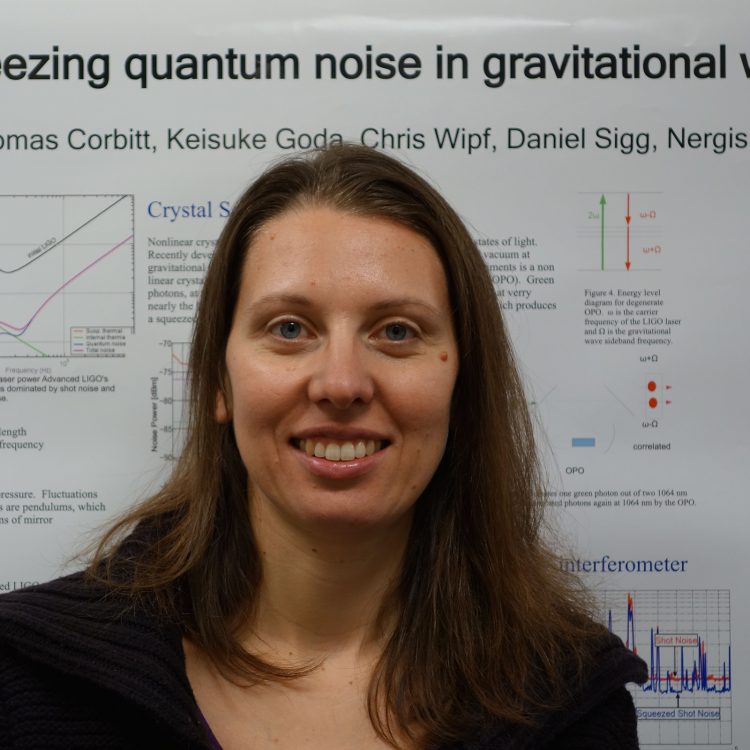 Lisa Barsotti合作论文数Kavli Institute for Astrophysics and Space Research, Massachusetts Institute of Technology108




