Context: Potassium (K) is essential for crop productivity, yet China's heavy reliance on imported potash threatens national food security. While crop residue return is a key strategy for recycling K, residue-derived K inputs remain poorly quantified. Existing estimates are highly uncertain because they rely on static average parameters (harvest index and K concentrations), neglect regional and yield-related variability, and lack quantitative data on crop residue return rates. Objective: This study developed a regionalized, yield-dependent statistical modelling framework to accurately quantify crop residue production and K accumulation, and evaluated K recycling and soil K balance across China's major maize, wheat, and rice systems. Methods: Here, 20,756 observations from the literature and field trials were synthesized to derive regionalized parameters for grain and residue K concentrations and to develop harvest index-based regionalized linear mixedeffects models for predicting residue yields of the three major cereal crops. Additionally, a nationwide survey of 5805 farmers was conducted to quantify crop- and region-specific residue return rates. Results: The harvest index of maize and rice has increased markedly over recent decades. A critical physiological finding was the occurrence of luxury K uptake, whereby crops absorb K in excess of target yield-related requirements, often leading to greater K accumulation in crop residues rather than in the grains. By 2020, total residue production reached 620 Mt, while residue K accumulation amounted to 10.7 Mt, which is 35.4% above previous estimates. Driven by the confluence of yield-induced luxury uptake and expanded residue retention, residue K return nearly doubled from 5.49 Mt in 2010-9.25 Mt in 2020. This influx clearly outpaced the growth in mineral K fertilizer input (2.89-4.53 Mt), effectively pivoting China's cereal crop soil K balance from a -2.23 Mt deficit to a 1.2 Mt surplus. Additionally, residue return provided a significant carbon sequestration benefit of 46.7 Mt C annually. Conclusions: K supply from residue return in China's major cereal systems has been substantially underestimated. Large amounts of K stored in cereal crop residues are increasingly recycled to croplands through residue return. The switch from a soil K deficit to a modest national K surplus indicates requires re-evaluating and optimizing current K fertilizer recommendation schemes, including reducing K input from fertilizer and manure in cropping regions with a large K surplus.
Here we develop and analyze a new global crop-specific fertilizer application rates timeseries dataset for the period 1980–2022. We use three inputs—reported fertilizer use by crops, crop-specific harvested areas and total national-level fertilizer consumption—together with a simple three-step imputation process to fill in missing data, followed with extensive comparisons against independent datasets. Using this new dataset, we find that from circa 1980–2020, global consumption of N-fertilizers in crops (excluding pastures and forests) increased by about 68%, while P- and K-fertilizers rose by about 52% and 69%, respectively. More than ten-fold gaps in N-fertilizer applications however exists between regions with the highest and lowest application rates. Recent increases in N- and P-consumption was driven more by expansion of crop harvested areas than increasing application rates. In the case of potassium, both increases in crop area and fertilizer rates contributed to the rising use. Lately, N- and P-application rates have declined in East Asia and Western Europe while their use has increased in regions with under-utilization, pointing to more recent policy successes, and a general trend in global fertilizer use convergence.
Soil health is the capacity to support the production of food, feed, and fiber while delivering other essential ecosystem services. We suggest key soil health indicators and examine the three-way interactions between mineral fertilizer, crop productivity, and soil health. Given the long history of soil nutrient depletion in Sub-Saharan Africa, we conclude that mineral fertilizer use, as a core component of integrated soil fertility management, must increase and be co-applied with organic inputs to increase productivity and fertilizer use efficiency and restore and sustain soil health.
Africa faces recurrent fertiliser shocks because much of its nitrogen supply depends on imported products, fossil energy, and exposed trade routes, while production, product mix, logistics, and farm-gate demand remain poorly aligned. Decentralised green nitrogen production – defined as small-scale nitrogen fertilizer synthesis powered by renewable electricity – could make a major contribution to addressing these challenge, but to go to scale it will need to lower delivered costs, improve farm returns, reach farmers with responsive crops, and manage product, safety, resource, and governance risks. This opinion piece argues for an Africa-wide prioritisation assessment that compares potential decentralised production with imports, regional trade, larger low-emission plants, blending, logistics, and advisory support. The goal is to identify intervention bundles that deliver the right nitrogen product to the right farmers at the right cost for the coming decades.
The role of potassium (K) in global food security has been neglected compared with other plant nutrients. To evaluate global potassium (K) limitations on crop yields, we compiled an extensive multi-indicator database comprising 22 million soil samples, 66,300 K-fertilization yield trials, and 117,000 field-level input-output K balances. These data span 31 cropping systems that together account for two-thirds of global cereal, oilseed, and fiber production. We found that most soils cannot supply enough K to meet crop requirements without additional K inputs. Variation in K limitation across cropping systems was associated with soil properties, cropping intensity, K balance, and residue management. We observed negative K balances and significant yield responses to K fertilization in South Asia, Southeast Asia, and Africa, primarily driven by low K fertilizer use and large residue removal. Other cropping systems are moving towards a K limitation due to continuous cropping with inadequate K replenishment, as observed in the Latin American Pampas and Western U.S. Corn Belt. Our analysis indicates that sustaining current yields without further soil K mining would require a 30% increase in K inputs globally, while achieving attainable yields would require K fertilizer use to increase by nearly 70%, from 15.0 to 24.7 million metric tons annually. Meeting future food demand on existing cropland will require more attention to K management across major cropping systems to improve soil health and sustain or increase crop yields.
Context: Potassium (K) management is crucial for addressing global yield gaps in agricultural systems. Objectives: To determine K uptake requirements, K internal efficiency (KIE), and K removal for several crops at different yield targets while assessing the factors driving variation. Methods: We compiled a comprehensive database to determine K requirement, KIE, and K removal for various yield potentials. We assessed intra- and inter-species variations in KIE and compared the K-related parameters across 14 crop species. Results: The K uptake requirements increased with crop yield, with an average two-fold smaller K requirement (22 versus 41 kg K) and 4-fold smaller K removal (3.8 versus 15 kg K) per ton of harvested organ in cereals than soybean. Variations in KIE within crops were related to K harvest index (KHI) in maize and wheat and K concentration in harvested product (KCHP) in soybean. Variation in KCHP across species was related to protein and moisture content. The KIE ranked as follows: cassava and sugarcane (87) > cereals, potatoes, and alfalfa (41-58) > banana and oil-rich crops (10-30 kg kg(-1) K). Net K removal increased with higher yield, KHI, and crop residue removal. Conclusions: The K uptake requirement increases with yields, while KIE decreases as yields approach potential yield. Variation in KIE among species derives from differences in KCHP and KHI. Thus, effective K management must consider yield levels, crop choice, and residue management. Significance: We provided a foundation for quantifying K requirements and removals across crop species and target yields, offering essential insights for sustainable K management in agroecosystems.
There are many fertilizer additives and alternatives that aim to increase plant nutrient use efficiency and reduce nutrient losses to the environment, here referred to collectively as enhanced efficiency fertilizers (EEFs). However, there is often insufficient published scientific field trial results across a variety of locations, climates, soils, cropping systems, and management scenarios to prove their efficacy and conditions for use. Guidelines for common minimum datasets and data stewardship in evaluating the agronomic performance and environmental impact of EEFs are needed for researchers to follow. Such guidelines will improve hypothesis testing centered on product efficacy and provide producers with guidance on how these technologies function and perform when integrated with other management practices within the 4R Nutrient Stewardship Framework. A scientific committee was formed to develop a set of protocol guidelines for evaluating EEFs in replicated, plot-based field trials on an international scale. The guidelines are composed of experimental design and core metadata, crop and soil analyses, environmental loss measurements, and data stewardship, and include both recommended and required components to allow for flexibility and adaptability depending on the trial location, objectives, infrastructure capacity, product type, and depth of understanding of the potential EEF efficacy. This approach will ensure consistency and compatibility in experimental design and data collection to support data integration, analysis, and reuse leading to large-scale impact and end-user confidence.
Responsible plant nutrition requires innovation to improve nutrient use efficiency across diverse agricultural systems. This review highlights nanofertilizers, biofertilizers, and next-generation enhanced-efficiency fertilizers, examining nutrient-release mechanisms, yield impacts, environmental outcomes, and commercialization challenges. However, limited field data and standardized testing hinder progress. To advance fertilizer research, investments in shared protocols, global research networks, and pre-competitive studies are essential to close knowledge gaps, ensure food security, and reduce environmental harm.
The global food system relies on crop production in limited number of regions around the world. The South American Pampas region is a major breadbasket due to favorable weather and fertile soils for reliable crop production and capacity to produce a large grain and oilseeds surplus. However, for decades, nutrient inputs have been much lower than in other regions, leading to heavy “mining” of soil nutrient stocks. Here we evaluated the impact of soil degradation using soil and crop surveys and field-level data sets from across the Pampas. Compared to a balanced nutrient input management regime, current nutrient management reduces total grain output by 41 million tons and farmer profit by US$ 6.3 billion annually, which leads to a severe decline in soil organic carbon and nutrient stocks. We conclude that the region must improve its nutrient management to retain its role as a highly productive, global breadbasket while preserving soil health for future generations.
Irrigation unintentionally delivers reactive nitrogen to croplands via nitrate-rich water (NIrrig), yet this input remains largely absent from nitrogen budgets and policies. Here, we compile over 1300 field observations of NIrrig to quantify its magnitude and agronomic relevance, and upscale its global contribution. While the median inputs reached 19 kg N ha-1 yr-1, 10% of observations exceeded 100 kg N ha-1 yr-1. Globally, we estimate that irrigation supplies 14 Tg N yr-1, equivalent to 14% of synthetic fertilisers in croplands. Hotspots emerge in regions with intensive irrigation and high inputs, highlighting NIrrig as a substantial but underused nitrogen source. Our findings expose a major overlooked component of agricultural nitrogen budgets, offering a pathway to reduce fertiliser overuse, enhance nitrogen use efficiency and promote nitrogen circularity in irrigated systems.
The long-term sustainability of intensive rice systems under climate change is a critical challenge for global food security. Here, we use machine learning techniques to assess the impact of climate change, genotype, and nutrient management on rice yield in the world's longest-running continuous cropping experiment (LTCCE) at the International Rice Research Institute (IRRI) in the Philippines. In the experiment, three to six rice genotypes were cultivated from 1968 to 2017 in three annual cropping seasons-dry, early wet, and late wet seasons-with four nitrogen (N) fertilizer treatments. These genotypes were changed regularly to utilize the best high-yielding, disease- and insect-resistant varieties available at a given time. Our analysis showed that nitrogen application, varietal replacement, solar radiation, and seasonal temperature patterns were major determinants of yield variation. While nitrogen and solar radiation consistently improved yield irrespective of seasons, temperature effects were season-specific. In the dry season, lower temperatures during reproductive and ripening stages were beneficial. In the early wet season, yield gains were observed under higher vegetative-stage temperatures. Enhanced nitrogen mineralization and improved early rice growth may be contributing factors. The late wet season was constrained by low radiation, high disease pressure, and declining N response with prolonged varietal use. These findings demonstrate the value of combining long-term yield data with weather information to assess sustainability in intensive rice systems under increasing climatic and biotic pressures. They also illustrate the need for seasonally tailored and integrated crop, nutrient, and pest management practices, including more frequent variety replacement and rotating varieties between seasons. Breeding dry season varieties with reduced respiration losses and wet season varieties with improved tolerance to humid, low-radiation conditions can play a crucial role in enhancing seasonal adaptation and overall productivity.
Climate change is a pressing issue requiring bold innovations using an integrated and systematic approach. As part of the CGIAR Webinar Series for the International Year of Plant health 2020 a webinar took place in 2021 entitled ‘Climate change and plant health: impact, implications, and the role of research for adaptation and mitigation’. The purpose of this paper is to share the discussions of the webinar and to show how CGIAR, working closely with partners, can contribute to better management of plant health in a climate crisis. The global research community has an enormous opportunity to collaborate on innovations, partnerships, capacity development and policy engagement to scale up solutions for plant health and agricultural resilience in a climate crisis, embedded within social and economic frameworks. Key action points were identified related to surveillance, big data and predictive models; integrated pest management (IPM) tools; a new paradigm for research to deliver end-to-end, sustainable solutions; fostering of an enabling environment; gender research; delivery of research at ecosystem and landscape scale through bundling and digital tools; and leveraging partnerships, including with the private sector. Through leveraging collaboration opportunities embedded within social and economic frameworks, the global research community has to scale up solutions for plant health and agricultural resilience under a changing climate.
Abstract Prioritizing field practices according to their contribution to regenerative efforts, in a structured and standardized manner, can enable efficient resource allocation and higher adoption rates. However, it is remarkably hampered by the diversity of production environments and their respective best management practices. This paper proposes prioritizing regenerative practices using a multicriteria assessment method informed by expert knowledge. To develop it, we mined and synthesized knowledge from eleven experts for three diverse cropping systems, showing that the prioritization of practices varies greatly across production environments. By integrating the multicriteria approach with a multi-indicator sustainability framework, we demonstrate how practice weights can be used to monitor sustainability efforts and outcomes of thirty vineyard farms in Maharashtra, India. The suggested prioritization approach can be used to standardize the assessment of the importance of regenerative practices in different cropping systems and be adopted in sustainable sourcing schemes of the agro-food industry.
Nutrient budgets help to identify the excess or insufficient use of fertilizers and other nutrient sources in agriculture. They allow for the calculation of indicators, such as the nutrient balance (surplus if positive or deficit if negative) and nutrient use efficiency, that help to monitor agricultural productivity and sustainability across the world. We present a global database of country-level budget estimates for nitrogen (N), phosphorus (P) and potassium (K) on cropland. The database, disseminated in FAOSTAT, is meant to provide a global reference, synthesizing and continuously updating the state of the art on this topic. The database covers 205 countries and territories, as well as regional and global aggregates, for the period from 1961 to 2020. Results highlight the wide range in nutrient use and nutrient use efficiencies across geographic regions, nutrients, and time. The average N balance on global cropland has remained fairly steady at about 50–55 kg ha−1 yr−1 during the past 15 years, despite increasing N inputs. Regional trends, however, show recent average N surpluses that range from a low of about 10 kg N ha−1 yr−1 in Africa to more than 90 kg N ha−1 yr−1 in Asia. Encouragingly, average global cropland N use efficiency decreased from about 59 % in 1961 to a low of 43 % in 1988, but it has risen since then to a level of 55 %. Phosphorus deficits are mainly found in Africa, whereas potassium deficits occur in Africa and the Americas. This study introduces improvements over previous work in relation to the key nutrient coefficients affecting nutrient budgets and nutrient use efficiency estimates, especially with respect to nutrient removal in crop products, manure nutrient content, atmospheric deposition and crop biological N fixation rates. We conclude by discussing future research directions and highlighting the need to align statistical definitions across research groups as well as to further refine plant and livestock coefficients and expand estimates to all agricultural land, including nutrient flows in meadows and pastures. Further information is available from https://doi.org/10.5061/dryad.hx3ffbgkh (Ludemann et al., 2023b) as well as the FAOSTAT database (https://www.fao.org/faostat/en/#data/ESB; FAO, 2022a) and is updated annually.
Potassium (K) has received little attention as a potential yield-limiting factor in cropping systems. Here we investigated the K status in intensive cereal cropping systems in Indonesia, which are representative of many other Southeast Asian countries. Our analysis included nutrient input-output balance, leaf nutrient status, long- and short-term fertilizer trials, and farmer surveys. We revealed that soil K levels alone are insufficient to meet plant requirements, and current fertilizer applications are inadequate to prevent K deficiencies and large negative annual soil K balances in farmer fields (average -62 kgK ha-1). On-farm fertilizer trials indicated that nearly 80% of rice crops and 70% of maize crops achieved higher yields with the application of K fertilizer. Addressing K limitations will require an enhanced capacity to predict crop responses to K fertilizer, together with long-term, flexible fertilizer and crop residue management strategies. Furthermore, similar K limitations have probably emerged in other regions globally due to intensive cropping with insufficient K replenishment, which must be addressed to close yield gaps on existing farmland.
ContextAgronomic data such as applied inputs, management practices, and crop yields are needed for assessing productivity, nutrient balances, resource use efficiency, as well as other aspects of environmental and economic performance of cropping systems. In many instances, however, these data are only available at a coarse level of aggregation or simply do not exist.ObjectivesHere we developed an approach that identifies sites for agronomic data collection for a given crop and country, seeking a balance between minimizing data collection efforts and proper representation of the main crop producing areas.MethodsThe developed approach followed a stratified sampling method based on a spatial framework that delineates major climate zones and crop area distribution maps, which guides selection of sampling areas (SA) until half of the national harvested area is covered. We provided proof of concept about the robustness of the approach using three rich databases including data on fertilizer application rates for maize, wheat, and soybean in Argentina, soybean in the USA, and maize in Kenya, which were collected via local experts (Argentina) and field surveys (USA and Kenya). For validation purposes, fertilizer rates per crop and nutrient derived at (sub-) national level following our approach were compared against those derived using all data collected from the whole country.ResultsApplication of the approach in Argentina, USA, and Kenya resulted in selection of 12, 28, and 10 SAs, respectively. For each SA, three experts or 20 fields were sufficient to give a robust estimate of average fertilizer rates applied by farmers. Average rates at national level derived from our approach compared well with those derived using the whole database ( ± 10 kg N, ± 2 kg P, ± 1 kg S, and ± 5 kg K per ha) requiring less than one third of the observations.ConclusionsThe developed minimum crop data collection approach can fill the agronomic data gaps in a cost-effective way for major crop systems both in large- and small-scale systems.SignificanceThe proposed approach is generic enough to be applied to any crop-country combination to guide collection of key agricultural data at national and subnational levels with modest investment especially for countries that do not currently collect data.
Agriculture faces potentially competing societal demands to produce food, fiber and fuel while reducing negative environmental impacts and delivering regulating, supporting and cultural ecosystem services. This necessitates a new generation of long-term agricultural field experiments designed to study the behavior of contrasting cropping systems in terms of multiple outcomes. We document the principles and practices of a new long-term experiment of this type at Rothamsted, established at two contrasting sites in 2017 and 2018, and report initial yield data at the crop and system level. The objective of the Large-Scale Rotation Experiment was to establish gradients of system properties and outcomes to improve our fundamental understanding of UK cropping systems. It is composed of four management factors—phased rotations, cultivation (conventional vs reduced tillage), nutrition (additional organic amendment vs standard mineral fertilization) and crop protection (conventional vs smart crop protection). These factors were combined in a balanced design resulting in 24 emergent cropping systems at each site and can be analyzed at the level of the system or component management factors. We observed interactions between management factors and with the environment on crop yields, justifying the systems level, multi-site approach. Reduced tillage resulted in lower wheat yields but the effect varied with rotation, previous-crop and site. Organic amendments significantly increased spring barley yield by 8% on average though the effect again varied with site. The plowed cropping systems tended to produce higher caloric yield overall than systems under reduced tillage. Additional response variables are being monitored to study synergies and trade-offs with outcomes other than yield at the cropping system level. The experiment has been established as a long-term resource for inter-disciplinary research. By documenting the design process, we aim to facilitate the adoption of similar approaches to system-scale agricultural experimentation to inform the transition to more sustainable cropping systems.
AbstractNutrient inputs play a critical role in raising crops and livestock for food security, human nutrition and other uses in the bioeconomy. Their production and management must change so as to nourish crops, reduce harmful environmental impacts caused by nutrient losses and contribute to the restoration of soil health more effectively. A new paradigm for plant nutrition follows a food system approach in which multiple socioeconomic, environmental and health objectives must be achieved. The coming 10–20 years will be most critical for making the transition to a global food system in which all stakeholders look at food and nutrients in a holistic manner, including in regard to their hidden environmental, health and socioeconomic costs. Consumers, as well as governments and other stakeholders, need to support such a transformation, because farmers and the industry supporting them will not be able to implement all of the required actions alone. The outcome of this transformation will be a new societal plant nutrition optimum, rather than a purely economic optimum. The new nutrient economy will become an integral component of a low-carbon emission, environment-friendly and circular economy, supporting the food and nutrition requirements of a rising global population and improving the income and livelihood of farmers worldwide.
Potassium (K) has received less attention than nitrogen (N) and phosphorous (P) as a potential yield-limiting factor in cropping systems. Here we investigated the current K limitation in intensive cereal cropping systems of Southeast Asia based on nutrient balances, leaf nutrient status, long- and short-term fertilizer trials, and farmer surveys. We found that soil K alone cannot meet plant requirements and current fertilizer application is insufficient to avoid plant K deficiencies and large negative soil K balances in farmer fields. Removing the K limitation requires improved capacity to predict response to K fertilizer together with long-term, flexible fertilizer and crop straw management strategies. It is likely that similar K limitations have emerged in other world regions as a result of decades of intensive cropping with insufficient replenishment of potassium, which represent headwinds to closing yield gaps on existing farmland.
Nitrogen (N) deposition is a significant nutrient input to cropland and consequently important for the evaluation of N budgets and N use efficiency (NUE) at different scales and over time. However, the spatiotemporal coverage of N deposition measurements is limited globally, whereas modeled N deposition values carry uncertainties. Here, we reviewed existing methods and related data sources for quantifying N deposition inputs to crop production on a national scale. We utilized different data sources to estimate N deposition input to crop production at national scale and compared our estimates with 14 N budget datasets, as well as measured N deposition data from observation networks in 9 countries. We created four datasets of N deposition inputs on cropland during 1961–2020 for 236 countries. These products showed good agreement for the majority of countries and can be used in the modeling and assessment of NUE at national and global scales. One of the datasets is recommended for general use in regional to global N budget and NUE estimates.
 Kenneth Cassman合作论文数Department of Agronomy and Horticulture, University of Nebraska-Lincoln51
 Daniel T. Walters合作论文数Department of Agronomy and Horticulture, University of Nebraska-Lincoln35
 C. Witt合作论文数International Rice Research Inst.28
 Haishun Yang合作论文数Department of Agronomy and Horticulture, University of Nebraska-Lincoln21g c simbahan合作论文数12
 James E Specht合作论文数Department of Agronomy and Horticulture, University of Nebraska Lincoln12
 Richard B Ferguson合作论文数11
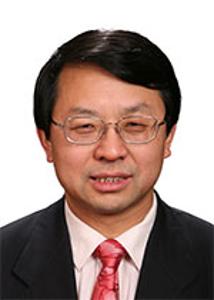 Fusuo Zhang (张福锁)合作论文数Shanxi Agricultural University;China Agricultural University11R. J. Buresh合作论文数International Rice Research Institute11
 Charles S. Wortmann合作论文数Department of Agronomy and Horticulture, University of Nebraska-Lincoln10D Dawe合作论文数10John L. Lindquist合作论文数Department of Agronomy and Horticulture, University of Nebraska10Jialun Ping (平加伦)合作论文数9
 Thomas Oberthur合作论文数International Center for Tropical Agriculture9
 Patricio Grassini合作论文数Department of Agronomy and Horticulture, College of Agricultural Sciences and Natural Resources, Institute of Agriculture and Natural Resources, University of Nebraska-Lincoln9
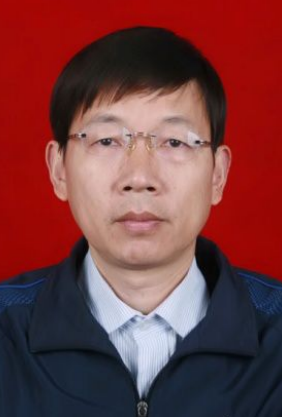 Shaobing Peng合作论文数Department of Agronomy, College of Plant Science and Technology, Huazhong Agricultural University8Hermenegildo C. Gines合作论文数8
 Viacheslav I. Adamchuk合作论文数Department of Bioresource Engineering, Faculty of Agricultural and Environmental Sciences, McGill University8M. A. A. Adviento合作论文数7Guanghou Wang合作论文数7
 Mirasol F. Pampolino合作论文数International Plant Nutrition Institute (IPNI) Southeast Asia Program7T. D. Setiyono合作论文数6S. Abdulrachman合作论文数6Rajagopal Nagarajan合作论文数6
 David D. Tarkalson合作论文数Agricultural Research Service, Northwest Irrigation and Soils Research Laboratory United States Department of Agriculture6Wang Guanghuo (王光火)合作论文数6Stephan M. Haefele合作论文数The Africa Rice Center (WARDA)6
 O (Oene) Oenema合作论文数China Agricultural University;Wageningen University & Research6Timothy J. Arkebauer合作论文数6
 Palaniyandi Stalin合作论文数Tamilnadu Rice Research Institute6b hardy合作论文数5A. Weiss合作论文数5
 Zhang Xin合作论文数Woodrow Wilson School of Public and International Affairs5
 Charles L Shapiro合作论文数Icahn School of Medicine at Mount Sinai5
 Rhae A. Drijber合作论文数Dept Agron & Hort, Univ Nebraska5T. T. Son合作论文数4T. J. Arkebauer合作论文数4gregory j teichmeier合作论文数4Cameron Ludemann合作论文数4Kazuki Saito合作论文数4
 Heinz-Ulrich Neue合作论文数4
 Nurwulan Agustiani合作论文数Indonesian Center for Rice Research, Sukamandi 41256, Indonesia4
 David Dawe合作论文数Food and Agriculture Organization of the United Nations4Dan Olk合作论文数Agricultural Research Service, U.S. Department of Agriculture4
 Bernard Vanlauwe合作论文数International Institute of Tropical Agriculture4
 Jagadish Timsina合作论文数Institute of Agriculture and Animal Science, Tribhuvan University4
 Pauline Chivenge合作论文数Department of Plant Sciences, University of California4
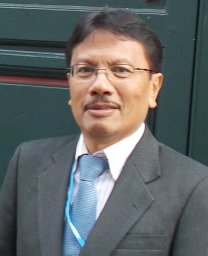 Fahmuddin Agus合作论文数Indonesian Soil Research Institute4
 Gary W. Hergert合作论文数4




