Various novelties have emerged since the last update of the position paper on sleep medicine in cardiology of the German Cardiac Society in 2014, which is why this revision became necessary. This new version not only includes all new studies available up to the date of printing, including references, updates on pathophysiology, diagnostics, and treatment recommendations but also constitutes outlooks towards novel developments and future scientific projects in this field. This revised position paper provides not only recommendations on diagnostics and treatment for cardiovascular patients with sleep-disordered breathing but also provides an overview of available treatment and evidence. In addition, it provides advice on interactions with comorbidities and in particular includes revised statements on sleep-disordered breathing in patients with coronary artery disease, heart failure, arterial hypertension and atrial fibrillation. Moreover, for the first time this position paper comprises recommendations for telemedicine as an individual novel chapter. This position paper supplies cardiologists as well as all physicians treating patients with cardiovascular diseases options for evidence-based medicine for treatment of the combination of cardiovascular disease in context with the growing attention towards the comorbidity of sleep-disordered breathing. If nothing else, this position paper implicates close interaction with the novel curriculum "sleep medicine" of the German Cardiac Society, facilitating orientation on the newly acquired capabilities through completion of the curriculum to fully handle the diagnostics and treatment of cardiovascular patients with sleep-disordered breathing.
Patients with a wide variety of cardiovascular diseases, including arterial and pulmonary hypertension, arrhythmia, coronary artery disease and heart failure, are more likely to report impaired sleep with reduced sleep duration and quality, and also, sometimes, sleep interruptions because of paroxysmal nocturnal dyspnoea or arrhythmias. Overall, objective short sleep and bad sleep quality (non-restorative sleep) and subjective long sleep duration are clearly associated with major cardiovascular diseases and fatal cardiovascular outcomes. Sleep apnoea, either obstructive or central in origin, represents the most prevalent, but only one, of many sleep-related disorders in cardiovascular patients. However, observations suggest a bidirectional relationship between sleep and cardiovascular diseases that may go beyond what can be explained based on concomitant sleep-related disorders as confounding factors. This makes sleep itself a modifiable treatment target. Therefore, this article reviews the available literature on the association of sleep with cardiovascular diseases, and discusses potential pathophysiological mechanisms. In addition, important limitations of the current assessment, quantification and interpretation of sleep in patients with cardiovascular disease, along with a discussion of suitable study designs to address future research questions and clinical implications are highlighted. There are only a few randomised controlled interventional outcome trials in this field, and some of the largest studies have failed to demonstrate improved survival with treatment (with worse outcomes in some cases). In contrast, some recent pilot studies have shown a benefit of treatment in selected patients with underlying cardiovascular diseases.
Es hat sich viel getan in der Welt der Schlafmedizin in der Kardiologie, weshalb eine vollwertige Überarbeitung des Positionspapiers „Schlafmedizin in der Kardiologie“ erforderlich wurde. In der aktuellen neuartigen Version finden sich nicht nur alle verfügbaren Studien, Literaturstellen und Updates zu Pathophysiologie, Diagnostik- und Therapieempfehlungen, sondern auch Ausblicke auf neue Entwicklungen und zukünftige Forschungserkenntnisse. Dieses überarbeitete Positionspapier gibt Empfehlungen für Diagnostik und Therapie von Patienten mit kardiovaskulären Erkrankungen mit schlafassoziierten Atmungsstörungen und erteilt darüber hinaus einen fundierten Überblick über verfügbare Therapien und Evidenzen, gibt aber ebenso Ratschläge wie mit Komorbiditäten umzugehen ist. Insbesondere enthält dieses überarbeitete Positionspapier aktualisierte Stellungnahmen zu schlafassoziierten Atmungsstörungen bei Patienten mit koronarer Herzerkrankung, Herzinsuffizienz, arterieller Hypertonie, aber auch für Patienten mit Vorhofflimmern. Darüber hinaus finden sich erstmals Empfehlungen zur Telemedizin als eigenes, neues Kapitel. Dieses Positionspapier bietet Kardiologen sowie Ärzten in der Behandlung von kardiovaskulären Patienten die Möglichkeit einer evidenzbasierten Behandlung der wachsend bedeutsamen und mit zunehmender Aufmerksamkeit behafteten Komorbidität schlafassoziierter Atmungsstörungen. Und nicht zuletzt besteht mit diesem neuen Positionspapier eine enge Verknüpfung mit dem neuen Curriculum Schlafmedizin der Deutschen Gesellschaft für Kardiologie, weshalb dieses Positionspapier eine Orientierung für die erworbenen Fähigkeiten des Curriculums im Umgang von kardiovaskulären Patienten mit schlafassoziierten Atmungsstörungen darstellt.
Background Patients with atrial fibrillation (AF) are at increased risk for ischemic stroke. In patients who have suffered a stroke, screening for AF is routinely performed only for a short period after the stroke as part of the evaluation for possible causes. If AF is detected after an ischemic stroke, oral anticoagulation therapy is recommended for secondary stroke prevention. In 25% to 30% of stroke patients, the stroke mechanism cannot be determined (cryptogenic stroke). The incidence of paroxysmal AF undetected by short-term monitoring in patients with cryptogenic stroke is unknown, but has important therapeutic implications on patient care. The optimum monitoring duration and method of AF detection after stroke are unknown. The purpose of this study is to evaluate the incidence of AF and time to AF detection in patients with cryptogenic stroke using an insertable cardiac monitor.Study Design The CRYSTAL AF trial is a randomized prospective study to evaluate a novel approach to long-term monitoring for AF detection in patients with cryptogenic stroke. Four hundred fifty cryptogenic stroke patients (by definition, without a history of AF) will be enrolled at approximately 50 sites in Europe, Canada, and the United States. Patients will be randomized in a 1: 1 fashion to standard arrhythmia monitoring (control arm) or implantation of the subcutaneous cardiac monitor (Reveal XT; Medtronic, Inc, Minneapolis, MN) (continuous monitoring arm).Outcomes The primary end point is time to detection of AF within 6 months after stroke. The clinical follow-up period will be at least 12 months. Study completion is expected at the end of 2012. (Am Heart J 2010; 160: 36-41.e1.)
Background Cardiac MRI (cMRI) has become an effective and feasible tool to identify the anatomy of the left atrium and the pulmonary veins (PV) prior to pulmonary vein ablation (PVI) in patients with atrial fibrillation (AF). It is still difficult to predict the potential success of a PVI. Methods
Background: Management of elderly patients with acute coronary syndromes (ACS) is not standardized and physicians discretion for invasive versus conservative strategies lacks sufficient evidence. The purpose of this analysis was, therefore, to evaluate treatment strategies and outcomes of elderly patients with ACS and to highlight reasons for the treatment decision in a consecutive series of elderly patients. Methods: This is a retrospective analysis of 1,001 elderly patients (>75 years) presenting with ACS. Patients were identified on the basis of their final discharge diagnosis. Baseline data, past medical history, cardiac and noncardiac concomitant diseases, treatment strategy, and adverse outcomes were evaluated, using patient's charts. Various co-variates were used to determine the association or predictive value of these co-variates to the invasive versus conservative management of the subjects. Thirty-day mortality and long-term survival were assessed either directly or in discharged patients via telephone interview with the patients, the patients' relatives or the primary care physicians. Results: A total of 776 (77.5%) patients were treated invasively and 225 (22.5%) conservatively. Logistic regression analysis revealed that patients with advanced age, Killip class > II, pre-existing coronary artery disease, prior stroke, pre-existing renal failure, obesity, non-ST-elevation myocardial infarction, prior ACS, and the presence of supraventricular arrhythmias were significantly more likely to undergo conservative treatment. In-hospital mortality was significantly higher in conservatively treated patients (P < 0.001). Conclusion: In this retrospective analysis, we identified age as the main predictor for a conservative treatment strategy in elderly patients, albeit an invasive strategy was associated with a significantly better outcome. (c) 2012 Wiley Periodicals, Inc.
Diagnosis and treatment of coronary heart disease are performed in the catheter laboratory using an angiographic X-ray C-arm system. The morphology of the coronary tree and potentially ischemic lesions are determined in 2D projection views. The hemodynamic impact of the lesion would be valuable information for treatment decision. Using other modalities for functional imaging is disrupting the clinical workflow since the patient has to be transferred from the catheter laboratory to another scanner, and back to the catheter laboratory for performing the treatment. In this work a novel technology is used for simultaneous 3D imaging of first pass perfusion and the morphology of the coronary tree from a single rotational angiogram. A selective, single shot of contrast agent of less than 20ml directly into the coronaries is sufficient for a proper contrast resolution. Due to the long acquisition time cardiac motion has to be considered. A novel reconstruction technique for estimation and compensation of cardiac motion from the acquired projection data is used. The overlay of the 3D structure of the coronary tree and the perfusion image shows the correlation of myocardial areas and the associated coronary sections supporting that region. In a case example scar lesions caused by a former myocardial infarct are investigated. A first pass perfusion defect is found which is validated by a late enhancement magnetic resonance image. No ischemic defects are found. The non vital regions are still supported by the coronary vasculature.
AIMS Rotational angiography (RA) of the coronary sinus (CS) provides more anatomical insights compared with static angiographies. We evaluated intraprocedural three-dimensional (3D) CS reconstruction (RC) based on RA, using syngo(®) DynaCT Cardiac to guide CS lead implantation. METHODS AND RESULTS In 24 patients with indication for cardiac resynchronization therapy, intraprocedural RA and 3D RC of the CS was performed. Lead placement was guided by 3D image integration into real-time fluoroscopy. Rotational angiography and 3D RCs were evaluated regarding visibility of the CS and tributaries, CS-to-target vein angles, and vessel diameters. The target vein for CS lead implantation, identified by RA, was successfully displayed by 3D RC in 20 (91%) of 22 patients with adequate RA. All lead implantations were guided successfully by 3D image integration into real-time fluoroscopy. Cranial or caudal angulations were used in 95% of the procedures without further angiographies. Rotational angiography displayed a mean of 2.9 ± 1.0 second-order side branches compared with 1.8 ± 1.1 in 3D RCs (P< 0.05). The CS-to-target vein angle estimated from static projections (right anterior oblique 20°, left anterior oblique 40°, and even optimal RA view) differed substantially from 3D RCs. Main vessel diameters did not differ significantly between both techniques. CONCLUSION Intraprocedural 3D RC of the CS and 3D image integration-guided lead placement is feasible. Coronary sinus-to-target vein angles seemed to be misestimated even by RA views compared with 3D RC. Thus RA and 3D CS RC should be applied routinely for CS lead implantation.
AIMS:The vascular closure device (VCD) Angio-Seal is an easy-to-use system for the closure of arterial puncture sites after percutaneous coronary intervention (PCI), and allows for early mobilisation of the patient. However, little data are available about exercising early after the use of VCD's in PCI patients.METHODS AND RESULTS:A total of 230 consecutive patients were screened. Of these, 45 (20%) were excluded due to the inability to perform exercise testing, or anatomical conditions which prevented the insertion of a VCD. The 185 remaining patients (139 male, mean age 68 ± 12 years) received Angio-Seal after PCI. After four hours, 30 patients (16%) showed a small local haematoma, 11 patients (6%) complained about minor -and one patient (0.5%) about strong- groin pain. There were no major bleeding complications, six pseudo-aneurysmata, and one arterio-venous fistula. Overall, nine patients (6%) showed moderate to severe groin problems. Patients without major complications underwent bicycle cardiopulmonary exercise testing the subsequent day. Exercise testing was performed up to 136 ± 60 W in 176 patients (94%). Maximum workload was 104 ± 33 W, peak oxygen consumption 17.6 ± 5.1 ml/min/kg, and oxygen consumption at the anaerobic threshold 15.4 ± 4.2 ml/min/kg. After exercise testing there were no cardiovascular complications noted.CONCLUSIONS:In patients receiving VCD after PCI, exercise testing above the anaerobic threshold was feasible after Angio-Seal deployment in those patients with no complications after the use of the device.
The Optimization of Heart Failure Management using OptiVol Fluid Status Monitoring and CareLink (OptiLink HF) study is designed to investigate whether OptiVol fluid status monitoring with an automatically generated wireless CareAlert notification via the CareLink Network can reduce all‐cause death and cardiovascular hospitalizations in an HF population, compared with standard clinical assessment.
Patients with atrial fibrillation (AF) often suffer from blood clots originating from the left atrial appendage (LAA). As these clots are the main cause of central and peripheral embolism, patients receive oral anticoagulation therapy. For those patients who cannot be treated effectively with oral anticoagulants, percutaneous transcatheter LAA occlusion systems have been invented as a promising alternative.
PURPOSE:Our goal was to evaluate acute effects of left atrial lesion formation and volume overload on hemodynamics during pulmonary vein antrum isolation (PVAI) as it might be a potential cause of acute pulmonary edema.METHODS:In consecutive patients presenting for PVAI, open irrigation ablation was performed (50 W, 48°C, 15 s lesion duration, saline flow rate 30 mL/min). Blood samples were drawn from the left atrium and the pulmonary artery immediately before and 30 min after PVAI. The cardiac output (CO) and stroke volume (SV) were calculated by the method of Fick.RESULTS:We included 61 (27 female, 61 ± 11 years) patients suffering from paroxysmal (px; 33) or persistent (per; 28) atrial fibrillation (AF) in this study. A total of 2,917 ± 242 mL of volume was infused (2,651 ± 223 mL pxAF vs. 3,184 ± 255 mL perAF, (p < 0.01)). Total ablation time was 60 ± 7 min (52 ± 7 min in pxAF vs. 69 ± 8 min in perAF; (p < 0.001)). CO increased from 5.2 ± 1.3 to 6.2 ± 1.5 L/min (p < 0.001) during PVAI (5.7 ± 1.3 to 6.5 ± 1.7 L/min in pxAF; (p < 0.002) and 4.8 ± 1.1 to 5.9 ± 1.2 L/min in perAF; (p < 0.001)). SV increased from 74 ± 24 to 83 ± 21 mL (p < 0.005) during PVAI, and subgroups showed an increase of 82 ± 23 to 88 ± 22 mL in pxAF (p < 0.009) and 62 ± 21 to 76 ± 16 mL in perAF (p < 0.009).CONCLUSIONS:From our preliminary experience, left atrial scarring and volume overload during PVAI do not seem to impact negatively hemodynamics. On the contrary, an improvement in cardiac output was documented acutely independent of type of AF.
The aim of this study was to prospectively assess the clinical outcome and quality of life of elderly patients who underwent either coronary artery bypass grafting (CABG) or percutaneous coronary intervention (PCI) with drug-eluting stents (DES) for treatment of significant left main disease (LMD) compared to a younger patient population.
Angiotensin II exerts proinflammatory effects leading to atrial fibrosis that is associated with persistence of atrial fibrillation (AF). Renal function plays a major role in activation of the renin-angiotensin-aldosterone system. We examined whether the level of impaired renal function, defined by glomerular filtration rate (GFR), would influence the maintenance of sinus rhythm after successful external electric cardioversion (ECV). One hundred two consecutive patients with persistent AF underwent successful ECV. Patients were prospectively followed for recurrence of AF by telephone interviews; Holter electrocardiograms, and electrocardiograms sent by primary care providers. Repeated GFR assays were performed before and 1 month after ECV. Patients were divided into 4 groups according to baseline GFR (I >90 ml/min, II 60 to 90 ml/min, III 30 to 59 ml/min, IV <30 ml/min). AF recurrence rate was significantly higher in patients with moderately or severely decreased renal function (GFR <60 ml/min, p = 0.003). Patients with moderately (GFR 30 to 59 ml/min, p = 0.02) or only mildly (GFR 60 to 90 ml/min, p = 0.01) decreased renal function showed an increase in GFR if sinus rhythm was maintained at 1 month follow-up. In conclusion, impaired renal function was associated with an increased risk of AF recurrence after successful ECV. (C) 2010 Elsevier Inc. All rights reserved. (Am J Cardiol 2010;105:368-372)
Since the implementation of cardiac resynchronization therapy (CRT) the prognosis of patients with severe heart failure has been improved owing to a reduction in morbidity and mortality rates, as several multicenter trials have shown. However, several patients treated by CRT still lack improvement or even deteriorate during therapy. In some of them, this might be due to the severity and progression of chronic heart failure. In others, the criteria for the indication of CRT and/or optimized device programming might have not been met. Thus, one important option to improve CRT outcome is to improve CRT patient selection. A lot of publications describing various methods identifying a positive or negative prediction of CRT have been released. In summary, decision making based on all these partly contradictory publications indicate a strong need for guidelines for the use of such expensive therapy. The purpose of this article is to give an overview of CRT and summarize the different methods and the limitations of CRT patient selection parameters. With the focus of the different guidelines, this article tries to give an appropriate overview and aid decision making in CRT patients, including a short view of possible new indications.
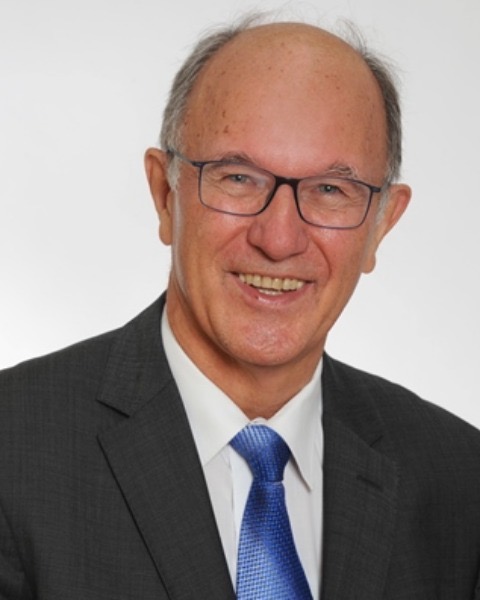 Johannes Brachmann合作论文数Medical School REGIOMED, REGIOMED Kliniken37
 Martin Schmidt合作论文数18
 Ole A Breithardt合作论文数17Guido Ritscher合作论文数17
 Harald Rittger合作论文数14Peter Hanrath合作论文数RWTH Aachen12
 Christoph Stellbrink合作论文数10Harald Marschang合作论文数9
 Erik C. Skobel合作论文数8
 Nassir F. Marrouche合作论文数University Hospital Cardiovascular Center8
 Johannes Rieber合作论文数Klinik für Kardiologie und Internistische Intensivmedizin, Städtisches Klinikum München-Bogenhausen7Christian Mahnkopf合作论文数7Georg Noelker合作论文数6H. Rittger合作论文数5Ralf Koos合作论文数5Andreas H. Mahnken合作论文数4
 Klaus-Jürgen Gutleben合作论文数Mühlenkreiskliniken AöR4Helge Simon合作论文数4Christian Breuer合作论文数4
 Christine Norra合作论文数4Gunter Lauritsch合作论文数4
 Rainer Hoffmann合作论文数4
 Dominik Linz合作论文数3volker schibgilla合作论文数3K Markus合作论文数3
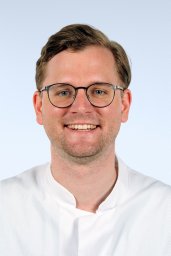 Jens Spiesshoefer合作论文数Institute of Life Sciences, Sant'Anna School of Advanced Studies3
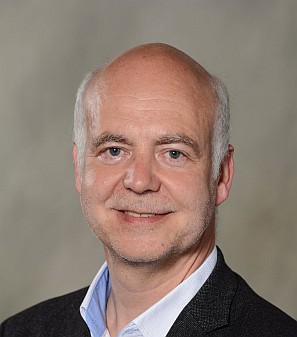 Thomas Penzel合作论文数Department of Cardiology, Sleep Medicine Center, Charité Universitätsmedizin Berlin3Stadler Stefan合作论文数Department of Cardiac Surgery, Medical University of Vienna3
 Fox Henrik合作论文数3
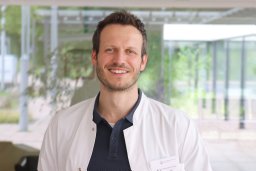 Schöbel Christoph合作论文数Sleep Medicine Center, Charité Universitätsmedizin Berlin;Center for Cardiology and Angiology, Charité Universitätsmedizin Berlin;Charité Universitätsmedizin Berlin, Charité Universitätsmedizin Berlin3Olaf Oldenburg合作论文数3
 Christian Butter合作论文数3Manfred Duecker合作论文数3Ole-Alexander Breithardt合作论文数3
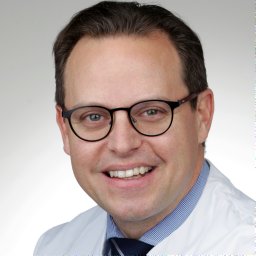 Michael Arzt合作论文数Center for Sleep Medicine, University of Regensburg3Marcos Daccarett合作论文数3Christopher Rohkohl合作论文数Friedrich-Alexander University Erlangen-Nuremberg3
 Markus Zarse合作论文数Medizinische Klinik III Kardiologie und Angiologie, Klinikum Lüdenscheid3F Cuesta合作论文数2Frank Beckers合作论文数2
 Richard A Bernstein合作论文数The Ken & Ruth Davee Department of Neurology, Feinberg School of Medicine, Northwestern University2
 Rod S Passman合作论文数Department of Medicine, Feinberg School of Medicine, Northwestern University2
 Philipp Sommer合作论文数2
 Vincenzo Di Lazzaro合作论文数Dipartimentale di Medicina e Chirurgia, Università Campus Bio-Medico di Roma2Carlos A. Morillo合作论文数2Tommaso Sanna合作论文数Loyola University, Insubria University2Harald P. Kühl合作论文数2




